Loading
by BlastRoom
Practice ordering cells, tissues, organs, and organ systems in plants and animals.
#us_grade_7_science

20 questions
One question set, multiple game modes. Tap any game to see it in action. Not sure which to pick?
Answer to place stones and capture territory.
Outrun the snow together.
Earn blasts, then hunt the other team.
Answer to earn energy, then climb.

The class blasts through walls together.
Bid on mystery lots. Most money wins.
Sell tours. Nice, standard, or a total scam.

Answer, restock, and serve the rush.
More correct answers pulls the rope your way.
Answer, then shoot down the alien wave.
Answer, then tap to leap the frozen ridge.
Which sequence places body structures from smallest to largest?
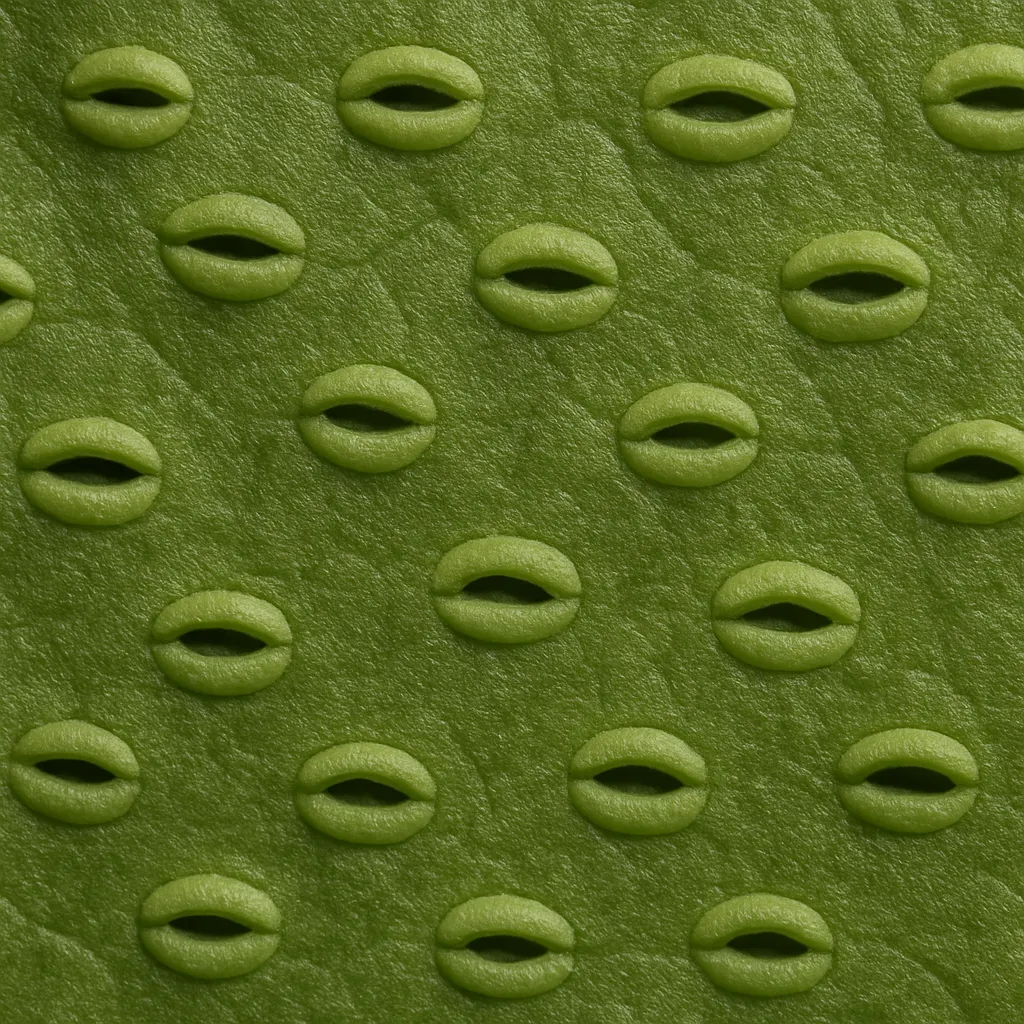
A leaf surface shows many pairs of curved guard cells around tiny pores. What job do these specialized cells do for the leaf?
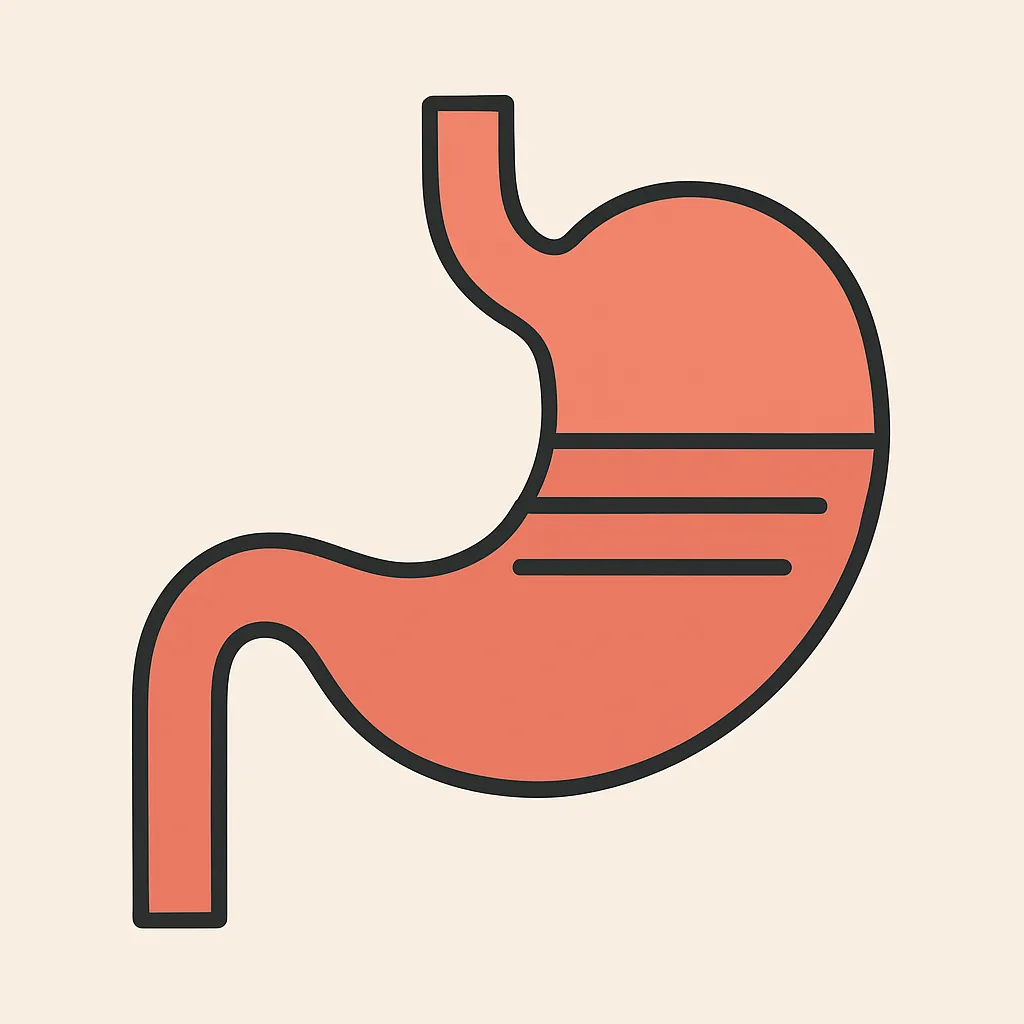
In an animal, which order goes from smallest to largest: stomach, muscle cell, digestive system, muscle tissue?
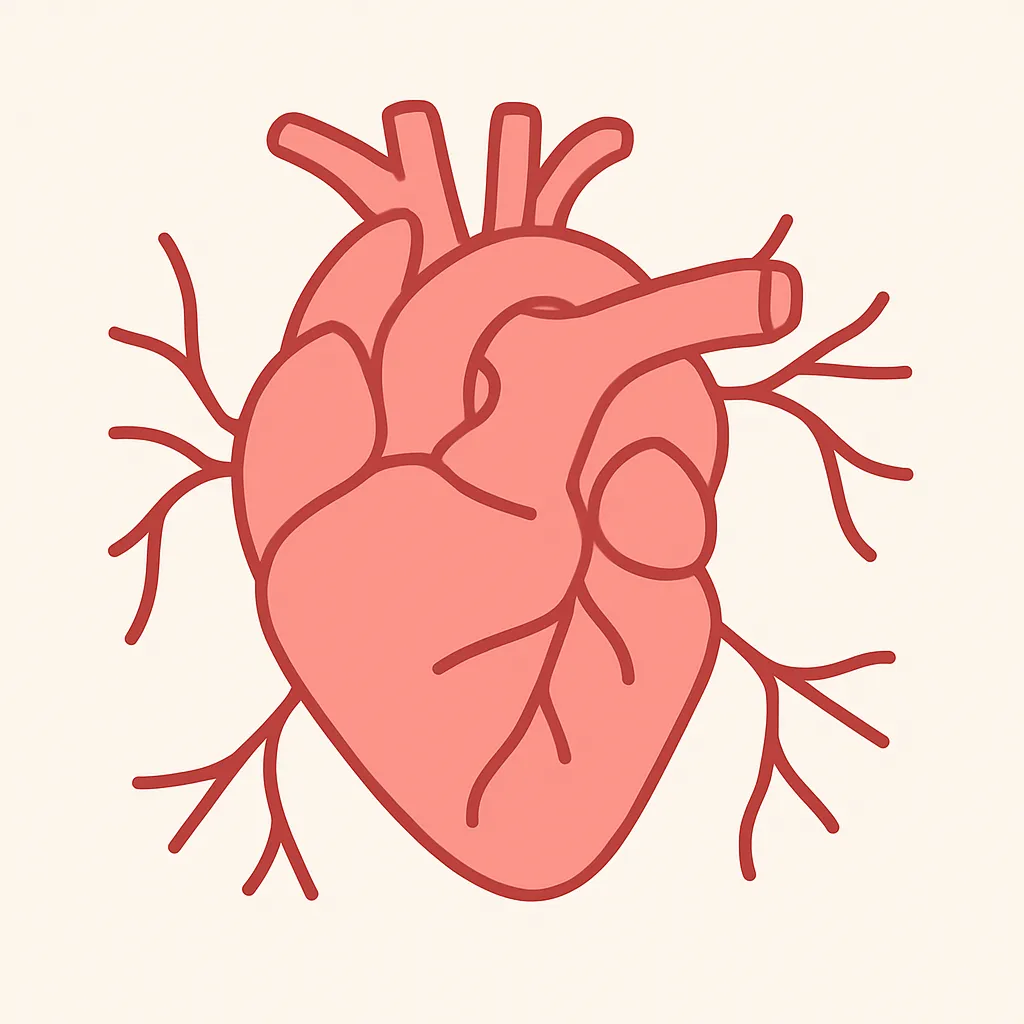
The heart pumps blood to every cell, but that blood must first pick up oxygen. Which organ system works with the circulatory system to supply the oxygen?
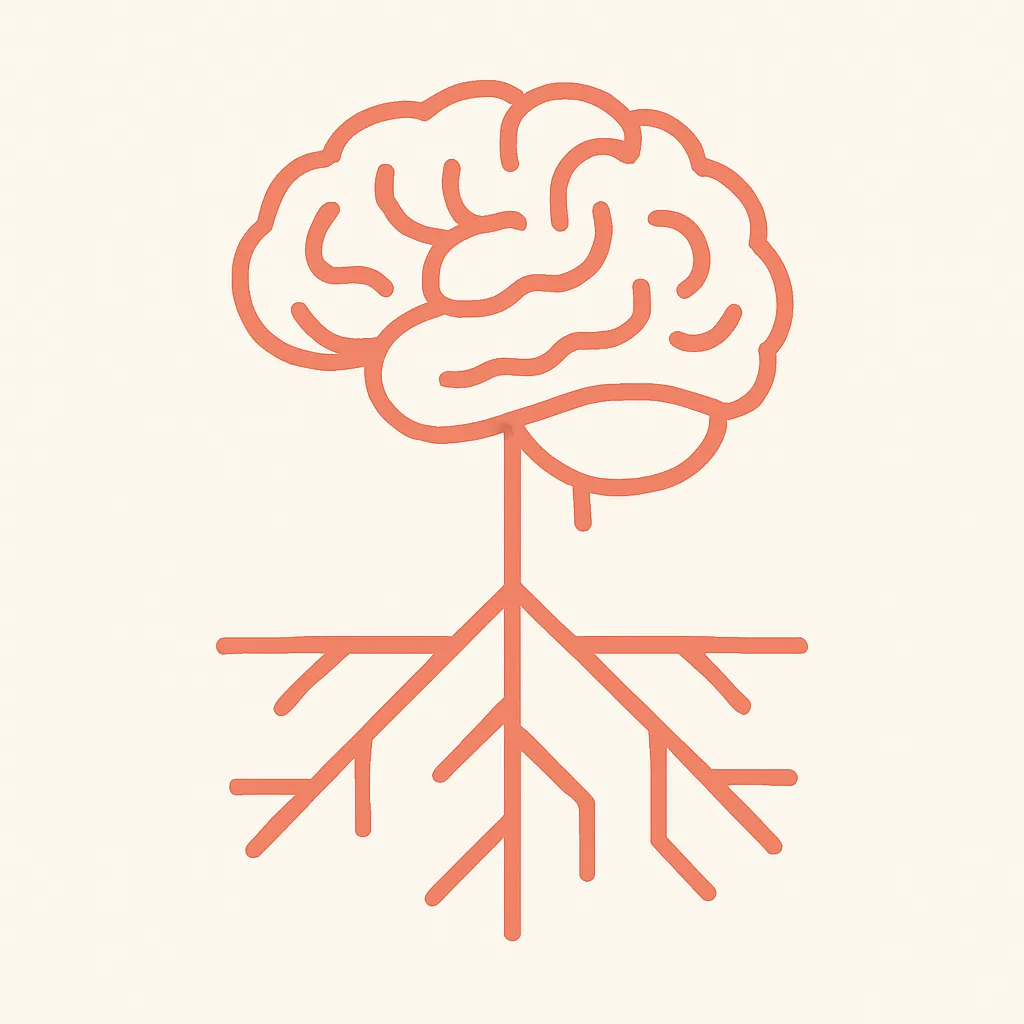
The brain is built from nerve cells that have long, thin branches reaching other cells. How does this shape help nerve cells do their job?
Many similar cells line the inside of the mouth and work together as a sheet. What level of organization is described?
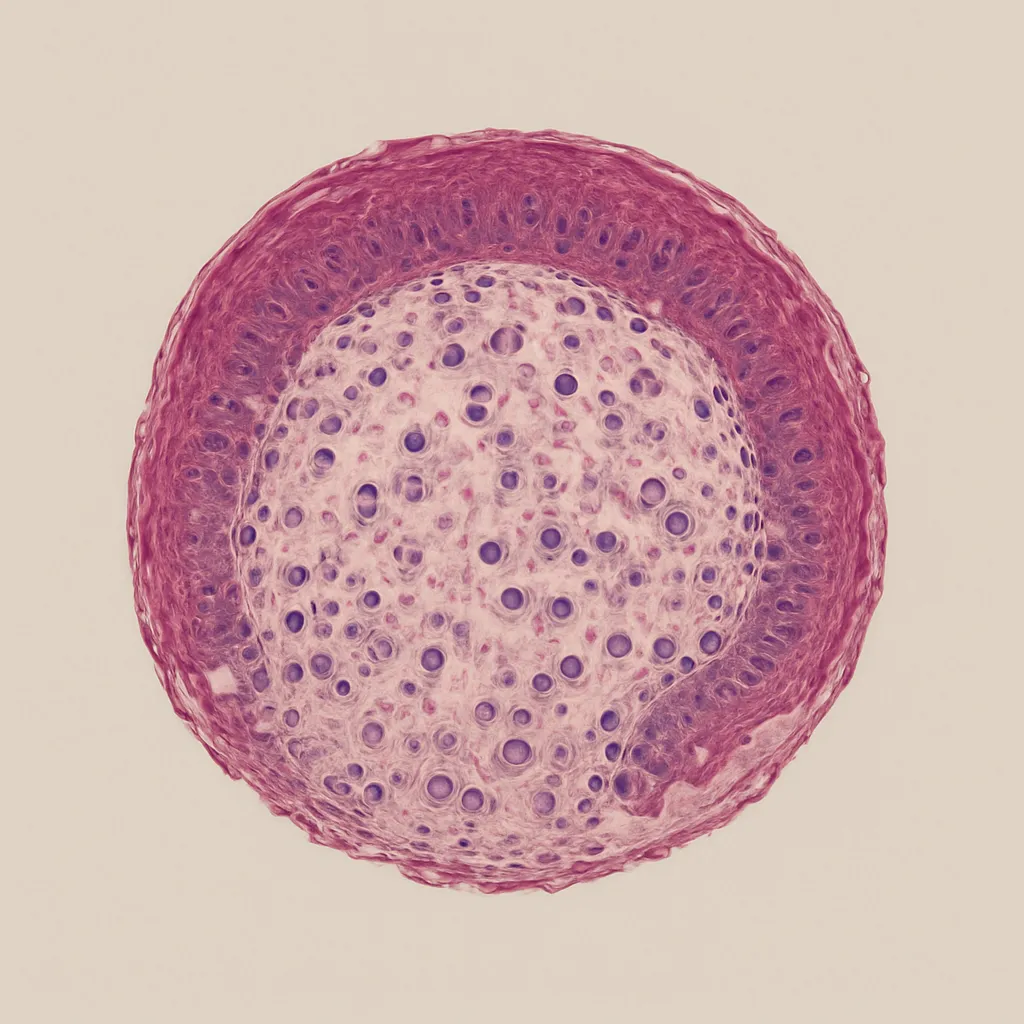
The stomach has muscle tissue, nervous tissue, and lining tissue working together to break down food. What level is the stomach?
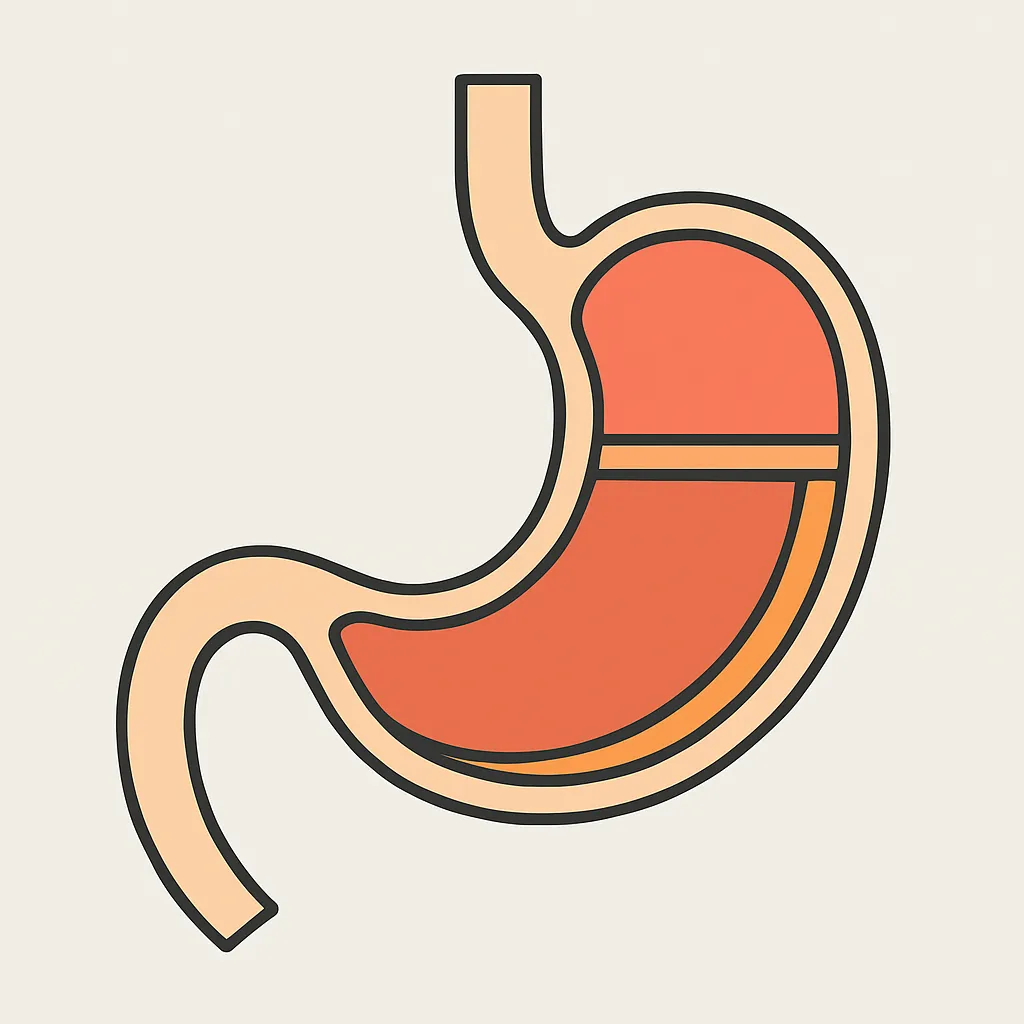
Stems and leaves work together to support the plant and make food. What level do they form?
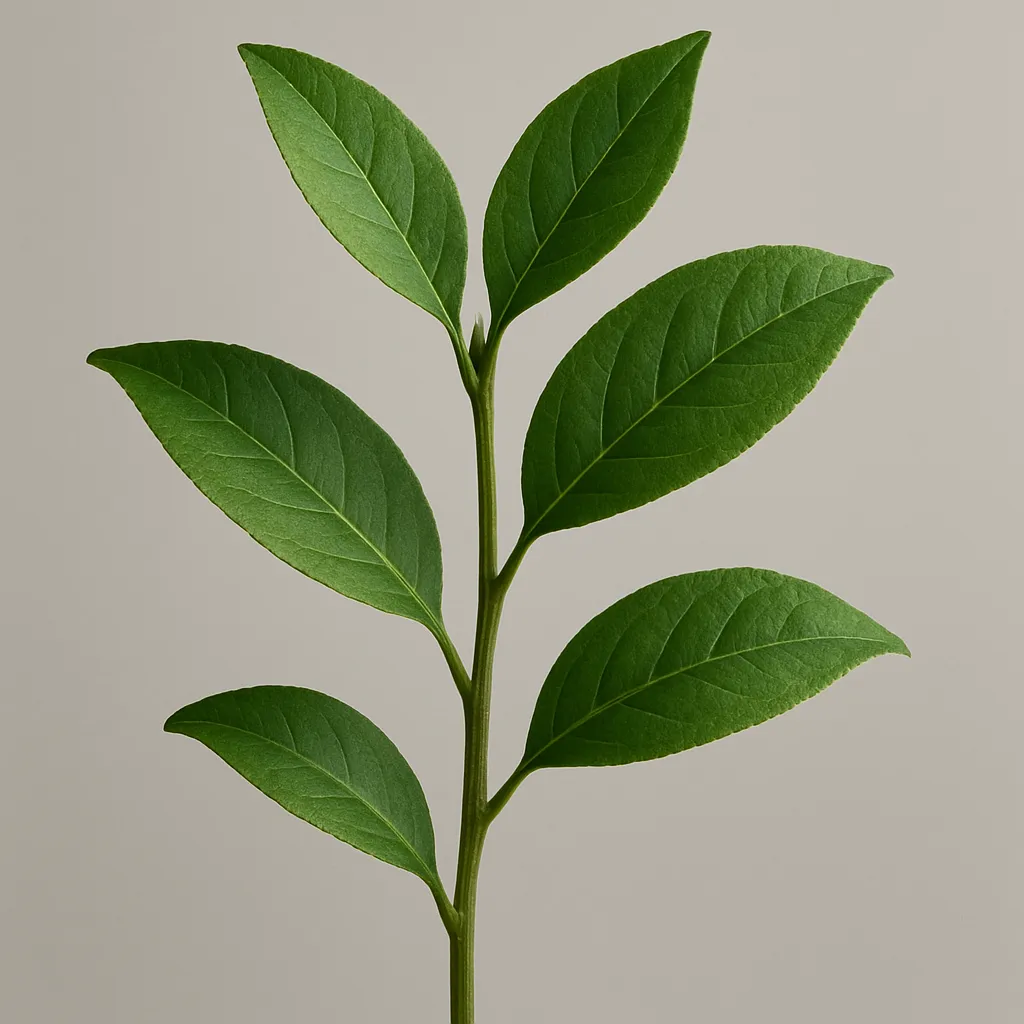
Under a microscope, the smallest living unit of skin divides in two to replace damaged skin near a scrape. What level of organization is that unit?
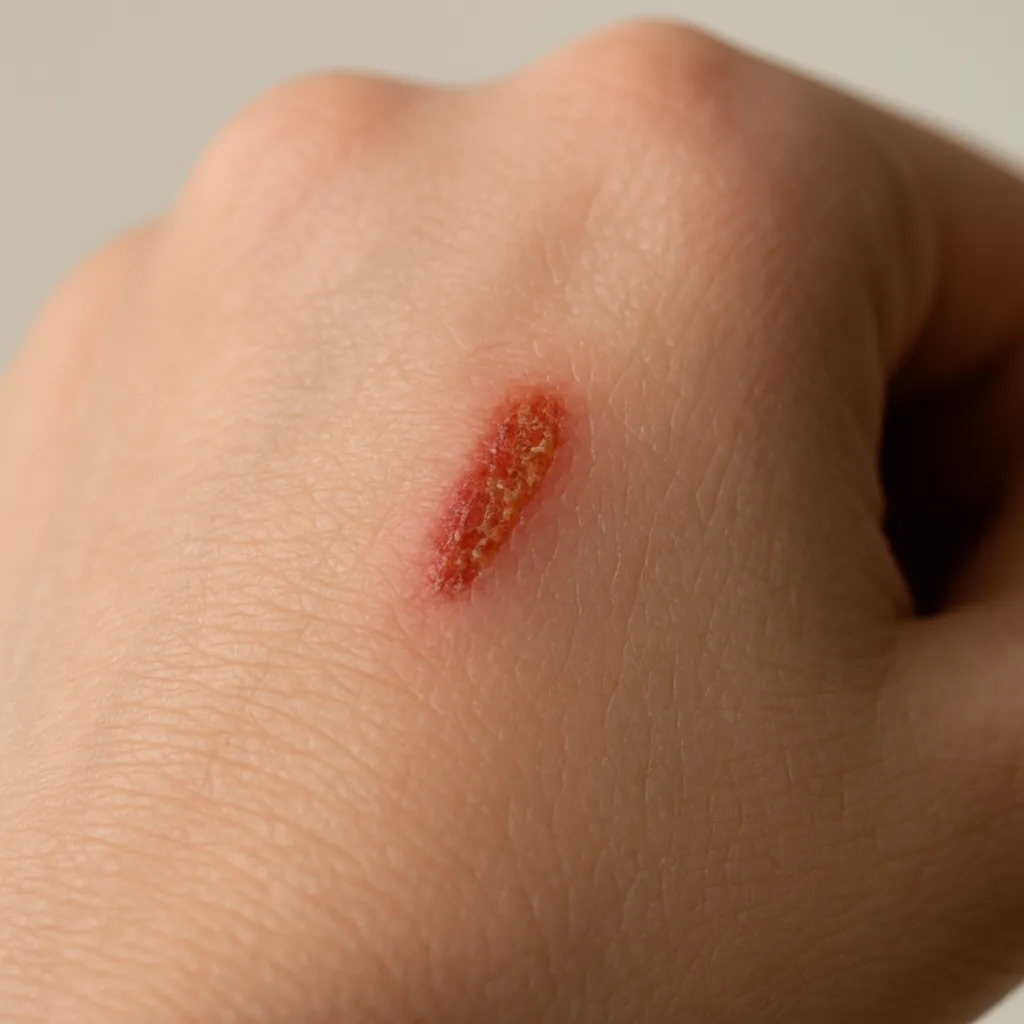
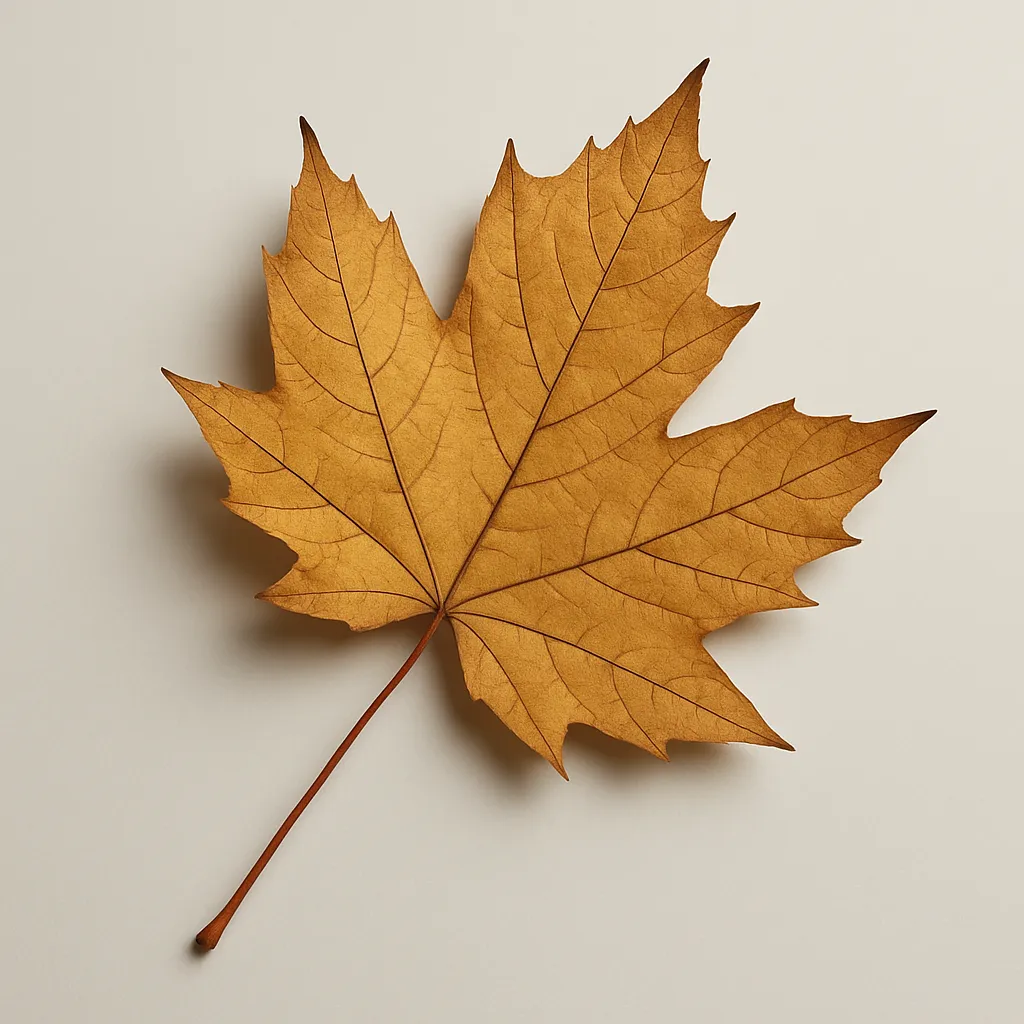
A maple leaf is an organ. Which list names only tissues that work together inside it?
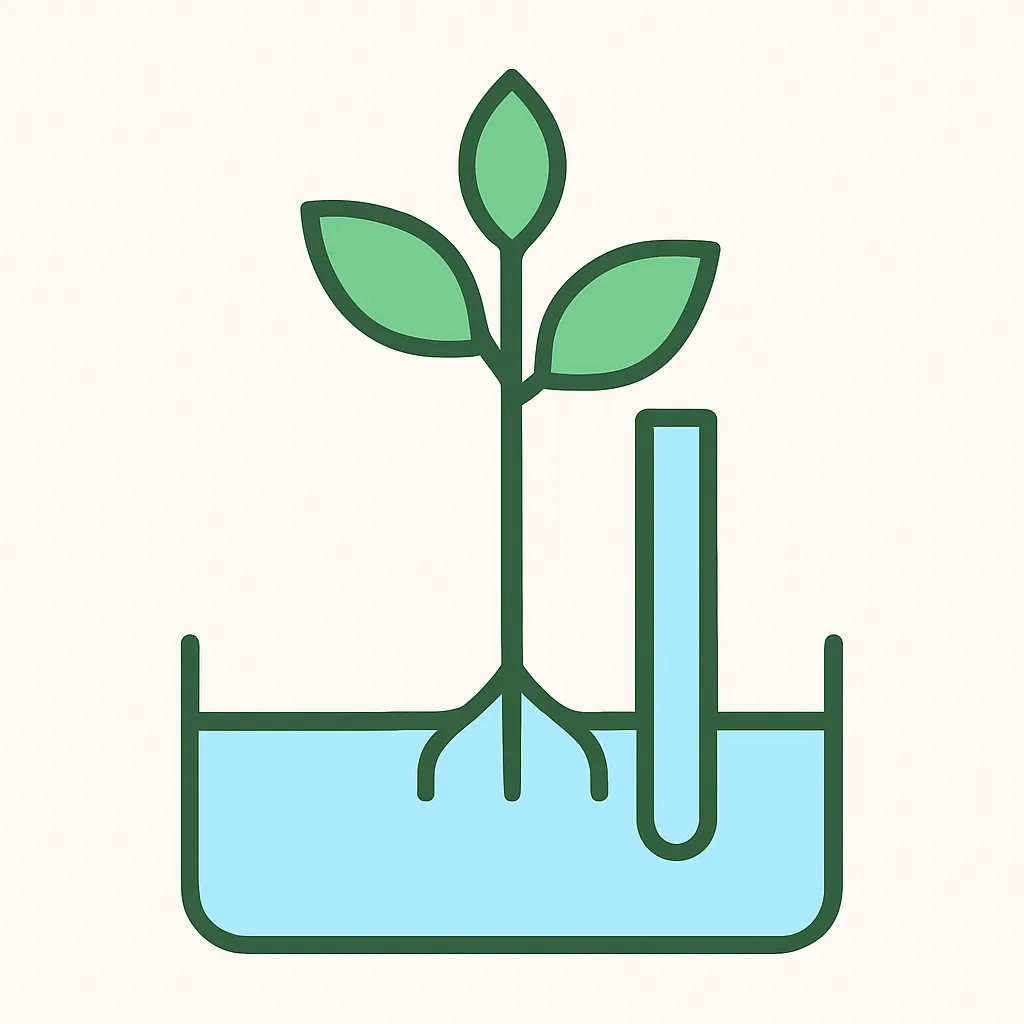
A seedling stands with its roots in a dish of water. Water moves up through thin tubes in its stem to the leaves. Which tissue carries the water up?
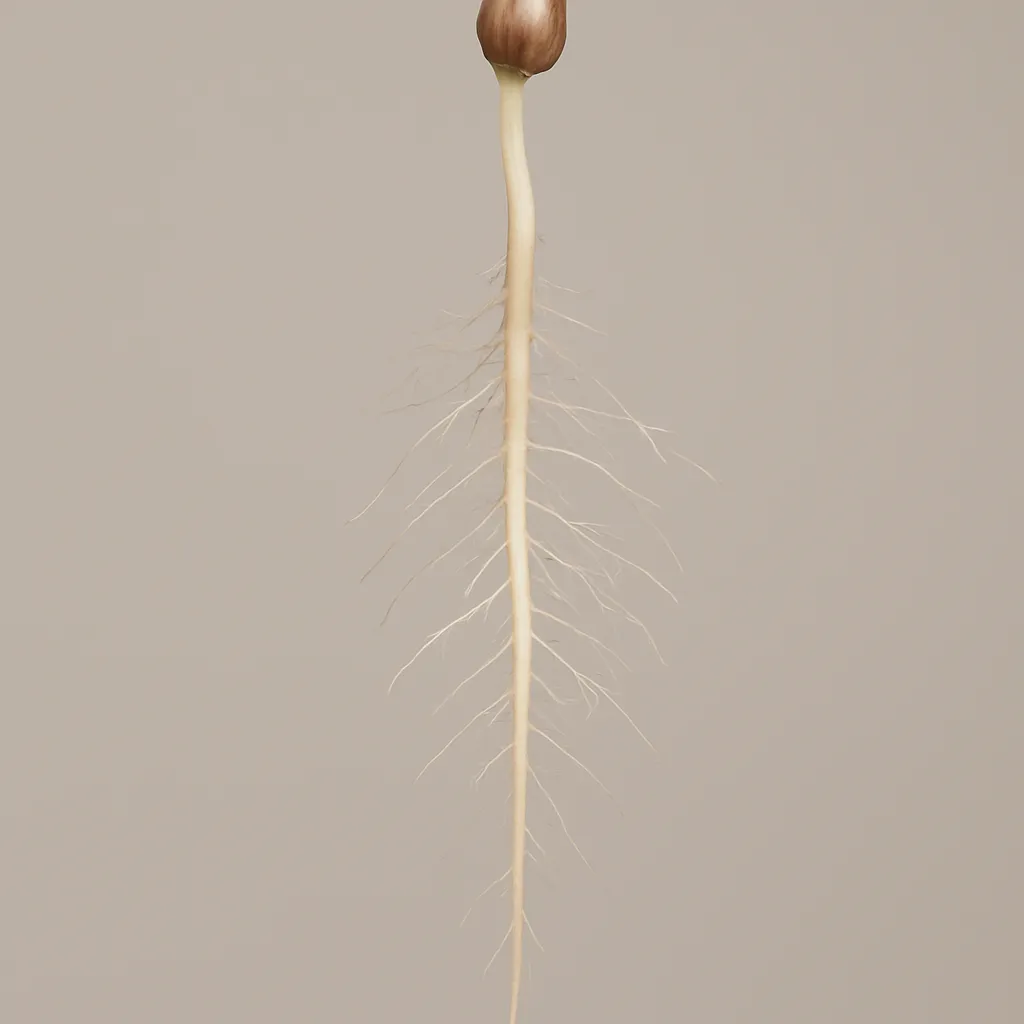
In a bean plant, root hair cells form root tissue, and several tissues form a root. What level is the root?
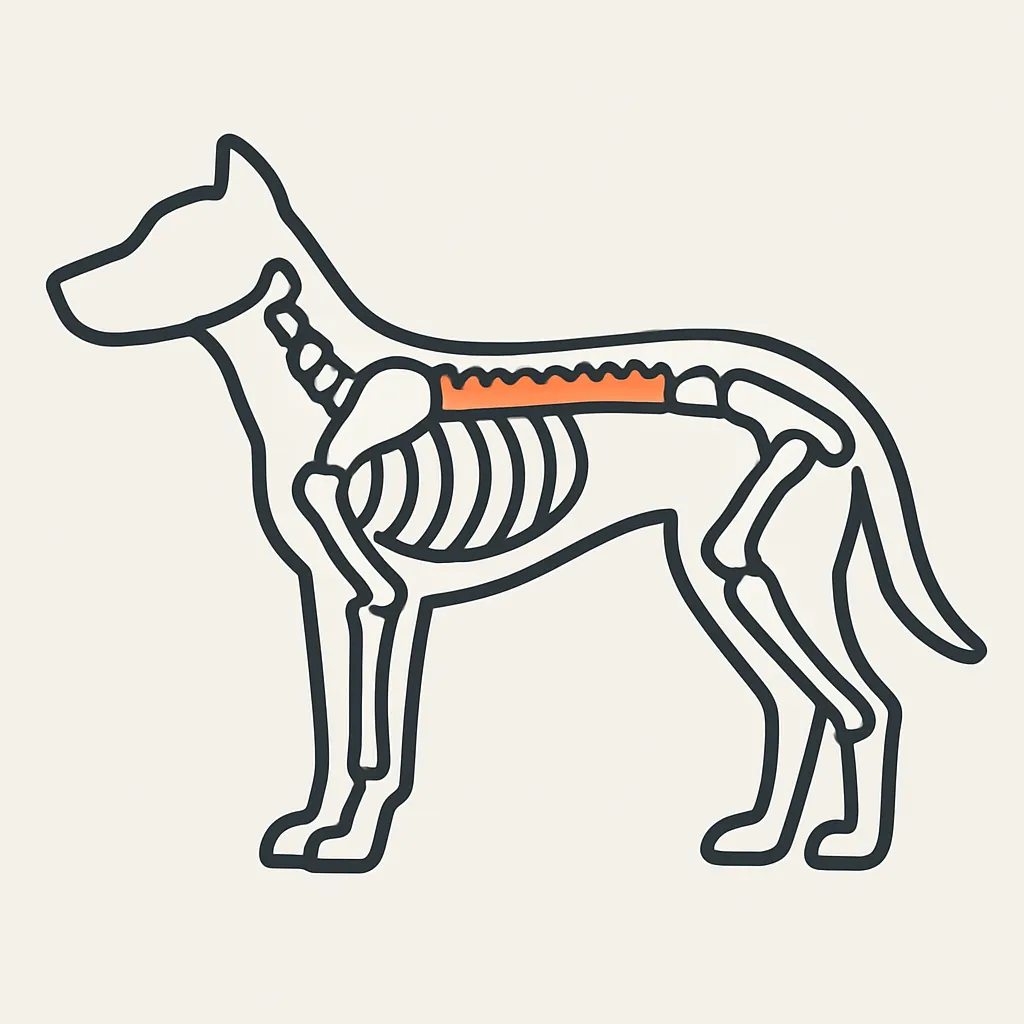
In a dog, nerve cells form nervous tissue, and several tissues form the spinal cord. What level is the spinal cord?
In a fish, muscle cells form muscle tissue, and muscle tissue helps form the heart. What level is the heart?
In a tree, many similar cells form phloem tissue, phloem helps form bark, and bark is part of the stem. What level is phloem?
The lungs, trachea, and diaphragm work together to move air in and out of the body. What level do they form together?
A leaf cell uses chloroplasts, leaf tissue supports photosynthesis, and the leaf connects to stems and roots. What does this show about levels of organization?
When running, muscle cells contract, muscle tissue pulls, leg bones move, and organs in the body supply oxygen. What does this show about organization?
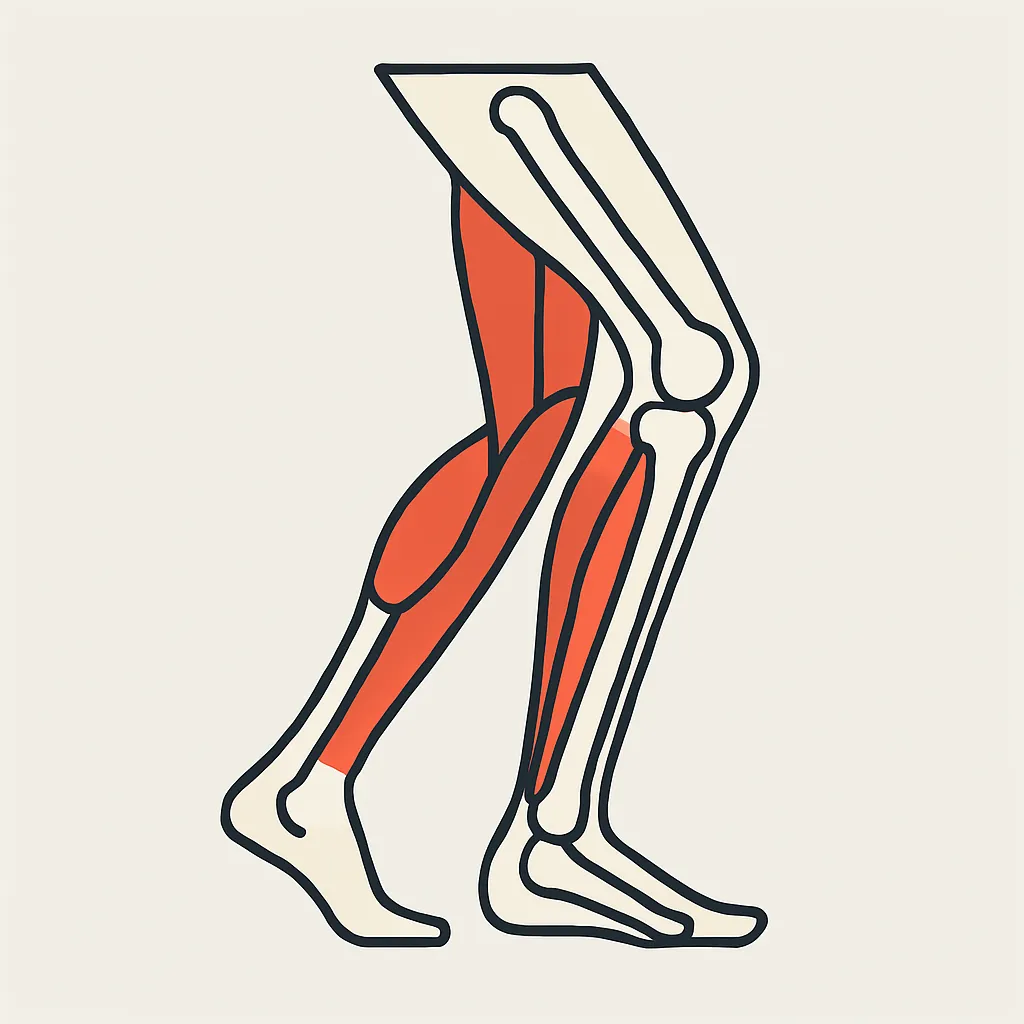
A chart shows heart muscle cell → cardiac muscle tissue → heart → _____. Which term completes the hierarchy?
A chart shows palisade cell → leaf tissue → leaf → _____. Which term completes the plant hierarchy?
Crack the passcode before the zombies get in.
Answer, then swat bugs for bonus points.
Race through questions at your own speed.
Same question on every screen. Fastest wins.

Pick a tile, answer, hit bonuses and steals.
The Circulatory System
20 questions