Loading
by BlastRoom
Students trace blood flow and connect circulatory parts to body needs.
#us_grade_7_science
20 questions
One question set, multiple game modes. Tap any game to see it in action. Not sure which to pick?
Answer to place stones and capture territory.
Outrun the snow together.
Earn blasts, then hunt the other team.
Answer to earn energy, then climb.

The class blasts through walls together.
Bid on mystery lots. Most money wins.
Sell tours. Nice, standard, or a total scam.

Answer, restock, and serve the rush.
More correct answers pulls the rope your way.
Answer, then shoot down the alien wave.
Answer, then tap to leap the frozen ridge.
Blood from the body, low in oxygen, has entered the right atrium. Which chamber does it normally enter next?
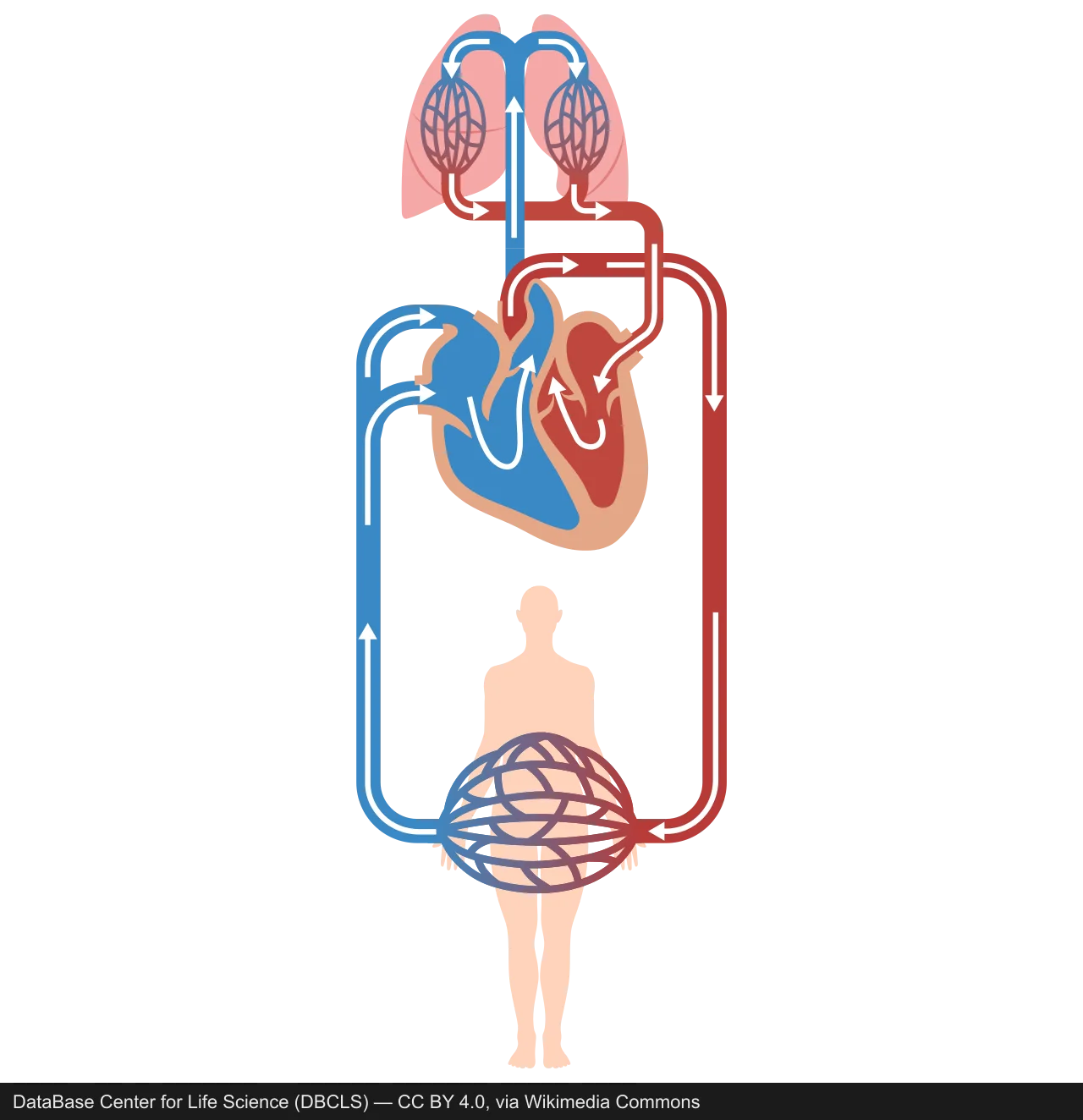
The right ventricle contracts and sends low-oxygen blood toward the lungs. Which vessel carries blood on that path?
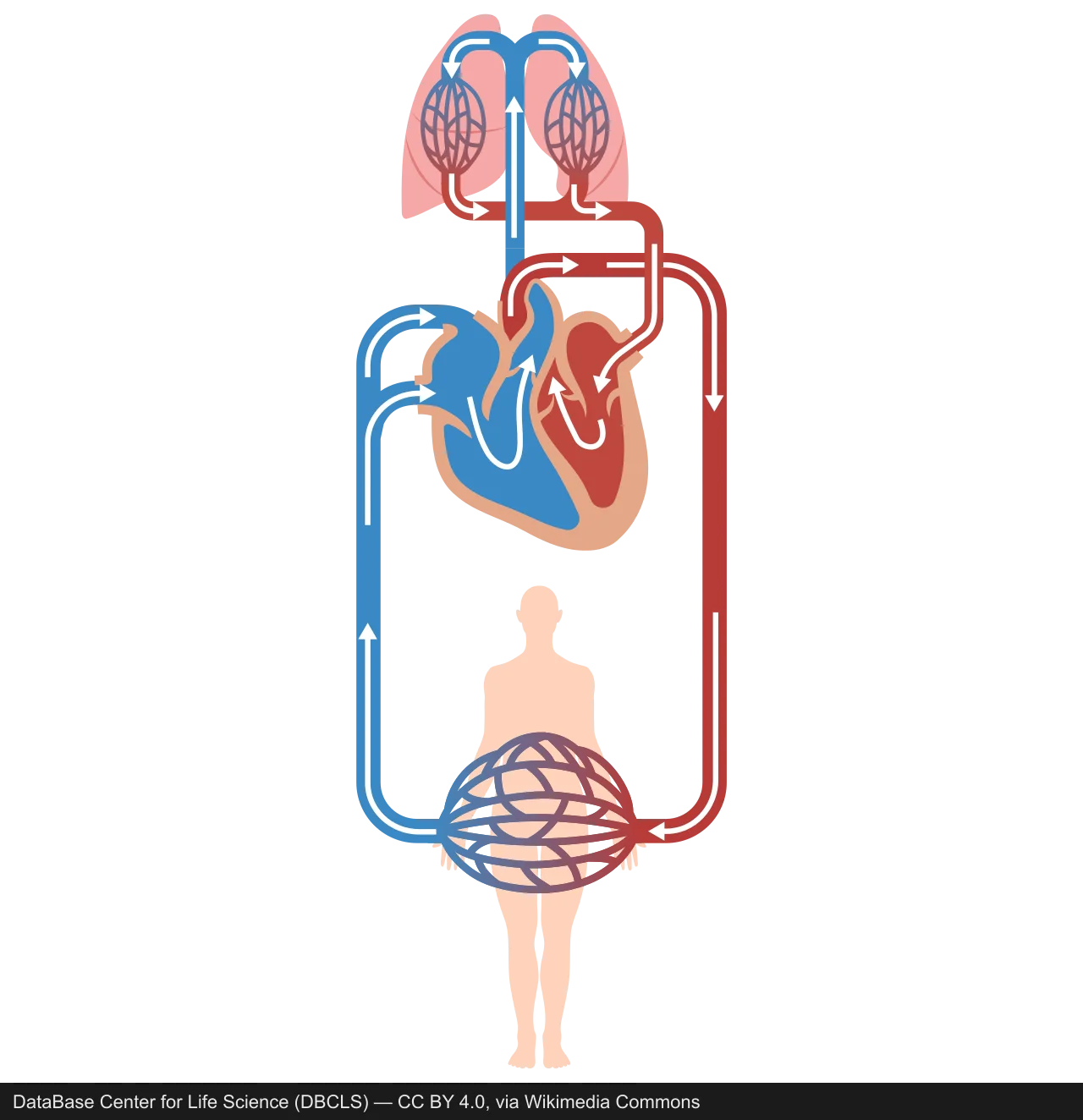
Blood in lung capillaries picks up oxygen. Where does it travel next before moving to the left ventricle?
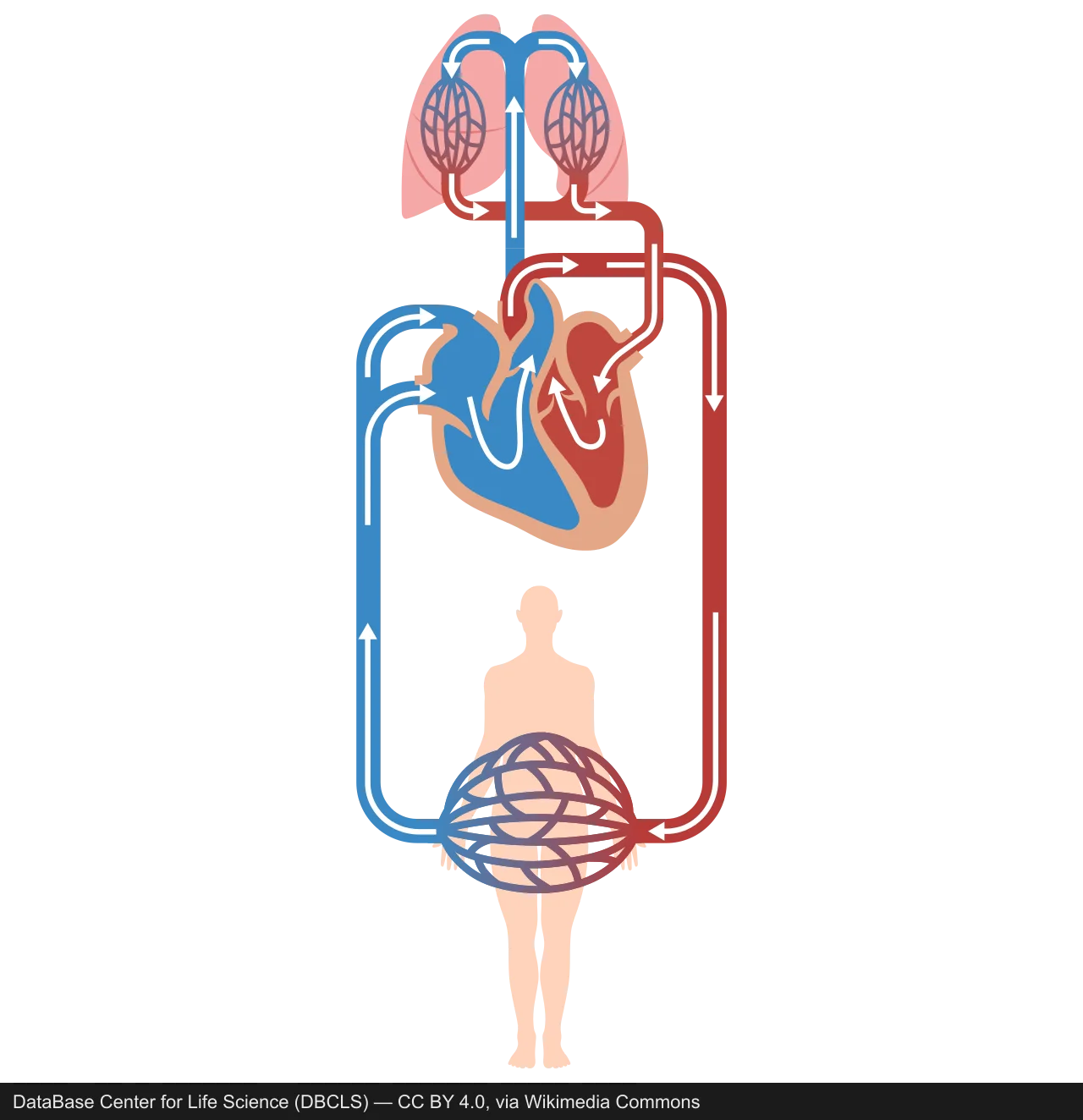
Blood has moved from the left atrium through a valve. Which chamber fills next before blood leaves for the body?
When the left ventricle squeezes, oxygen-rich blood enters the largest artery first. What is that artery called?
After foot cells use oxygen, blood enters vessels that carry it back toward the heart. What vessels do this job?
A wrist vessel stretches with each pulse, has thick elastic walls, and carries blood away from the heart. What type of blood vessel is this?
A leg vessel has valves that keep blood moving upward toward the heart, even against gravity. Which vessel best matches this evidence?
In a toe muscle, blood cells pass single file through a vessel whose wall is one cell thick. What vessel allows this single-file flow?
A hollow, muscular organ squeezes about 100,000 times a day to keep blood moving through two circuits. What organ performs this pumping job?
During a heartbeat, flaps between chambers close so blood does not flow backward. What structure does this job?
Red bone marrow adds cells to a fluid that carries oxygen, wastes, and reproductive hormones. What circulatory fluid is this?
In working muscle, oxygen leaves blood and carbon dioxide enters across tiny vessel walls. What structure makes this exchange possible?
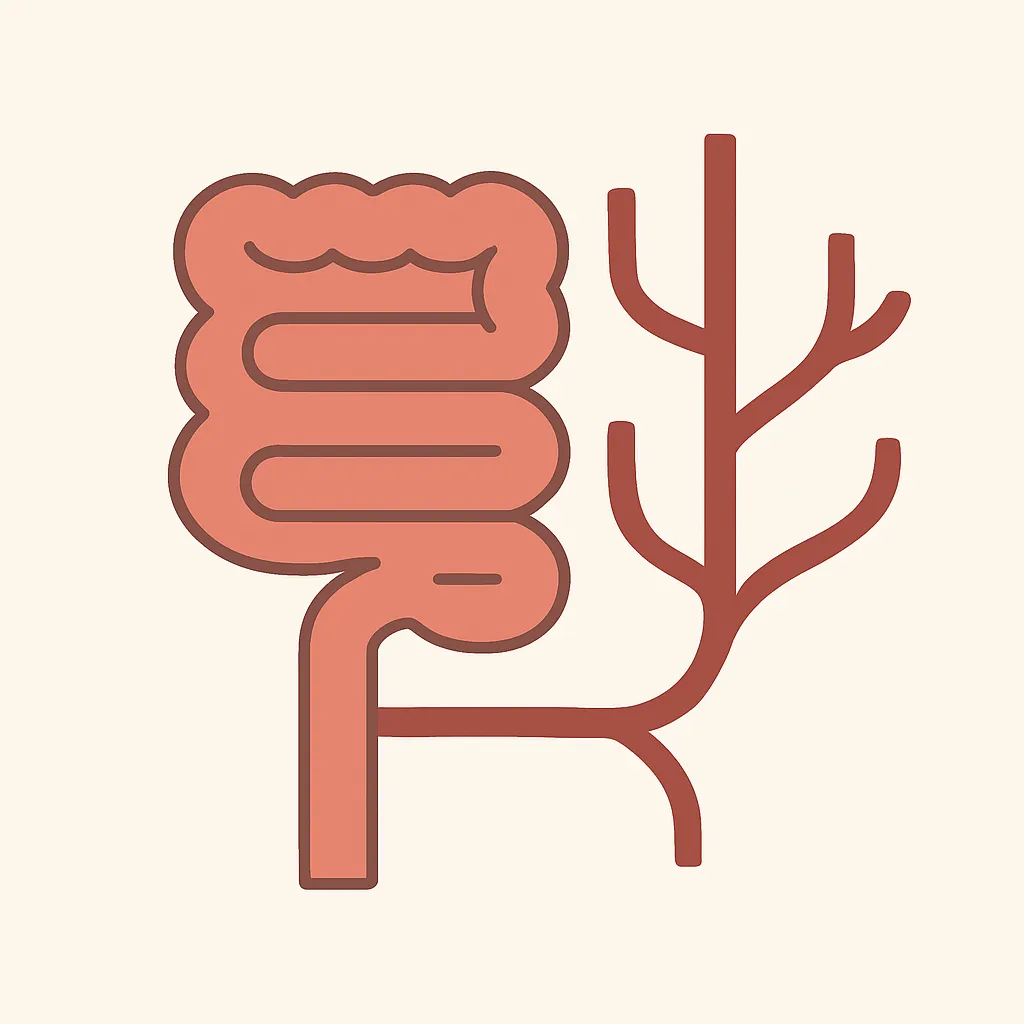
After food is digested, glucose crosses from the small intestine into nearby blood vessels. Which body system supplies molecules for blood to carry?
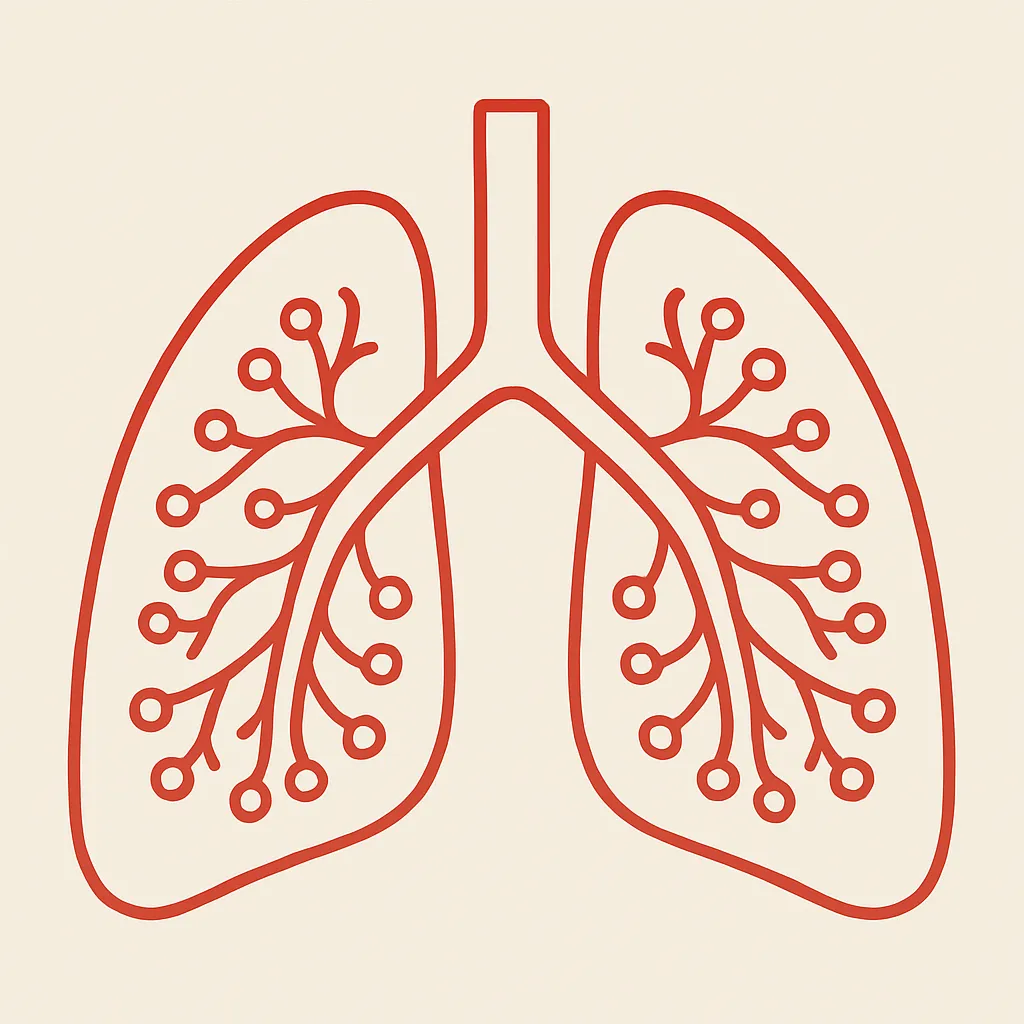
At lung air sacs, oxygen enters blood while carbon dioxide leaves blood. Which body system exchanges gases with the circulatory system?
In kidneys, wastes and extra water leave blood and become urine. Which body system removes these materials from the blood?
During a fast run, pulse and breathing rate rise. Which circulatory job most directly helps leg muscles release energy?

After a meal, blood flow through small-intestine vessels increases. What body need does this change support?
In a cold room, skin blood vessels narrow so less warm blood reaches the surface. How does this help homeostasis?
A scare stimulus makes nerves and adrenaline increase heart rate. Why is this circulatory response useful?
Crack the passcode before the zombies get in.
Answer, then swat bugs for bonus points.
Race through questions at your own speed.
Same question on every screen. Fastest wins.

Pick a tile, answer, hit bonuses and steals.
The Digestive and Urinary Systems
20 questions