Loading
by BlastRoom
Trace air through the respiratory system and explain gas exchange in the lungs.
#us_grade_7_science
20 questions
One question set, multiple game modes. Tap any game to see it in action. Not sure which to pick?
Answer to place stones and capture territory.
Outrun the snow together.
Earn blasts, then hunt the other team.
Answer to earn energy, then climb.

The class blasts through walls together.
Bid on mystery lots. Most money wins.
Sell tours. Nice, standard, or a total scam.

Answer, restock, and serve the rush.
More correct answers pulls the rope your way.
Answer, then shoot down the alien wave.
Answer, then tap to leap the frozen ridge.
Air enters through the nose and passes down the trachea. In the normal path into the lungs, what does it enter next?
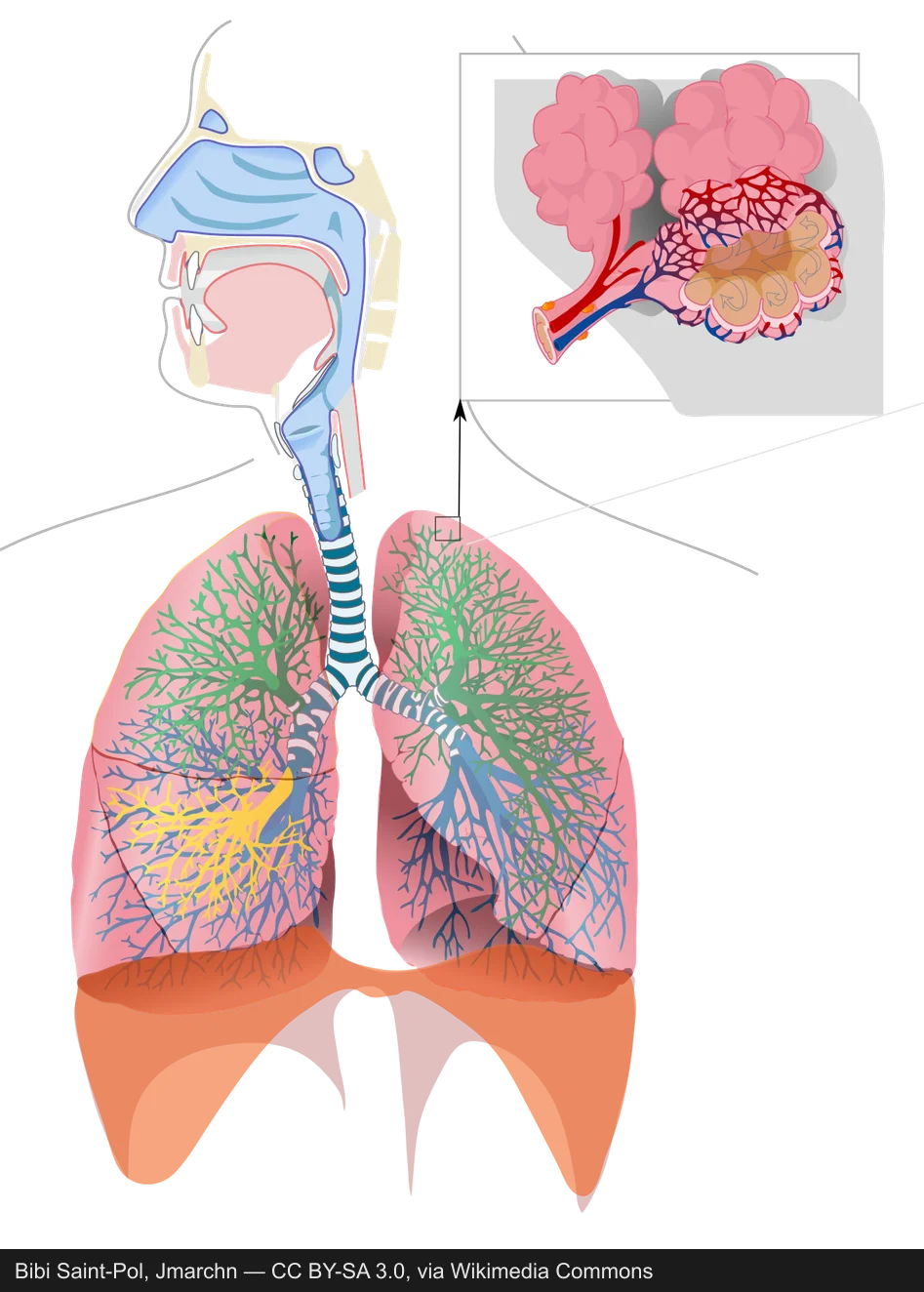
A breath of air has moved from a bronchus into smaller bronchioles. What structure does the air reach where gas exchange occurs?
During exhaling, carbon dioxide leaves the alveoli and moves back through bronchioles. What larger tube usually carries it toward the trachea?
A student breathes in through the mouth instead of the nose. After the throat, which airway carries the air down toward the lungs?
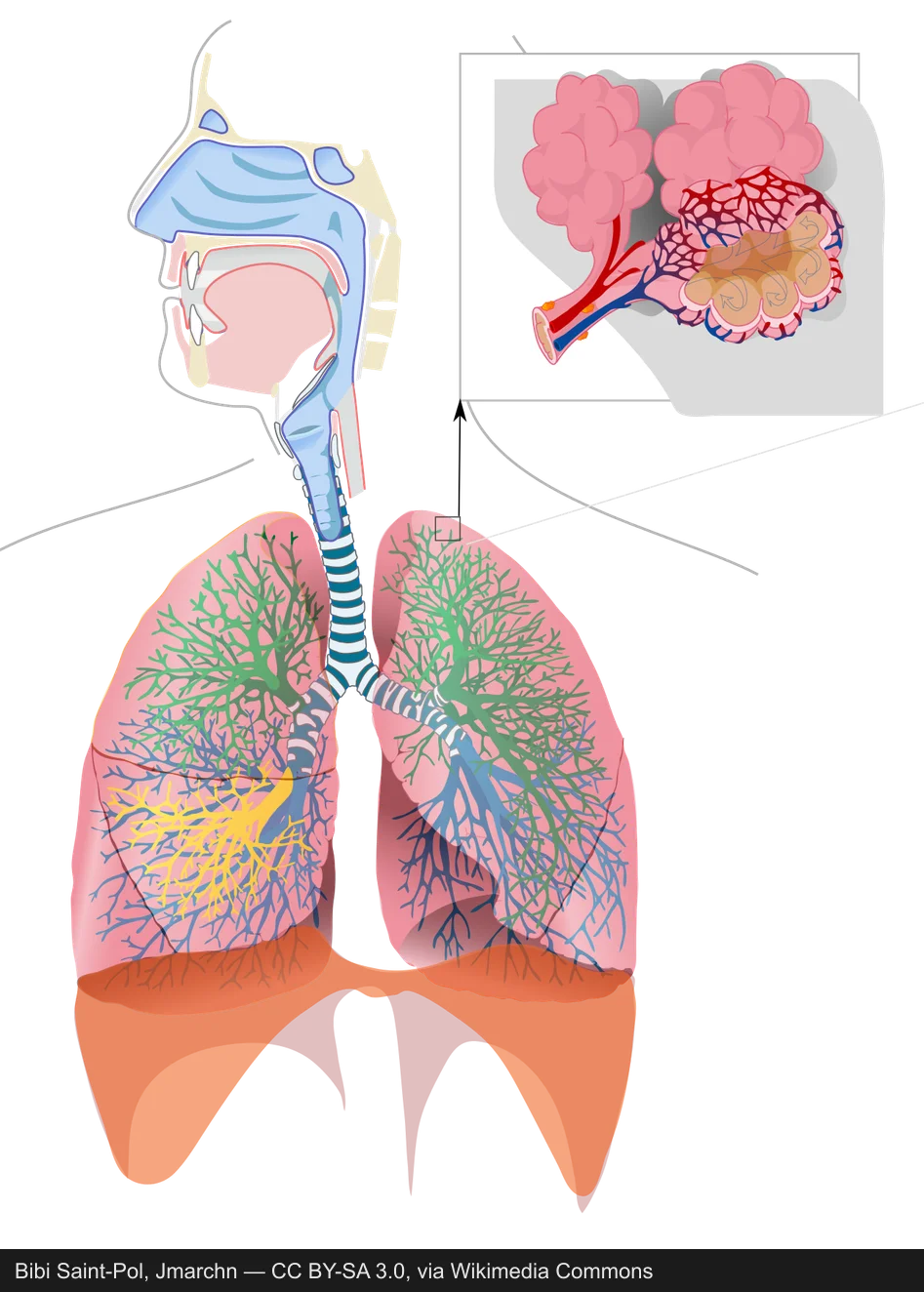
Air is moving from outside the body to the blood. Put this partial path in order after the trachea: bronchus, bronchiole, alveoli.
A dust particle is carried upward out of the lungs by mucus. From a bronchus, what airway would it pass through next on the way out?
Alveoli have thin walls and many capillaries around them. During inhalation, which movement of oxygen occurs there?
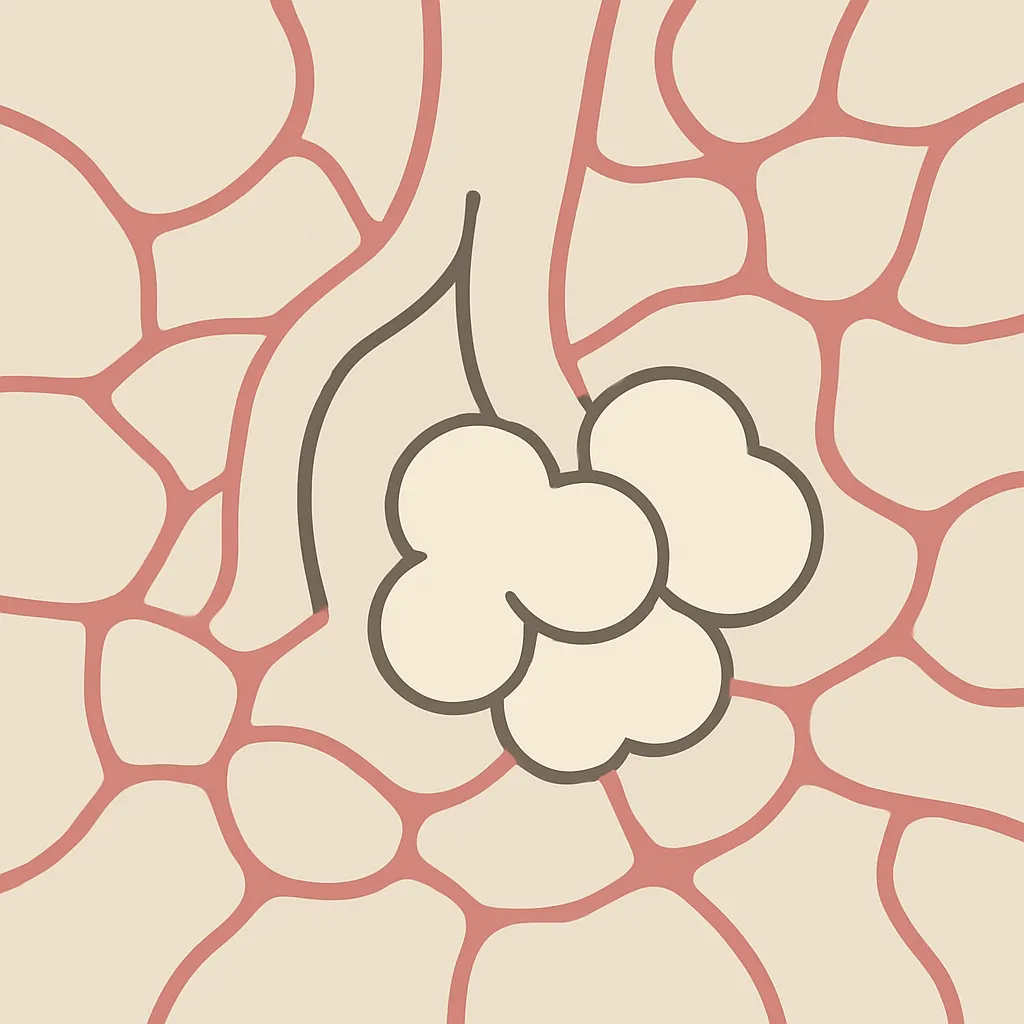
Blood arriving at the lungs has more carbon dioxide than the air inside alveoli. What happens because of this difference?
After gas exchange in the alveoli, blood leaving the lungs has changed. Which claim describes that blood?
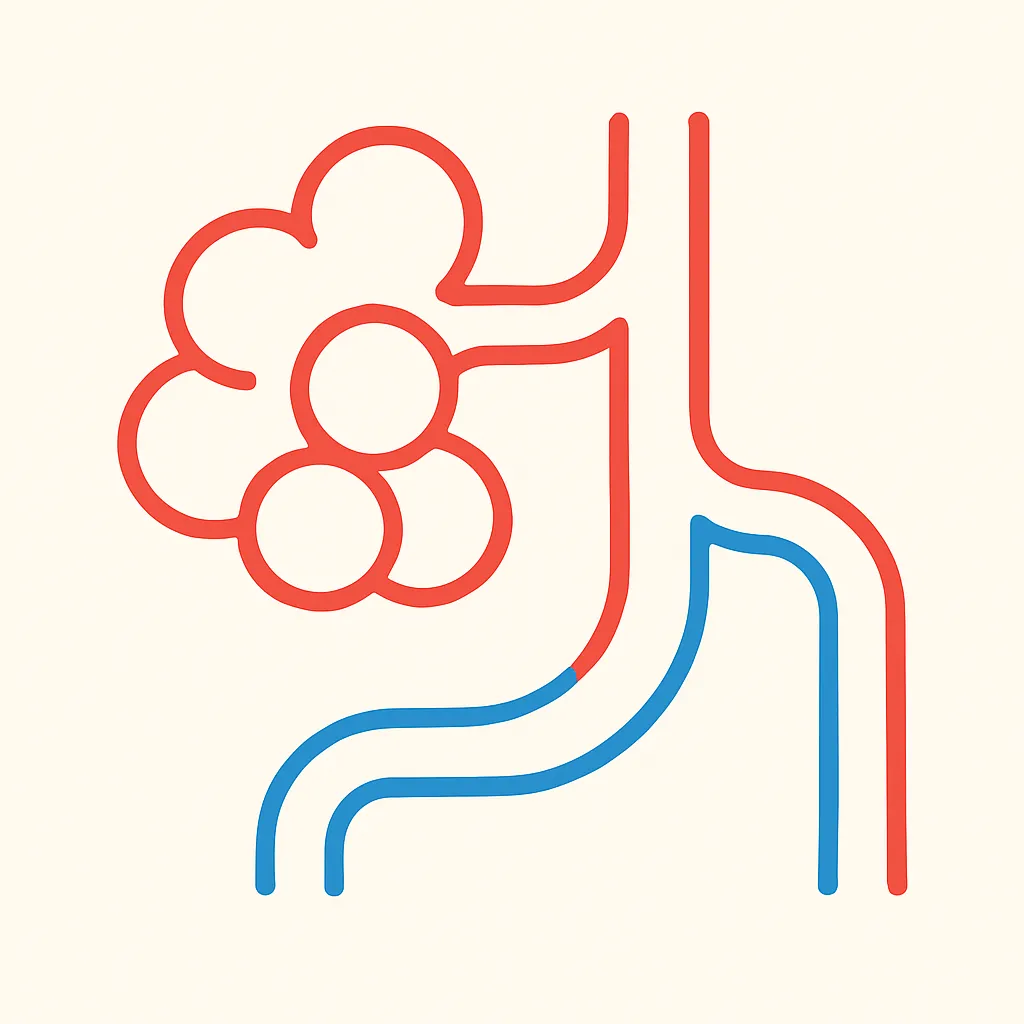
Blood picks up oxygen in the lungs. Which organ does this oxygen-rich blood travel to next so it can be pumped to the rest of the body?
A runner’s cells make extra carbon dioxide during exercise. Which respiratory change helps remove it from the blood faster?
In the lungs, oxygen diffuses from the alveoli into the blood. At high altitude, the air in the alveoli holds less oxygen. How does this affect diffusion?
When the diaphragm contracts and moves downward, the chest cavity gets larger. What pressure change helps air move into the lungs?
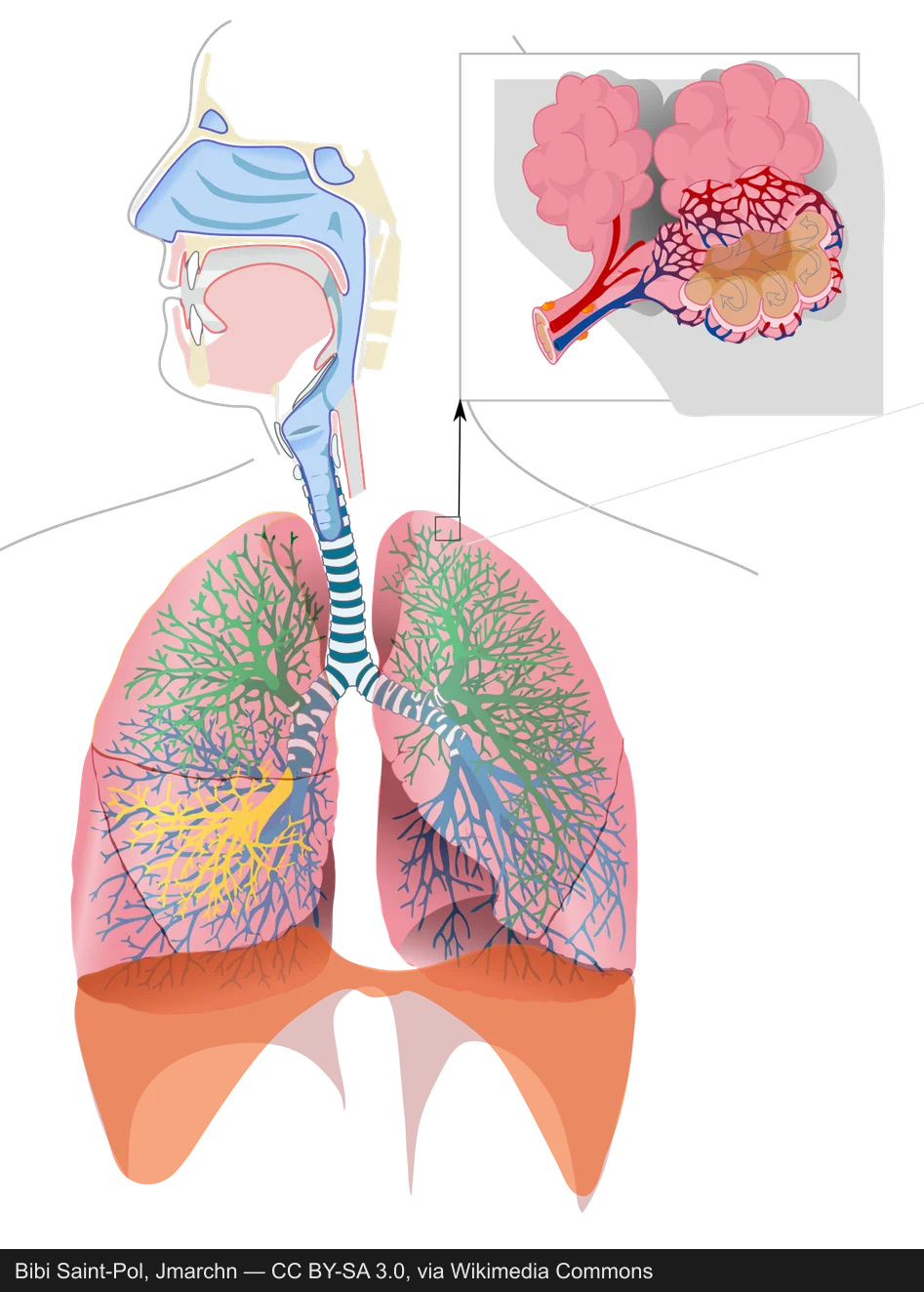
During a quiet exhale, the diaphragm relaxes and moves upward. What happens to chest volume and air movement?
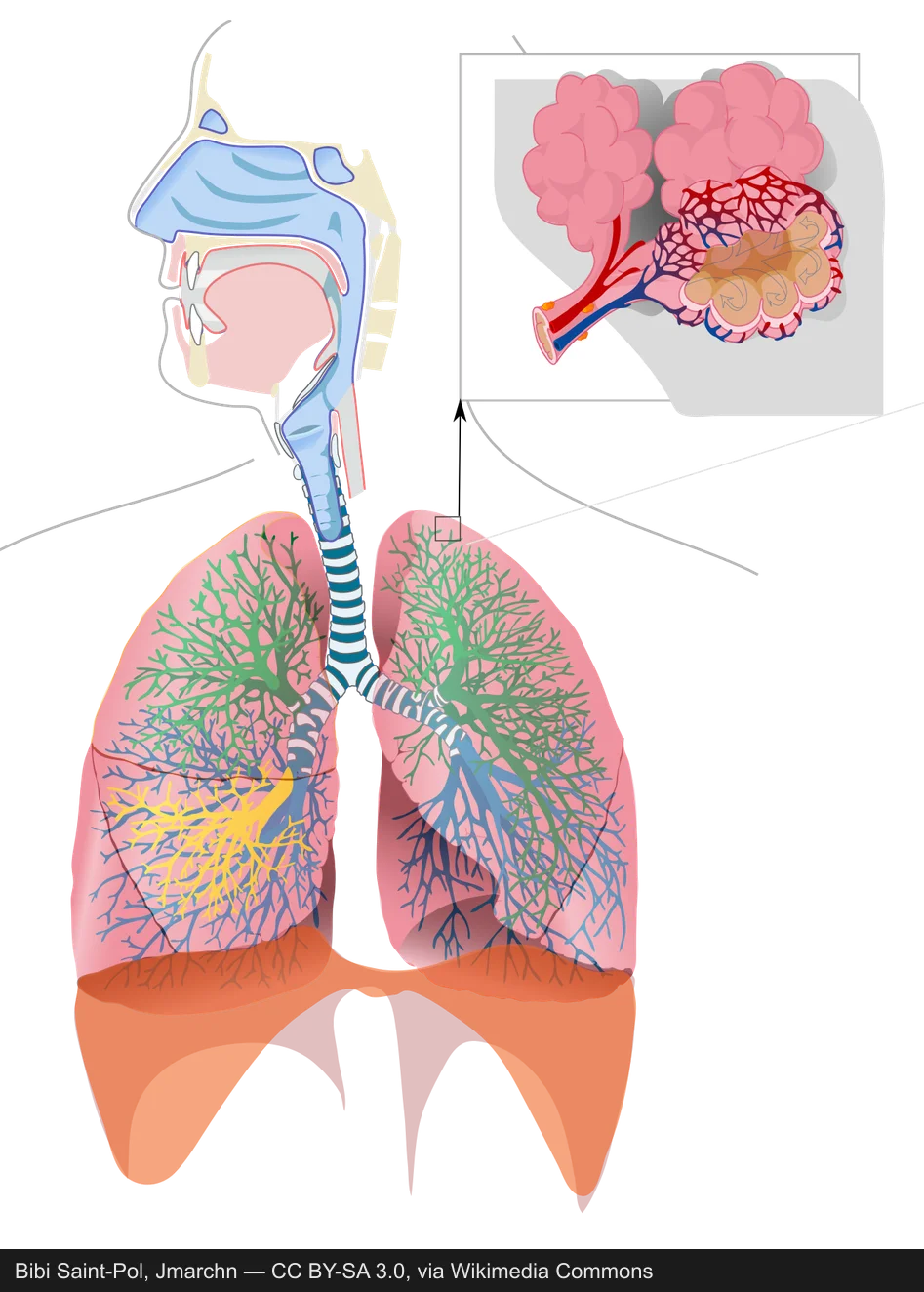
A model lung uses a rubber sheet at the bottom of a bottle. Pulling the sheet downward makes the balloon lungs expand. What body part does the sheet model?
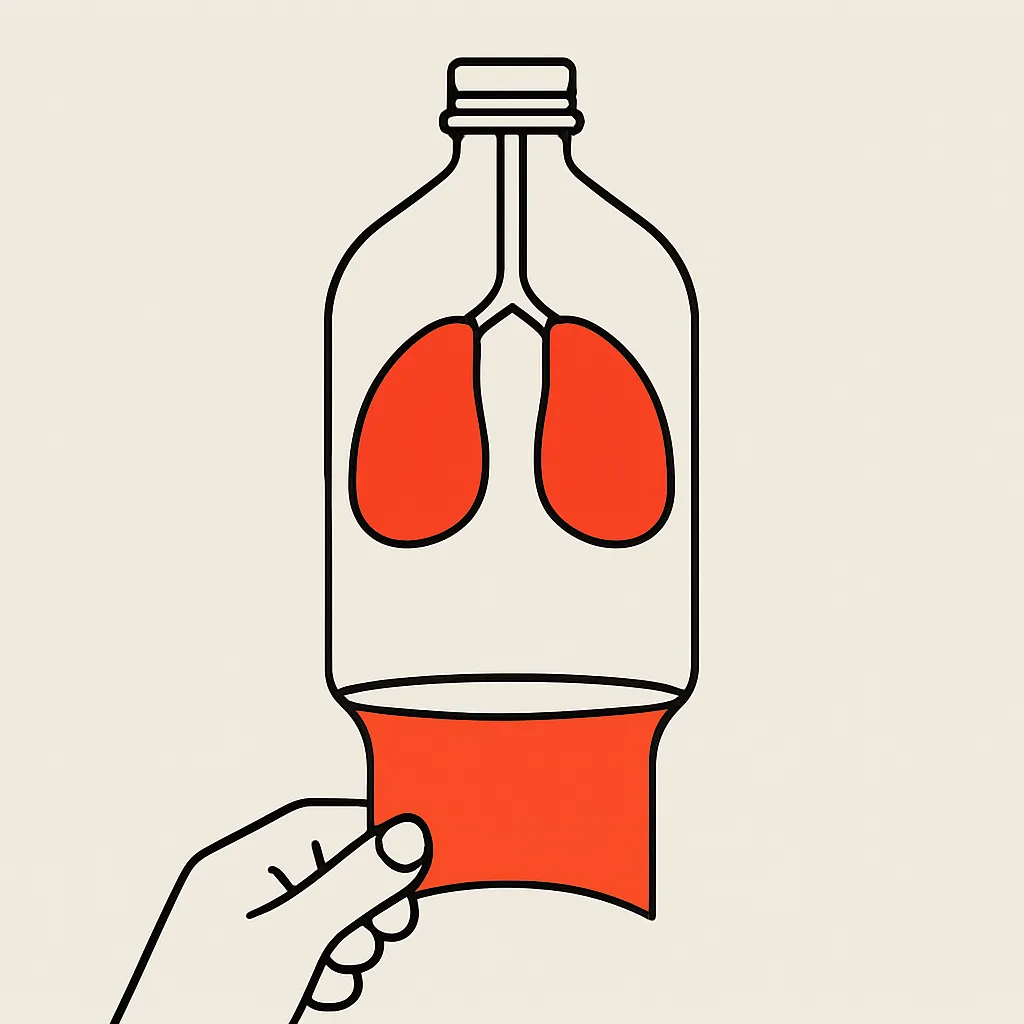
During a deep breath in, the muscles between the ribs contract. How do the ribs move?
Sticky mucus and tiny hairlike cilia line the airways, and the cilia sweep toward the throat. What function is this system performing?
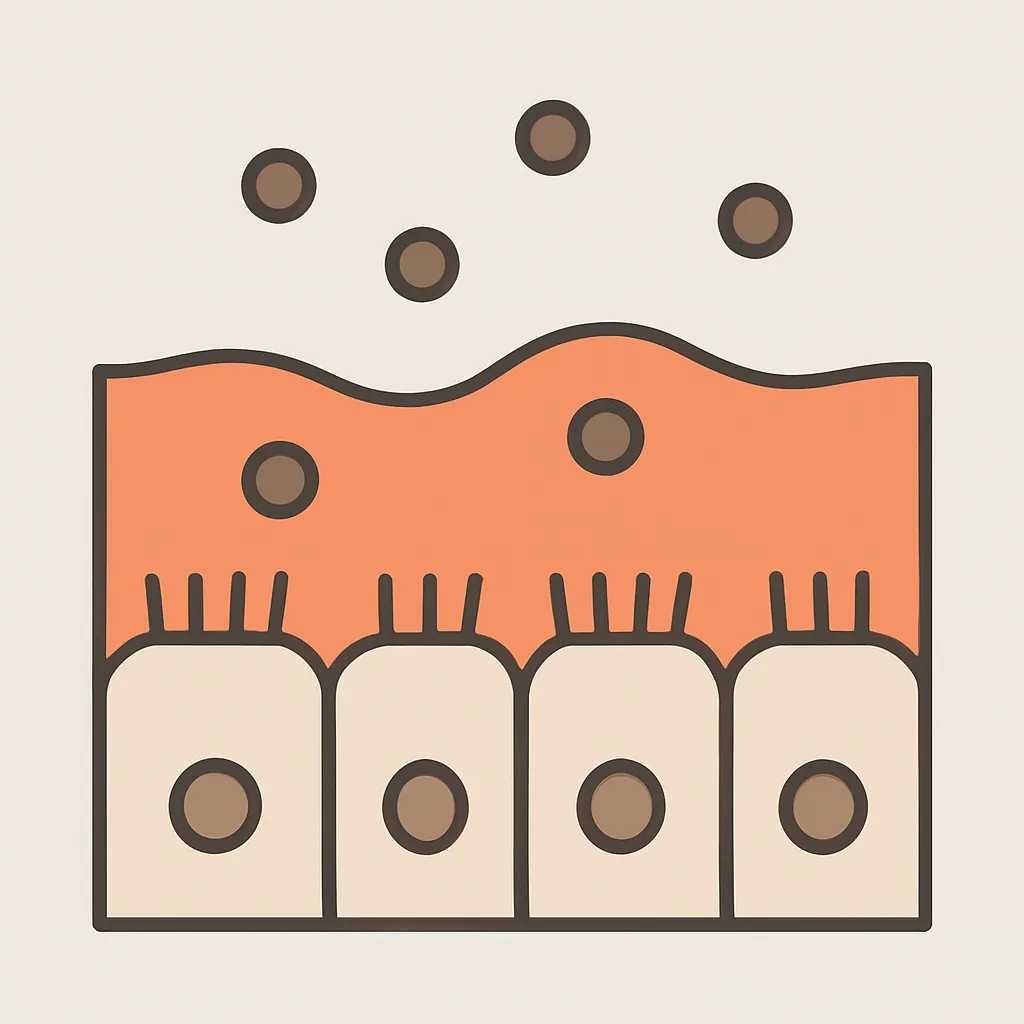
The trachea has stiff C-shaped rings of cartilage along its length. What function do these rings support?
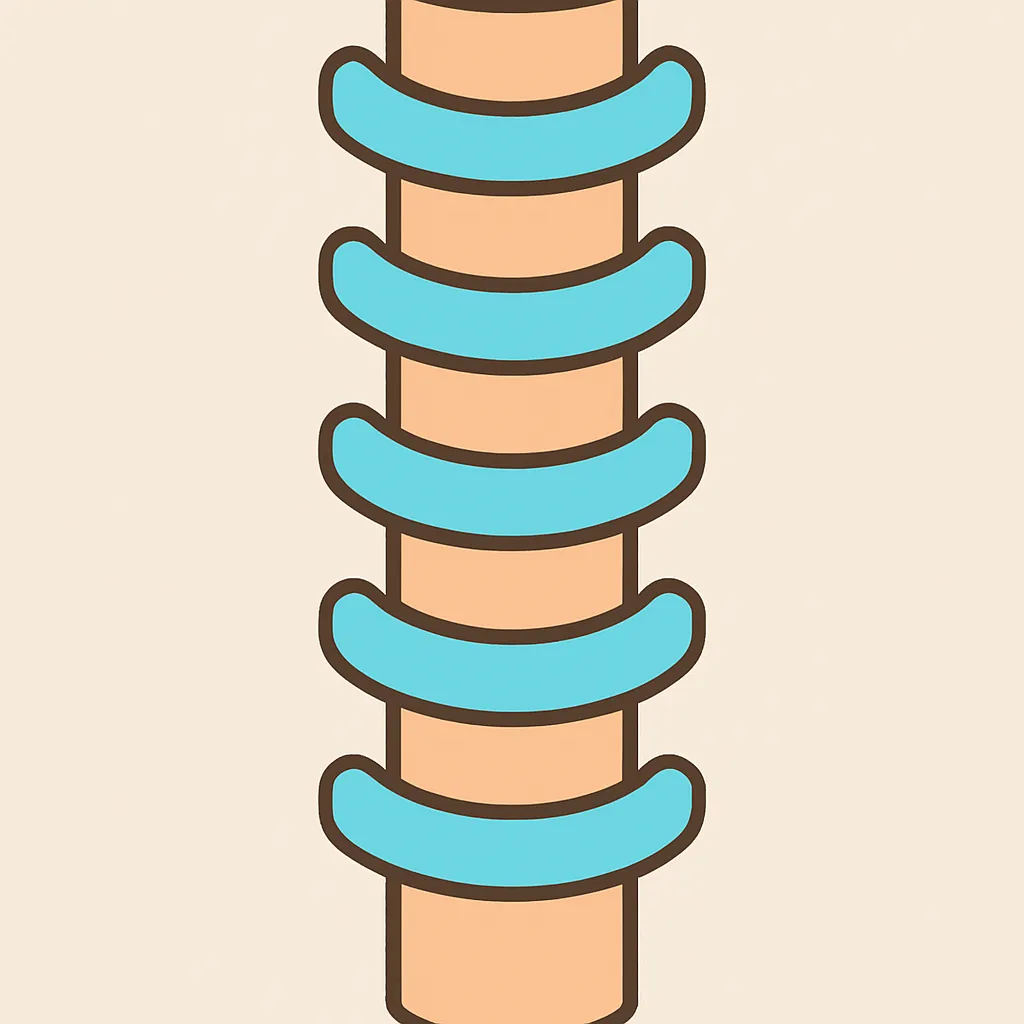
Inside each lung, one bronchus divides into many smaller bronchioles. What function does this branching mainly serve?
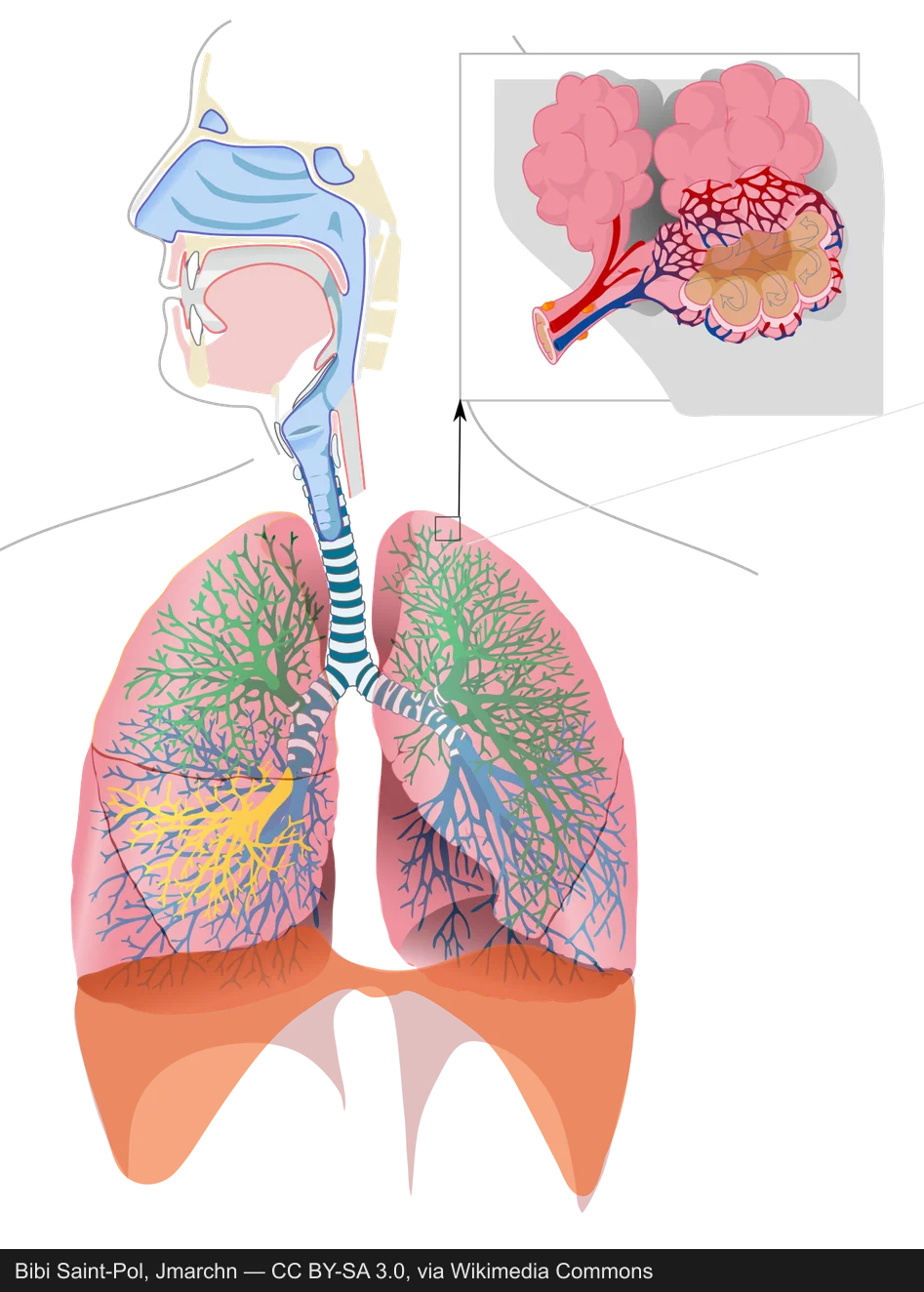
On a cold, dry day, breathing through the nose is easier on the lungs than breathing through the mouth. What does the nasal lining do to incoming air?
Crack the passcode before the zombies get in.
Answer, then swat bugs for bonus points.
Race through questions at your own speed.
Same question on every screen. Fastest wins.

Pick a tile, answer, hit bonuses and steals.
The Nervous System and the Senses
20 questions