Loading
by BlastRoom
Explore how body defenses, chemical signals, and skin functions help maintain homeostasis.
#us_grade_7_science
20 questions
One question set, multiple game modes. Tap any game to see it in action. Not sure which to pick?
Answer to place stones and capture territory.
Outrun the snow together.
Earn blasts, then hunt the other team.
Answer to earn energy, then climb.

The class blasts through walls together.
Bid on mystery lots. Most money wins.
Sell tours. Nice, standard, or a total scam.

Answer, restock, and serve the rush.
More correct answers pulls the rope your way.
Answer, then shoot down the alien wave.
Answer, then tap to leap the frozen ridge.
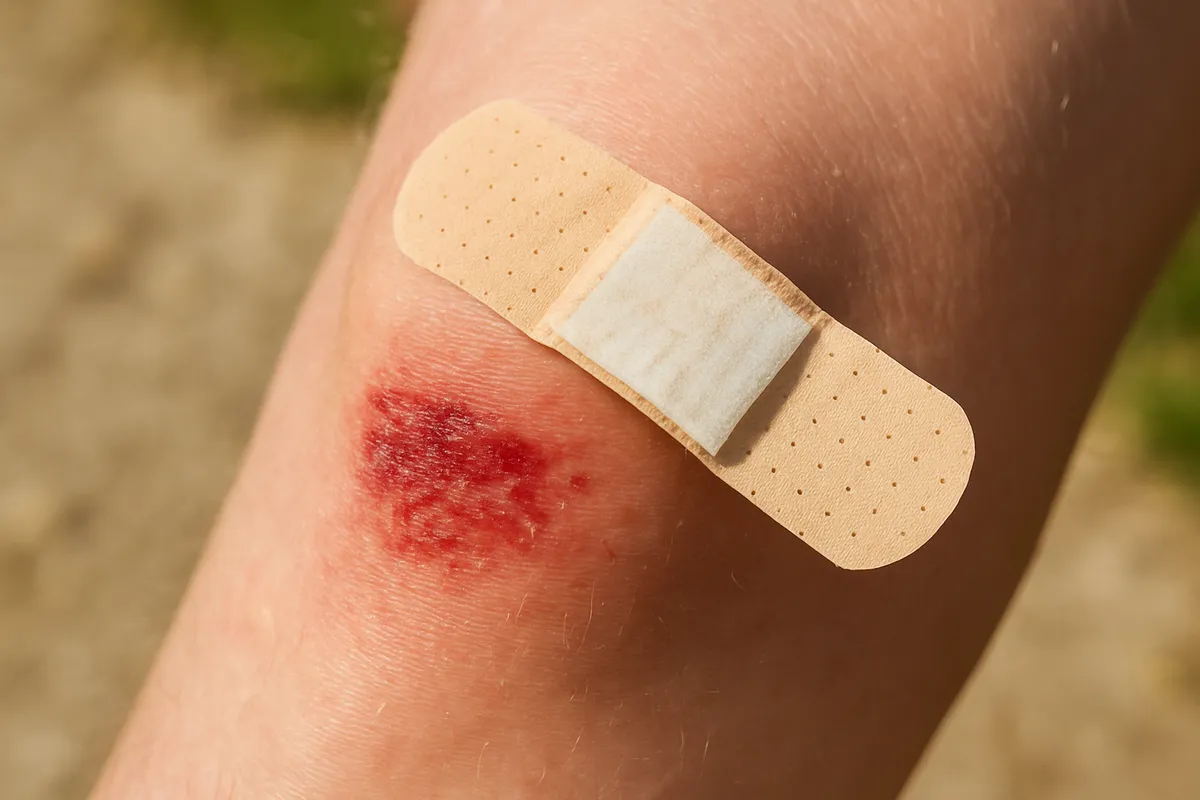
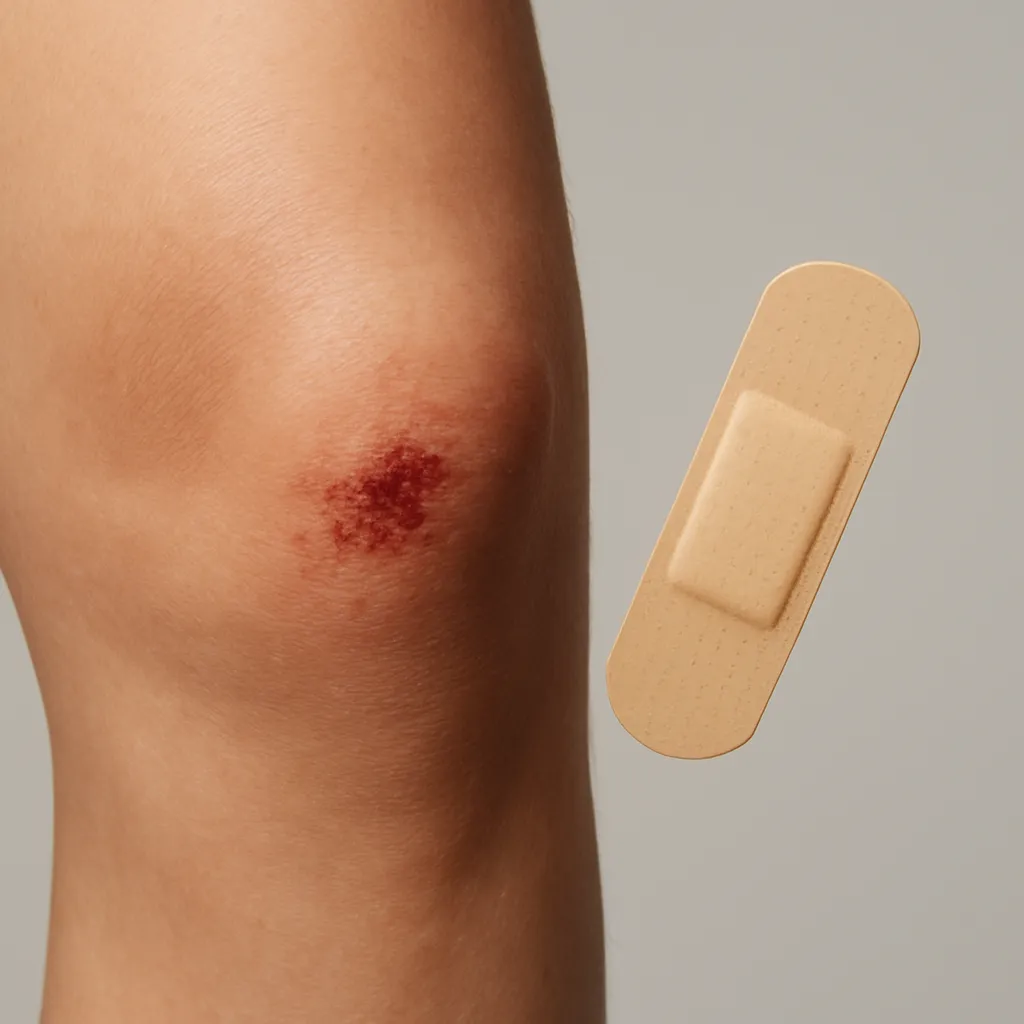
A small cut lets bacteria enter, and white blood cells gather to destroy them near the cut. What response is being described?
A vaccine trains the body so a later virus is recognized and attacked faster. What immune function does this evidence show?
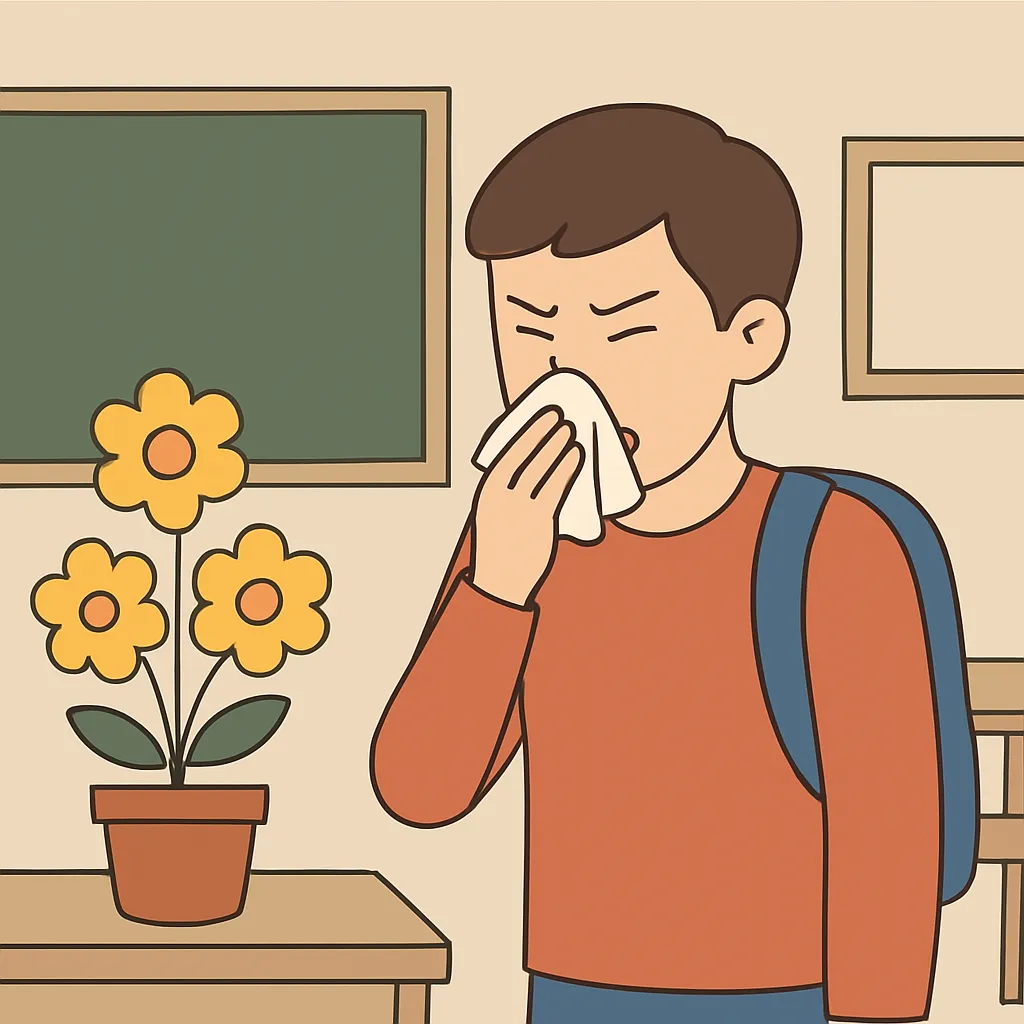
Pollen enters a student's nose, and swelling plus extra mucus appear even though the pollen is not a germ. What response is most likely occurring?
Tears wash dust from an eye, and mucus traps microbes in the nose before they reach tissues. What kind of defense is this?
During a bacterial infection, a patient's white blood cell count rises from 6,000 to 13,000 cells per microliter. What does the change most directly show?
An antibody sticks to a flu virus so other white blood cells can remove it. What is the antibody doing?
After a meal, blood glucose rises, and insulin in the blood signals body cells to take in glucose. Which system sends this chemical message?
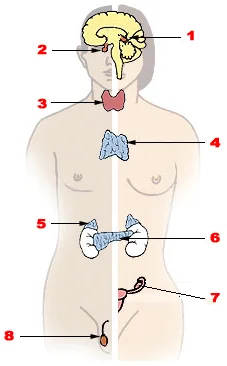
Before a race, adrenal glands release adrenaline, a hormone that raises heart rate. Where in the body are the adrenal glands found?
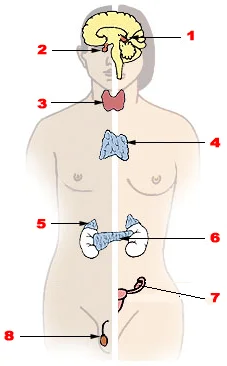
After heavy sweating, a brain gland releases ADH, which tells kidneys to save water. Which endocrine gland releases ADH?
A gland releases hormones that change how quickly cells use energy. Which endocrine gland best matches this evidence?
A hormone travels through blood, but only cells with matching receptors change their activity. Which idea explains this pattern?
Between meals, a hormone signals the liver to release glucose, helping blood sugar stay steady. What body process is being supported?
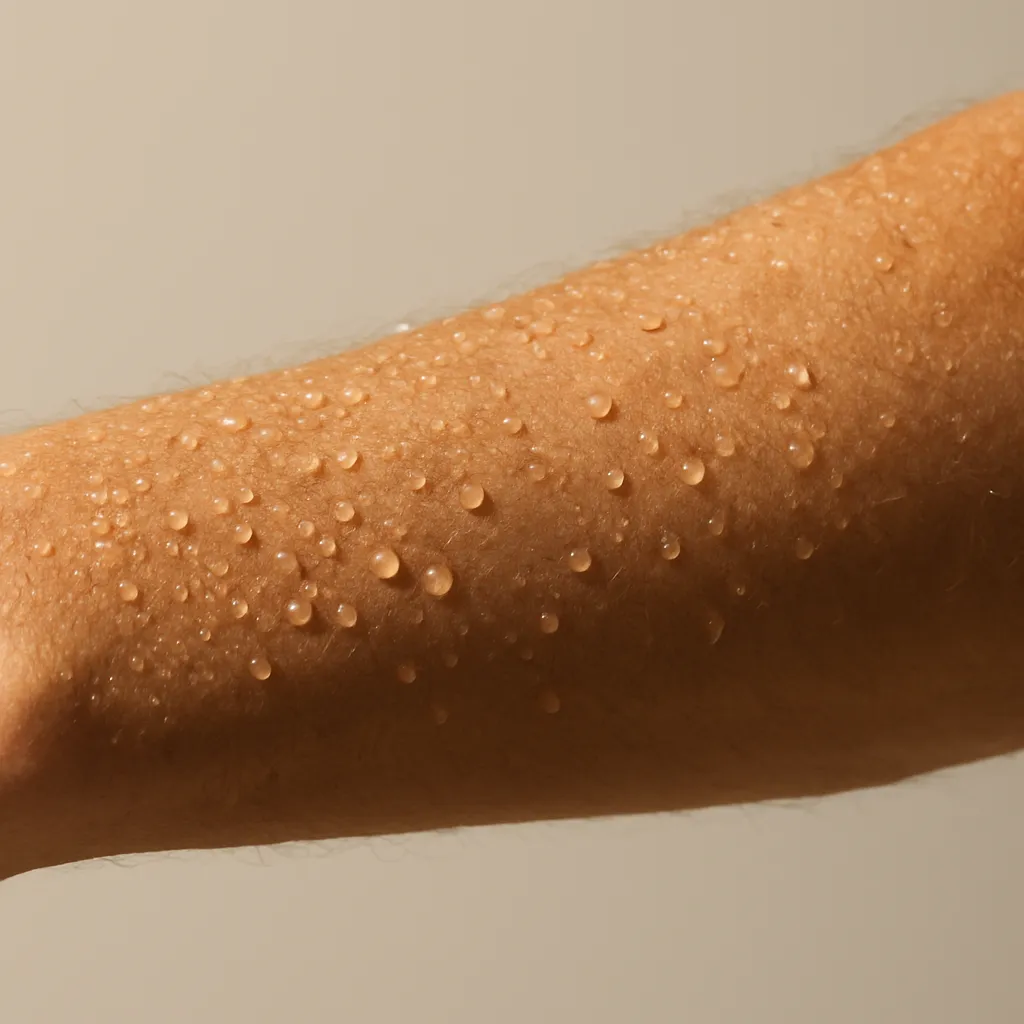
On a hot day, sweat evaporates from skin and blood vessels near the surface widen. Which skin function is shown?
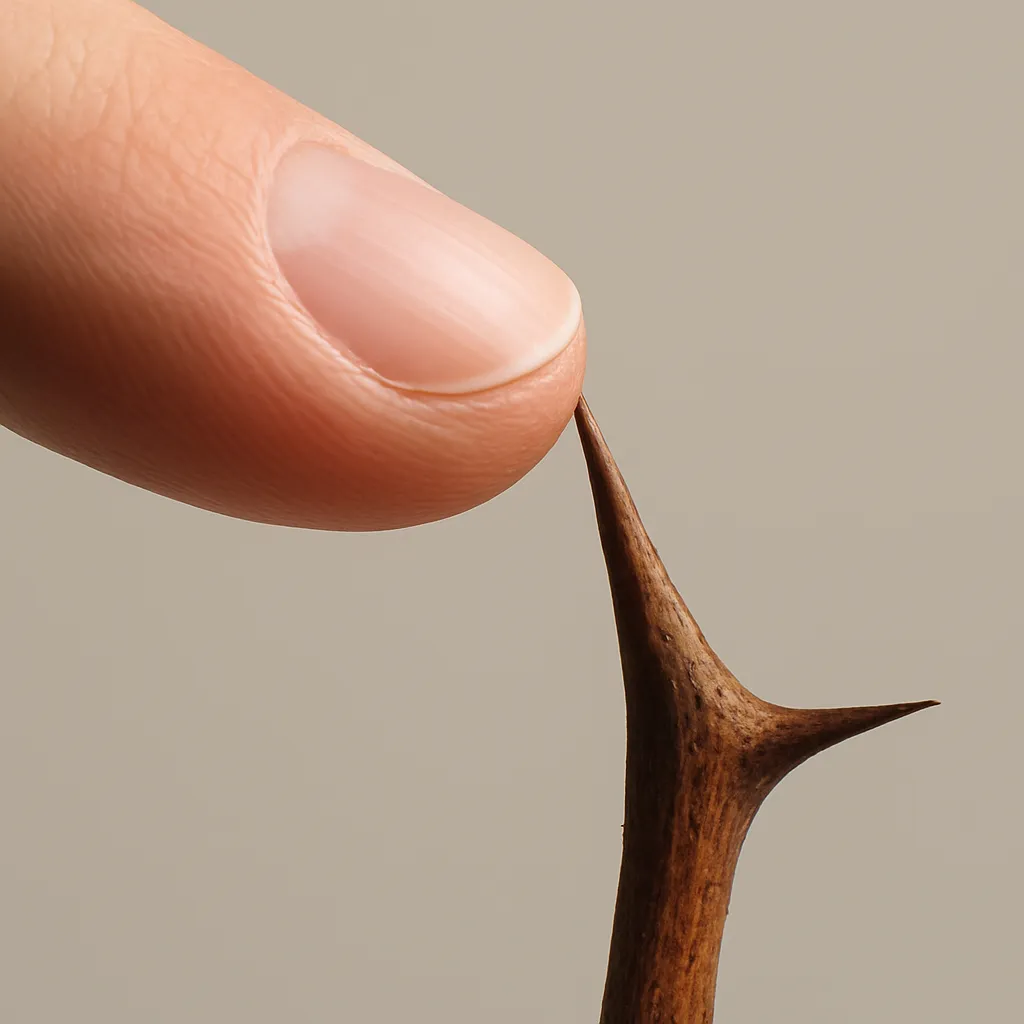
A fingertip touches a thorn, and receptors in the skin send a pain signal. Which skin function is shown?
The outer layer of skin helps keep bacteria out and slows water loss from the body. Which function is shown?
In sunlight, skin cells begin making a vitamin that helps bones take in calcium. Which skin function is described?
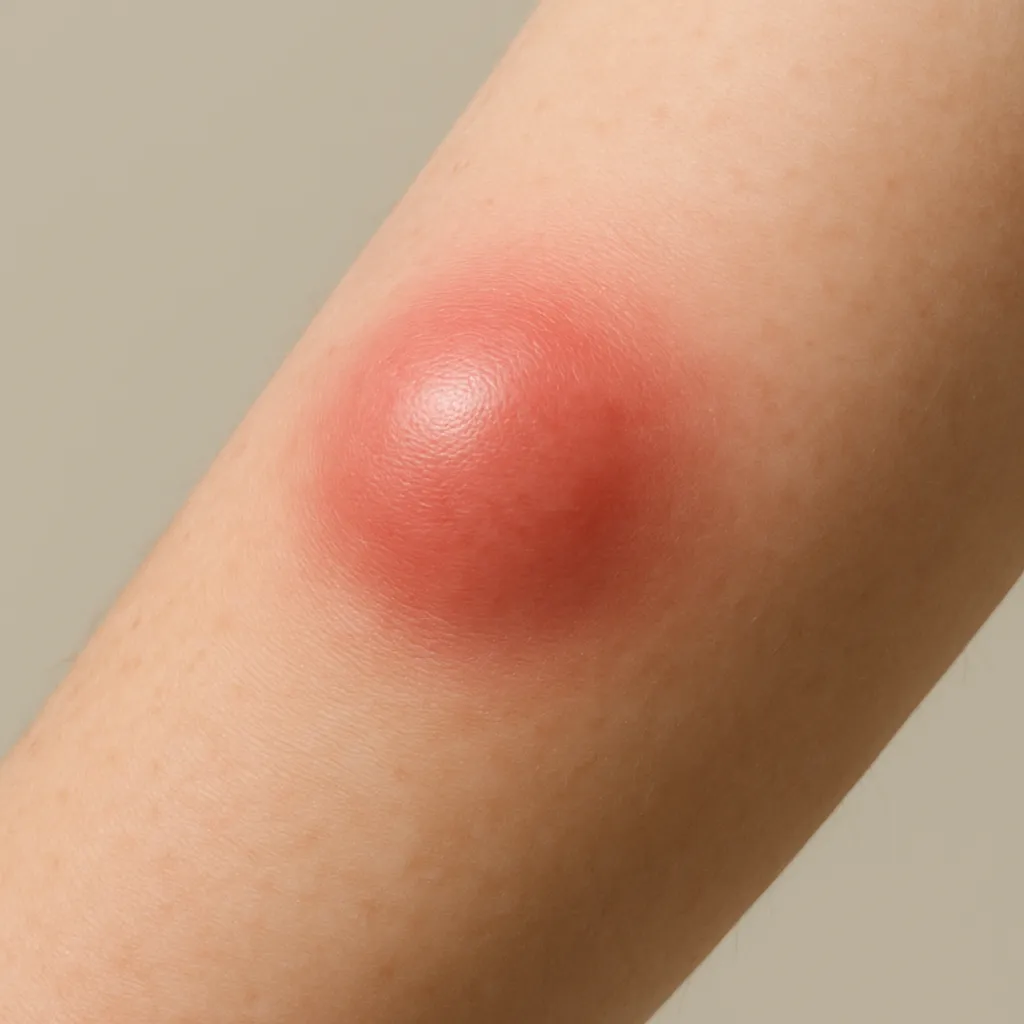
A bee sting leaves venom under the skin, and swelling develops as the body reacts to the foreign substance. Which system is most directly responding?
During a growth spurt, glands release chemical messengers that tell many tissues to grow. Which system is sending the signal?
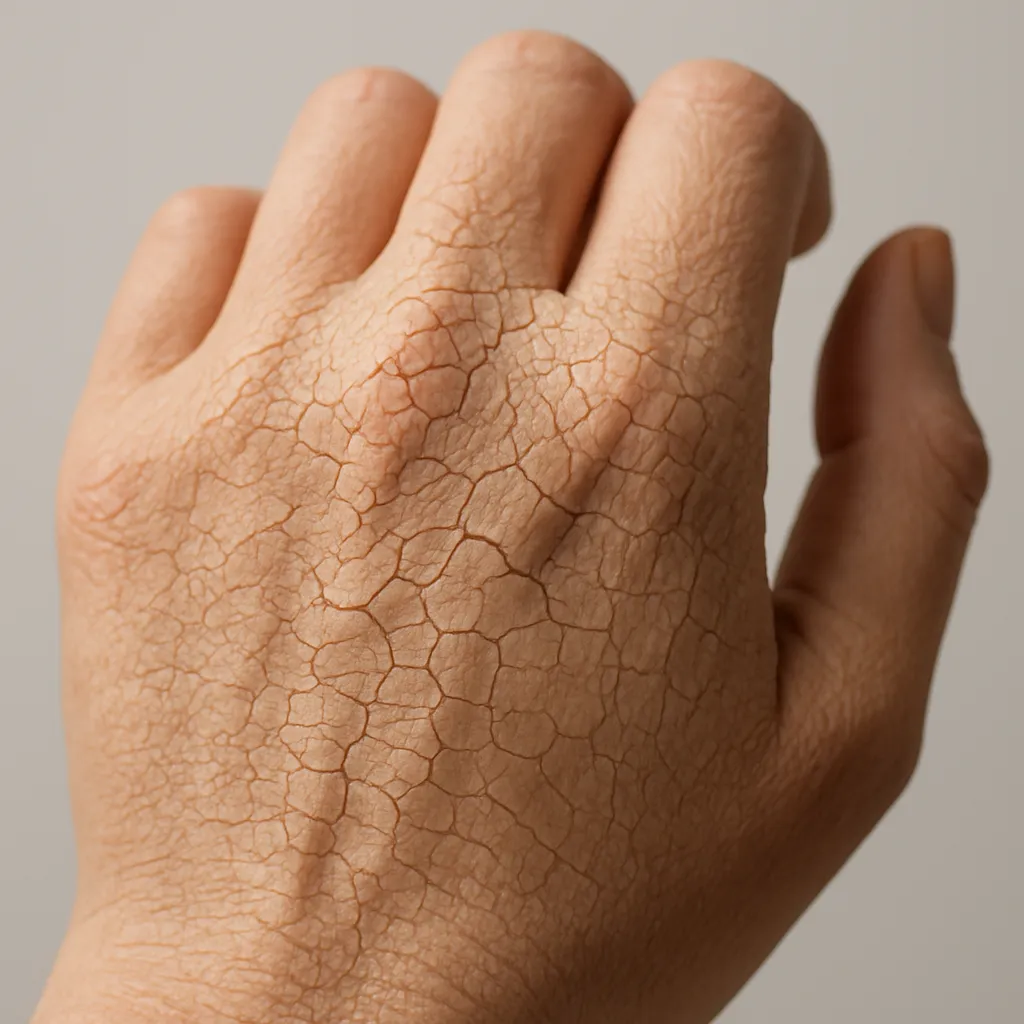
After a week in very dry air, skin loses water and cracks more easily. Which system's covering function is being stressed?
A student hears a loud clap and quickly covers their ears. Which system detects the stimulus and coordinates the fast response?
Crack the passcode before the zombies get in.
Answer, then swat bugs for bonus points.
Race through questions at your own speed.
Same question on every screen. Fastest wins.

Pick a tile, answer, hit bonuses and steals.
Photosynthesis
40 questions