Loading
by BlastRoom
Trace how digested food becomes body materials and cellular energy.
#us_grade_7_science
20 questions
One question set, multiple game modes. Tap any game to see it in action. Not sure which to pick?
Answer to place stones and capture territory.
Outrun the snow together.
Earn blasts, then hunt the other team.
Answer to earn energy, then climb.

The class blasts through walls together.
Bid on mystery lots. Most money wins.
Sell tours. Nice, standard, or a total scam.

Answer, restock, and serve the rush.
More correct answers pulls the rope your way.
Answer, then shoot down the alien wave.
Answer, then tap to leap the frozen ridge.
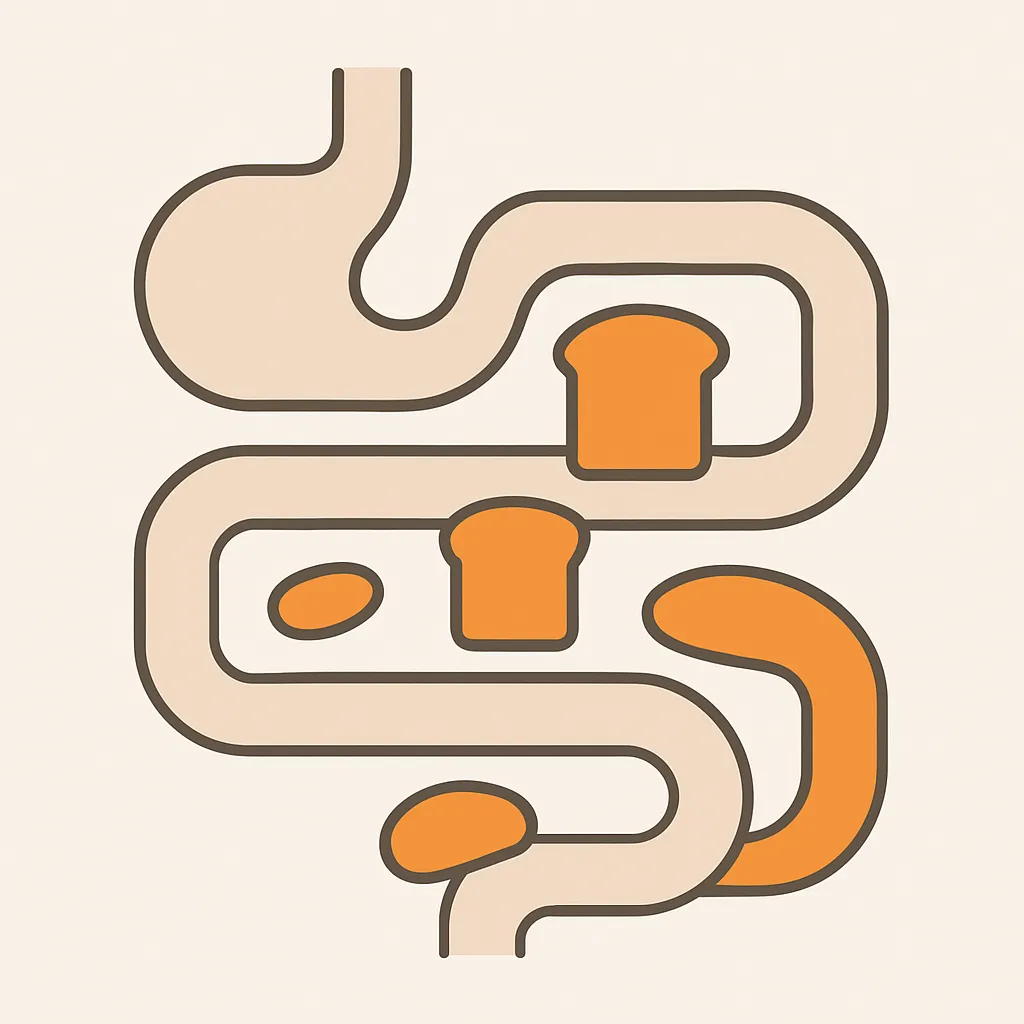
Starch from bread is too large for most cells to use directly. What does digestion do so the body can use it?
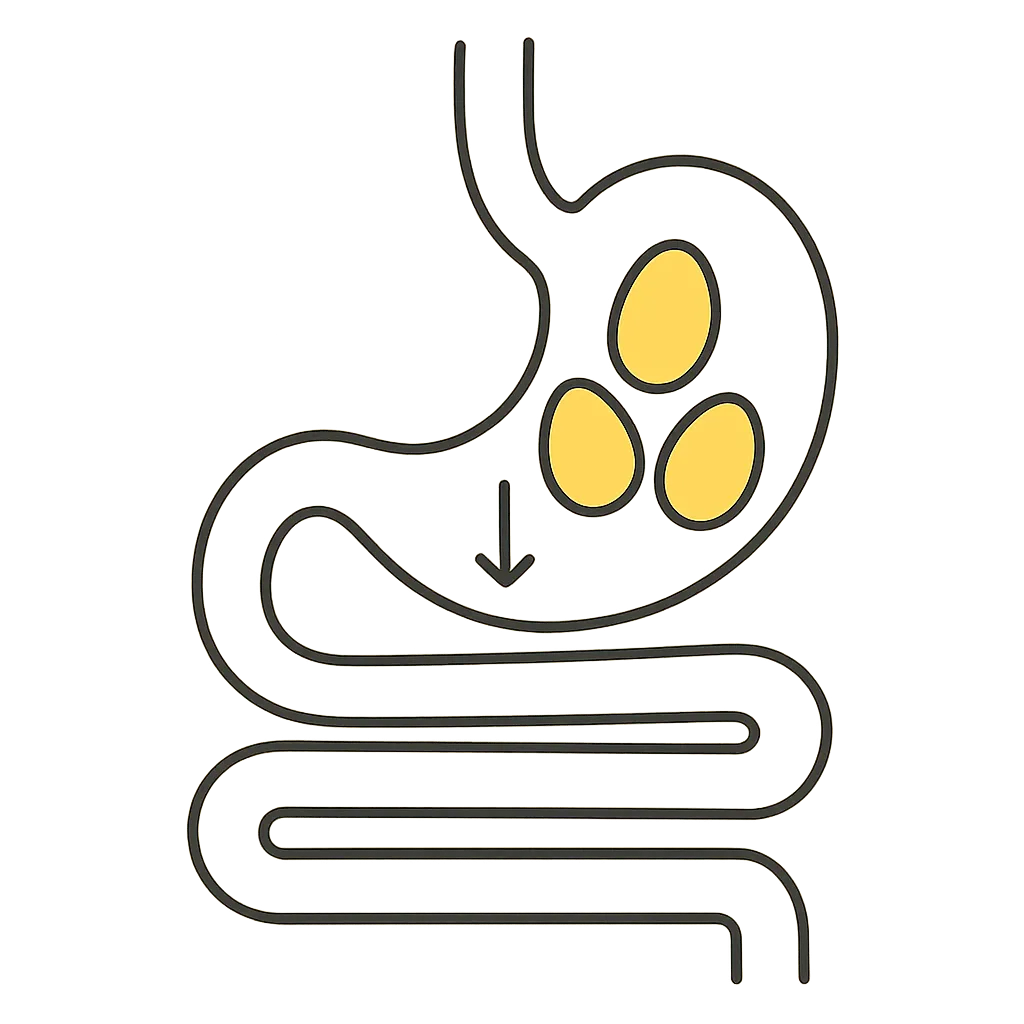
A student eats eggs. Before absorption, what do digestive enzymes do to the egg proteins?
Butter contains large fat molecules. In the small intestine, digestion breaks them into fatty acids and glycerol. Why is this breakdown useful?
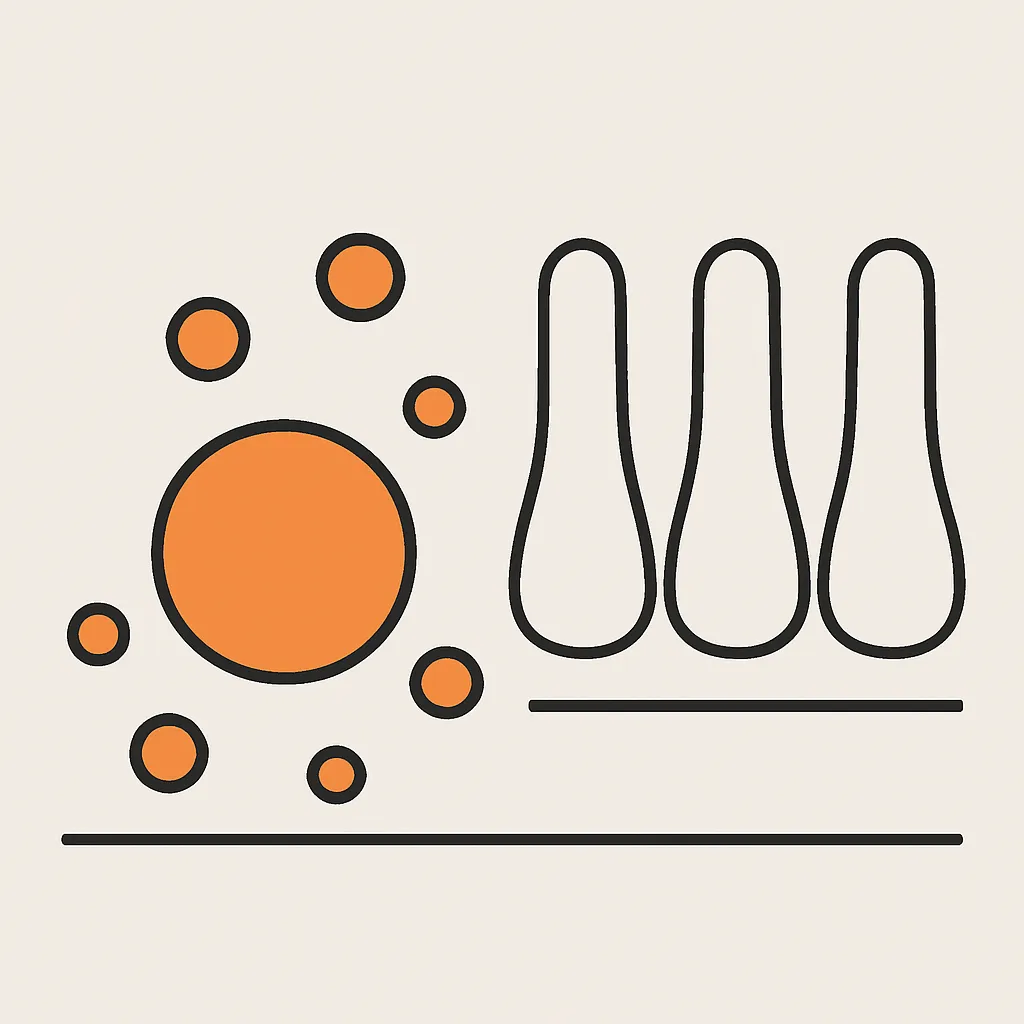
A student chews a cracker, and it softens in the mouth. What shows chemical digestion rather than only physical chewing?
Meat reaches the stomach, where acid and enzymes go to work on its proteins. What happens to the protein molecules during digestion?
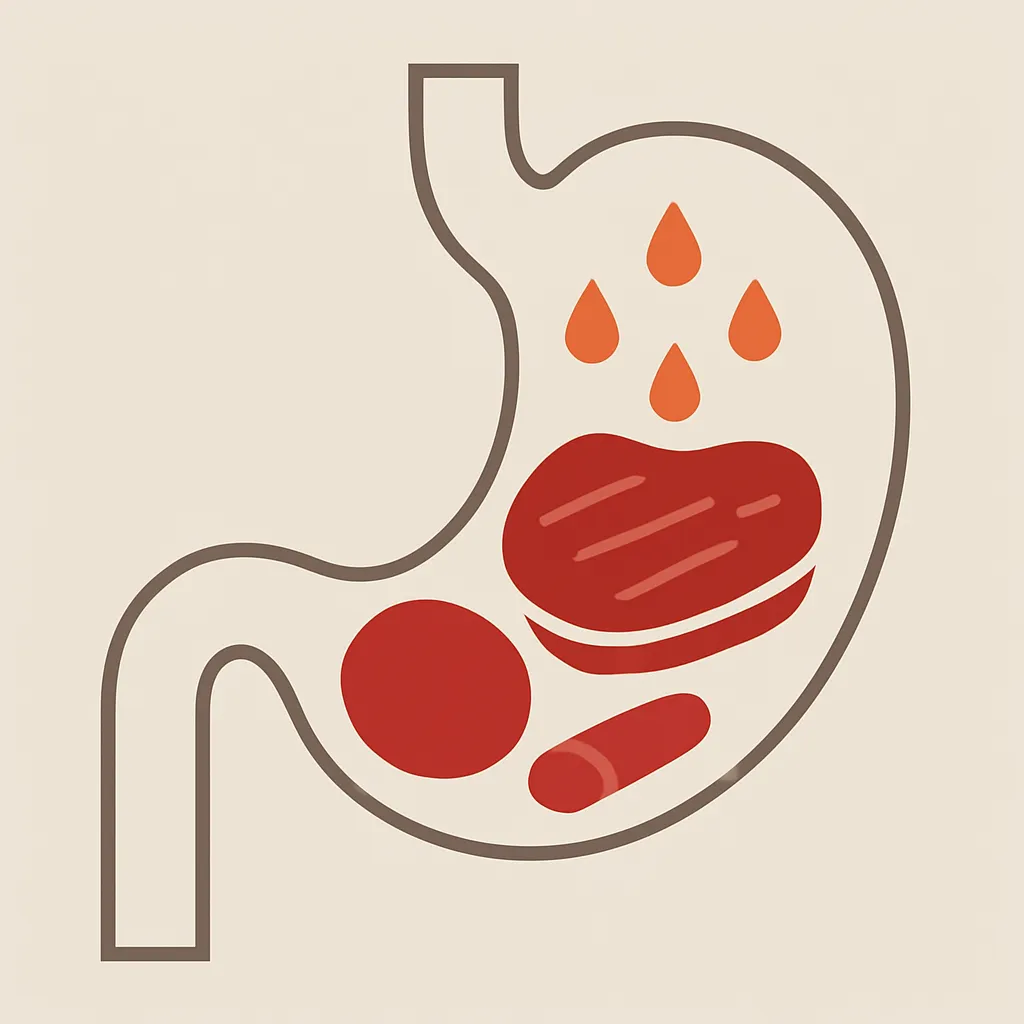
After rice is digested, glucose crosses the wall of the small intestine into tiny blood vessels in villi. What happens next?
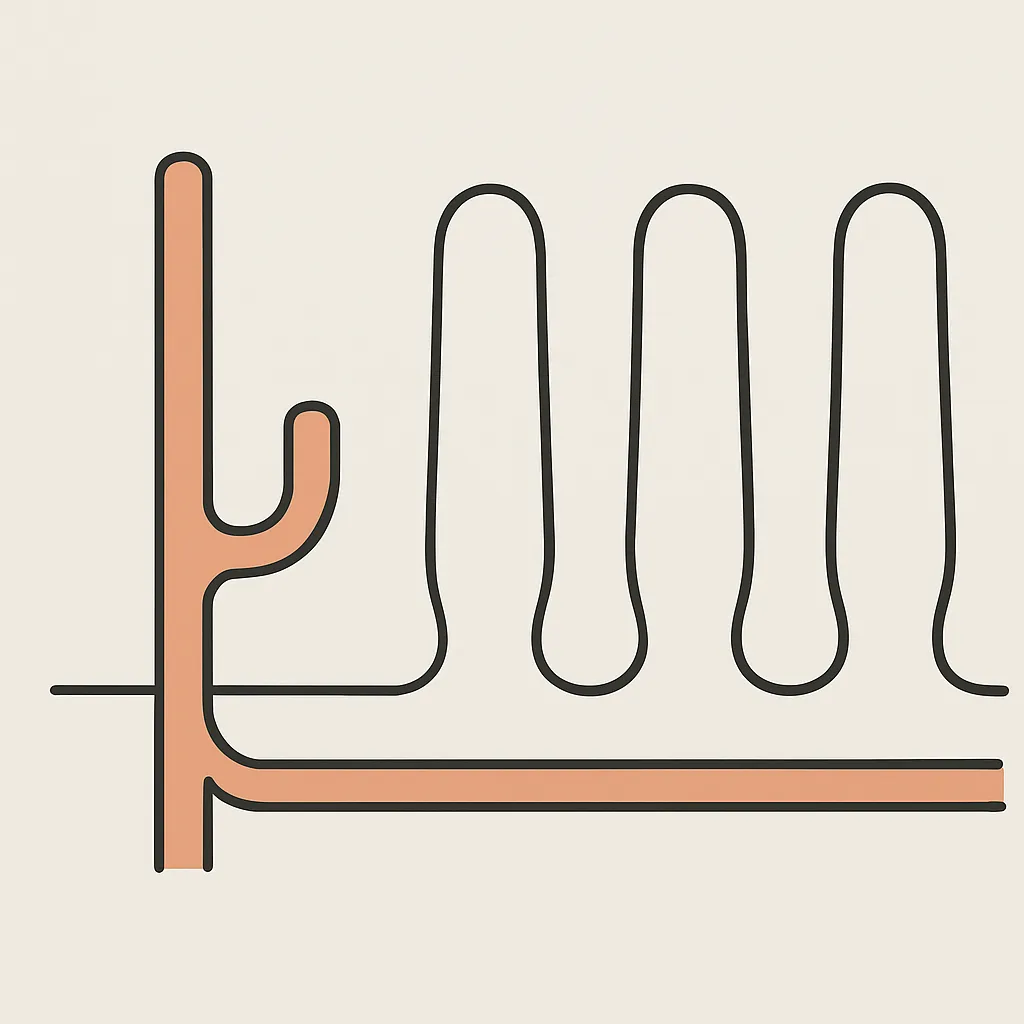
Amino acids from digested beans reach the cells of a leg muscle. How did they get from the intestine to those cells?
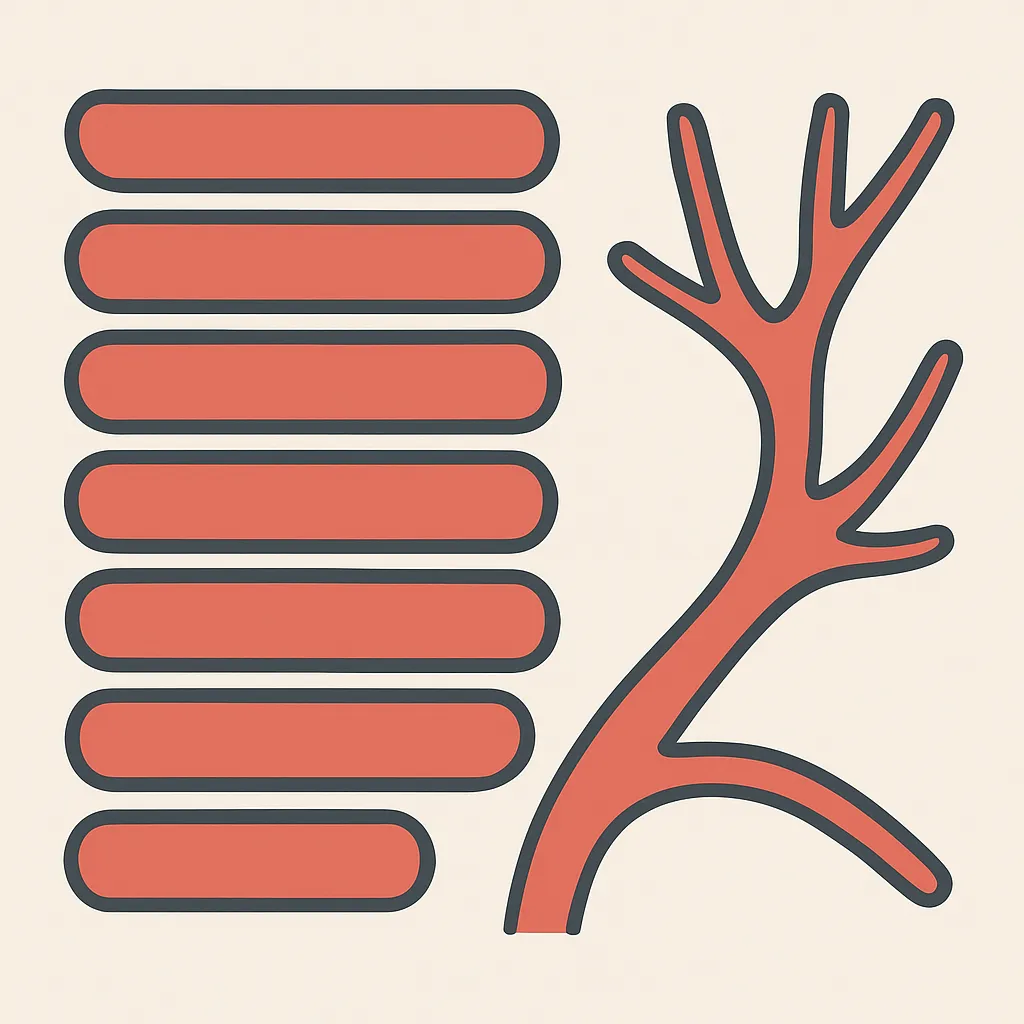
After a meal, fatty acids are absorbed from the small intestine and later used by cells far away in the body. How did they get to those cells?
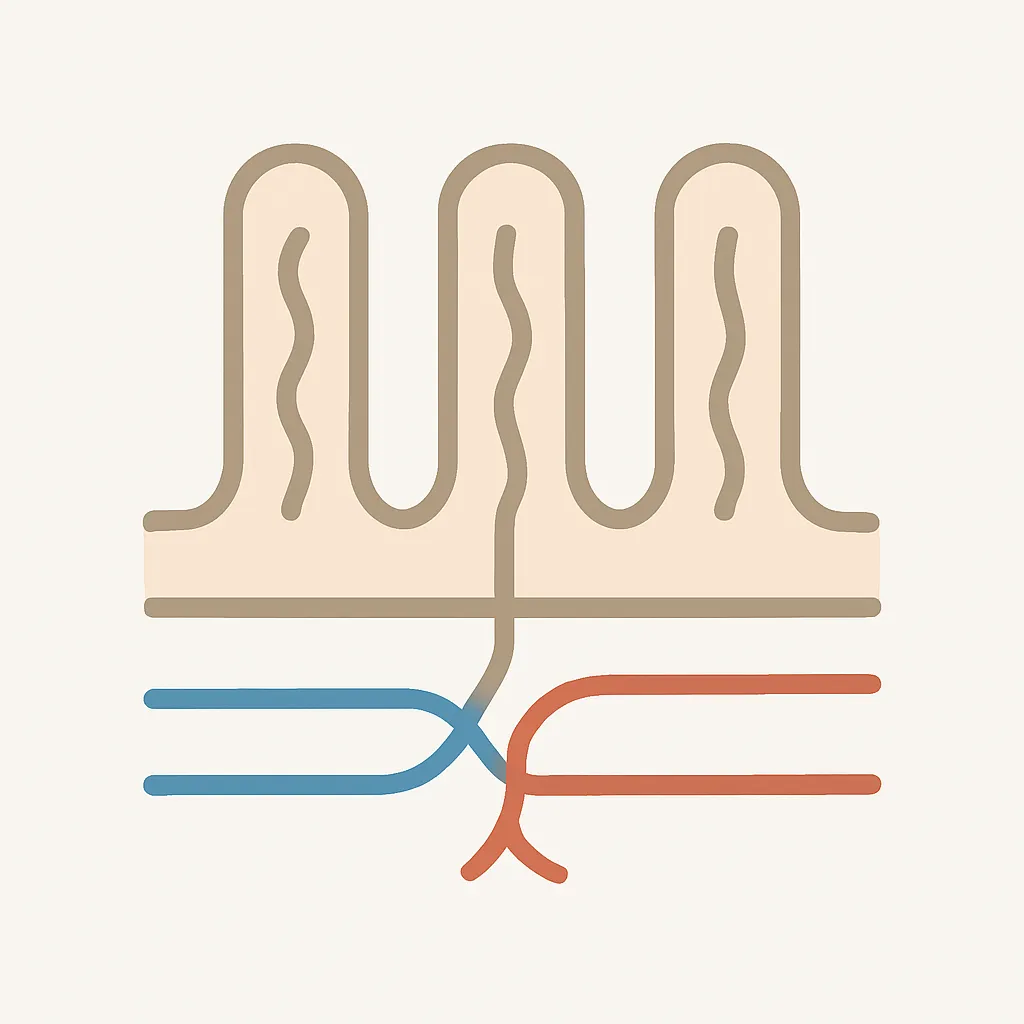
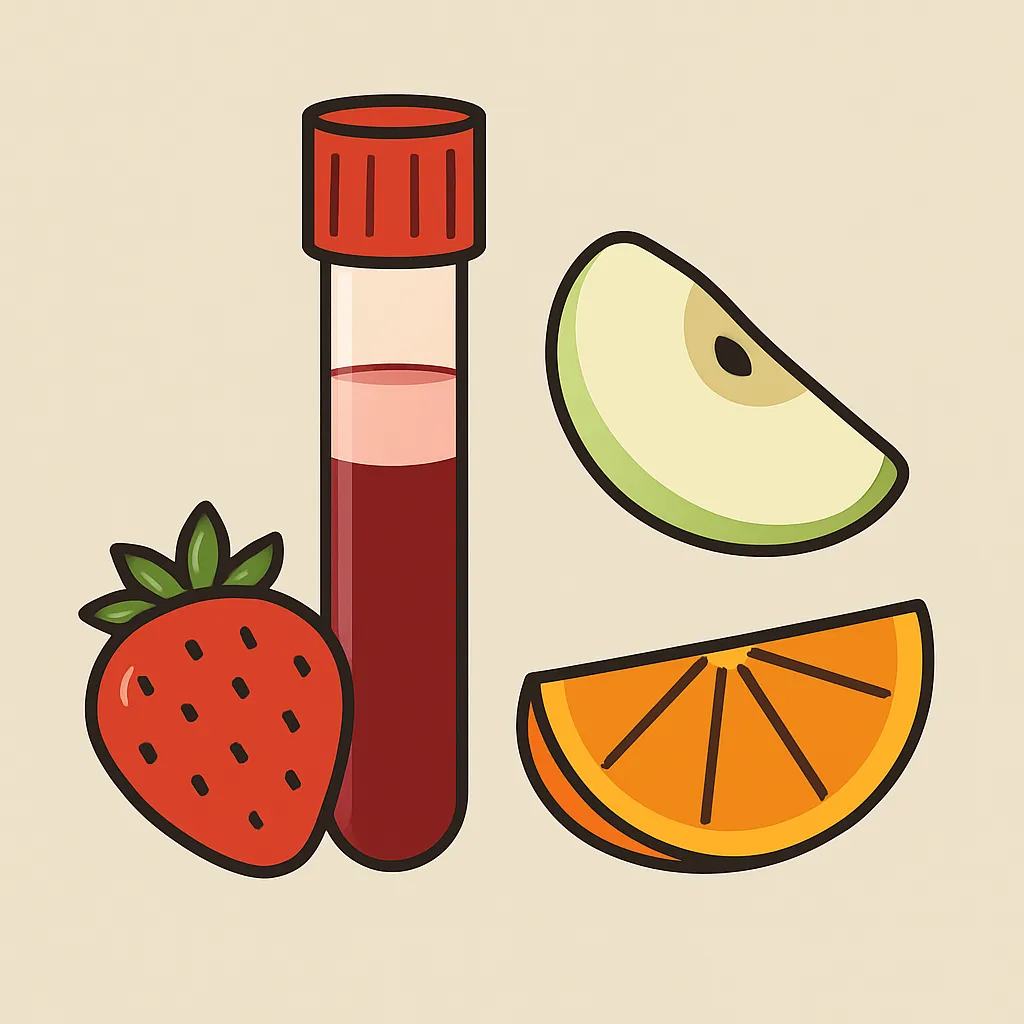
A blood test shows glucose rises after a student eats fruit and digestion occurs. What does the rise in blood glucose show?
A growing student digests chicken protein into amino acids. Some amino acids are used to make new muscle proteins. What role did the food serve?
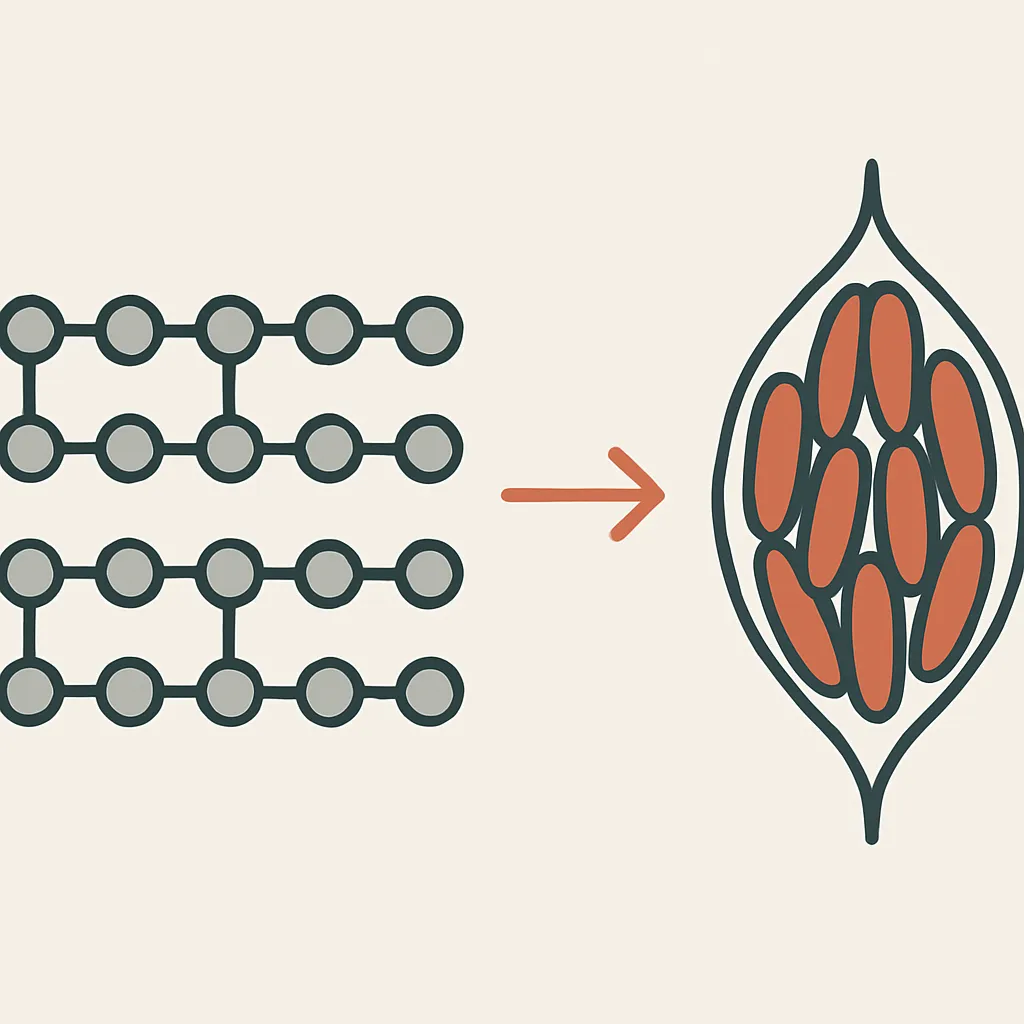
During growth, atoms from digested food become part of new bone and skin molecules. What claim does this evidence support?
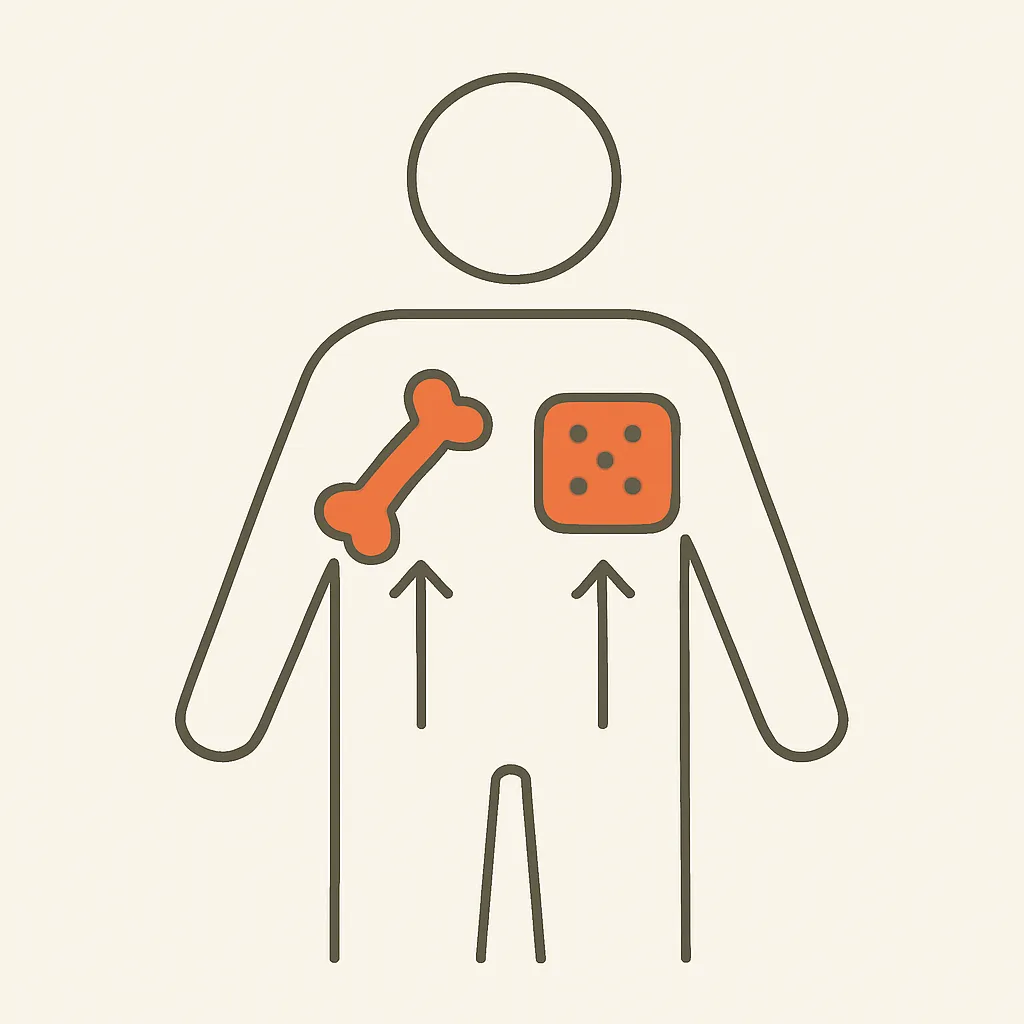
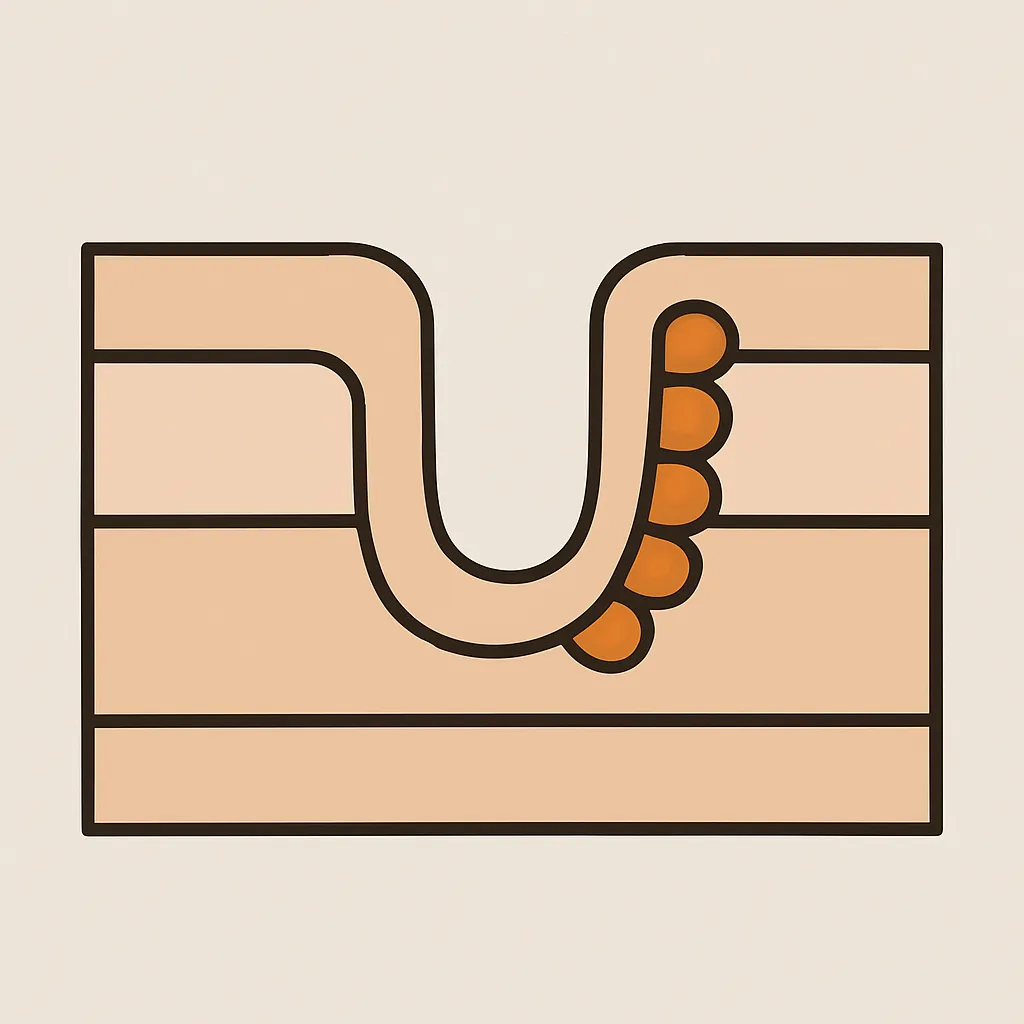
A cut on a student's hand heals over several days after regular meals. New skin tissue grows to close the cut. What happened?
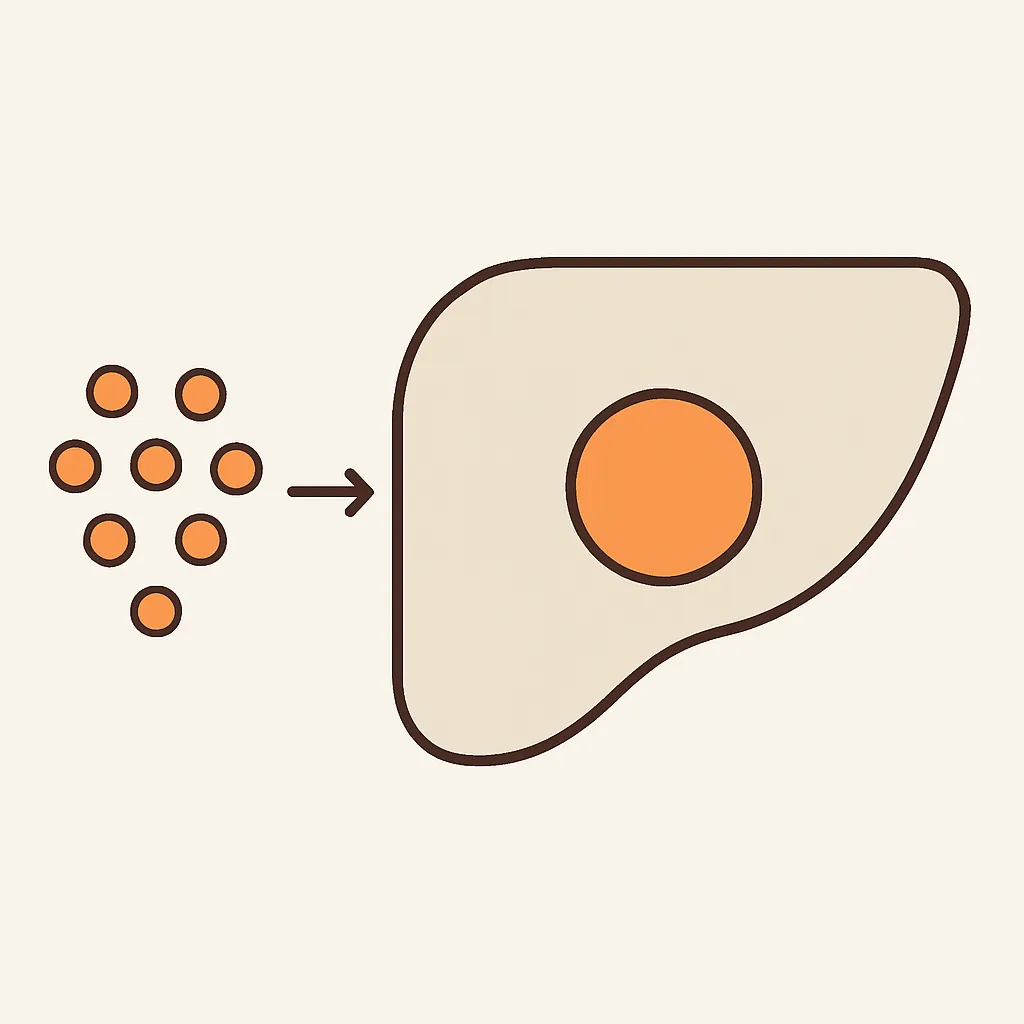
After pasta is digested, extra glucose reaches the liver. How do liver cells store it for later?
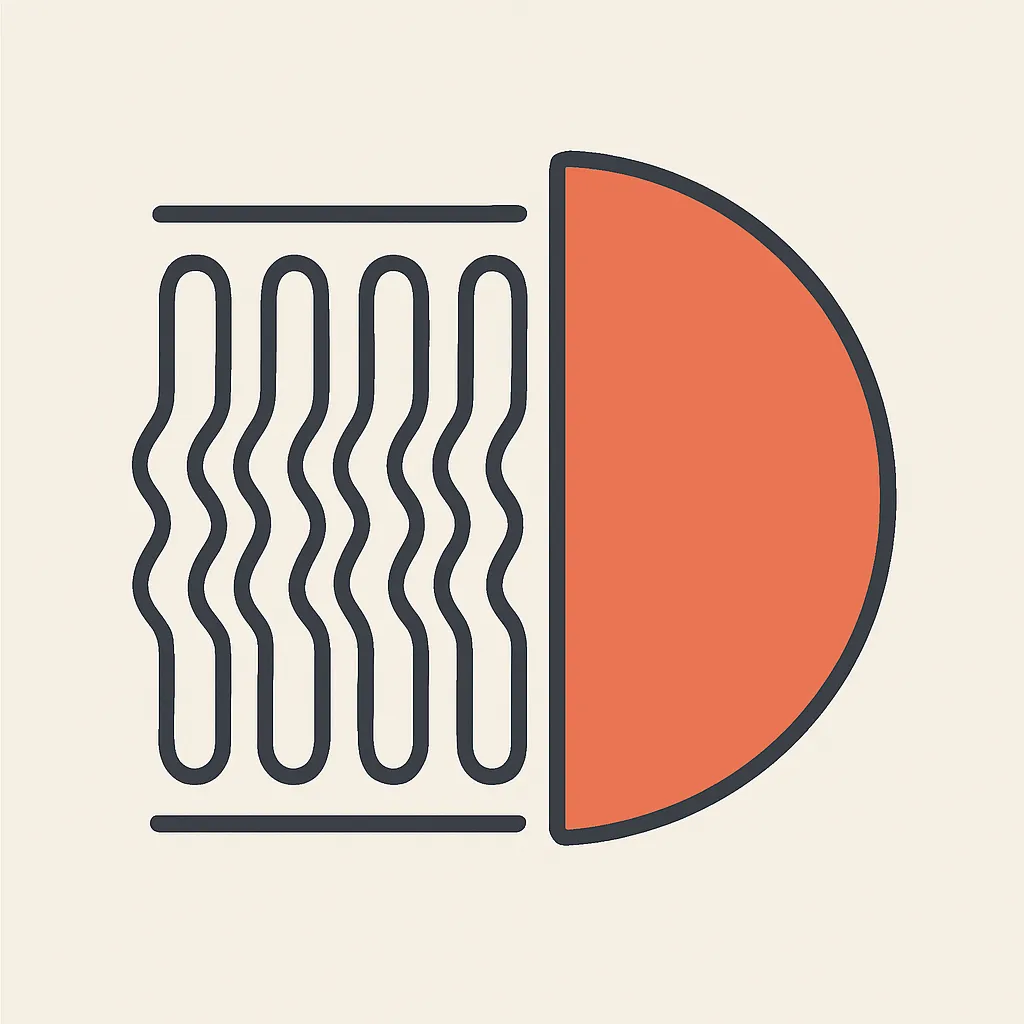
New skin cells need membranes. Which digested food molecules do the cells mainly use to build phospholipids, the main molecules in cell membranes?
In a body cell, glucose from lunch reacts with oxygen. Carbon dioxide, water, and ATP form. What happened to the glucose molecules?
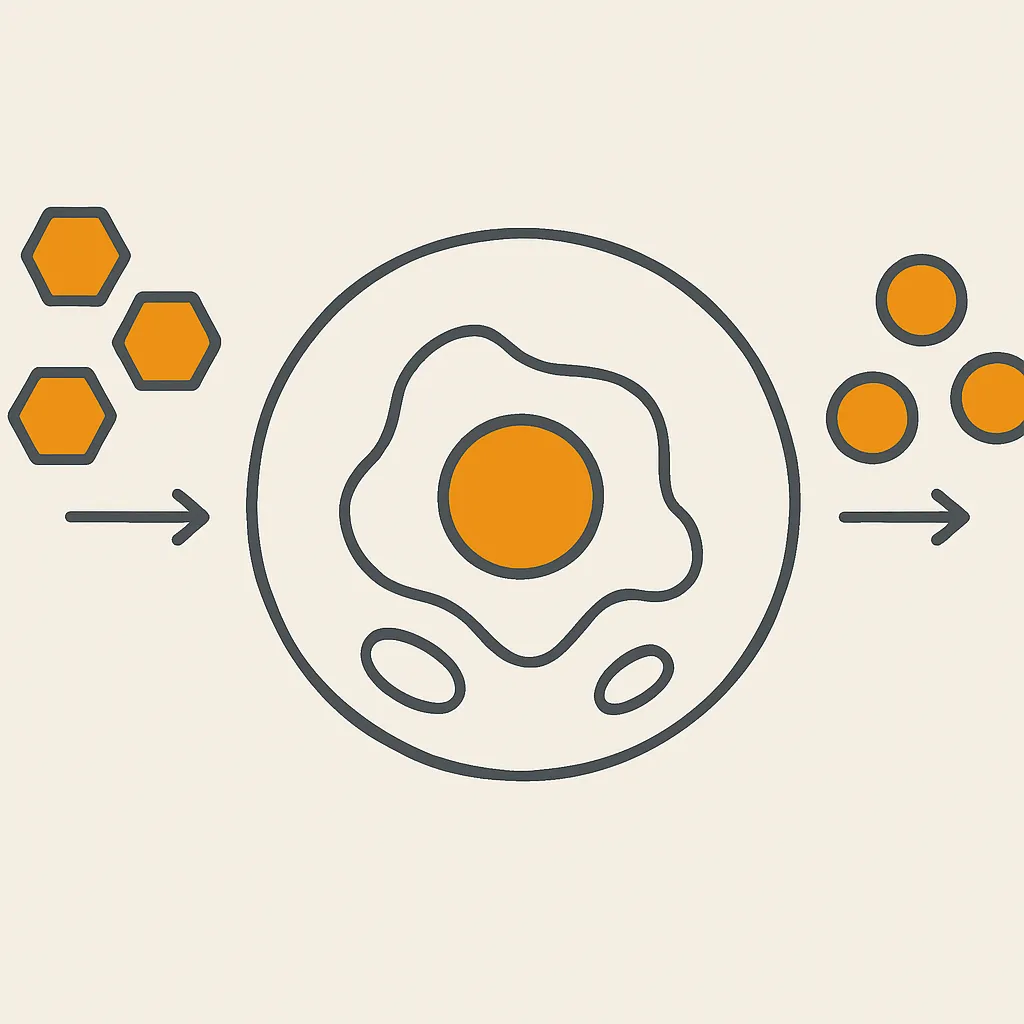
During a run, muscle cells take in more glucose and oxygen and make more ATP. Why does breathing faster help the runner?
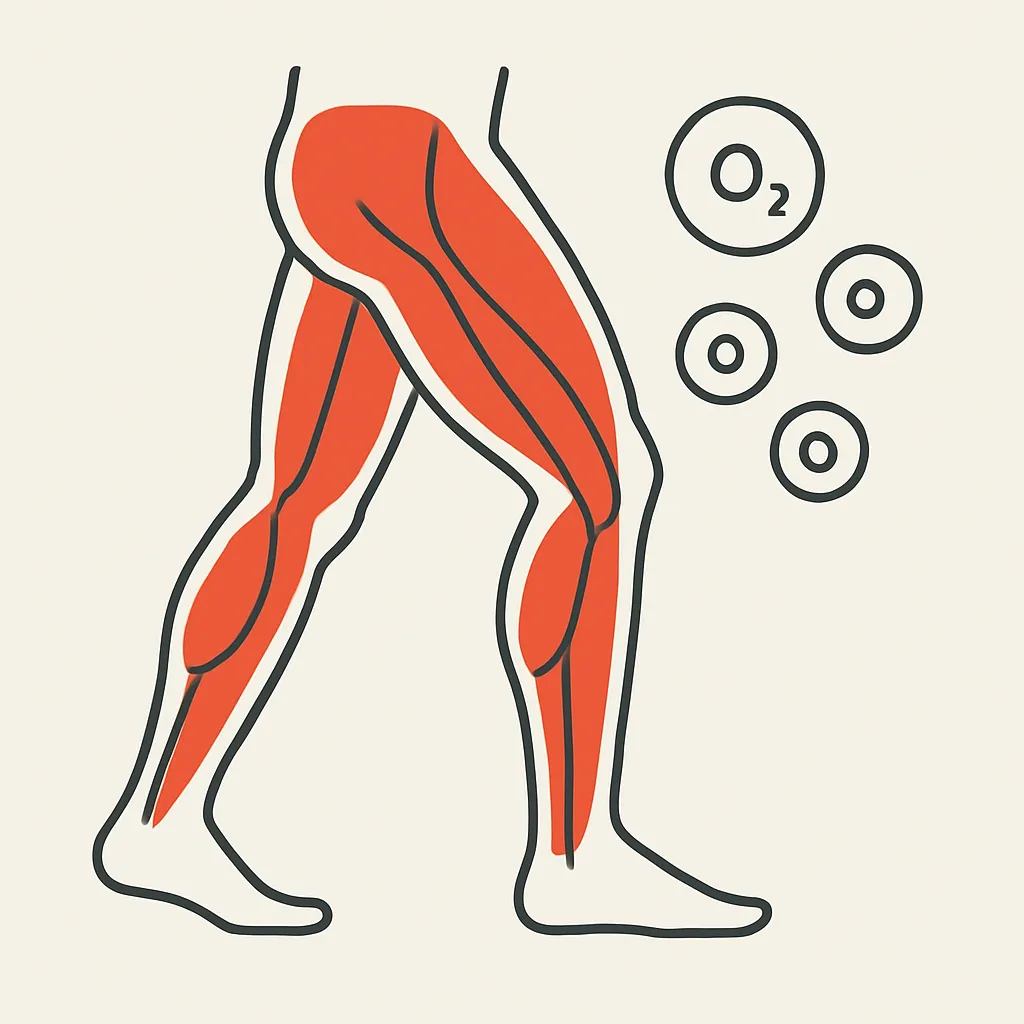
A muscle cell gets plenty of glucose but very little oxygen. It releases much less ATP than usual. What limits the energy release?
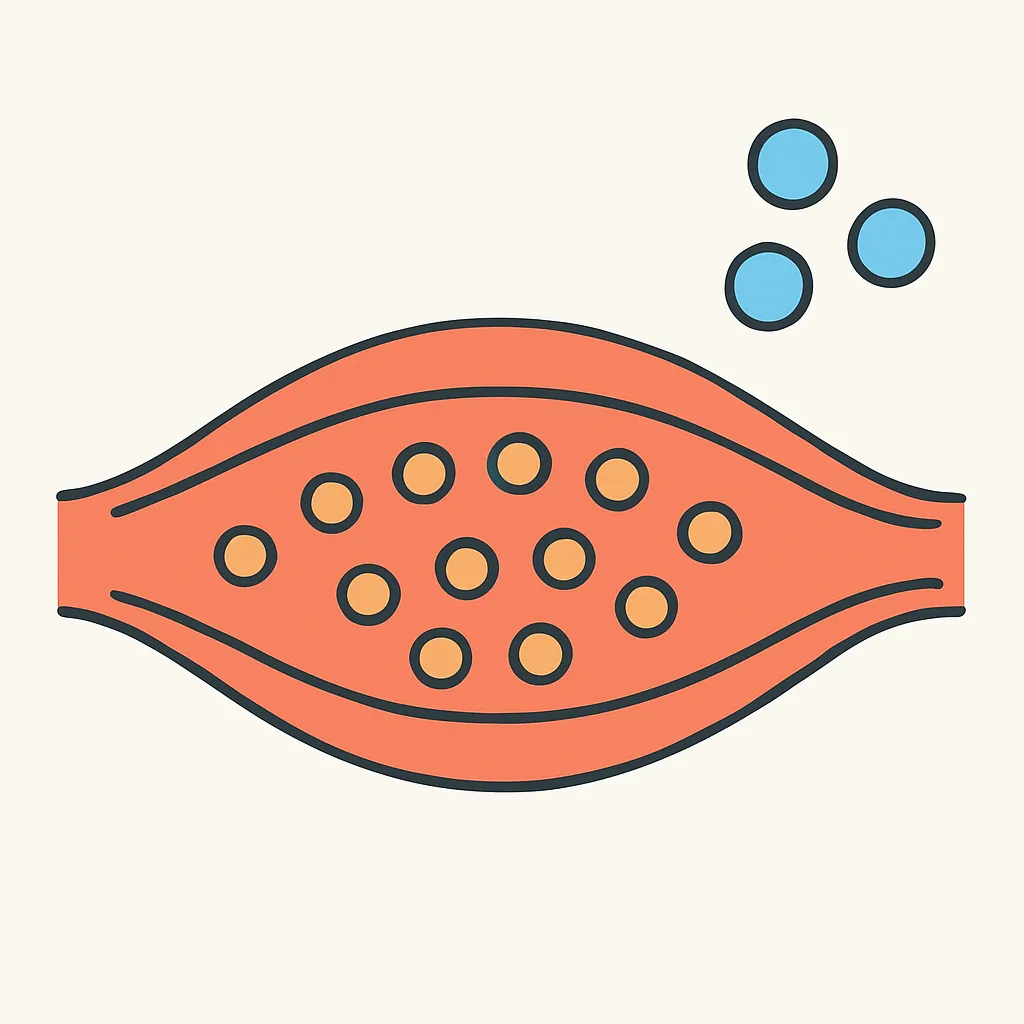
After breakfast, some carbon atoms from glucose leave the body in carbon dioxide that is exhaled. What does this evidence show?
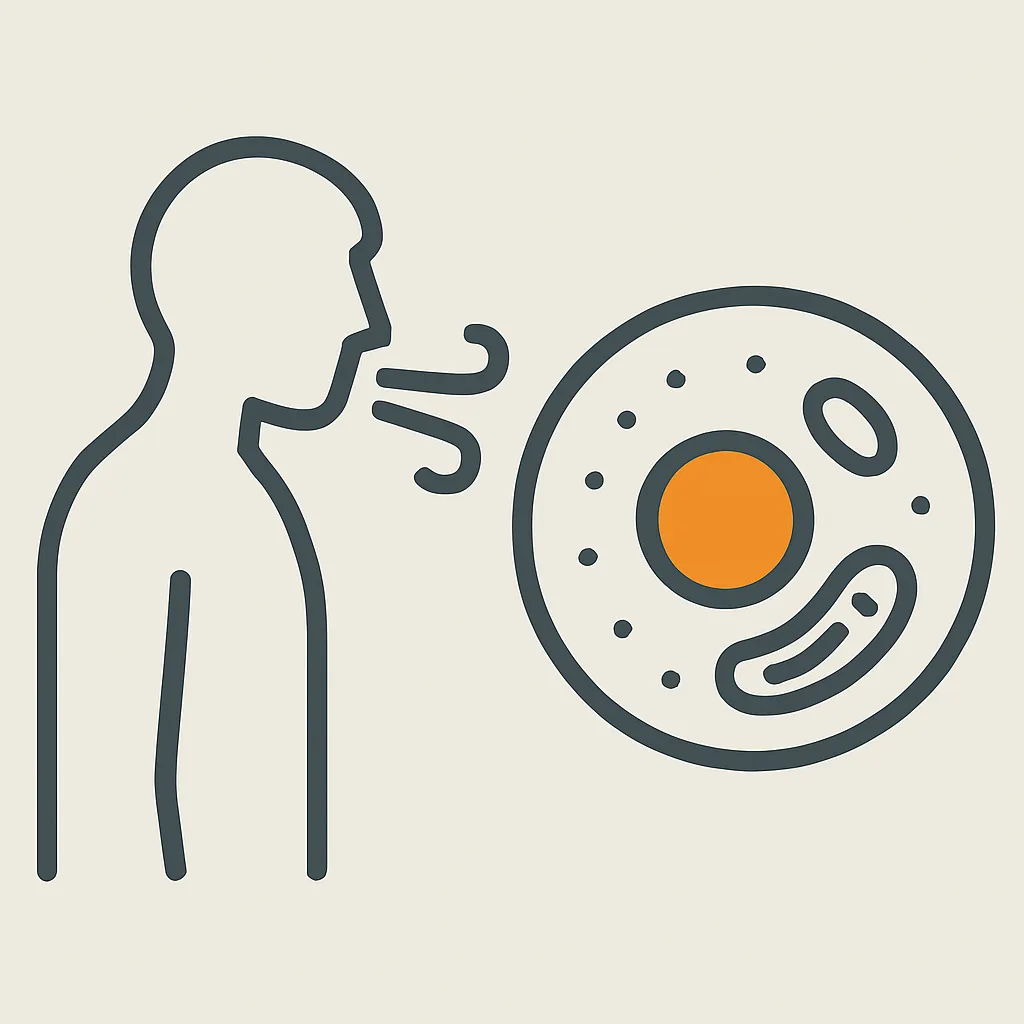
A muscle cell breaks down glucose in mitochondria and makes ATP for contraction. Which process is the cell carrying out?
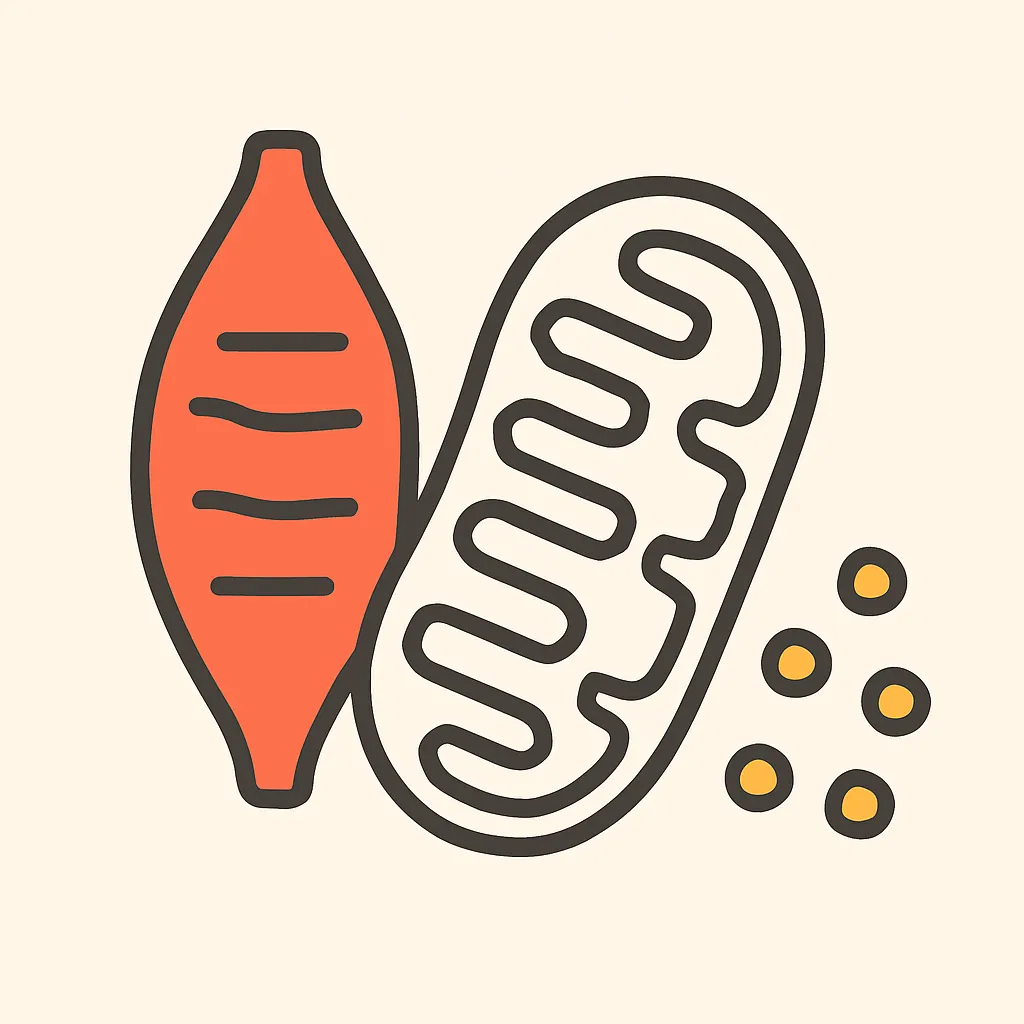
A mouse eats food, then its cells use oxygen and produce carbon dioxide while releasing usable energy. What model best explains the observations?
Crack the passcode before the zombies get in.
Answer, then swat bugs for bonus points.
Race through questions at your own speed.
Same question on every screen. Fastest wins.

Pick a tile, answer, hit bonuses and steals.
Photosynthesis and Respiration: Key Terms in Use
20 questions