Loading
by BlastRoom
Explore how body systems interact to support health and maintain homeostasis.
#us_grade_7_science
40 questions
One question set, multiple game modes. Tap any game to see it in action. Not sure which to pick?
Answer to place stones and capture territory.
Outrun the snow together.
Earn blasts, then hunt the other team.
Answer to earn energy, then climb.

The class blasts through walls together.
Bid on mystery lots. Most money wins.
Sell tours. Nice, standard, or a total scam.

Answer, restock, and serve the rush.
More correct answers pulls the rope your way.
Answer, then shoot down the alien wave.
Answer, then tap to leap the frozen ridge.
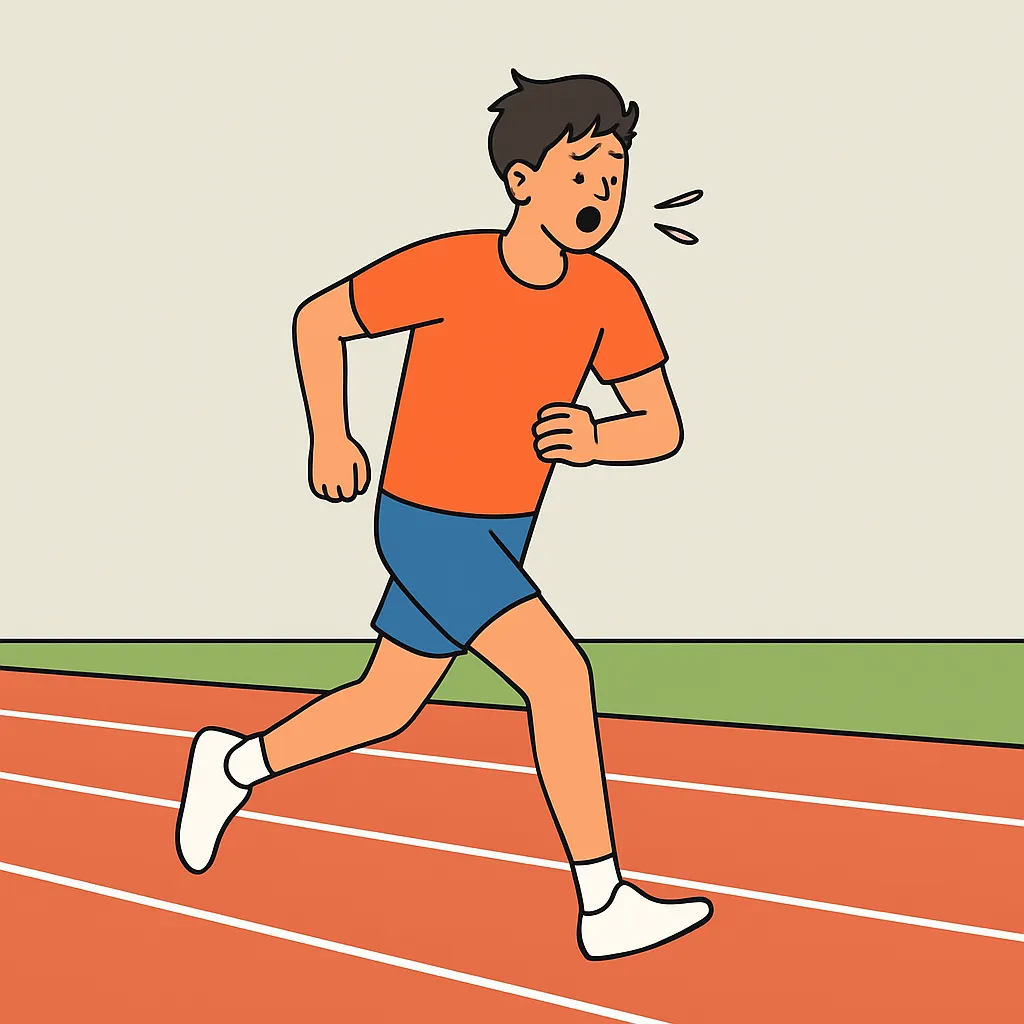
During a sprint, leg cells need more oxygen, and breathing and heart rate both rise. Which interaction directly supports the runner?
A student lifts a heavy backpack after seeing the bus arrive. Which body-system interaction lets the arm move in time?
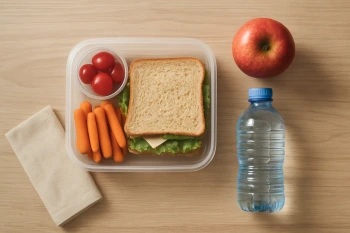
After lunch, a student's cells use glucose from bread during class. Which interaction gets that glucose to the cells?
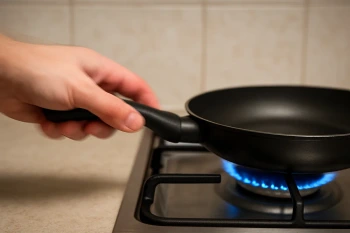
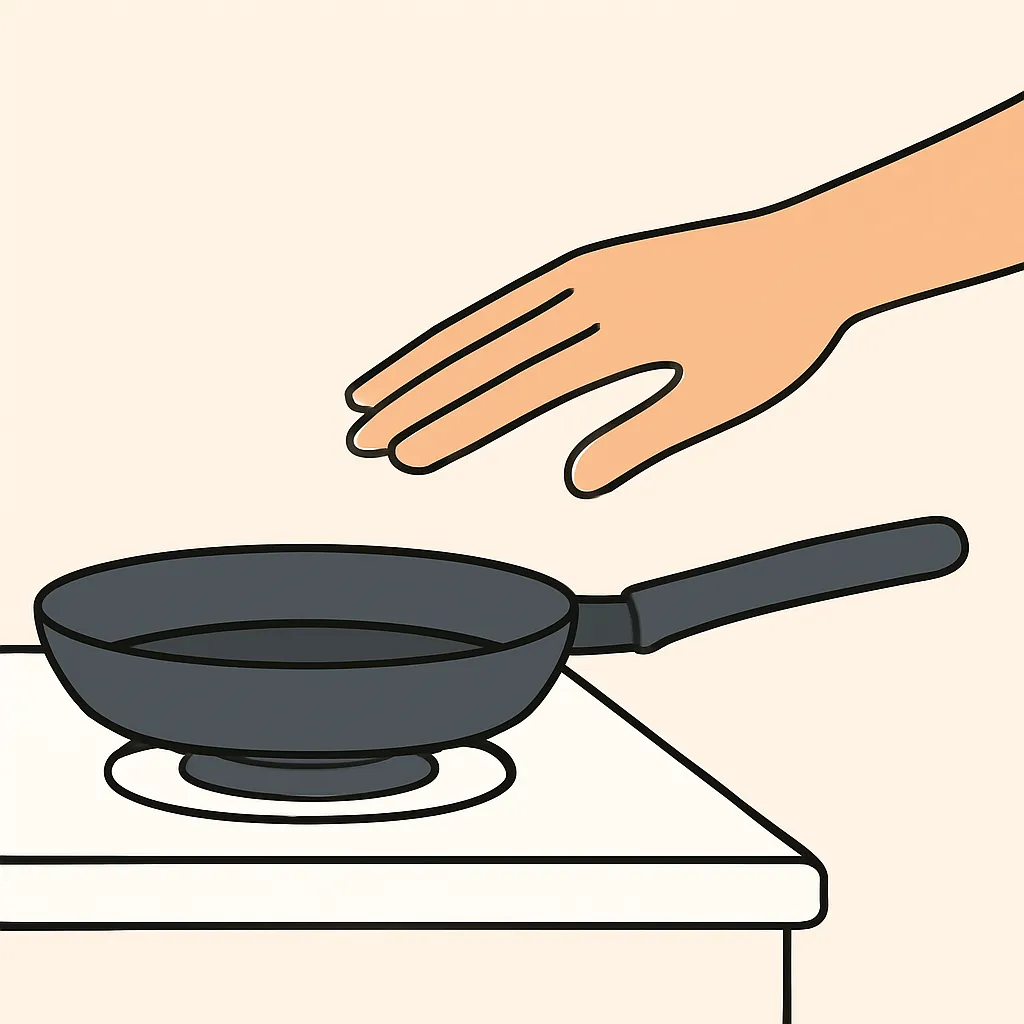
A hand touches a hot pan and jerks away before a burn worsens. Which interaction explains the quick response?
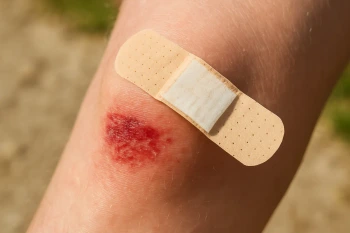
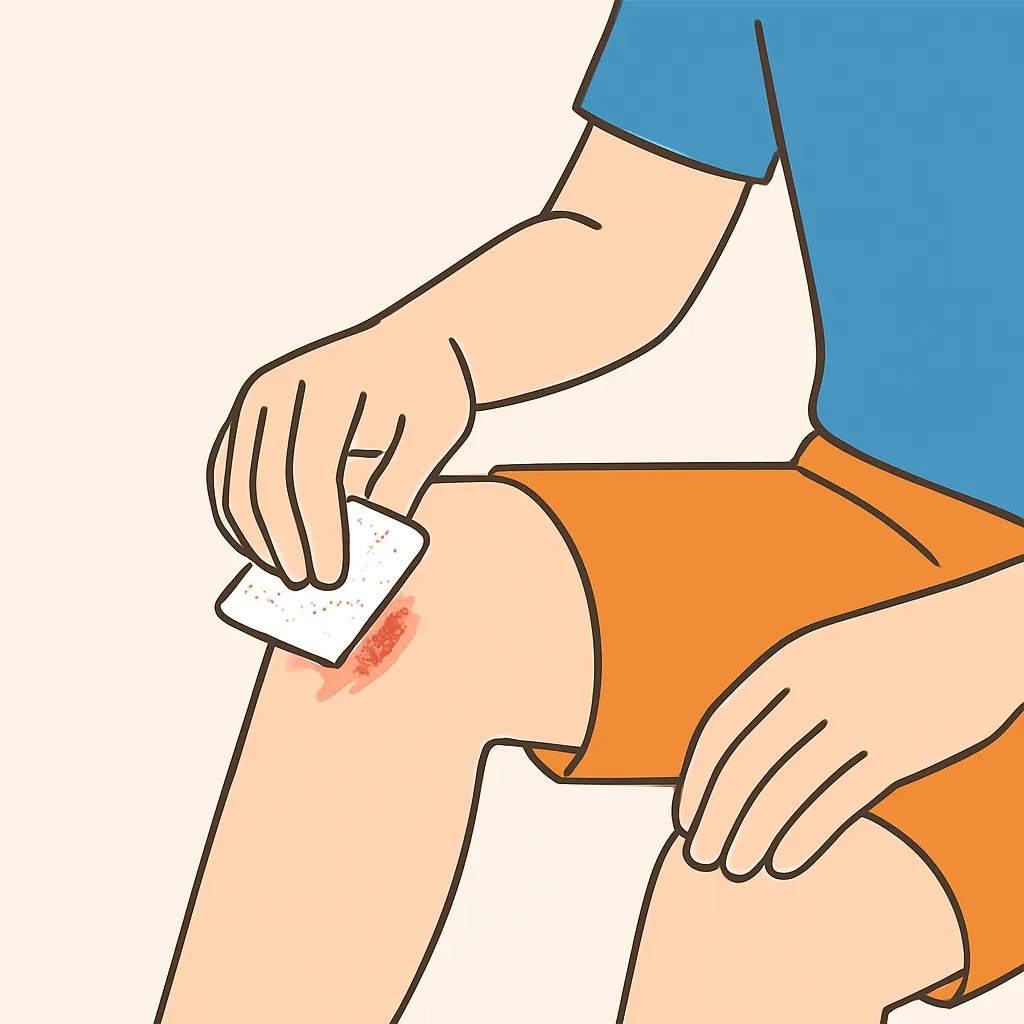
A scrape lets bacteria enter the skin, and white blood cells move to the area. Which systems are working together first?
Before a presentation, adrenaline enters the blood, heart rate rises, and muscles feel ready. Which interaction caused this preparation?
While singing, a student controls airflow and vocal muscles. Which systems coordinate the action?
A goalie sees a ball, steps sideways, and catches it. Which interaction best supports this task?
Blood carrying cell wastes passes through the kidneys, and urine forms. Which interaction removes these wastes?
On a cold morning, a student starts to shiver. Which interaction produces heat for the body?
During handwriting, fingers hold a pencil while bones keep their shape and nerves adjust pressure. Which interaction controls the movement?
After a small bone crack, extra blood flow brings cells and materials for repair. Which systems interact during healing?
On a hot day, sweating increases and skin blood vessels widen. What stable condition is the body mainly protecting?
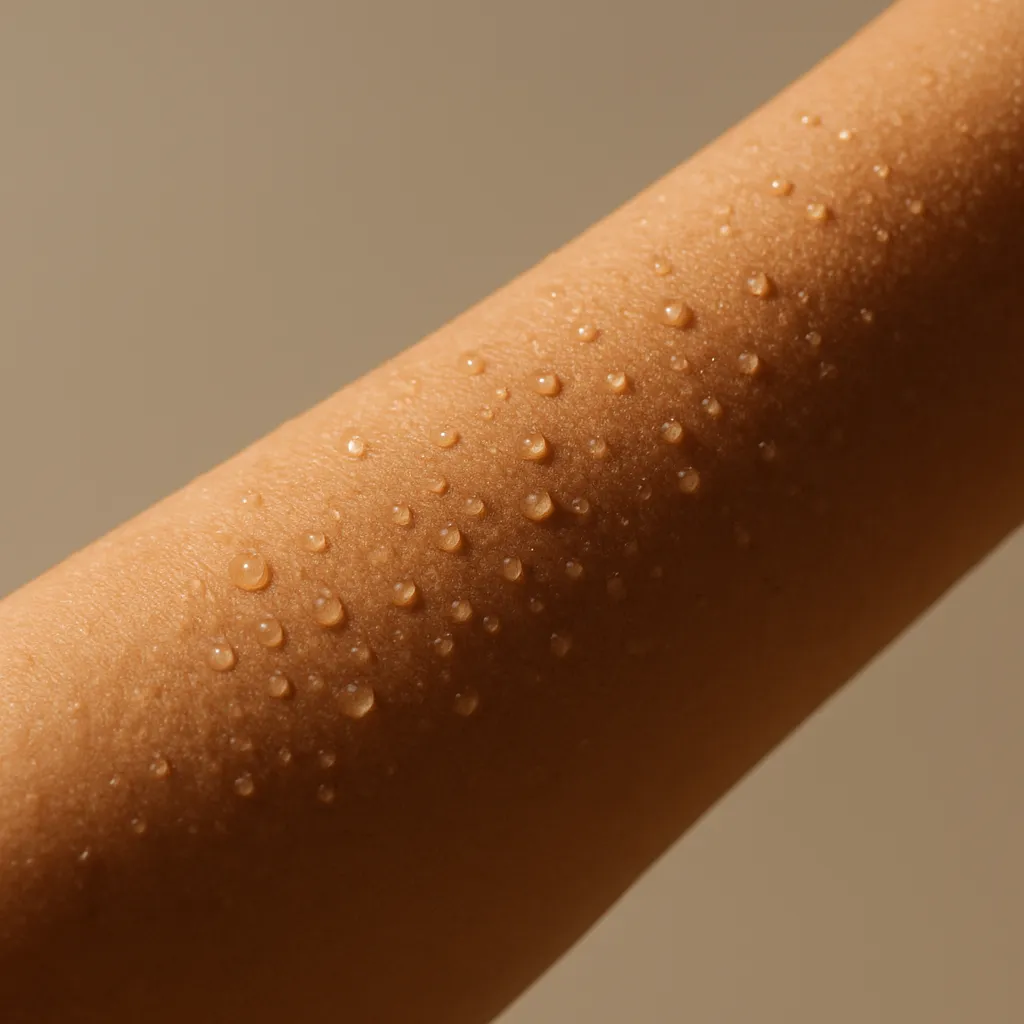
In a cold classroom, skin blood vessels narrow and muscles begin to shiver. What does this response help prevent?
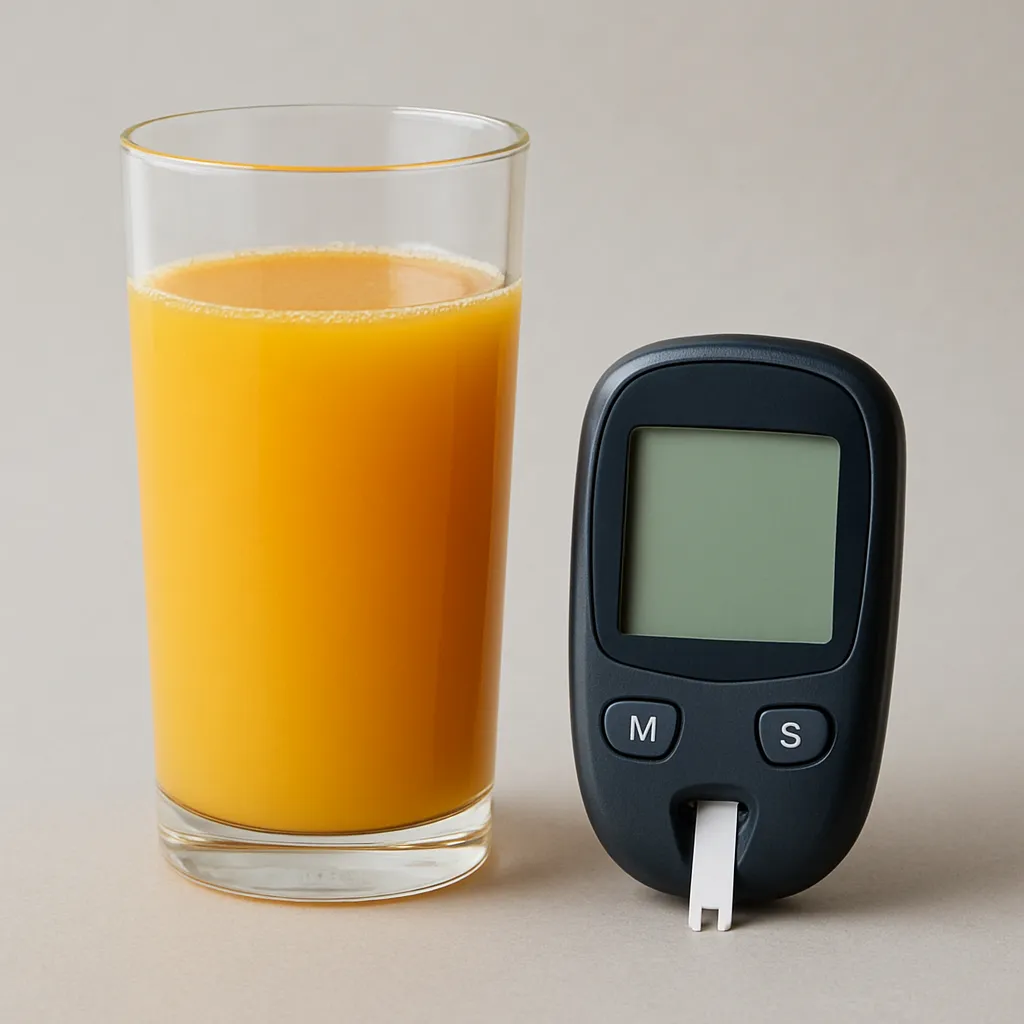
After a sweet drink, blood glucose rises. Later insulin increases and cells take in more glucose. What homeostasis response is shown?
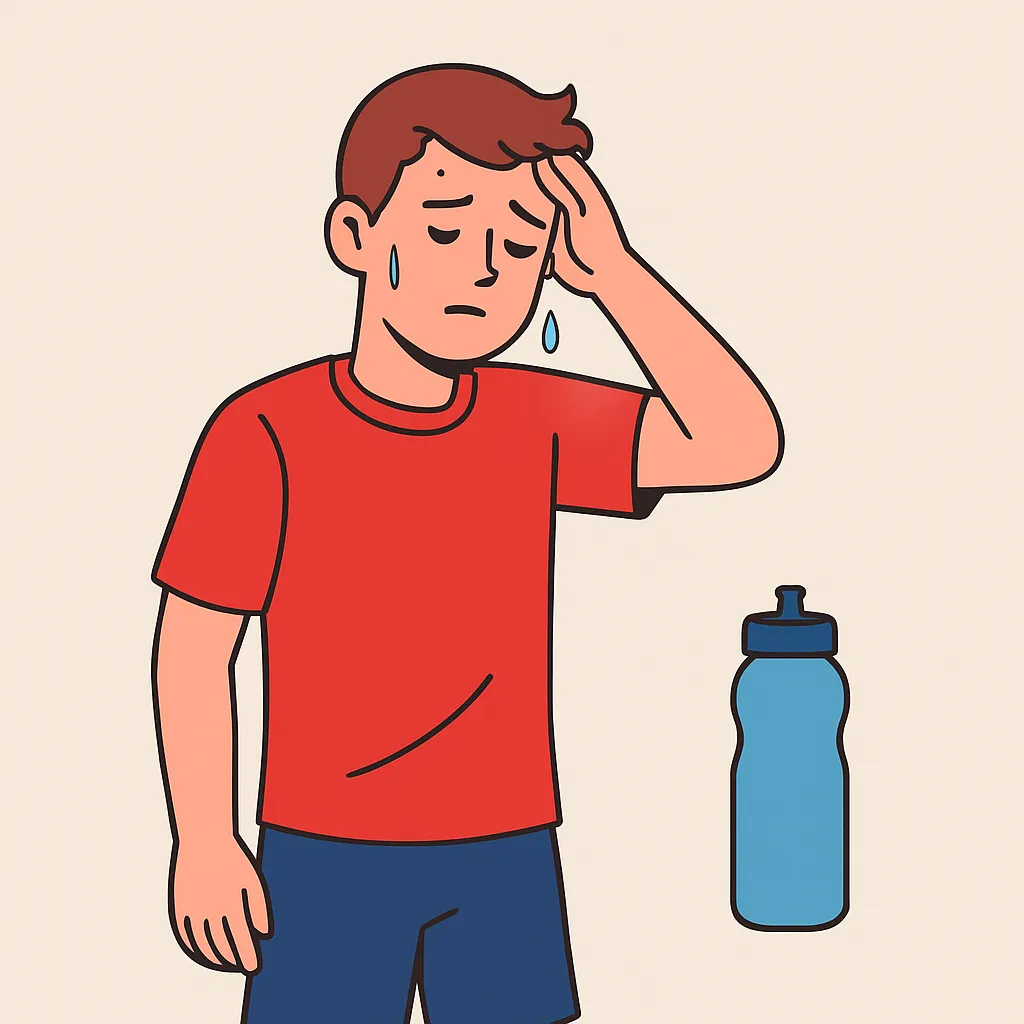
During a long soccer practice, a student loses water in sweat and urinates less afterward. What stable condition is the body trying to keep?
Blood carbon dioxide rises during hard exercise. Breathing becomes faster and deeper. What does this response help restore?
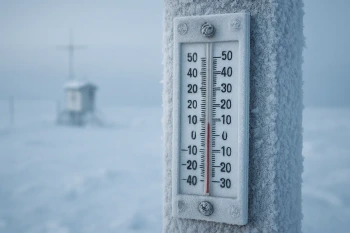
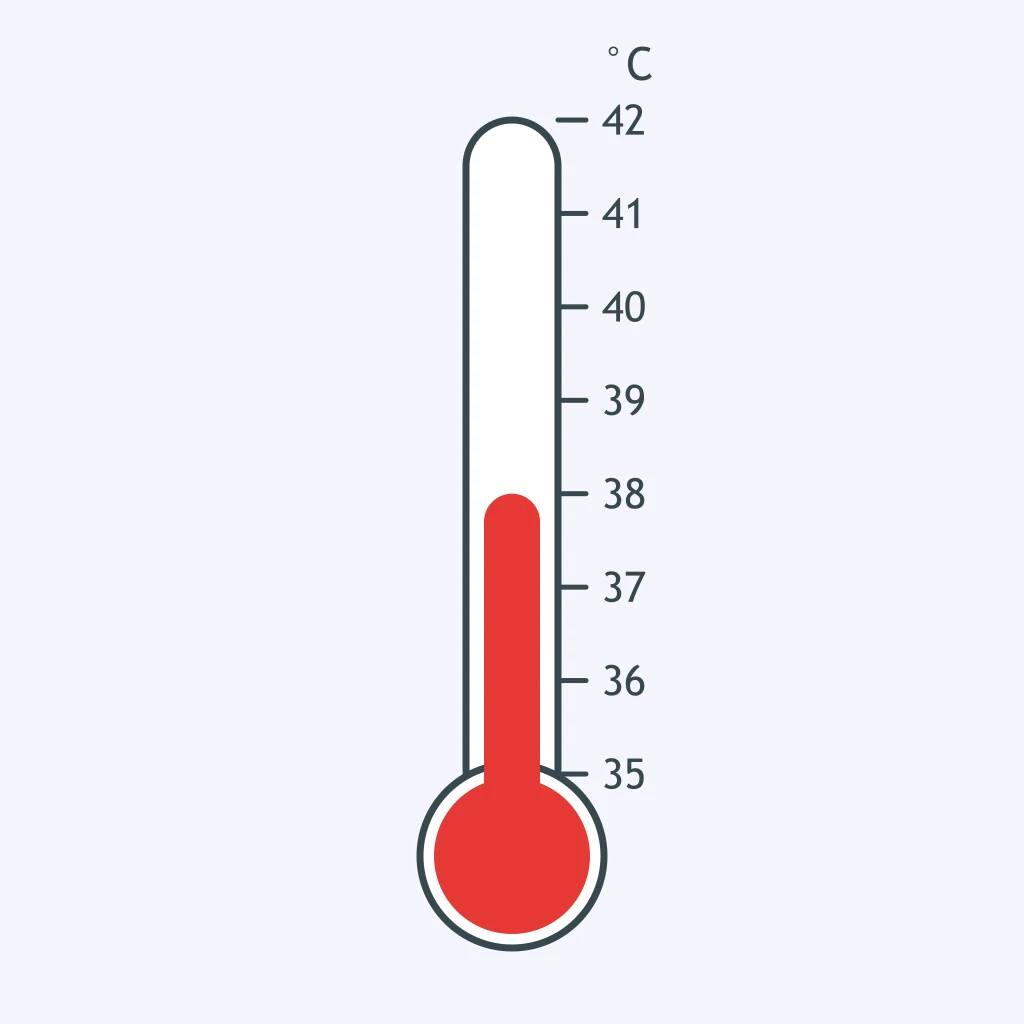
The thermometer shows a fever during an infection. As the infection fades, sweating cools the body back toward normal. Which condition does this feedback keep in a safe range?
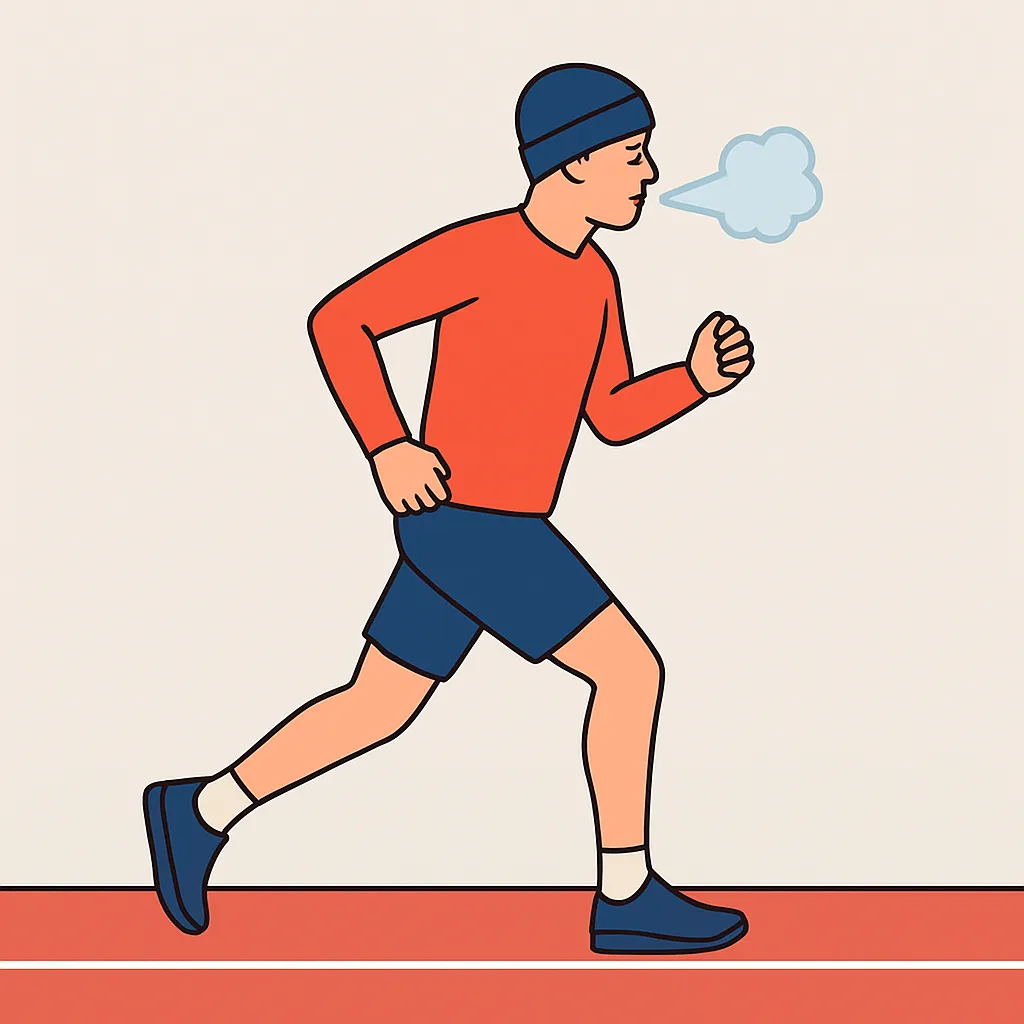
After running stops, breathing and heart rates gradually slow as oxygen supply and carbon dioxide removal meet cell needs. What does this show?
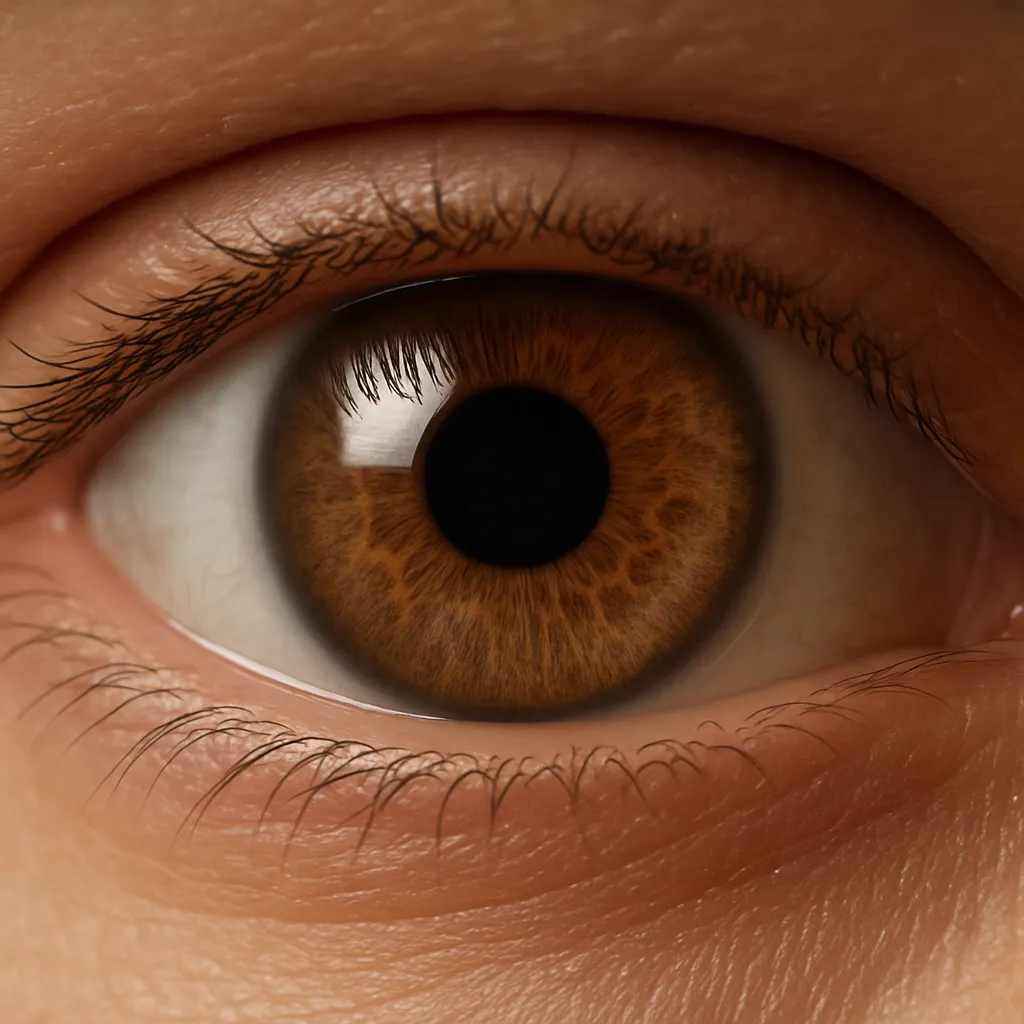
In bright light, pupils get smaller, reducing light entering the eyes. What kind of body response is this?
At high altitude, lower air oxygen makes breathing and heart rate increase. What condition is the body trying to maintain for cells?
After eating very salty soup, thirst increases and kidneys save more water. What balance is being regulated?
A breathed-in oxygen molecule reaches a toe cell and helps release energy from food. Which path best traces that oxygen?
After bread is digested, glucose from it fuels leg muscles. Which path best traces the glucose?
A muscle cell makes carbon dioxide while using energy. Which path removes that carbon dioxide from the body?
Cell proteins break down and make urea, a nitrogen waste carried in blood. Which path removes urea?
A student drinks water after practice. Some water reaches cells, and extra water leaves as urine or sweat. Which systems move and remove the water?
Calcium ions from milk are absorbed and later become part of hard bone tissue. Which path best traces the calcium?
Amino acids from beans are used to build new muscle proteins after exercise. Which path best traces those amino acids?
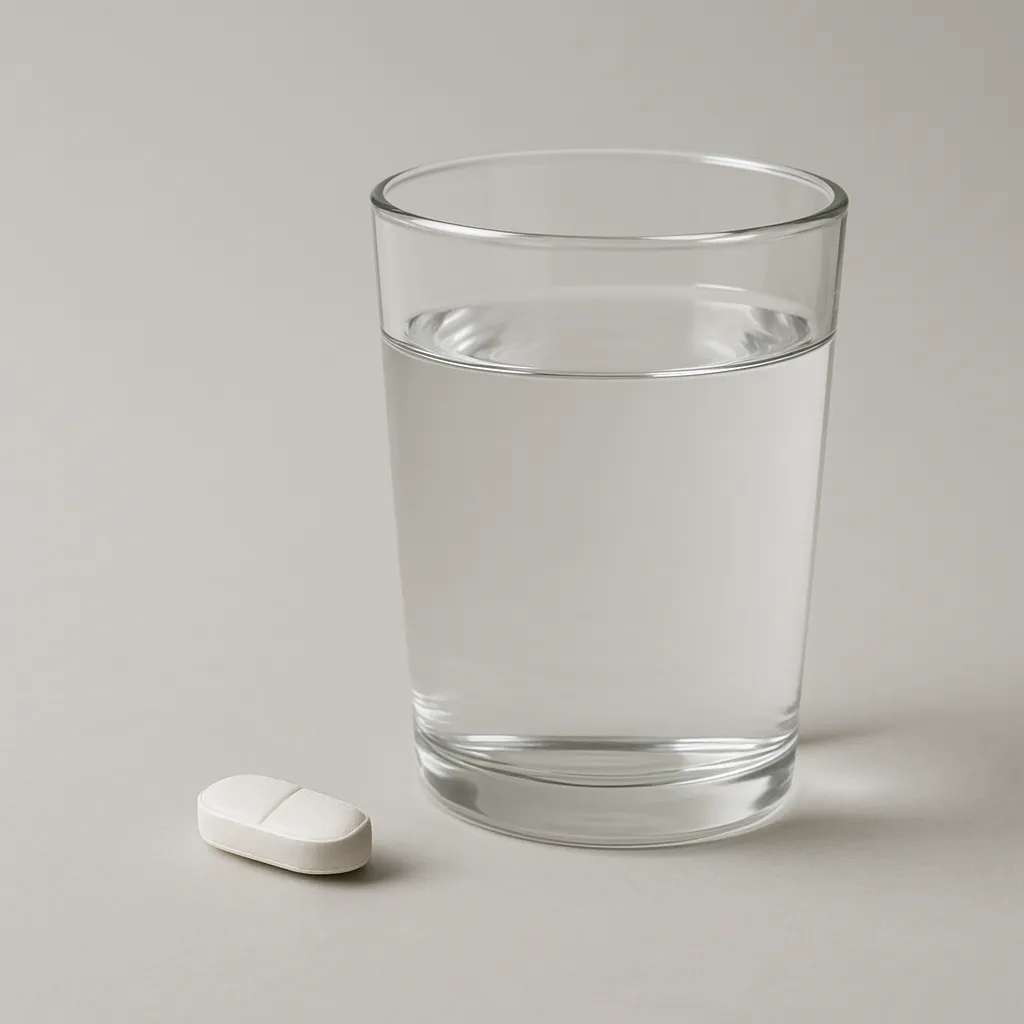
A medicine tablet dissolves in the digestive tract, enters the blood, and affects cells throughout the body. Which statement traces the matter correctly?
A patient has fewer red blood cells than normal. During exercise, what effect is most likely?
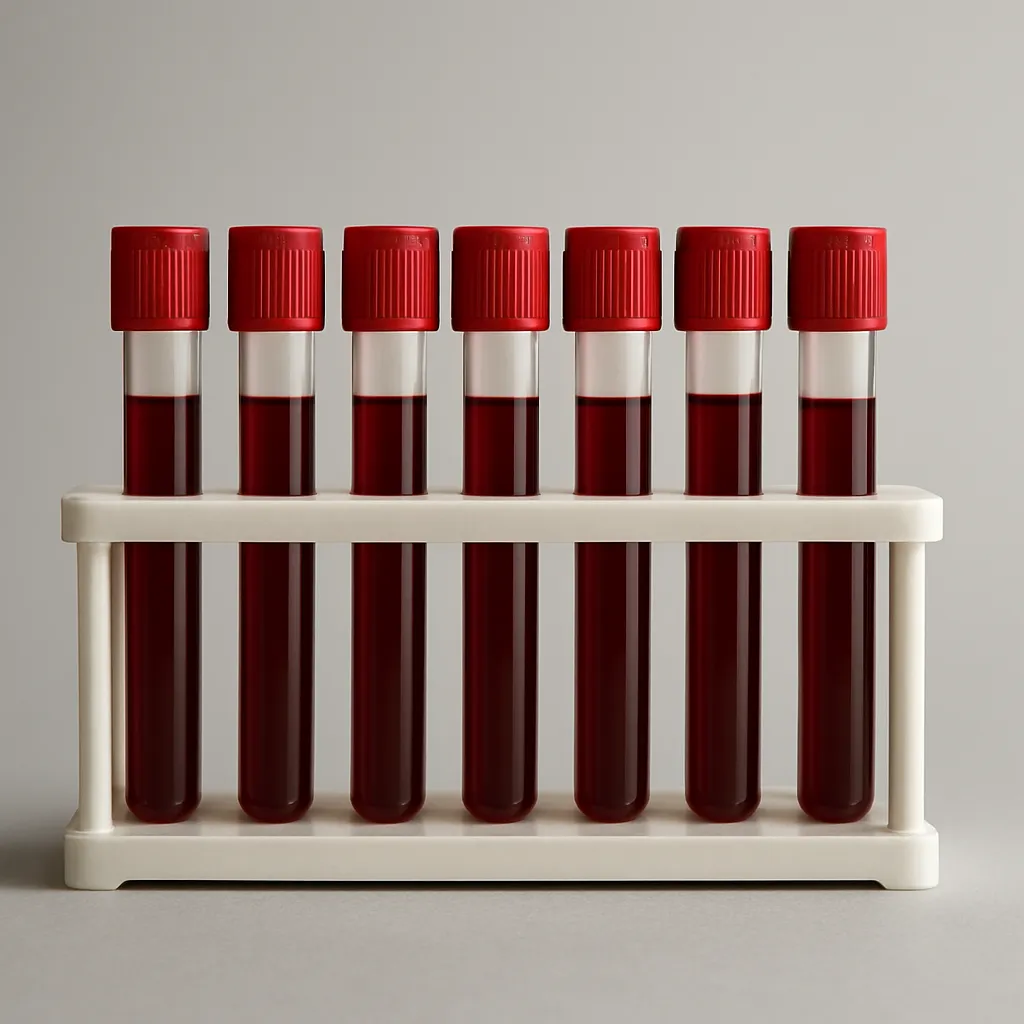
Asthma narrows airways during an attack. If heart rate rises but less air enters the lungs, what effect is most likely?
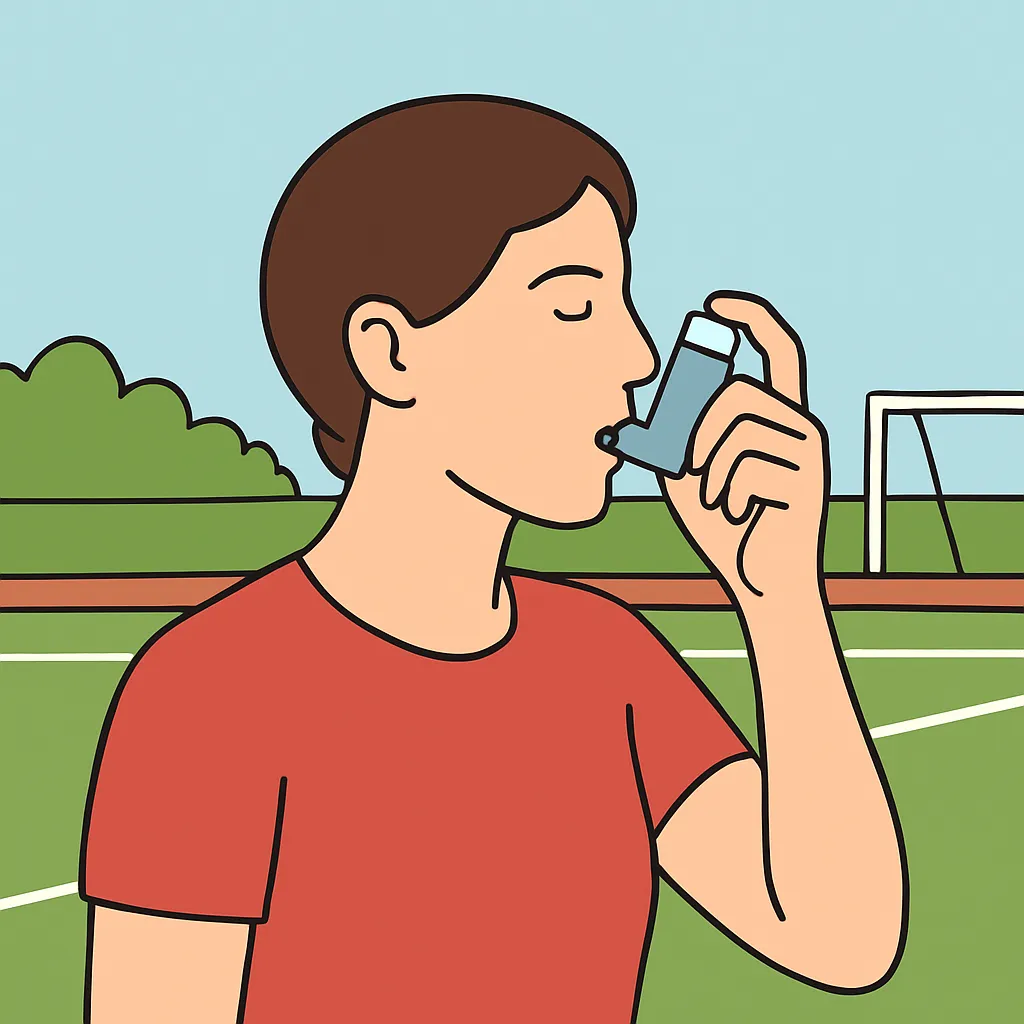
A spinal cord injury blocks nerve signals to leg muscles. What effect would most directly result?
If the kidneys cannot filter blood well, which change would most likely threaten homeostasis?
If the pancreas releases too little insulin after meals, what change is most likely?
Severe diarrhea causes rapid water loss from the digestive tract. Which effect can follow if water is not replaced?
A cracked rib makes deep breaths painful, so a patient breathes shallowly. What effect could this cause?
If sweat glands cannot release sweat on a hot day, what risk increases?
A weak heart valve lets some blood flow backward with each beat. What effect would most likely happen during activity?
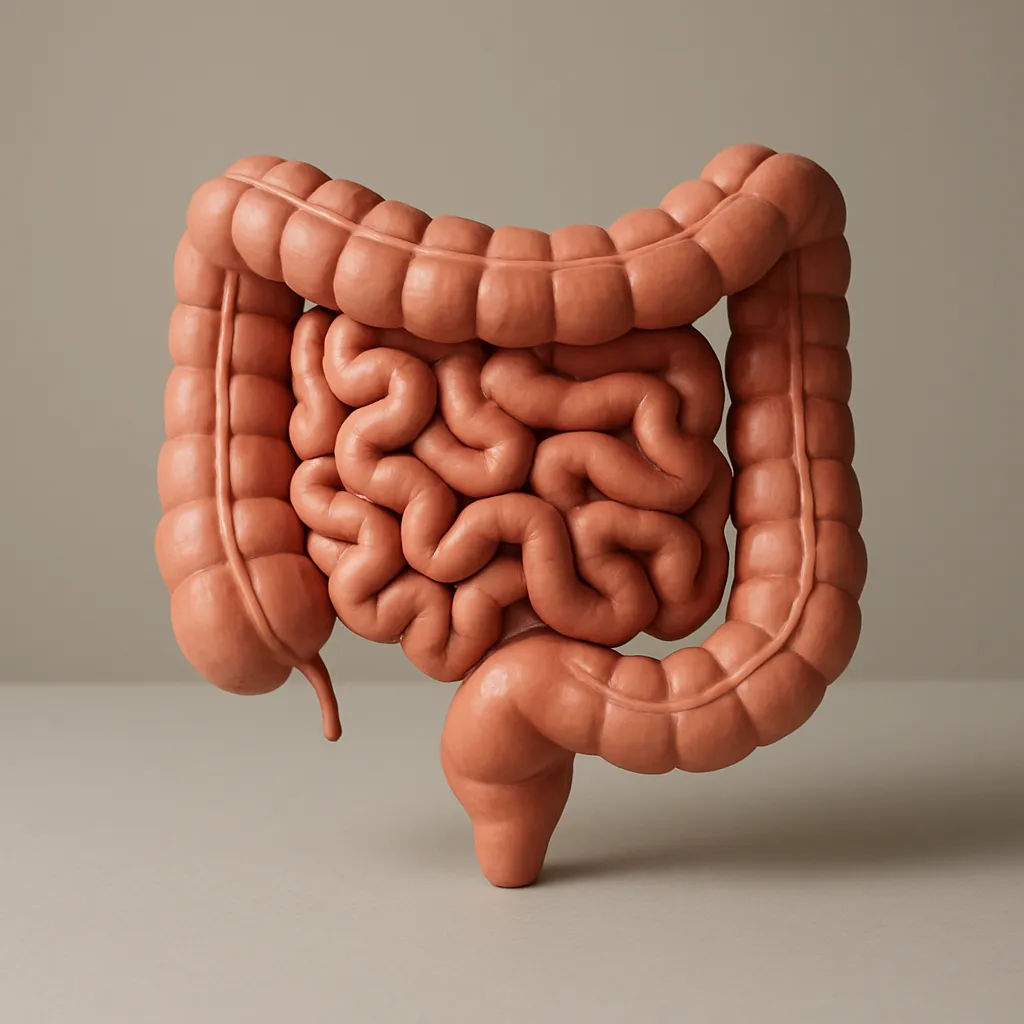
Damage to the small intestine reduces nutrient absorption. What outcome would most likely affect the whole body?
Crack the passcode before the zombies get in.
Answer, then swat bugs for bonus points.
Race through questions at your own speed.
Same question on every screen. Fastest wins.

Pick a tile, answer, hit bonuses and steals.
Cellular Respiration
20 questions