Loading
by BlastRoom
Use data from investigations to work out what makes electric and magnetic forces stronger or weaker.
#us_grade_8_science
40 questions
One question set, multiple game modes. Tap any game to see it in action. Not sure which to pick?
Answer to place stones and capture territory.
Outrun the snow together.
Earn blasts, then hunt the other team.
Answer to earn energy, then climb.

The class blasts through walls together.
Bid on mystery lots. Most money wins.
Sell tours. Nice, standard, or a total scam.

Answer, restock, and serve the rush.
More correct answers pulls the rope your way.
Answer, then shoot down the alien wave.
Answer, then tap to leap the frozen ridge.
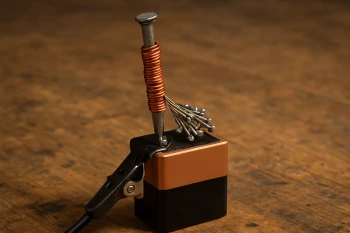
An electromagnet with 50 coil turns lifts 9 paper clips. Rewound with 100 turns of the same wire, on the same battery and nail, it lifts 17. Which factor accounts for the stronger lift?
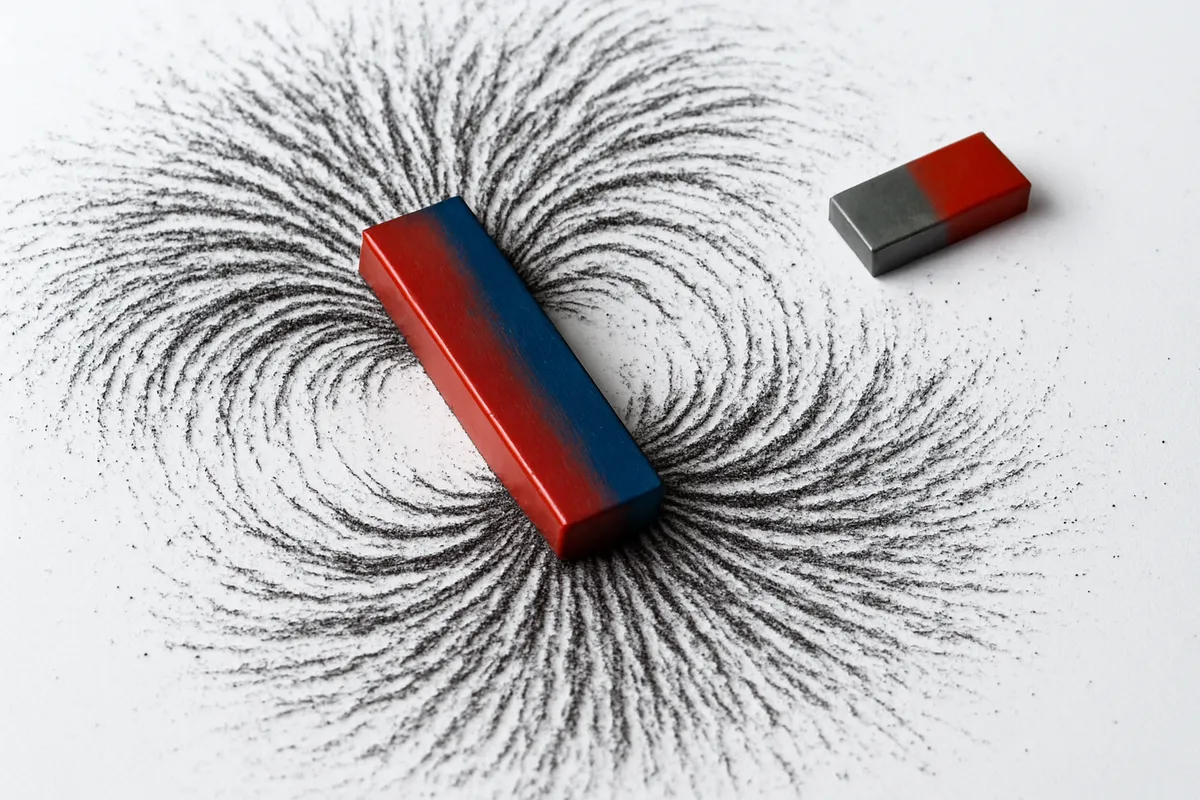
A bar magnet held 2 cm from a force sensor gives a reading of 0.30 N. The same magnet moved to 1 cm from the sensor reads 1.10 N. Which factor accounts for the difference?
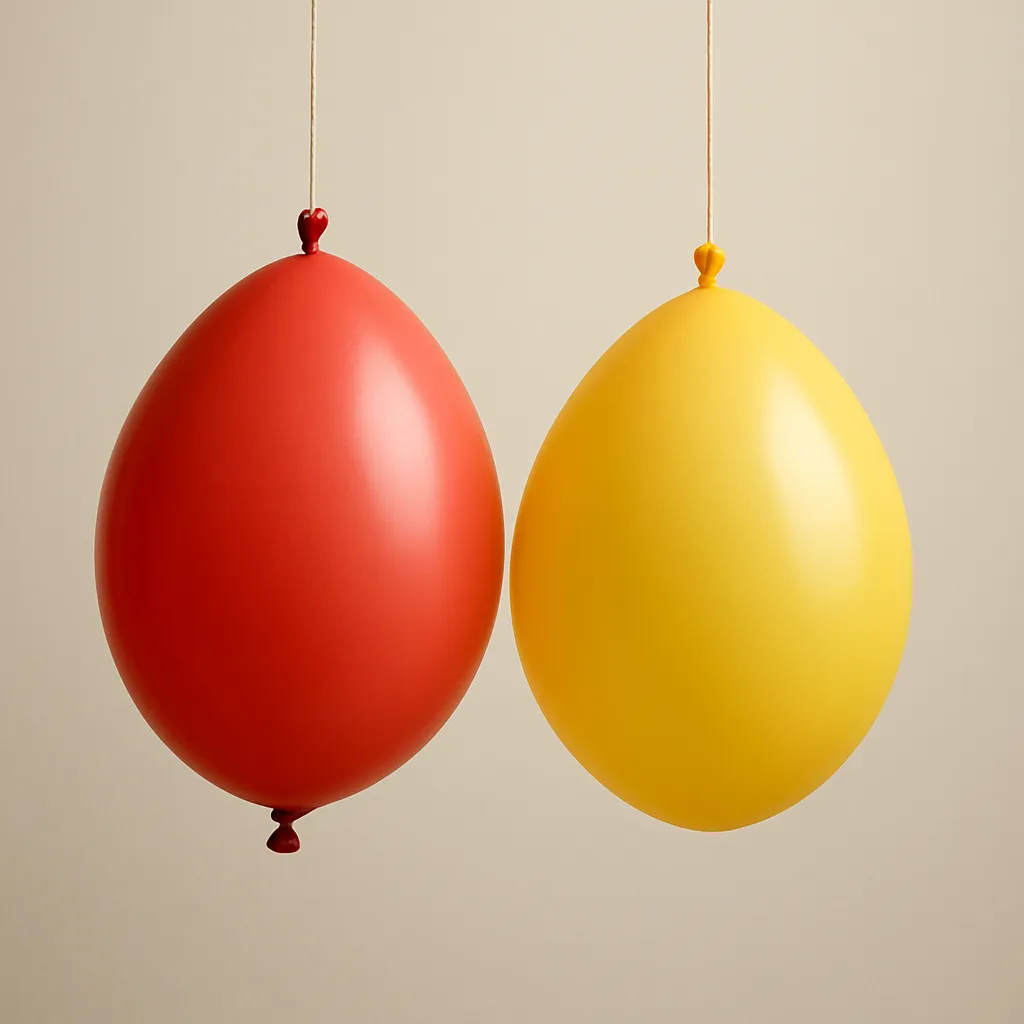
Two identical balloons rubbed on hair for 5 seconds hang apart and repel with 0.02 N. Rubbed for 30 seconds each and hung the same distance apart, they repel with 0.06 N. Which factor accounts for the difference?
A scrapyard electromagnet lifts 120 kg of steel when the operator sets the coil current to 4 A, and 210 kg at 8 A with the same coil and core. Which factor accounts for the greater lift?
Two strips of tape pulled off a desk repel with 0.008 N. After both are run between damp fingers, removing most of their charge, they barely repel at the same separation. Which factor changed the force?
Coil A is wound on an iron nail and lifts 14 clips. Coil B, with the same wire, turns and battery, is wound on a plastic rod and lifts none. Which factor accounts for the difference?
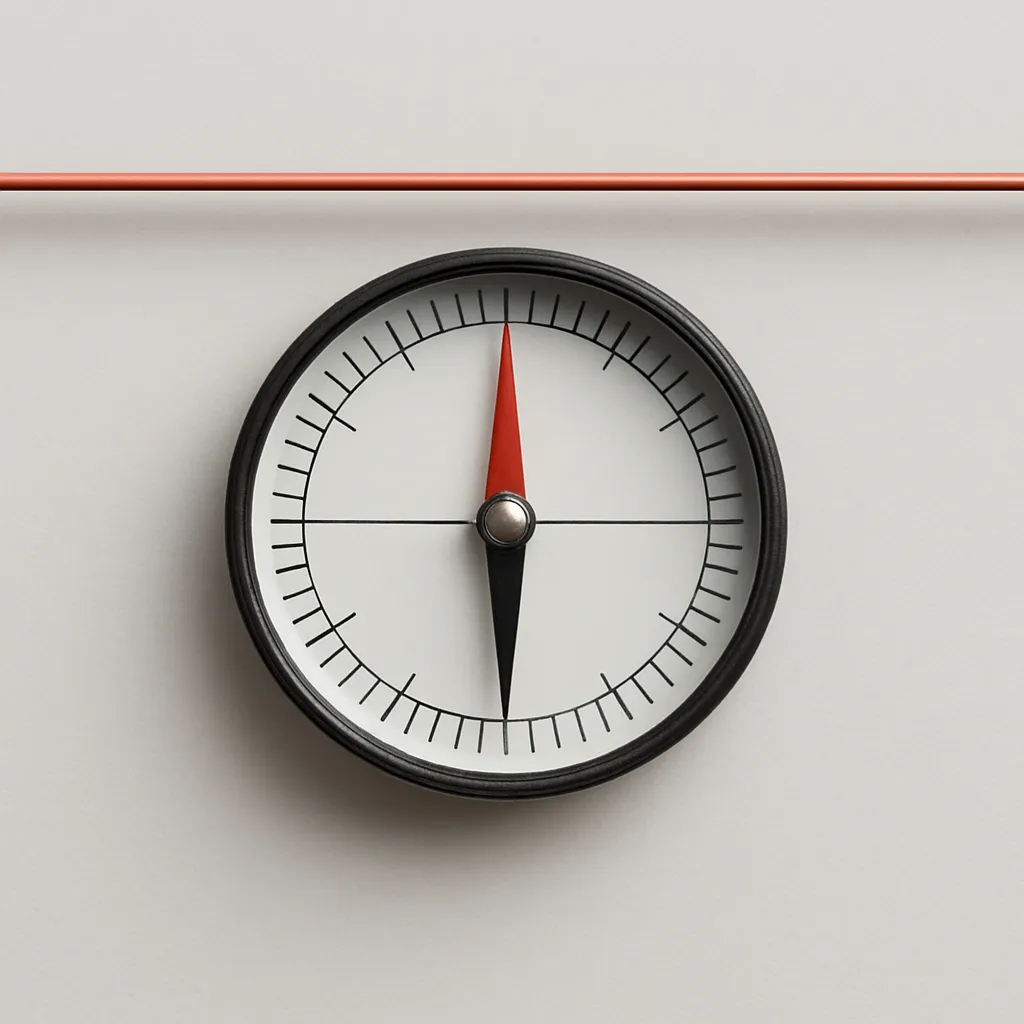
A compass beside a straight wire deflects about 10 degrees when 1 A flows. At the same spot, with 3 A in the same wire, it deflects about 28 degrees. Which factor accounts for the larger deflection?
A rod rubbed the same way each time picks up 3 paper scraps when held 4 cm above them, and 9 scraps when held 1 cm above them. Which factor accounts for the difference?
Two magnets are pulled apart: at 1 cm the force is 0.64 N, at 2 cm 0.17 N, at 3 cm 0.07 N, at 4 cm 0.04 N. What pattern do these data show?
Look at the table of the force measured between two charged spheres at four separations. Which statement describes the data?
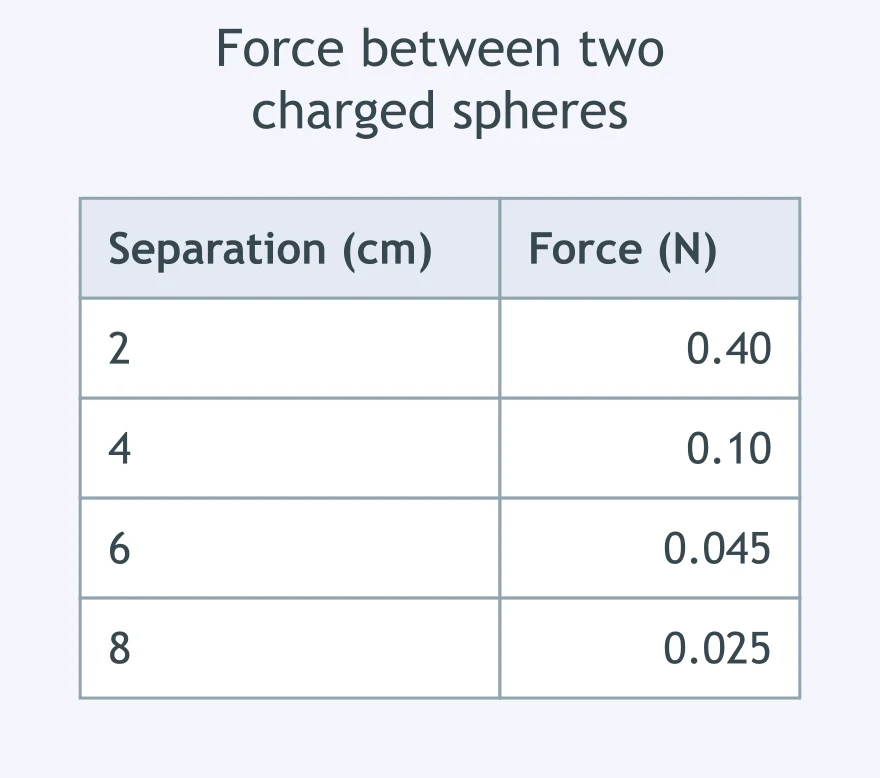
The force between two charged spheres measures 0.90 N at 1 cm, 0.10 N at 3 cm and 0.036 N at 5 cm. Which claim do these data support?
Force between two magnets: 2 cm, 0.24 N; 4 cm, 0.06 N; 6 cm, 0.027 N; 8 cm, 0.015 N. What happens to the force each time the separation doubles?
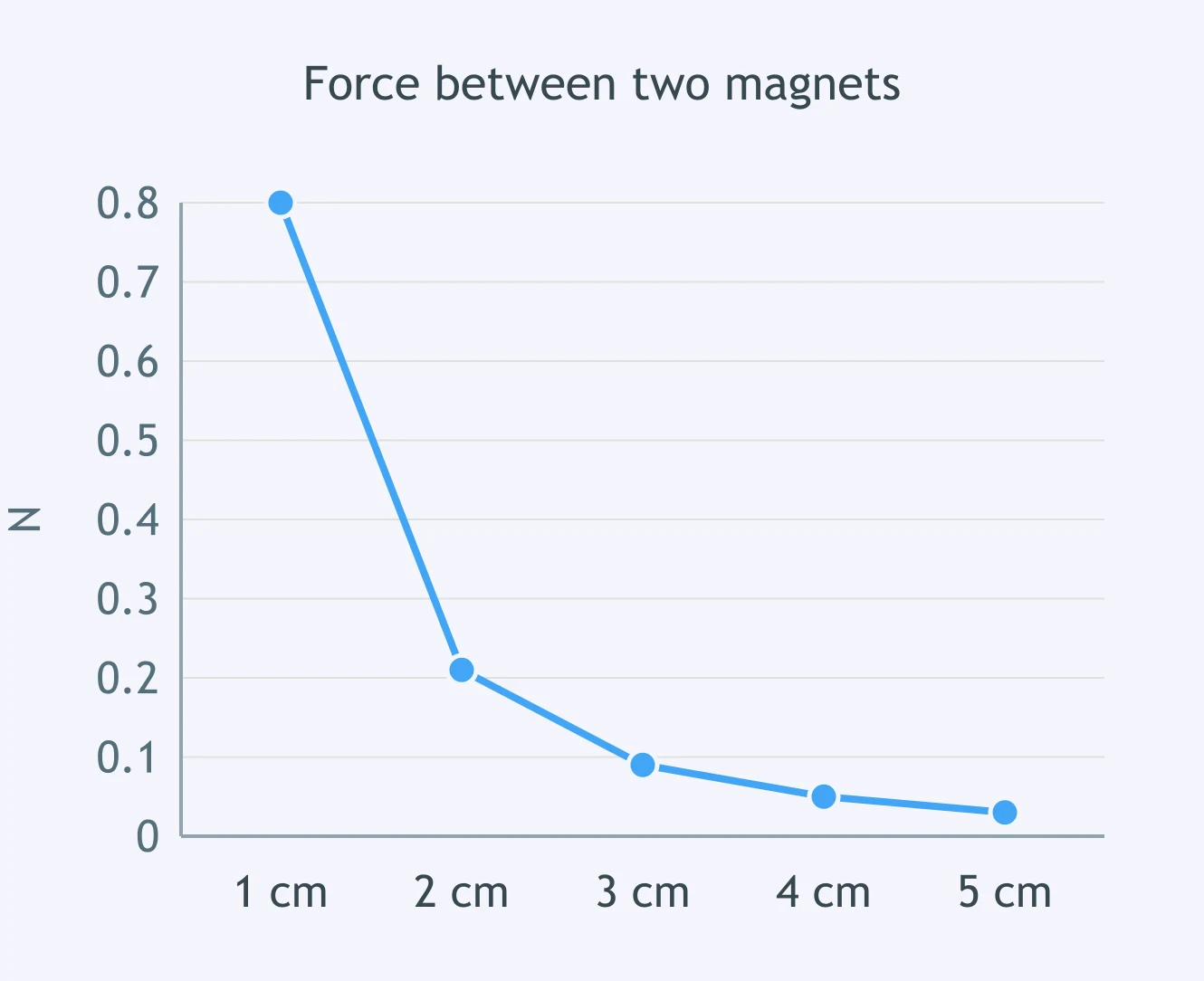
Look at the graph of the force measured between two magnets as they are moved apart. Which description fits the shape of the line?
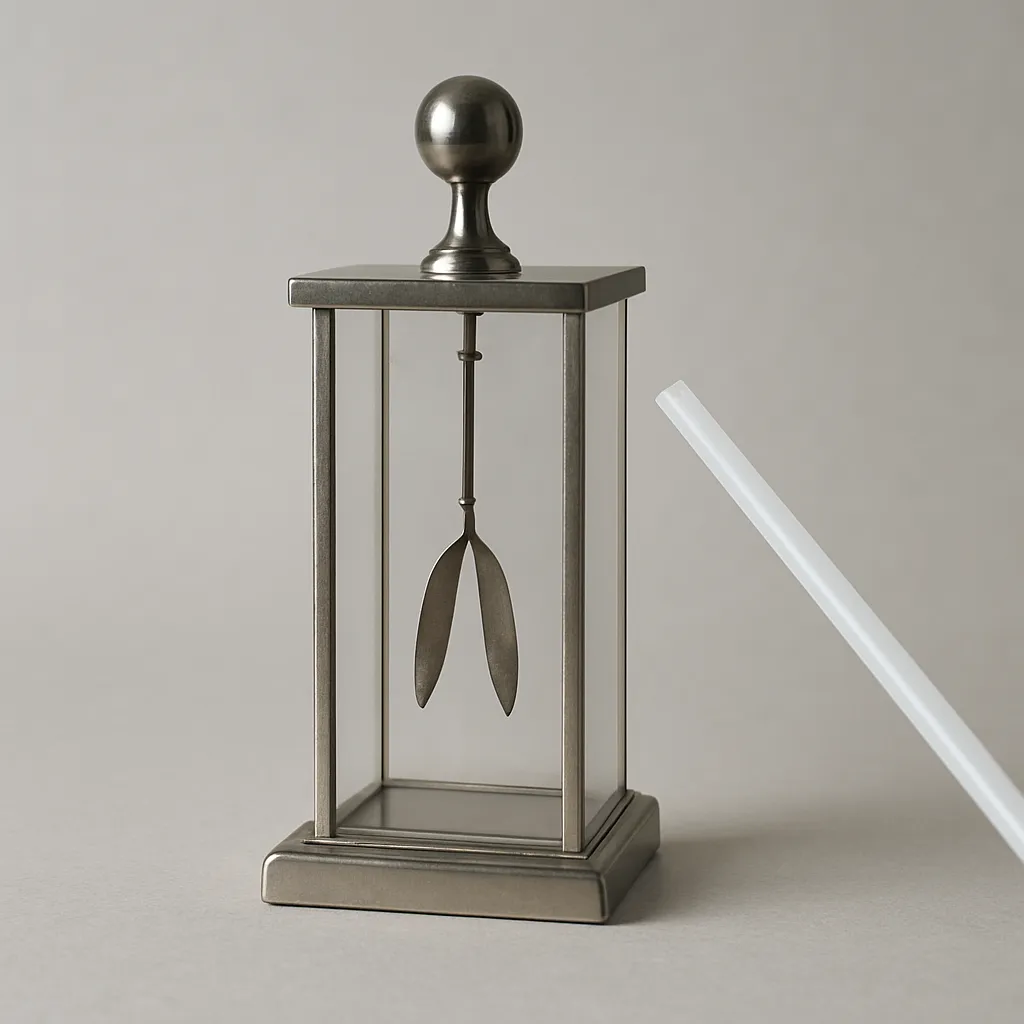
An electroscope's leaves spread 12 mm when a charged rod is held 1 cm away, 5 mm at 3 cm, and 2 mm at 5 cm. What do these readings show about separation?
Force between two bar magnets reads 1.20 N at 1 cm, 0.31 N at 2 cm, 0.14 N at 3 cm and 0.08 N at 4 cm. Between which readings does the force change most?
Two magnets are moved apart from 1 cm to 10 cm while a sensor records the pull. The reading falls to almost nothing but never quite reaches zero. What does this show?
Ana says magnetic force ends at a definite edge, but Ben says it fades with distance. Readings at 2, 4, 6 and 8 cm are 0.22 N, 0.06 N, 0.03 N and 0.01 N. Whose claim do the data support?
A magnet is moved from 5 cm toward 1 cm from a compass, and the needle swings further at each step. What do these observations show about separation?
An electromagnet with 20 turns of wire on an iron nail lifts 4 paper clips. The wire is rewound as 60 turns on the same nail with the same battery. What most likely happens?
A coil connected to a 1.5 V battery turns a nearby compass needle slightly. The battery is swapped for a 6 V one, raising the current through the same coil. What most likely happens to the deflection?
Two charged spheres held 3 cm apart repel each other with 0.05 N. The charge on one sphere is replaced by the same amount of the opposite kind of charge, and the separation stays 3 cm. What most likely happens?
A student halves the current through an electromagnet while keeping the same coil, core and separation. What most likely happens to the number of washers it can hold?
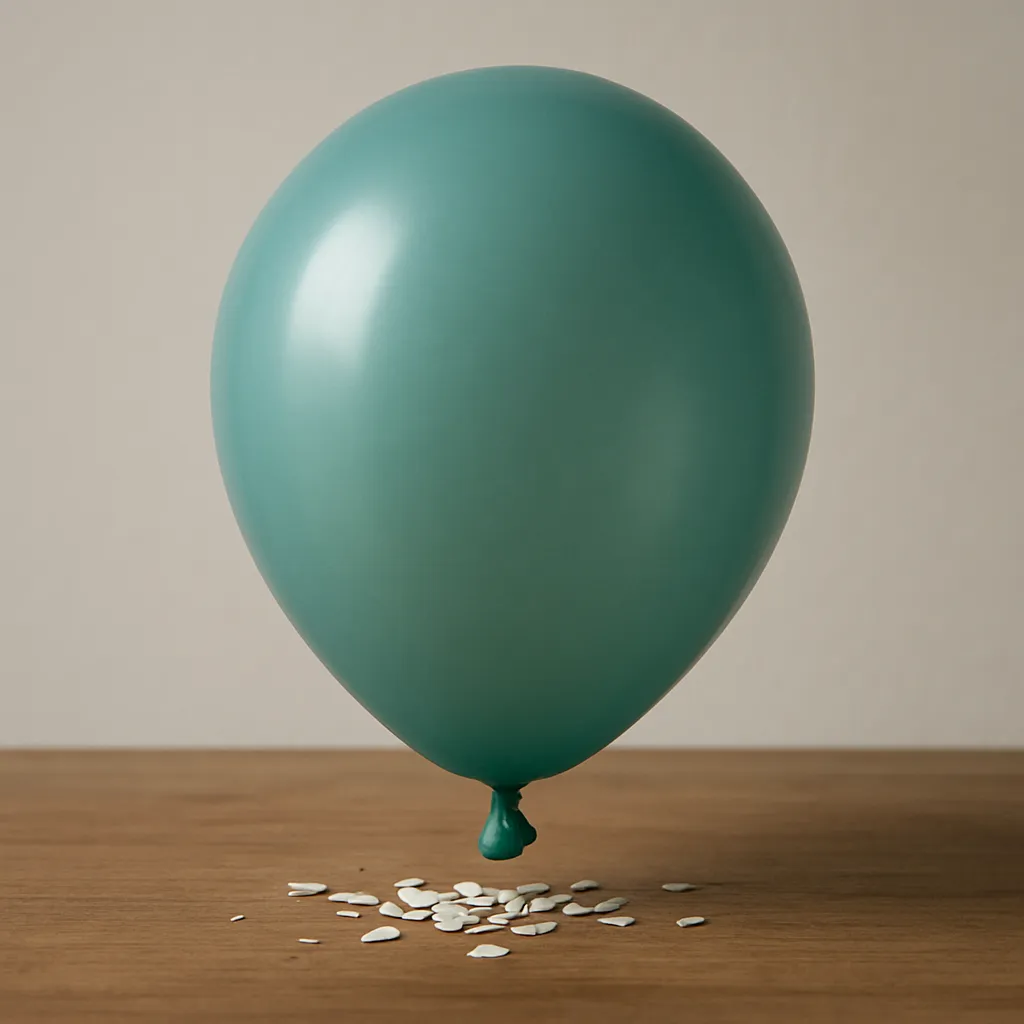
A balloon rubbed briefly on a wool sweater lifts two paper scraps. It is then rubbed much longer, gaining far more charge, and held at the same height above the scraps. What most likely happens?
A steel bolt hangs from a switched-on electromagnet. The switch is opened, cutting the current, while nothing else is touched. What most likely happens, and why?
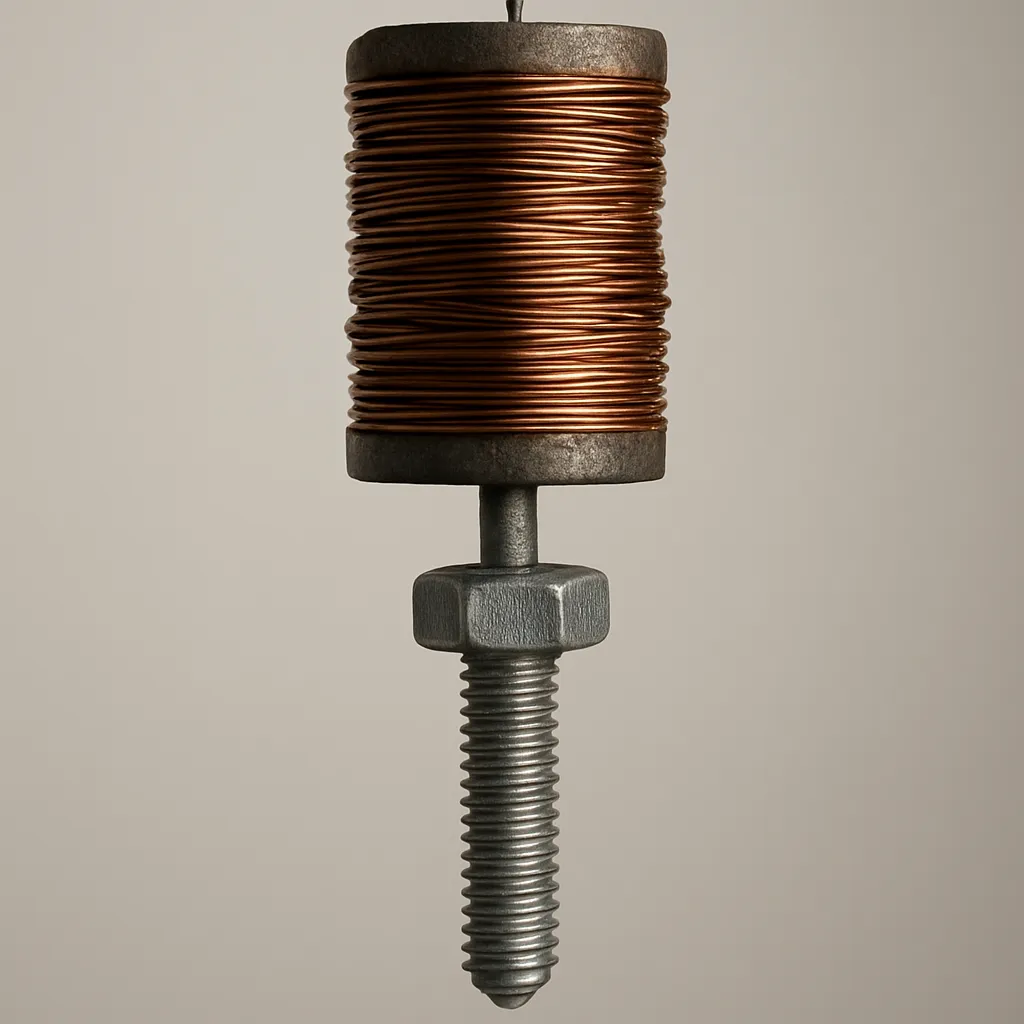
Two coils sit on identical iron cores and carry the same current. Coil A has 40 turns and coil B has 120 turns. Which coil holds up more steel washers, and why?
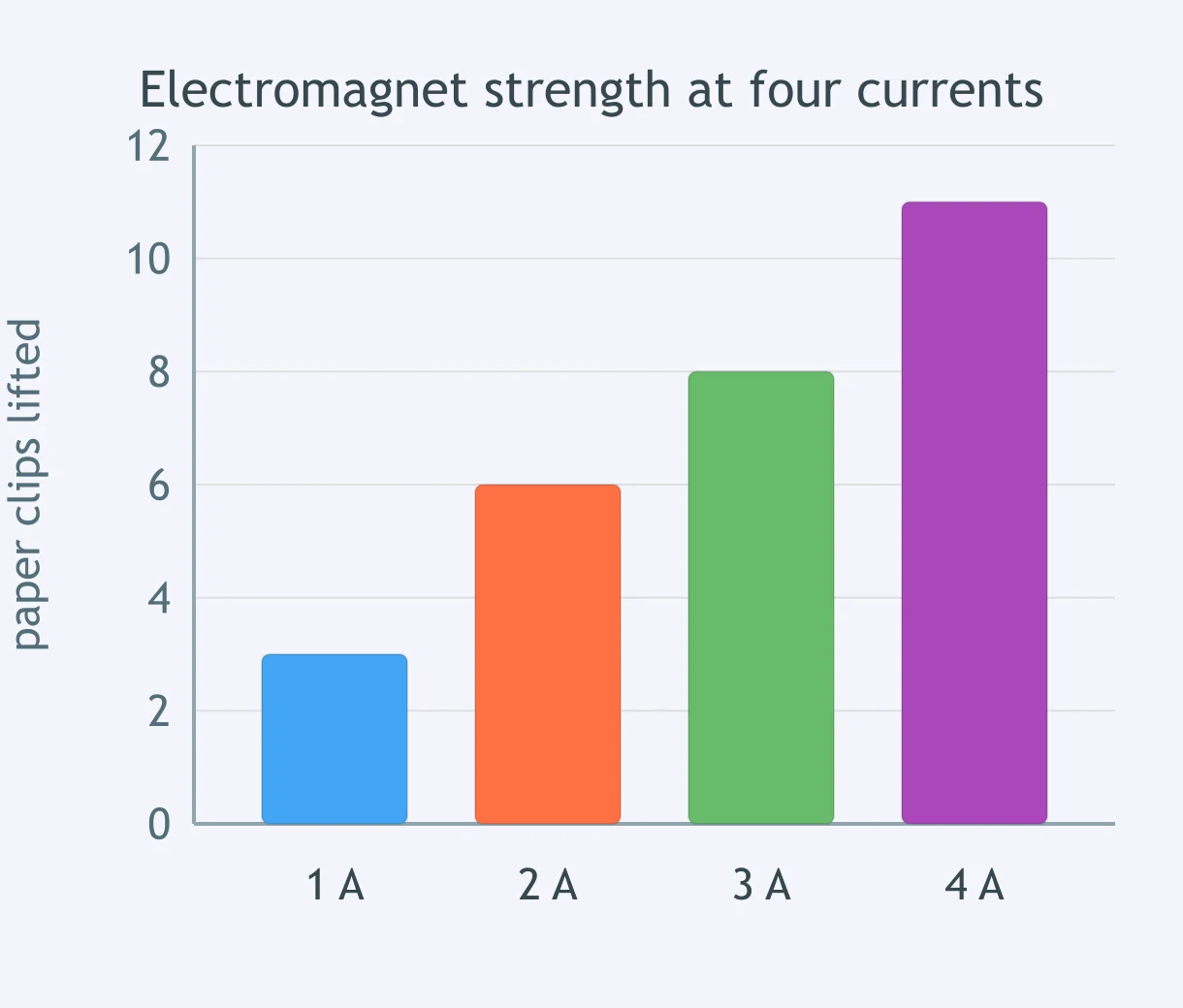
Look at the graph of the paper clips lifted by one electromagnet at four different coil currents. What does the graph show about current?
Two rods carrying the same kind of charge are moved from 2 cm apart to 6 cm apart, with no charge added or removed. What most likely happens to the force pushing them apart?
A student wants a stronger electromagnet but must keep the same battery and the same iron nail. Which change is most likely to work?
A student holds a balloon rubbed the same way each time 1 cm, then 3 cm, then 5 cm above the same paper scraps, counting the scraps lifted. Which question does this investigation answer?
A student connects the same coil and nail to a 1.5 V, then a 3 V, then a 4.5 V battery, counting washers lifted each time. Which question does this investigation answer?
A student rubs one balloon for 5, then 10, then 20, then 40 seconds, each time holding it the same distance above paper scraps and counting how many lift. Which question does this answer?
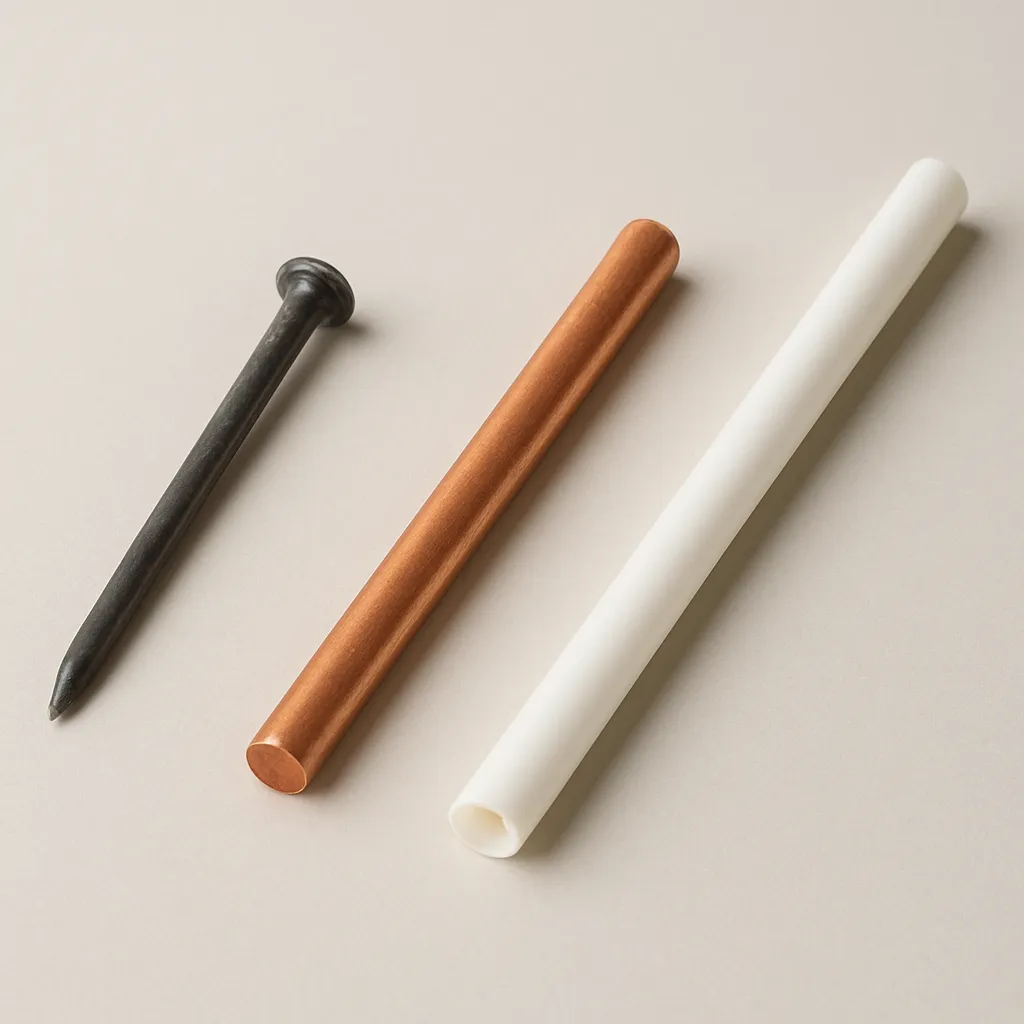
A student winds the same wire and the same number of turns around an iron nail, then a copper rod, then a plastic straw, using one battery, and counts clips lifted. Which question does this answer?
A student places a compass 1 cm, then 4 cm, then 8 cm from the same current-carrying wire and records the angle the needle turns. Which question does this investigation answer?
Two students set up a force sensor and record the pull between the same two magnets at four different separations, using the same sensor each time. What are they trying to find out?
A student charges a rod strongly, then weakly, each time holding it 2 cm from an electroscope and reading how far the leaves spread. Which question does this investigation answer?
To test how coil turns affect an electromagnet, a student uses 20 turns with a 1.5 V battery, then 60 turns with a 6 V battery. Why does this leave the question open?
A student testing how separation affects magnetic force measures a small magnet at 2 cm from a sensor, then a large magnet at 5 cm from it. What is wrong with this design?
Testing how charge affects electric force, a student rubs a balloon 5 seconds and holds it 3 cm above scraps, then rubs the same balloon 20 seconds and holds it 3 cm above them. Is the test fair?
A student compares two electromagnets to test coil turns. Both use the same battery, the same wire and the same iron nail; one has 30 turns and the other 90. Is this a fair test of turns?
A student measures the pull between two magnets at 1 cm on a cold morning, then at 4 cm in a warm room with a different sensor. Why can she not conclude that distance weakened the pull?
Crack the passcode before the zombies get in.
Answer, then swat bugs for bonus points.
Race through questions at your own speed.
Same question on every screen. Fastest wins.

Pick a tile, answer, hit bonuses and steals.
Gravitational Attraction, Mass and Distance
40 questions