Loading
by BlastRoom
Apply continuity and Bernoulli's principle to ideal fluid flow in pipes.
#physics

25 questions
One question set, multiple game modes. Tap any game to see it in action. Not sure which to pick?
Answer to place stones and capture territory.
Outrun the snow together.
Earn blasts, then hunt the other team.
Answer to earn energy, then climb.

The class blasts through walls together.
Bid on mystery lots. Most money wins.
Sell tours. Nice, standard, or a total scam.

Answer, restock, and serve the rush.
More correct answers pulls the rope your way.
Answer, then shoot down the alien wave.
Answer, then tap to leap the frozen ridge.
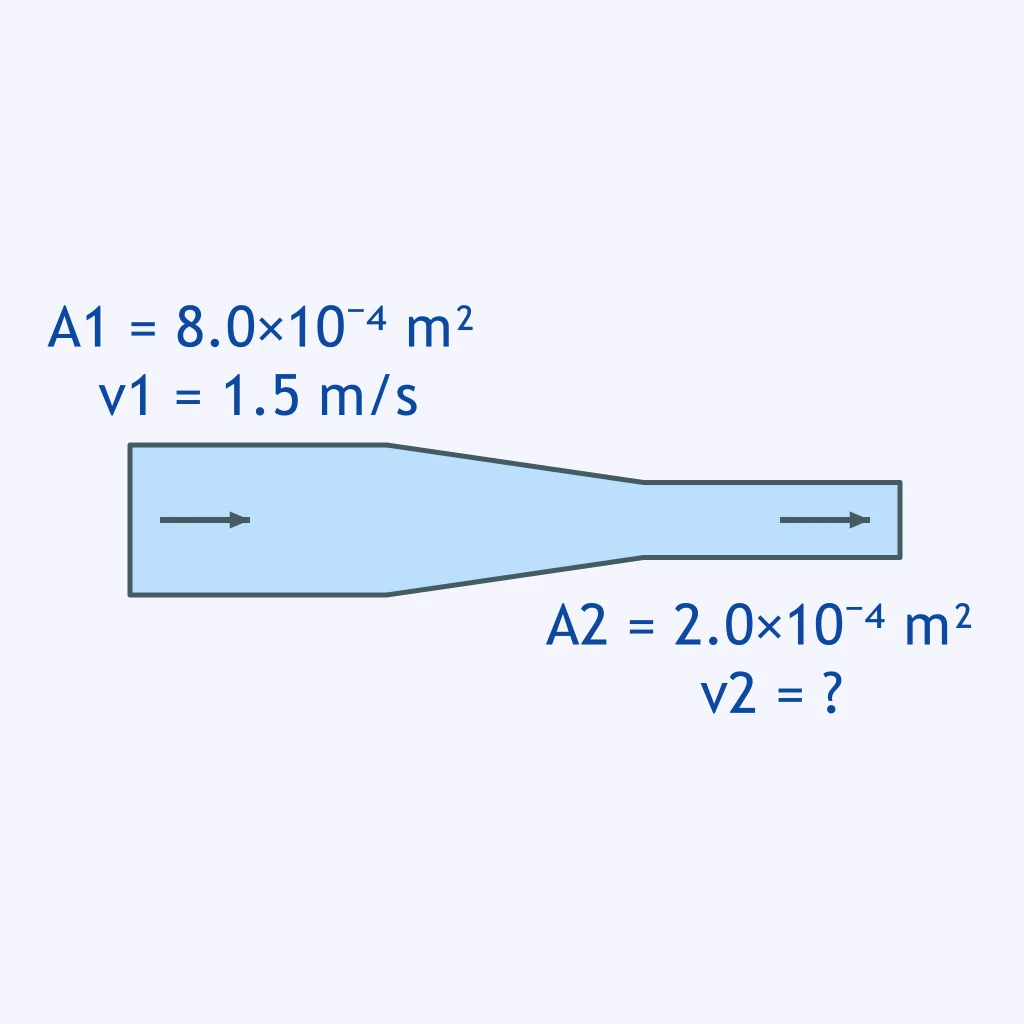
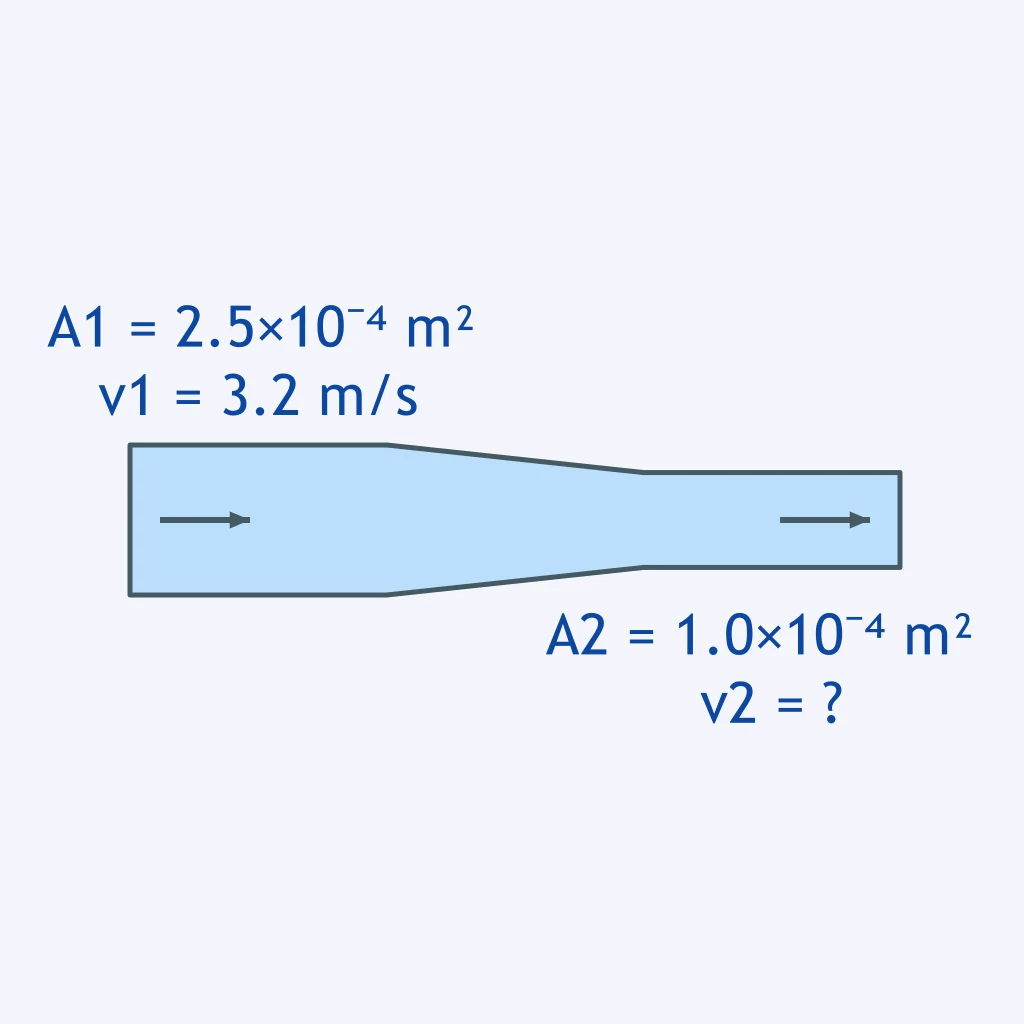
Use the labeled pipe diagram. Water flows steadily through a horizontal pipe. Treat the water as incompressible. What is v₂ in the narrow section?
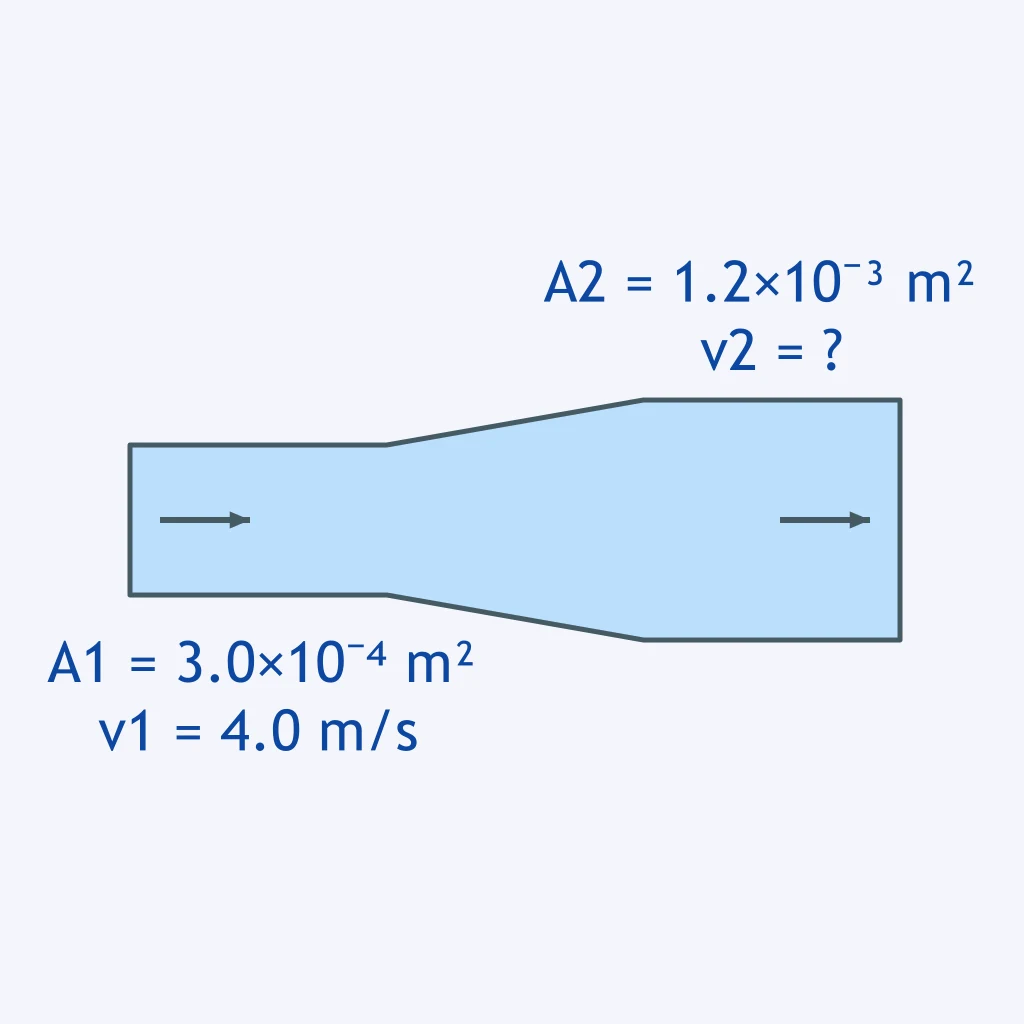
In the diagram, incompressible water flows from a narrow section into a wider horizontal section. What is the speed v₂ in the wider section?
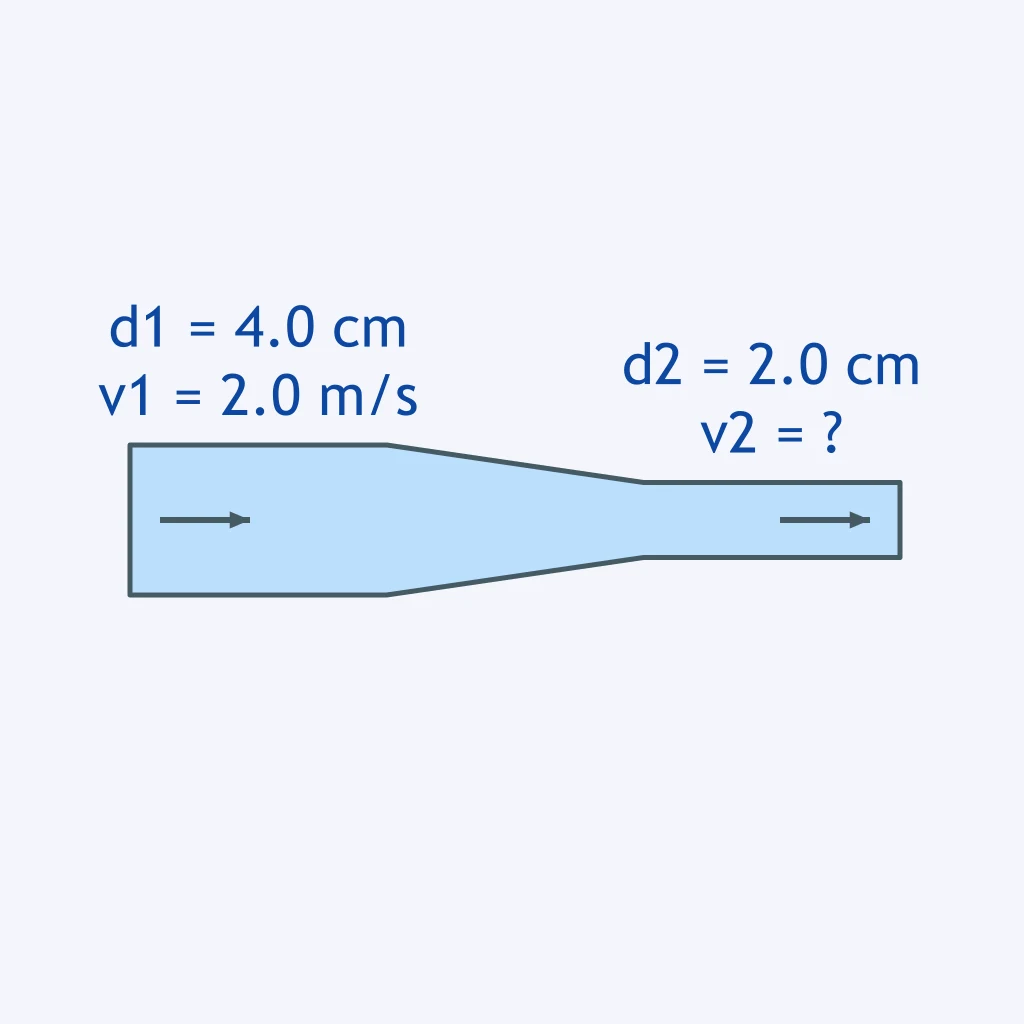
The labeled diagram shows a horizontal pipe whose diameter changes. For steady incompressible flow, what is the speed in section 2?
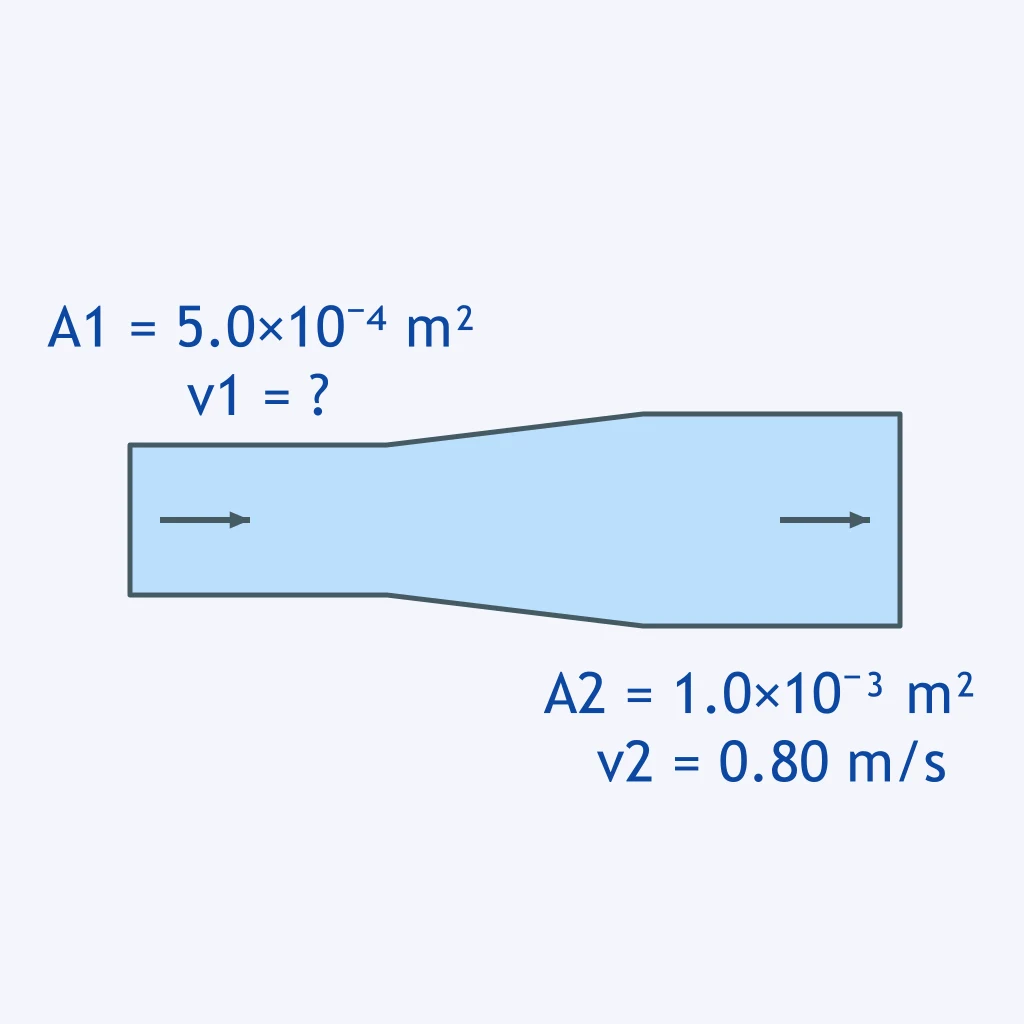
Use the pipe diagram. Water flows steadily from section 1 into a wider section 2. What must v₁ be?
A labeled horizontal pipe narrows from section 1 to section 2. If the fluid is incompressible and steady, what is v₂?
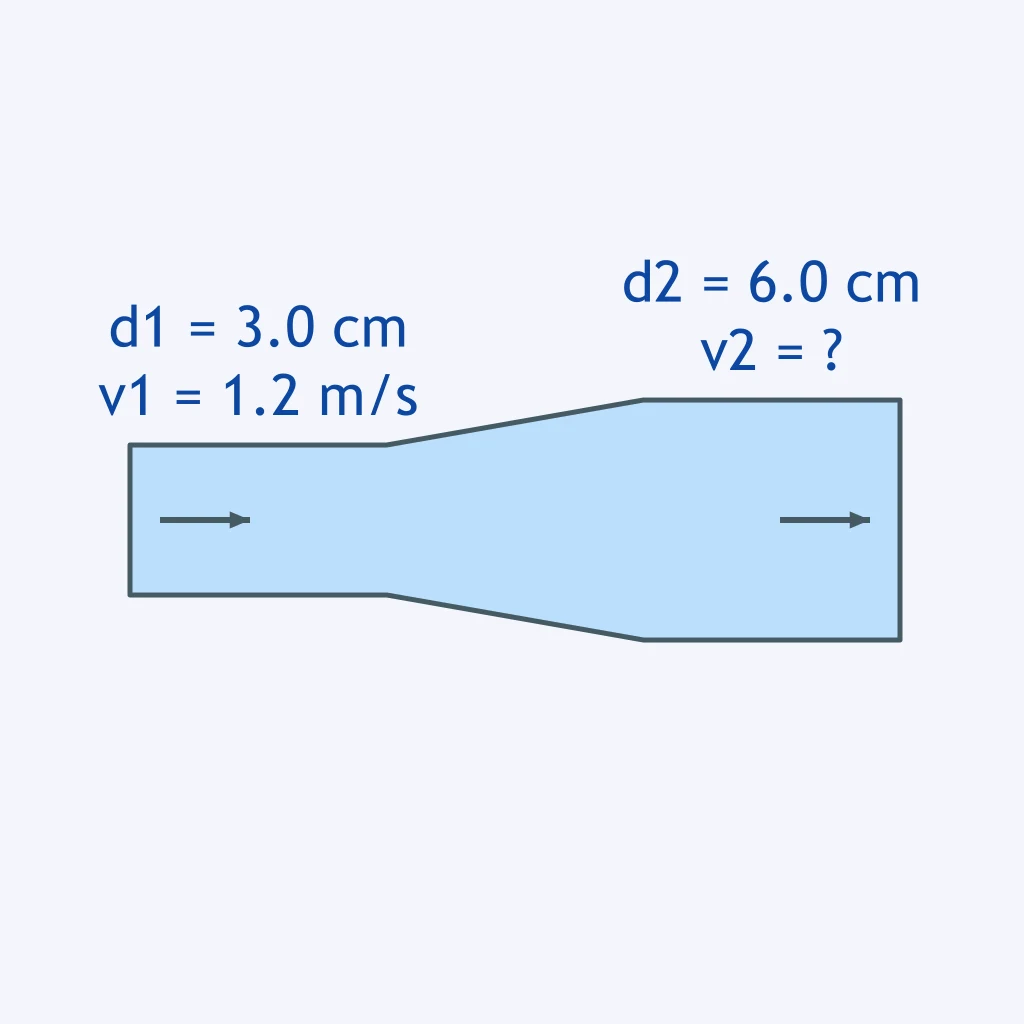
The diagram shows a pipe widening from diameter 3.0 cm to 6.0 cm. For steady incompressible flow, what is v₂?
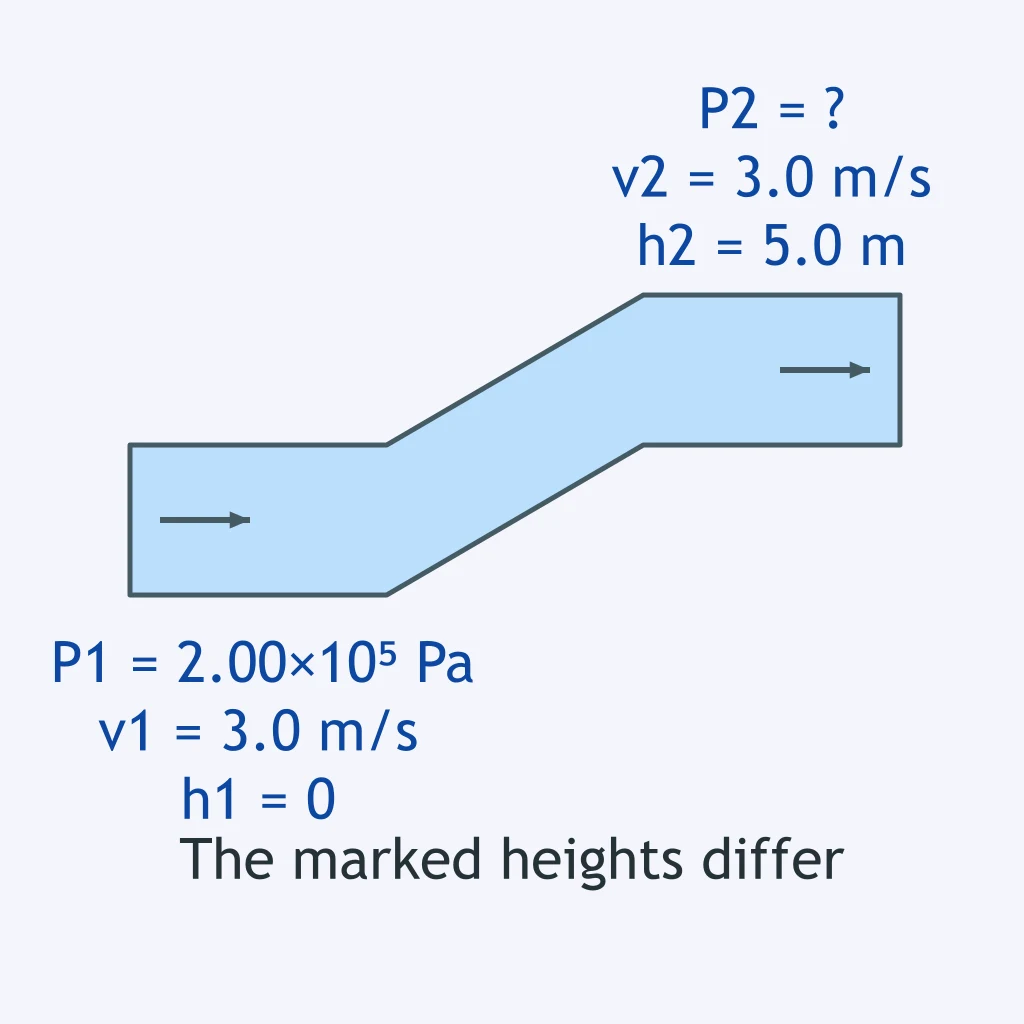
Use the apparatus diagram. Water of density 1000 kg/m³ flows steadily through a constant-area pipe that rises 5.0 m. Take g=9.8 m/s². What is P₂?
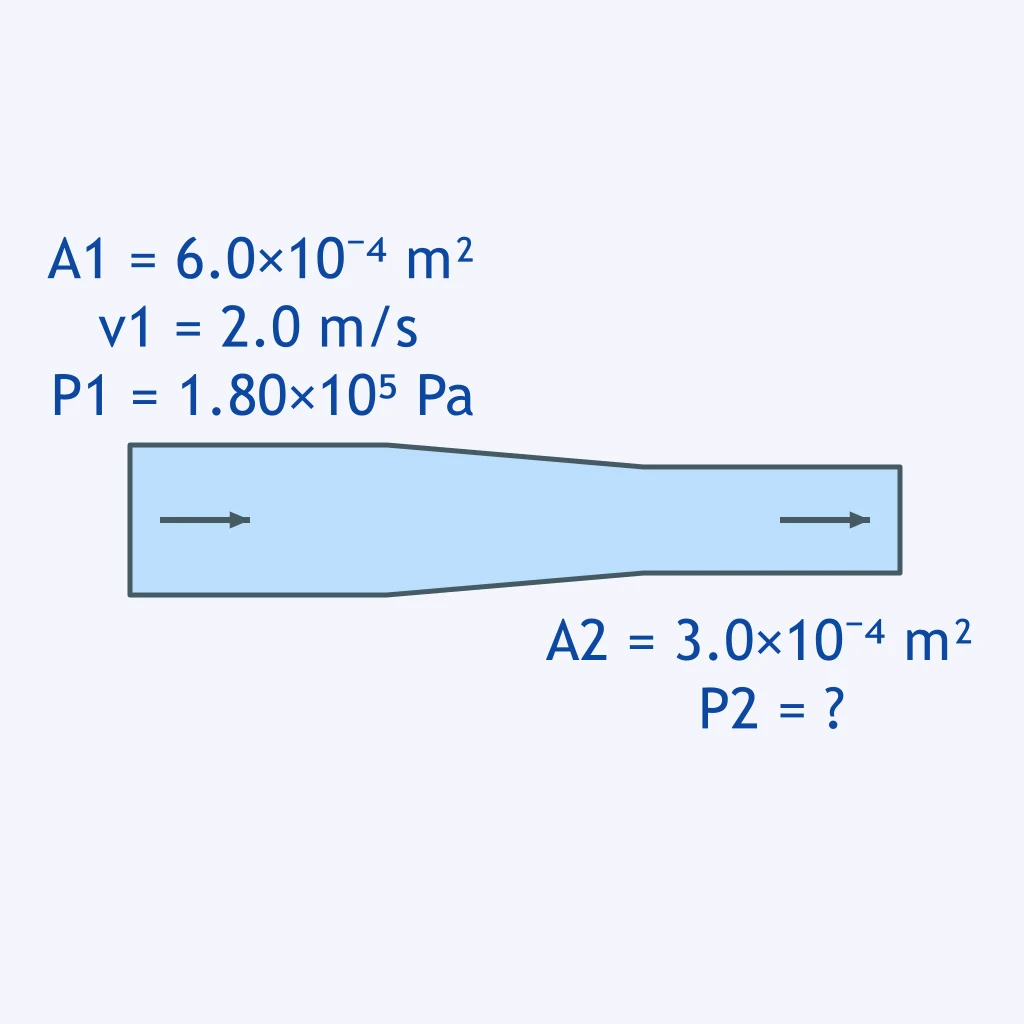
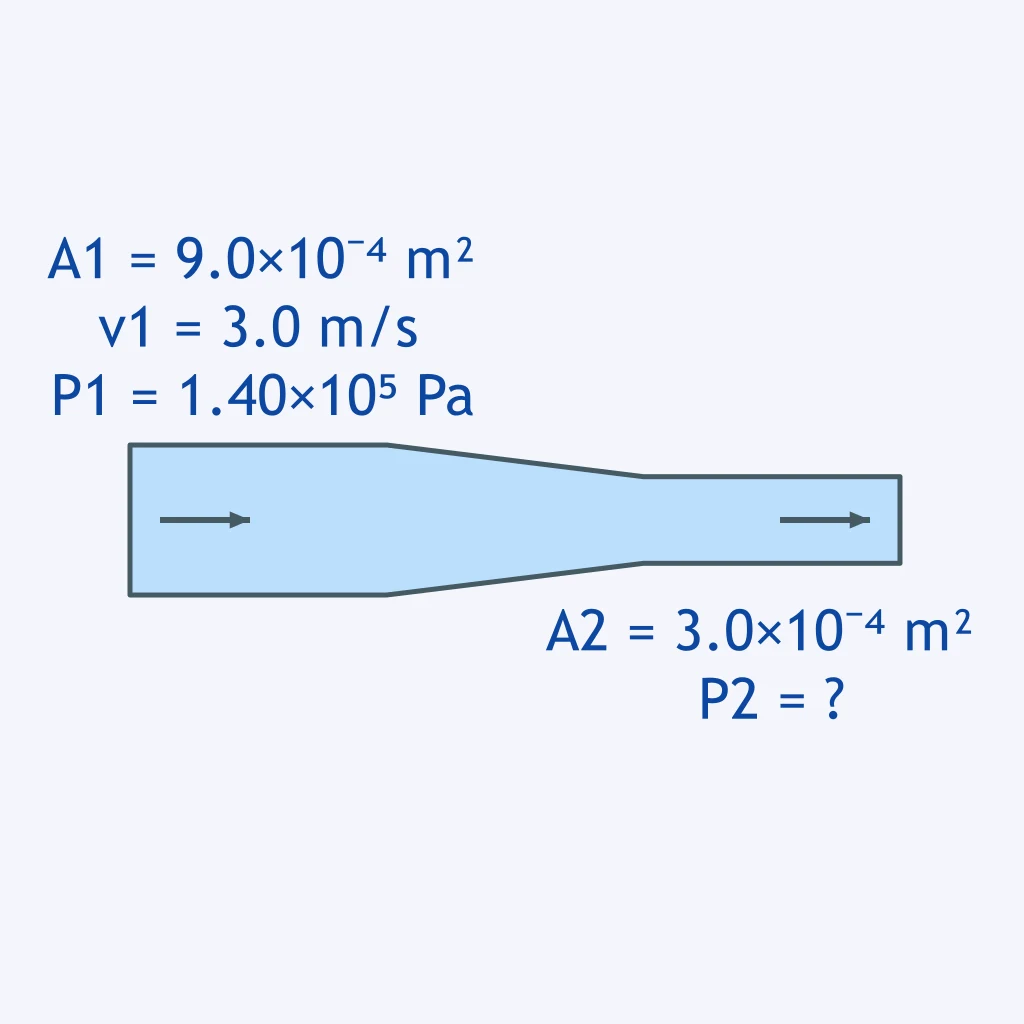
In the apparatus diagram, water flows through a horizontal constriction. Density is 1000 kg/m³. What pressure P₂ is in the narrow section?
Use the apparatus diagram. Water narrows and rises through the pipe. Density is 1000 kg/m³ and g=9.8 m/s². What is P₂?
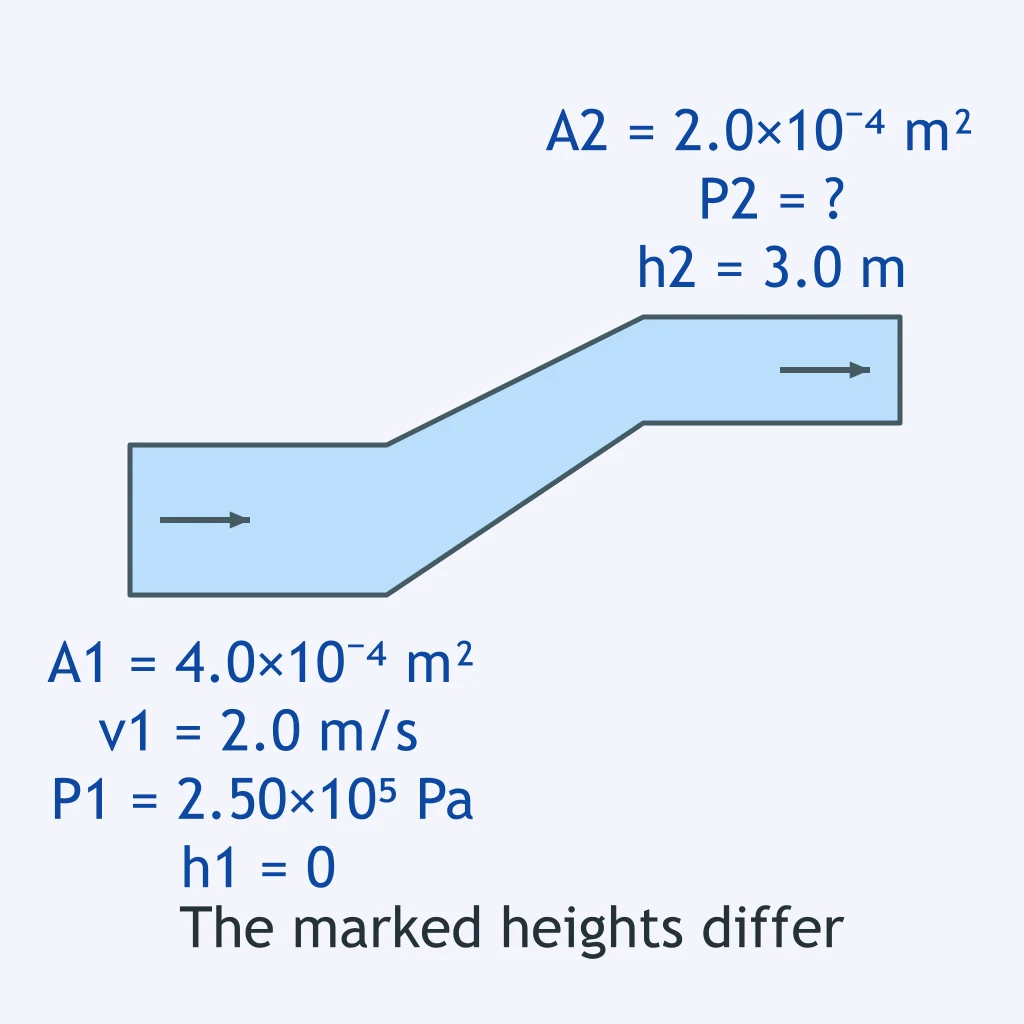
In the apparatus diagram, water descends while the pipe widens. Density is 1000 kg/m³ and g=9.8 m/s². What is P₂?
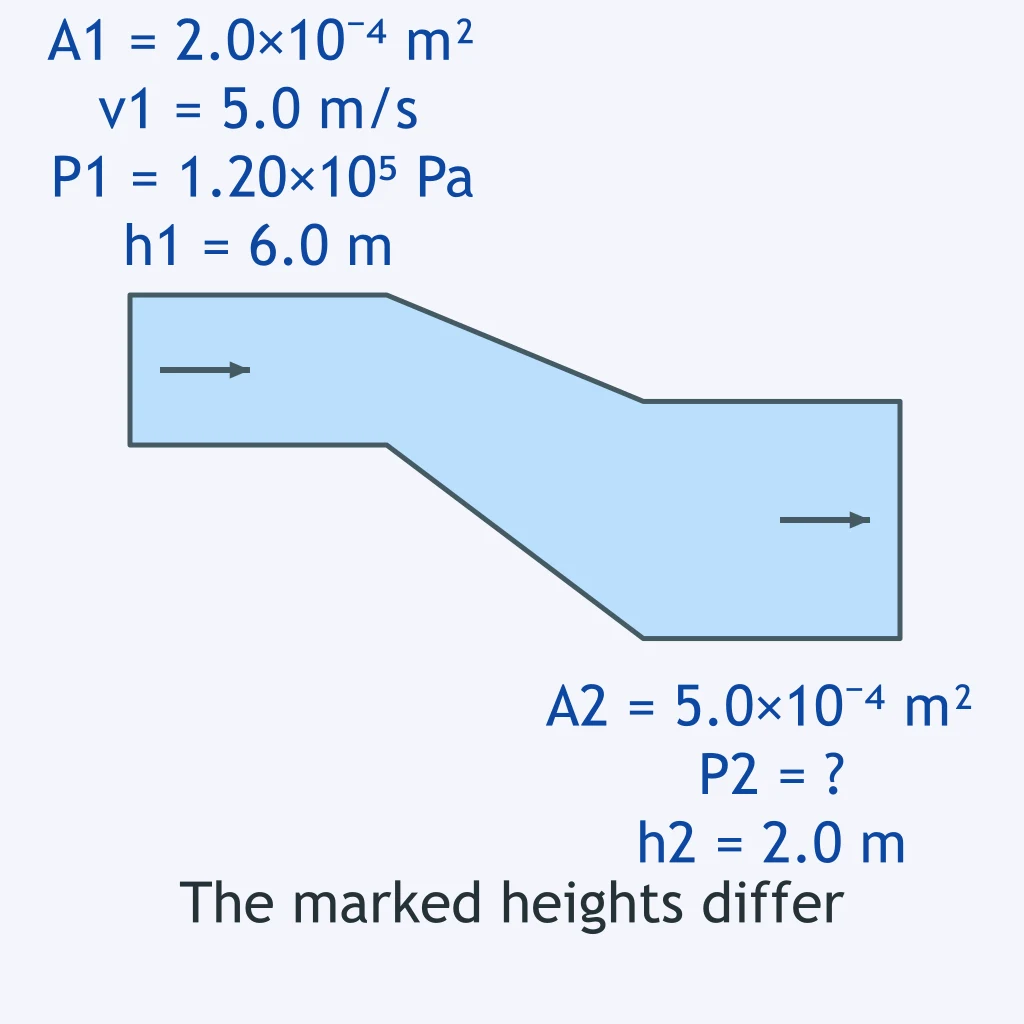
Oil of density 800 kg/m³ flows through the horizontal constriction shown. What is the pressure P₂ in the narrow section?
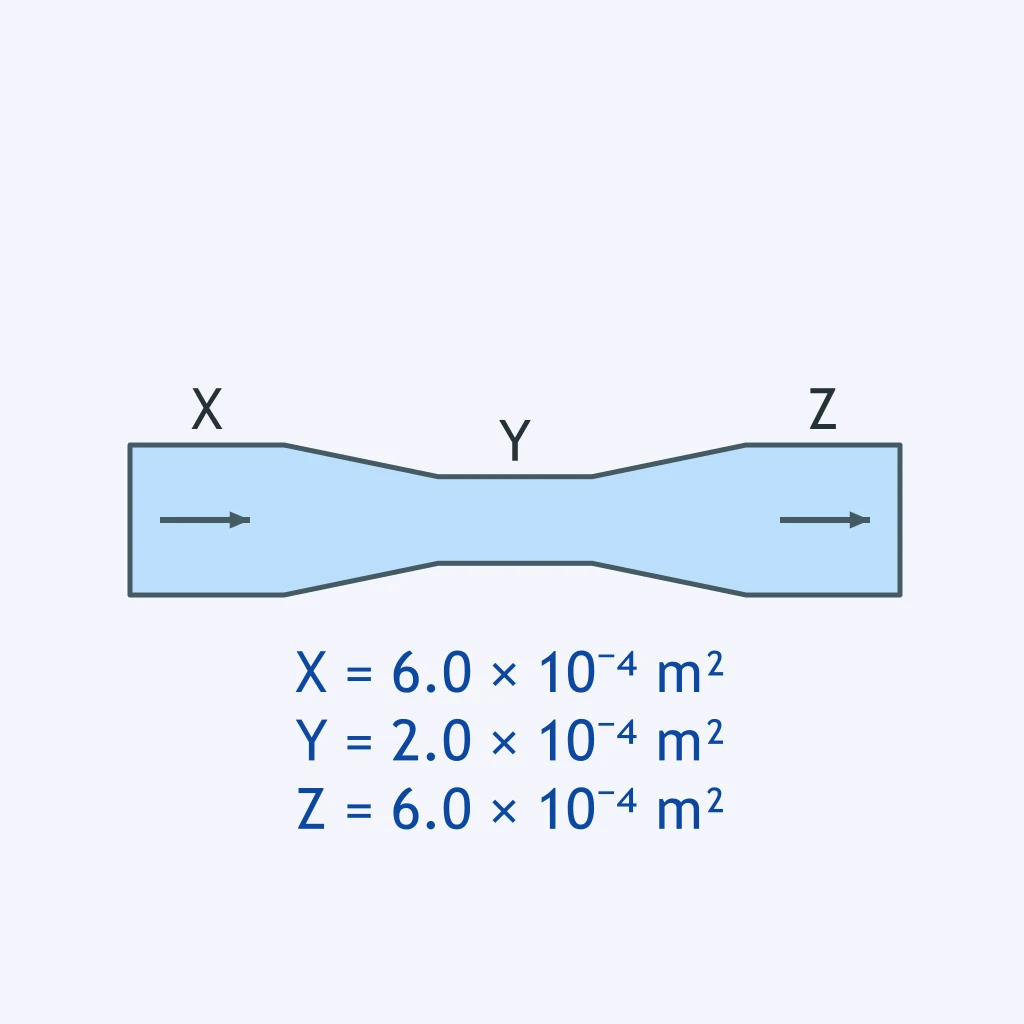
Use the labeled horizontal pipe diagram. An ideal incompressible fluid flows steadily through X, Y, and Z. At which point is the pressure lowest?
A steady, nonviscous, incompressible fluid flows through the labeled rising pipe. Point L is in section 1 and point U is in section 2. Which point has lower pressure?
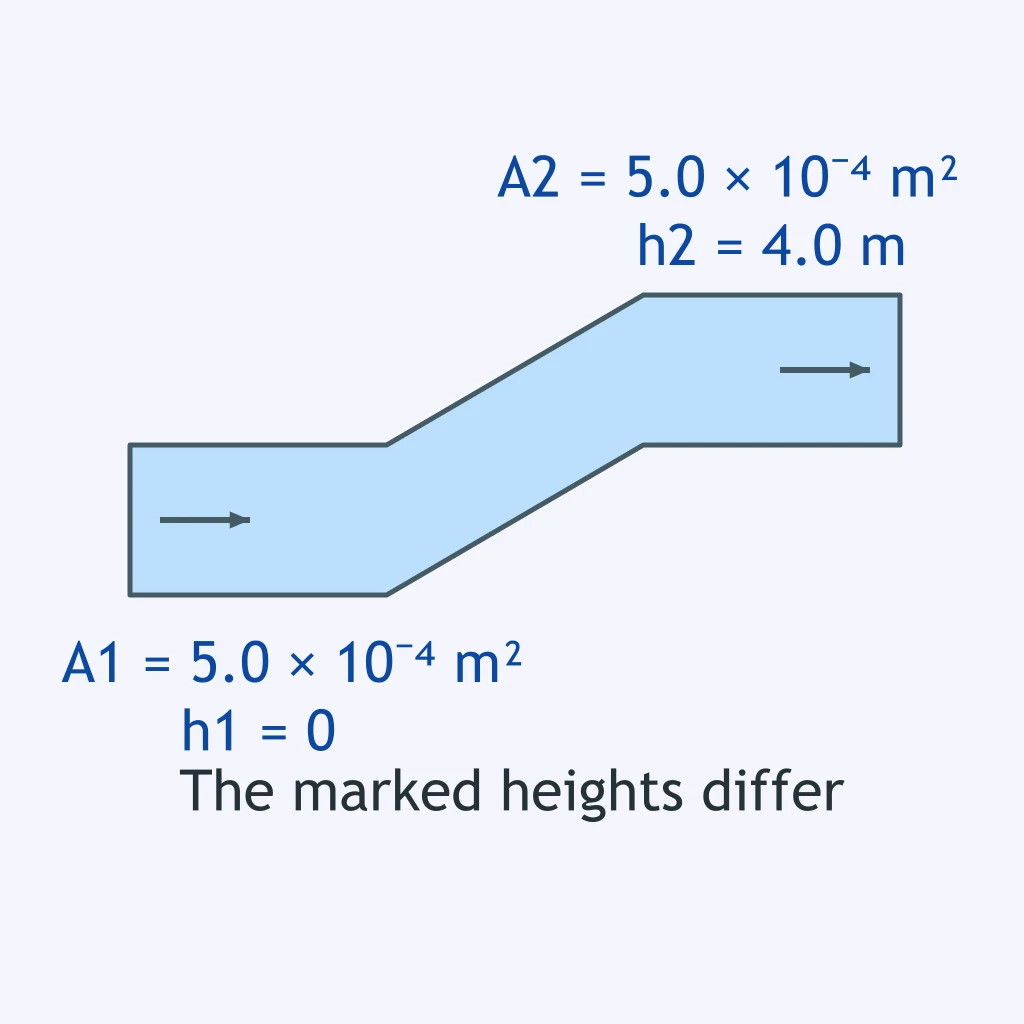
Use the labeled pipe diagram. A steady incompressible fluid passes points A, B, and C. At which point is the speed greatest?
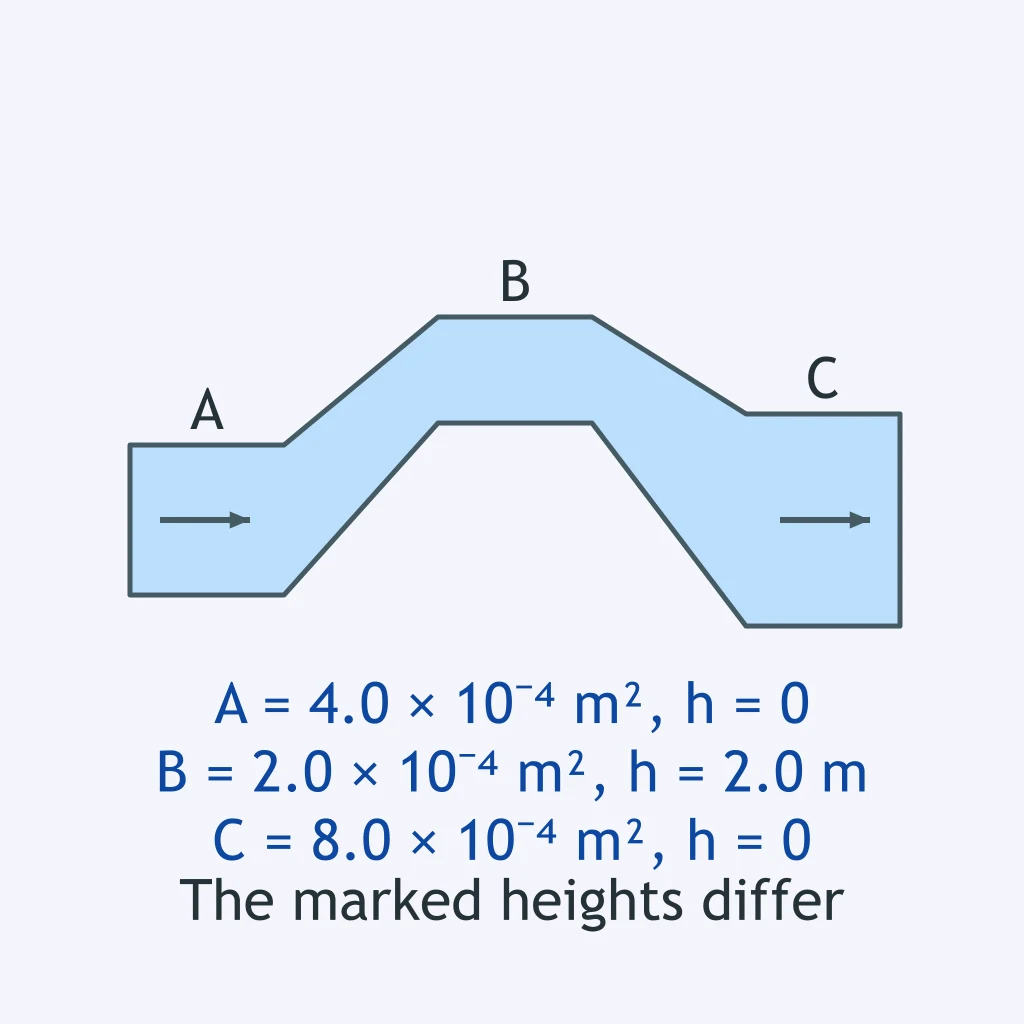
Water flows steadily at 1.5 m/s through a hose with cross-sectional area 8.0 × 10⁻⁴ m². What is the volume flow rate?
A pump delivers water at a volume flow rate of 1.0 × 10⁻³ m³/s through a tube of area 2.5 × 10⁻⁴ m². What is the water speed?
A tank needs 0.060 m³ of water. A hose supplies water at 2.0 × 10⁻³ m³/s. How long does it take to fill the tank?
Water moves at 3.0 m/s through a circular hose of diameter 2.0 cm. Using π=3.14, what is the volume flow rate?
An incompressible fluid with total flow rate 3.6 × 10⁻³ m³/s divides equally into three identical branches, each of area 4.0 × 10⁻⁴ m². What is the speed in each branch?
A steady incompressible fluid enters a narrower section of pipe with no leaks. What does the continuity equation require?
At the same height in a horizontal pipe, an ideal fluid moves faster in one section than in another. What does Bernoulli's principle say about pressure in the faster section?
During a gale, air moves rapidly across a barn roof while air inside is nearly still. Which explanation best matches Bernoulli's principle?
A shower curtain moves inward when water is running and air flows quickly along the shower side of the curtain. What is the Bernoulli explanation?
In an atomizer, fast air passes over the top of a vertical liquid tube and liquid rises into the air stream. What causes the liquid to rise?
Which situation is best modeled by Bernoulli's equation in an algebra-based high school physics problem?

Defining Simple Harmonic Motion (AP Physics 1)
40 questions
Period and Frequency of Oscillators (AP Physics 1)
30 questions
Analyzing Displacement-Time Graphs of Oscillators (AP Physics 1)
50 questions

Energy of a Simple Harmonic Oscillator (AP Physics 1)
30 questions
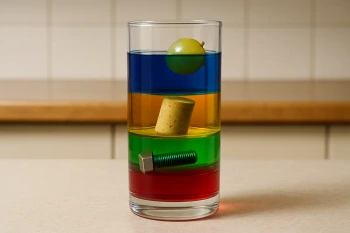
Density and Internal Structure (AP Physics 1)
40 questions
Crack the passcode before the zombies get in.
Answer, then swat bugs for bonus points.
Race through questions at your own speed.
Same question on every screen. Fastest wins.

Pick a tile, answer, hit bonuses and steals.