Loading
by BlastRoom
Geologic processes explain why mineral, energy, and groundwater resources occur in particular places.
#us_grade_7_science
20 questions
One question set, multiple game modes. Tap any game to see it in action. Not sure which to pick?
Answer to place stones and capture territory.
Outrun the snow together.
Earn blasts, then hunt the other team.
Answer to earn energy, then climb.

The class blasts through walls together.
Bid on mystery lots. Most money wins.
Sell tours. Nice, standard, or a total scam.

Answer, restock, and serve the rush.
More correct answers pulls the rope your way.
Answer, then shoot down the alien wave.
Answer, then tap to leap the frozen ridge.
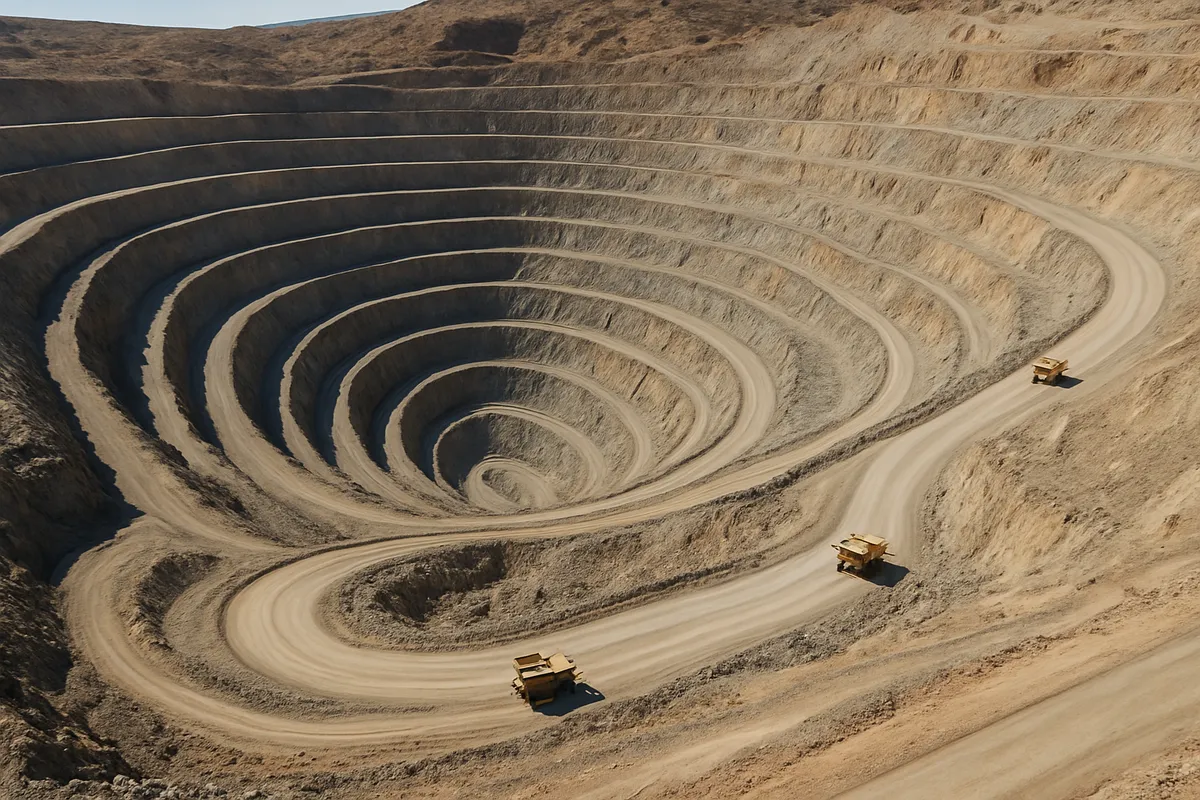
A dry basin has thick layers of halite (rock salt) and gypsum, with marine fossils between them. What process explains those mineral resources?
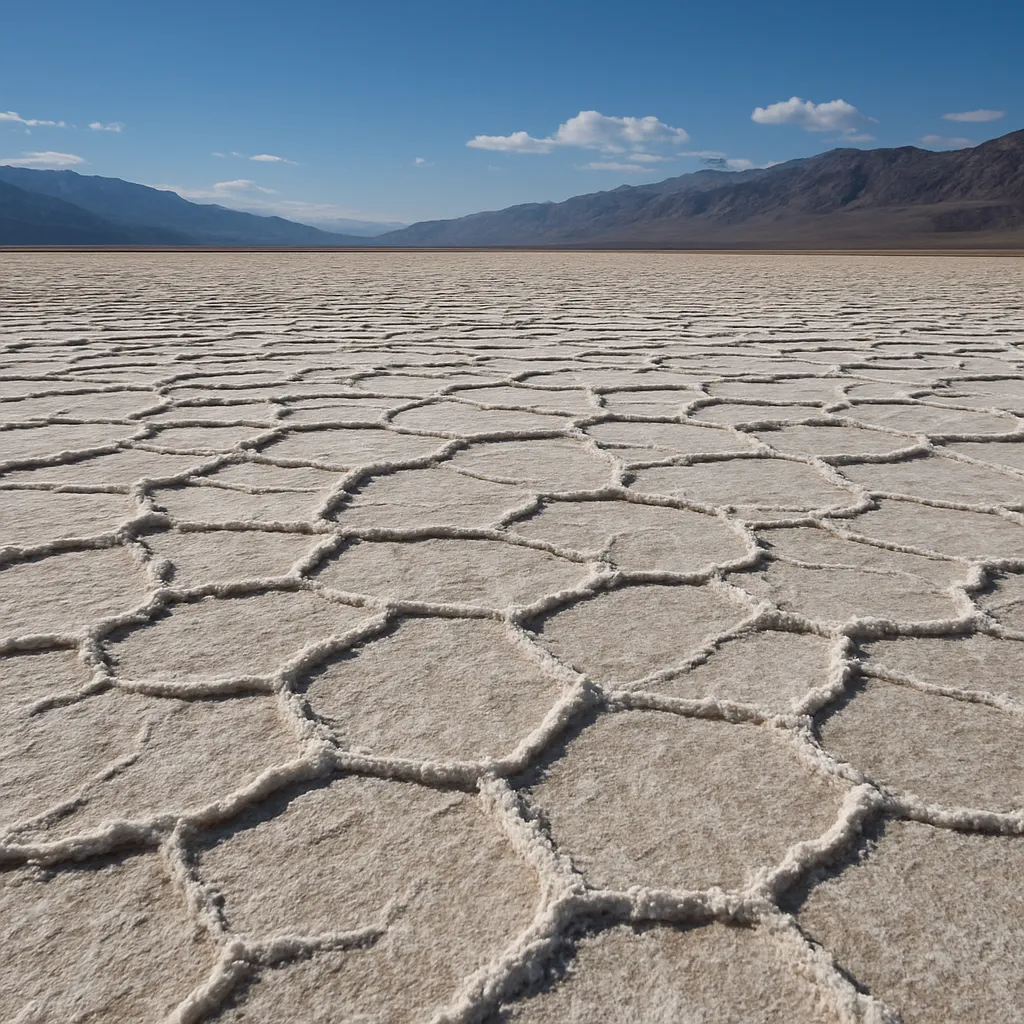
Copper ore occurs in fractures beside ancient volcanic rocks. The surrounding plains lack ore. What geologic process most likely concentrated the copper there?
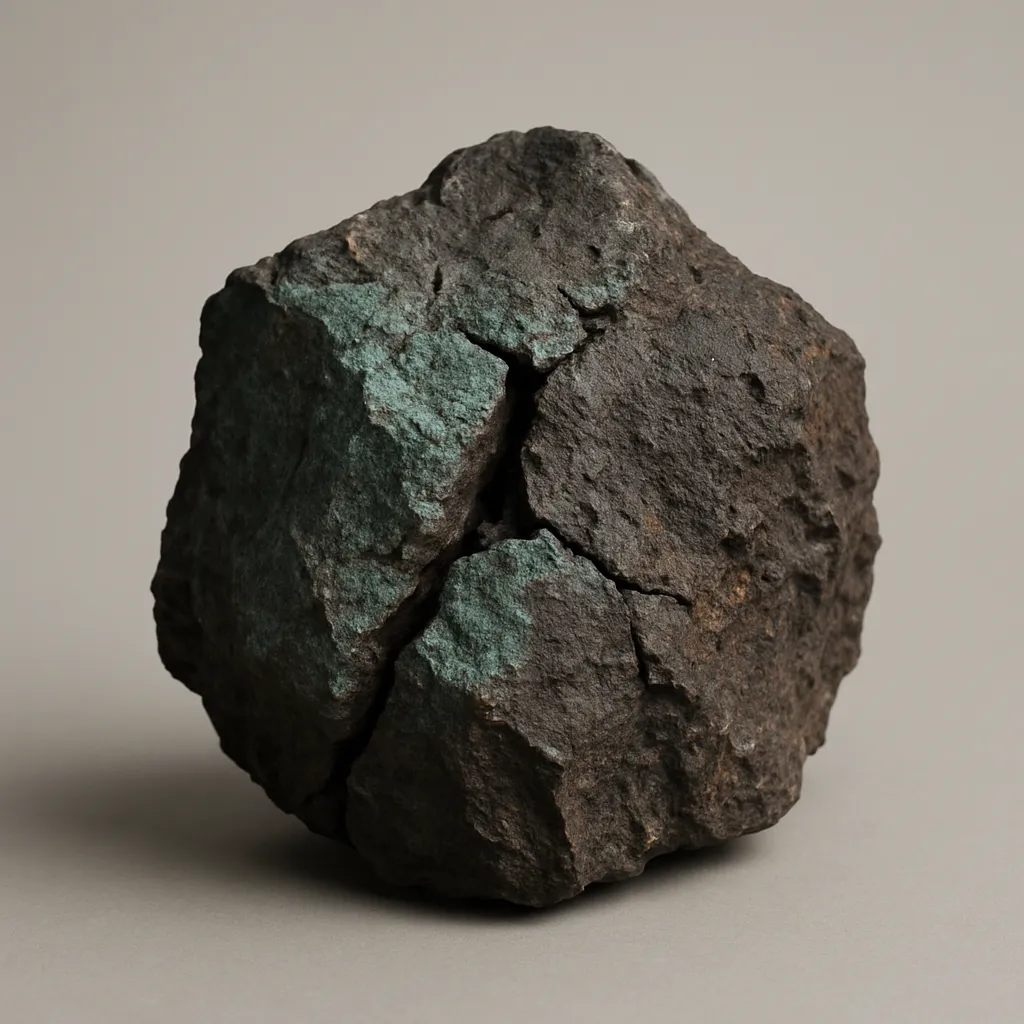
Gold grains are found in stream gravel below mountains that contain quartz veins. Why are the gold deposits concentrated in the gravel bars?
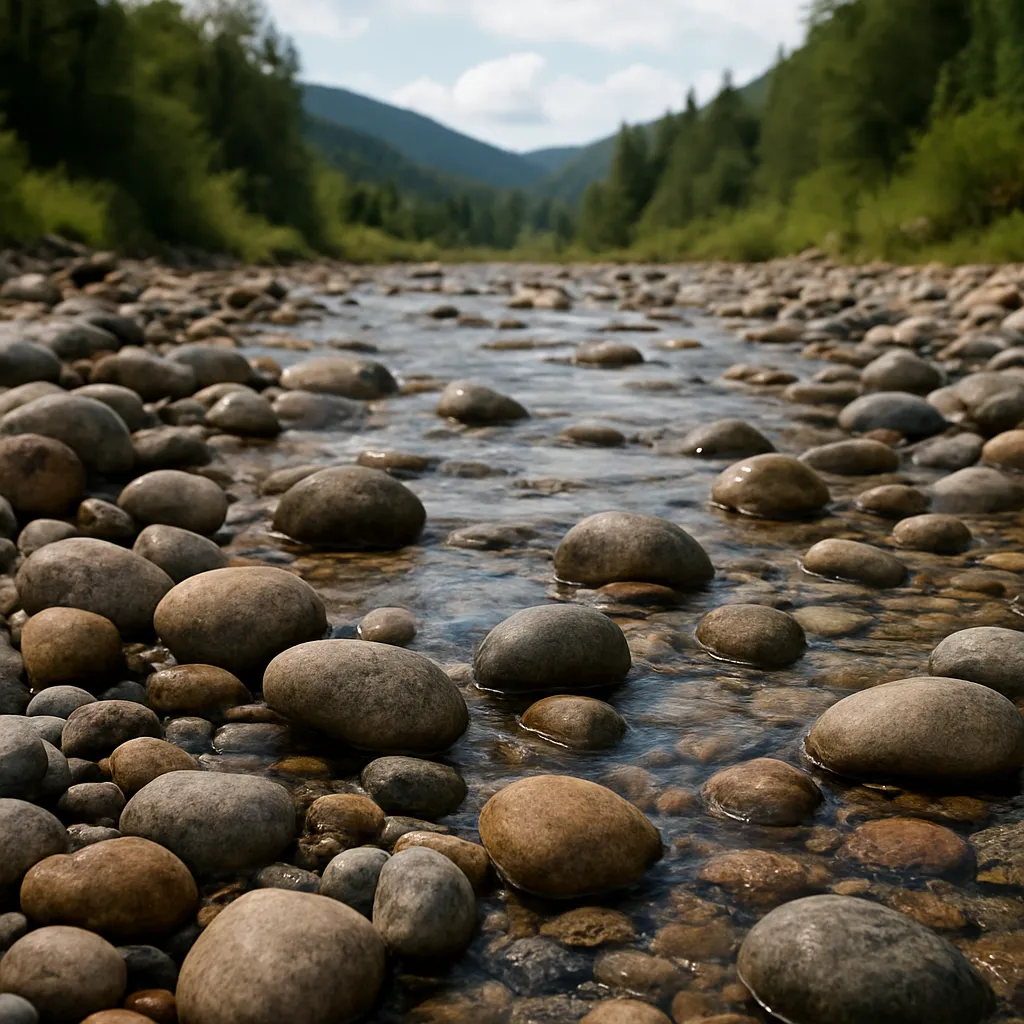
A warm, wet plateau has bauxite, an aluminum ore, near the surface above deeply weathered rock. Why is aluminum ore concentrated there?
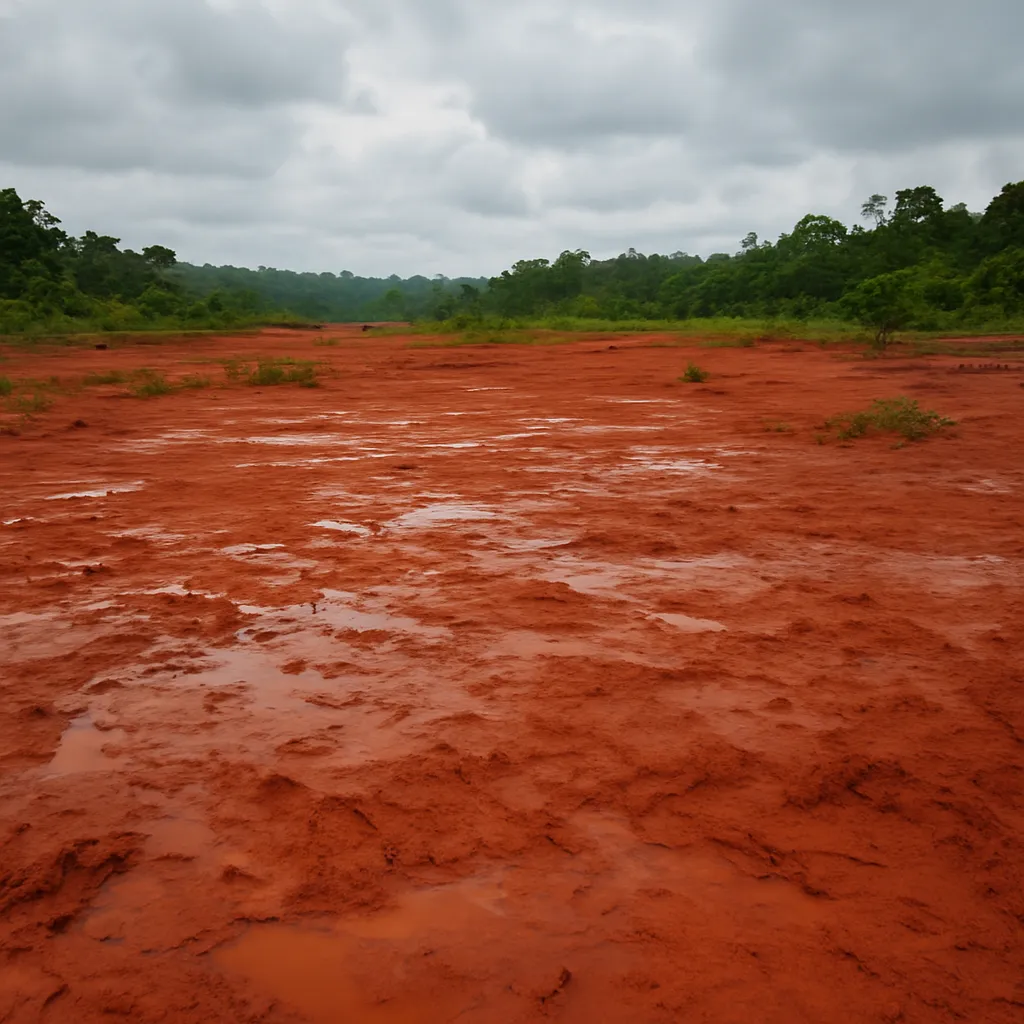
Ancient ocean rocks contain alternating red iron-rich layers and chert. Fossils show microbes once released oxygen into the water. What explains the iron ore layers?
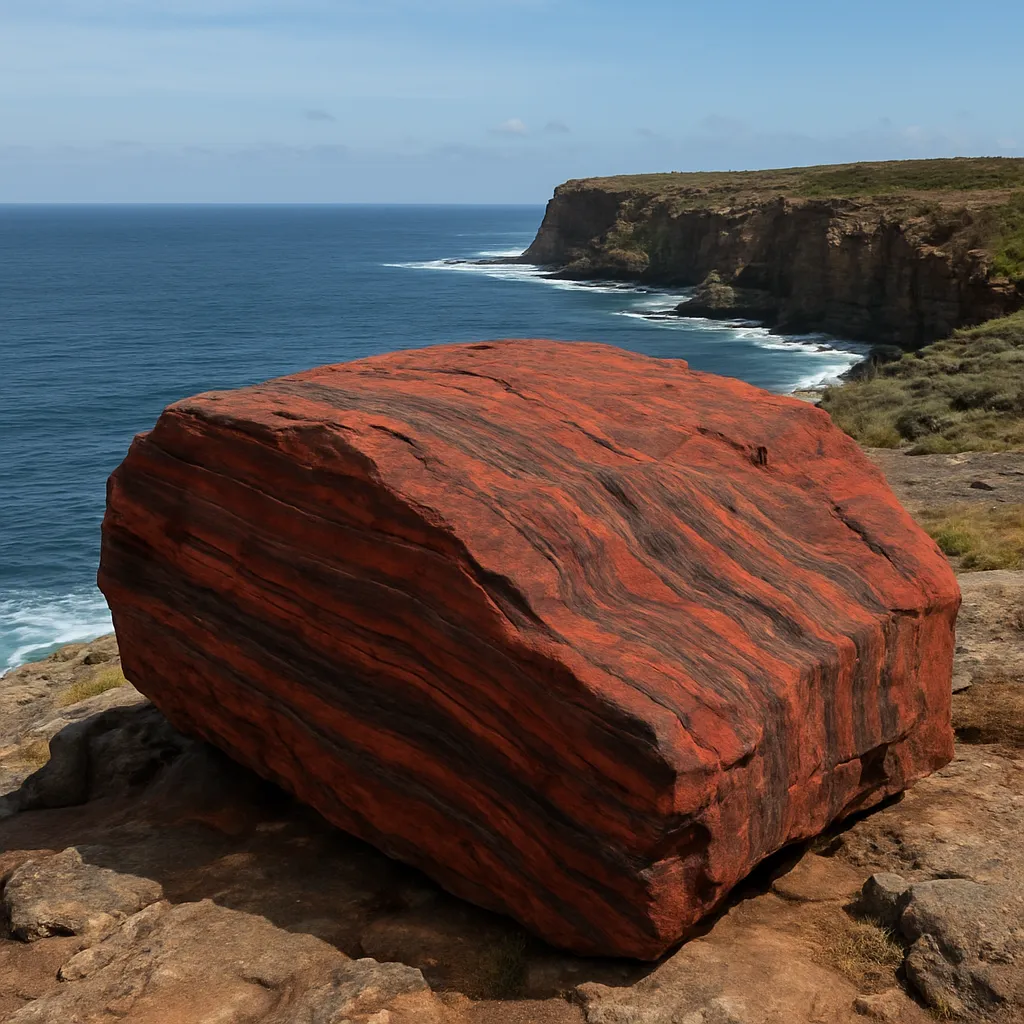
Tin ore is clustered around a cooled granite body. The highest grades fill cracks near the granite edge. What process best explains this mineral pattern?
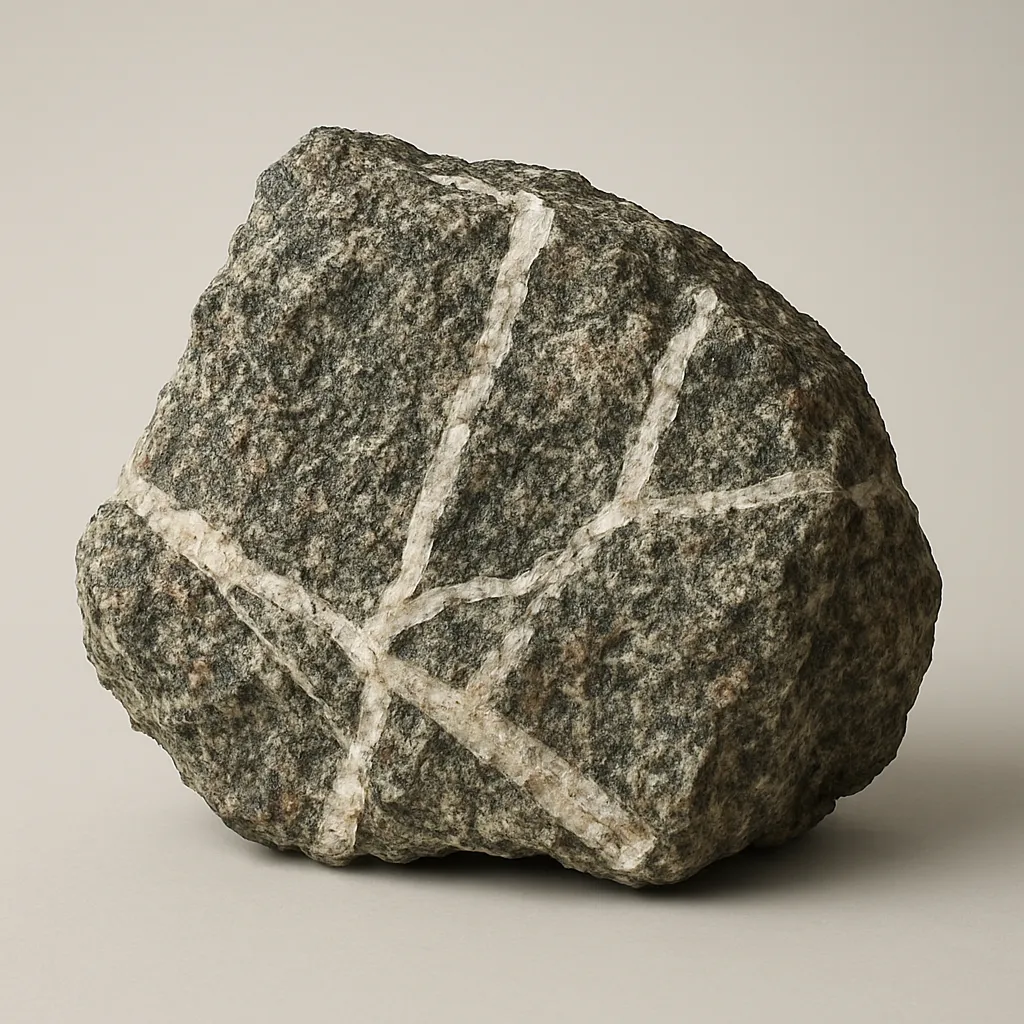
A coal bed lies between shale layers with fossils of swamp plants. What explanation connects the resource to the ancient environment?
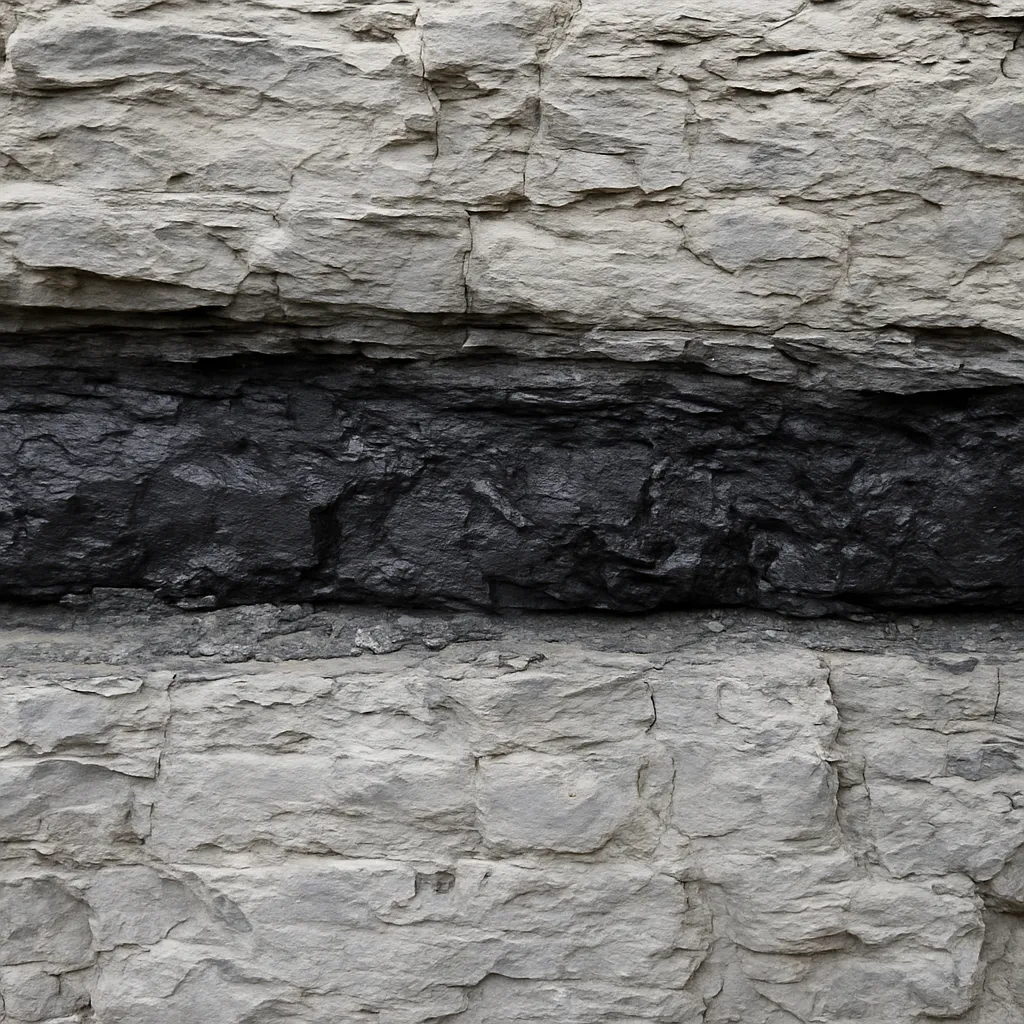
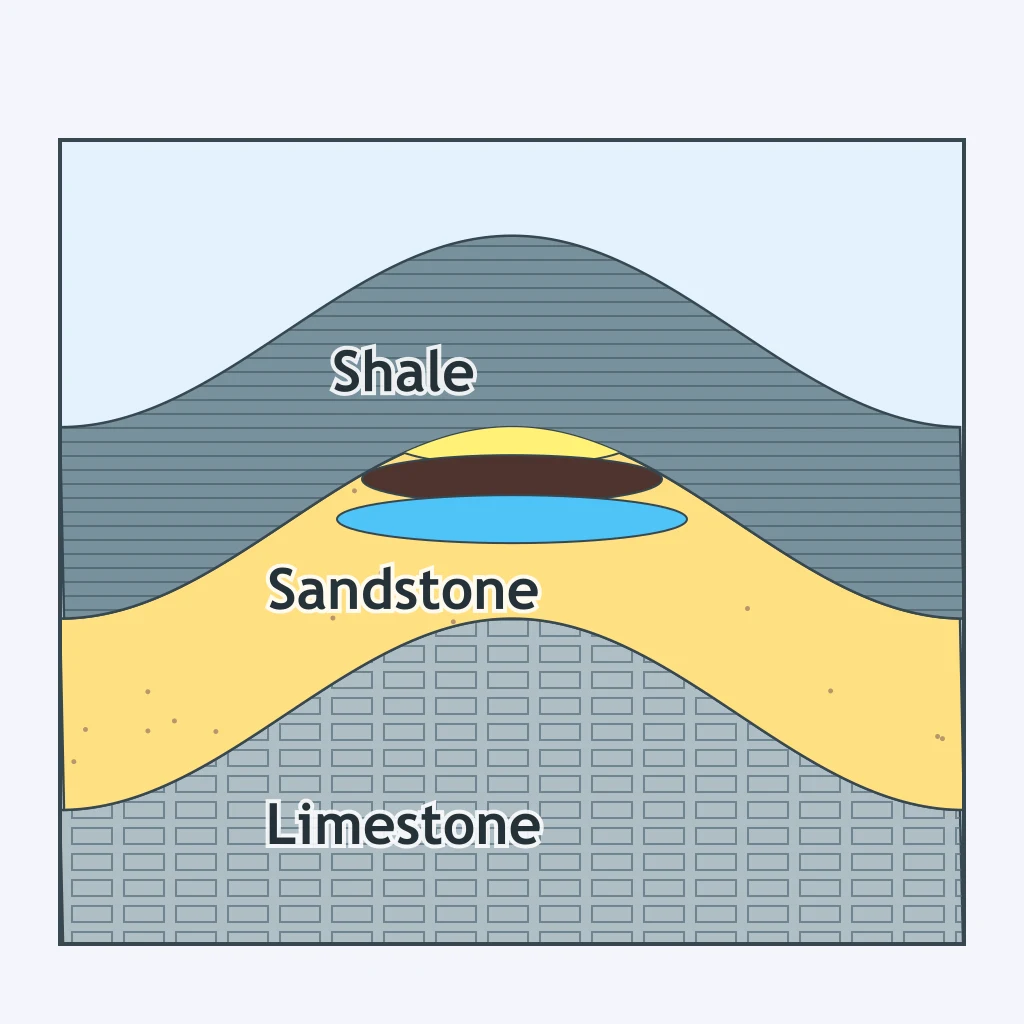
Oil and natural gas are found in porous sandstone below a shale cap. Marine fossils occur in nearby dark mudstone. How did this resource become trapped?
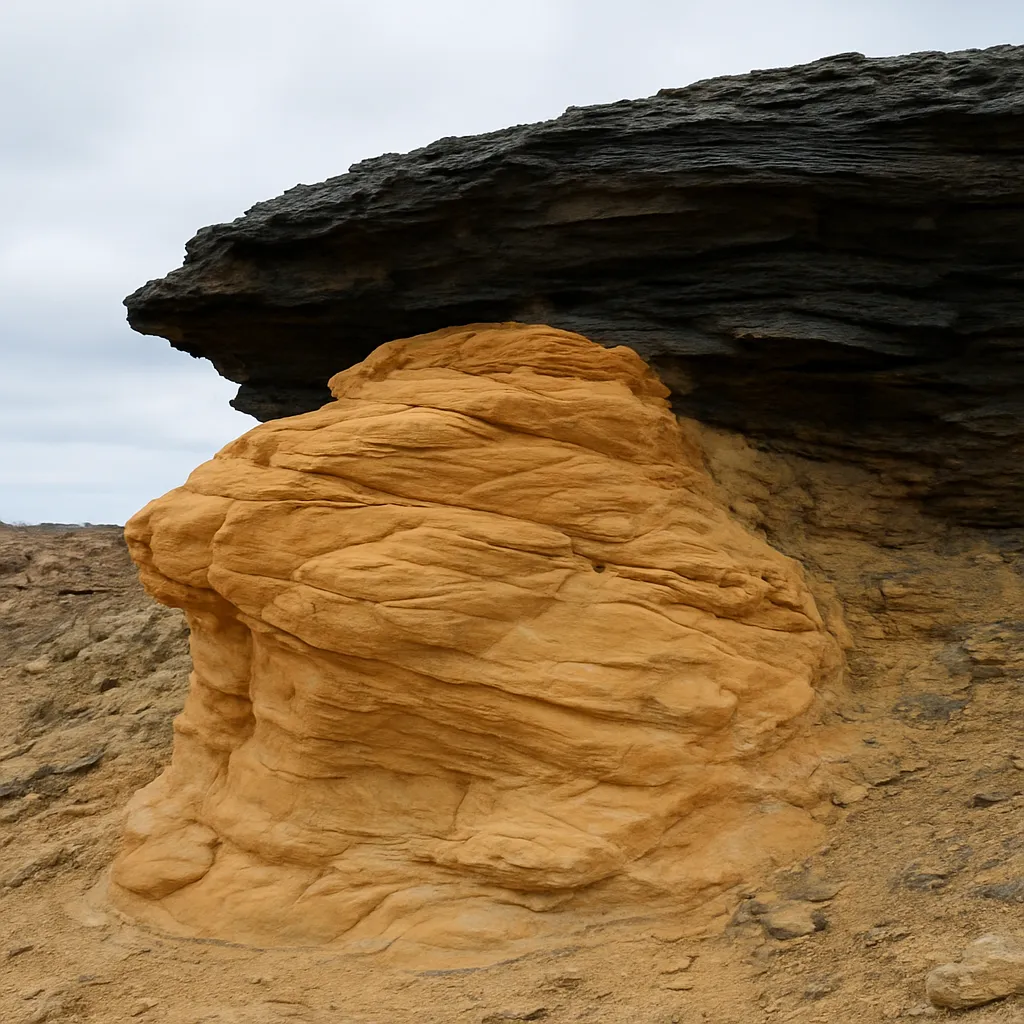
A layer of oil shale contains fine lake mud and algal fossils from an ancient, low-oxygen lake. Why is energy stored in that rock?
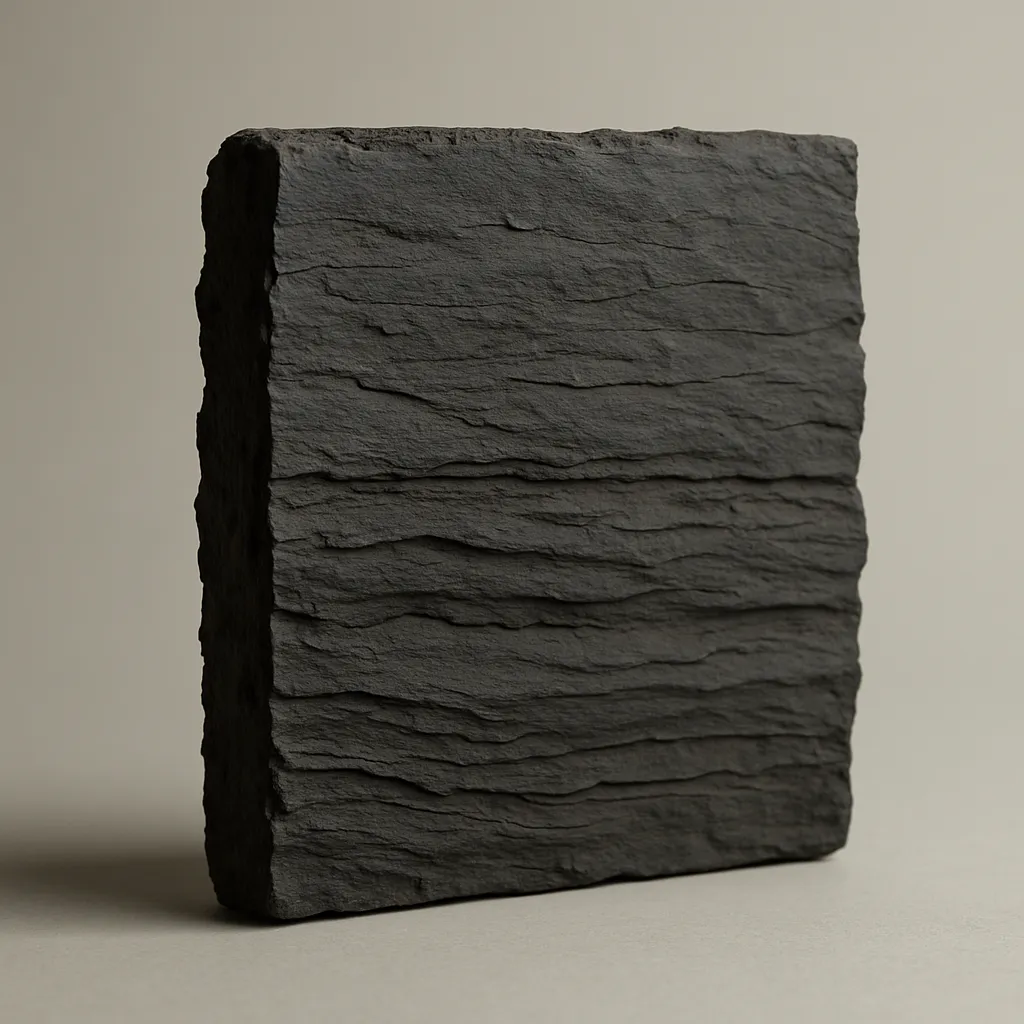
A gas field lies in ancient beach sandstone sealed under mudstone. Once wells pump the field dry, why will it not refill on a human timescale?
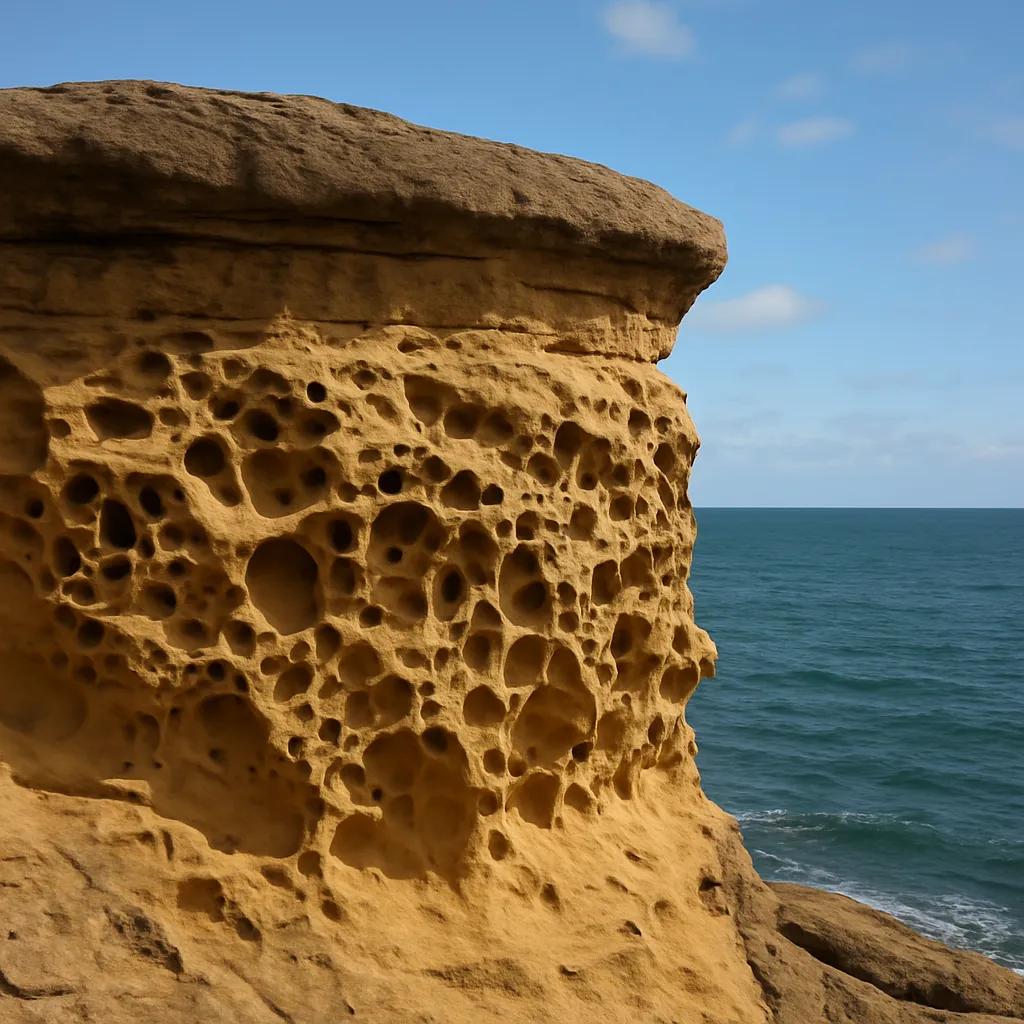
A region has lignite, a soft coal, in layers that formed in an ancient delta swamp. What history explains the lignite deposit?
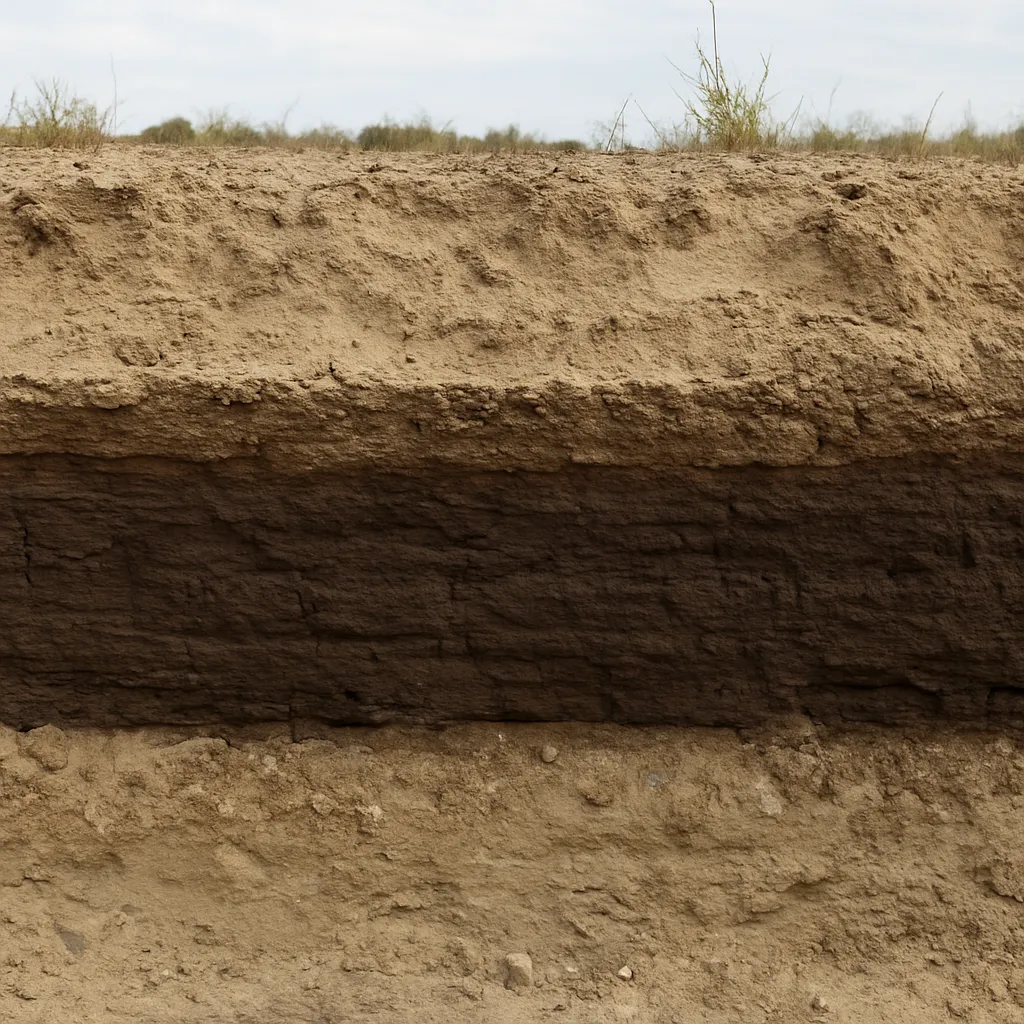
Two towns get equal rainfall. Town A sits on cracked limestone, and Town B sits on solid shale. Why do wells in Town A usually produce more water?
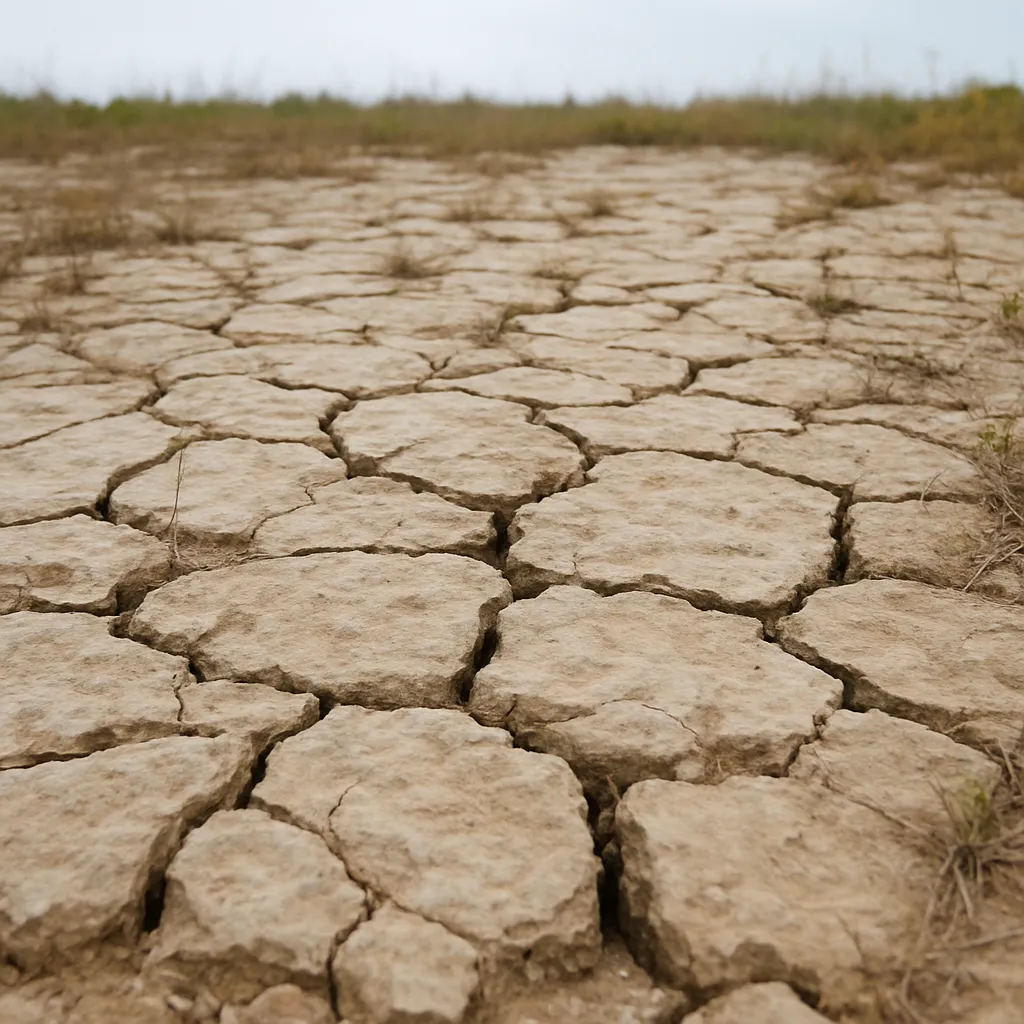
A test well in sand and gravel refills quickly after pumping, but a nearby clay well refills slowly. What aquifer property explains the difference?
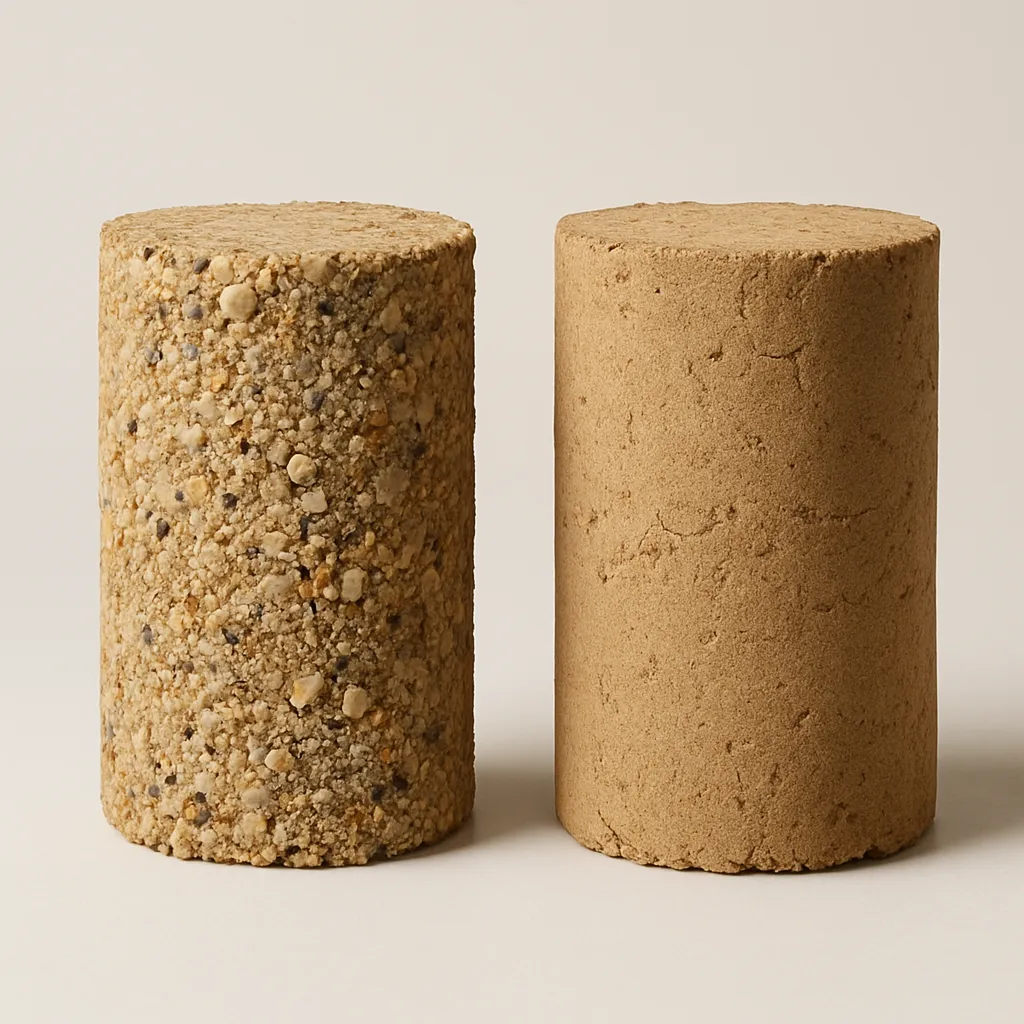
Rain falls on hills where a permeable sandstone layer reaches the surface, then wells downhill rise days later. What role do the exposed hills play?
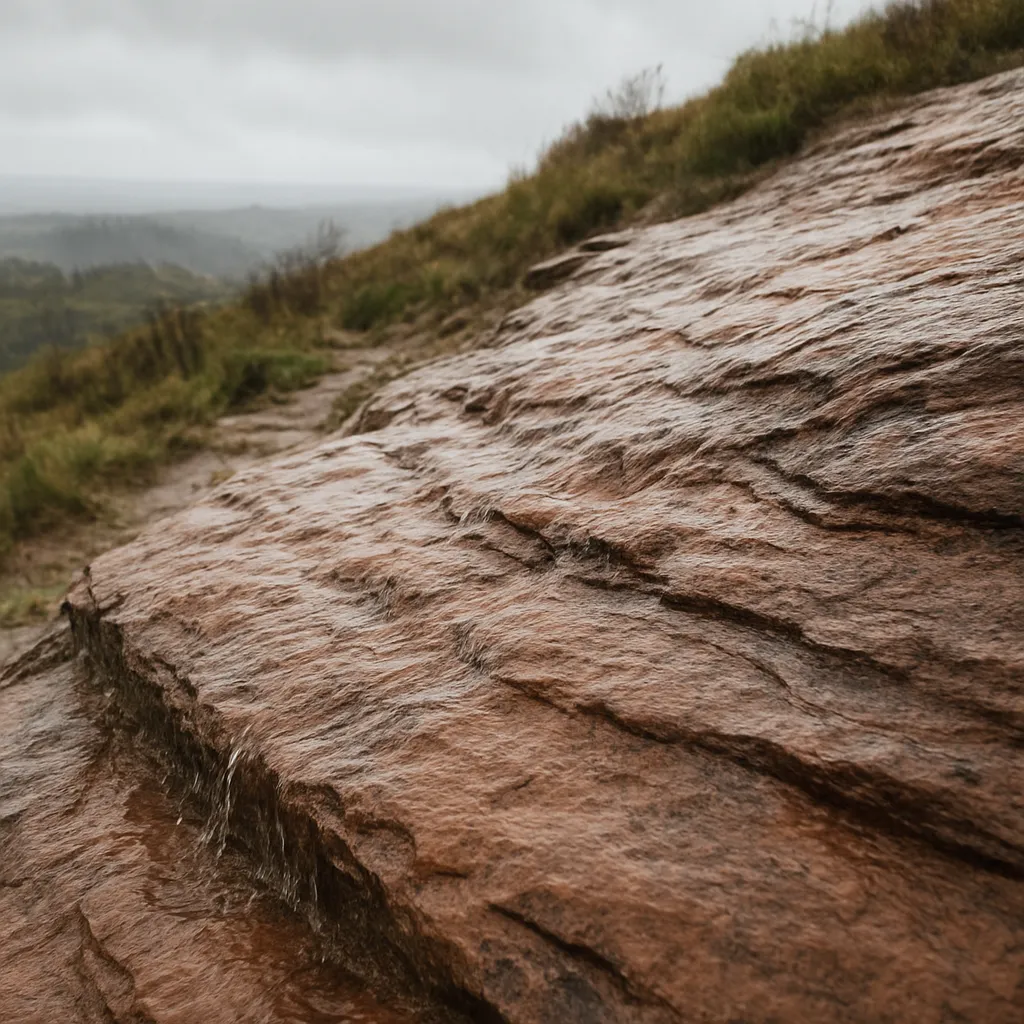
A low valley well flows without a pump from sandstone trapped between clay layers. The sandstone is exposed on higher hills. Why does water rise?
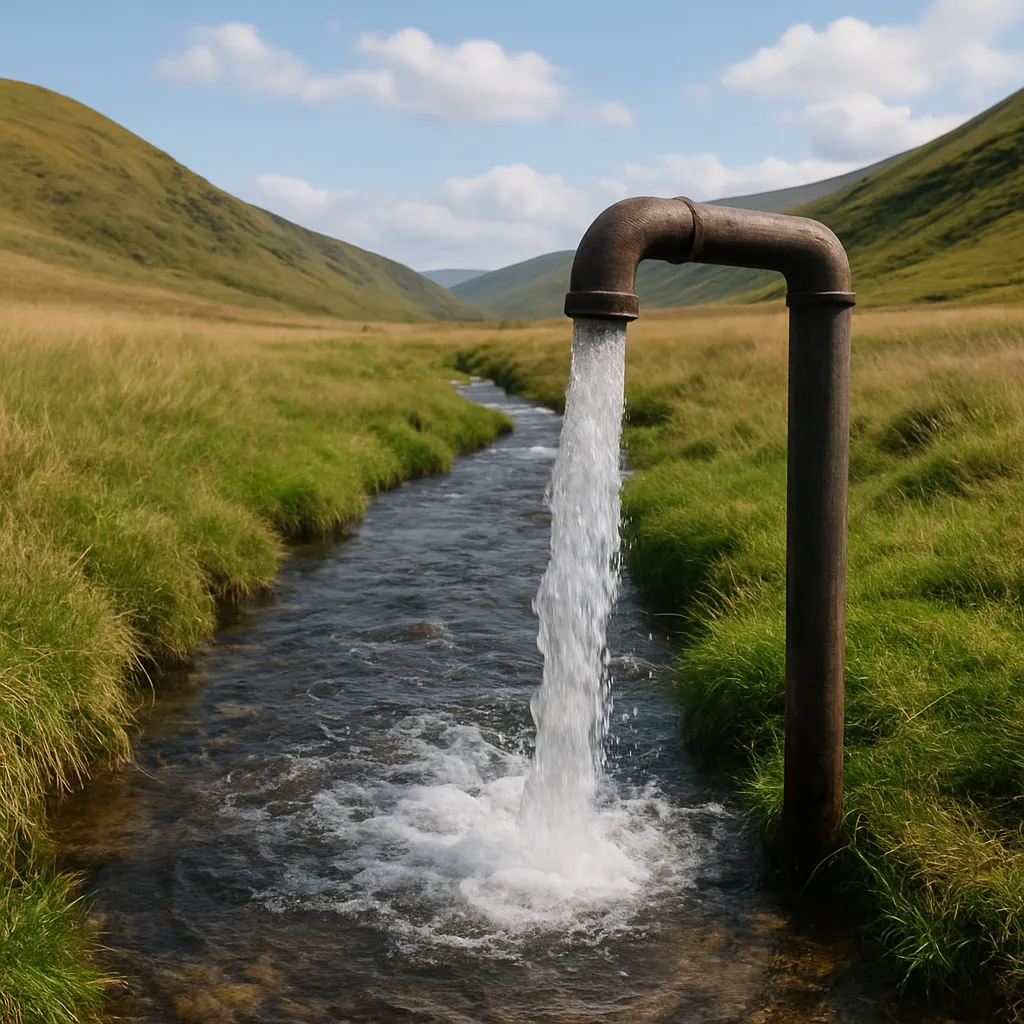
After heavy pumping near a coast, a freshwater well becomes salty. The aquifer is connected to ocean sediments. What process reduced the usable groundwater?
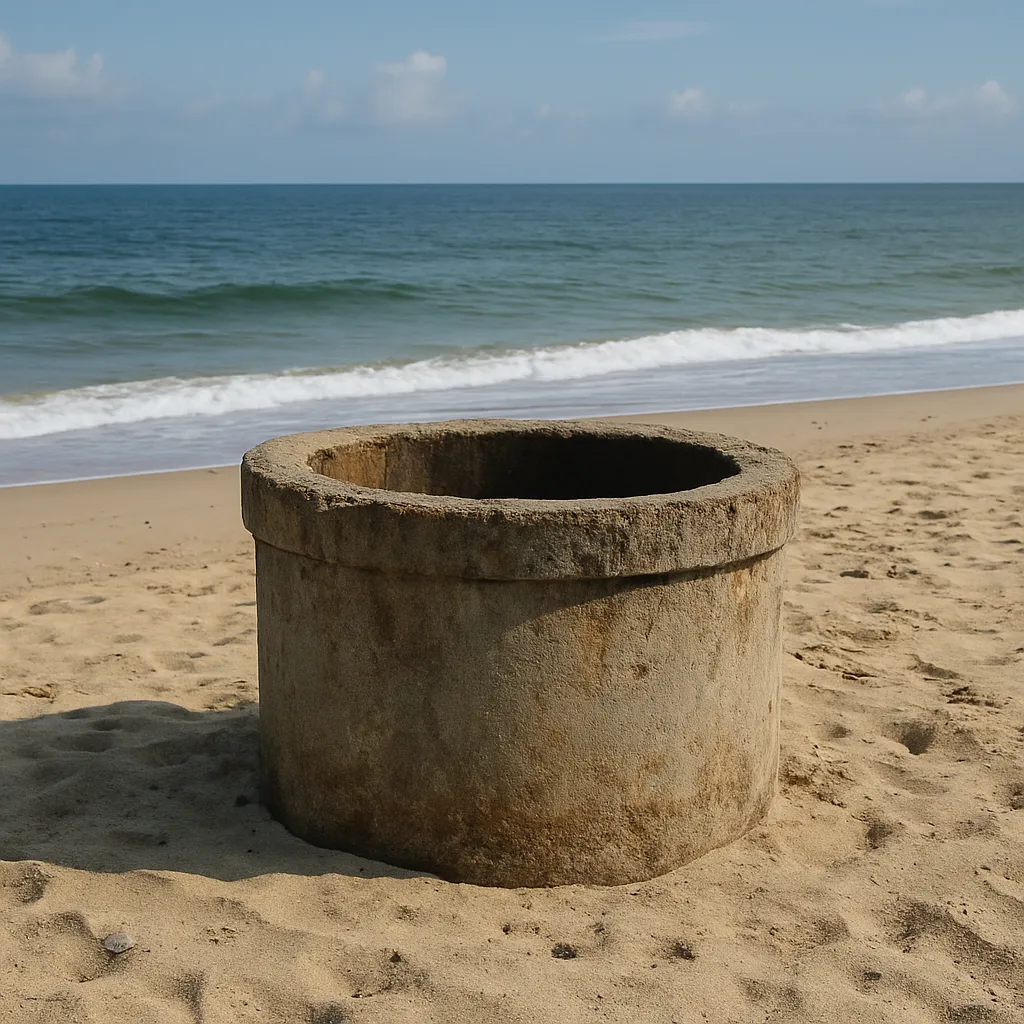
A map shows diamond mines clustered in a few narrow, pipe-shaped rock bodies that cut straight down through the crust, with no diamonds in the rock between them. What explains this resource pattern?
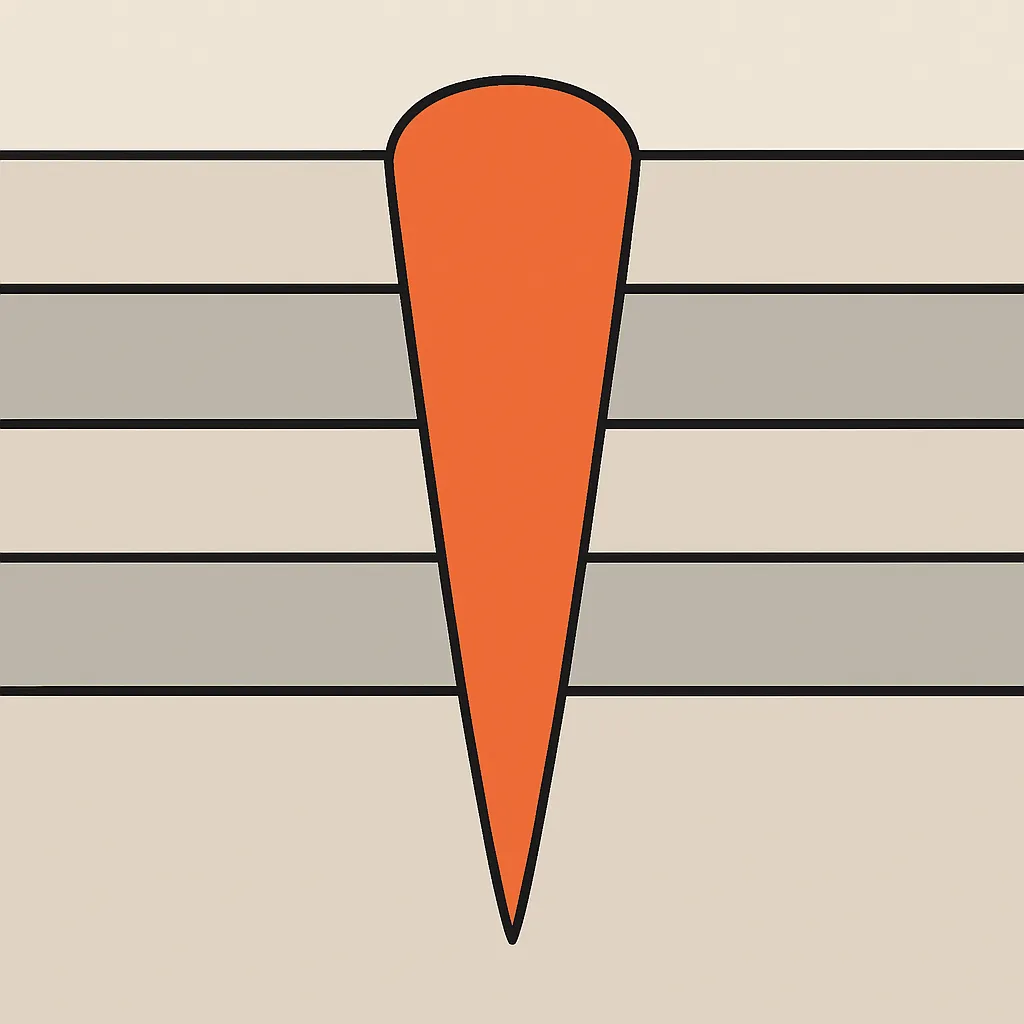
On a cross section, oil wells hit oil only where porous sandstone arches upward beneath unbroken shale. Dry wells miss the arch. What explains the pattern?
A map of well yields shows high-flow wells along a buried river valley filled with sand and gravel, but low-flow wells in clay uplands. What explains the pattern?
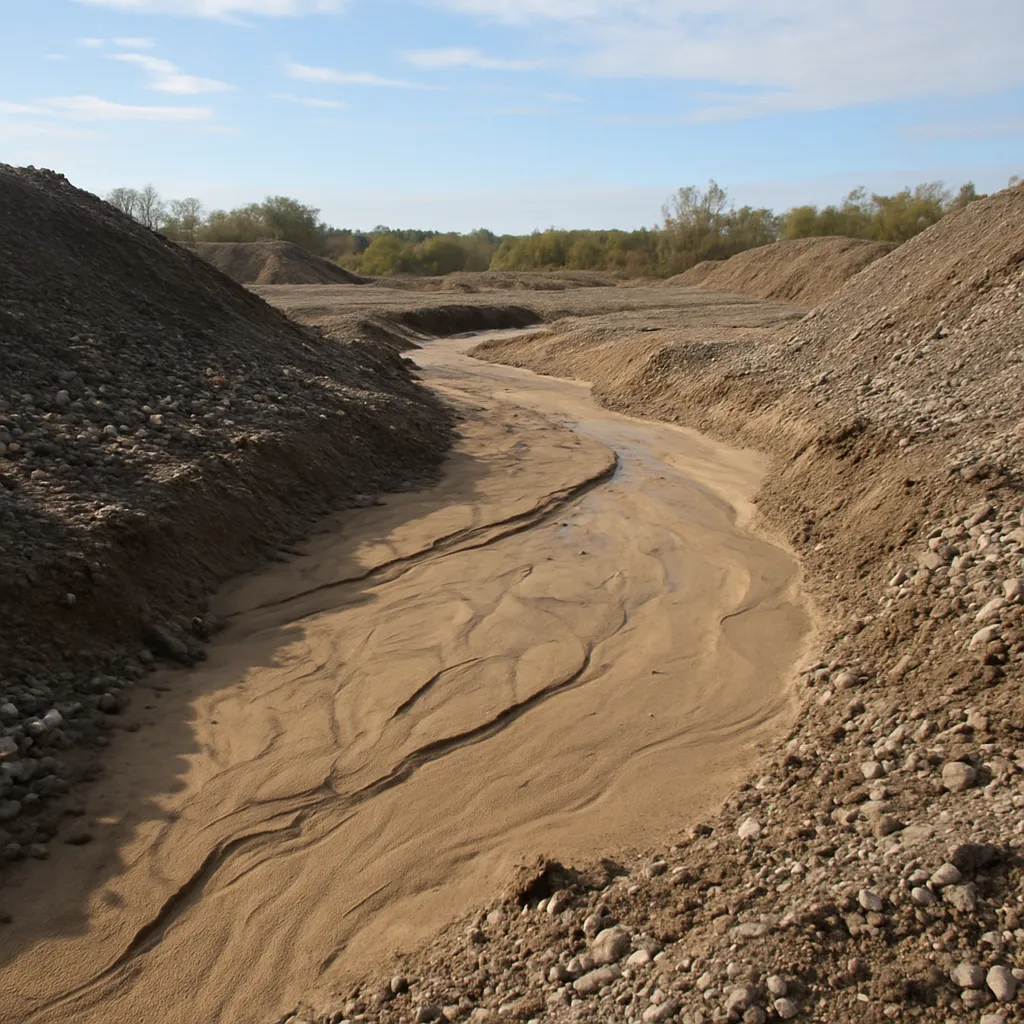
Satellite images show lithium brine ponds mostly in closed desert basins with salt flats and no river outlet. Why are lithium resources concentrated there?
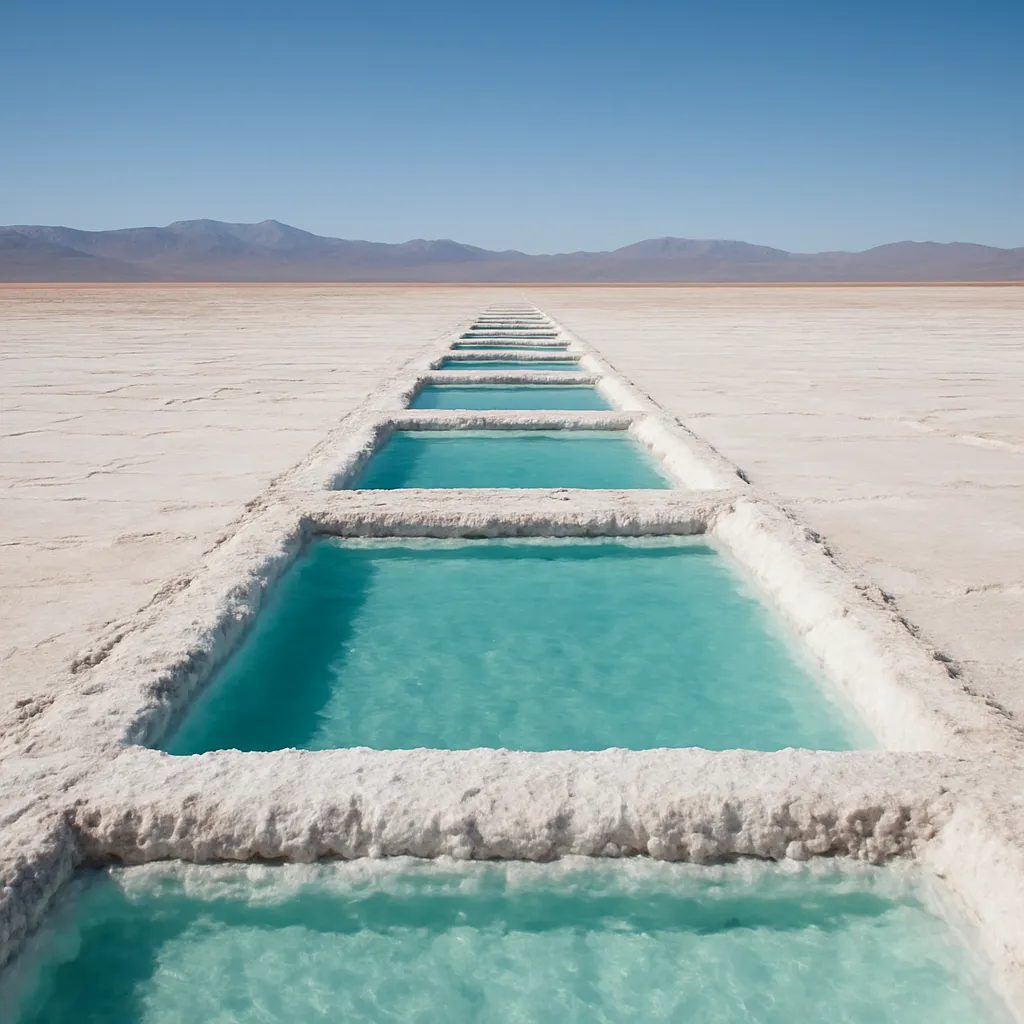
Crack the passcode before the zombies get in.
Answer, then swat bugs for bonus points.
Race through questions at your own speed.
Same question on every screen. Fastest wins.

Pick a tile, answer, hit bonuses and steals.
Human Impact on Groundwater and Watersheds
20 questions