Loading
by BlastRoom
Classify Earth's resources by replacement time and evaluate resource trade-offs.
#us_grade_7_science
40 questions
One question set, multiple game modes. Tap any game to see it in action. Not sure which to pick?
Answer to place stones and capture territory.
Outrun the snow together.
Earn blasts, then hunt the other team.
Answer to earn energy, then climb.

The class blasts through walls together.
Bid on mystery lots. Most money wins.
Sell tours. Nice, standard, or a total scam.

Answer, restock, and serve the rush.
More correct answers pulls the rope your way.
Answer, then shoot down the alien wave.
Answer, then tap to leap the frozen ridge.
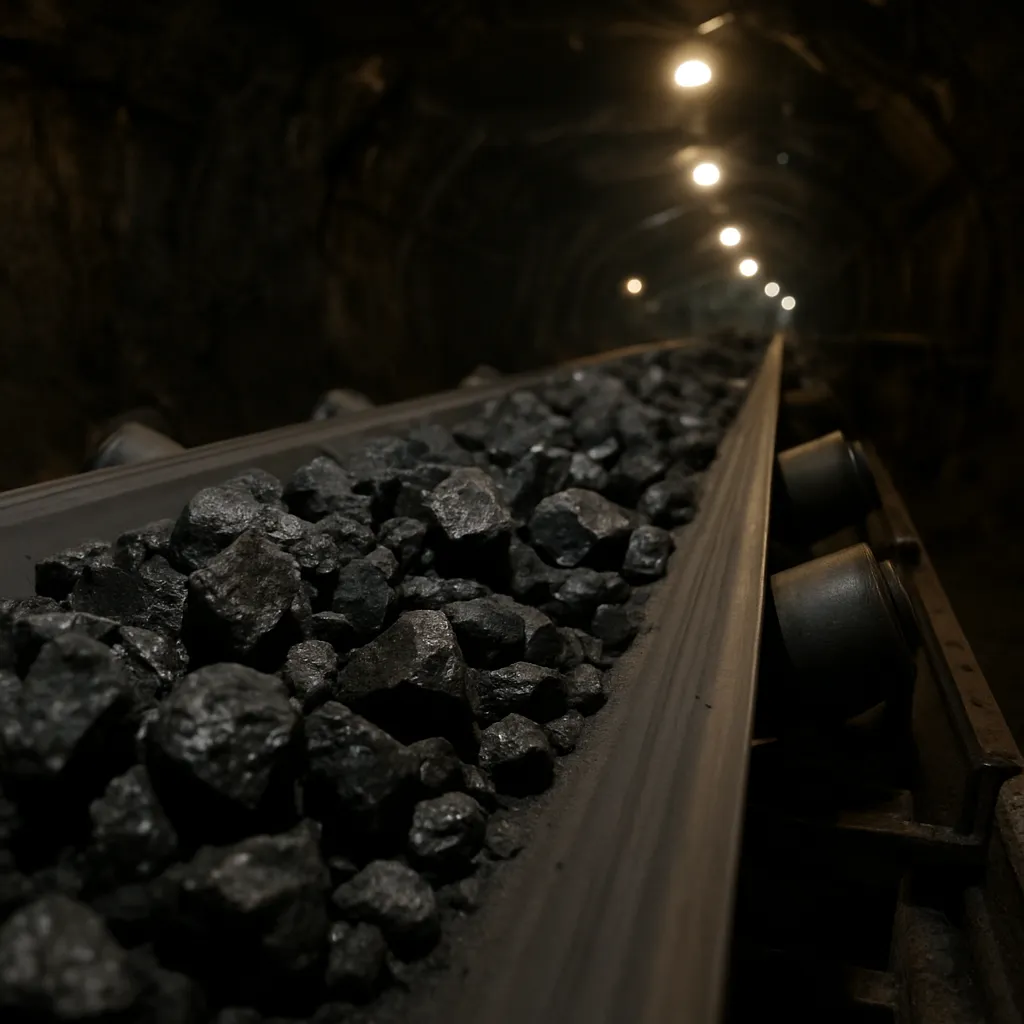
A city heats homes with coal dug from seams that formed from ancient swamp plants over millions of years. How should coal be classified?
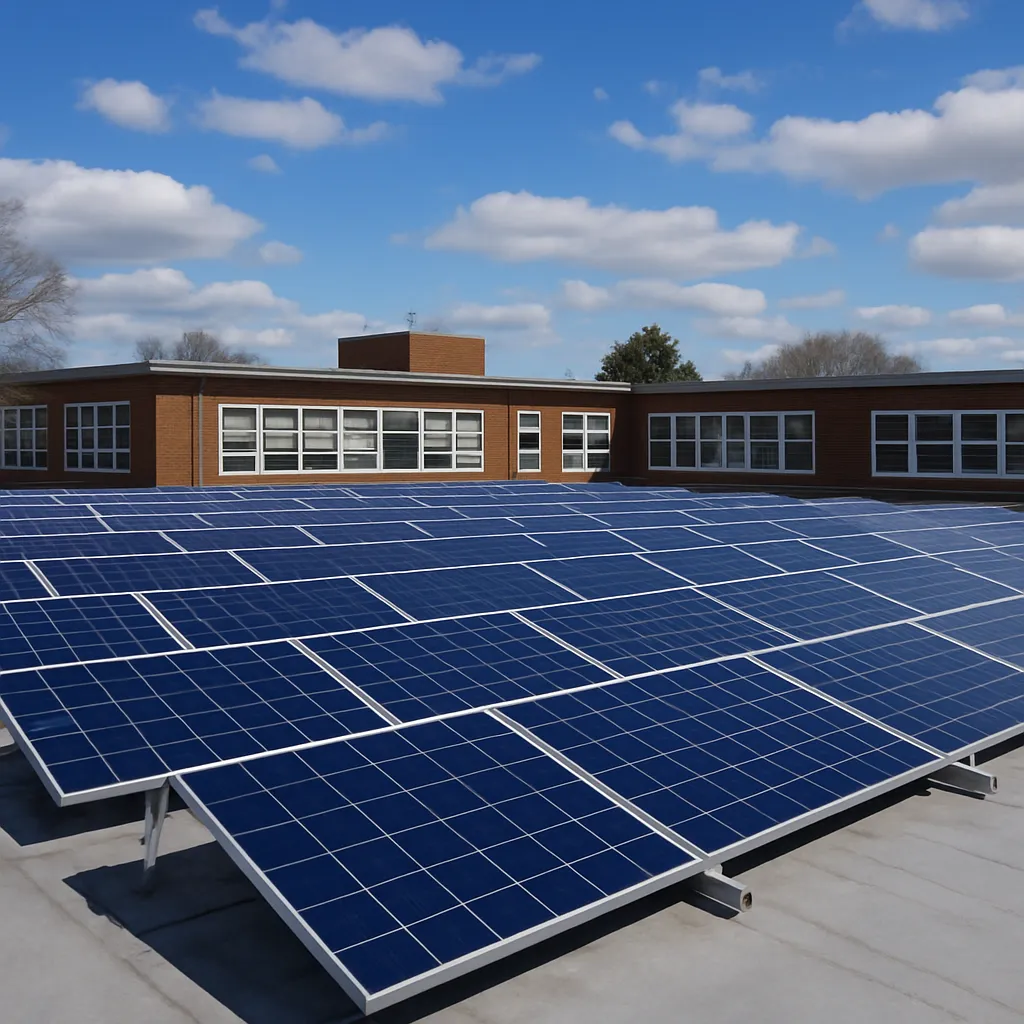
A school runs outdoor lights using panels that collect sunlight each day. How should sunlight be classified as an energy resource?
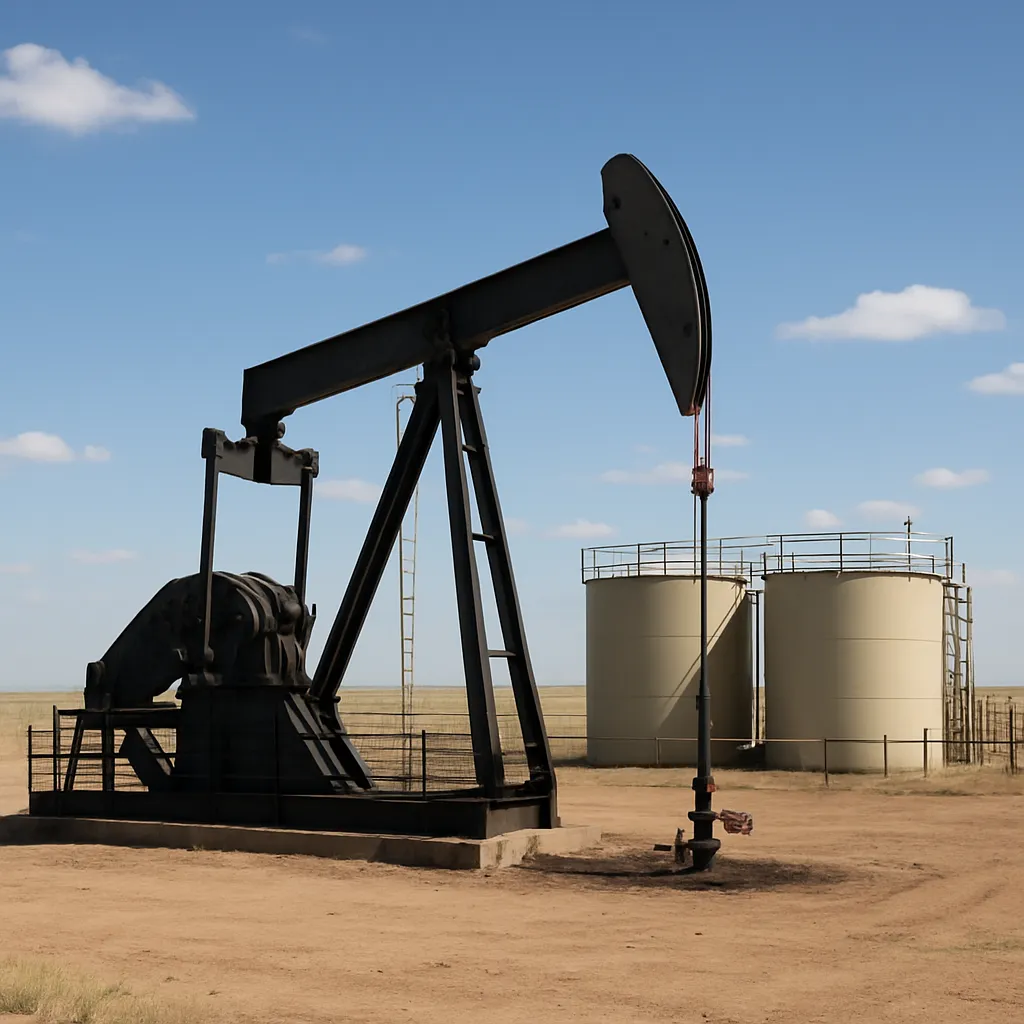
A factory burns petroleum pumped from rocks where tiny ocean organisms were buried long ago. How should petroleum be classified?
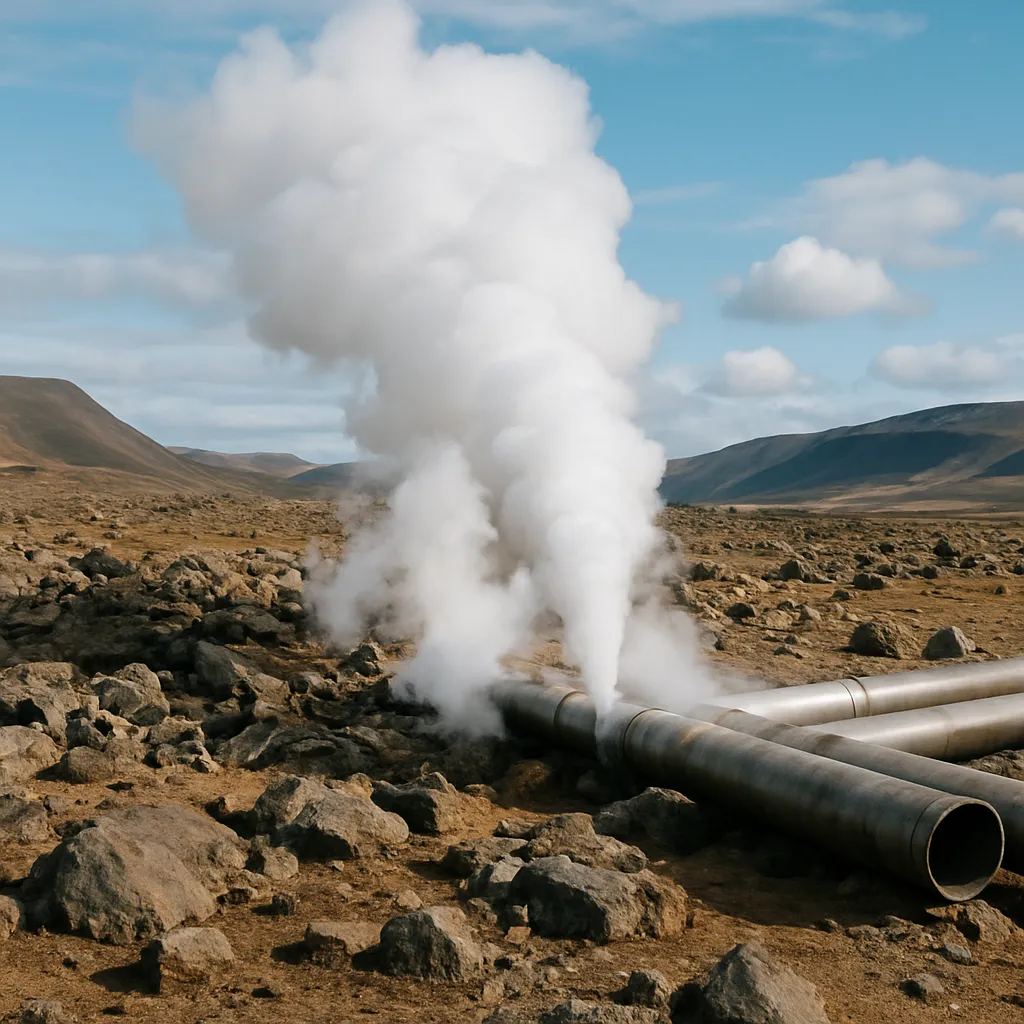
A cabin uses heat from hot water naturally rising from deep underground. How should geothermal energy be classified in most places?
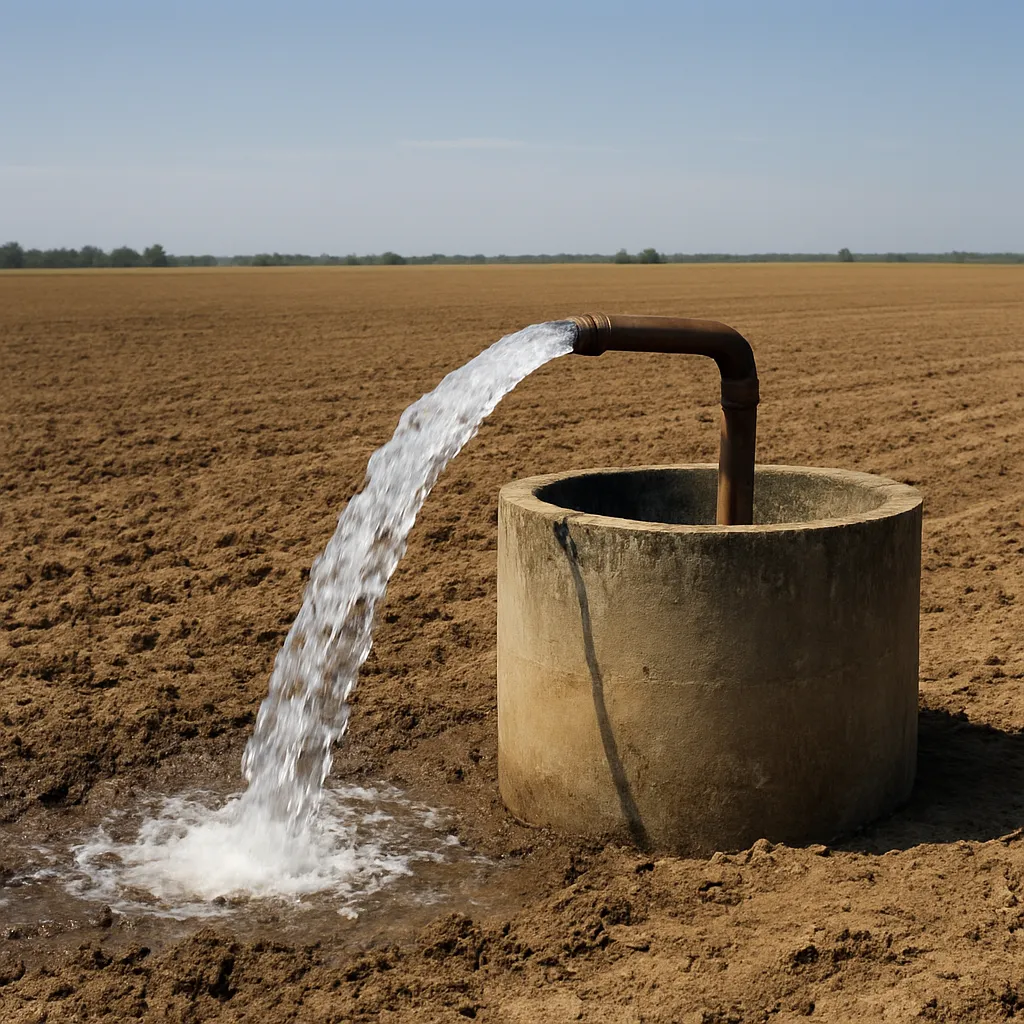
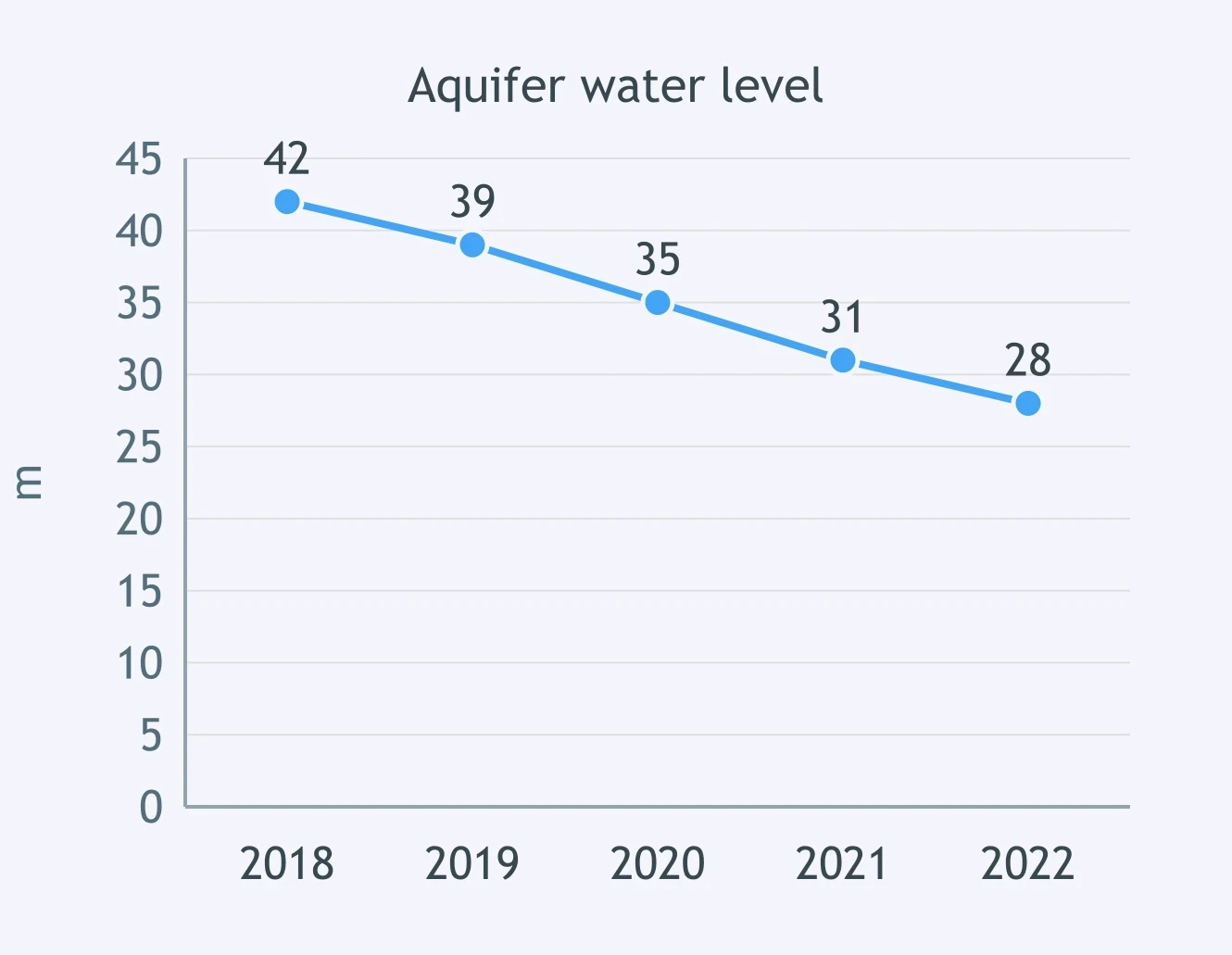
A town pumps groundwater from an aquifer faster than rain and snowmelt refill it. How should that water supply be classified for the town?
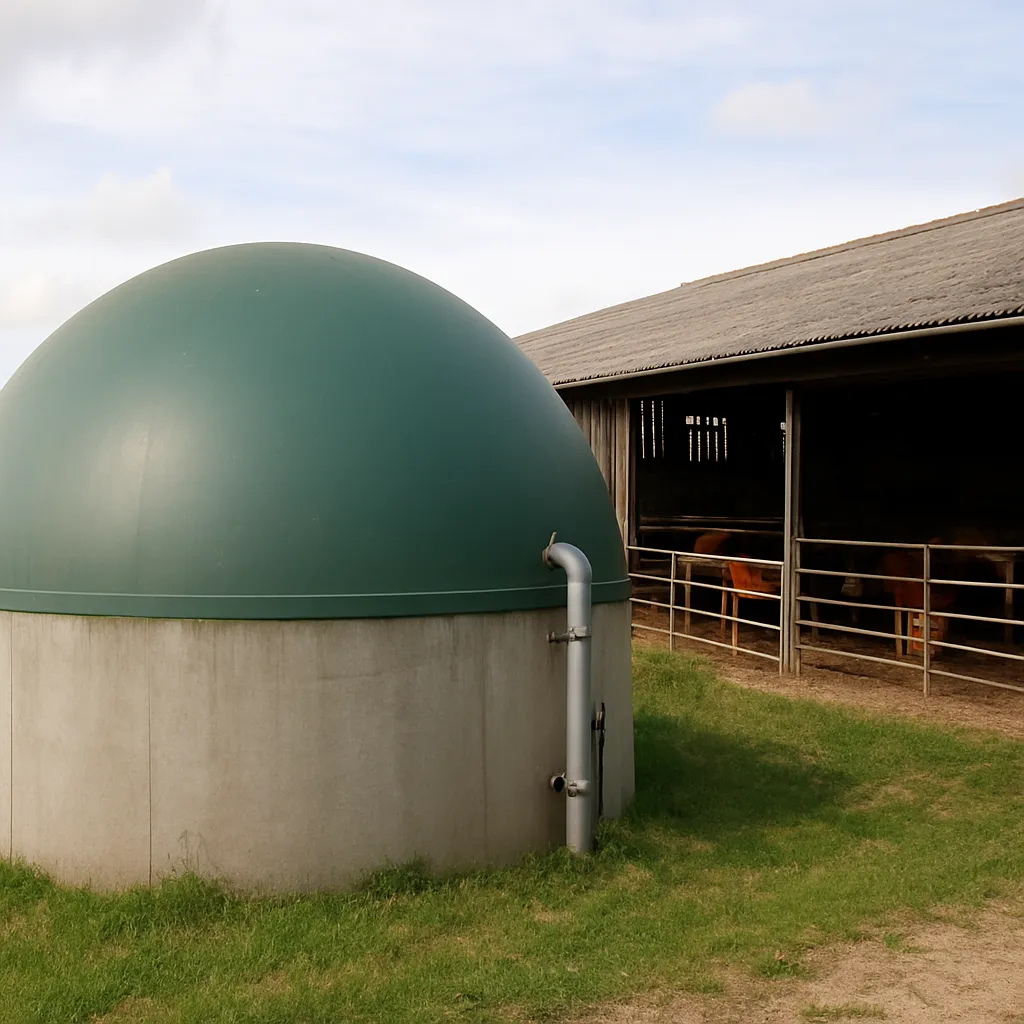
A rancher fuels a stove with methane from cow manure that bacteria break down in a digester. How should the biogas be classified?
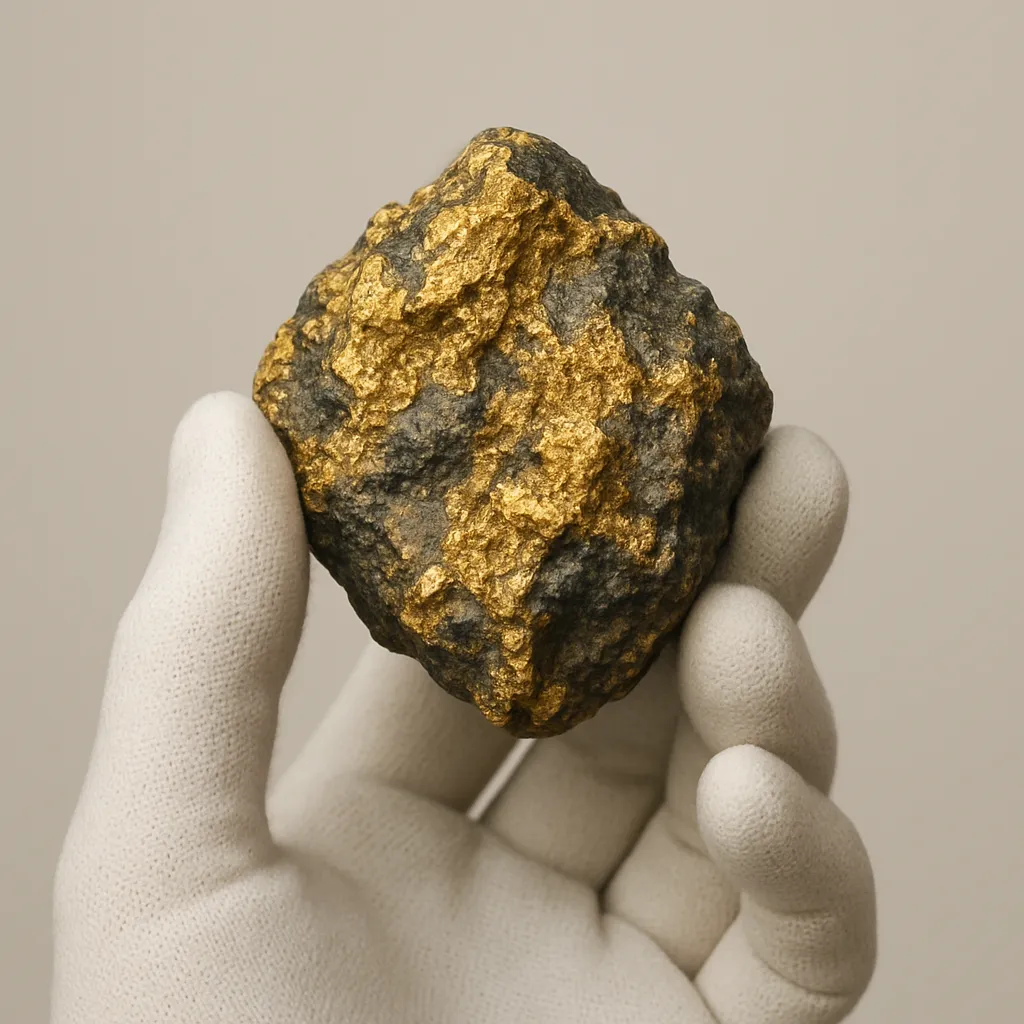
A jeweler uses gold from an ore deposit formed by slow geologic processes. How should the gold resource be classified?
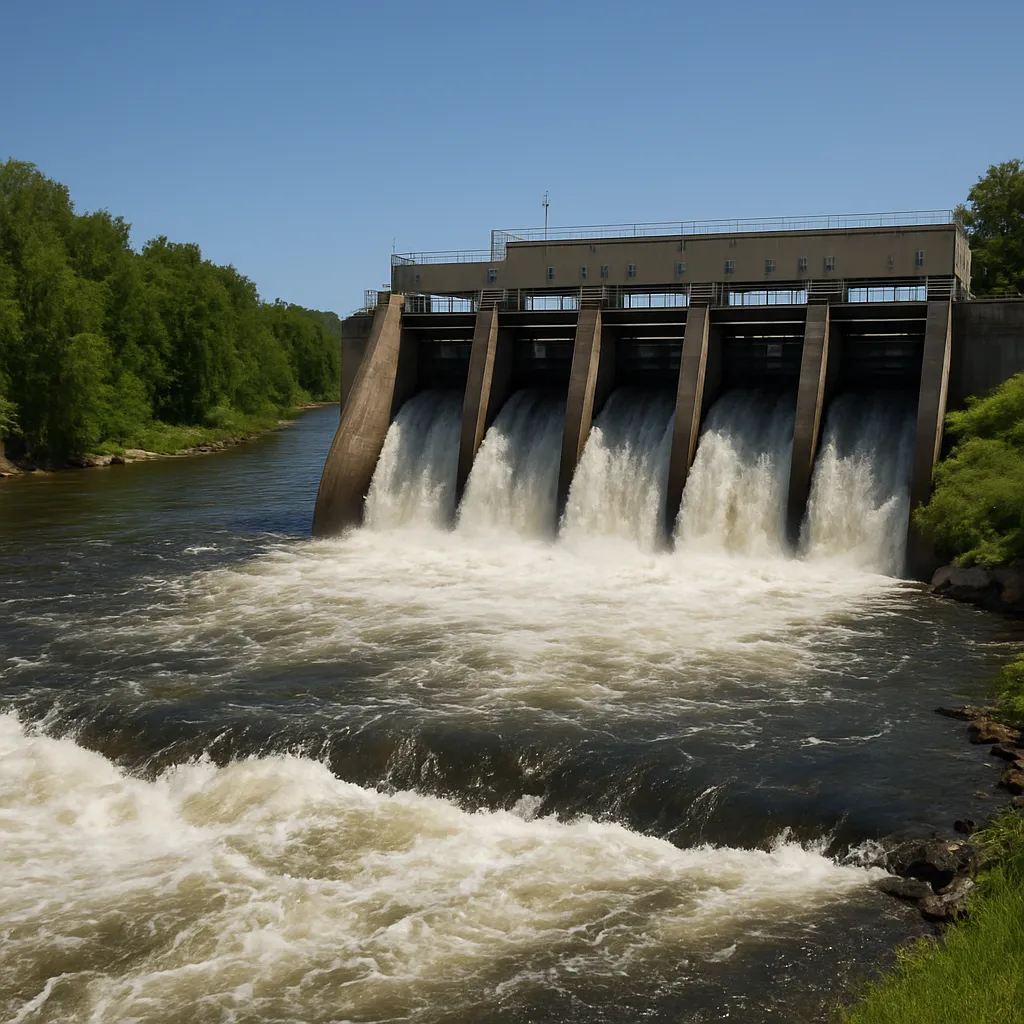
A community gets electricity from turbines turned by river water flowing through a dam. How should hydropower be classified?
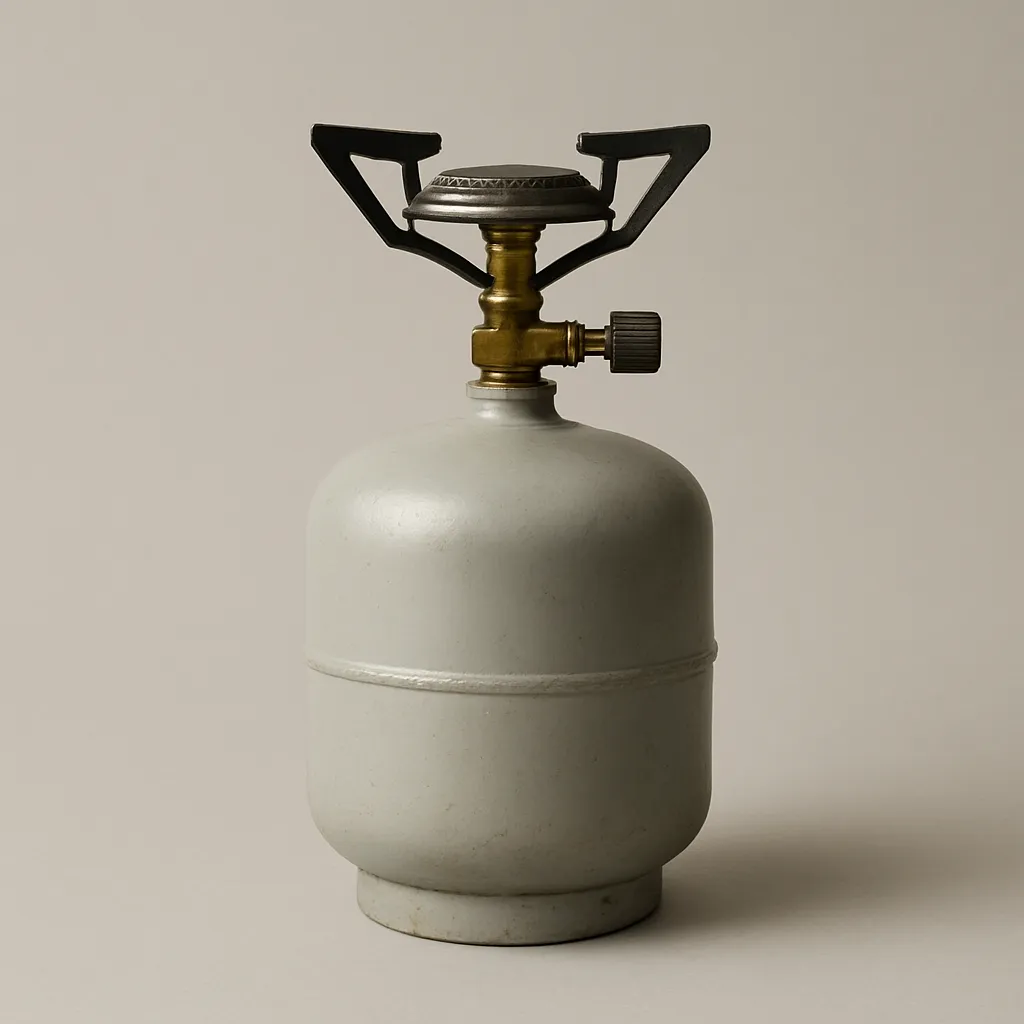
A campground burns propane separated from natural gas deposits underground. Those deposits formed from ancient organisms. How should propane be classified?
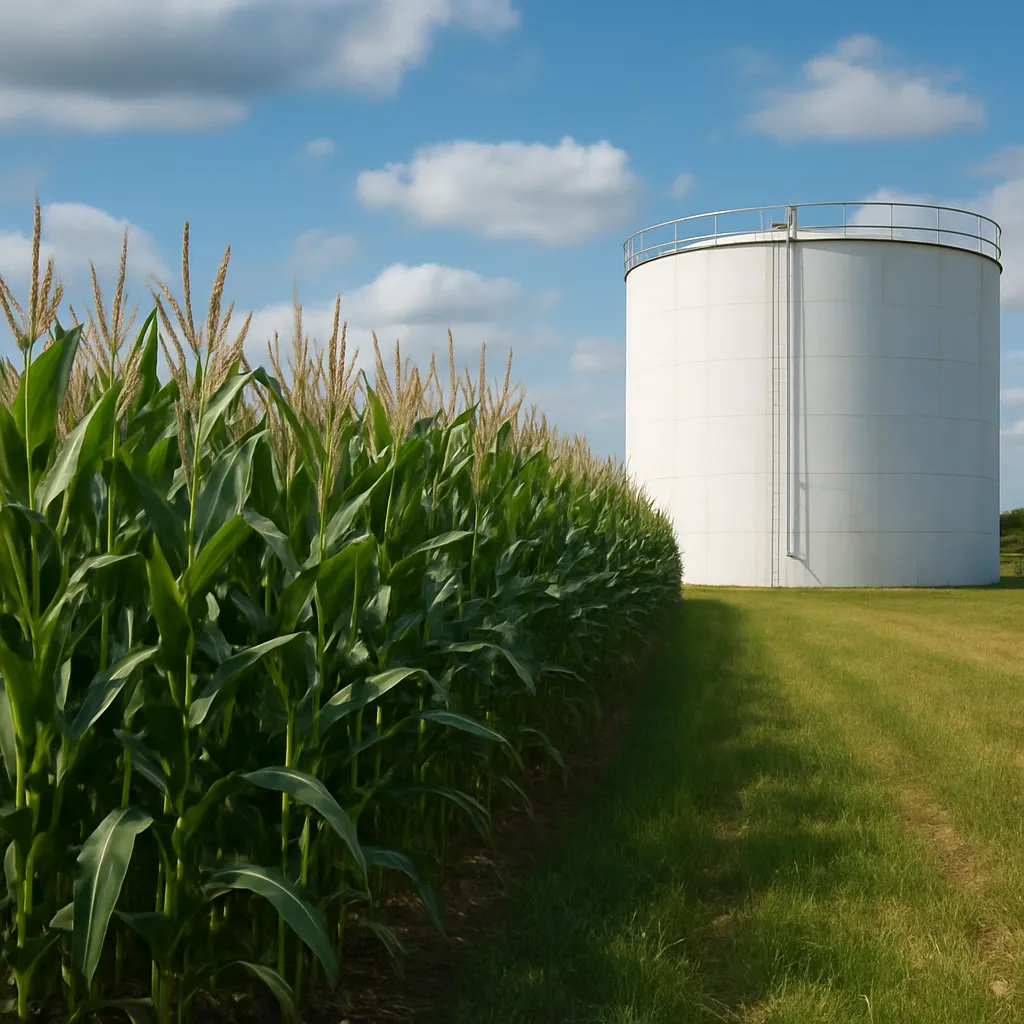
A farmer grows corn each year and turns some of it into ethanol fuel. How should the ethanol be classified?
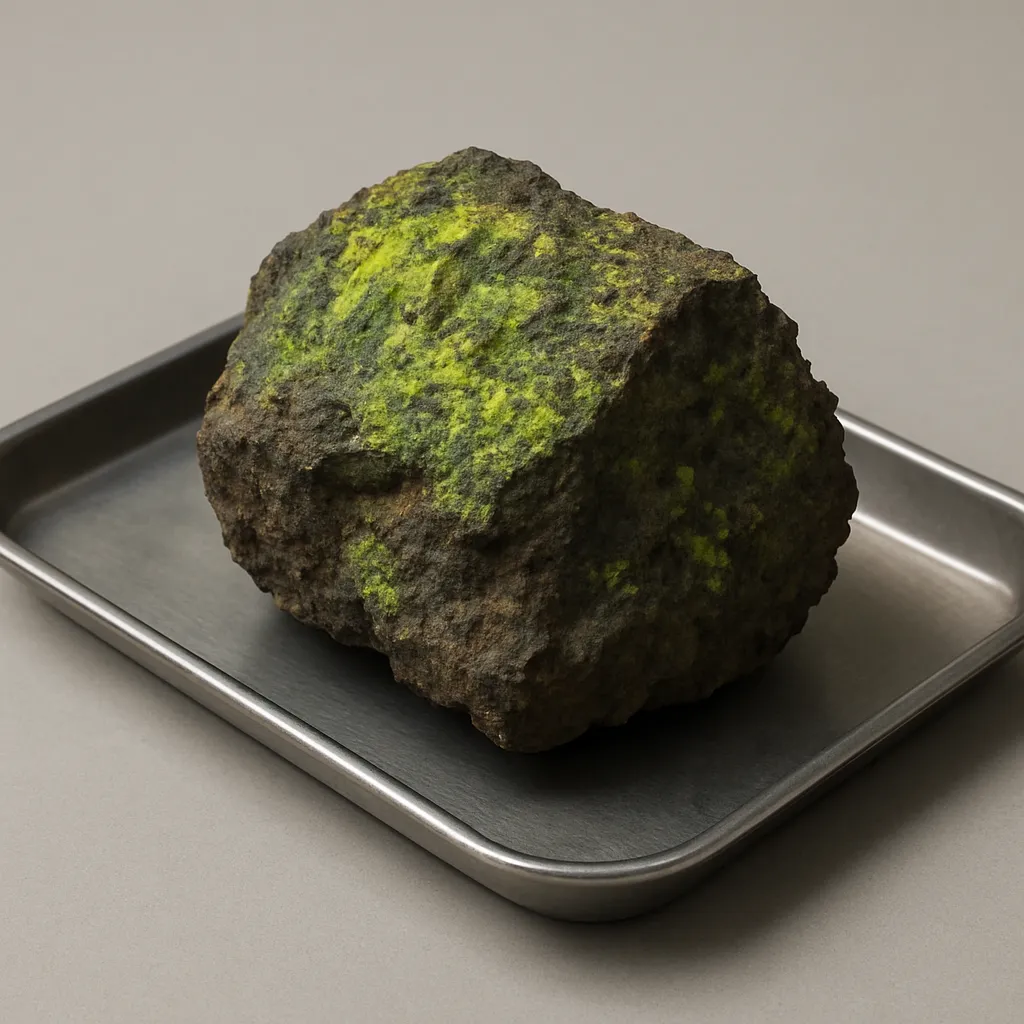
A power plant uses uranium mined from rocks to release nuclear energy. The uranium deposits formed through ancient geologic processes. How should uranium fuel be classified?
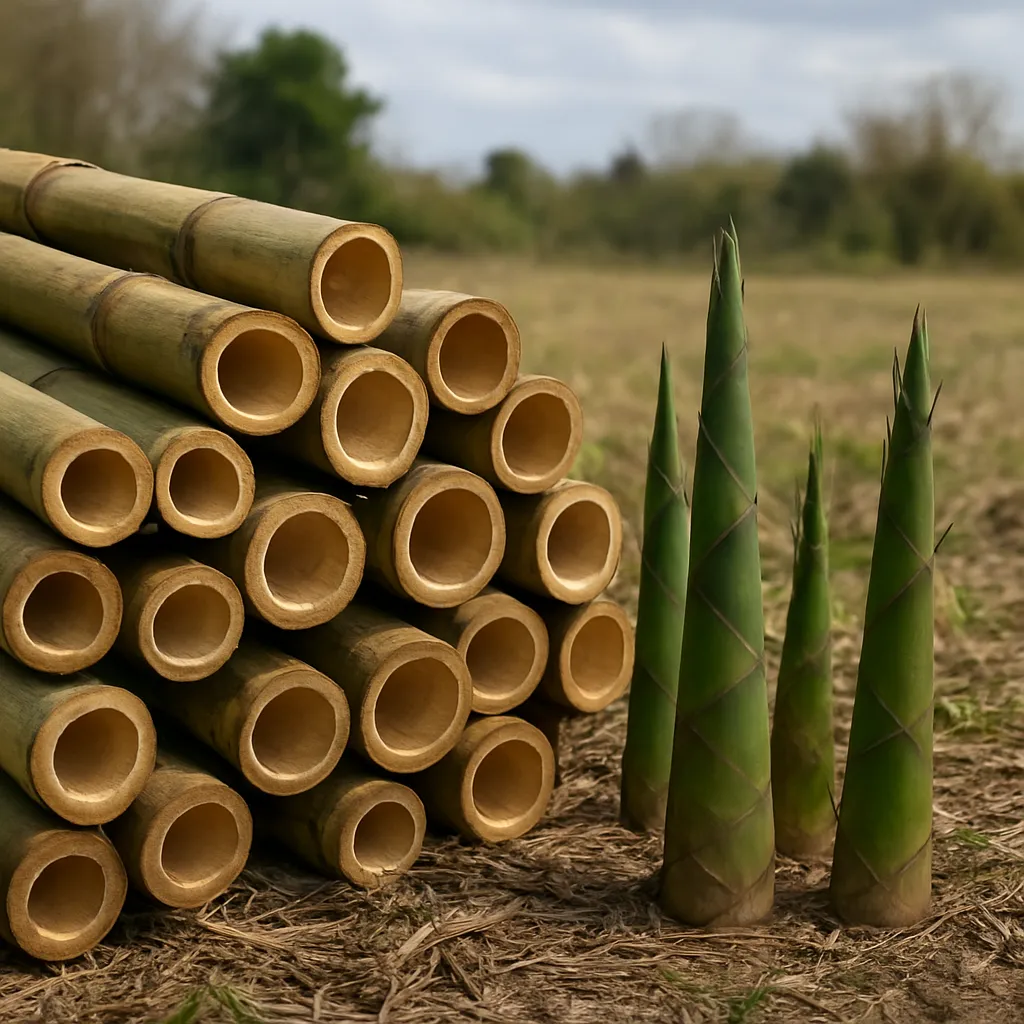
A village cooks with fast-growing bamboo harvested after several years, while new shoots are planted. How should bamboo fuel be classified?
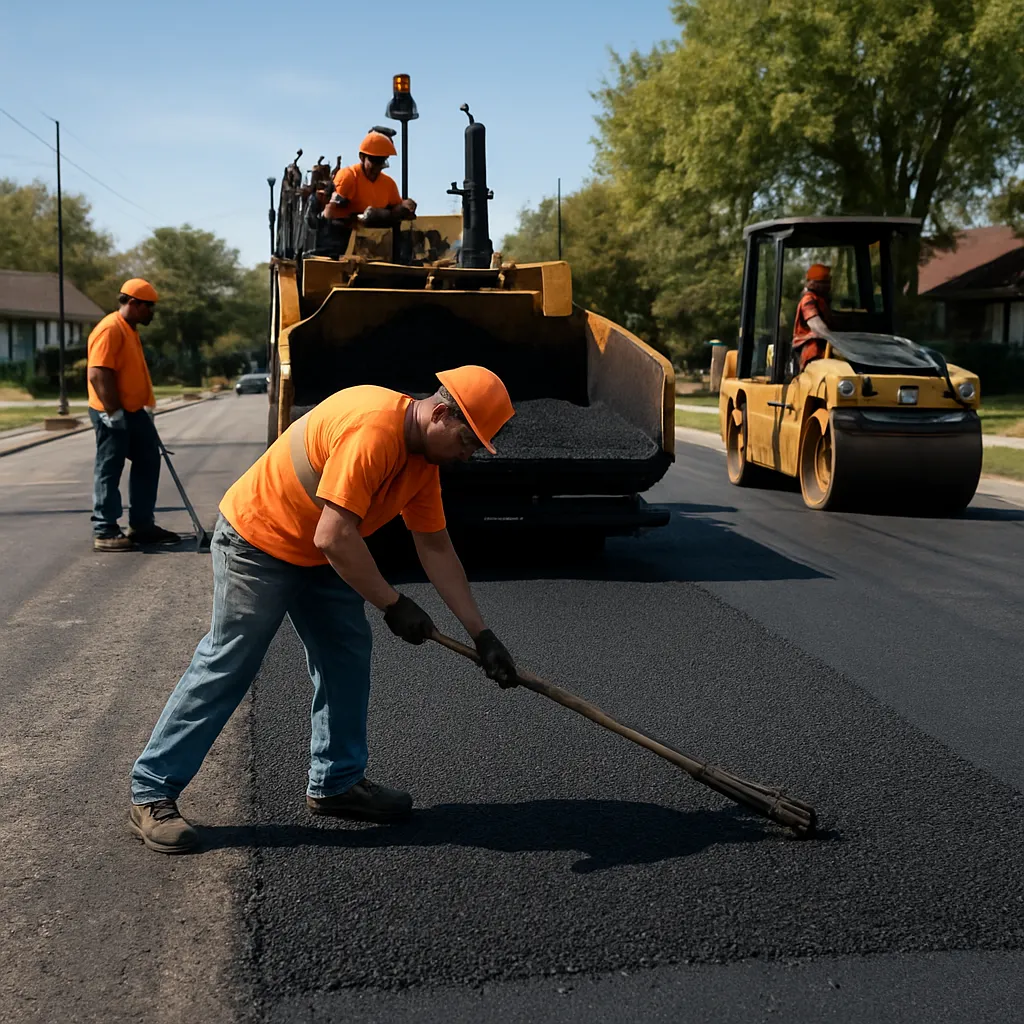
A city makes new asphalt for its streets from crude oil. Workers also grind up old pavement and mix it into the new asphalt. How does this reuse affect the resource?
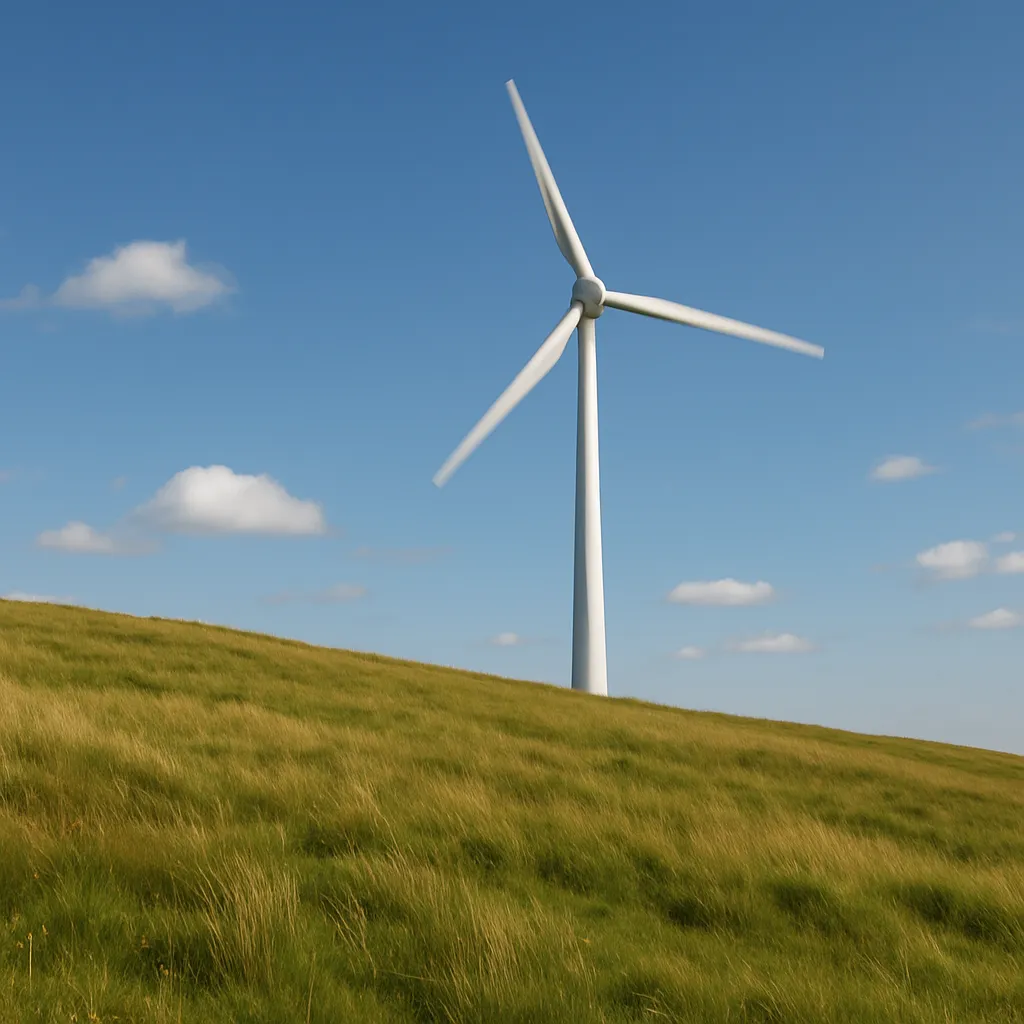
A home uses a small wind turbine on a hill where winds blow most afternoons. How should wind energy be classified?
A forest is logged for wood pellets, then replanted. Trees need 30 years to mature. What condition keeps this fuel renewable?
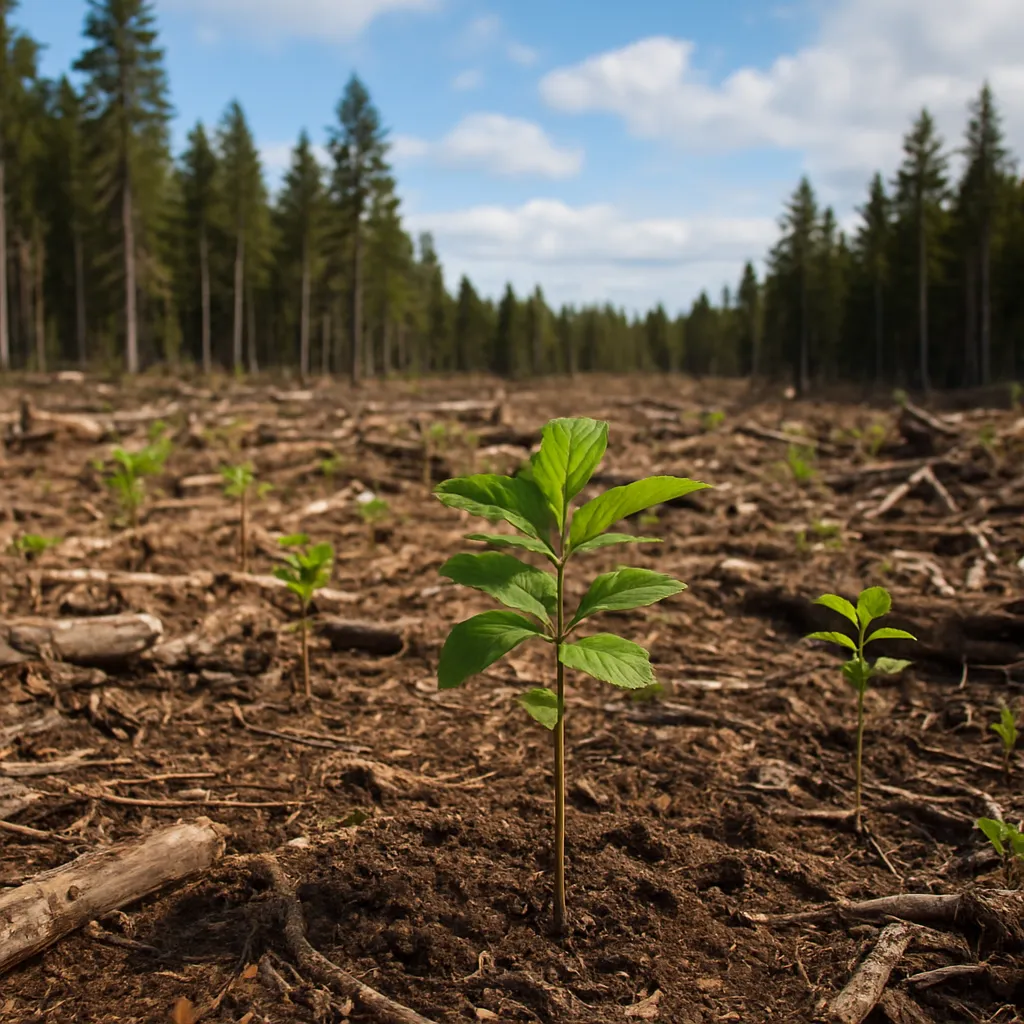
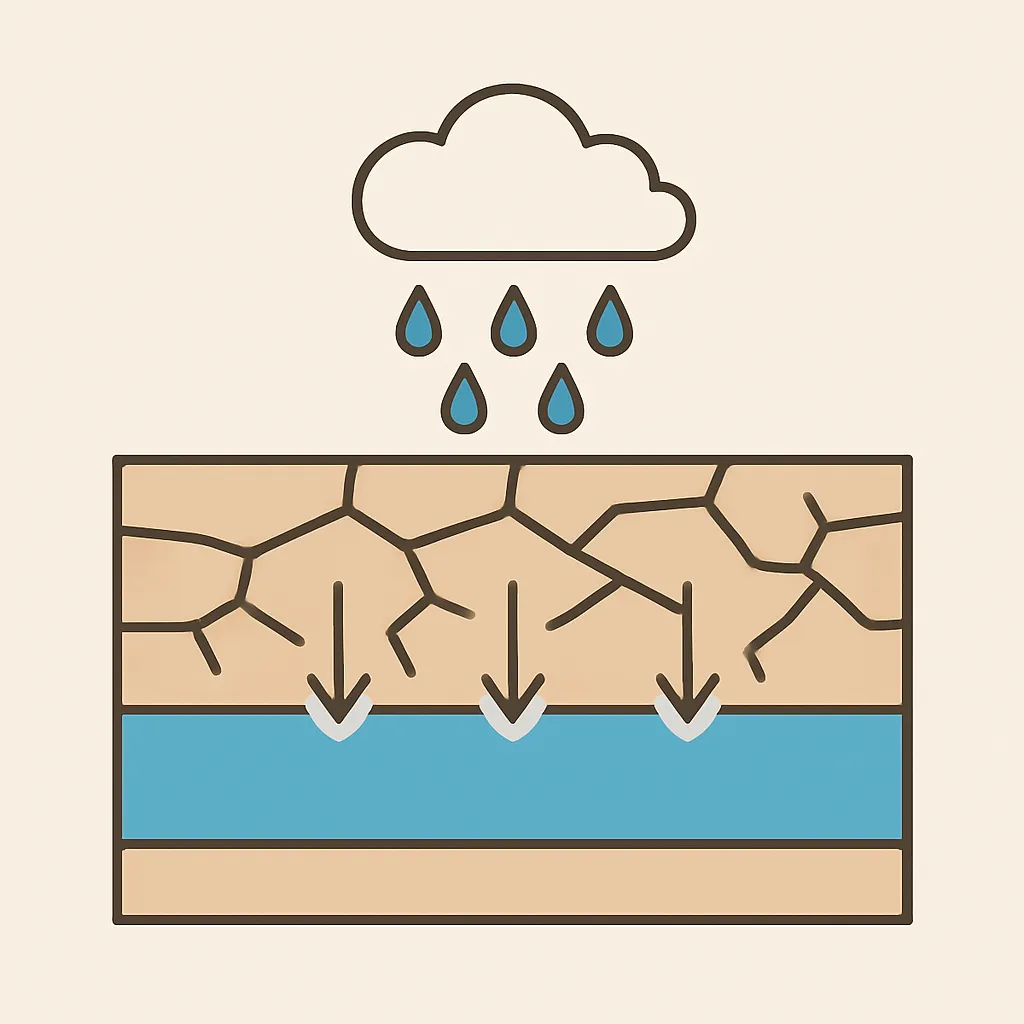
An aquifer refills when rainwater soaks through soil into underground rock spaces. Which change on the land above would most slow its refilling?
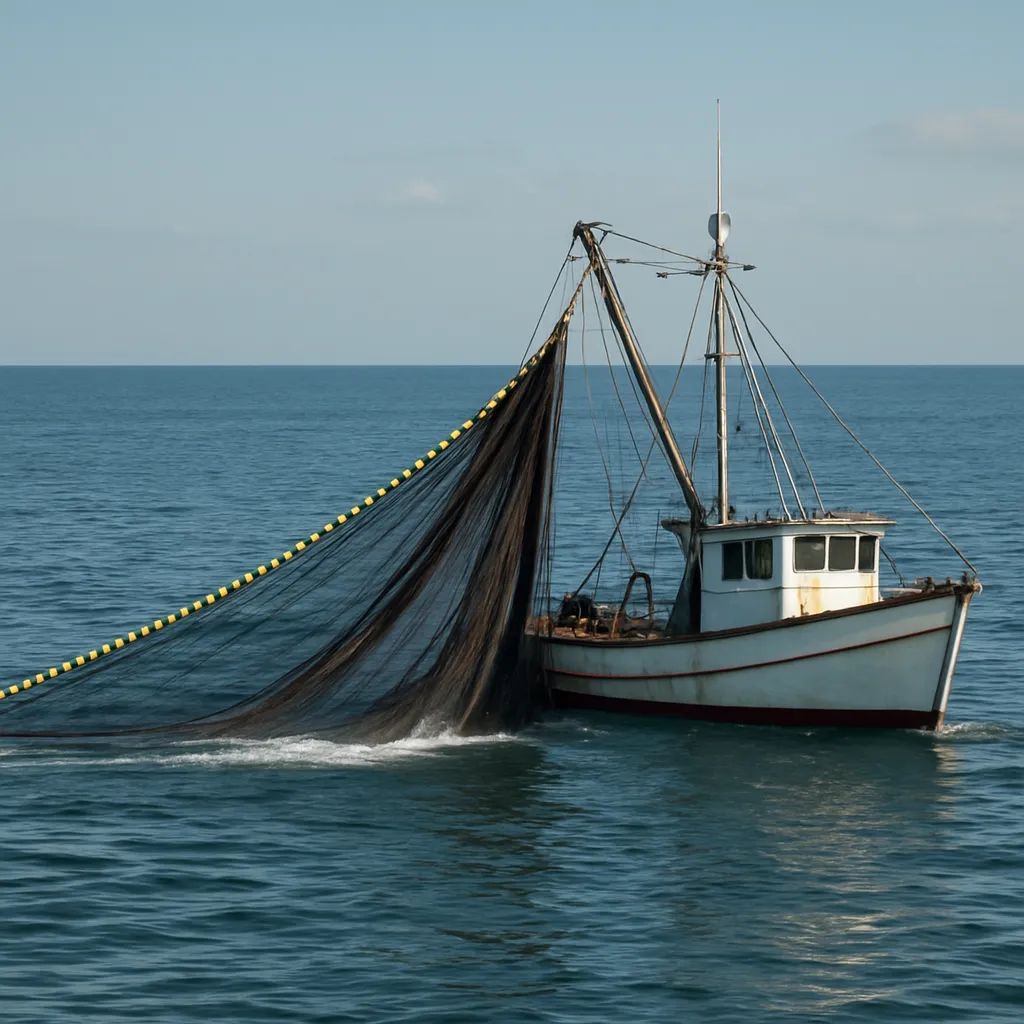
A fishery removes adult fish each season, and young fish need time to grow and reproduce. What keeps the fish population renewable?
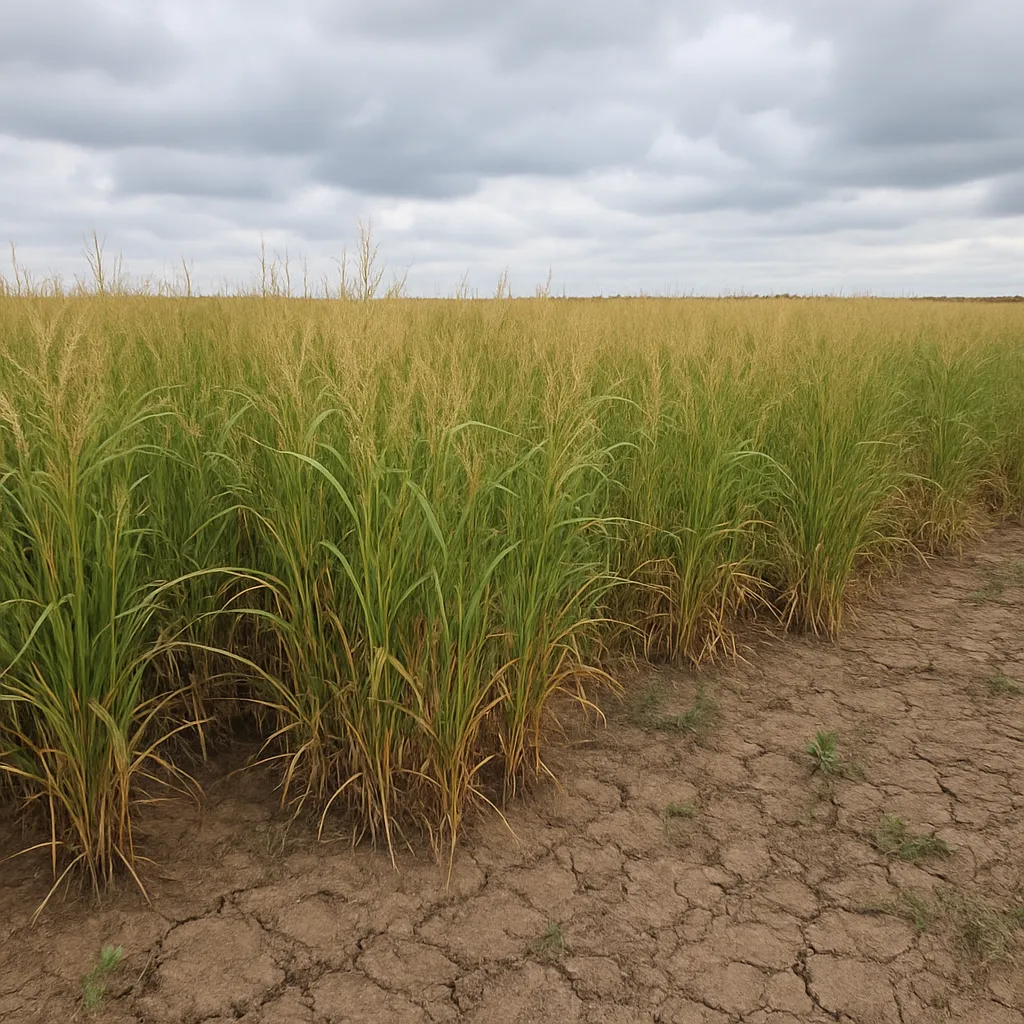
A biofuel company plants switchgrass every spring to make fuel. What best describes how this fuel is replaced and what can limit it?
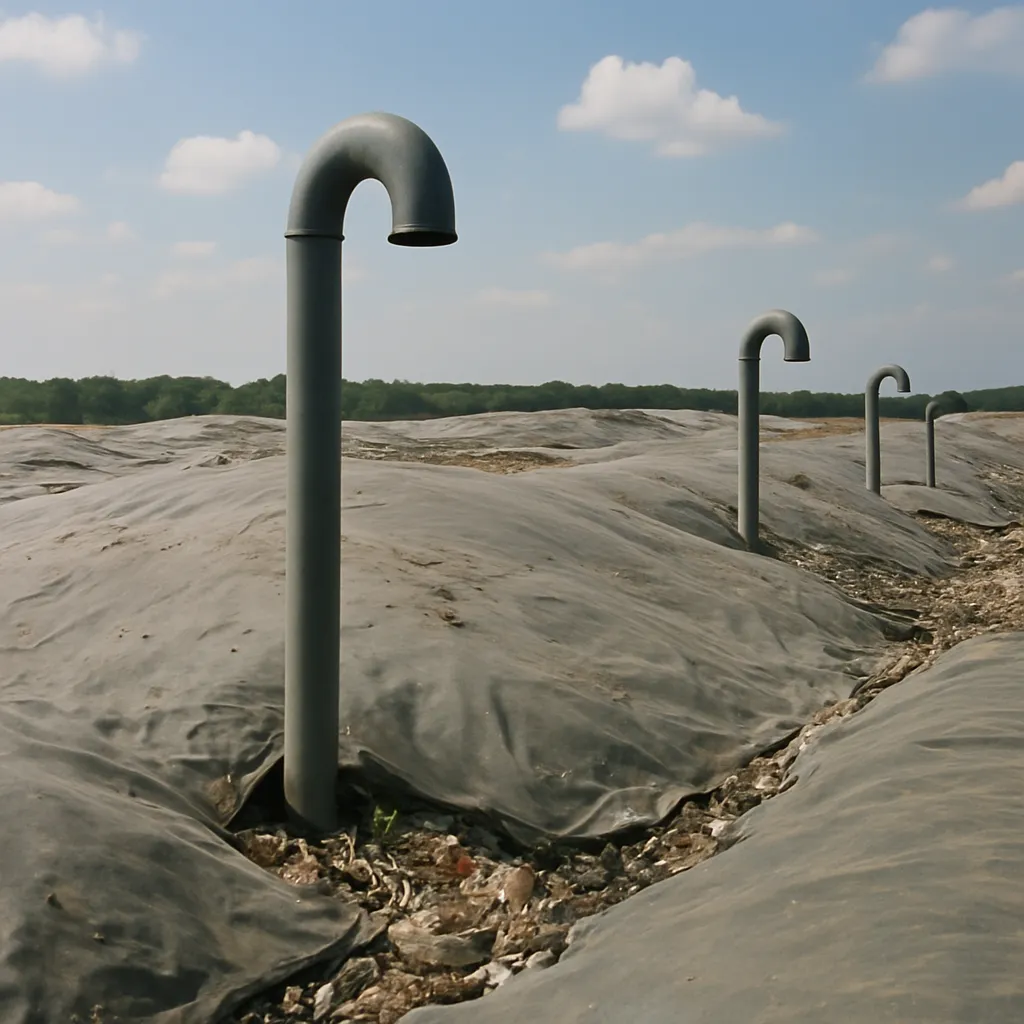
A landfill captures methane made as food scraps decay without oxygen. What process replaces this fuel source, and what limits it?
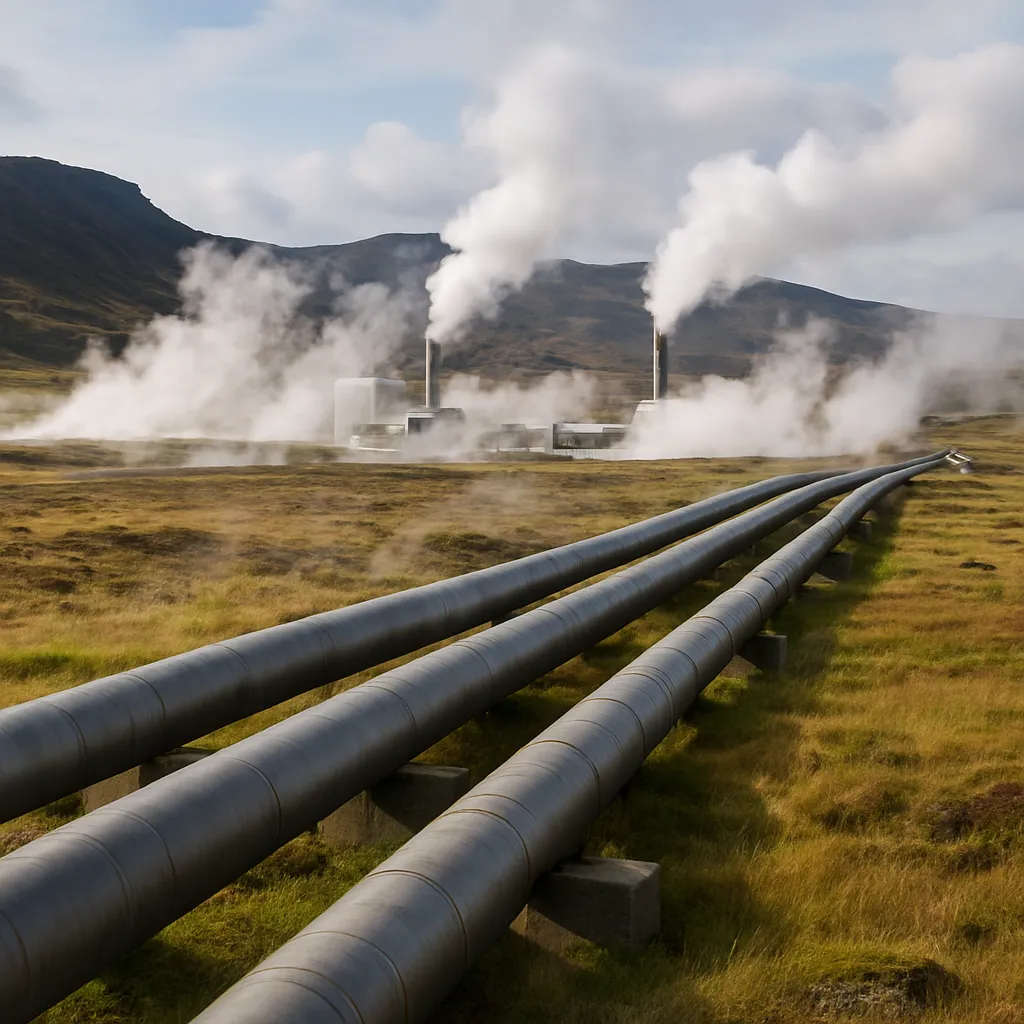
A geothermal plant returns cooled water underground, but the reservoir cools if heat is removed too quickly. What limit matters most?
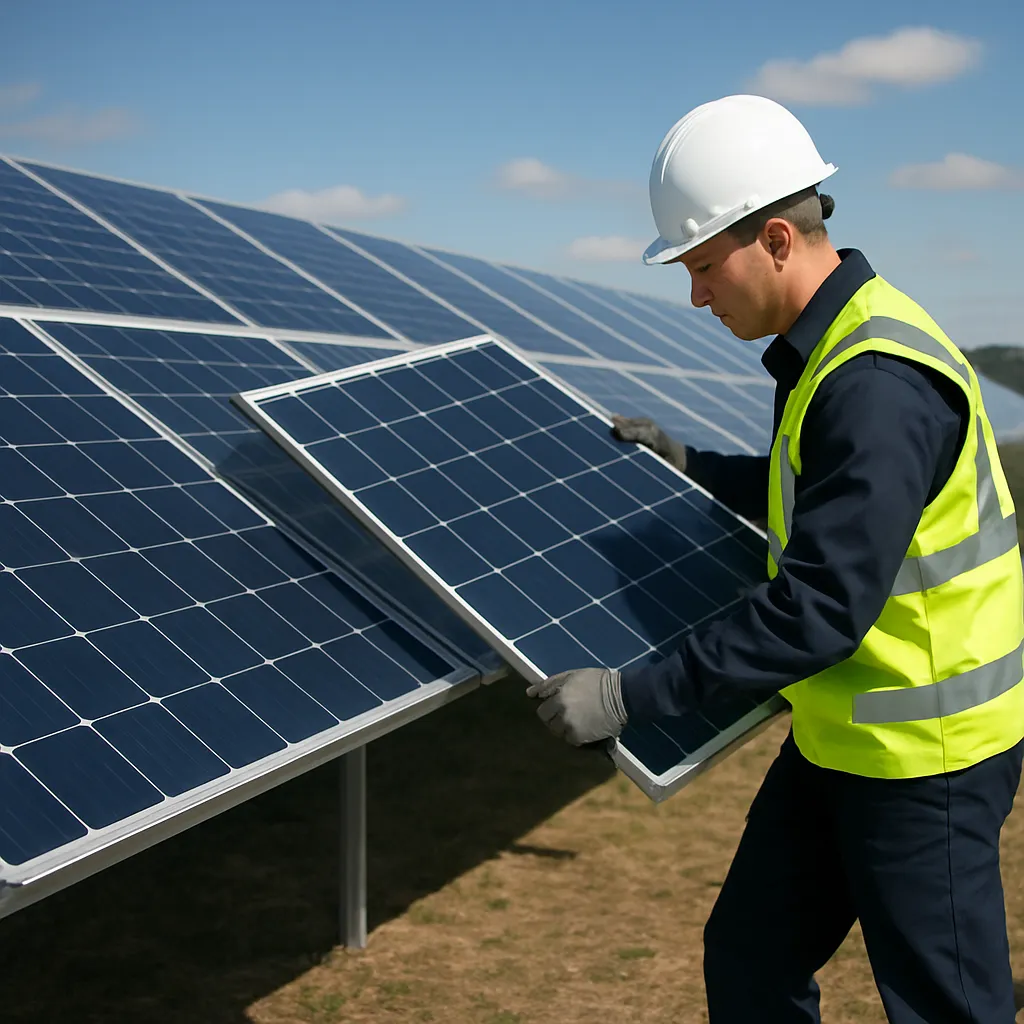
A solar farm replaces broken panels after 25 years, while sunlight arrives daily. What part is renewable, and what part is a practical limit?
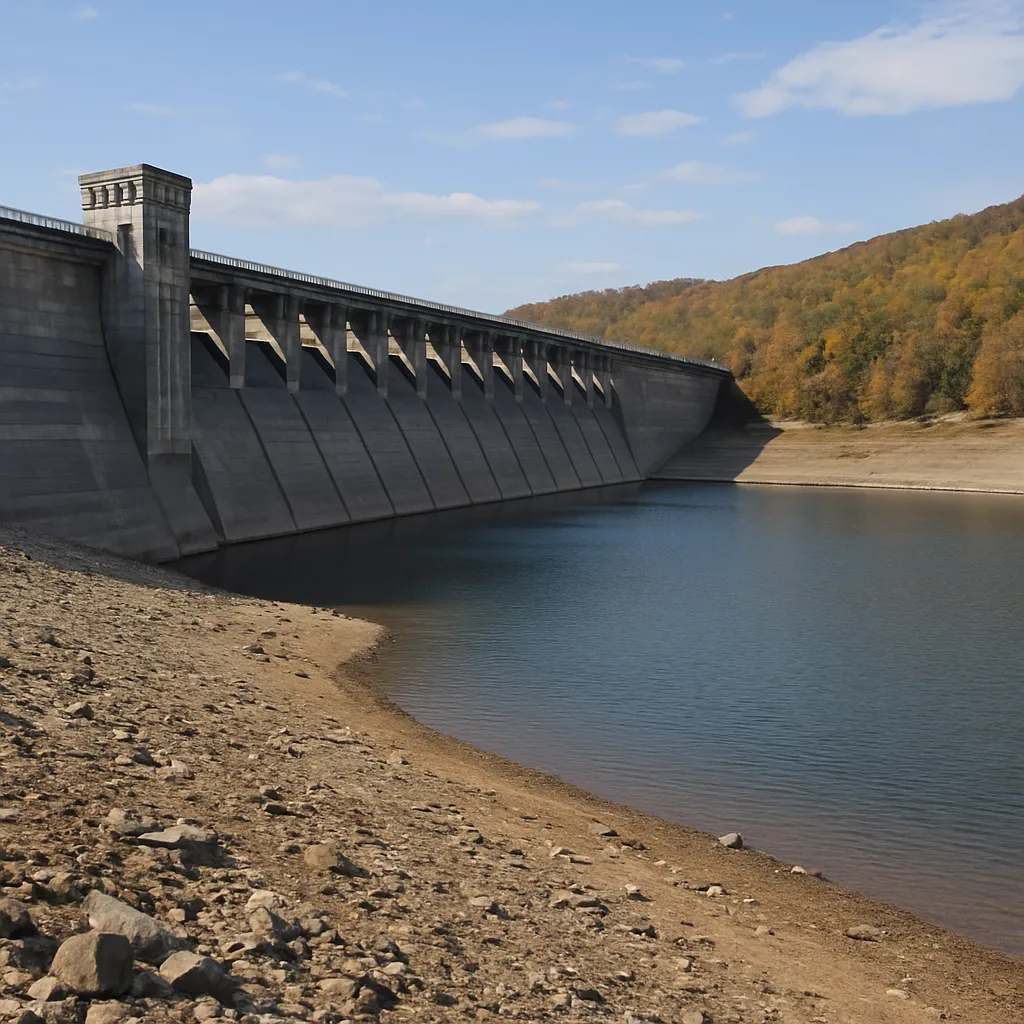
A reservoir behind a dam refills during wet seasons but drops during drought years. What controls whether hydropower can continue?
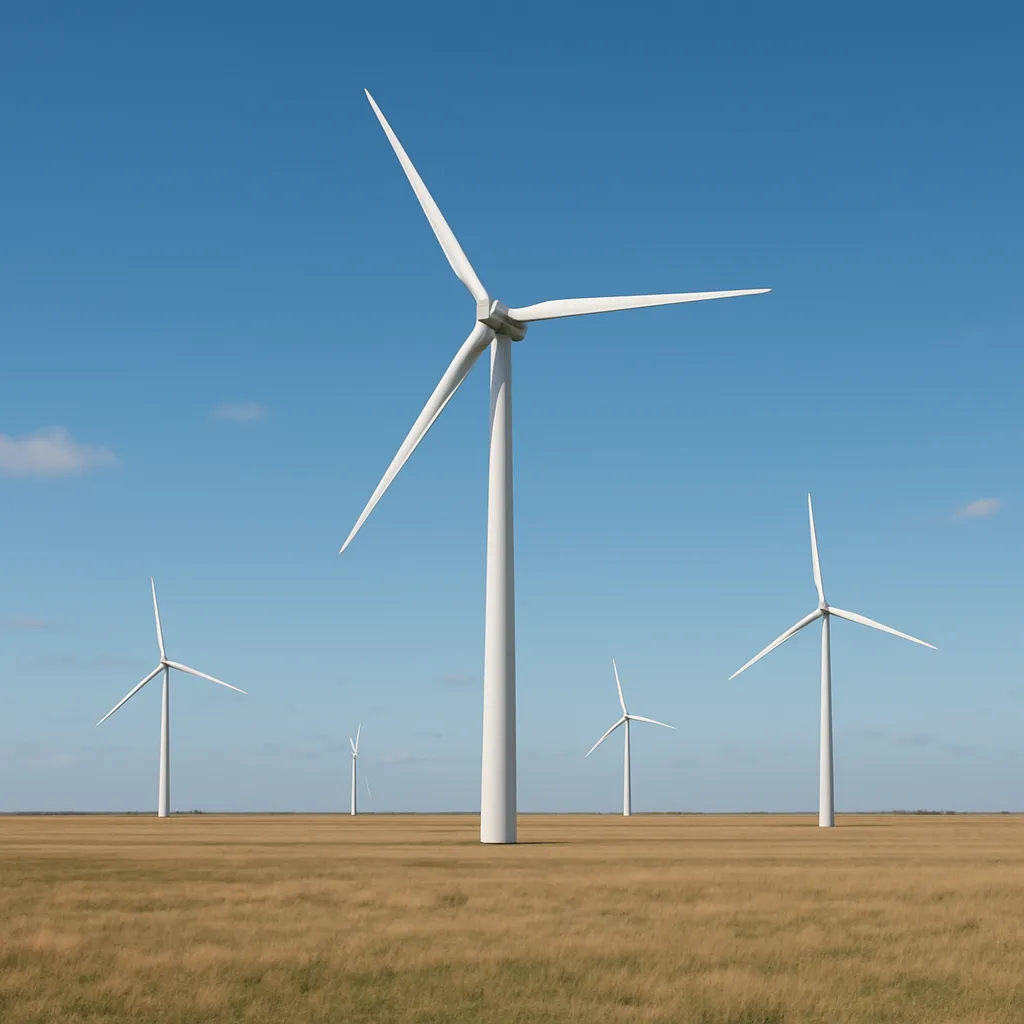
A windy plain could host turbines that make electricity without burning fuel. What trade-off comes with wind power?
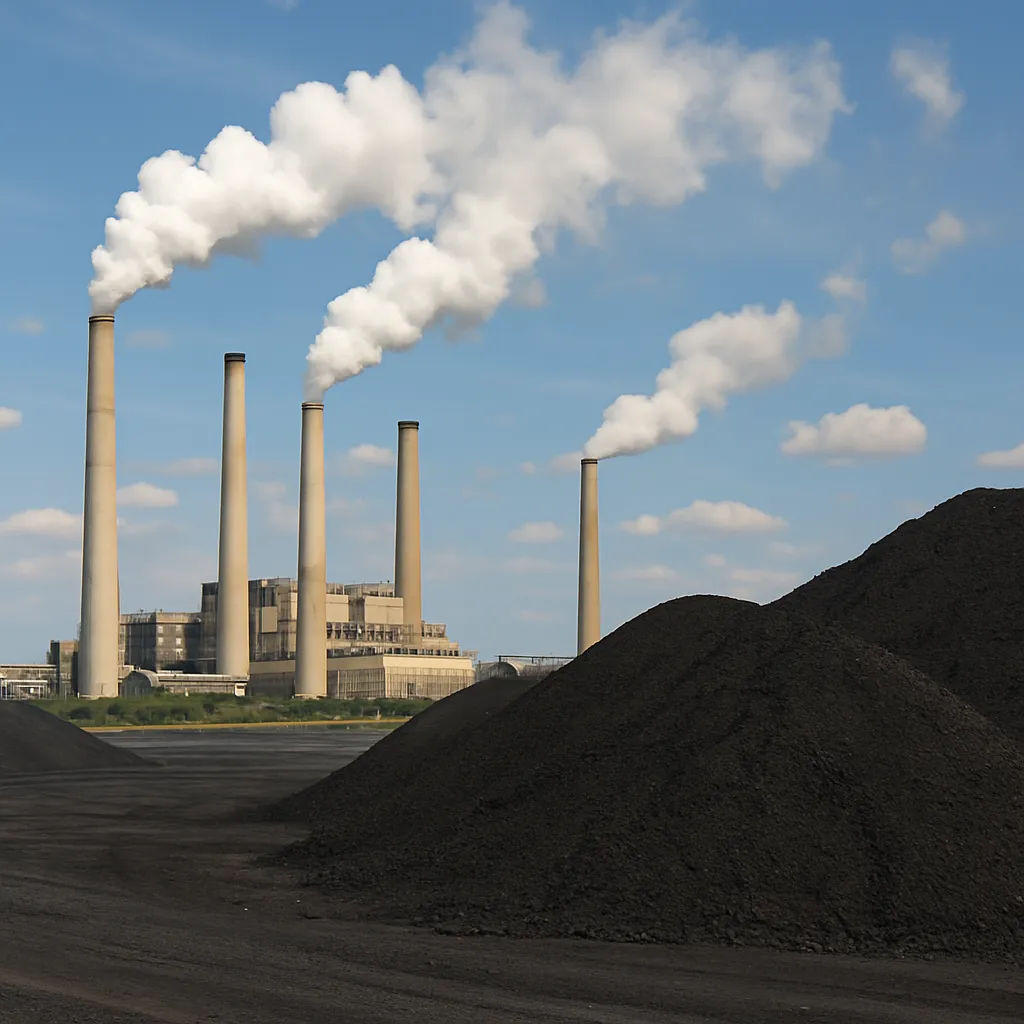
A coal plant can run day and night in any weather. What trade-off comes with making electricity from coal?
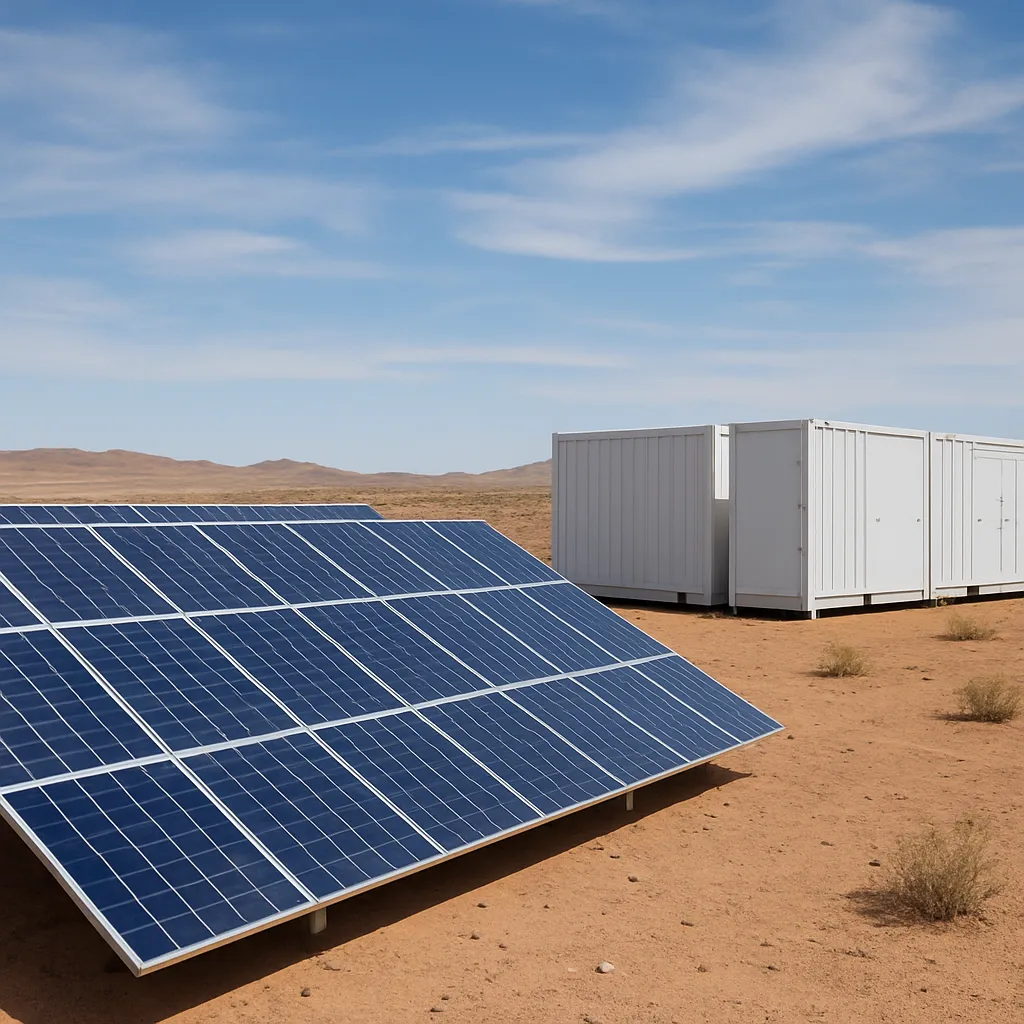
A desert town considers solar panels so it can make electricity without fuel deliveries. What trade-off comes with solar power?
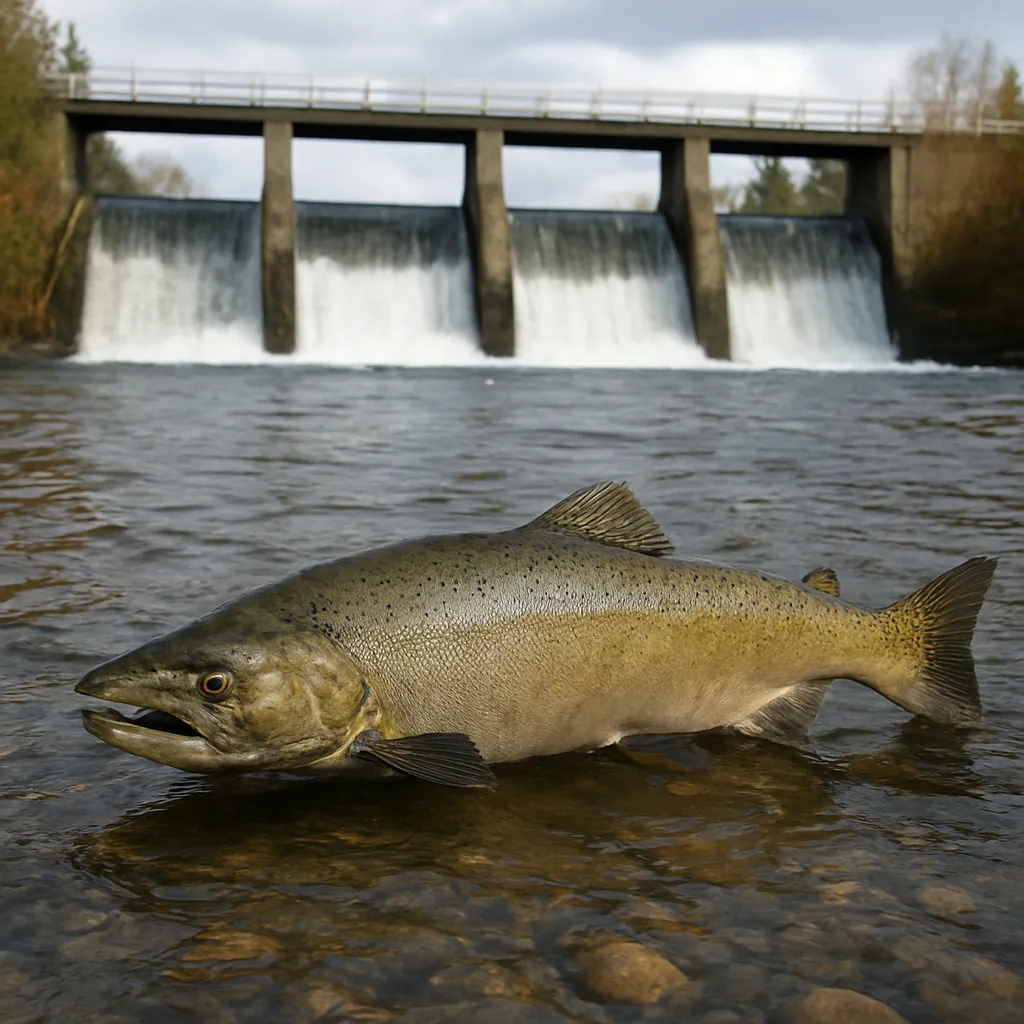
A river dam generates electricity without burning fuel. What trade-off often comes with hydroelectric dams?
A city can burn natural gas instead of coal to make electricity. What trade-off comes with this switch?
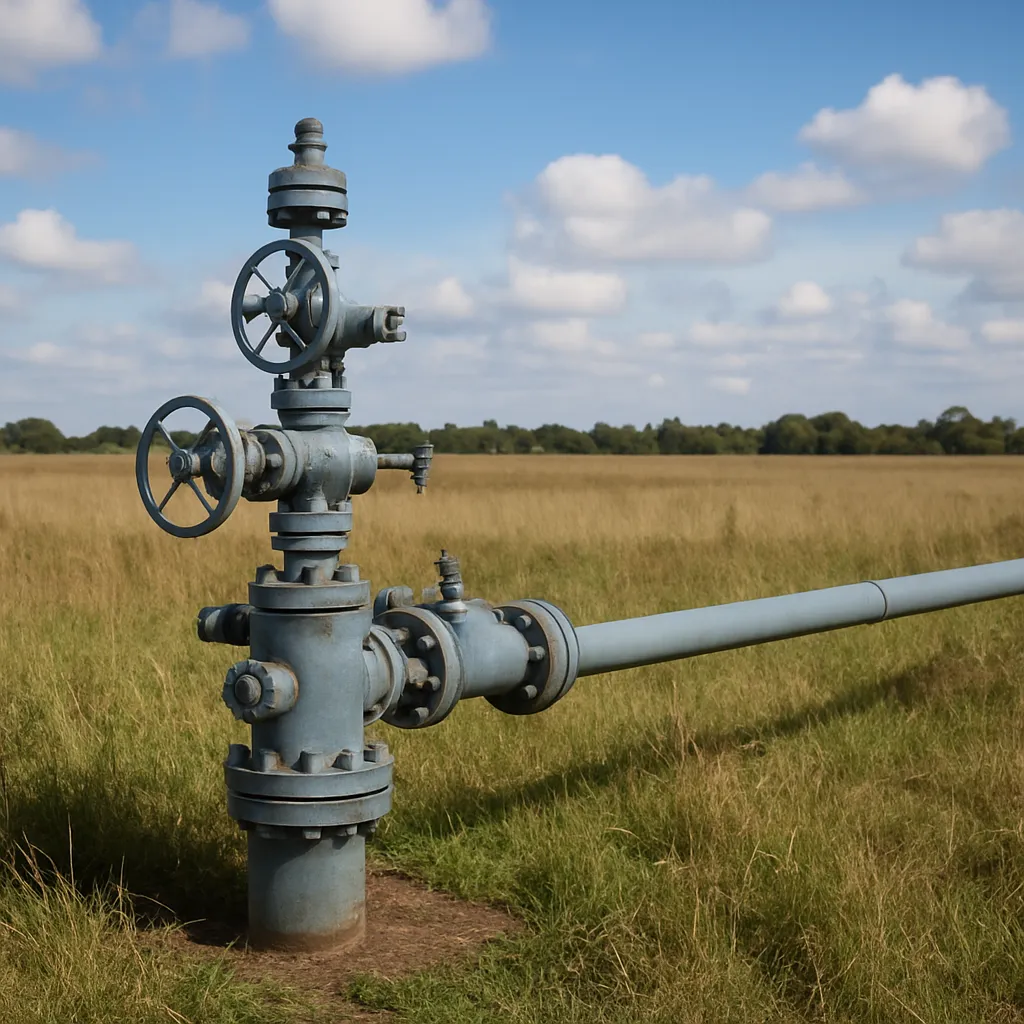
A farm grows corn to make ethanol that can replace some gasoline. What trade-off comes with corn ethanol?
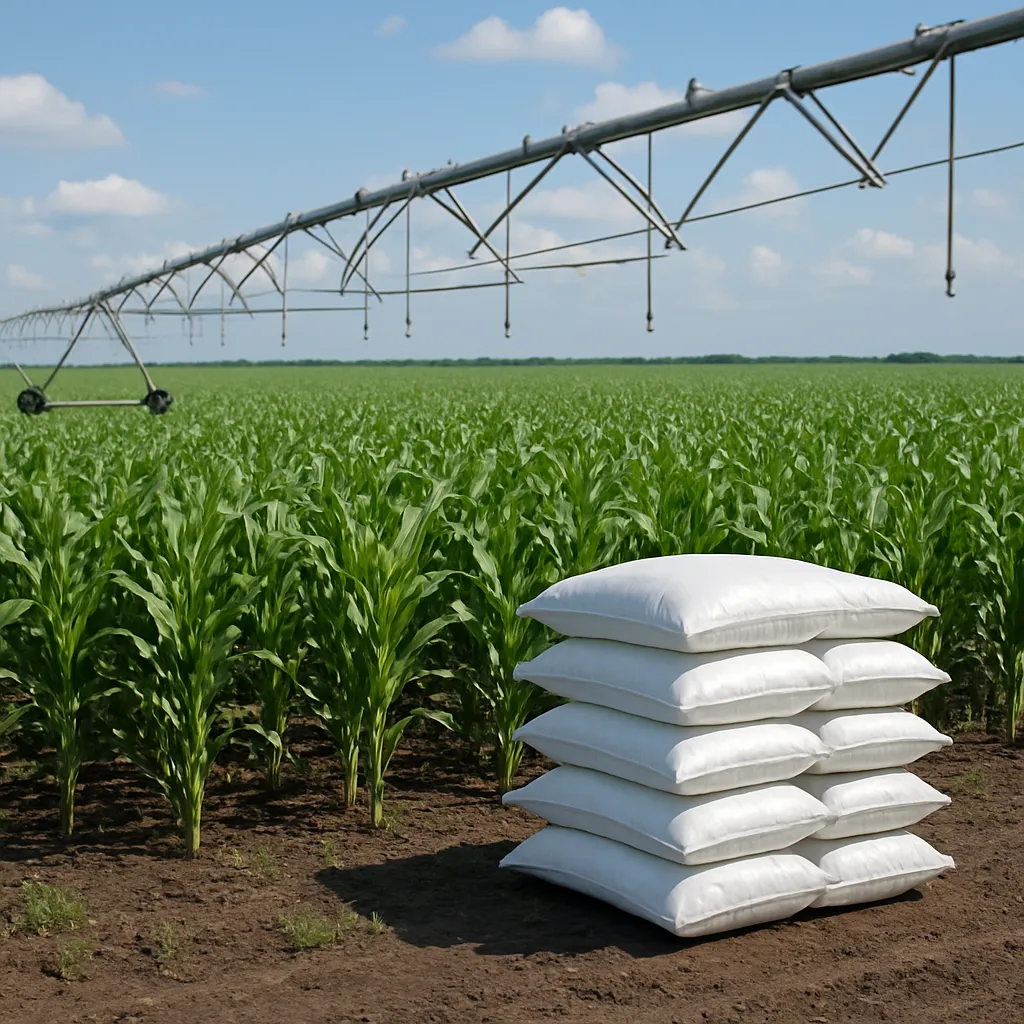
A homeowner installs a ground-source heat pump that uses steady underground temperatures. What trade-off usually comes with it?
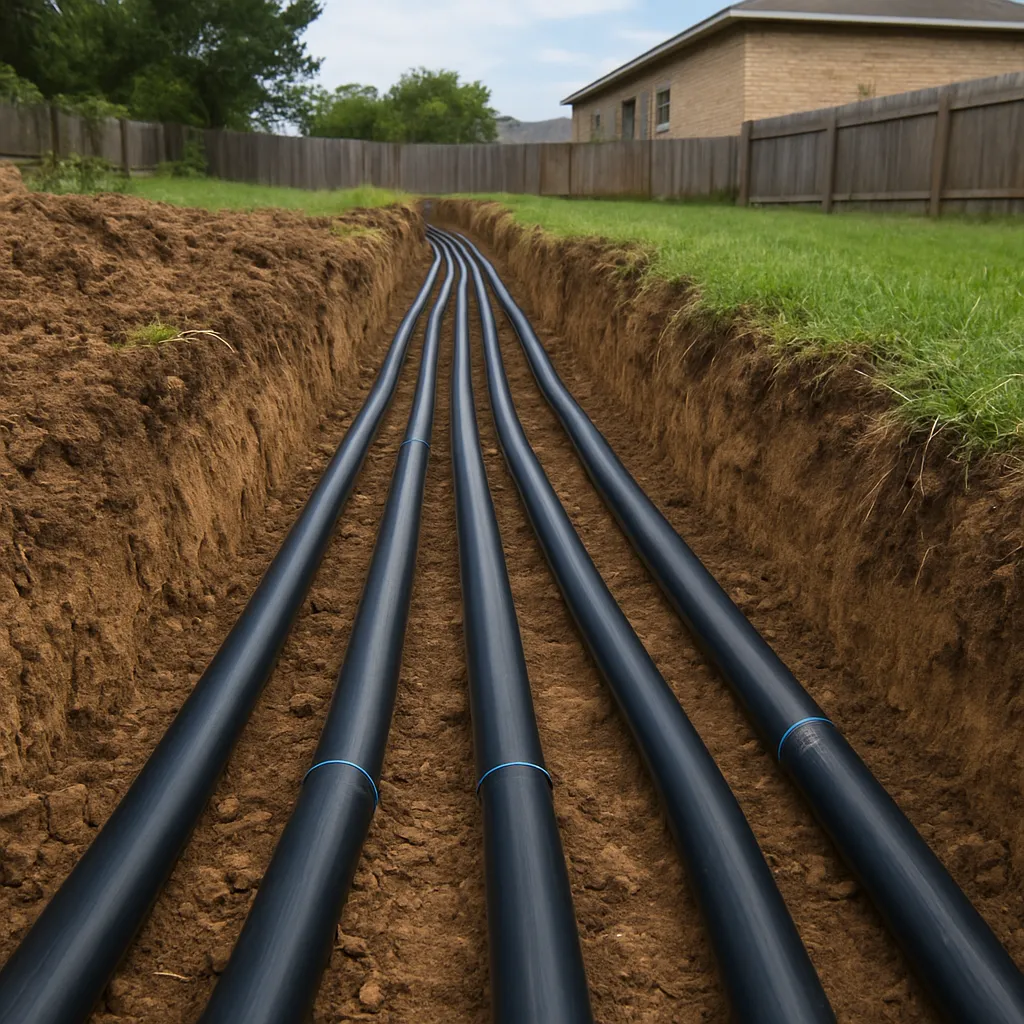
A town protects the forest around its water supply instead of building houses there. What trade-off does this decision create?
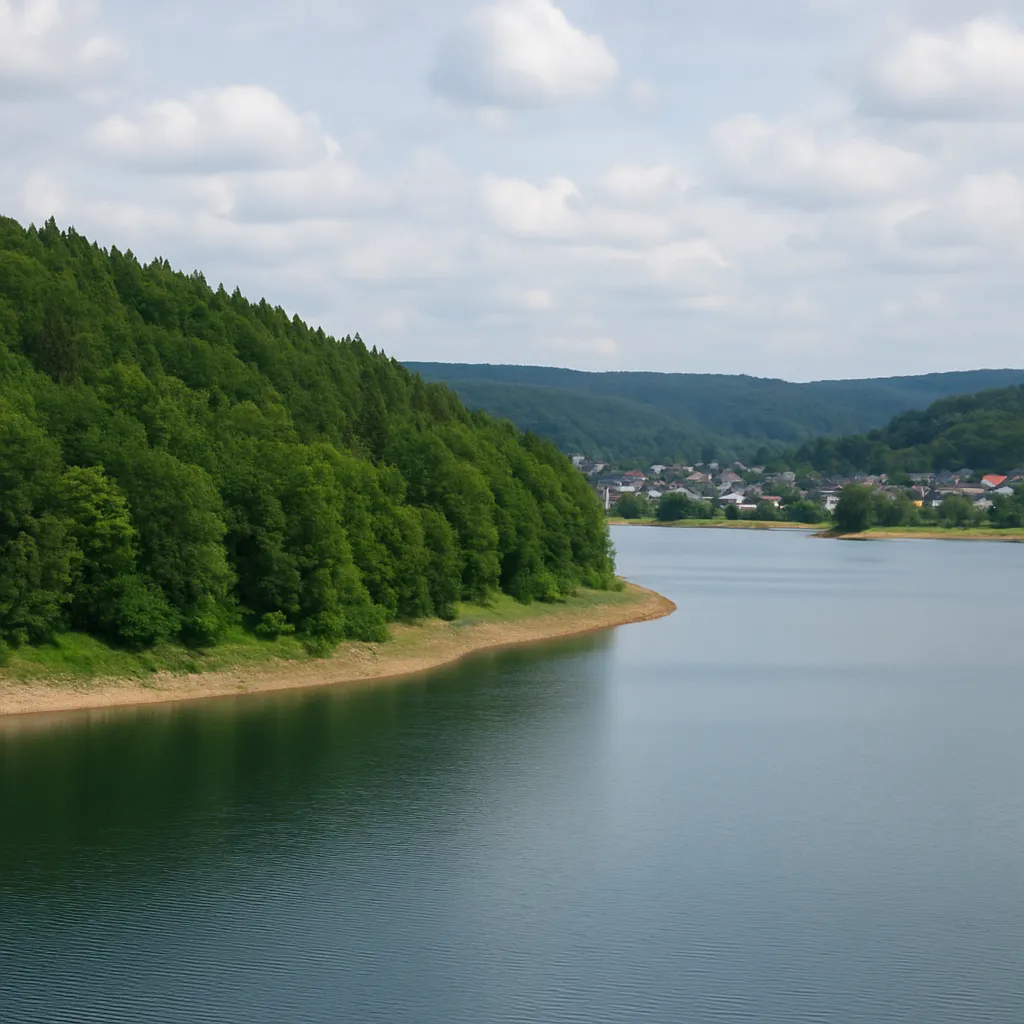
A company recycles aluminum cans instead of making new cans from ore. What trade-off comes with recycling?
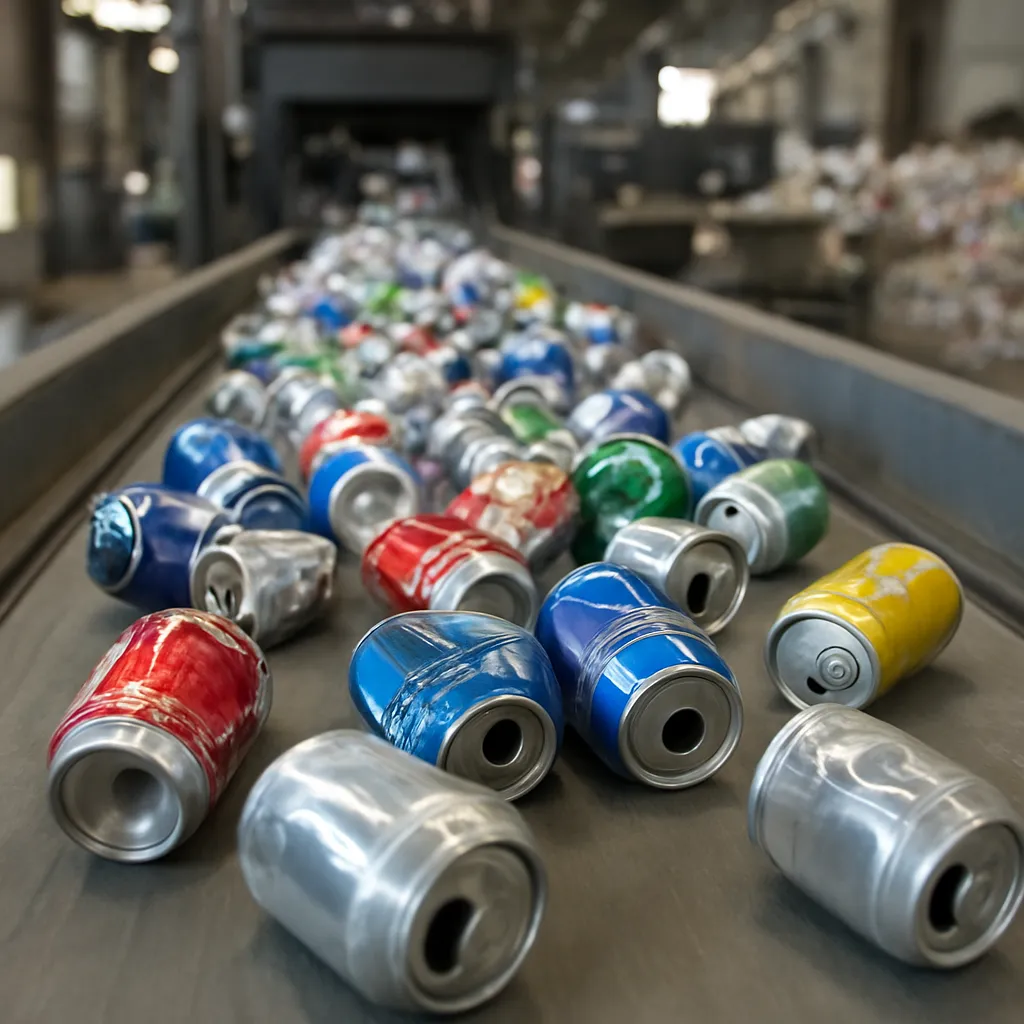
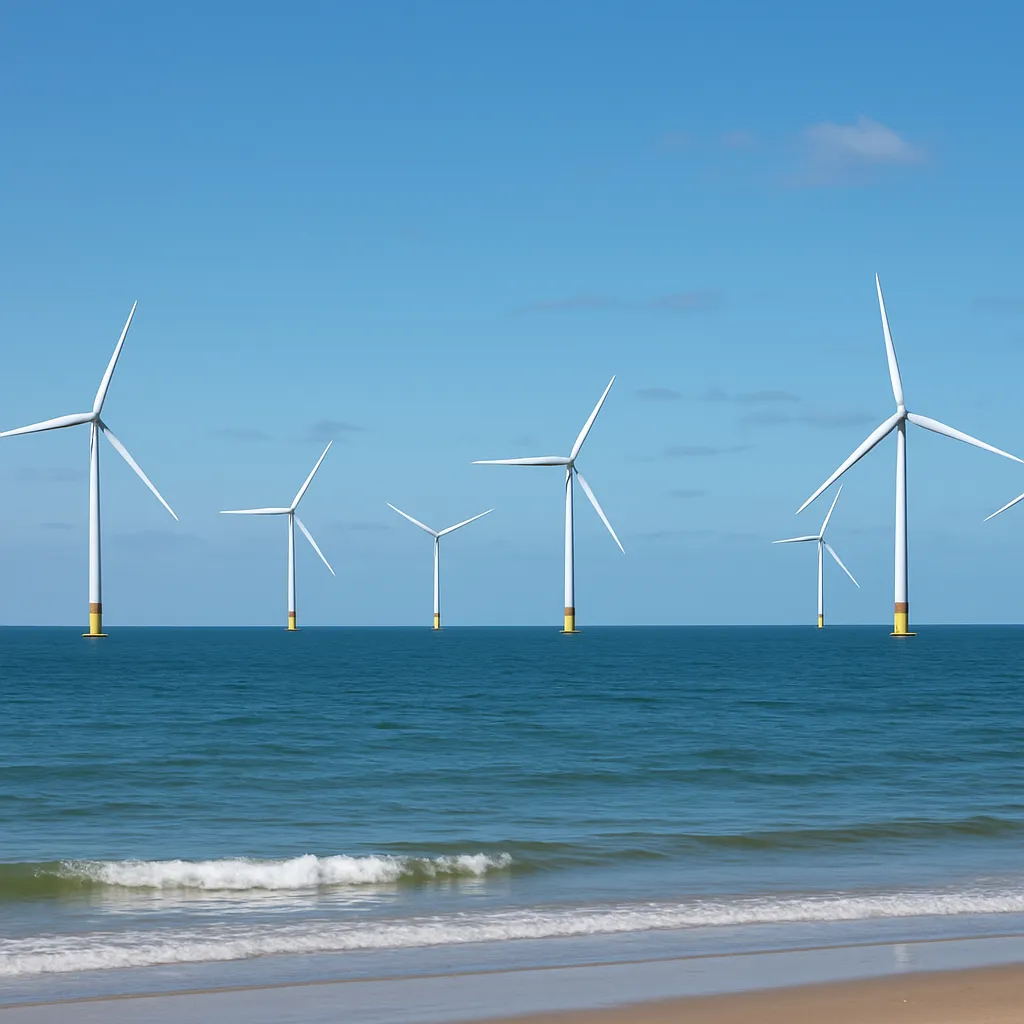
An offshore wind project will make electricity without burning fuel. What trade-off could come with building it at sea?
A school lowers electricity use by installing efficient lights. The lights cost money now but reduce power demand for years. What resource decision is this?

A table shows a gas field's stored gas over years of continued extraction. What claim is best supported by the data?
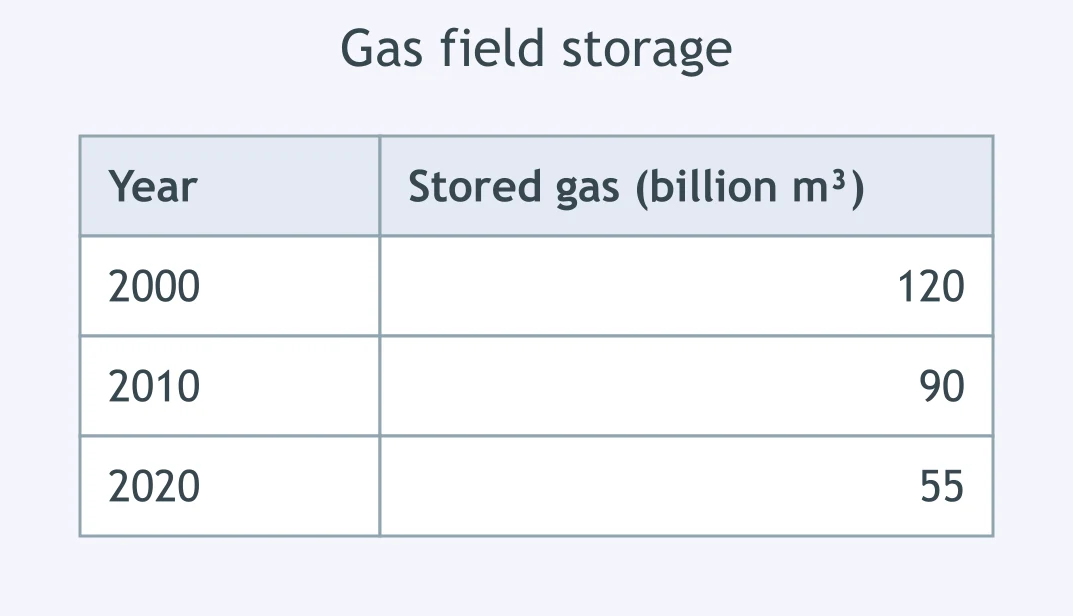
Look at the line graph of groundwater level in an aquifer during heavy pumping. What resource claim does the trend support?
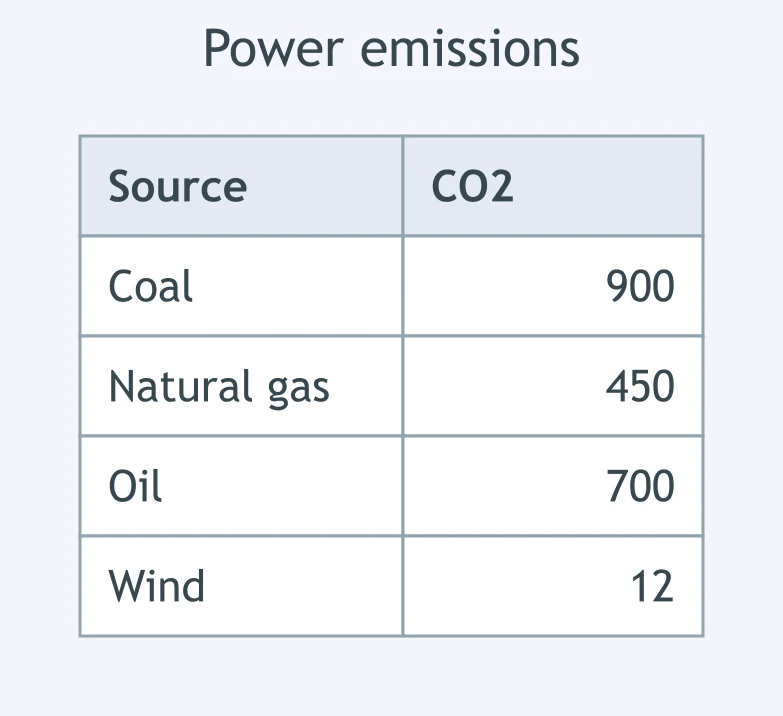
A table compares electricity sources for one town. Which source has the lowest carbon dioxide emissions per kilowatt-hour in the data?
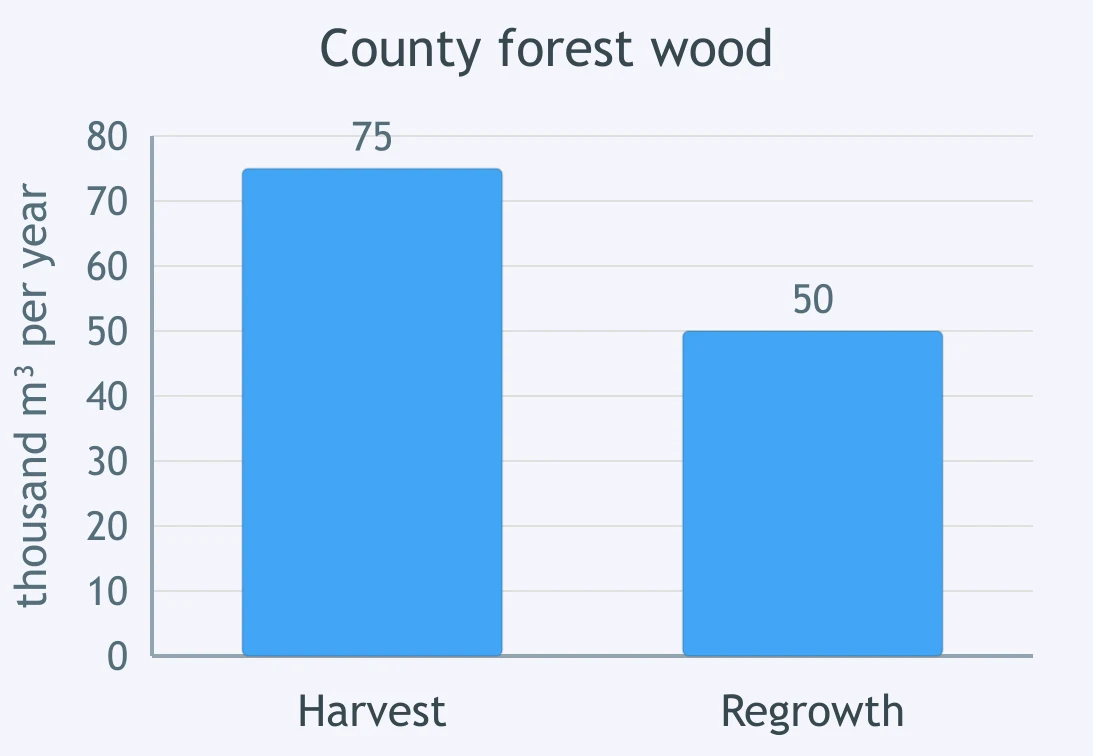
A bar graph shows yearly wood harvest and forest regrowth in a county. What claim does the graph support?
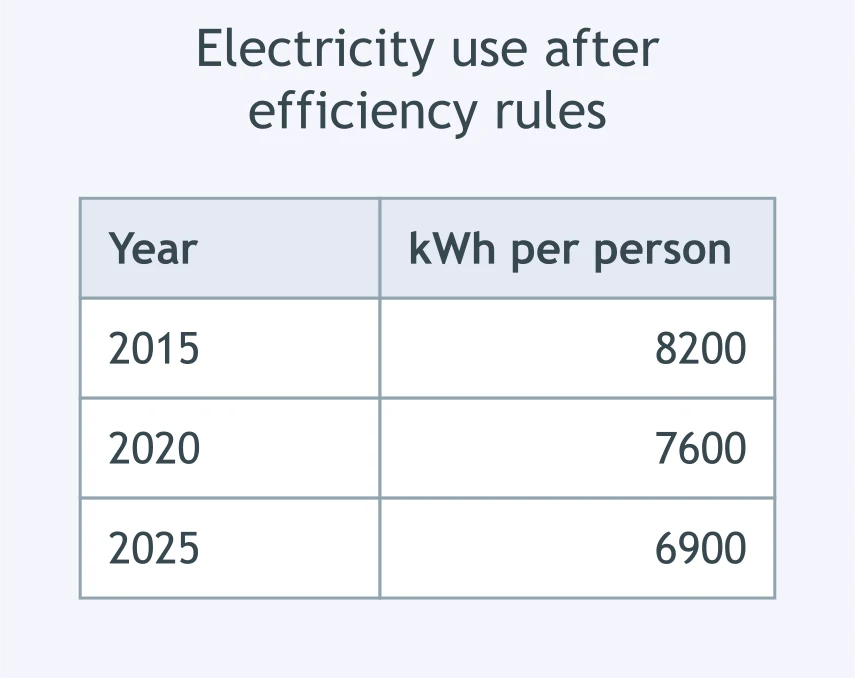
A table shows per-capita electricity use before and after efficiency rules. What conclusion is best supported?
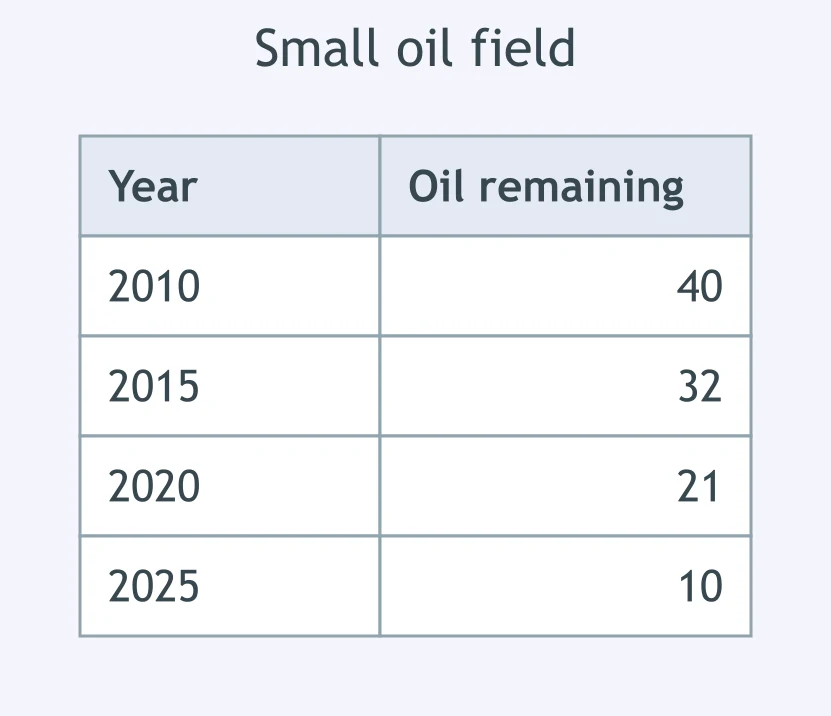
A table tracks oil remaining in a small field after yearly pumping. What does the data show about the oil resource?
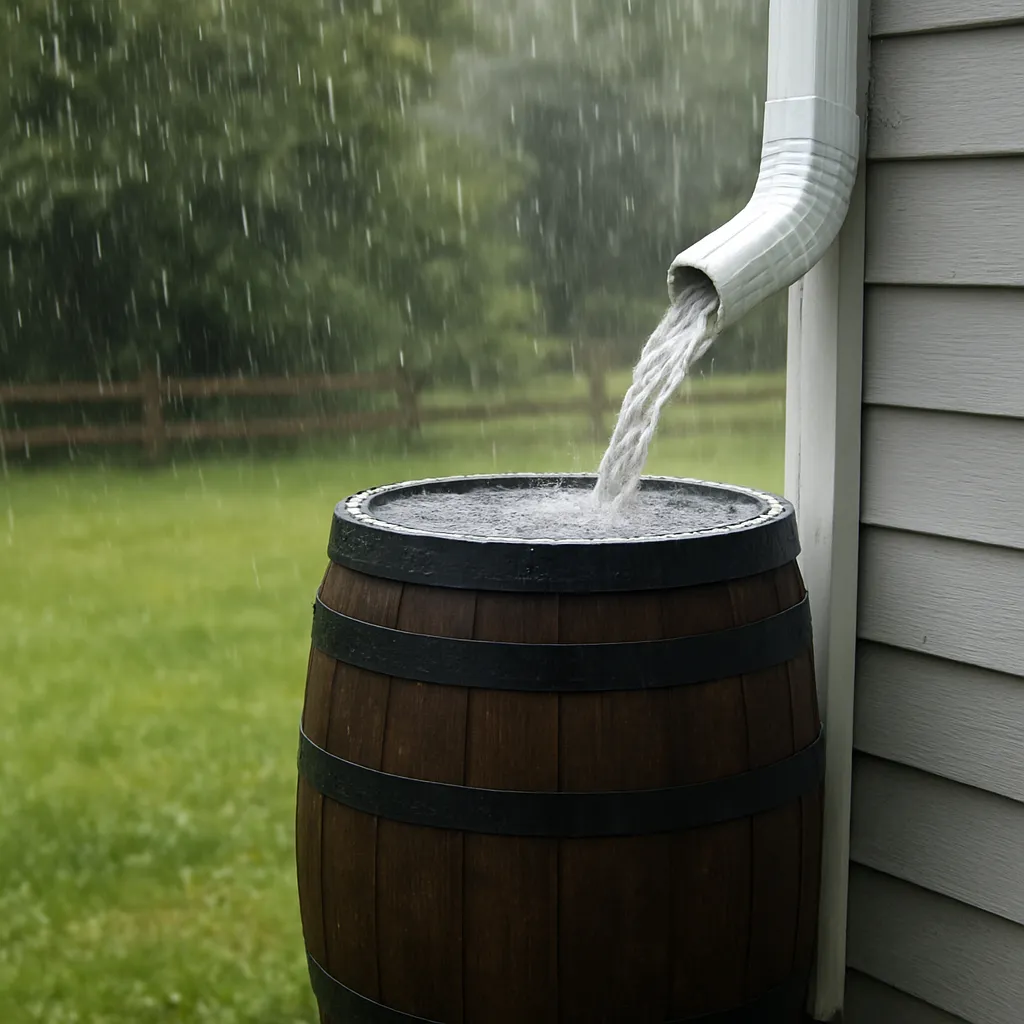
A family's roof collects rainwater in a tank each wet season. If they use it faster than storms refill it, what happens to the resource?
Crack the passcode before the zombies get in.
Answer, then swat bugs for bonus points.
Race through questions at your own speed.
Same question on every screen. Fastest wins.

Pick a tile, answer, hit bonuses and steals.
Human Impact on the Oceans
20 questions