Loading
by BlastRoom
European powers divided most of Africa through conference rules, conquest, and colonial rule.
#world_history
35 questions
One question set, multiple game modes. Tap any game to see it in action. Not sure which to pick?
Answer to place stones and capture territory.

Pick a tile, answer, hit bonuses and steals.

Battleship. Sink every enemy ship to win.
Pass the potato before the fuse runs out.
Buy low, sell high, before the news breaks.
Take the wages, or take the whole vault.
Answer, then shoot for the top corner
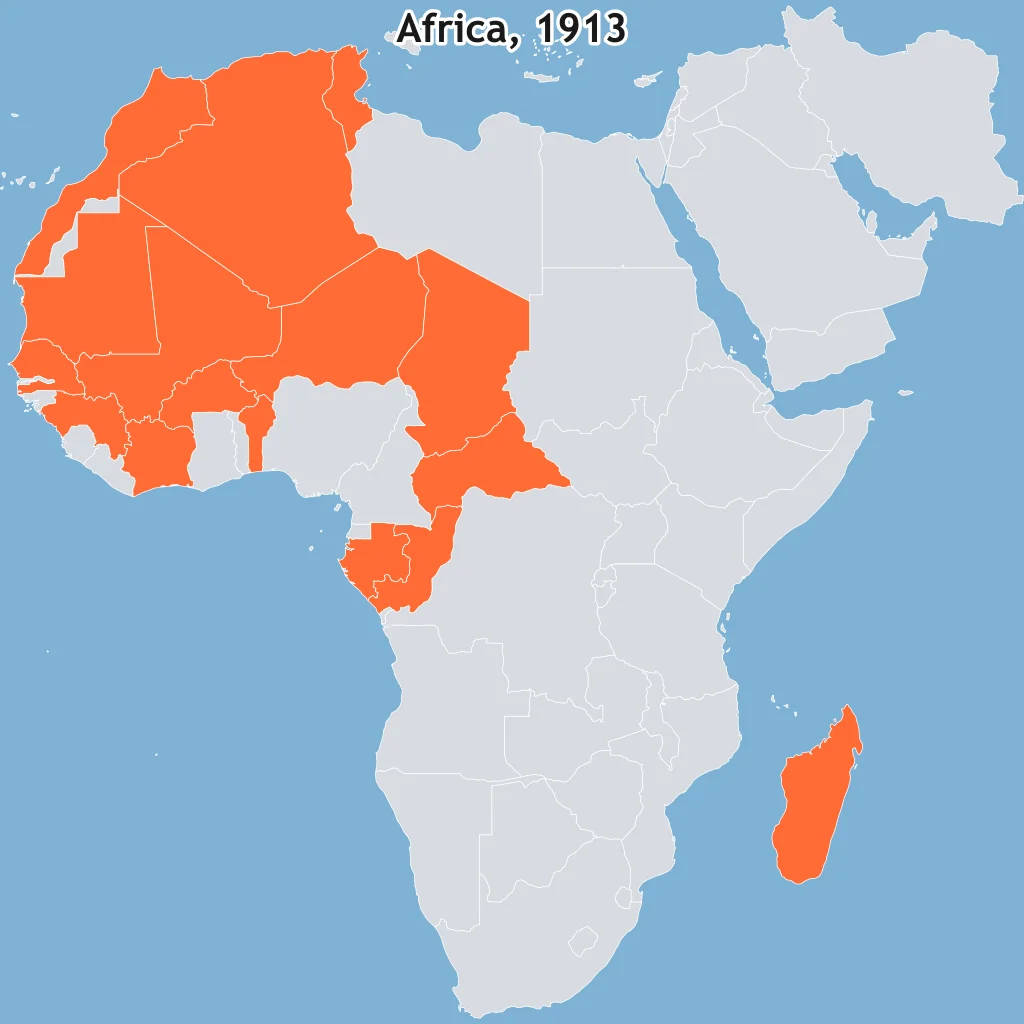
Use the map: one power's holdings form a broad belt across northwest Africa, another block north of the Congo basin, and Madagascar. Which power does the shading show?
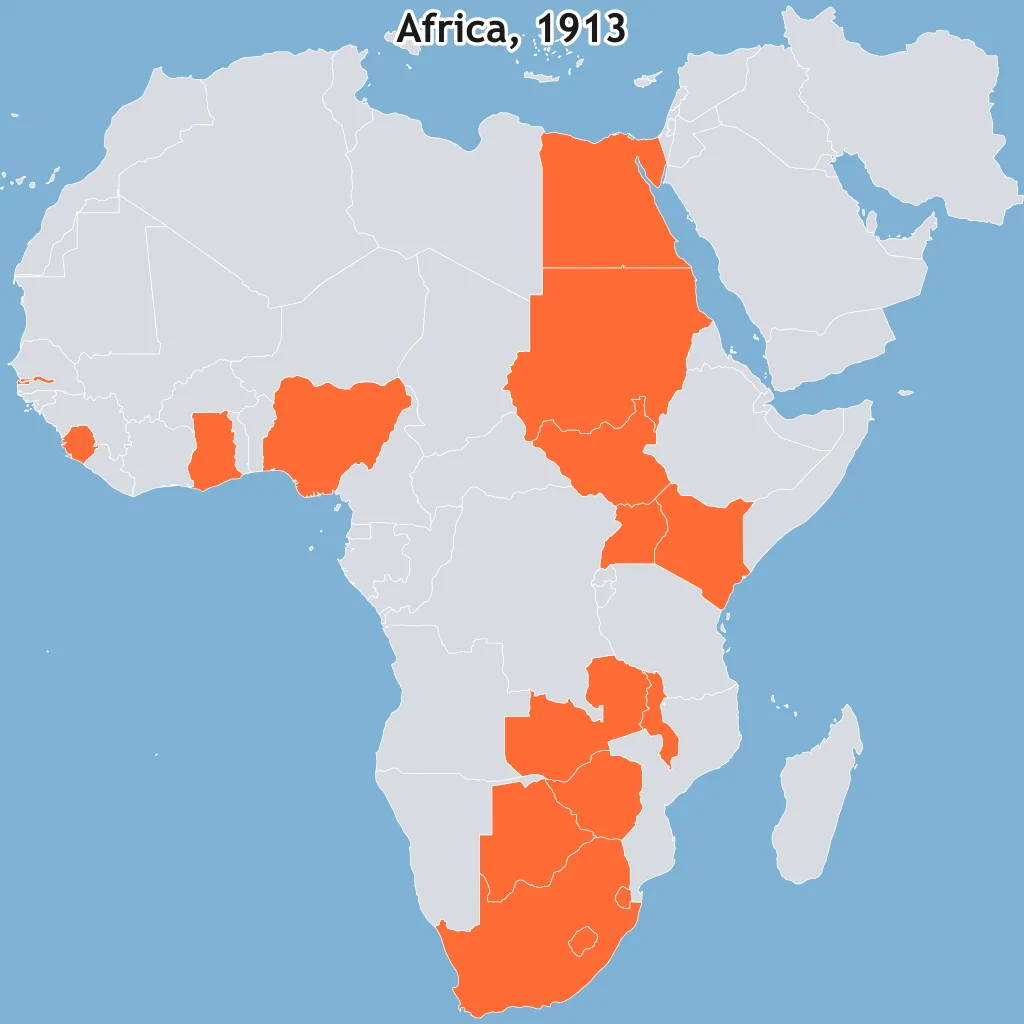
Read the map: shaded areas include Egypt and Sudan, an eastern corridor, southern Africa, and several west African coastal colonies. Which empire is shown?
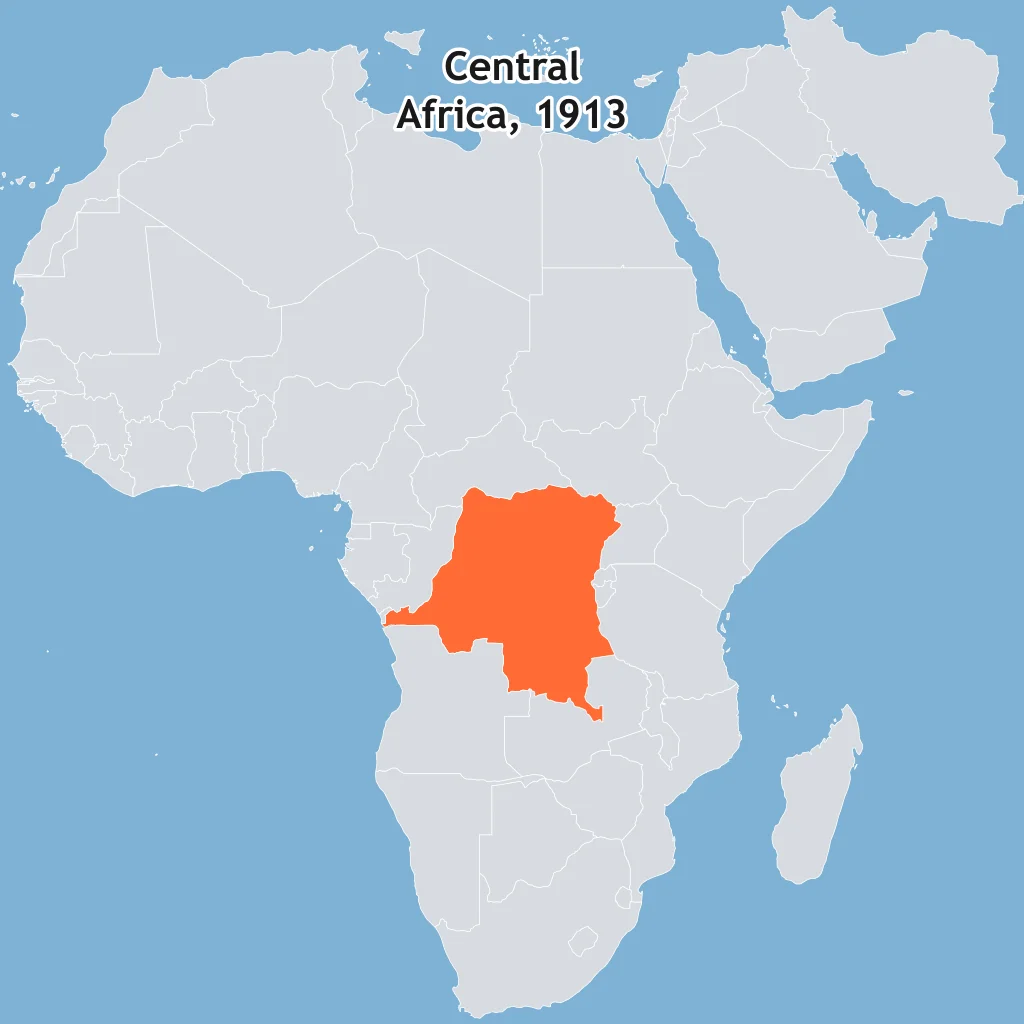
The map shades one large central territory around the Congo River basin, surrounded by other powers' holdings. Which European power controlled it by 1913?
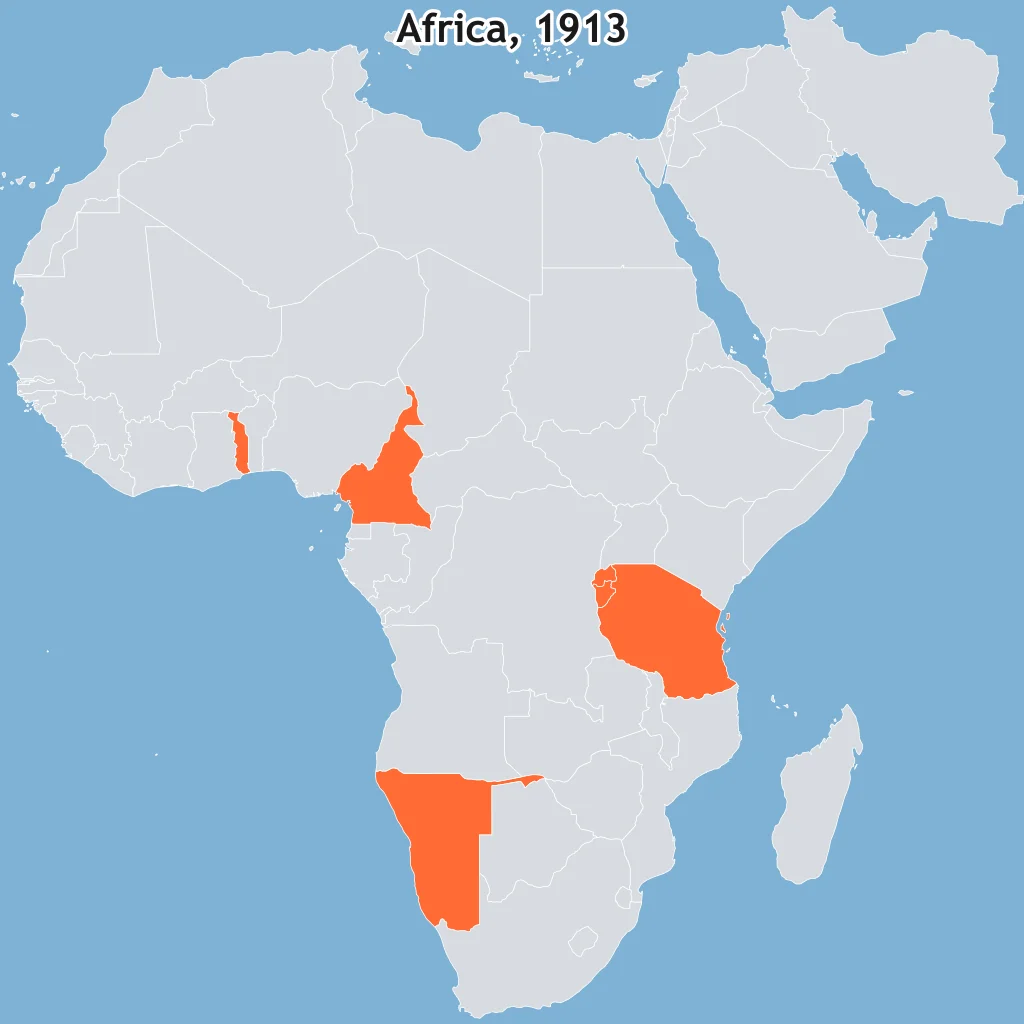
The map shows four scattered holdings: two west African colonies, a southwest African block, and a large east African block. Which power held them?
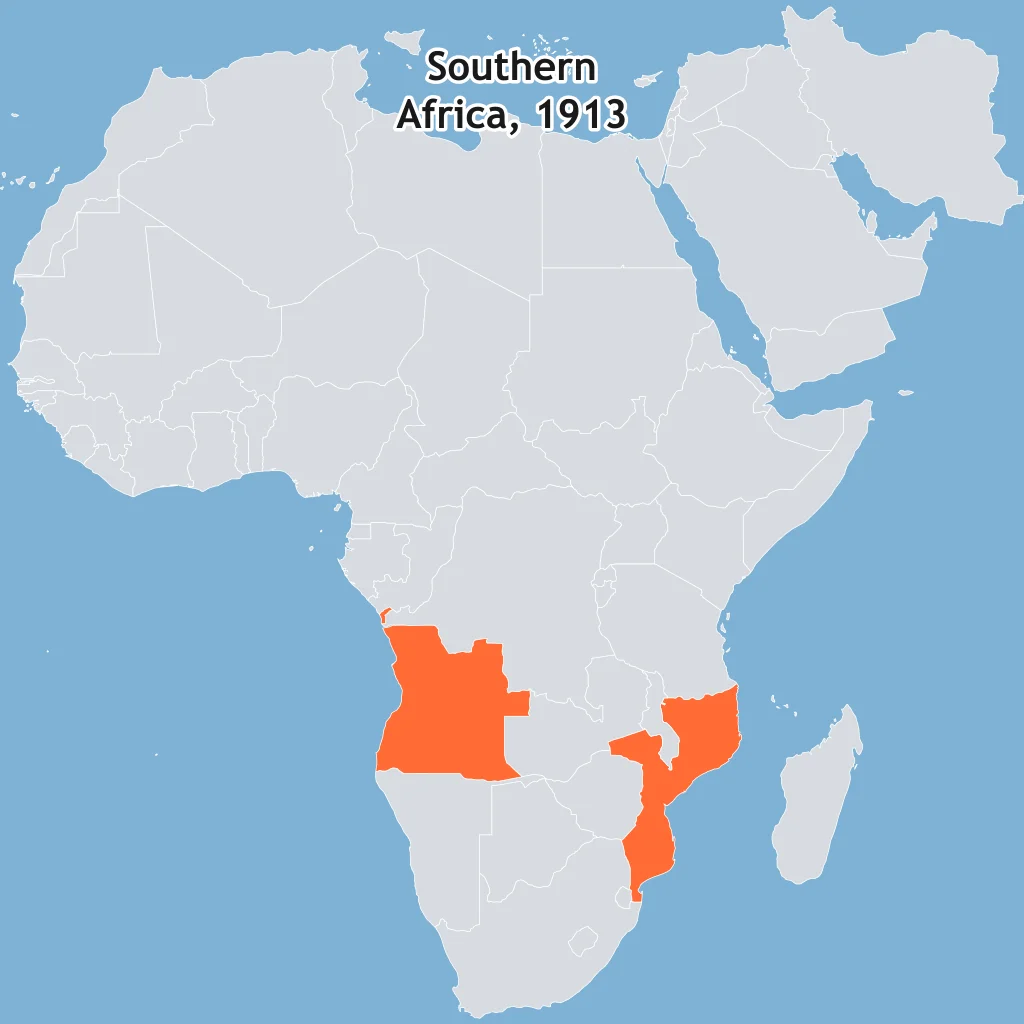
On the map, one shading marks two large territories on the southwest and southeast coasts of Africa. Which power held those colonies?
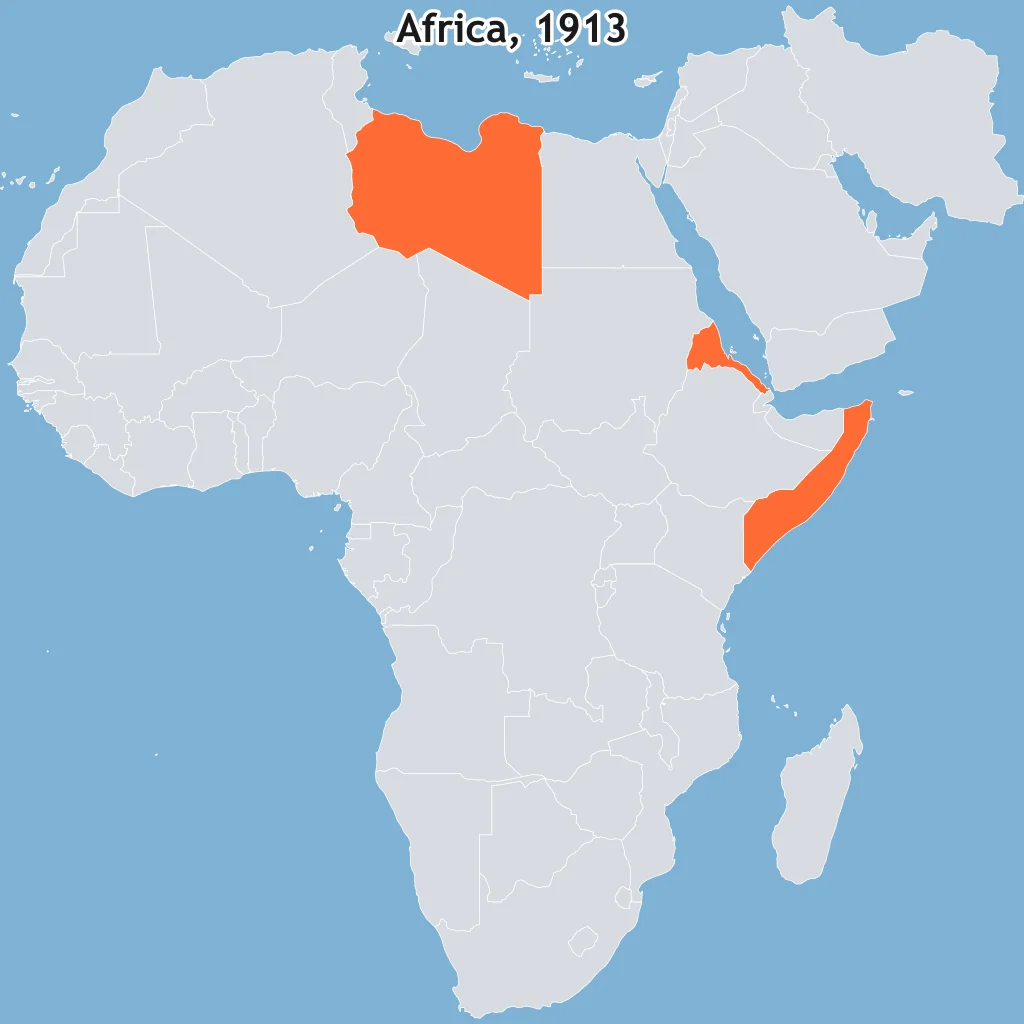
The map shades a north African coast colony and two smaller holdings near the Red Sea and Horn of Africa. Which power does the shading show?
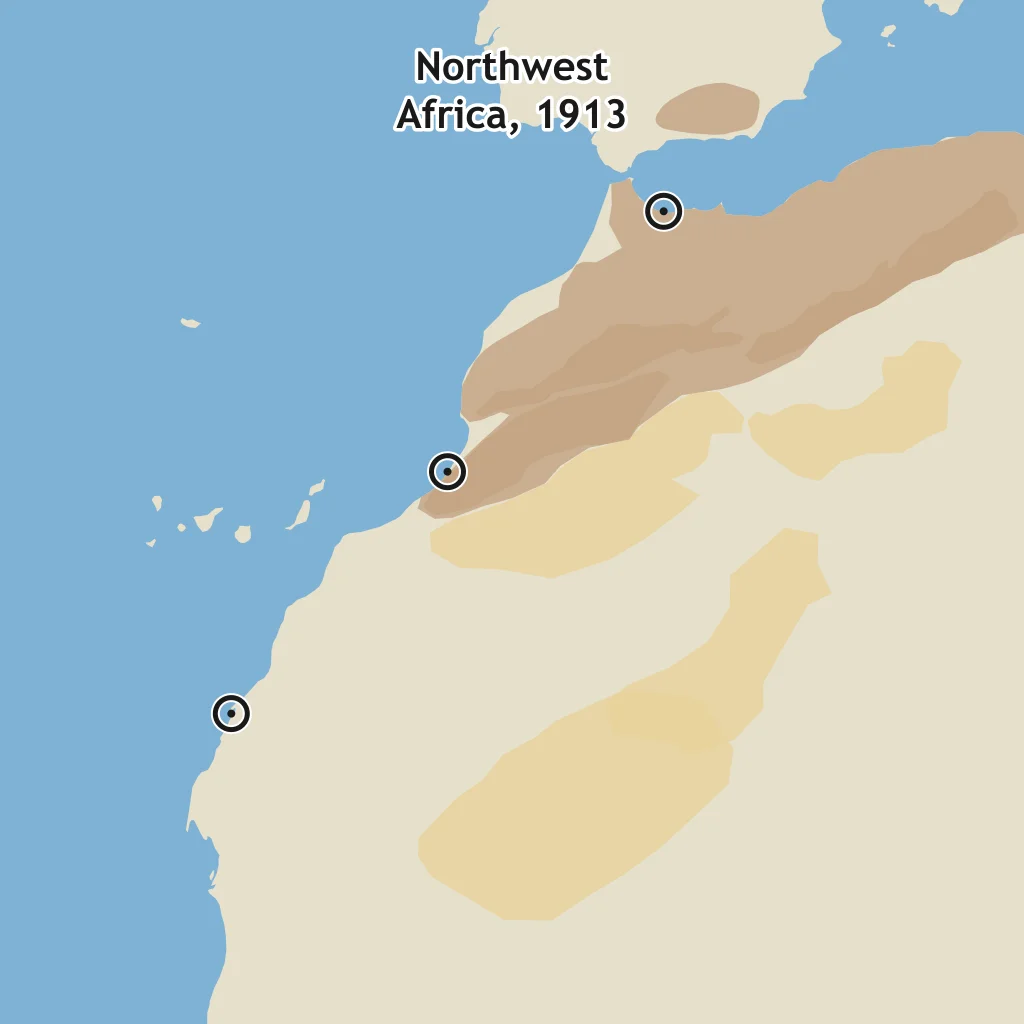
Read the map: the marked holdings lie in northwest Africa and along the western Sahara coast, not in the interior. Which power held those areas?
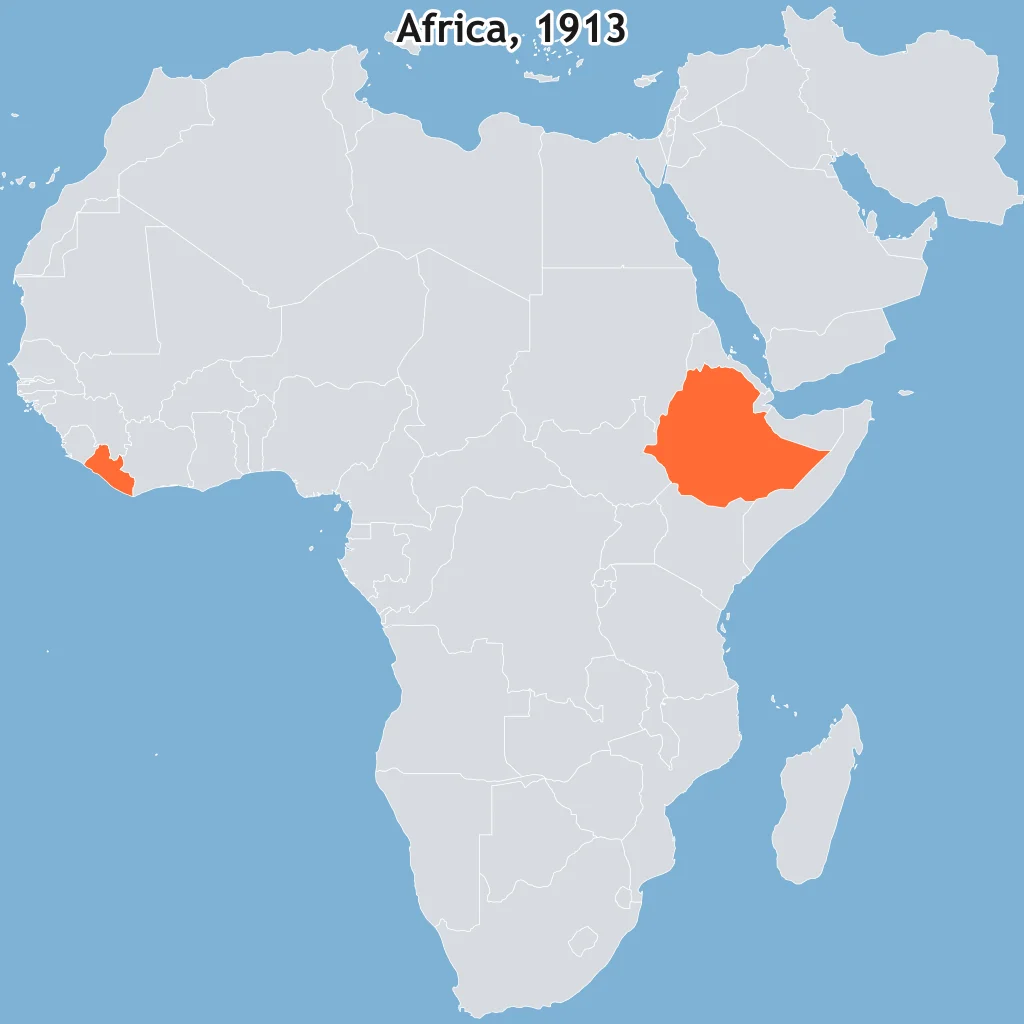
The map highlights only two African states that remained independent during the main partition. Which pair is highlighted?
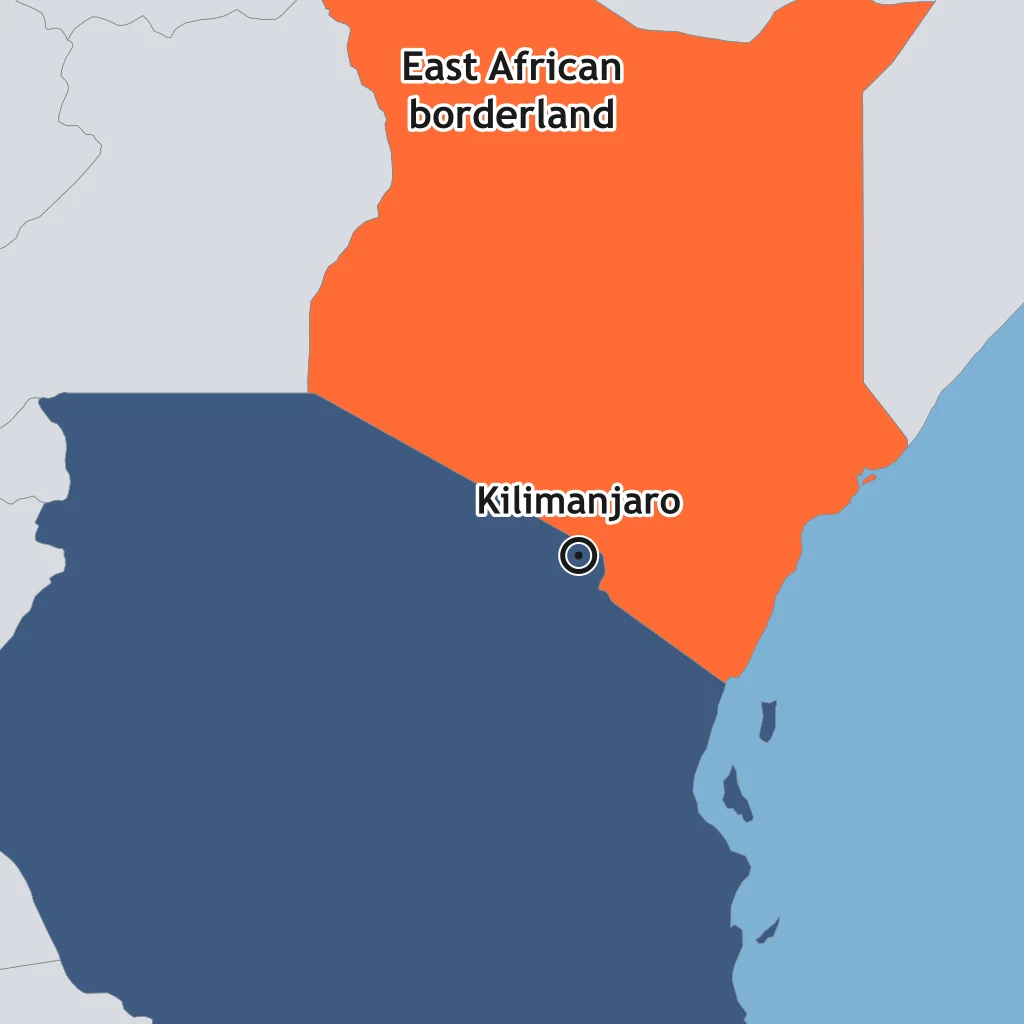
Use the map: a colonial boundary divides a pastoral grazing range between the British and German zones of East Africa. Which people were divided?
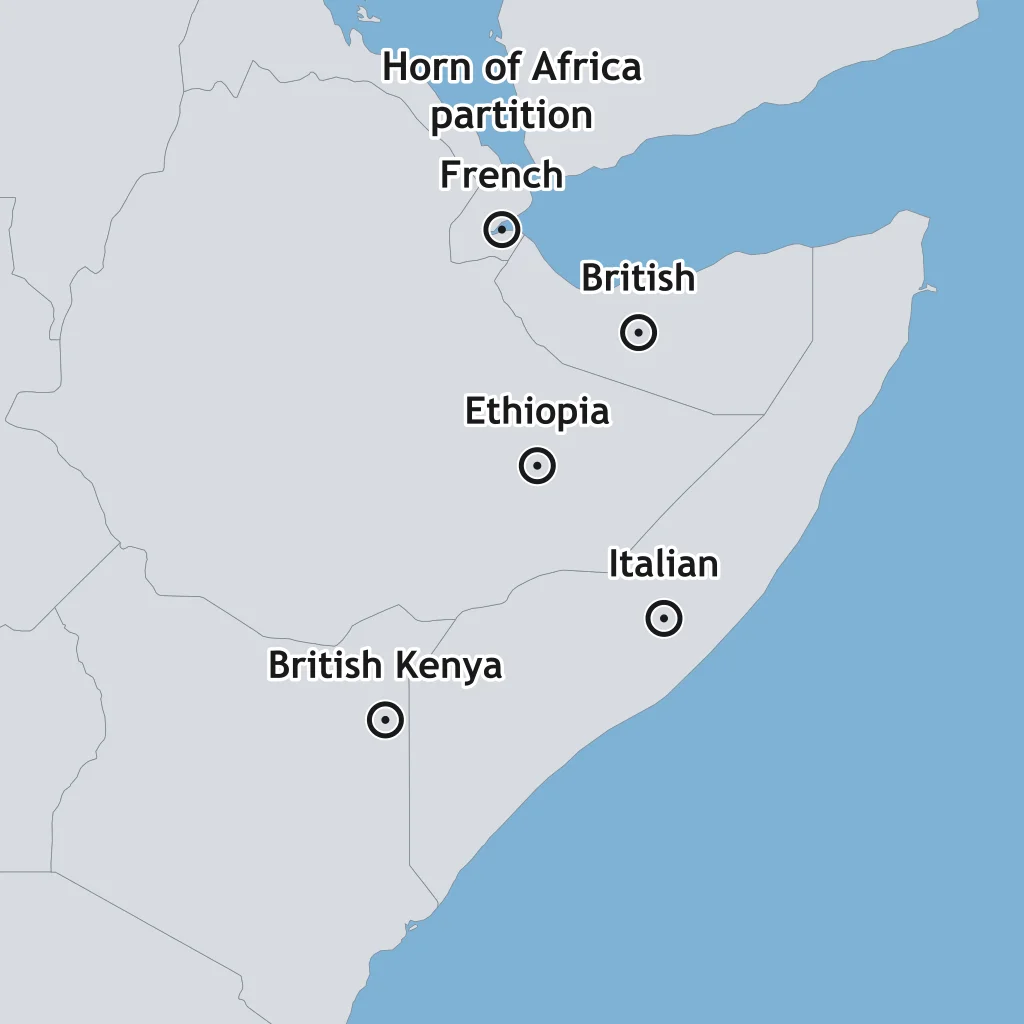
The Horn of Africa map marks the French, British, Italian, Ethiopian, and British Kenyan zones that one people's homeland was divided among. Which people was it?
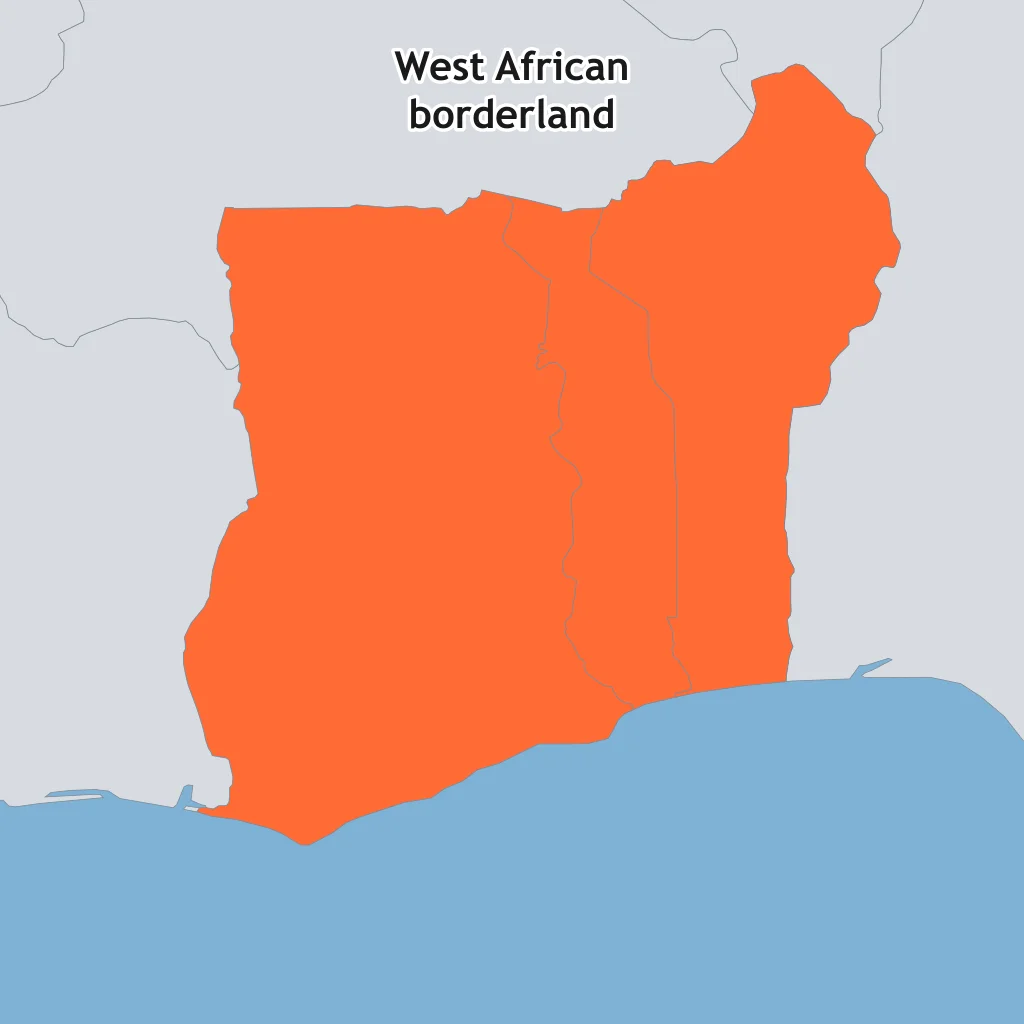
Read the West Africa map: one cultural area is split among the Gold Coast, Togoland, and Dahomey zones. Which people were divided by those borders?
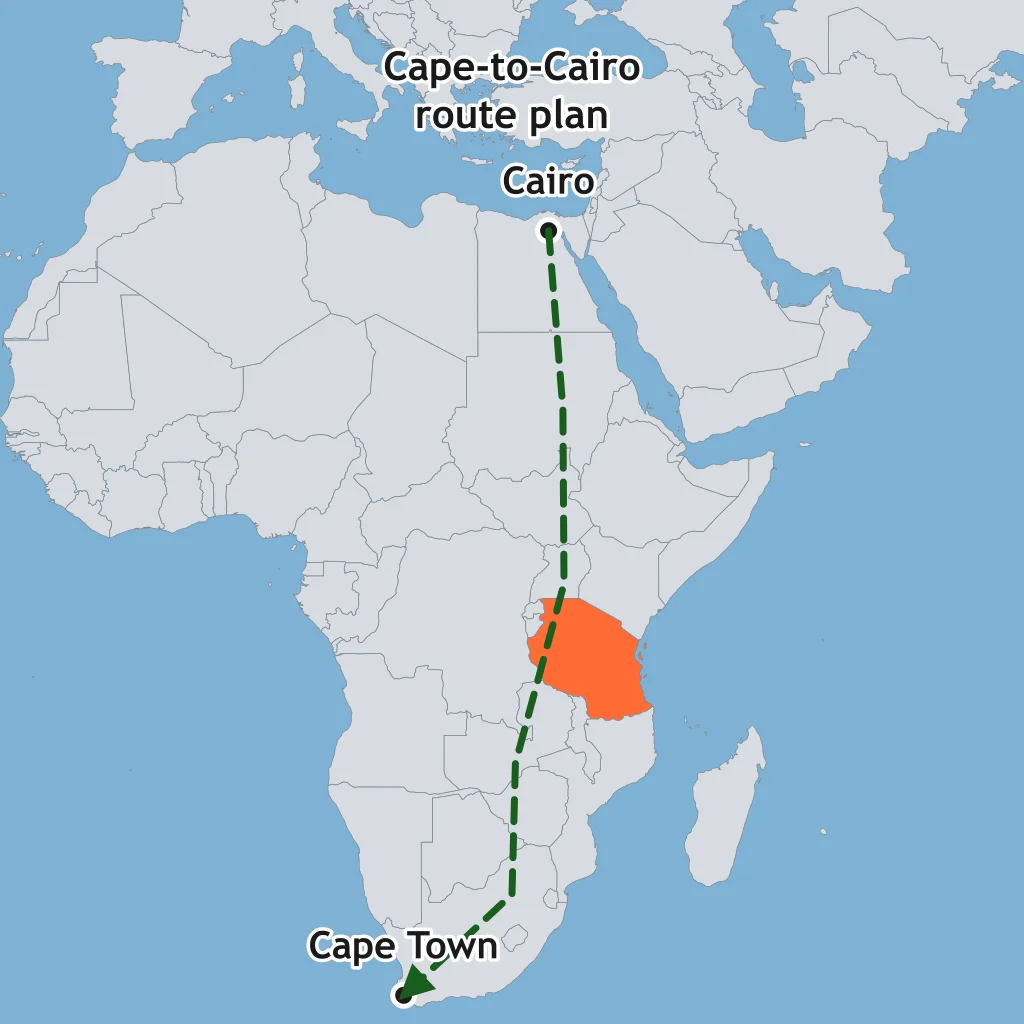
The map shows a north-south route from Egypt toward the Cape blocked in East Africa by one colony. Which power held the blocking colony?
Representatives of fourteen states met in Berlin from November 1884 to February 1885, with no African rulers consulted. Which German leader hosted the meeting?
Which statement best corrects a common misunderstanding about the 1884-85 meeting in Berlin?
Under Article 34 of the final act, what was a power supposed to do after taking new coastal territory or a protectorate?
Article 35 said an occupying power had to maintain enough authority in its territory. What idea did that support?
The final act promised free trade in the Congo basin and free navigation on the Congo and Niger rivers. What interest did that protect?
At a side arrangement connected to the Berlin meeting, the Congo basin territory was recognized as whose personal possession?
Why did the rule requiring real administration push the scramble inland?
In 1896, Menelik II's army defeated an invading European force and a later treaty reaffirmed his state's independence. Which battle was this?
British and French forces faced each other on the upper Nile in 1898, and France withdrew. What was this confrontation called?
A chartered company linked to Cecil Rhodes signed treaties and took mining concessions north of the Limpopo and Zambezi. What was the territory called in 1895?
The German colony in present-day Namibia became the site of the Herero and Nama wars. What was that colony called?
After defeating Urabi's forces in 1882, Britain occupied a country whose canal was vital to routes toward India. Which country was it?
The treaty signed at Fez on March 30, 1912, created a French protectorate over which North African state?
Which name refers to the territory Leopold II ruled as a private colony from 1885 until Belgium took it over in 1908?
In Leopold's Congo, which armed force enforced rubber quotas through hostage-taking, raids, and mutilation?
What ended Leopold II's personal rule over the Congo after international criticism of abuses?
Concession companies such as ABIR were given control over forest zones in Congo. What did that system allow them to do?
A new border split an older kingdom and placed related communities under separate colonial governments. What consequence of partition does this show?
Colonial mines and plantations exported diamonds, gold, rubber, and cash crops while many Africans worked under harsh conditions. What pattern was this?
In German East Africa, taxes and forced cotton labor helped spark a broad uprising beginning in 1905. What was it called?
In Sierra Leone in 1898, resistance broke out after British officials imposed and enforced a tax on dwellings. Which conflict was this?
German troops drove many Herero into the Omaheke and later confined survivors in camps; Nama resistance continued into 1908. What does this episode show?
A railway and port plan carried minerals and cash crops from interior zones toward European-owned shipping routes. What consequence does this illustrate?
Nationalism: Italian and German Unification
30 questions

Science, Technology and Culture in the 1800s
25 questions
Industrialization Review
50 questions
Causes and Justifications of Imperialism
25 questions
British India
25 questions
China: The Opium Wars to the Boxer Rebellion
25 questions
Meiji Japan
25 questions
Resistance and Response to Imperialism
25 questions

Primary and Secondary Sources
30 questions
Keep the tile or give it to a rival team.
Answer correctly to move your piece.
Texas Hold'em. Answer to draw better cards.
Pick a chest. Big bonus, or lose it all.
Catapult a rival castle or repair your own.
Climb the mountain, or push a rival off it.




