Loading
by BlastRoom
Students review trench warfare, new weapons, major fronts, and the 1918 collapse.
#world_history
50 questions
One question set, multiple game modes. Tap any game to see it in action. Not sure which to pick?
Answer to place stones and capture territory.
Outrun the snow together.
Earn blasts, then hunt the other team.
Answer to earn energy, then climb.

The class blasts through walls together.
Bid on mystery lots. Most money wins.
Sell tours. Nice, standard, or a total scam.

Answer, restock, and serve the rush.
More correct answers pulls the rope your way.
Answer, then shoot down the alien wave.
Answer, then tap to leap the frozen ridge.
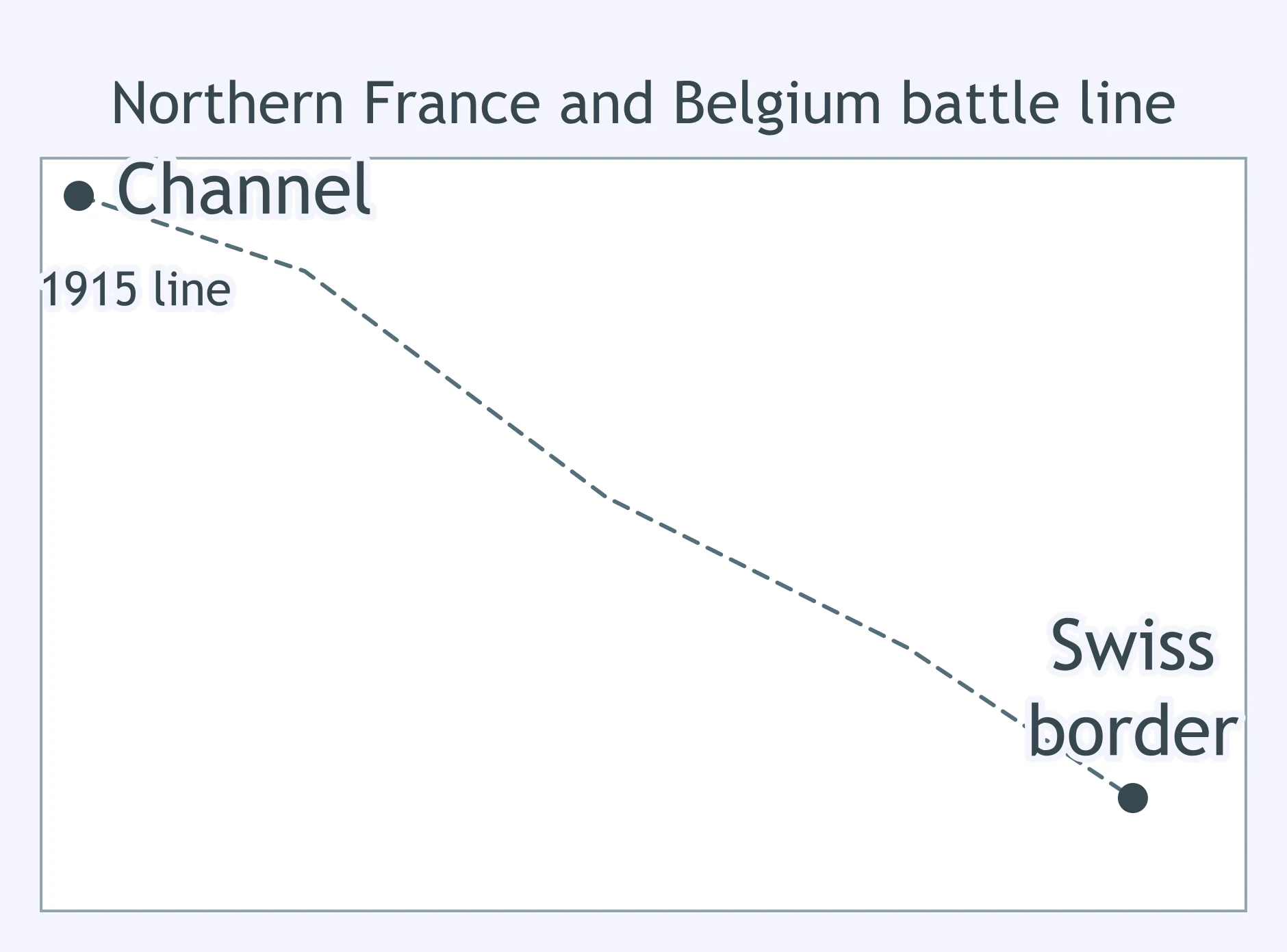
Use the map. Which World War I front ran from the Belgian coast toward the Swiss border?
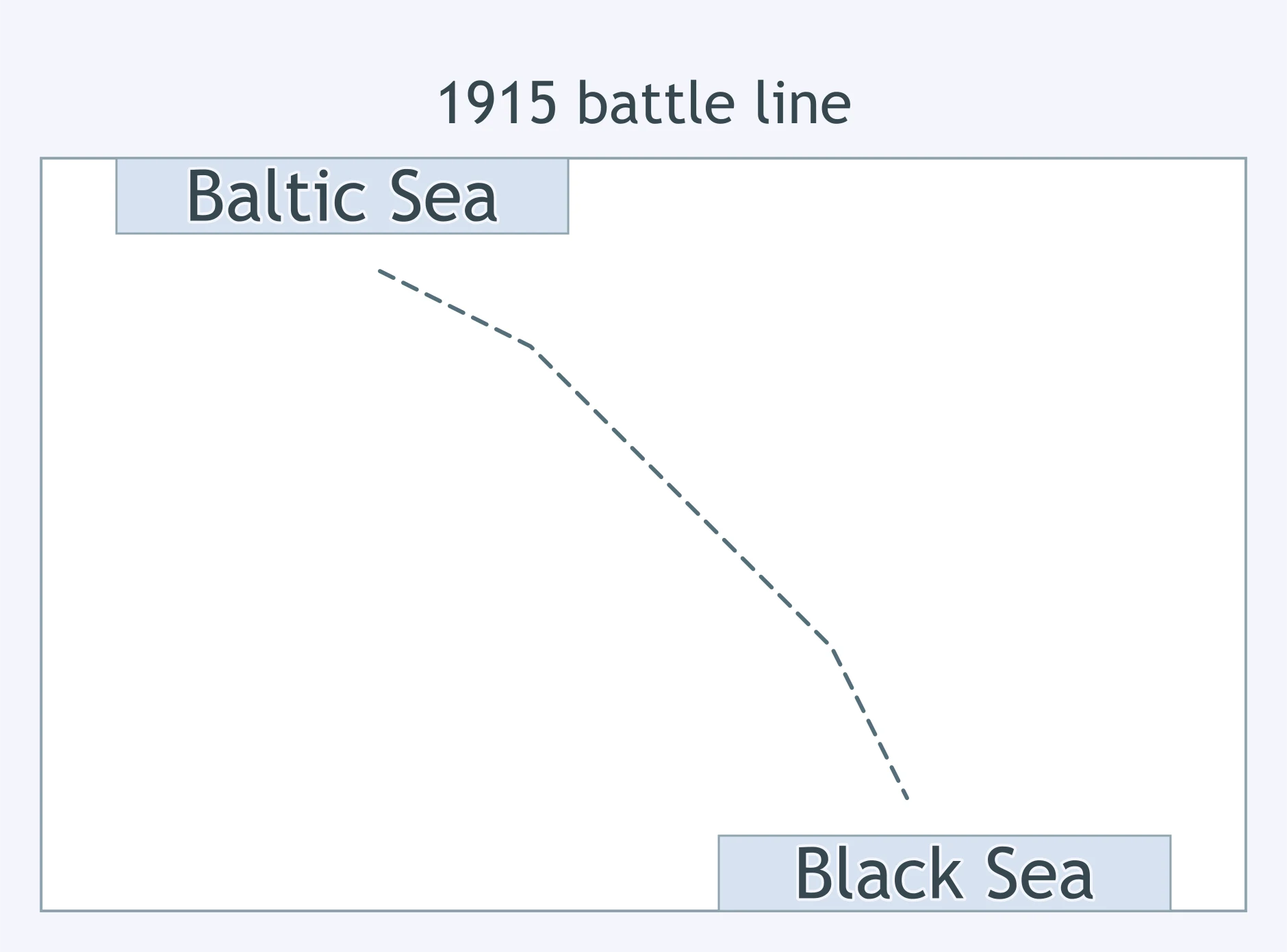
Use the map. Which front is shown by a long battle line running from the Baltic region toward the Black Sea?
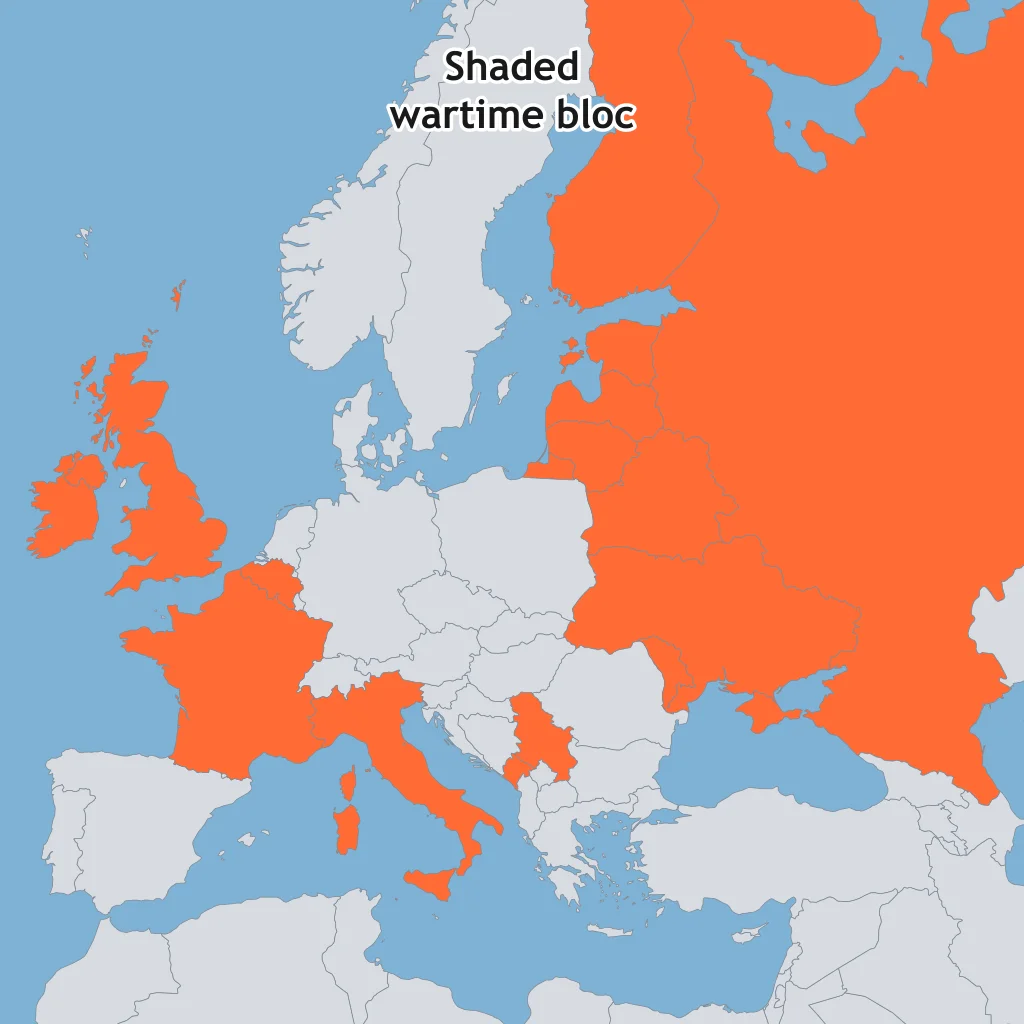
Use the map. Which wartime alliance is the shaded bloc?
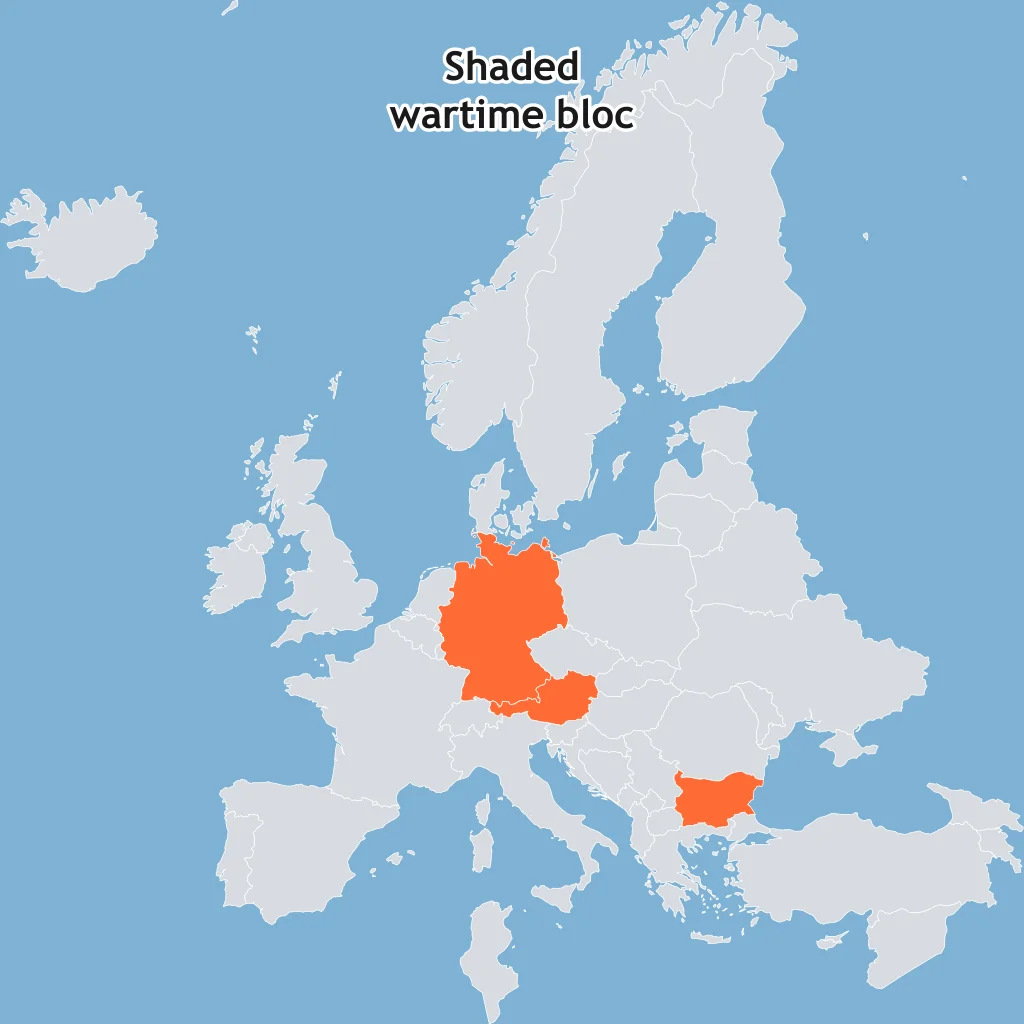
Use the map. Which wartime alliance is the shaded bloc?
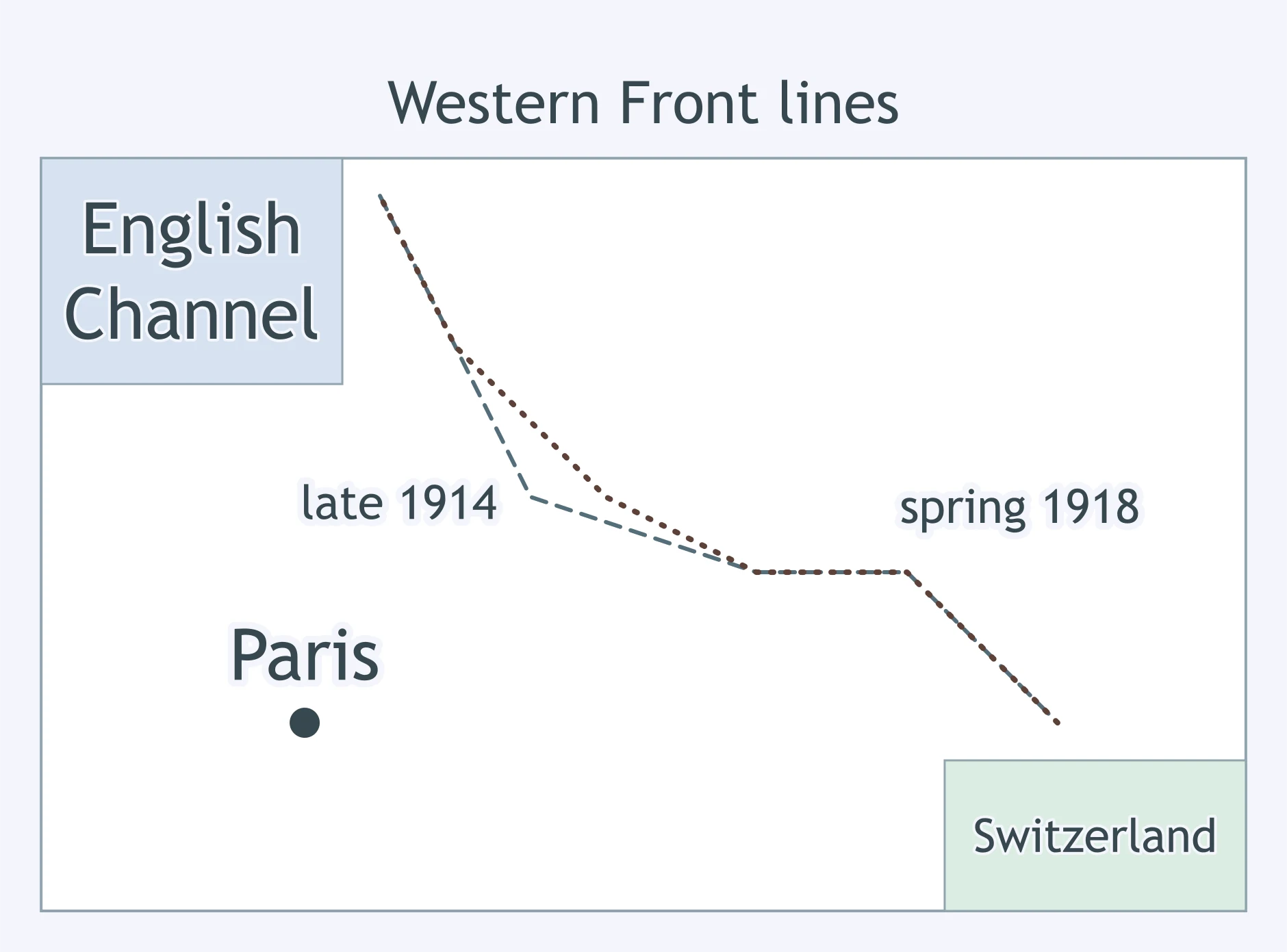
Use the map. Compare the late 1914 and spring 1918 front lines. What does this show about the Western Front in those years?
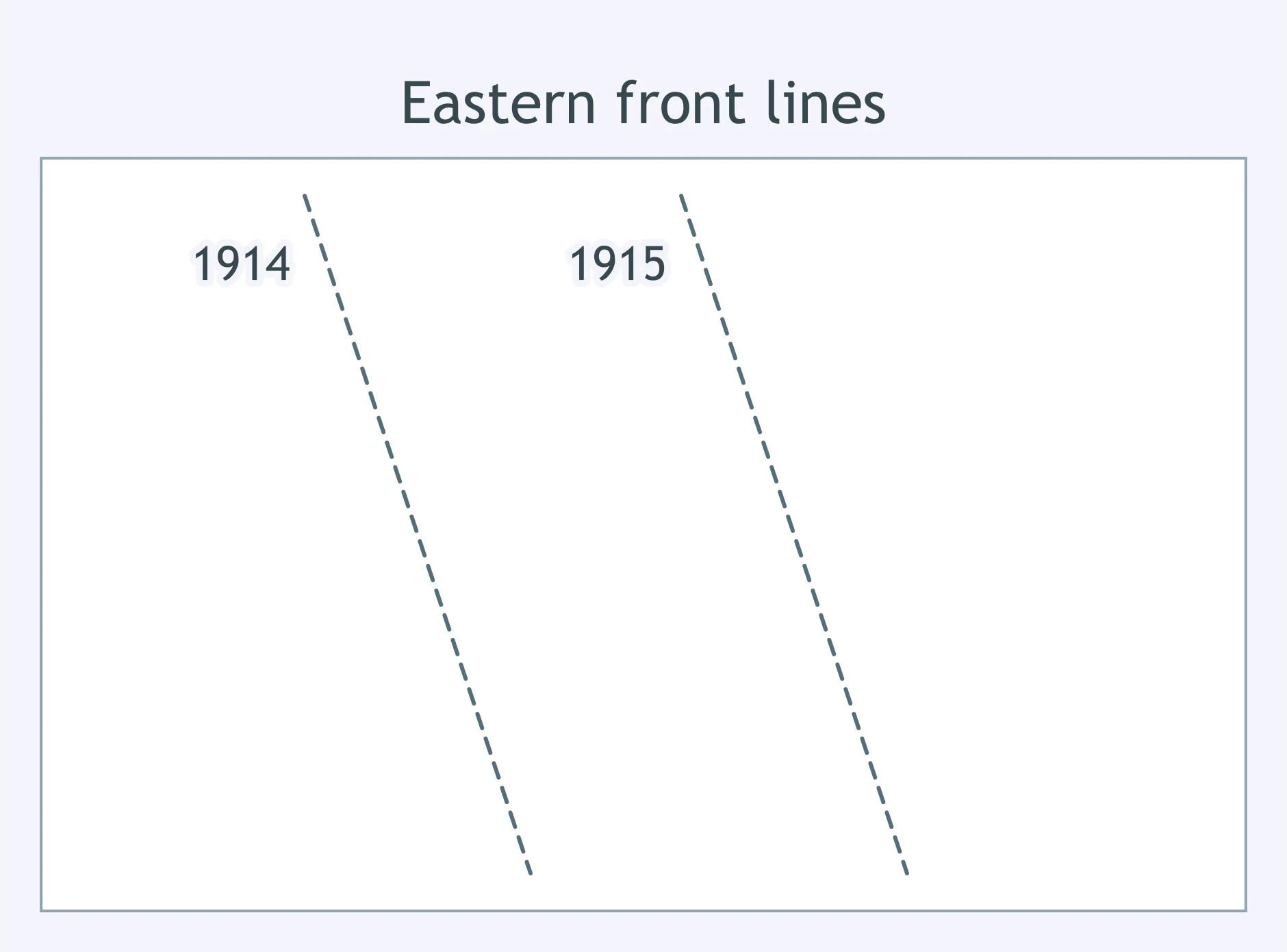
Use the map. Compare the 1914 and 1915 lines on the Eastern Front. How did this front differ from the Western Front?
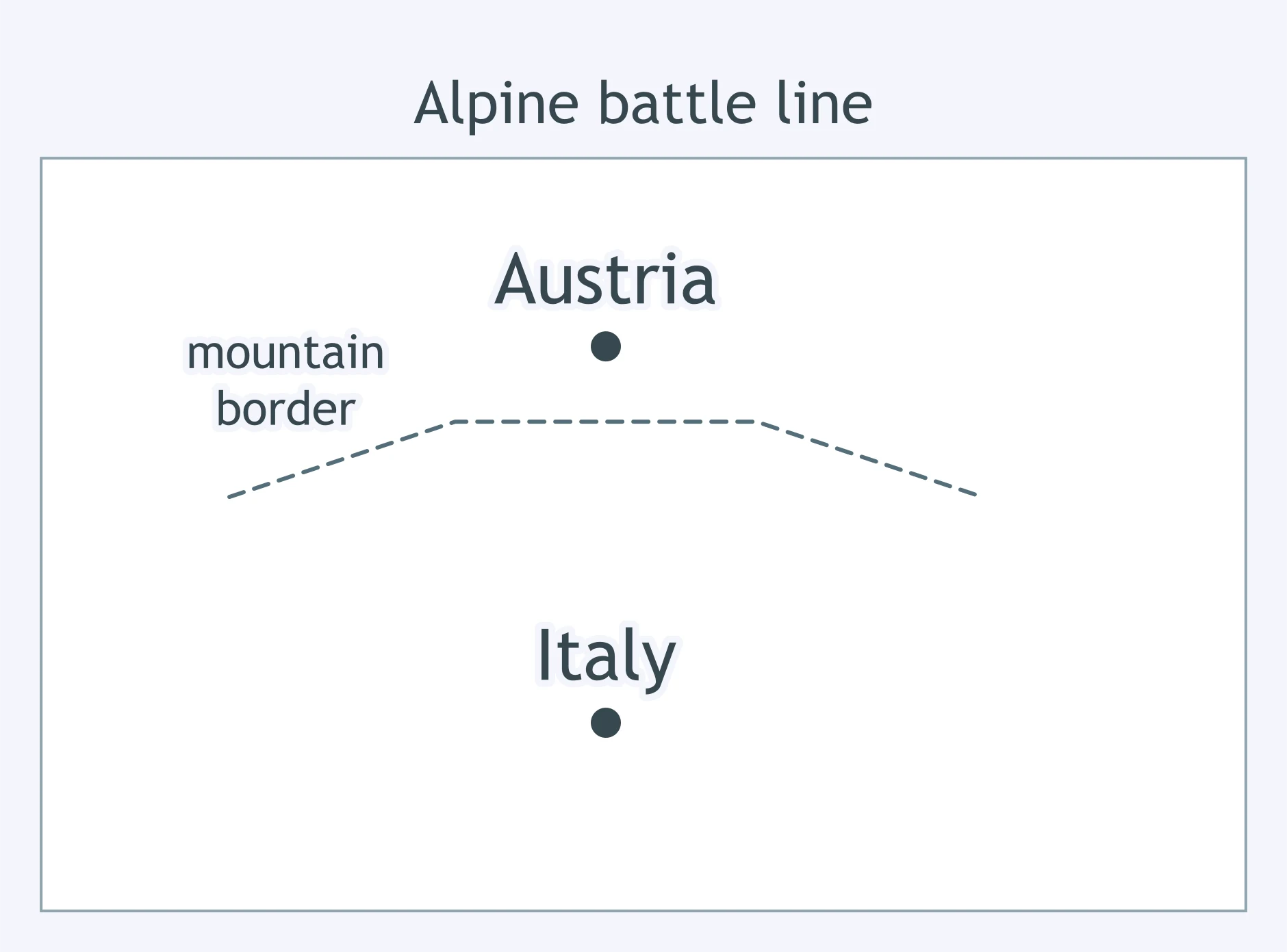
Use the map. Which front is shown by a battle line along the Alpine border north of Italy?
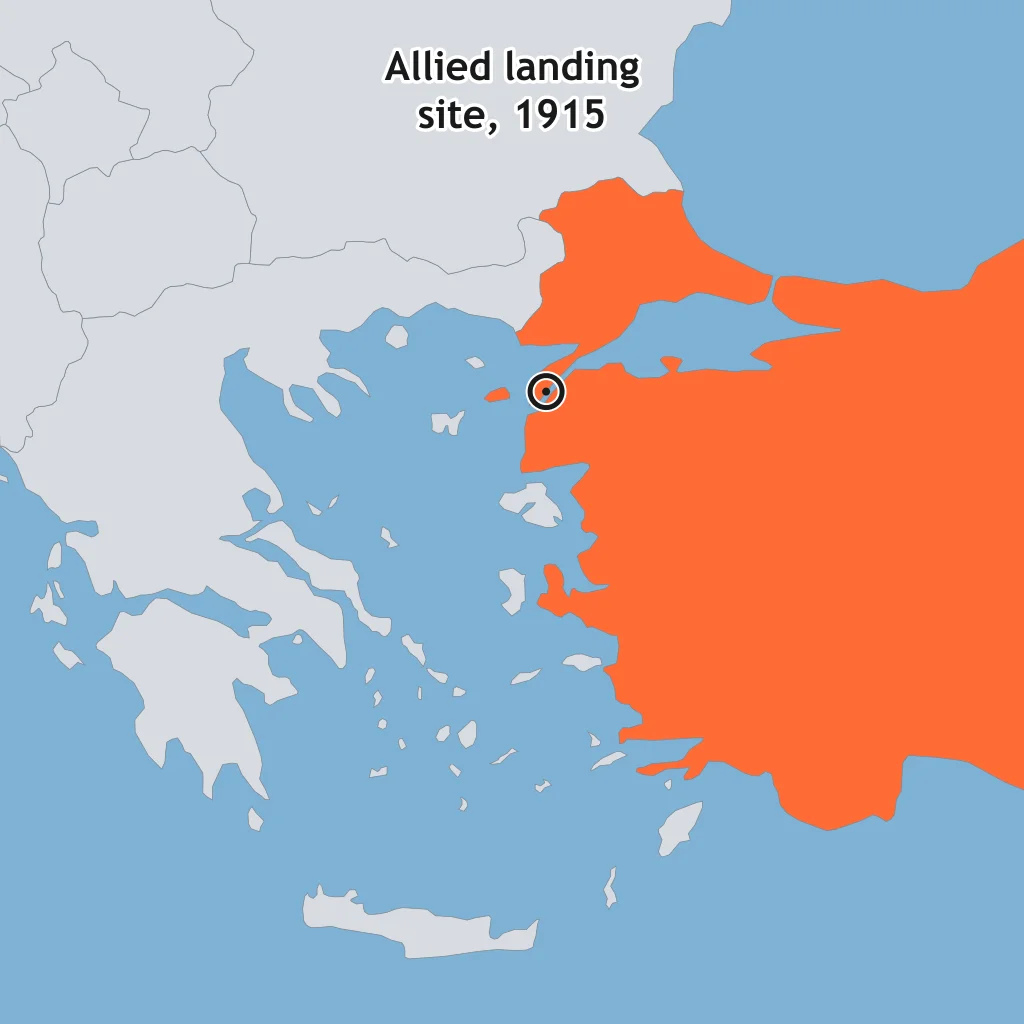
Use the map. Which empire controlled the marked peninsula and straits where the Allies landed in 1915?
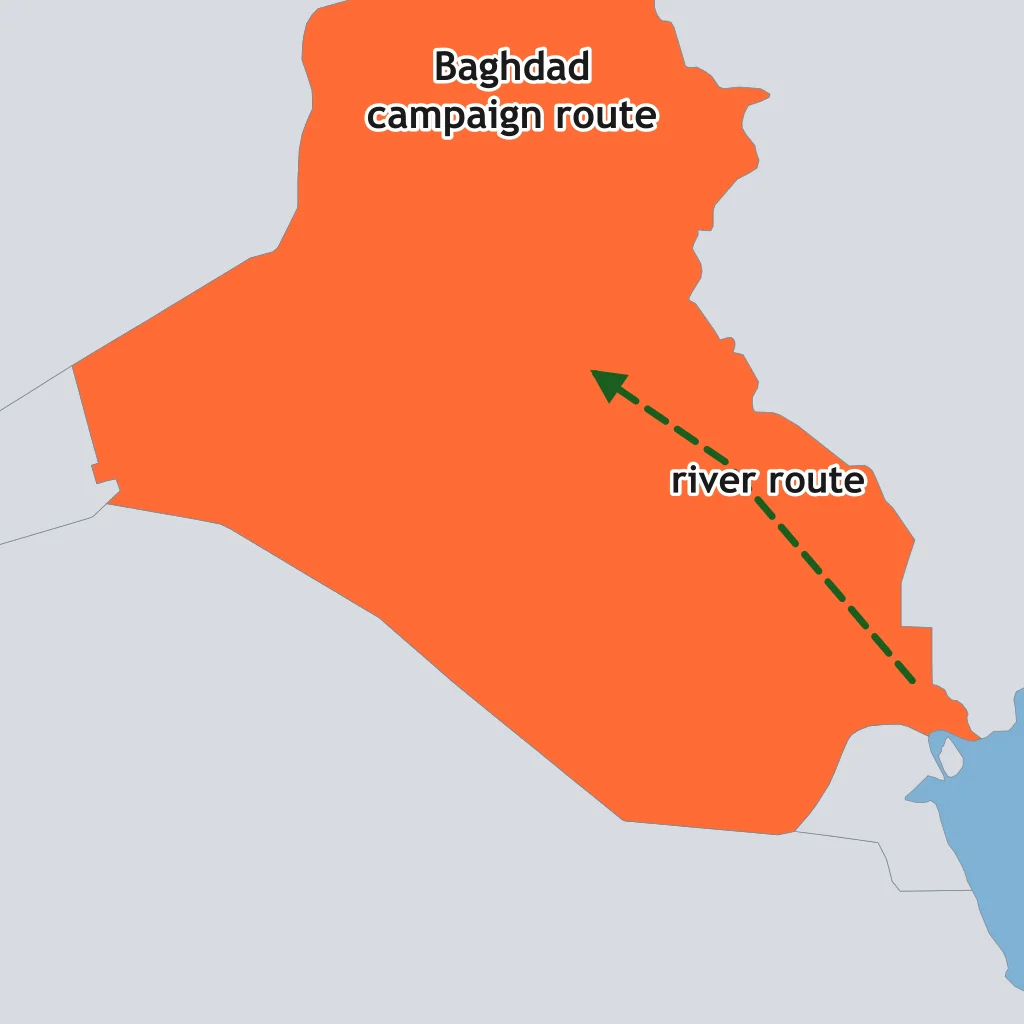
Use the map. The route follows the Tigris-Euphrates region toward Baghdad. Which World War I campaign is shown?
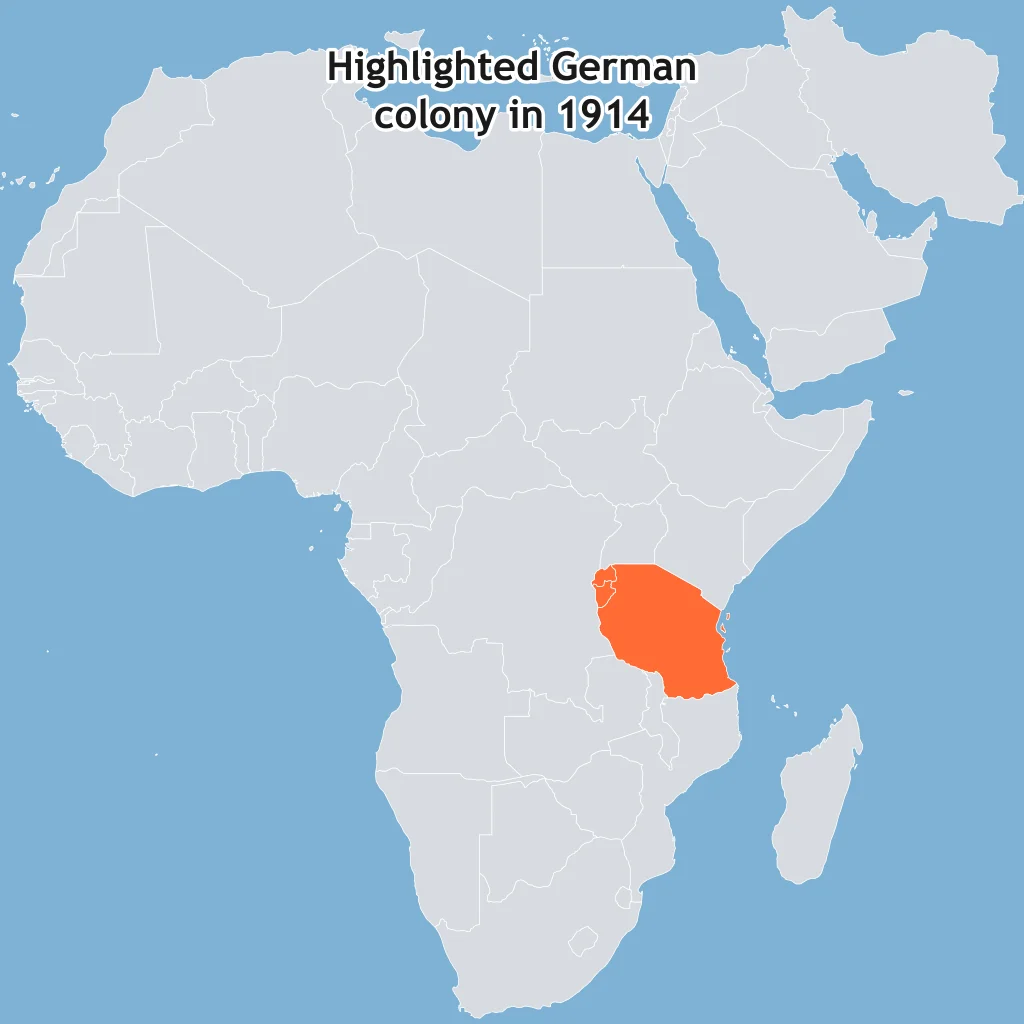
Use the map. Which German colony is highlighted?
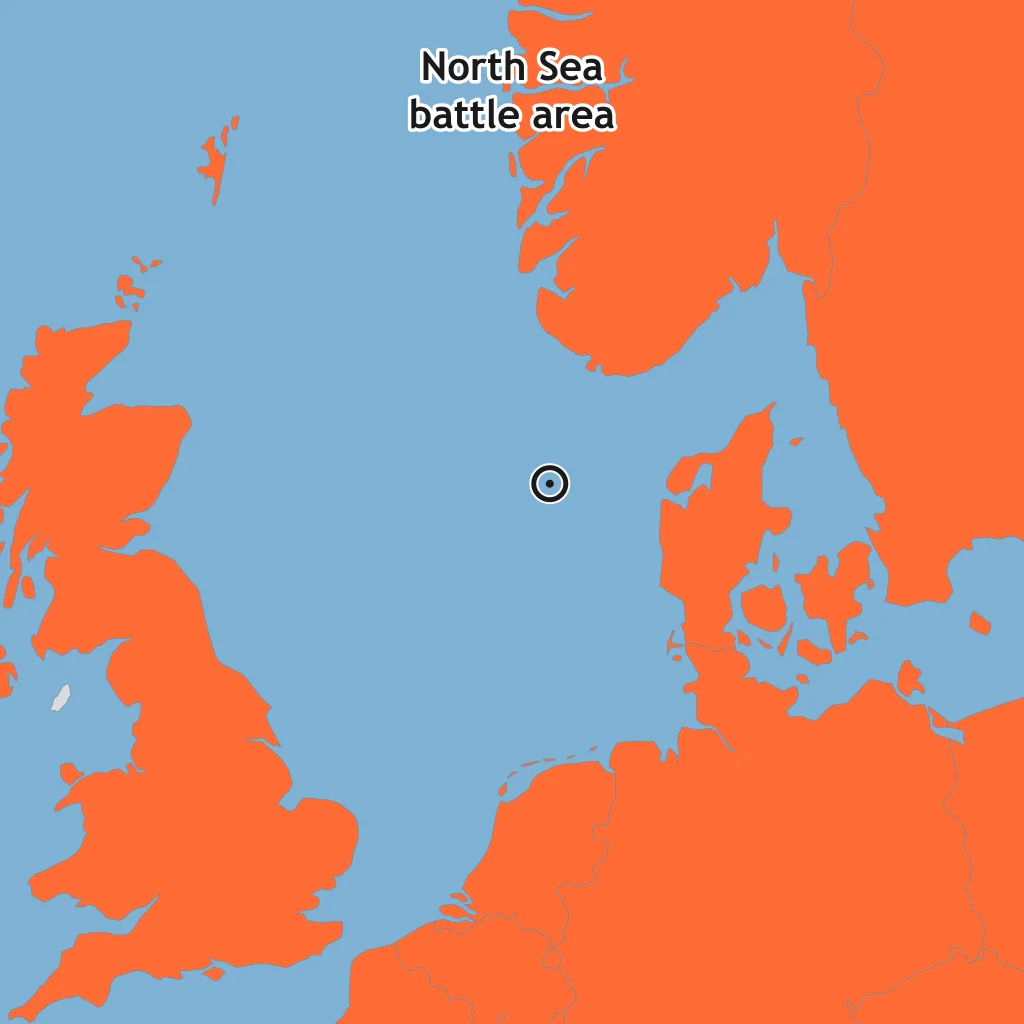
Use the map. The marker is in the North Sea west of Denmark. Which 1916 naval battle was fought there?
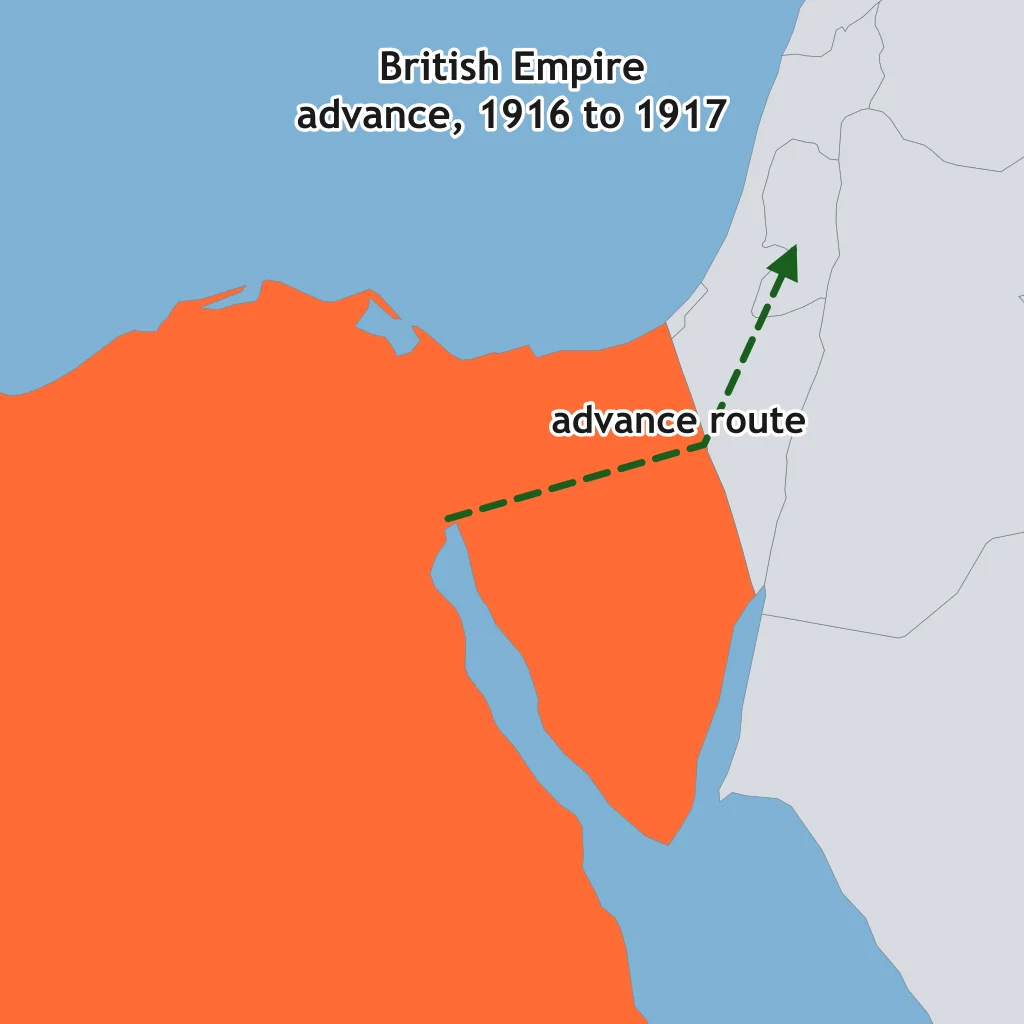
Use the map. Which World War I campaign does the advance route show?
After the early war of movement failed in the west, artillery and machine guns pushed armies to dig in. What kind of fighting resulted?
In World War I, what was no-man's land?
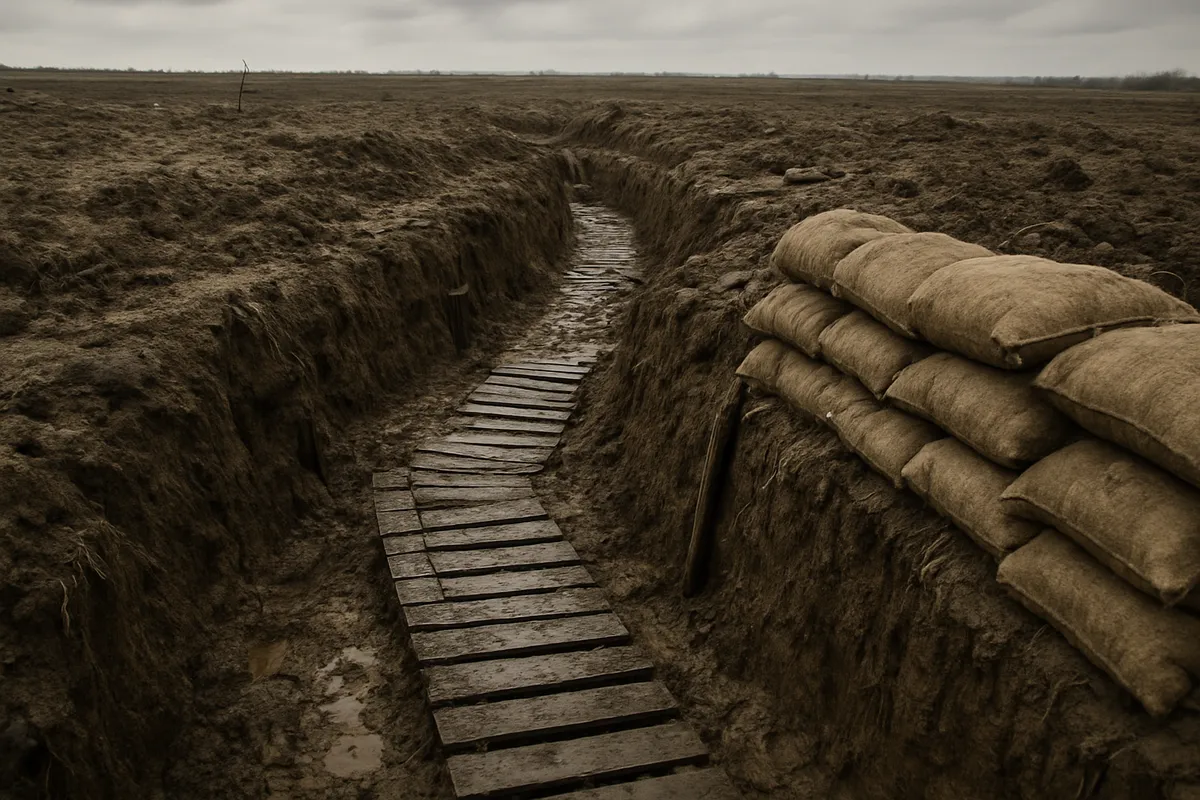
Why did many trench systems use zigzags instead of one long straight ditch?
Soldiers laid wooden duckboards along trench floors mainly to reduce which danger?
An artillery barrage that moved forward just ahead of attacking infantry was called what?
What made attacks across no-man's land so costly on the Western Front?
In a World War I battle of attrition, what was the basic goal?
Why did defense usually have an advantage over attack in the trenches?
First used effectively by German troops at Ypres on April 22, 1915, which weapon created a choking cloud?
After poison gas appeared, what equipment did armies rush to provide soldiers?
British forces first used tanks in battle on September 15, 1916, during which Somme attack?
What job were early tanks meant to do on the Western Front?
Early in World War I, what was the most important military use of airplanes?
Which aircraft stayed tethered above the front so observers could watch enemy positions?
Germany's Unterseeboot attacked shipping while hidden under water. What was this weapon commonly called?
Which policy meant submarines could attack merchant or passenger ships without warning?
In September 1914, French and British forces stopped Germany's drive near Paris. Which battle was this?
In August 1914, German forces encircled and shattered Russia's Second Army in East Prussia. Which battle was it?
From February to December 1916, Germany attacked French forts around a city on the Meuse. Which battle was it?
On July 1, 1916, Britain suffered more than 57,000 casualties on the first day of which offensive?
The first large-scale poison gas attack on the Western Front occurred during which 1915 battle?
Heavy rain, shell holes, and mud made the 1917 fighting near Ypres infamous. Which battle name is most associated with it?
In November 1917, Britain used tanks in massed numbers for the first time near which French city?
In October 1917, Austro-German forces broke through the Italian line in a major defeat for Italy. Which battle was it?
Although Germany sank more British ships at Jutland in 1916, why did the battle fail to change the naval war's course?
The Allied attack of August 8, 1918, helped begin the Hundred Days Offensive. Which battle was it?
In April 1915, Allied forces including many Australians and New Zealanders landed on an Ottoman peninsula. Where did they land?
Before the British captured Baghdad in 1917, a besieged British-Indian division under General Townshend surrendered to Ottoman forces at Kut in April 1916. What happened to the roughly 13,000 surrendered troops?
Beginning in 1916, Sharif Hussein's forces fought the Ottomans in Arabia and attacked the Hejaz Railway. What was this movement called?
Which German commander in East Africa surrendered only after the armistice in Europe had already ended the fighting there?
Allied forces quickly captured Togoland and later Kamerun from Germany. In which broader region did those campaigns occur?
Russian and Ottoman armies fought in mountains between the Black Sea and eastern Anatolia. Which front was this?
U.S. posters urged civilians to buy government bonds to fund the war. What were these bonds called?
American food campaigns asked civilians to grow produce and conserve food for soldiers and Allies. What were these gardens called?
The U.S. Army in World War I was built largely by required military service rather than only volunteers. What is that called?
In March 1918, Germany used troops freed by Russia's exit to try to win before U.S. forces arrived in strength. What was this effort called?
Which Allied campaign ran from August 8 to November 11, 1918, and led to Germany's military defeat?
Germany signed the document that stopped the fighting at 11 a.m. on November 11, 1918. What kind of document was it?
Crack the passcode before the zombies get in.
Answer, then swat bugs for bonus points.
Race through questions at your own speed.
Same question on every screen. Fastest wins.

Pick a tile, answer, hit bonuses and steals.
Versailles and the Postwar Settlement
30 questions