Loading
by BlastRoom
A crash in one country spread hardship through trade, credit, prices, and politics.
#world_history
30 questions
One question set, multiple game modes. Tap any game to see it in action. Not sure which to pick?
Answer to place stones and capture territory.
Outrun the snow together.
Earn blasts, then hunt the other team.
Answer to earn energy, then climb.

The class blasts through walls together.
Bid on mystery lots. Most money wins.
Sell tours. Nice, standard, or a total scam.

Answer, restock, and serve the rush.
More correct answers pulls the rope your way.
Answer, then shoot down the alien wave.
Answer, then tap to leap the frozen ridge.
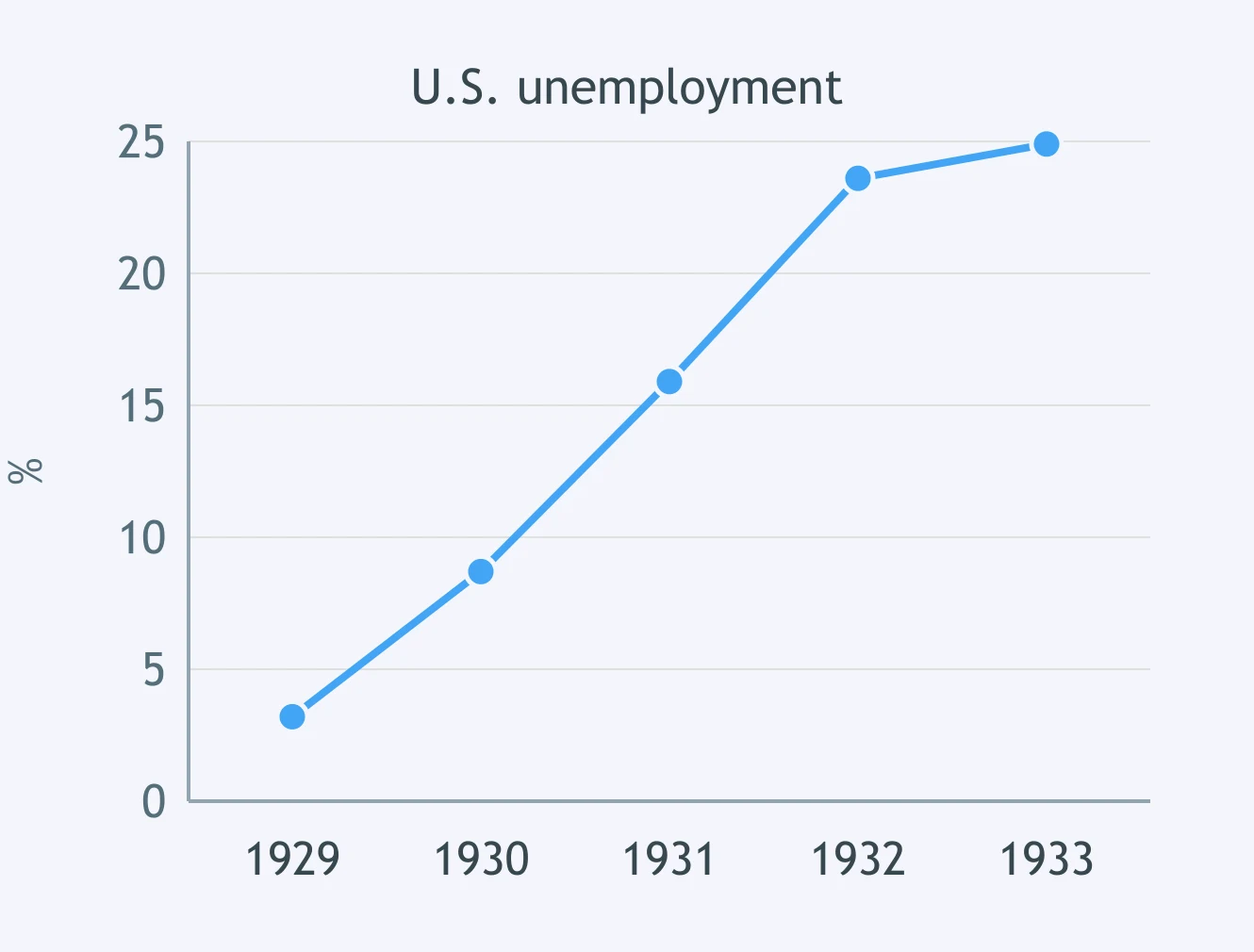
Use the line graph. What happened to U.S. unemployment from 1929 to 1933?
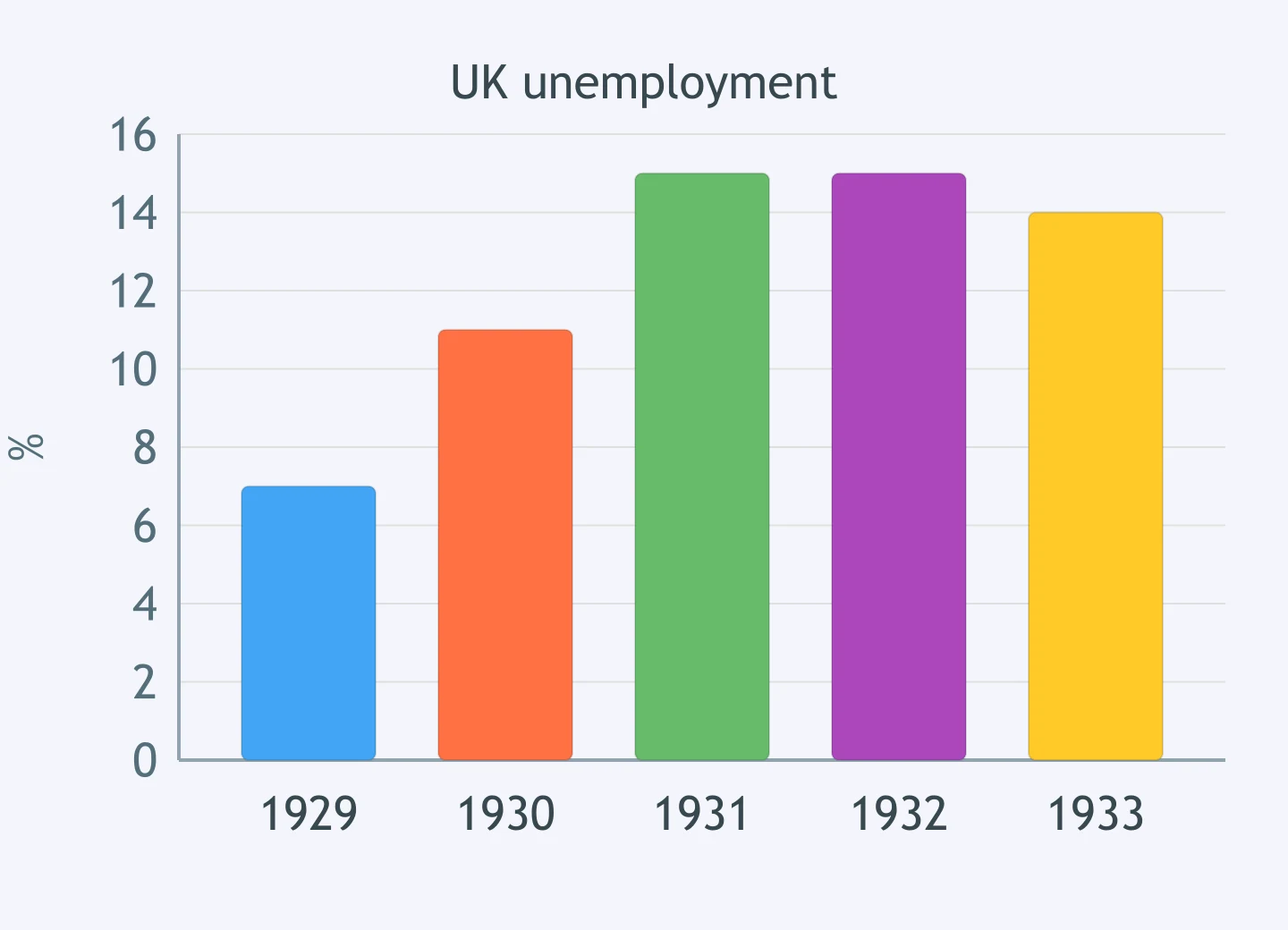
Use the bar graph. Which comparison between 1929 and 1932 in the United Kingdom is supported?
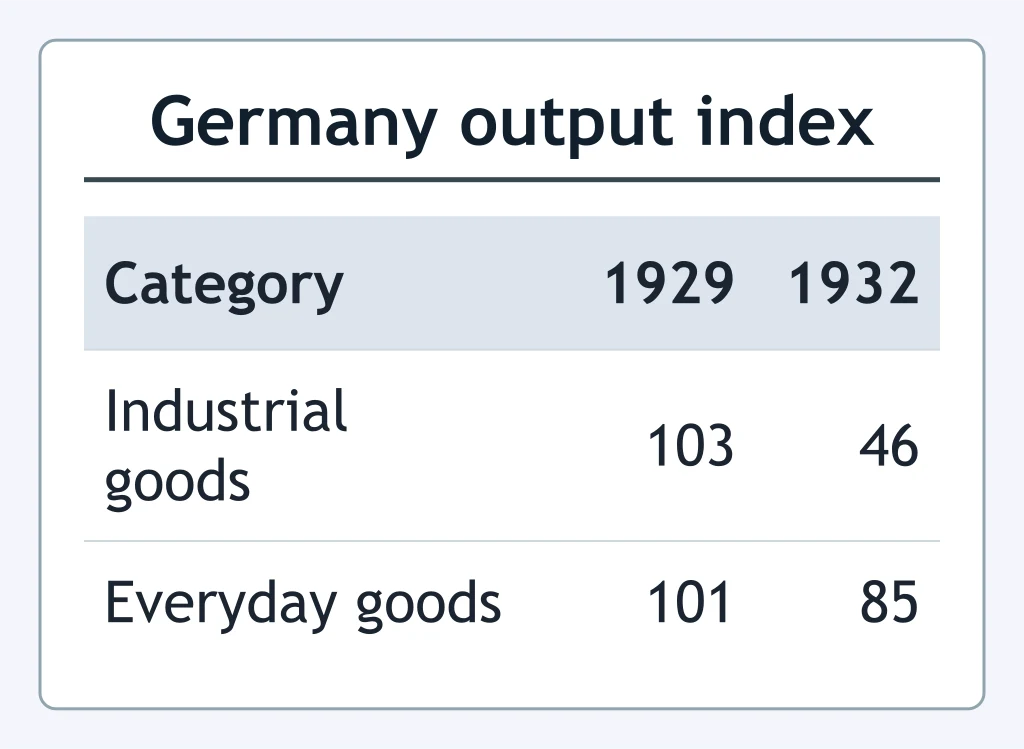
Use the table. In Germany, which category shows the sharper fall from 1929 to 1932?
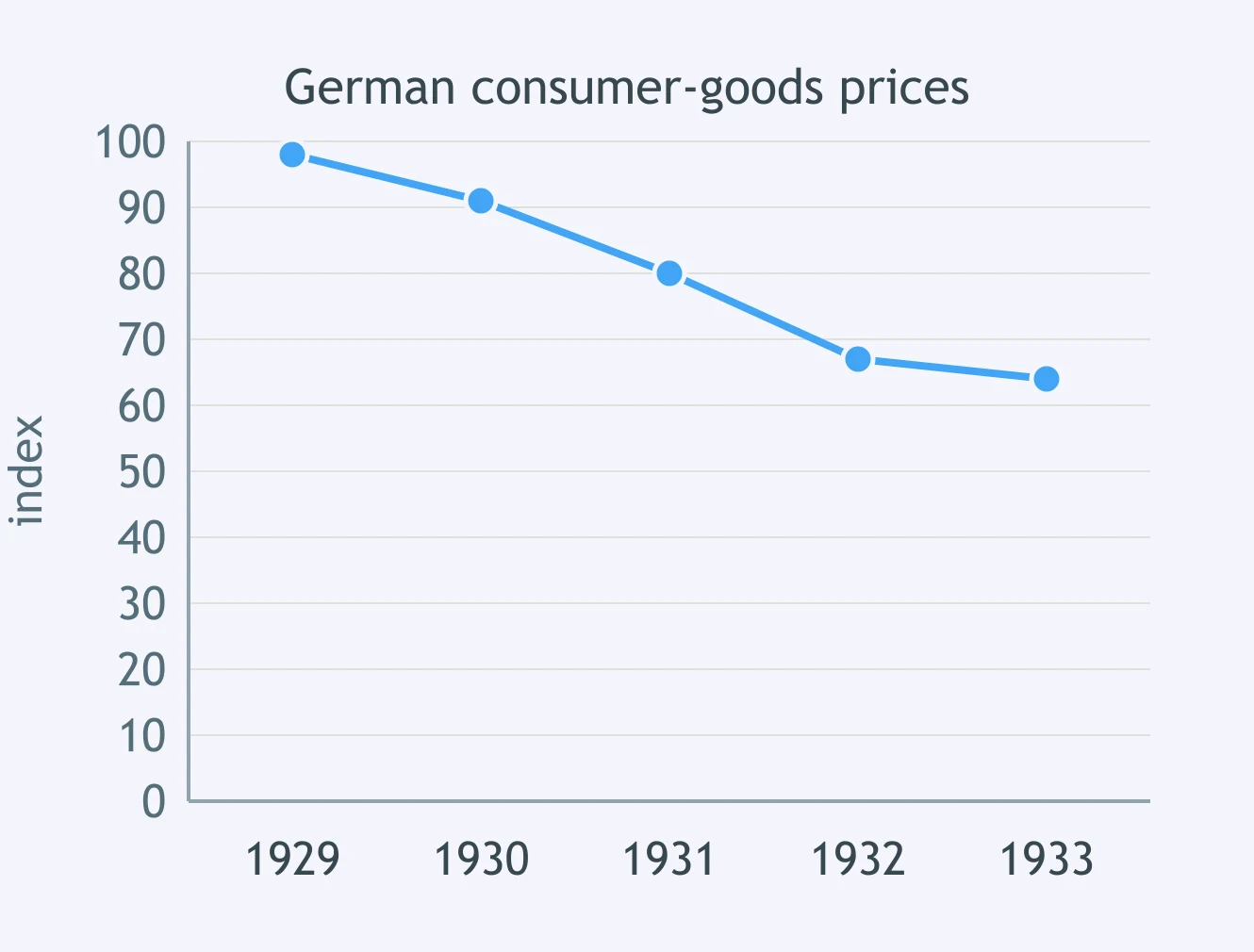
Use the line graph. What does the German consumer-goods price line show from 1929 to 1933?
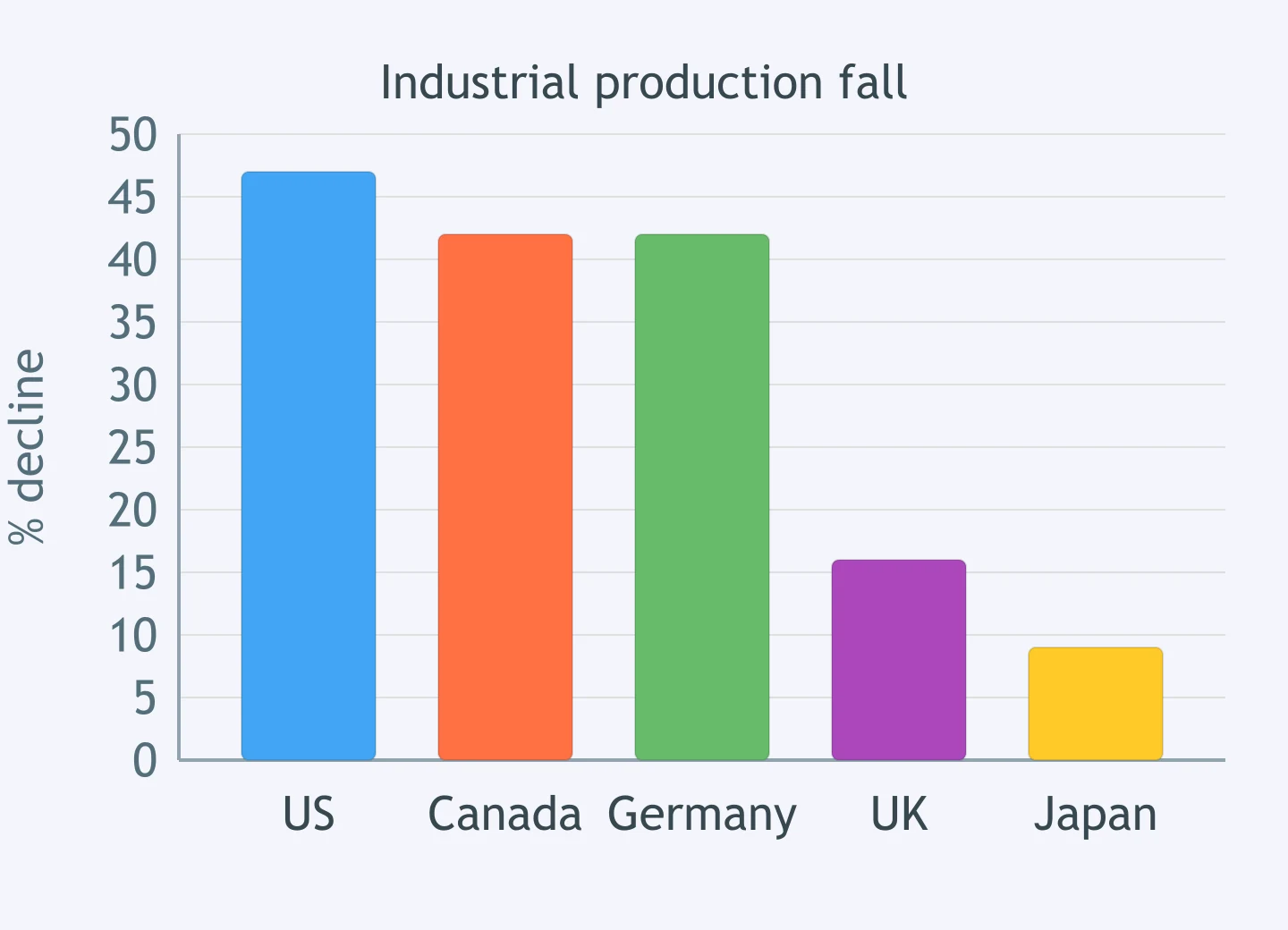
Use the bar graph. Which country had the smallest industrial-production decline shown?
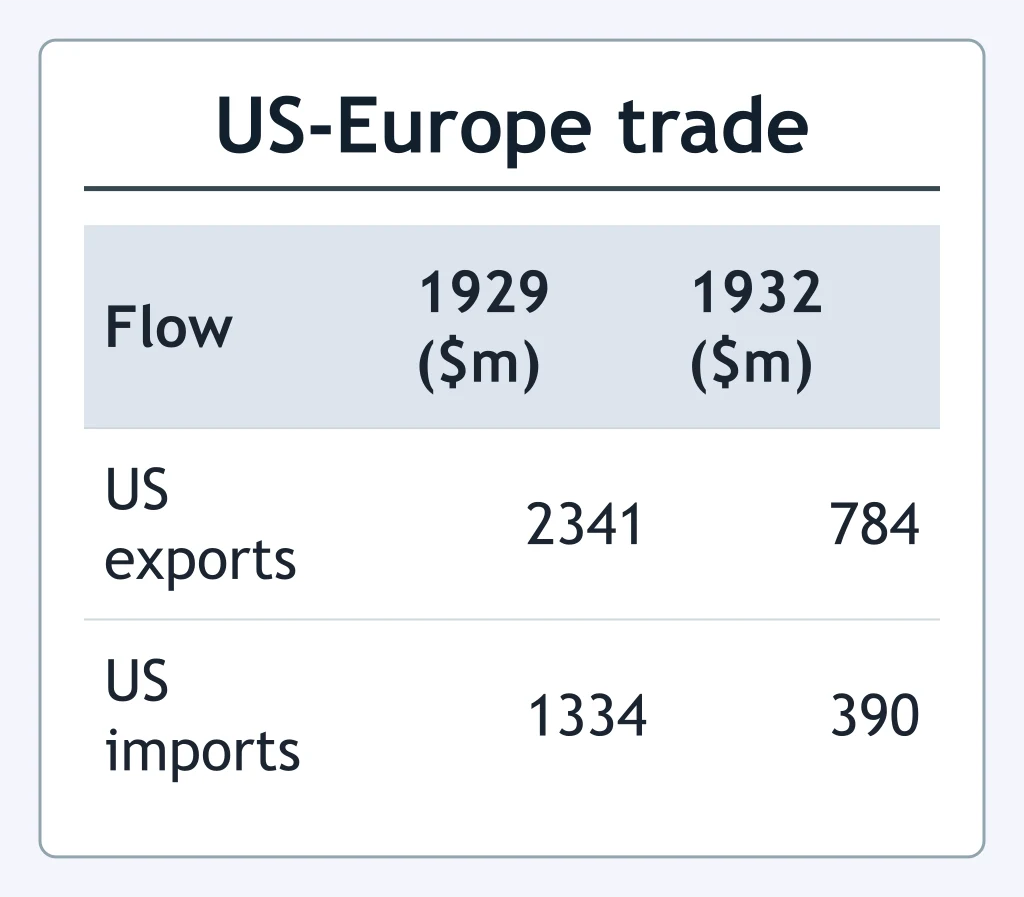
Use the table. What happened to U.S. exports to Europe between 1929 and 1932?
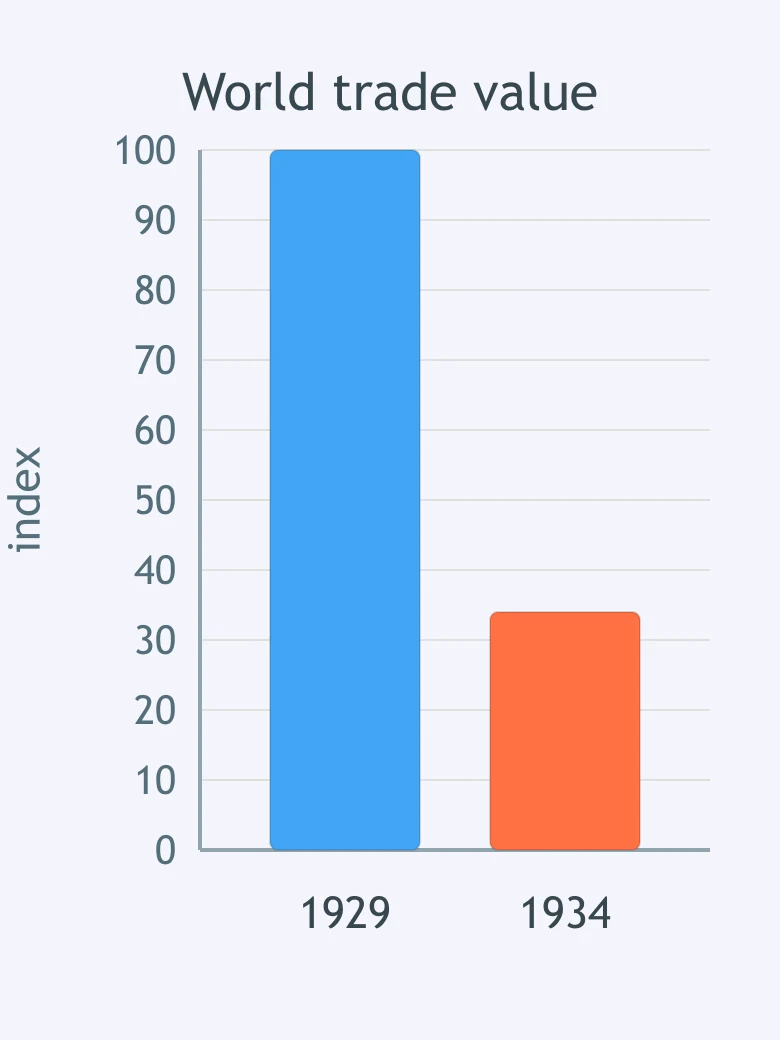
Use the bar graph. What happened to world trade by the later year shown?
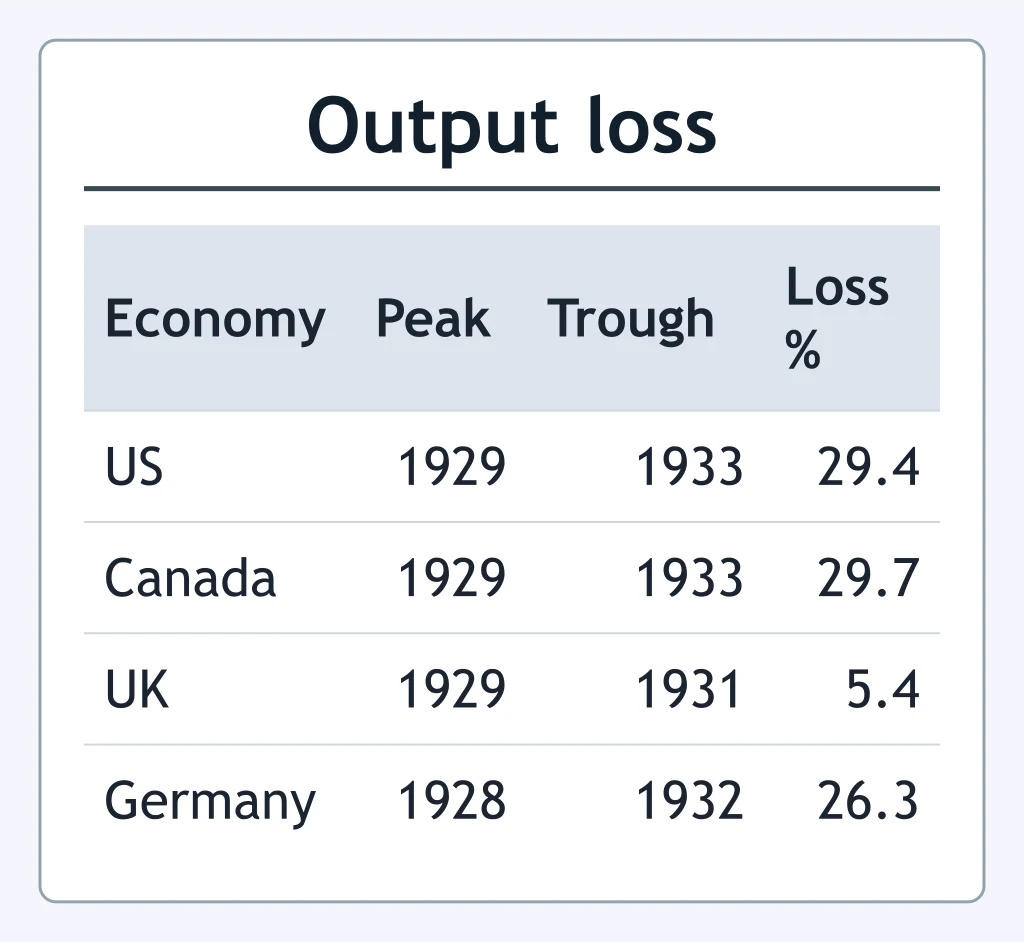
Use the table. Which economy shown had a much smaller output loss than the others?
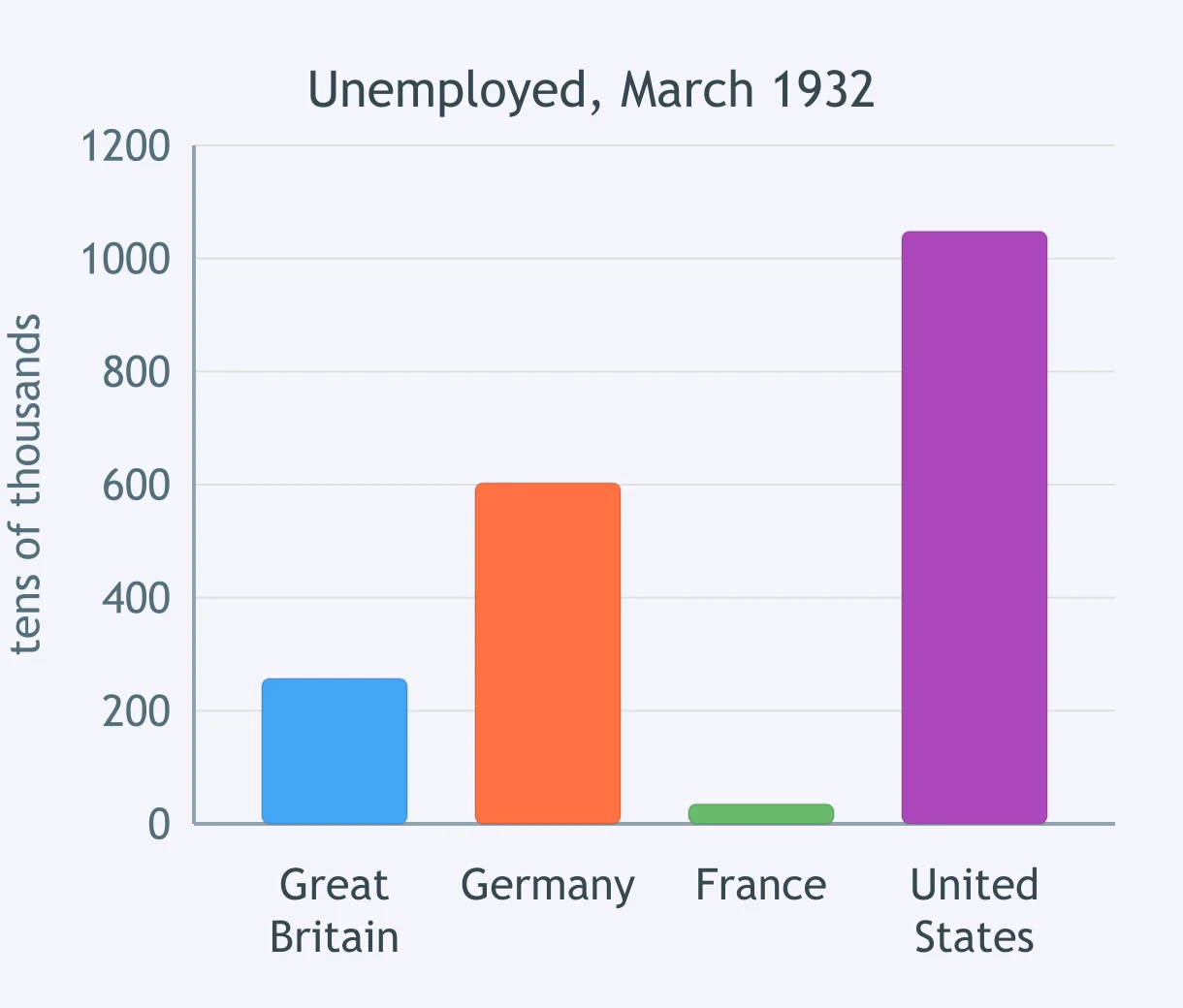
Use the bar graph. Which country had the largest unemployed count shown for March 1932?
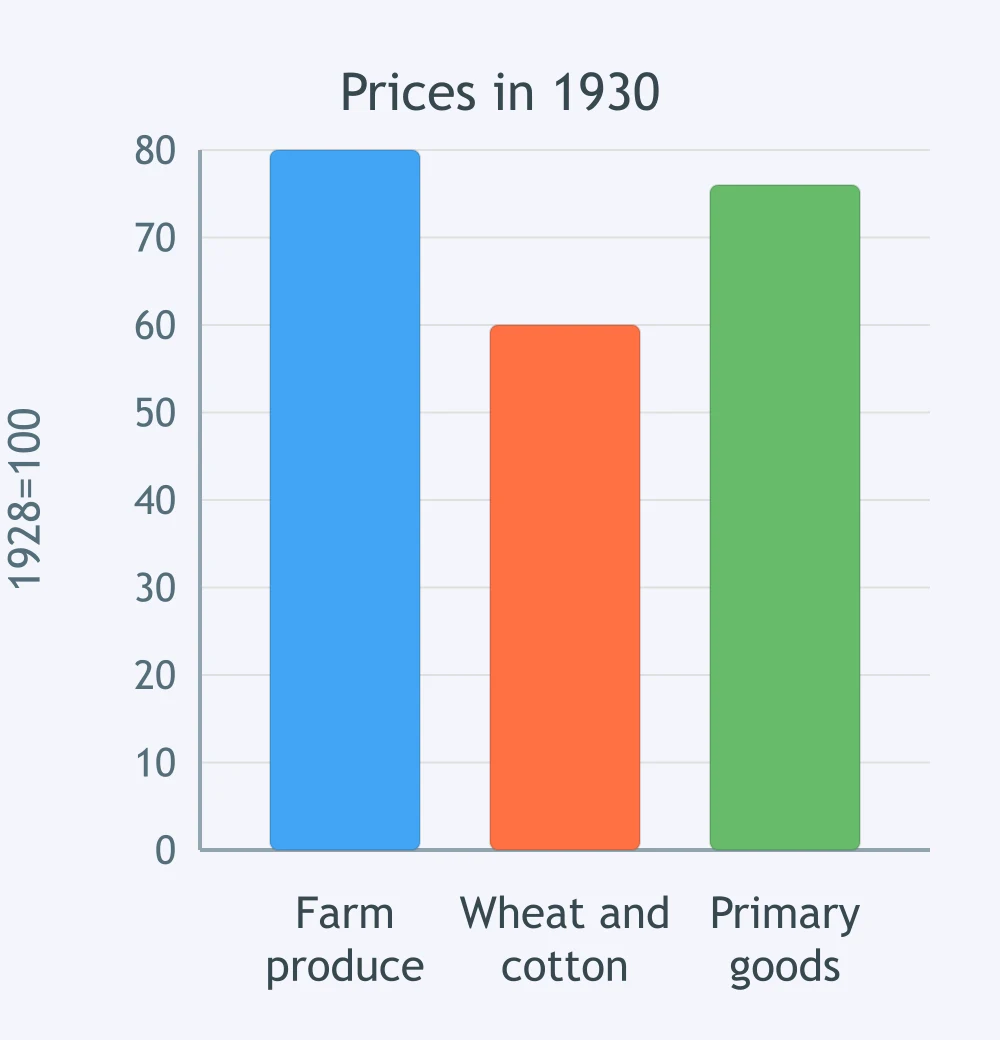
Use the bar graph. Which price group fell lowest relative to 1928?
In the 1920s, many Americans bought stocks by paying only a small fraction of the price and borrowing the rest. What did a sharp price drop do to those buyers?
Why did stock speculation make the 1929 crash more dangerous than a normal change in prices?
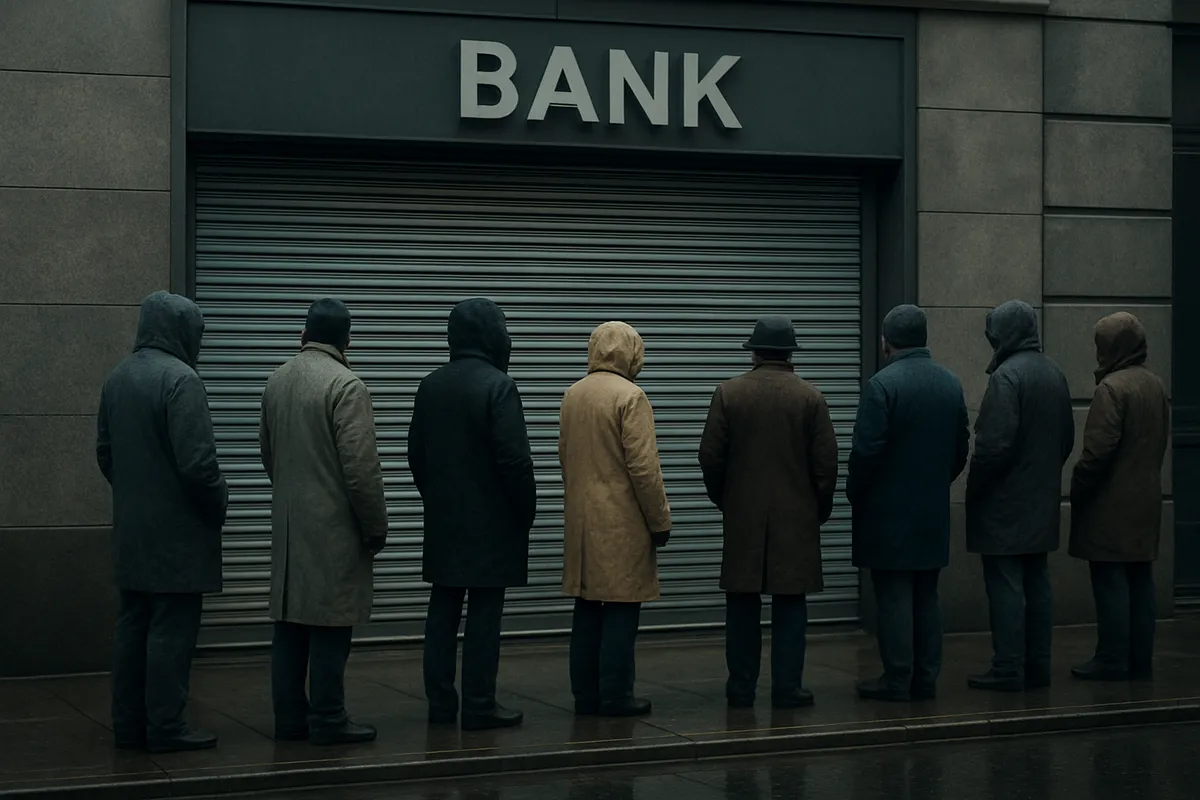
Customers heard rumors that a bank might fail, so they rushed to withdraw cash at the same time. Why could that rumor help cause a failure?
How did falling prices deepen the Depression for people and businesses that already owed money?
Under the gold standard, why did many central banks tighten credit during the Depression?
Consumer credit expanded in the 1920s, but job losses spread after 1929. What happened when families could no longer make payments?
Congress raised U.S. tariffs in 1930, and trade partners answered with tariffs of their own. What was the main worldwide effect?
As trade and credit tightened, U.S. banks began recalling loans made to foreign businesses and countries. What did that do abroad?
Why was Germany especially vulnerable when U.S. lending dried up after 1929?
Britain left the gold standard in September 1931. Why did that event add pressure on the U.S. banking system?
Many Latin American economies sold primary products overseas and bought manufactured imports. What did the export collapse encourage?
After 1929, Japan faced falling export income and shortages of resources such as oil and rubber. Which policy gained strength?
China was more isolated than many economies in the early 1930s, but it still felt the Depression when prices fell for two of its major exports. Which were they?
Why did falling world crop prices hurt many African peasants under colonial rule?
Britain's economy suffered in the Depression, but not all sectors were hit equally. Which sector declined especially sharply?
Brazil had huge coffee stocks while world demand was weak. What did the Vargas government begin doing in 1931 to support prices?
The Nazi Party’s national vote rose from 2.6 percent in 1928 to 37 percent in July 1932. What economic condition helped create that opening?
Hoover created the Reconstruction Finance Corporation in 1932. What was its basic purpose?
Roosevelt declared a national bank holiday in March 1933. What was the goal of closing banks temporarily?
Which 1933 banking reform created federal deposit insurance and separated commercial from investment banking?
Crack the passcode before the zombies get in.
Answer, then swat bugs for bonus points.
Race through questions at your own speed.
Same question on every screen. Fastest wins.

Pick a tile, answer, hit bonuses and steals.
Nationalism in Asia and the Middle East between the Wars
25 questions