Loading
by BlastRoom
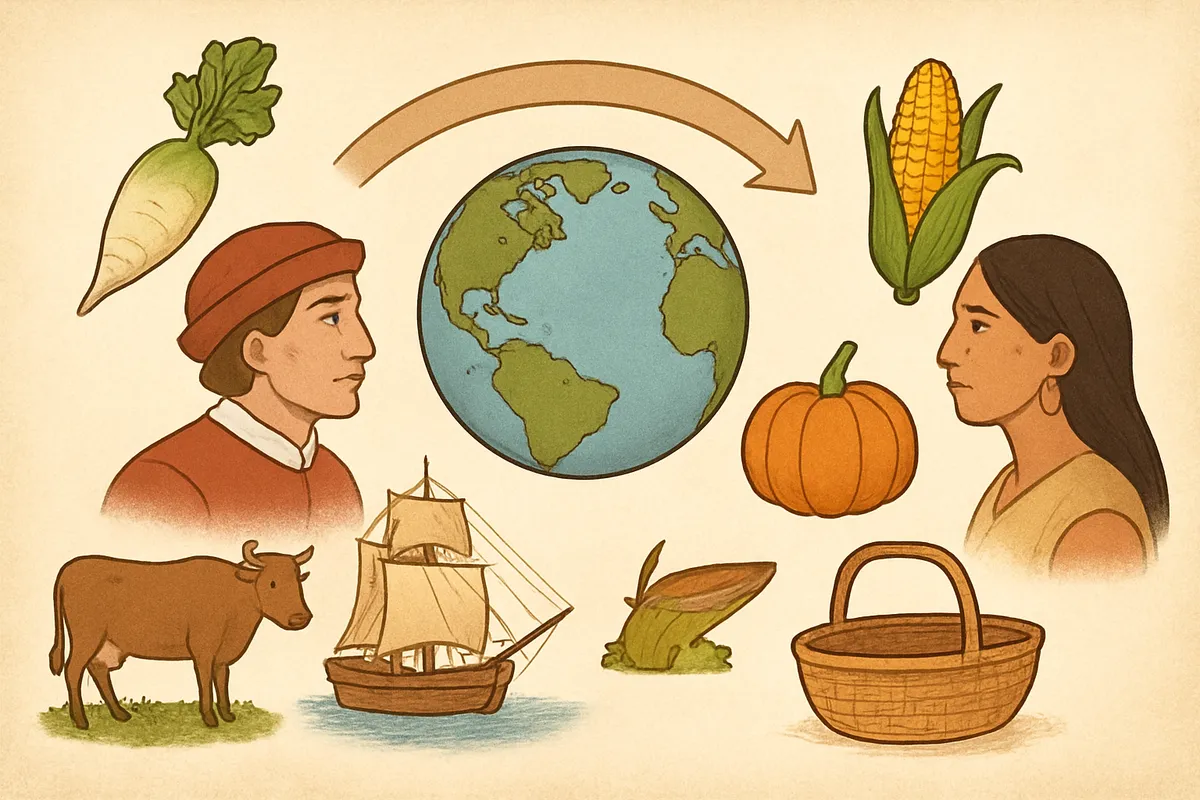
Plants, animals, people, and diseases moved between the Americas and Europe, Africa, and Asia after 1492.
#history#exploration#colonization#us_grade_4_social_studies
40 questions
One question set, multiple game modes. Tap any game to see it in action. Not sure which to pick?
After 1492, ships carried crops across the Atlantic in both directions. Which crop was first grown by farmers in the Americas and later spread to Europe, Africa, and Asia?
Colonists sailed to the Americas carrying seeds from their home fields. Which crop came from Europe, Africa, or Asia and was planted in the Americas for the first time?
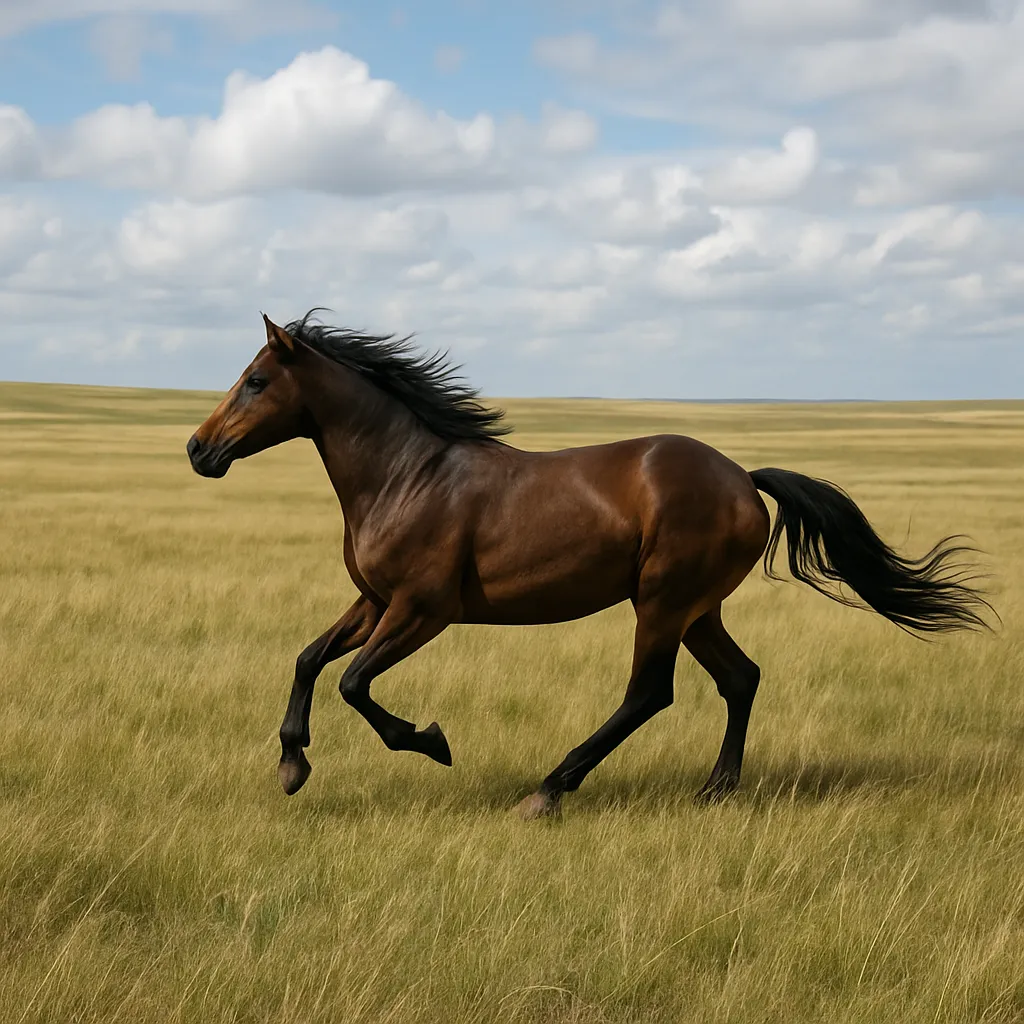
Horses reached the Americas with Spanish colonists. On the Great Plains, nations such as the Lakota and the Comanche, who still live in the United States today, used horses mainly to do what?
Tomatoes were grown in Europe before 1492 and later became a common food in American cooking.
Diseases such as ___ crossed the Atlantic on European ships and spread quickly among Indigenous peoples, who had never met them before.
European ships brought diseases that had never reached the Americas, so people there had no protection against them. What happened in many Indigenous nations, whose members still live across the country today?
Colonists brought many farm animals across the ocean on their ships. Which animal lived in the Americas before 1492 and was later taken back to Europe?
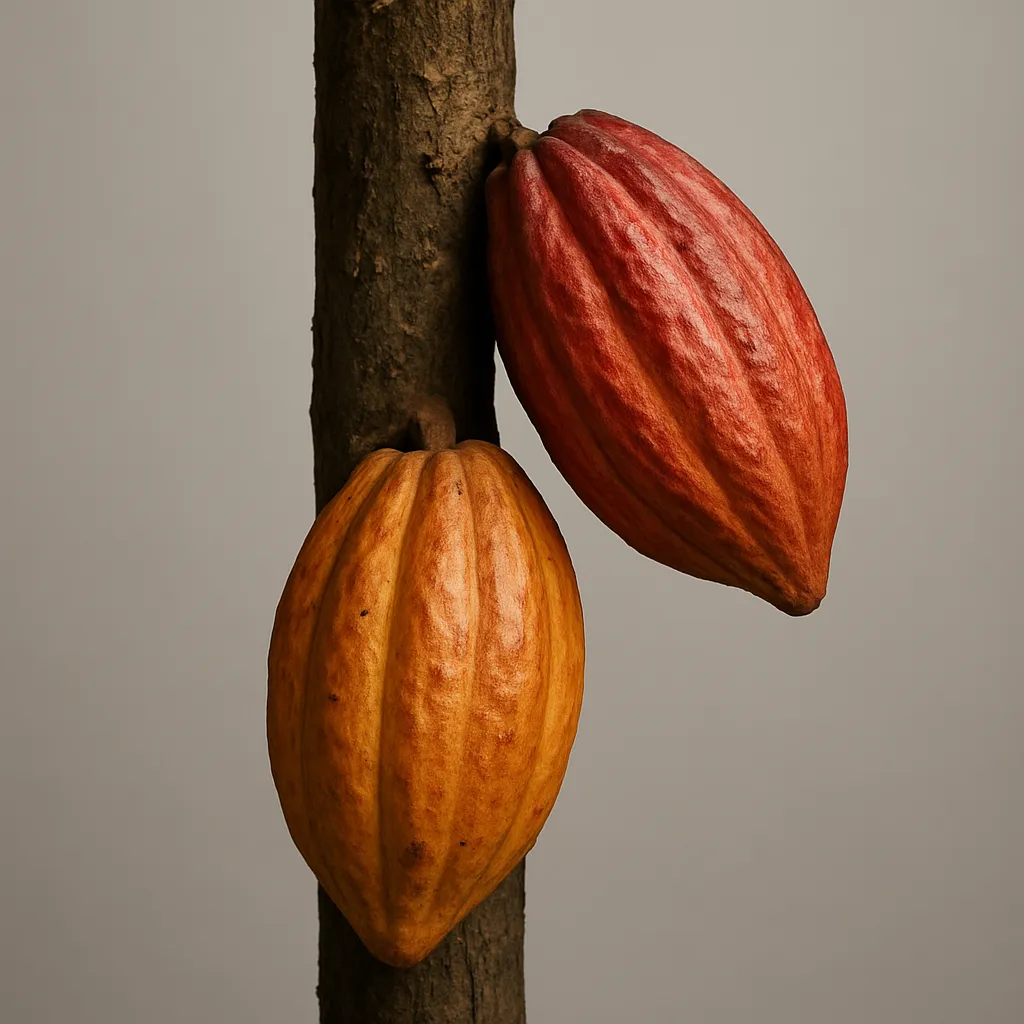
Chocolate is made from the beans of the cacao tree. Where did cacao trees first grow before 1492?
Which pair of crops did colonists bring from across the ocean and plant in the Americas?
In the Columbian Exchange, plants, animals, people, and diseases moved in both directions between the Americas and Europe, Africa, and Asia.
Which insect did European colonists bring across the ocean to the Americas?
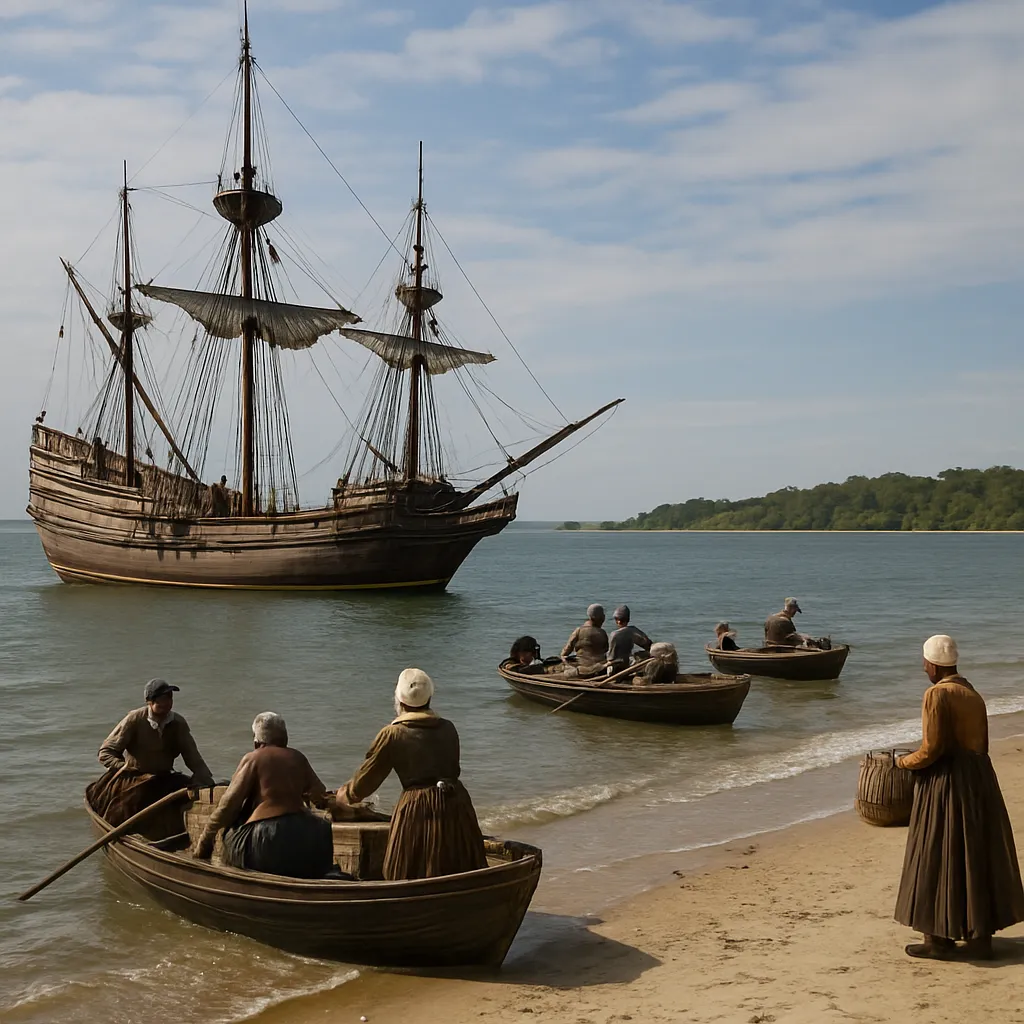
Which event helped begin the Columbian Exchange?
In the Columbian Exchange, the 'New World' usually means which place?
In the Columbian Exchange, which continents are usually called the 'Old World'?
Which spicy crop was first grown by farmers in the Americas and later became popular in dishes across Europe and Asia?
Which crop originally came from the Americas?
Vanilla, used to flavor foods and desserts, originally came from Asia.
Squash, like corn and beans, was grown by Native American farmers before 1492.
Which animal was brought from Europe to the Americas?
Which animal was brought to the Americas from the Old World?
Which small animal from the Andes in South America was carried to Europe in the 1500s and kept there as a pet?
Which farm animals did Europeans bring to the Americas?
Which serious problem spread to many Native American communities during the Columbian Exchange?
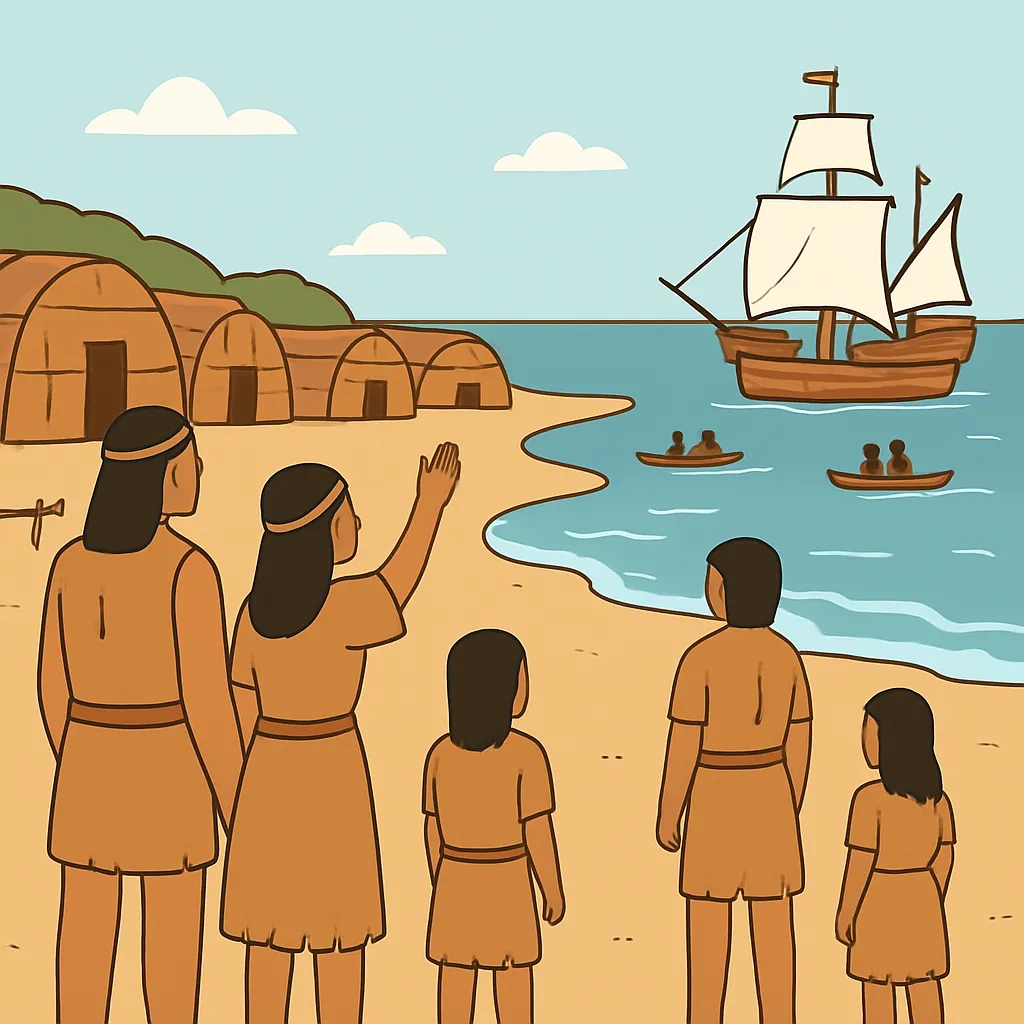
Why were Old World diseases so dangerous for many Native Americans?
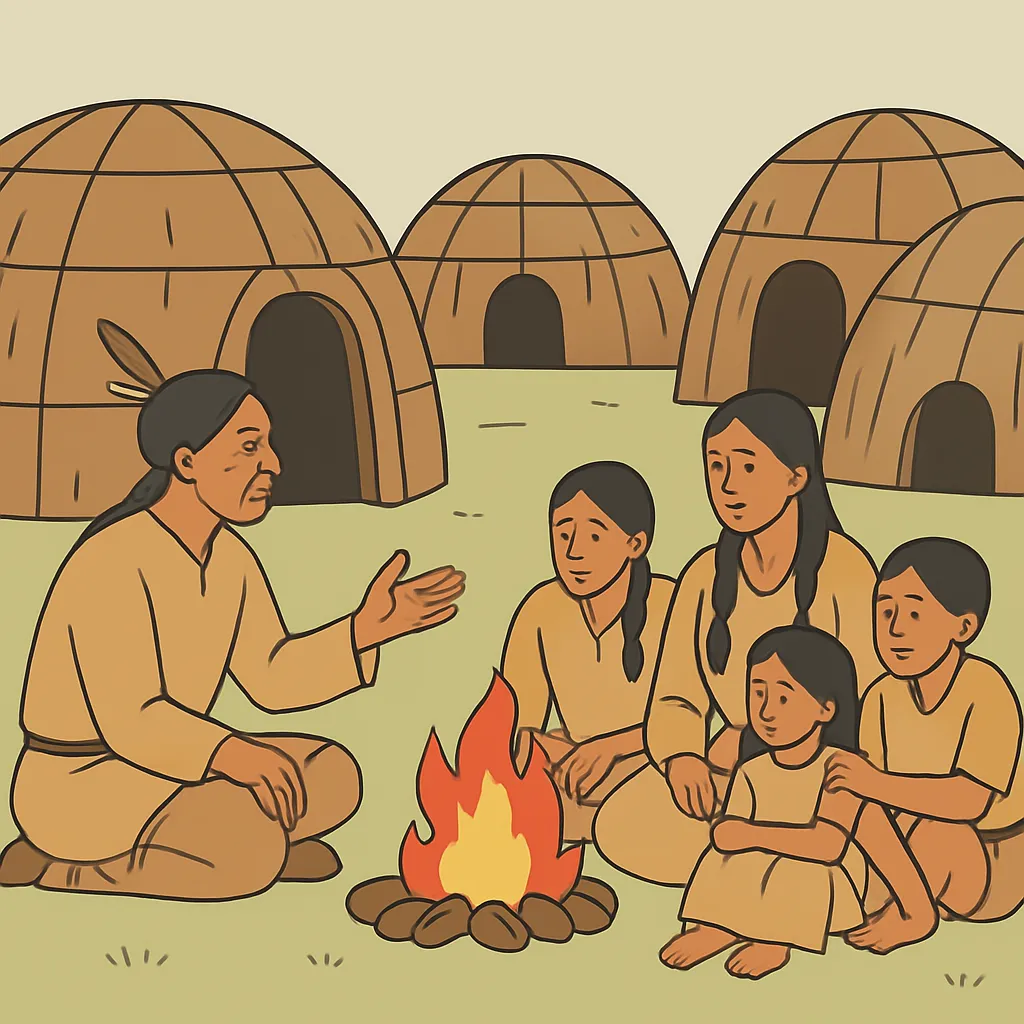
The Columbian Exchange had only positive effects for everyone involved.
Which statement best describes one positive effect of the Columbian Exchange?
Which crop from the Old World was brought to the Americas and grown on plantations?
Bananas were first grown in Southeast Asia. Which group brought banana plants across the ocean and began growing them in the Americas?
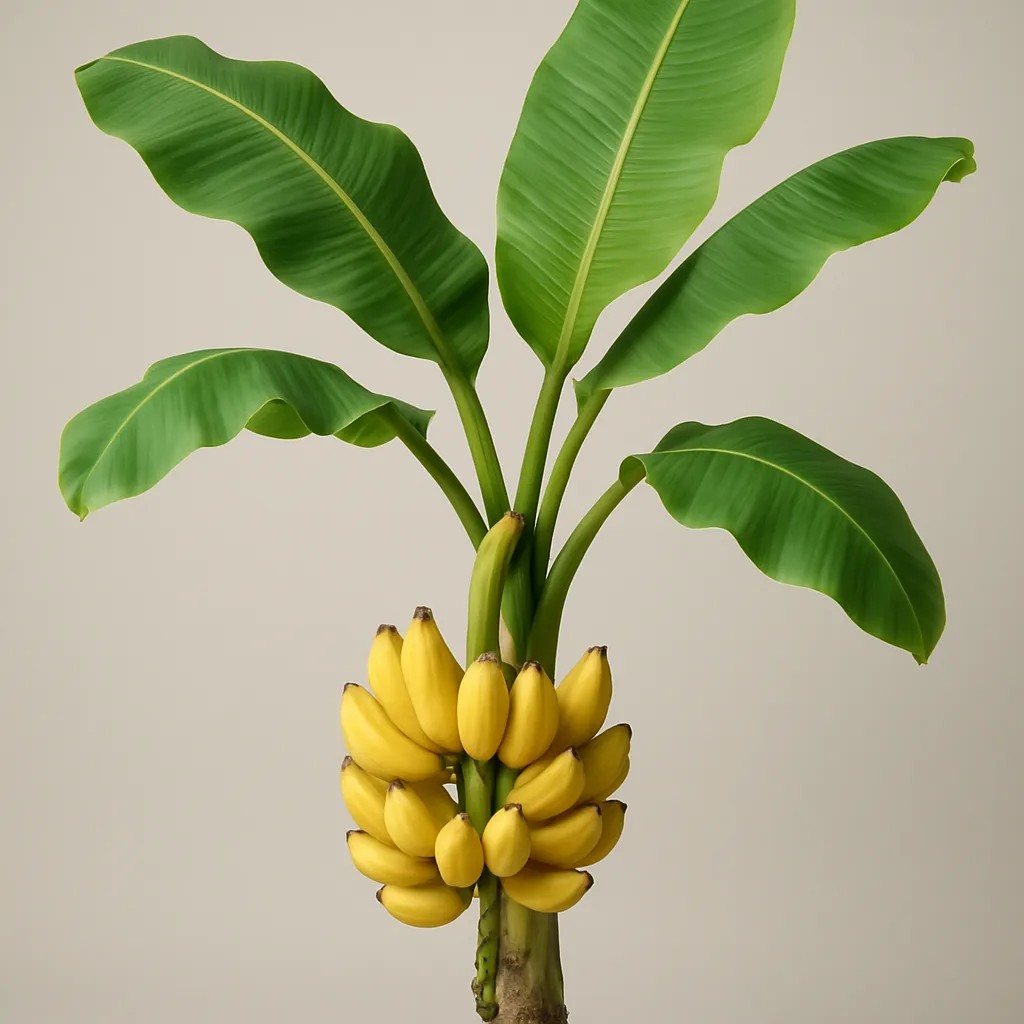
Which crop was carried from the Americas to other parts of the world?
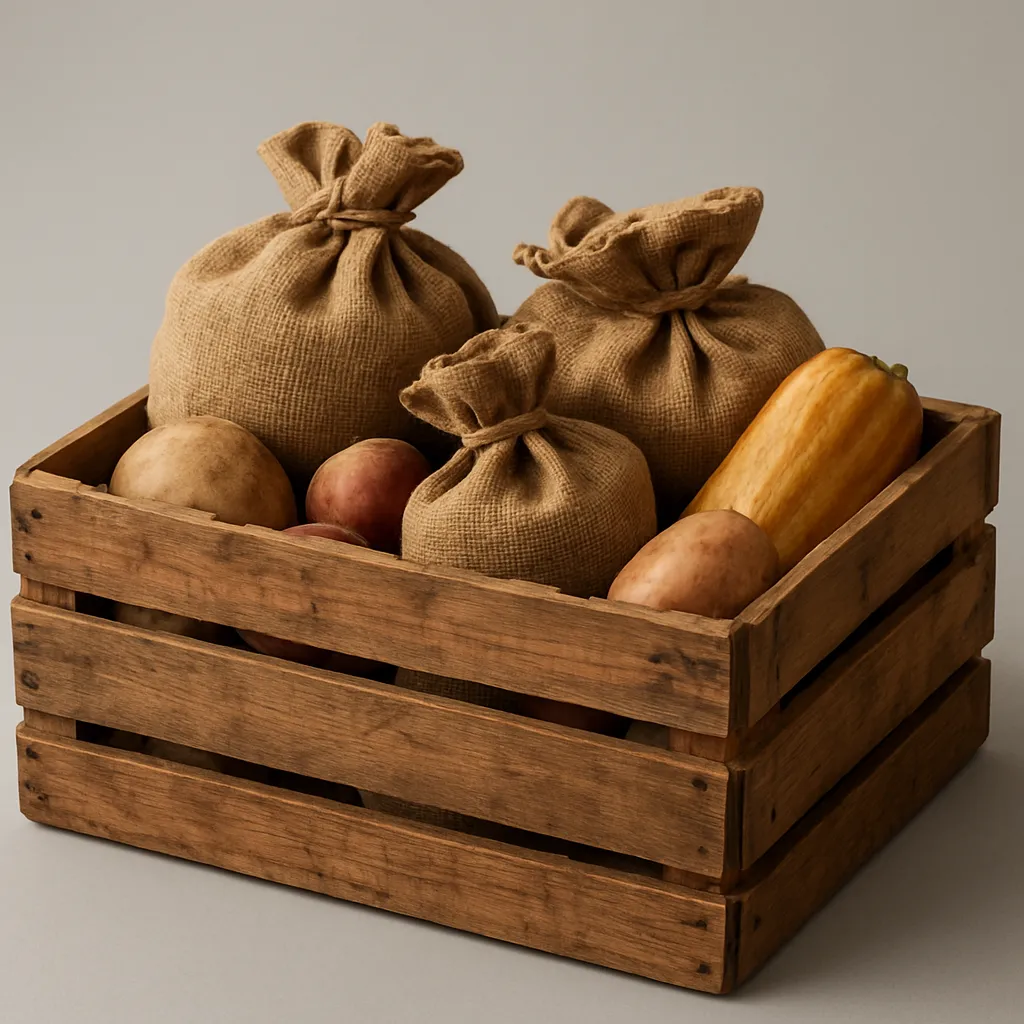
Coffee originally came from the Americas.
As European colonization expanded across the Americas after 1492, what often happened to land traditionally used by Native American nations?
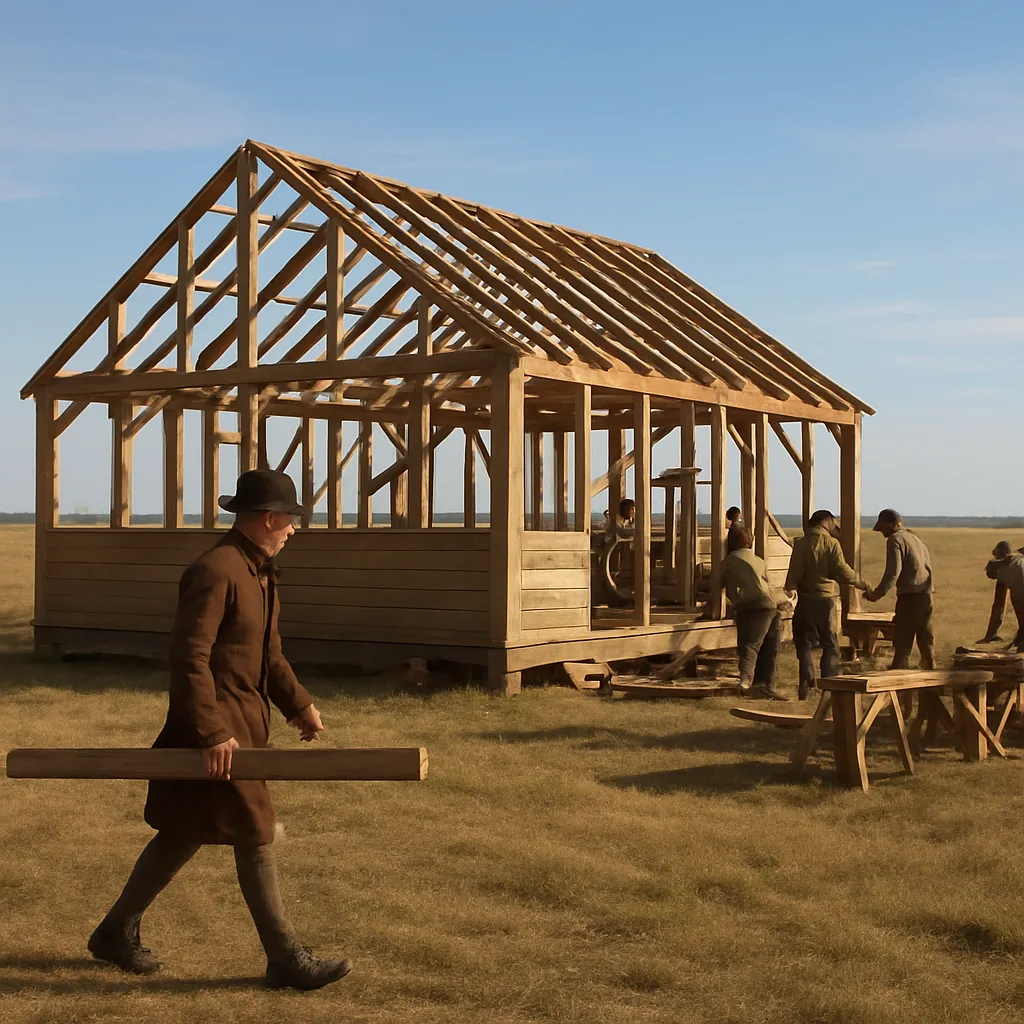
Which ocean did many Columbian Exchange ships cross?
The Columbian Exchange connected continents that had been separated for a long time.
Which item was sent from the Americas to Europe?
Which pair correctly shows Old World to New World movement?
Which pair correctly shows New World to Old World movement?
The Columbian Exchange changed diets in many parts of the world.
What was one harmful result of growing plantation crops in the Americas?
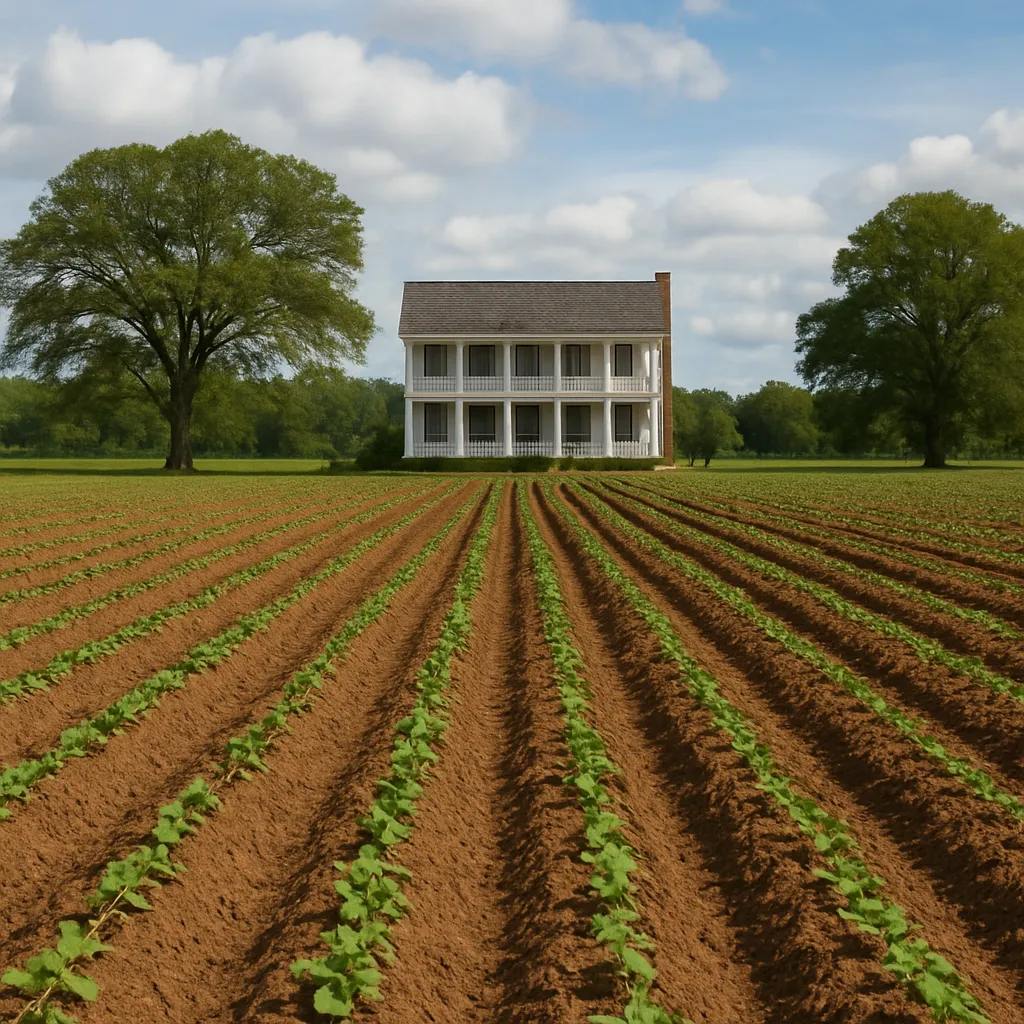
Which sentence best explains why the Columbian Exchange is important in history?

The Columbian Exchange included the movement of ideas and cultures, not just goods.
Crack the passcode before the zombies get in.

Pick a tile, answer, hit bonuses and steals.
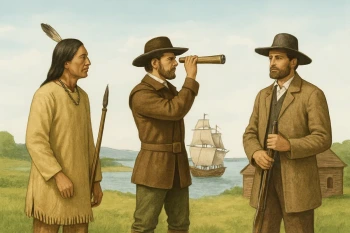
Comparing Perspectives: Indigenous Peoples, Explorers, and Settlers
20 questions