Loading
by BlastRoom
Explain the causes of the American Revolution.
#history#american_revolution#us_grade_4_social_studies
40 questions
One question set, multiple game modes. Tap any game to see it in action. Not sure which to pick?
Answer to place stones and capture territory.
Outrun the snow together.
Earn blasts, then hunt the other team.
Answer to earn energy, then climb.

The class blasts through walls together.
Bid on mystery lots. Most money wins.
Sell tours. Nice, standard, or a total scam.

Answer, restock, and serve the rush.
More correct answers pulls the rope your way.
Answer, then shoot down the alien wave.
Answer, then tap to leap the frozen ridge.
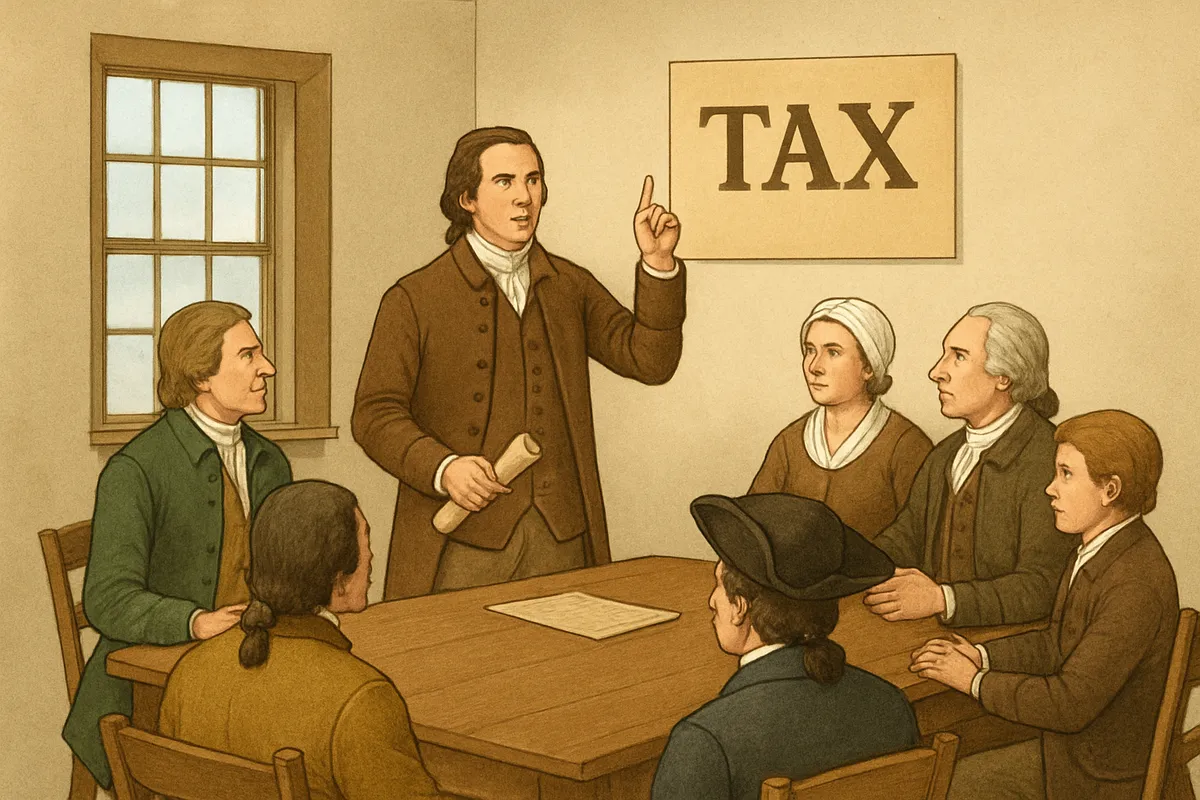
The French and Indian War ended in 1763 and left Britain owing a great deal of money. Britain said the colonies should help pay. What did Parliament decide to do?
Colonists protested with the cry "No taxation without representation." What did that cry say the colonists were missing?
In 1765 Parliament placed a new tax in the colonies, and every taxed item had to carry a special stamp. Which goods did that tax hit?
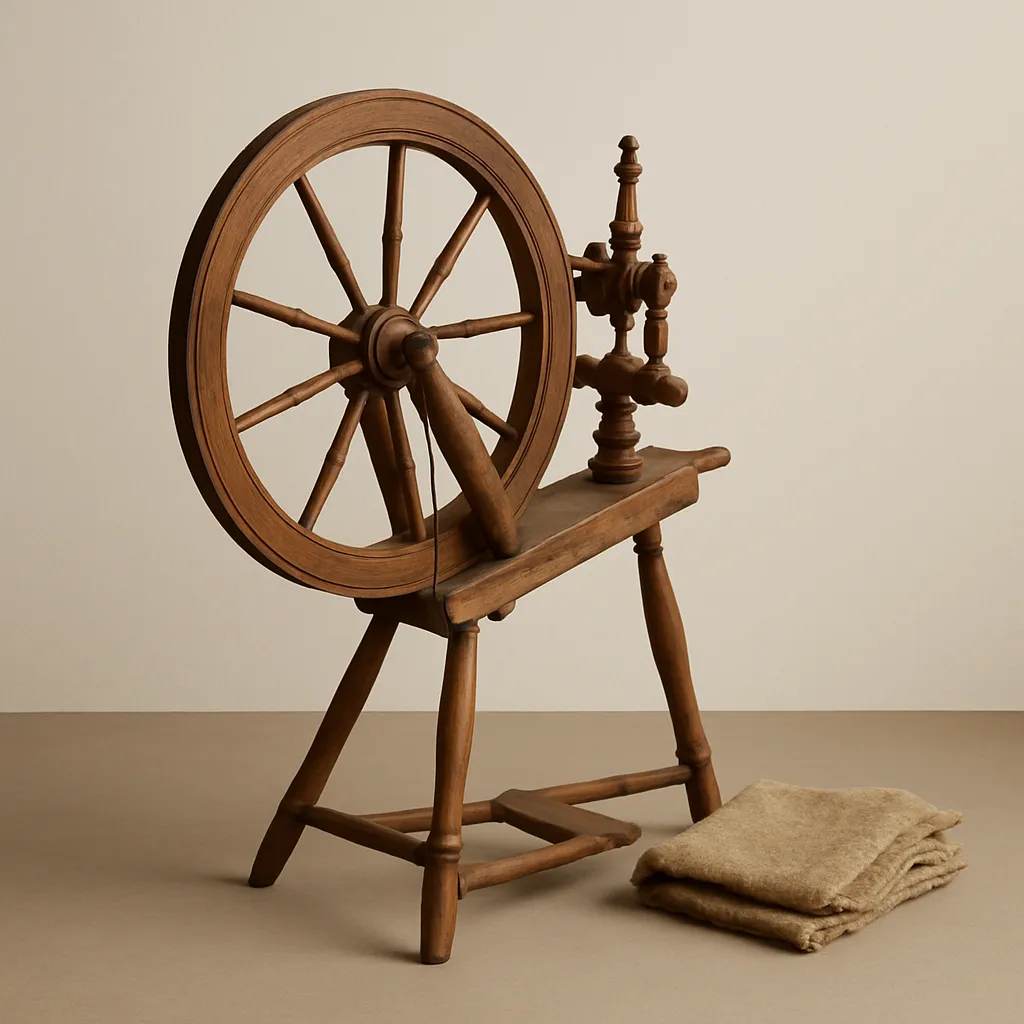
To protest the new taxes, many colonists agreed to stop buying British cloth, paper, and tea, and made their own cloth at home instead. Why did this hurt Britain?
On a March night in 1770, an angry Boston crowd shouted at and threw snowballs at British soldiers guarding a government building. What happened next?
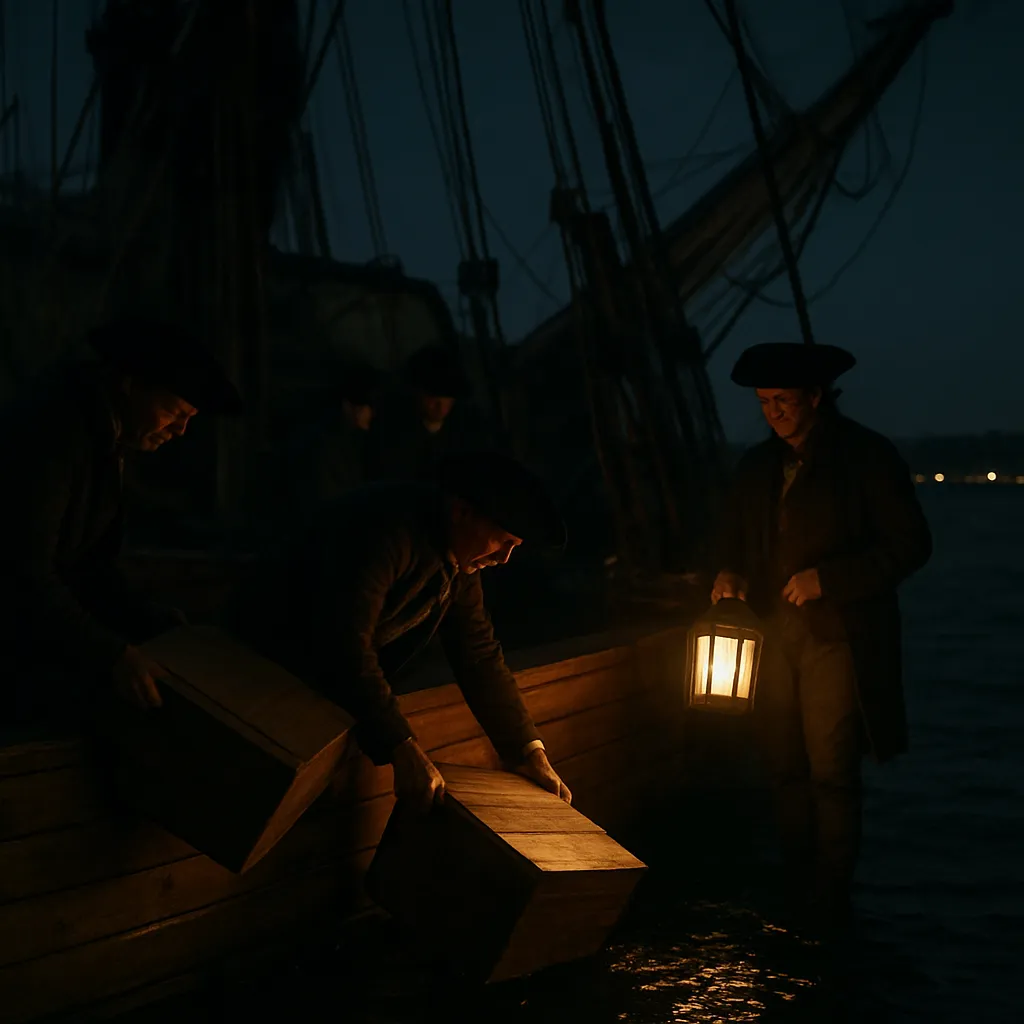
In December 1773, colonists boarded three ships in Boston Harbor at night and dumped chests of British tea into the water. Why did they do it?
After the tea was destroyed in Boston Harbor, Parliament decided to punish the city. What did Parliament do?
A British law required colonists to provide housing and supplies for British soldiers stationed in the colonies.
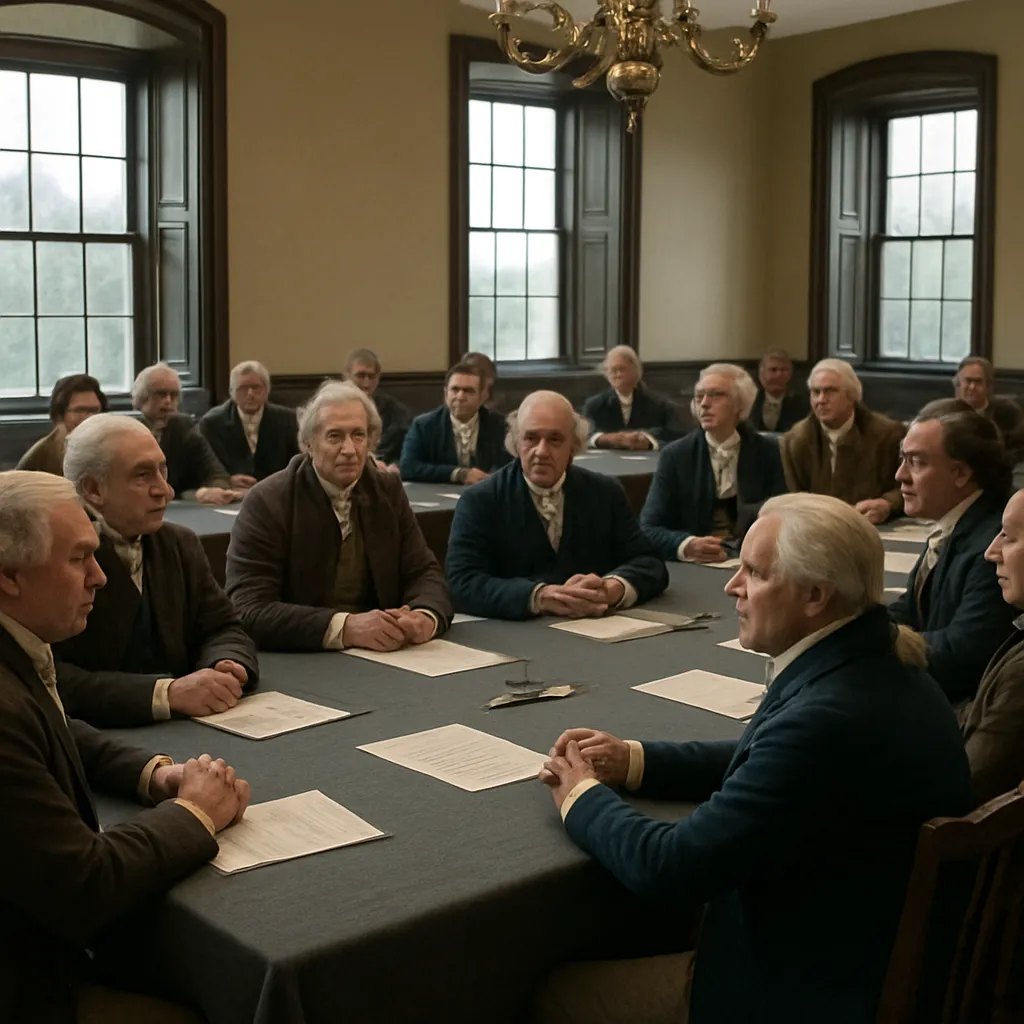
In 1774, delegates from twelve of the thirteen colonies traveled to Philadelphia and met together for the first time. What did they agree to do?
One colonial leader became famous for giving powerful speeches that urged the colonies to resist British rule. Who was he?
In April 1775, a Boston silversmith rode through the night to warn colonial leaders that British troops were marching out of the city. Who made that ride?
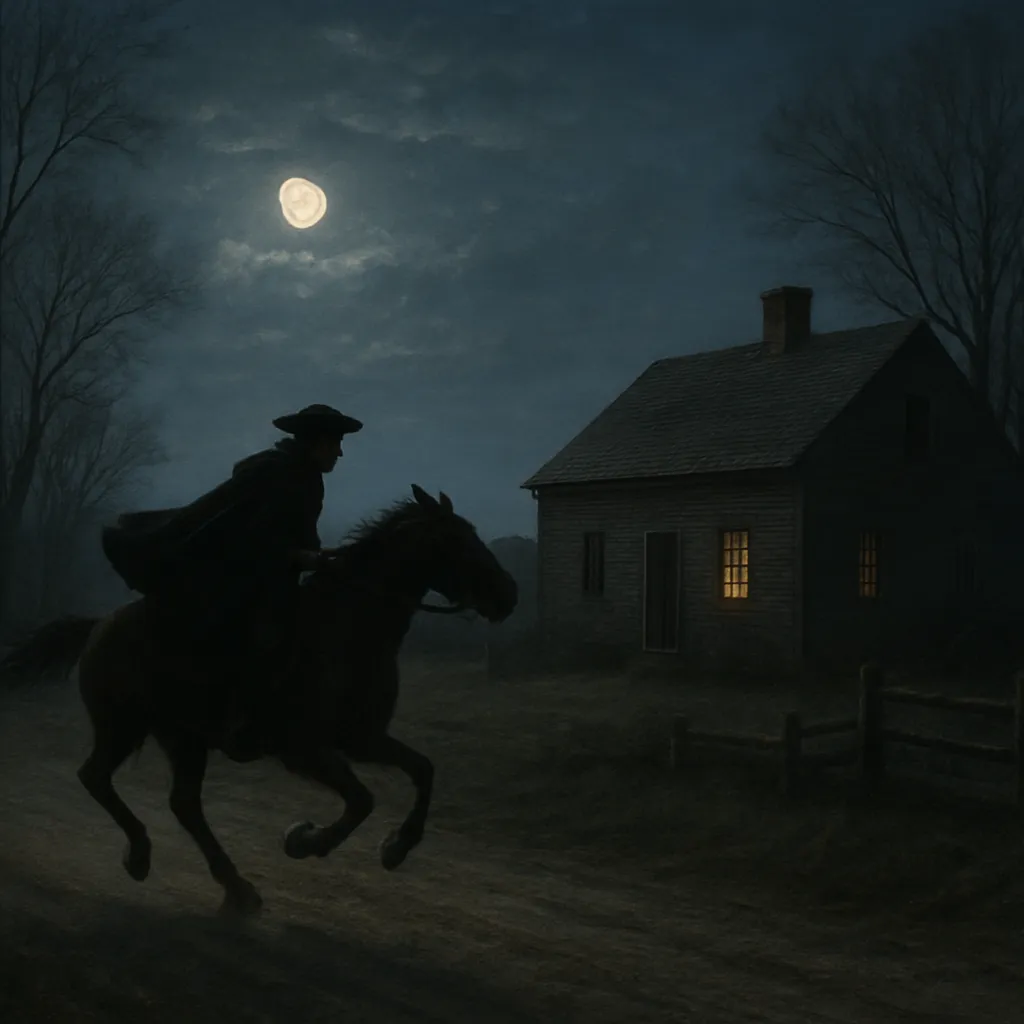
After the French and Indian War, Britain told colonists they could not settle west of the Appalachian Mountains. What was this rule called?
True or False: Colonists formed Committees of Correspondence to share news about British actions with other colonies by letter.
Colonial protests and boycotts hurt British merchants' sales. What did Parliament finally do about the Stamp Act in 1766?
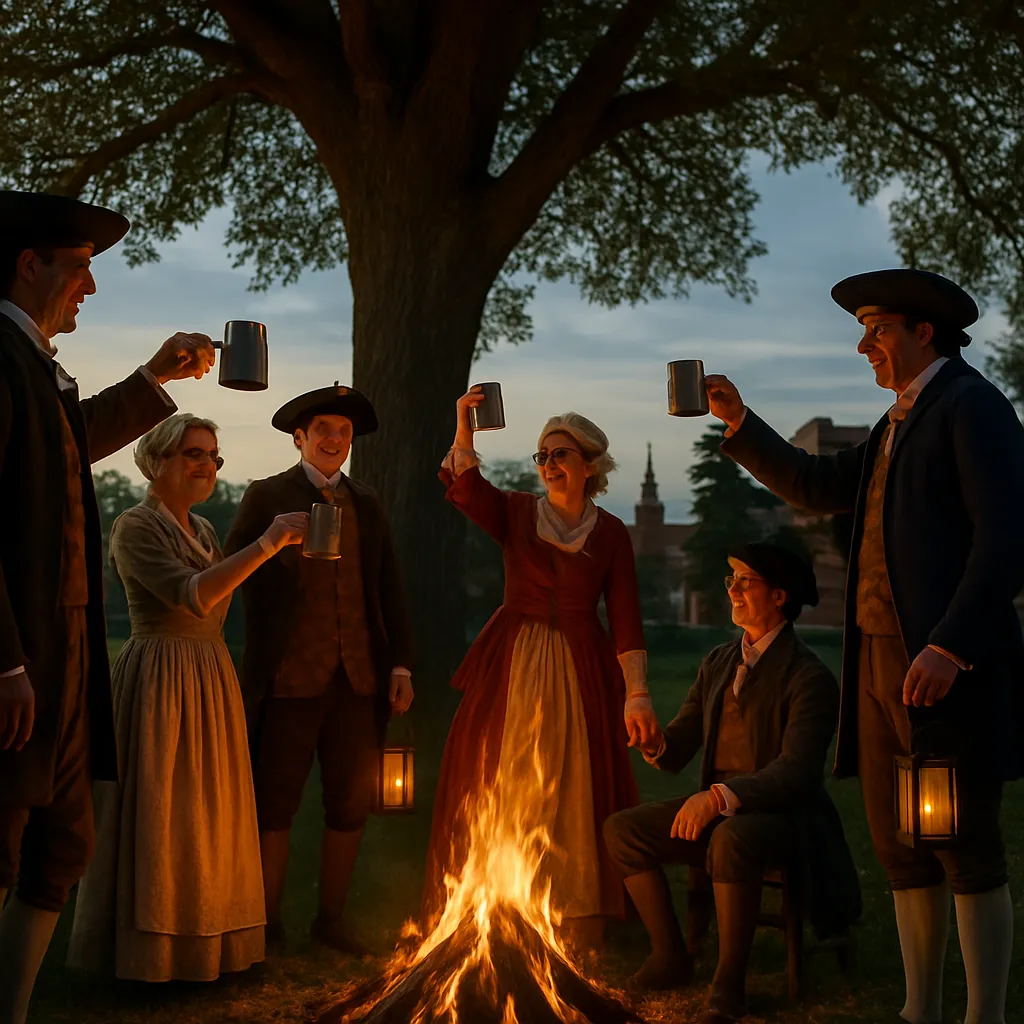
What group helped organize protests against British taxes in the colonies?
True or False: The Daughters of Liberty supported colonial resistance by making and using homespun cloth instead of buying British cloth.
In 1770 Parliament dropped most of its new taxes on everyday colonial goods, but kept one tax in place to show it still had the right to tax the colonies. Which good stayed taxed?
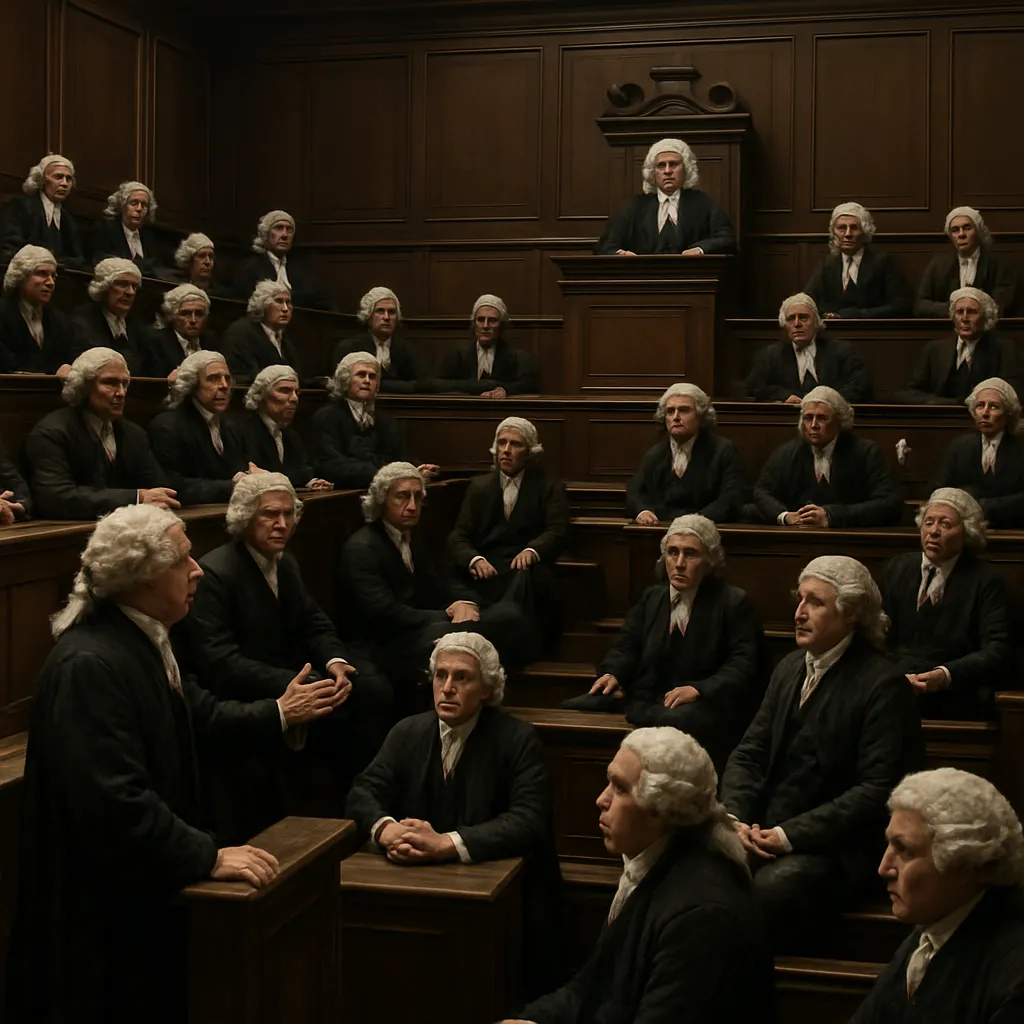
Colonial assemblies had long handled many local matters on their own. How did many colonists feel when Parliament in London began making more of those decisions for them?
After the Boston Massacre, the British soldiers involved were put on trial. Which future colonial leader volunteered to defend them in court, believing everyone deserved a fair trial?
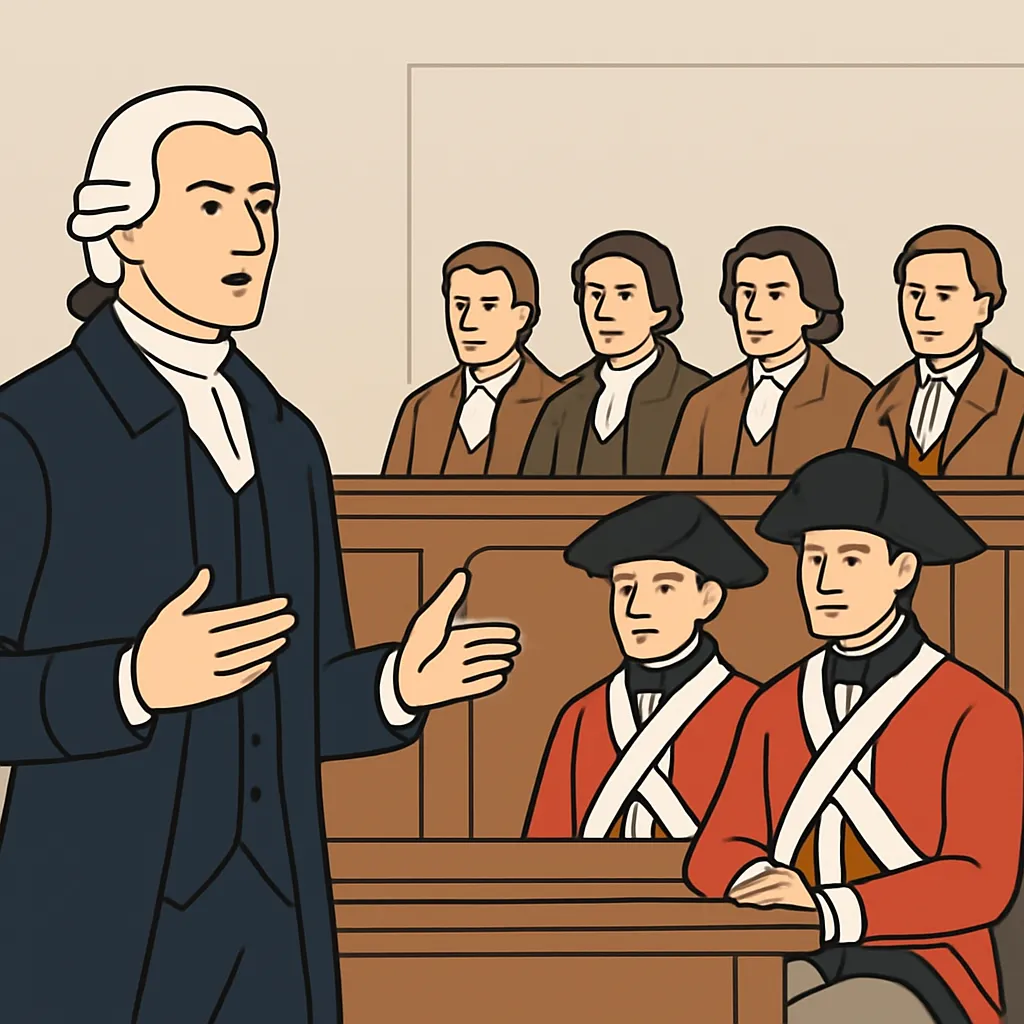
True or False: News of the Boston Massacre made most colonists trust British soldiers more than before.
In 1773 Parliament let a British trading company sell tea directly to colonial shops at a lower price, but the tea still carried the old tax. Why did many colonists reject this cheaper tea?
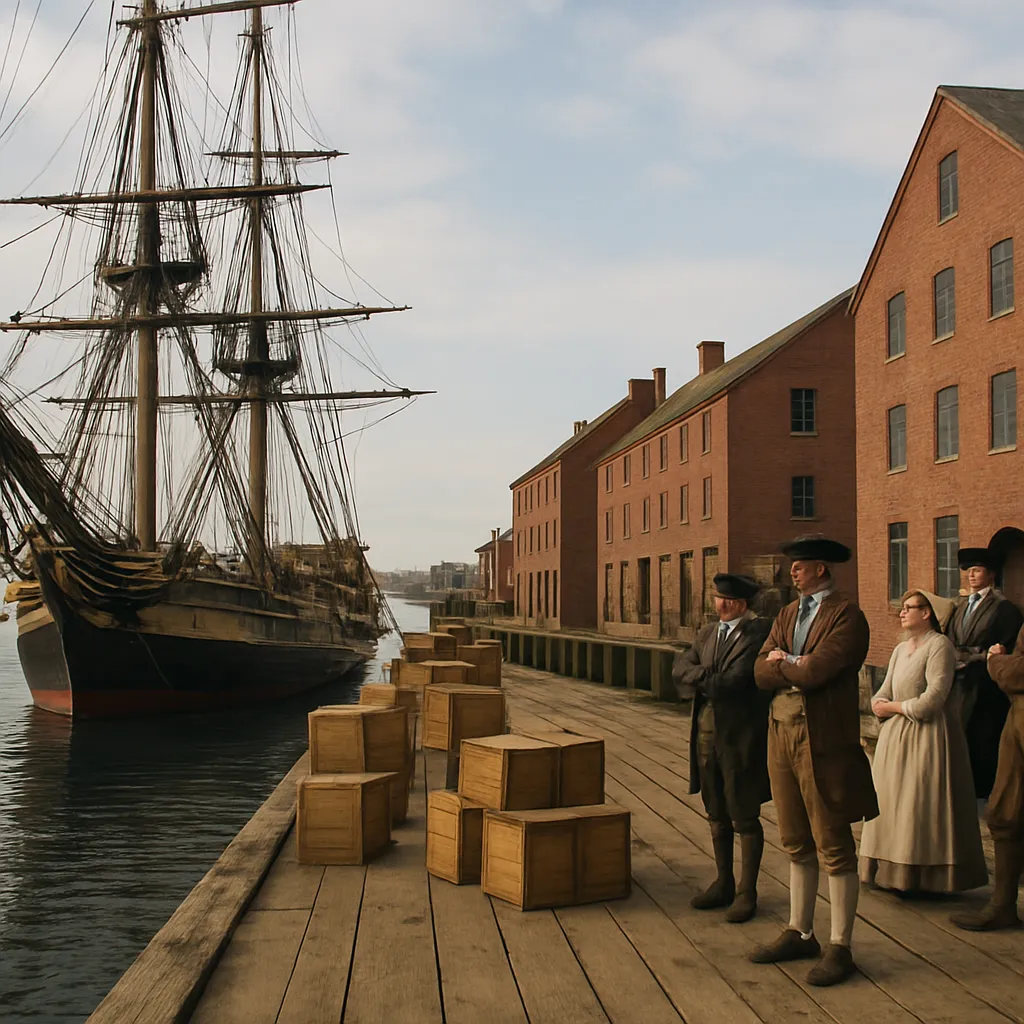
True or False: When Britain punished Massachusetts, the other colonies ignored it and did nothing to help.
Which city was the center of many important protests before the American Revolution?
True or False: Some colonists believed British soldiers staying in the colonies during peacetime was a threat to their freedom.
Many colonists disliked the British soldiers stationed in their towns. Because of the soldiers' bright uniforms, what nickname did colonists give them?
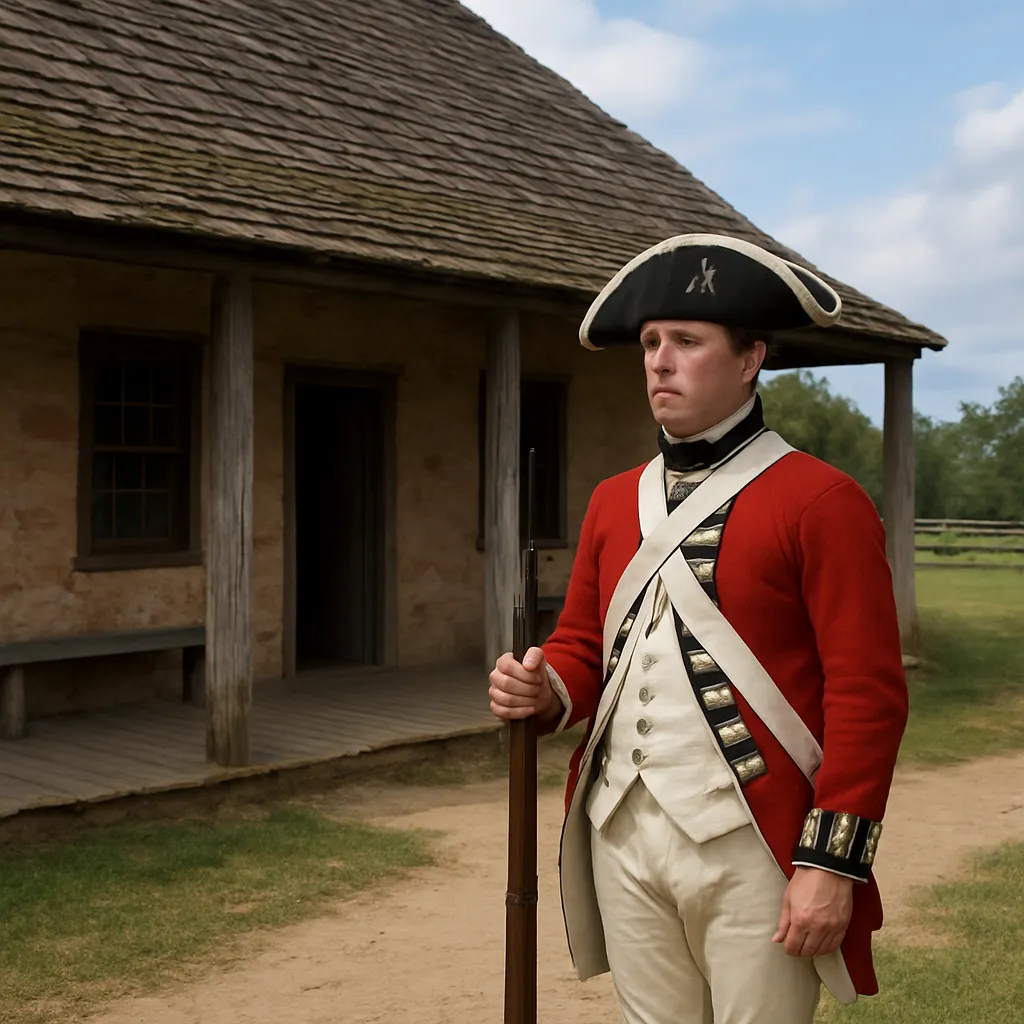
What was one reason Britain wanted stricter control over colonial trade?
Which choice best describes Loyalists before the American Revolution?
Which choice best describes Patriots before the American Revolution?
True or False: All colonists agreed that the colonies should become independent right away.
Of these four events, one happened first and set off the chain of events that followed. What was it?
Which event is often called the beginning of the fighting in the American Revolution?
This Boston leader helped found a protest group called the Sons of Liberty and organized many demonstrations against British taxes. Who was he?
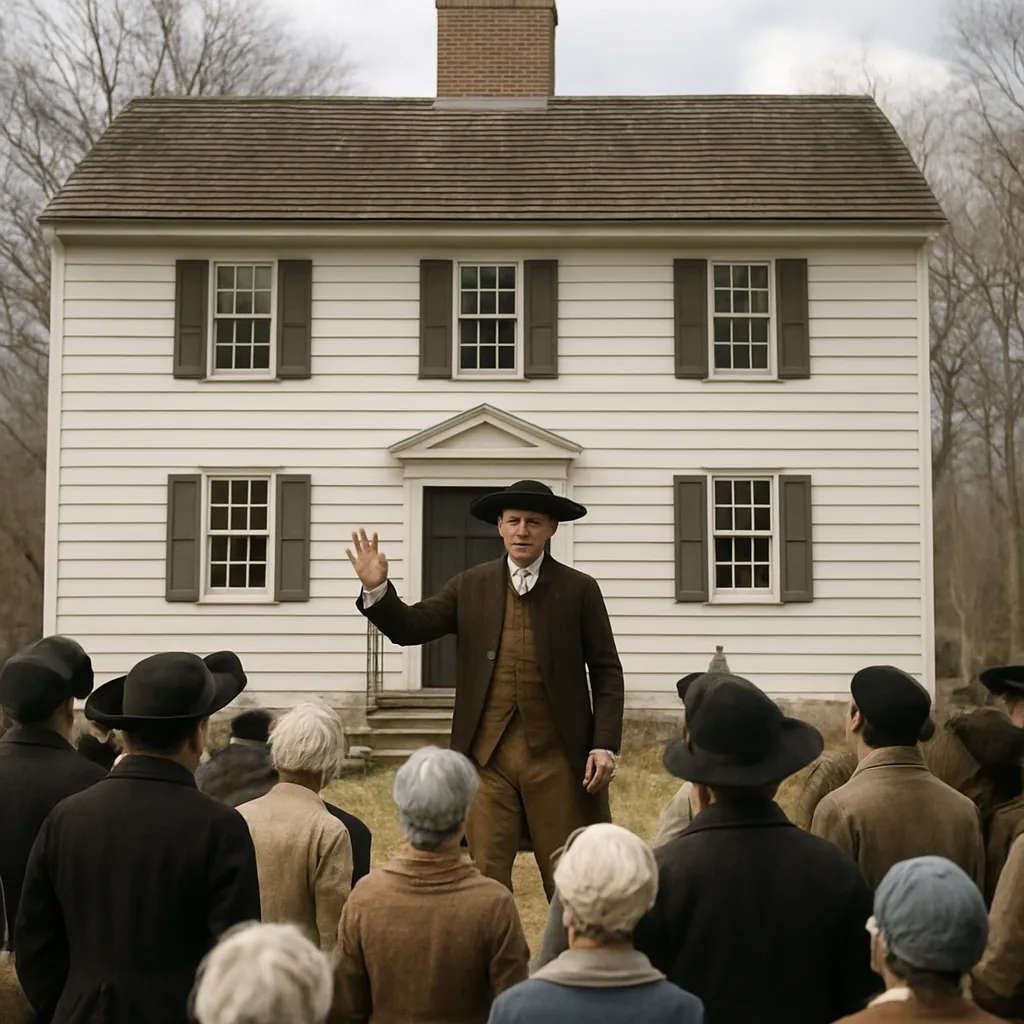
This Boston sailor, of African and Native American descent, was among the colonists killed when British soldiers fired into a crowd in 1770. Who was he?
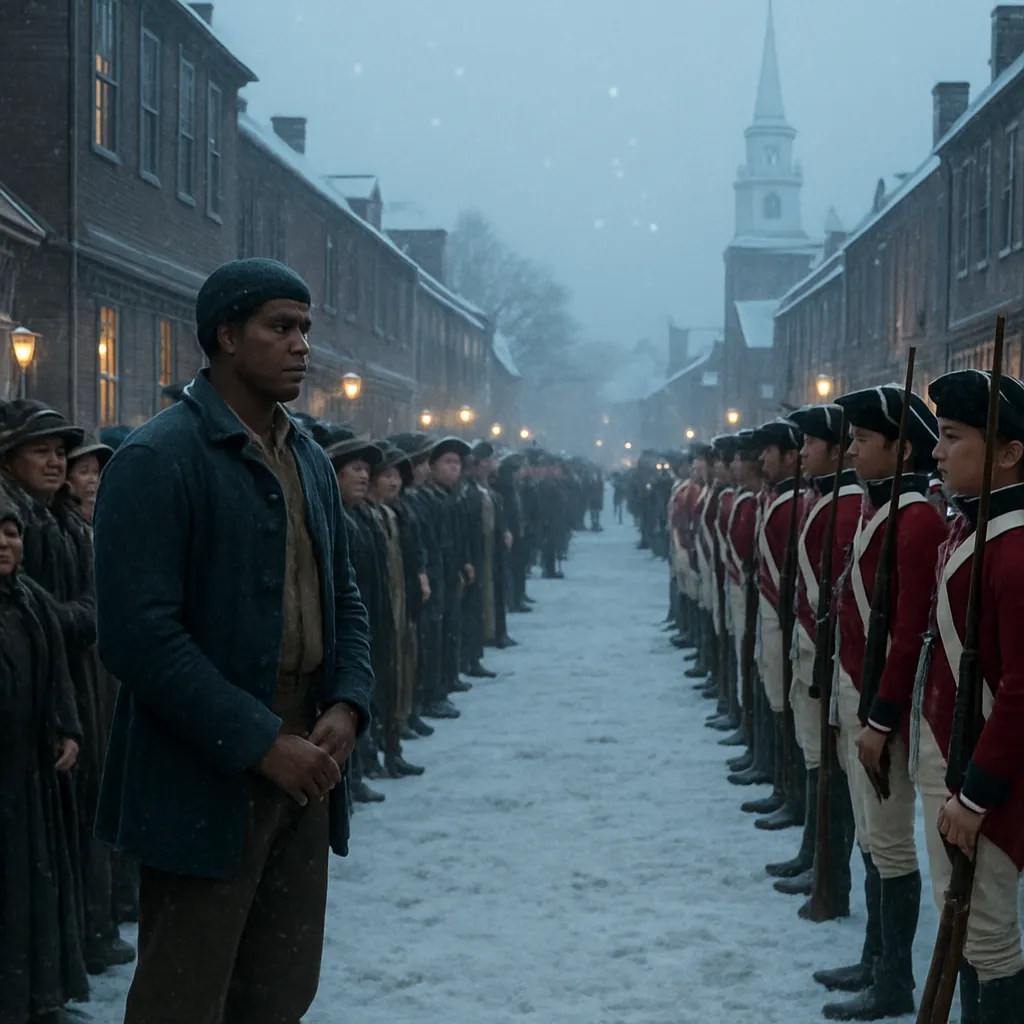
This wealthy Boston merchant used his fortune to support colonial protests and was accused by British officials of smuggling goods to avoid paying taxes. Who was he?
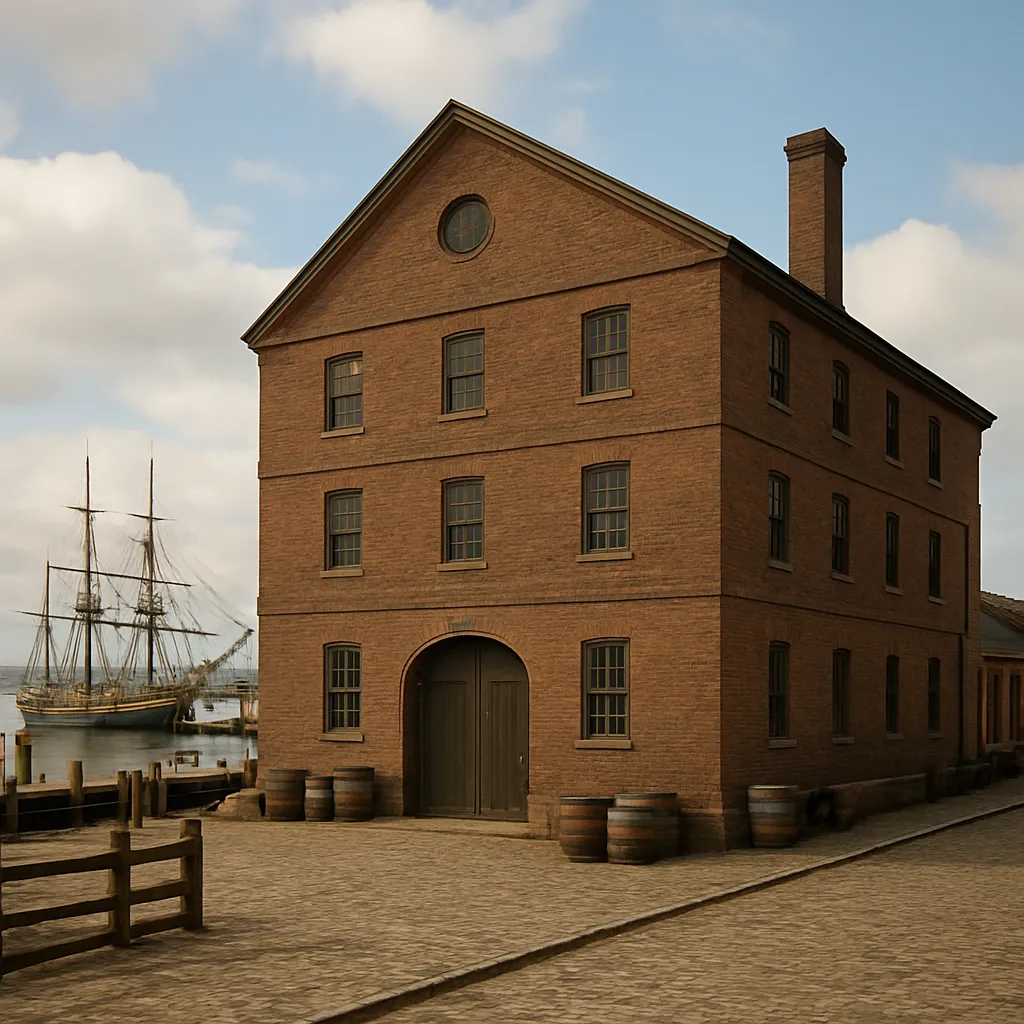
This colonial leader traveled to London to represent the colonies and testified before Parliament, arguing that the Stamp Act should be repealed. Who was he?
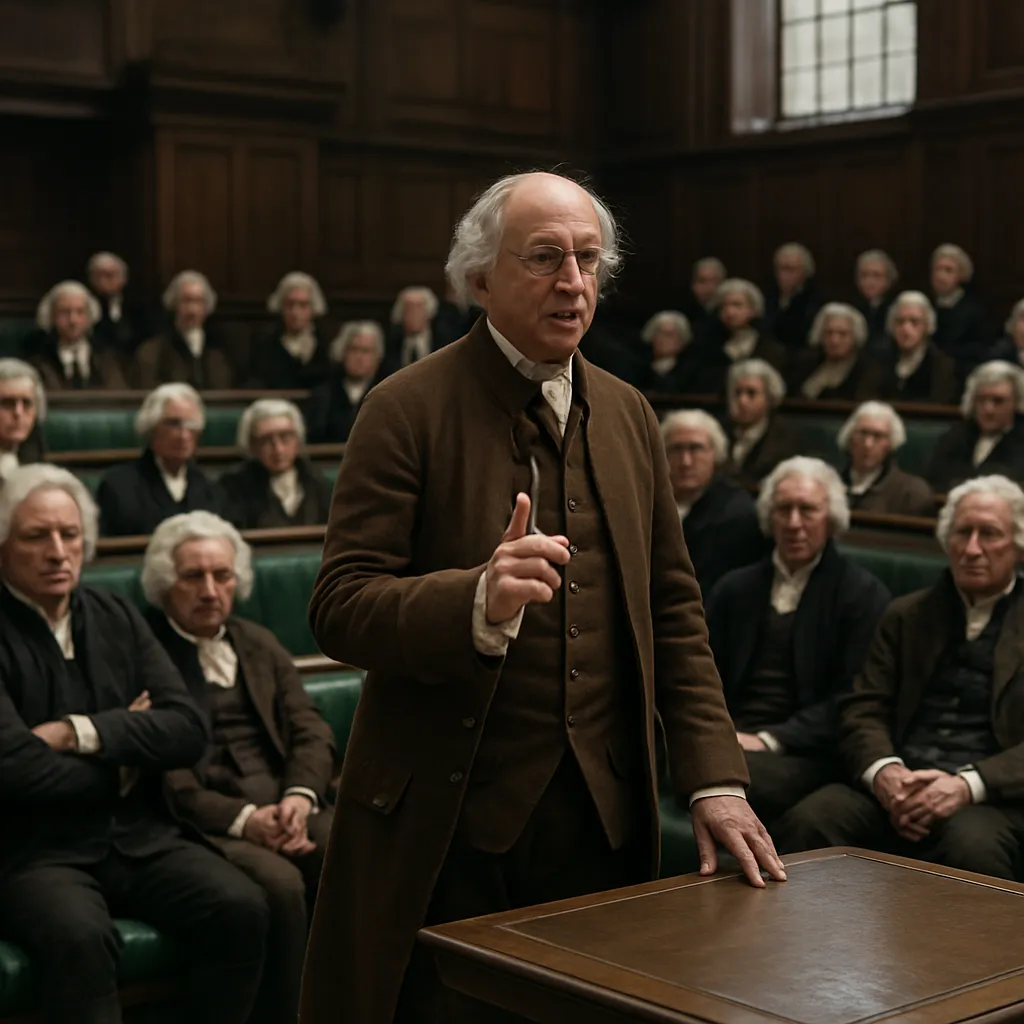
This writer published a pamphlet called Common Sense in early 1776 that convinced many ordinary colonists to support full independence from Britain. Who was he?
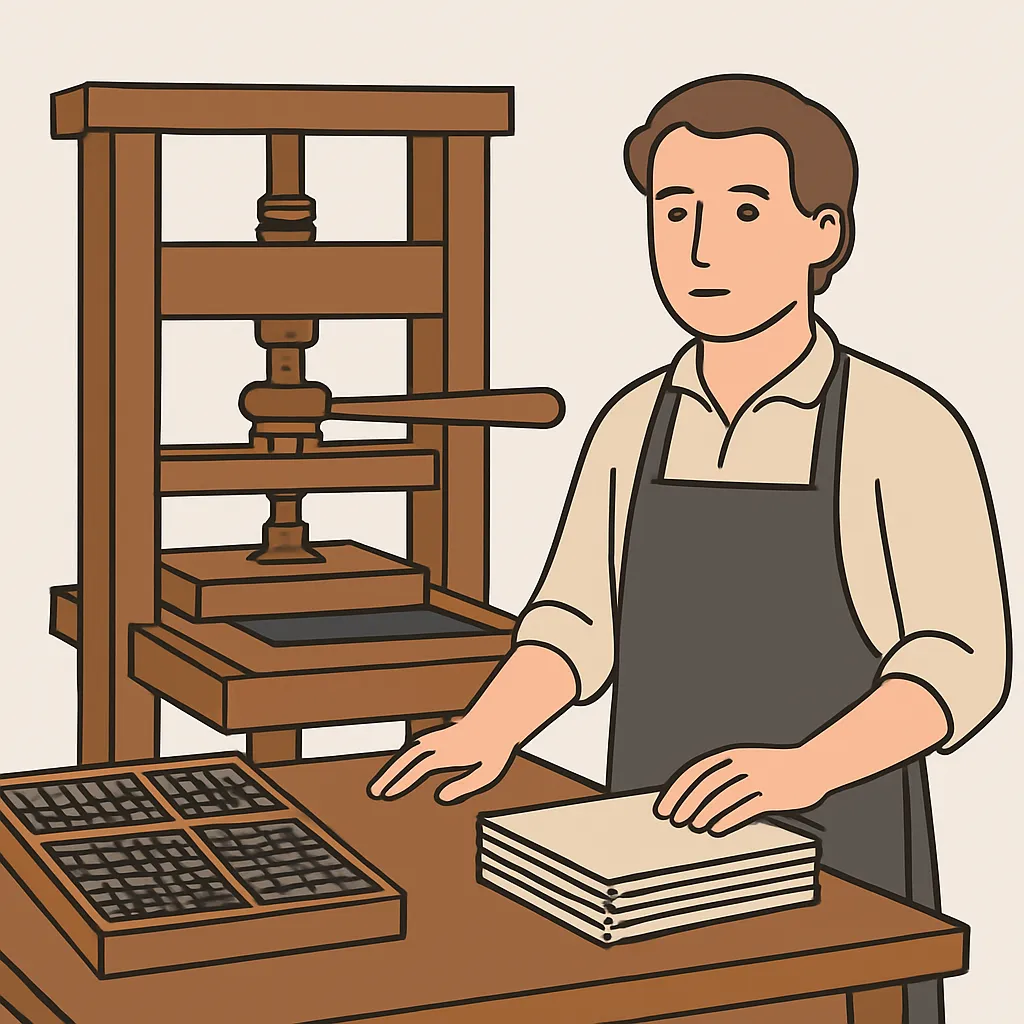
In 1773 Parliament let one British trading company sell its tea straight to colonial shops at a lower price. That company's tea was later dumped into Boston Harbor. Which company was it?
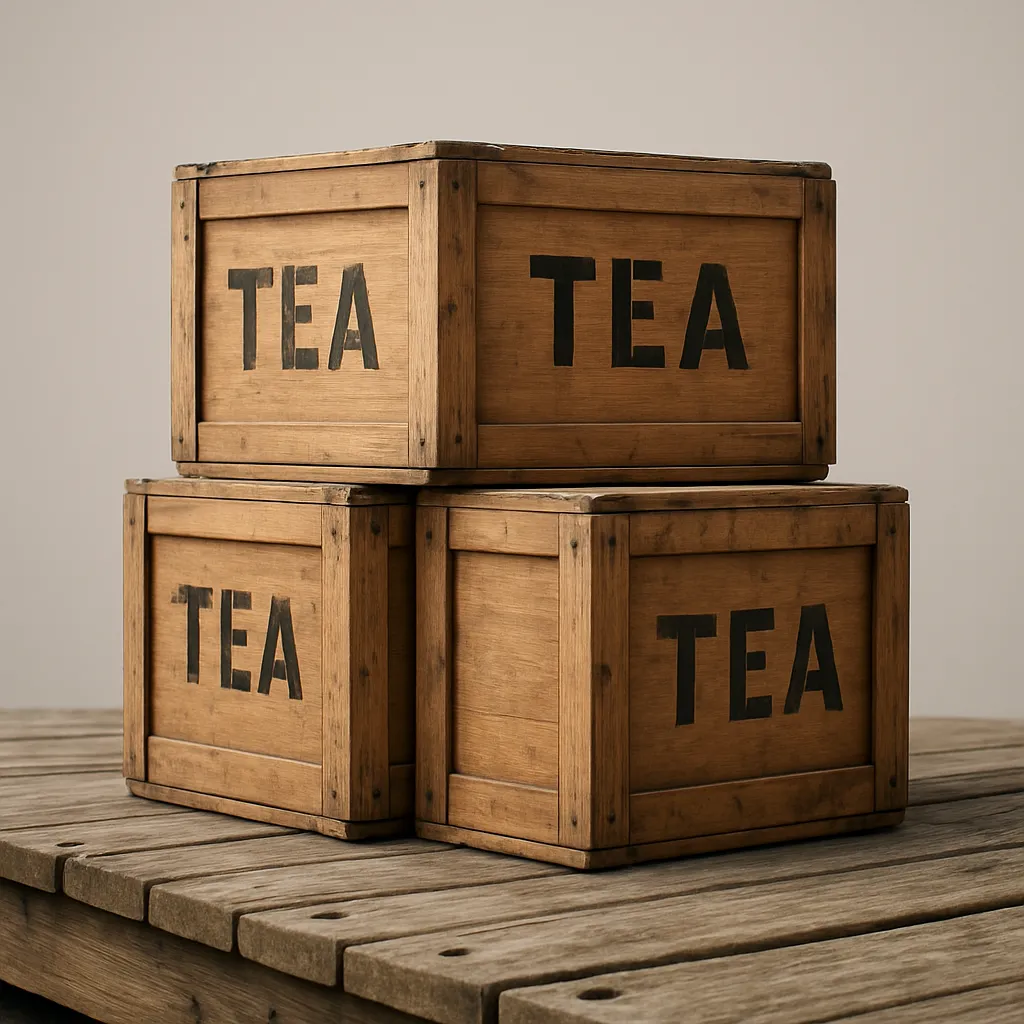
Britain said, "Settlers must stay east of the Appalachian Mountains to avoid new wars with Native American nations." Colonists said, "We helped win that land in the war, and we want to farm it." Which British rule were they arguing about?
Britain said, "Colonial trade should benefit Britain first, so many goods must be shipped through British ports." Colonists said, "These rules hurt our businesses." What did the colonists want?
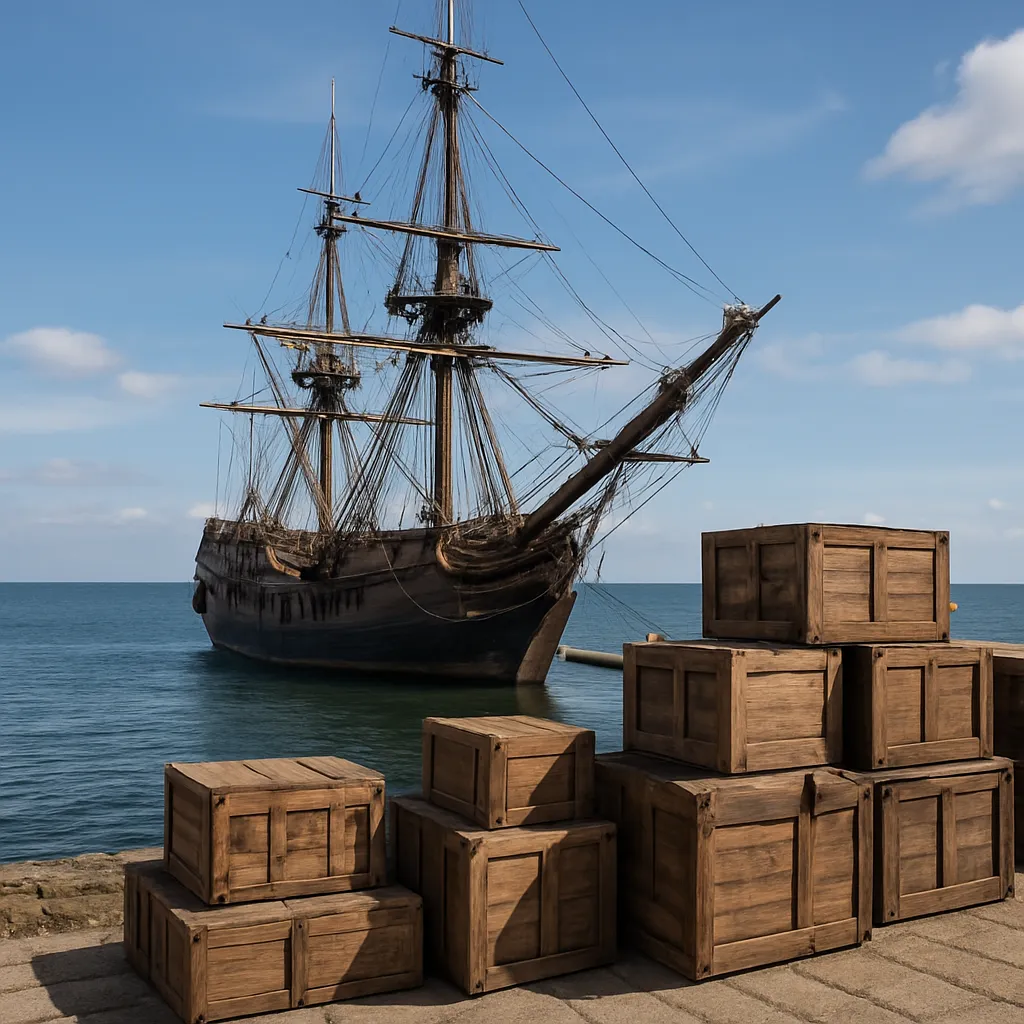
Britain said, "Boston Harbor will stay closed and town meetings will be limited until the tea is paid for." Colonists said, "These laws punish a whole colony for what a few people did." What did colonists call these laws?
Crack the passcode before the zombies get in.
Answer, then swat bugs for bonus points.
Race through questions at your own speed.
Same question on every screen. Fastest wins.

Pick a tile, answer, hit bonuses and steals.
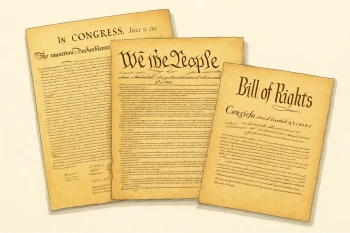
Founding Documents: Declaration, Constitution, and Bill of Rights
40 questions