Loading
by BlastRoom
Compare how Indigenous nations, explorers, missionaries, and settlers each saw the same events during exploration and colonization.
#history#exploration#colonization#us_grade_4_social_studies
20 questions
One question set, multiple game modes. Tap any game to see it in action. Not sure which to pick?
In 1608 the Jamestown colonists ran short of food, and Powhatan villages traded them corn for copper and iron goods. From the Powhatan point of view, what did this trade bring?
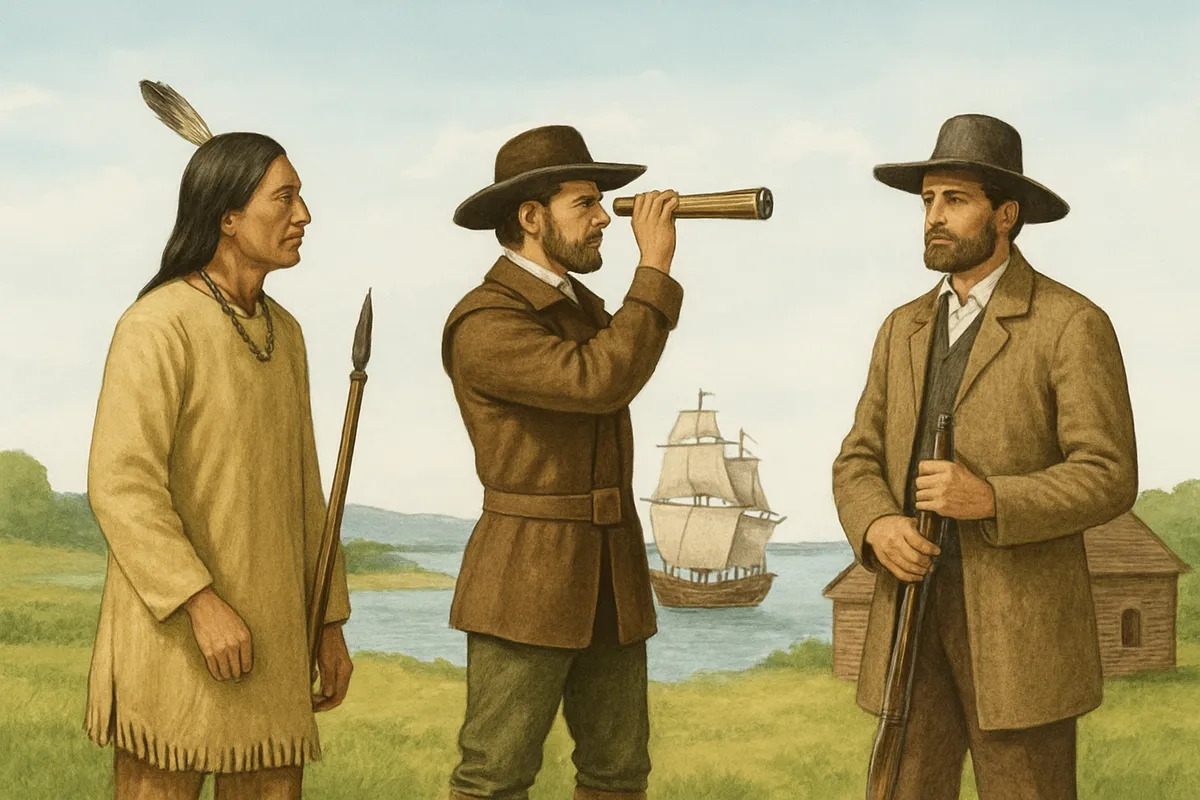
In 1621 Wampanoag leaders agreed to an alliance with the Plymouth colonists. The Wampanoag had lost many people to disease and feared a powerful rival nation nearby. What did the alliance offer the Wampanoag?
Squanto (Tisquantum), a Patuxet man who spoke English, worked with the Plymouth colonists starting in 1621. From the colonists' point of view, what made his help so valuable?
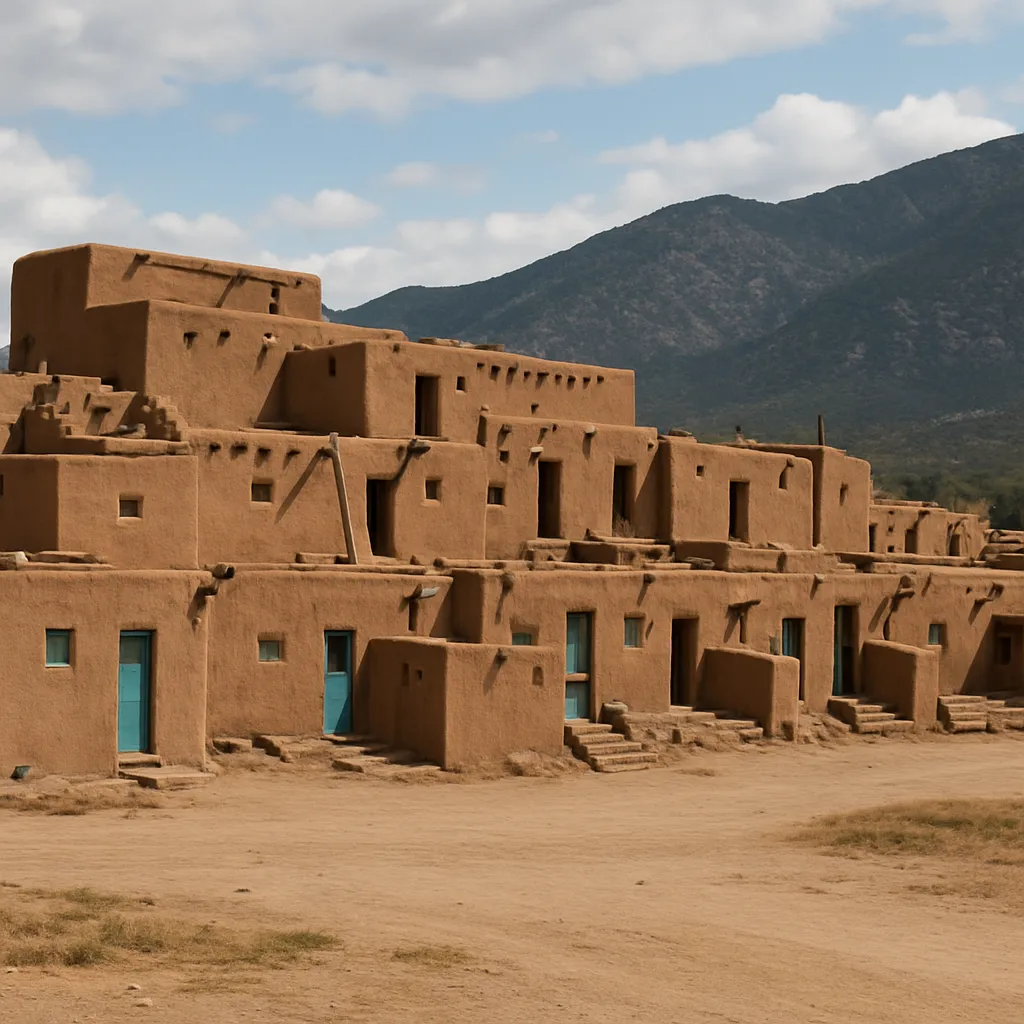
Spanish colonists in present-day New Mexico forced Pueblo people to work for them and punished their spiritual leaders. In 1680 Pueblo communities drove the Spanish out for twelve years. From the Pueblo point of view, what was that meant to restore?
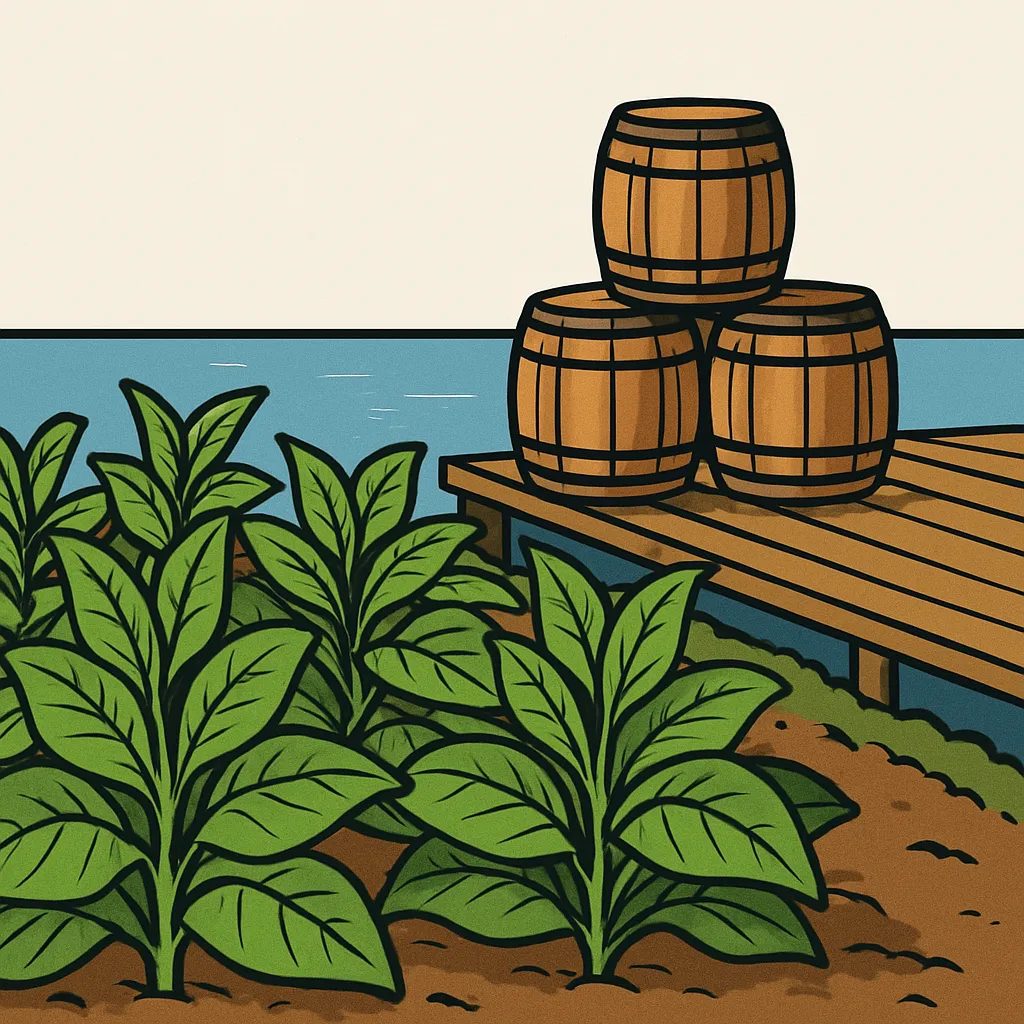
England required Virginia colonists to ship tobacco only to English ports in English ships, while colonists wanted to sell wherever prices were highest. From England's point of view, what did the rule protect?
The Plymouth colonists settled on cleared fields with no one farming them and treated the land as open to take. From the Patuxet point of view, why were those fields empty?
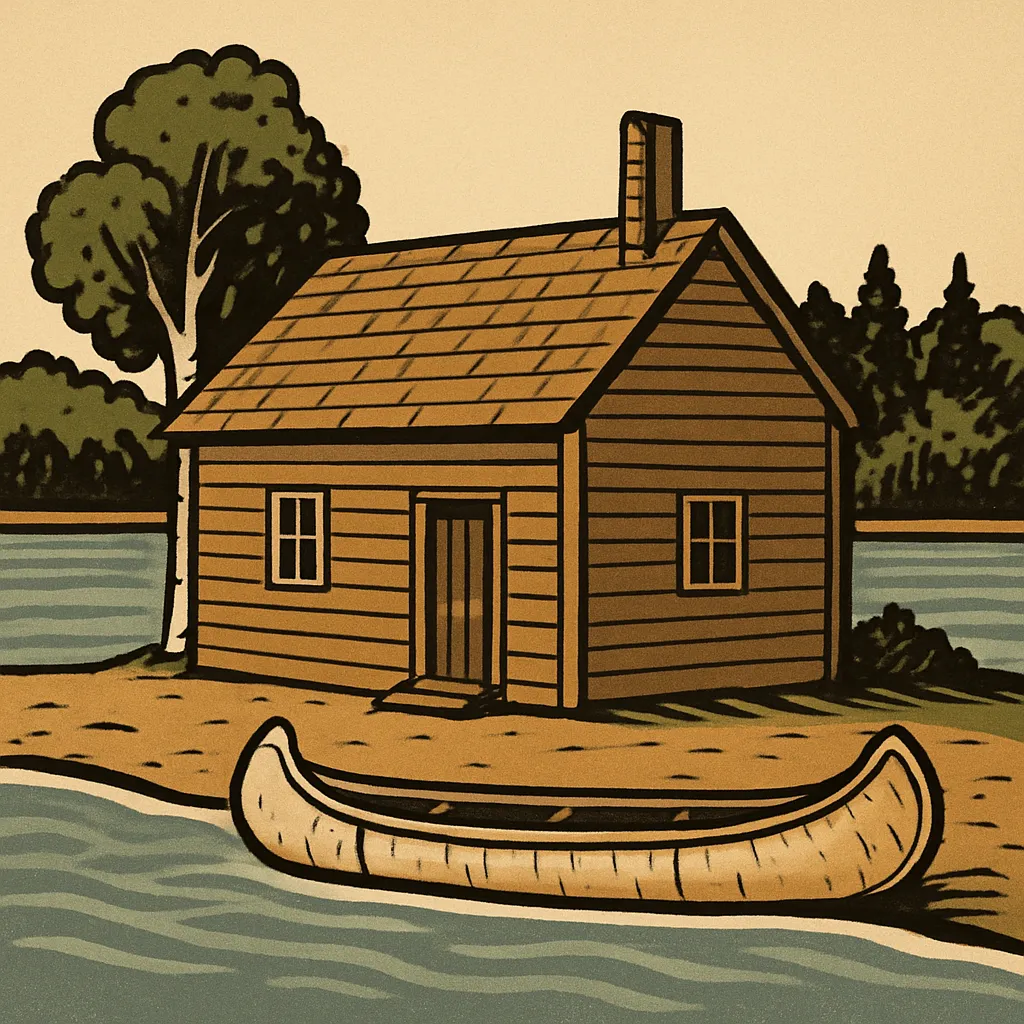
Samuel de Champlain founded Quebec in 1608, and French traders exchanged goods with the Wendat (Huron) nation along the St. Lawrence River. From the Wendat point of view, what did this trade bring them?
In 1609 Henry Hudson sailed for Dutch merchants and explored the river later named for him, where Munsee Lenape people lived. From the merchants' point of view, what was the voyage for?
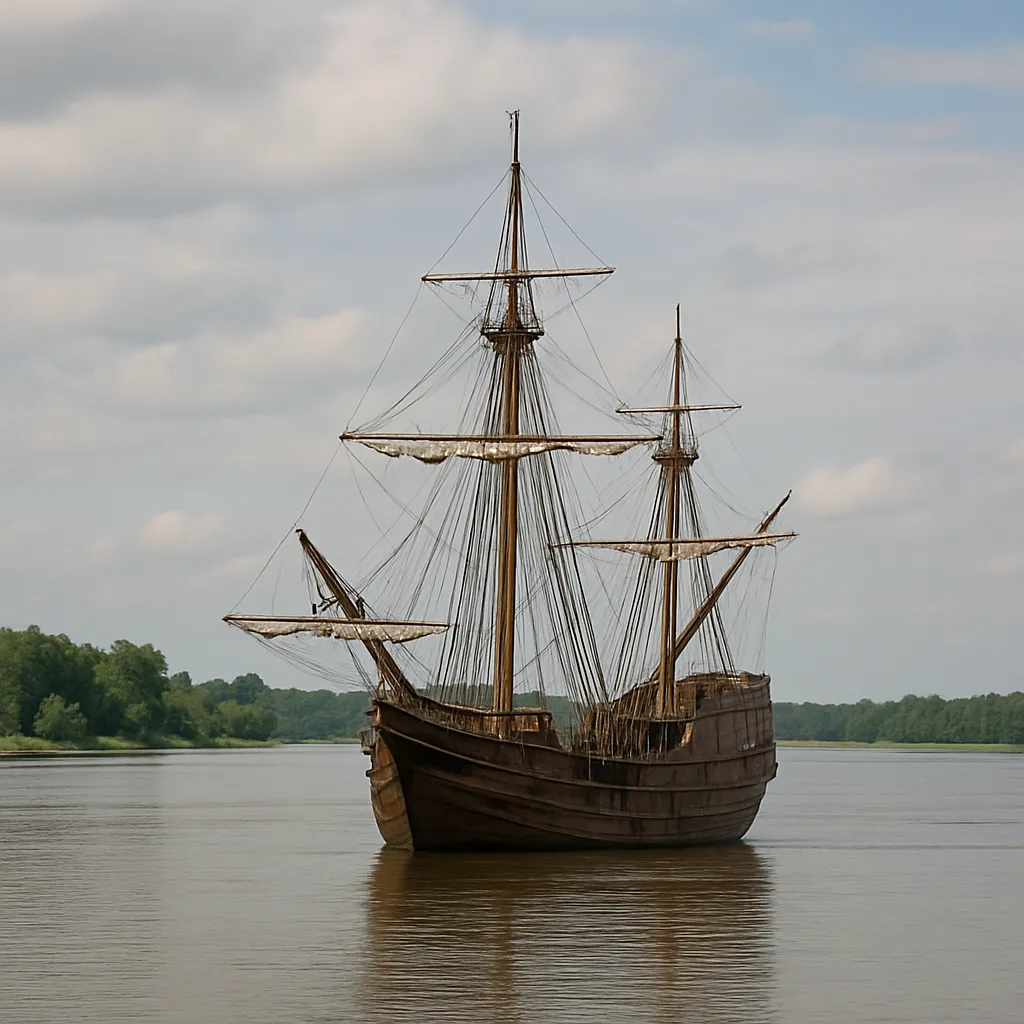
In 1626 Dutch officials recorded paying Lenape people for Manhattan. Many Indigenous nations understood such agreements as sharing the use of land. What did the Dutch believe they gained?
In the 1600s French traders lived among Wendat villages in Canada, while English colonists settled along the Atlantic coast. How did what the two groups wanted from the land differ?
In October 1492 Columbus's ships reached islands in the Caribbean where Taino people lived. From the Taino point of view, what did the arrival of these ships turn out to mean?
After landing in the Bahamas in 1492, Columbus wrote to the Spanish rulers describing land ready to be claimed. The Taino who lived there saw strangers arriving uninvited in their home. Why did these two views differ?
True or False: Indigenous peoples already had communities, governments, and cultures before Europeans arrived in the Americas.
In 1519 Hernan Cortes arrived in the Aztec capital of Tenochtitlan, where Moctezuma II ruled a vast empire. From the Aztec point of view, what did the arrival of the Spanish threaten?
Spanish accounts described the 1521 fall of Tenochtitlan as a rightful conquest, while Nahua accounts recorded later described the destruction of their city and people. Why did these two accounts differ?
True or False: A European explorer’s journal may tell only one side of what happened.
In the 1600s French Jesuit missionaries lived among Wendat villages and urged them to give up their traditional beliefs for Christianity. From the Wendat point of view, what did this missionary pressure threaten?
In 1613 English captain Samuel Argall captured Pocahontas, daughter of the Powhatan leader Wahunsenacawh, and held her at Jamestown. From the English point of view, what did holding her provide?
In the 1600s Spanish missionaries built missions among Pueblo and Timucua communities in the Southwest and Florida, while French traders built trading posts among Wendat villages in Canada. How did what the two groups wanted differ?
True or False: When historians study exploration, they should compare sources from different groups of people.
Crack the passcode before the zombies get in.

Pick a tile, answer, hit bonuses and steals.
The American Revolution: Key Events in Order
40 questions