Loading
One question set, multiple game modes. Tap any game to see it in action. Not sure which to pick?
Answer to place stones and capture territory.

Pick a tile, answer, hit bonuses and steals.

Battleship. Sink every enemy ship to win.
Pass the potato before the fuse runs out.
Buy low, sell high, before the news breaks.
Take the wages, or take the whole vault.
Answer, then shoot for the top corner
The figure shows a root-position triad in four voices. Which chord member is doubled?
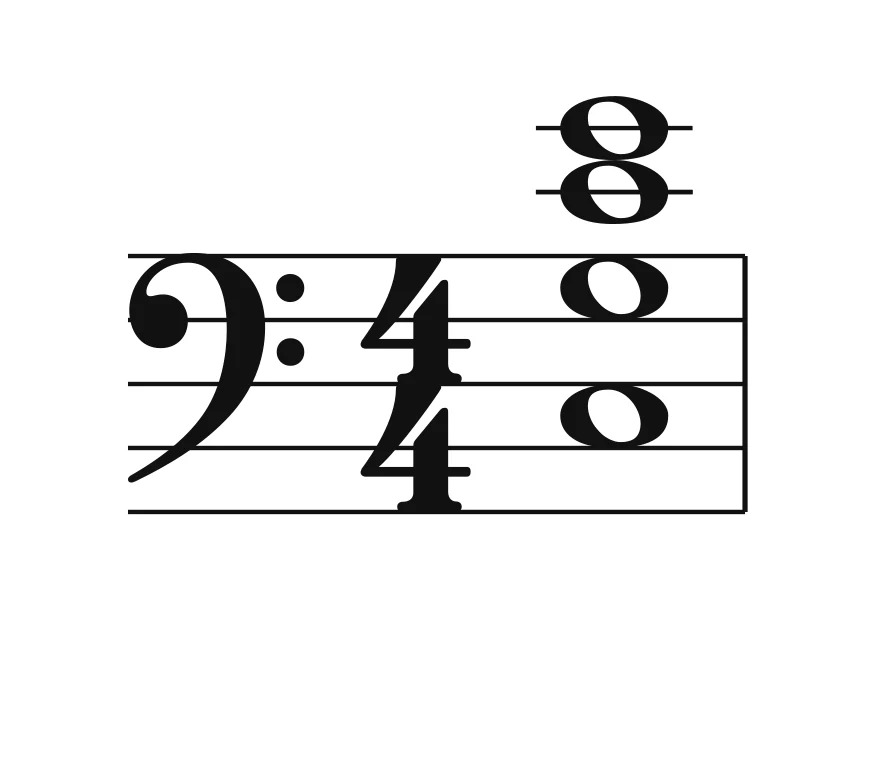
Read the root-position triad in the figure. Which chord member has been doubled?
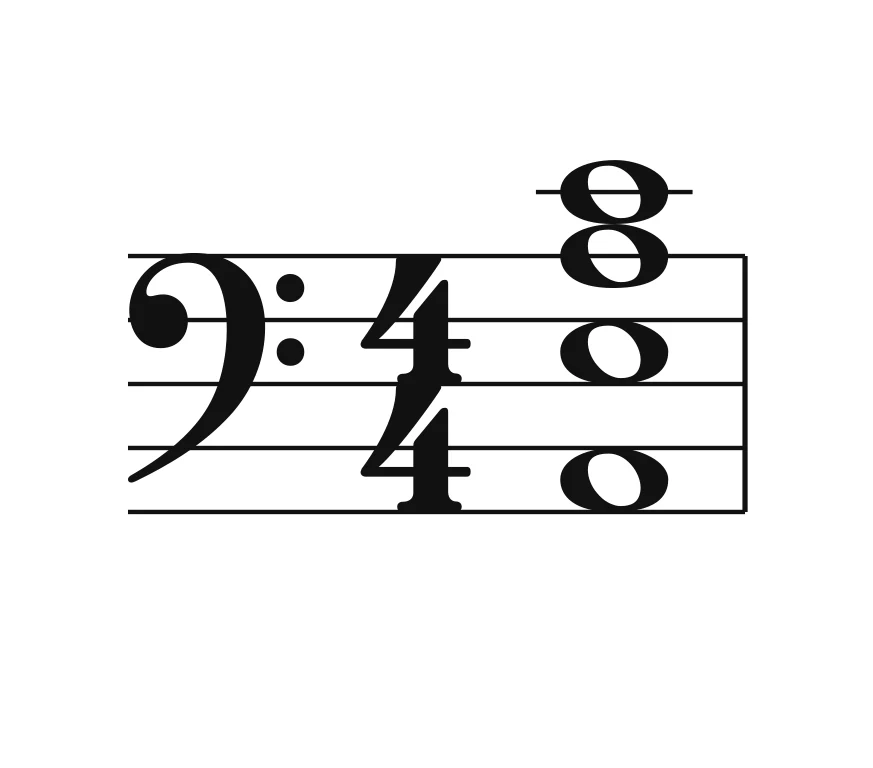
The figure shows a second-inversion C-major triad. Which member should be doubled in this 6/4 chord?
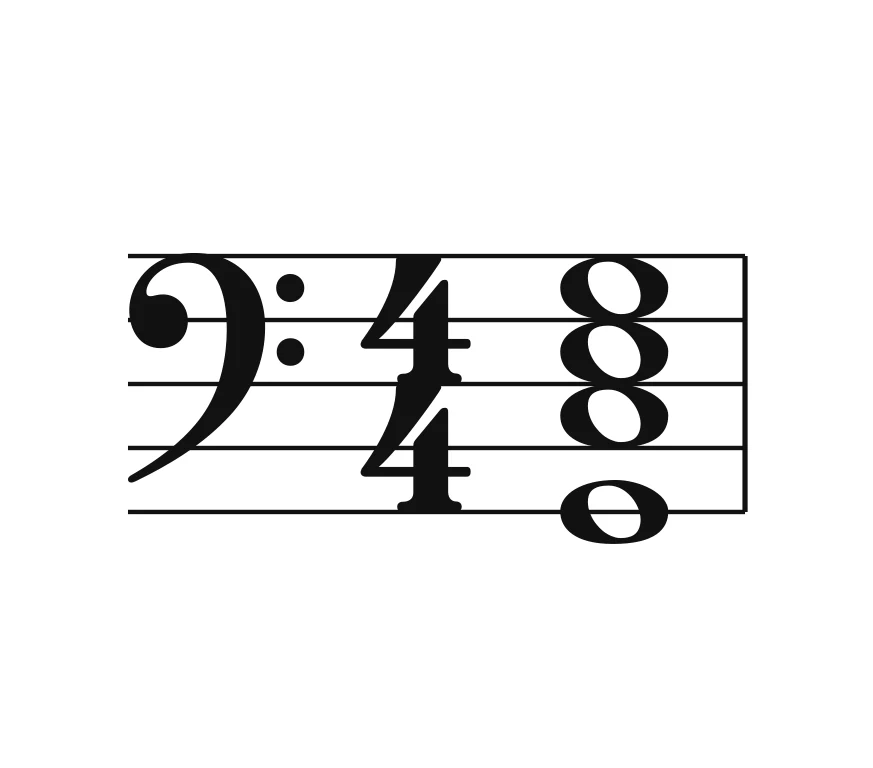
The figure shows a cadential 6/4 in G major, written as a second-inversion G-major triad. Which chord member is doubled?
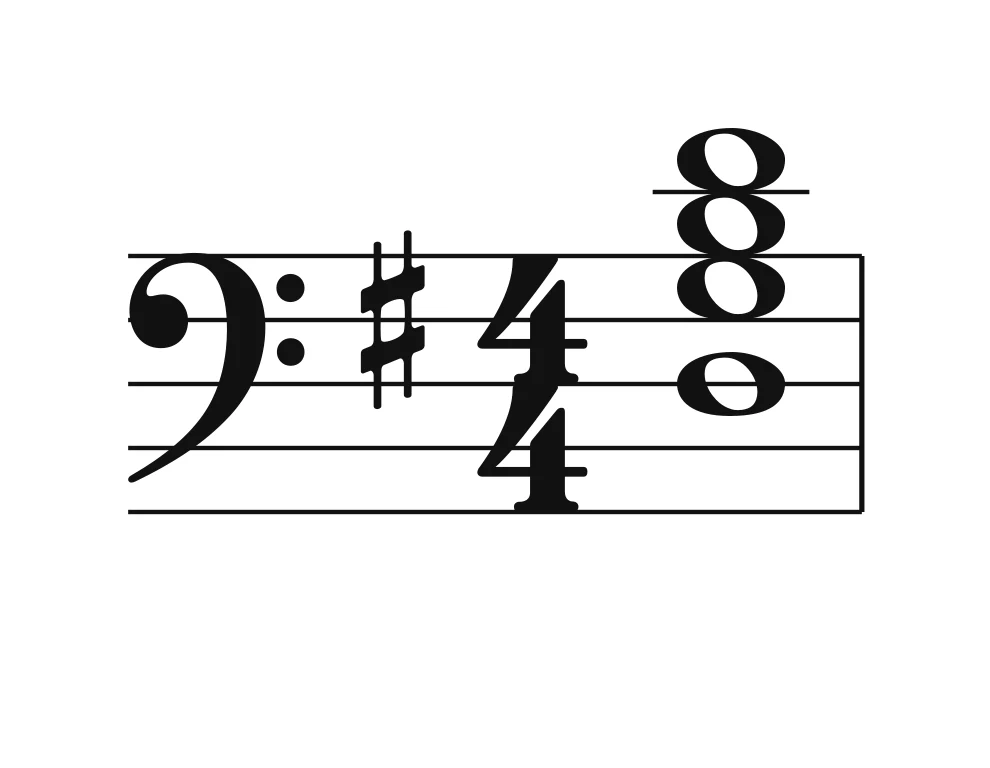
The figure shows a vii°6 triad in C major. Which chord member is conventionally doubled?
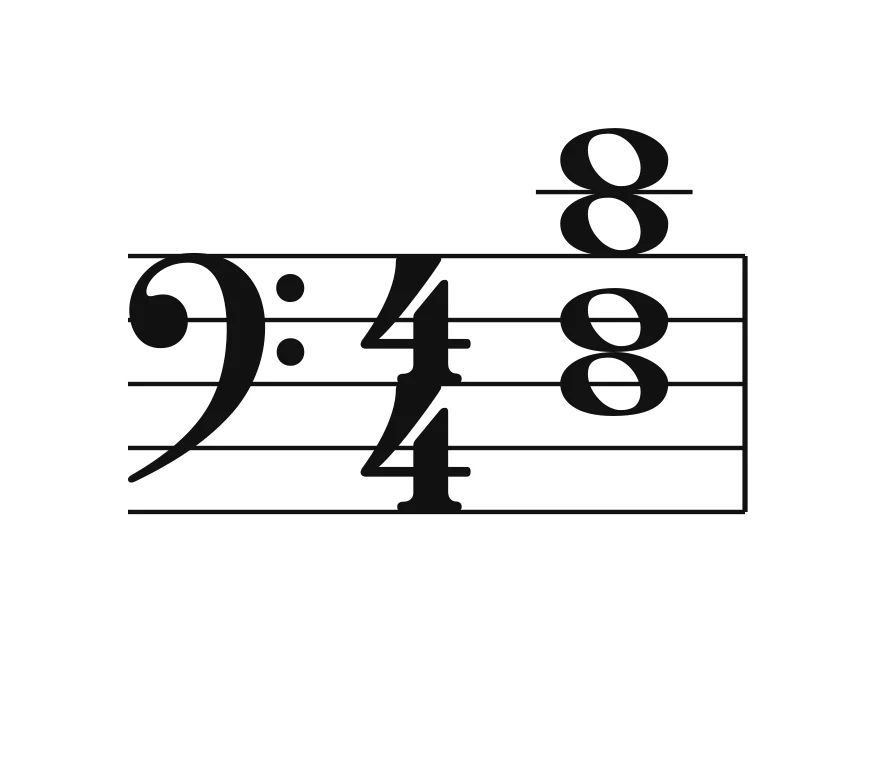
The figure shows a first-inversion C-major triad in four voices, voiced by the common first-inversion convention of doubling the soprano note. Which chord member is doubled?
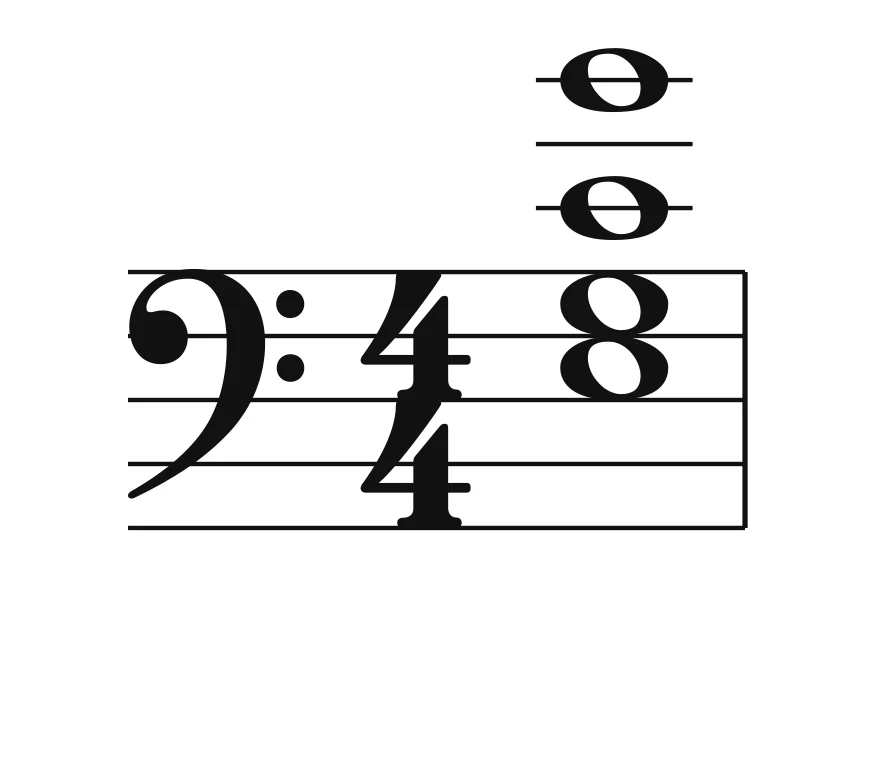
A first-inversion F-major triad in C major has C, its fifth, in the soprano. Under the common first-inversion convention, what should be doubled?
Why is the leading tone normally not doubled in four-part writing?
Why is the third normally avoided as the doubled note in a root-position major triad?
Why is the third generally not the preferred doubled note in a second-inversion triad?
In a vii° triad in C major, which member should normally not be doubled, and why?
In a V–vi deceptive progression in C major, which member of vi (A–C–E) is normally doubled?
In four-part writing, which pair of adjacent voices may be more than an octave apart?
In a V–I progression in C major, where does B normally resolve?
In a V–I progression in G major, where does F♯ normally resolve?
A V chord resolves to I in D major. Where should the leading tone C♯ move?
When V resolves to I in A major, where does the leading tone G♯ normally go?
In E harmonic minor, a dominant chord contains D♯. When it resolves to i, where should D♯ go?
In a V–I progression in B-flat major, where does the leading tone A normally resolve?
In an I–V progression in C major, which pitch can be held in the same voice as a common tone?
Two settings move from I to V. Which is preferred?
Which realization is smoother when two chords are connected?
Between two chords that share one pitch, which treatment is generally preferred?
Which choice best follows smooth voice-leading practice at a cadence?
Harmonic Function: Tonic, Predominant, Dominant
24 questions
Cadence Types
30 questions

Common Progressions
24 questions
SATB Ranges and Spacing
24 questions

Parallel Fifths and Octaves: Error Hunt
24 questions
Non-Chord Tones
30 questions
Realizing a Figured Bass
20 questions
Part-Writing from a Roman Numeral
24 questions
Treble Clef Note Names
40 questions
Keep the tile or give it to a rival team.
Answer correctly to move your piece.
Texas Hold'em. Answer to draw better cards.
Pick a chest. Big bonus, or lose it all.
Catapult a rival castle or repair your own.
Climb the mountain, or push a rival off it.