Loading
by BlastRoom
Practice identifying cadence types from phrase endings.
#us_hs_music_theory
30 questions
One question set, multiple game modes. Tap any game to see it in action. Not sure which to pick?
Answer to place stones and capture territory.
Outrun the snow together.
Earn blasts, then hunt the other team.
Answer to earn energy, then climb.

The class blasts through walls together.
Bid on mystery lots. Most money wins.
Sell tours. Nice, standard, or a total scam.

Answer, restock, and serve the rush.
More correct answers pulls the rope your way.
Answer, then shoot down the alien wave.
Answer, then tap to leap the frozen ridge.
In C major, read the final two chords in the figure. What type of cadence ends the phrase?
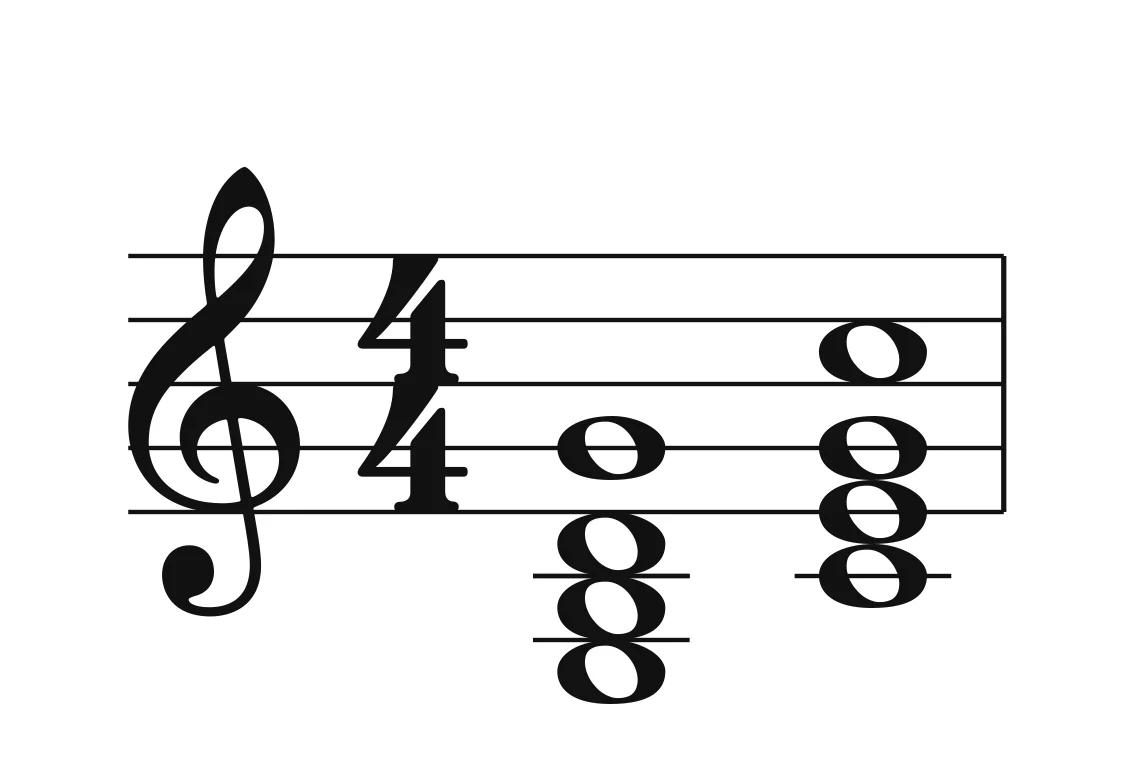
The phrase is in F major. Identify the cadence formed by the two written closing chords.
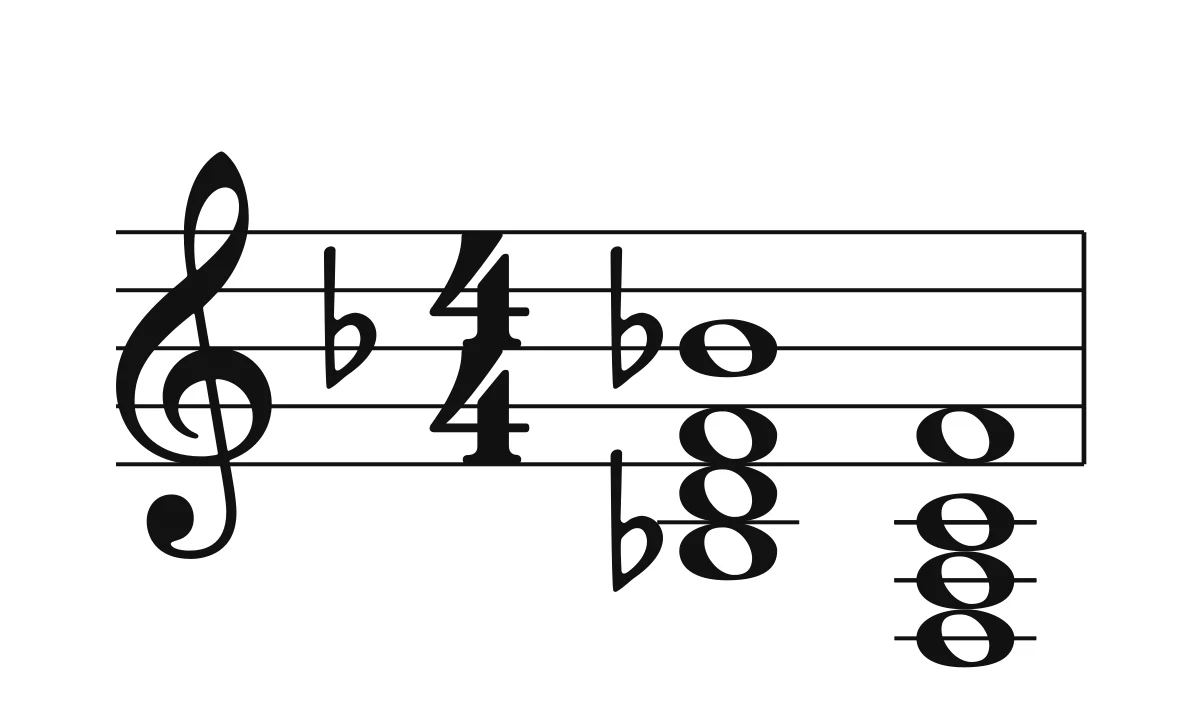
What cadence is created by this G-major phrase ending?
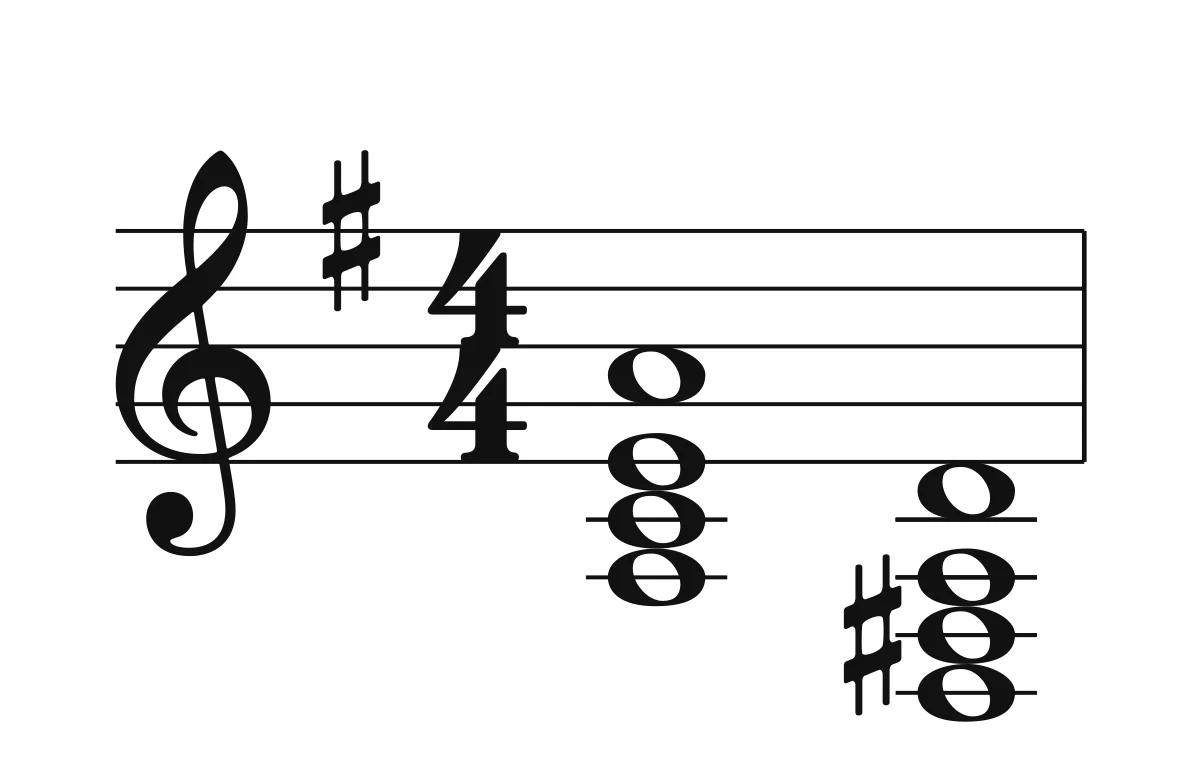
Read the D-major closing progression shown. Which cadence does it make?
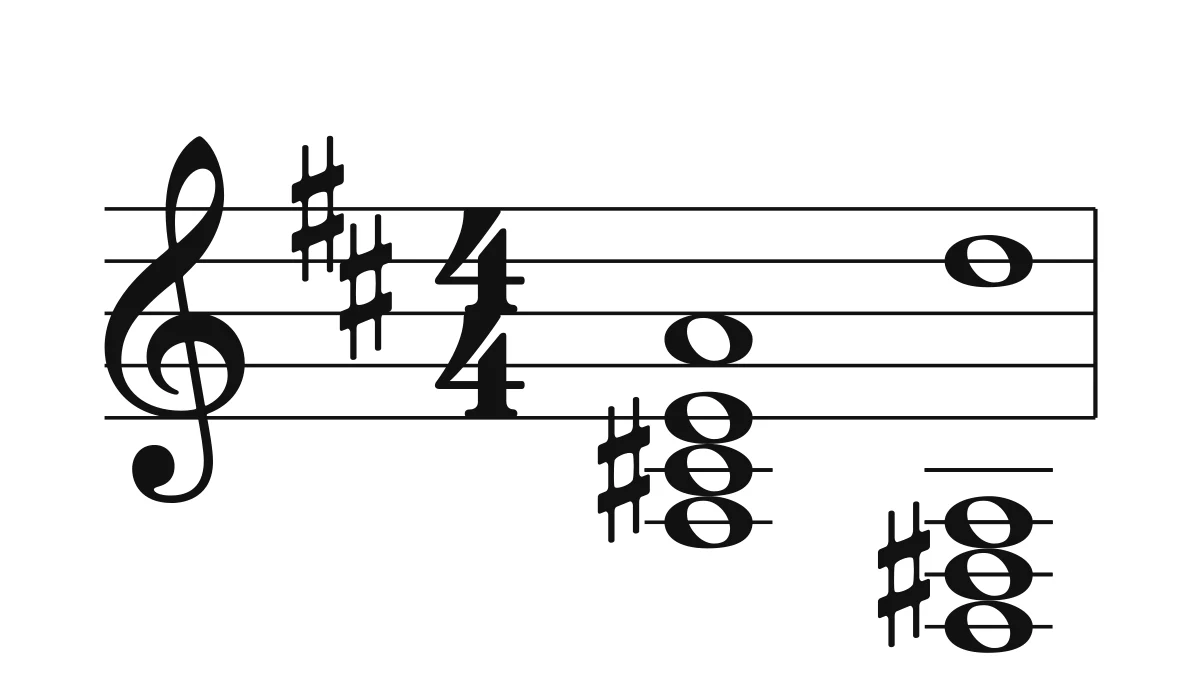
In B-flat major, name the cadence represented by these final two chords.
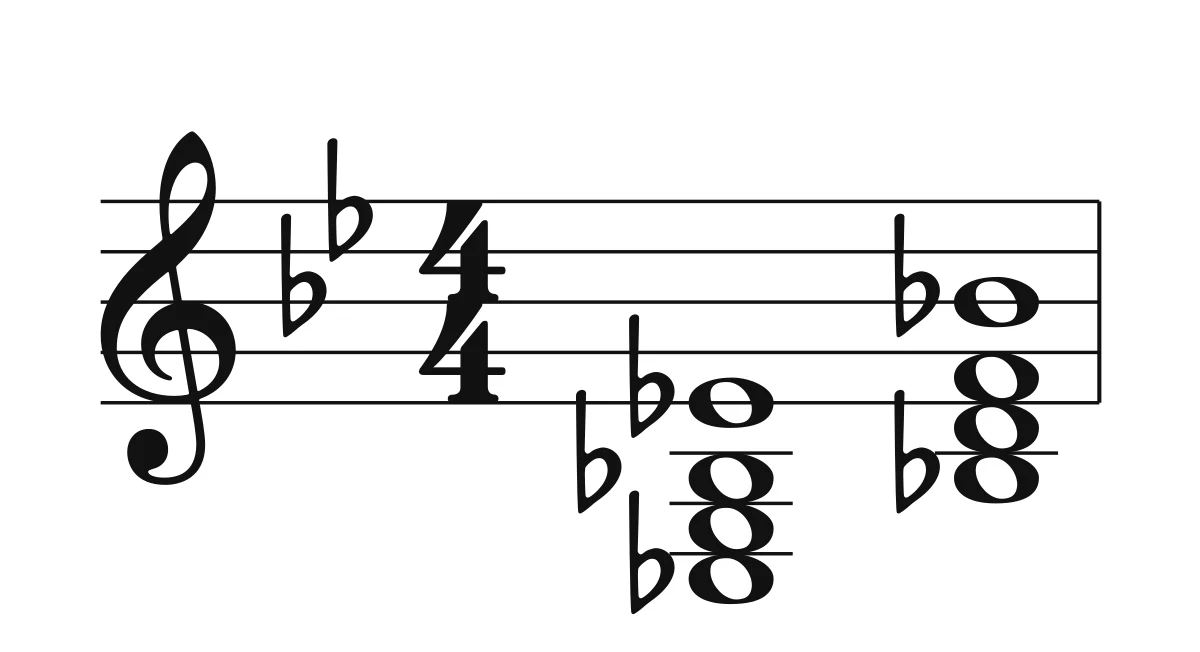
This A-major phrase stops after the second chord shown. What cadence is heard?
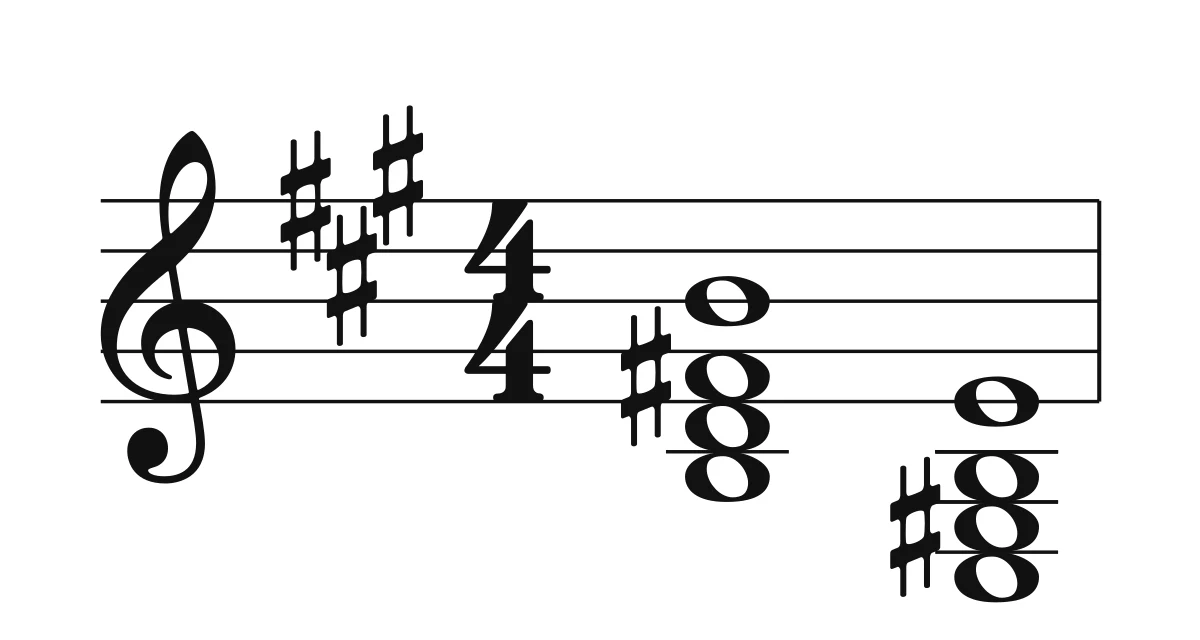
Which cadence closes this phrase in G major?
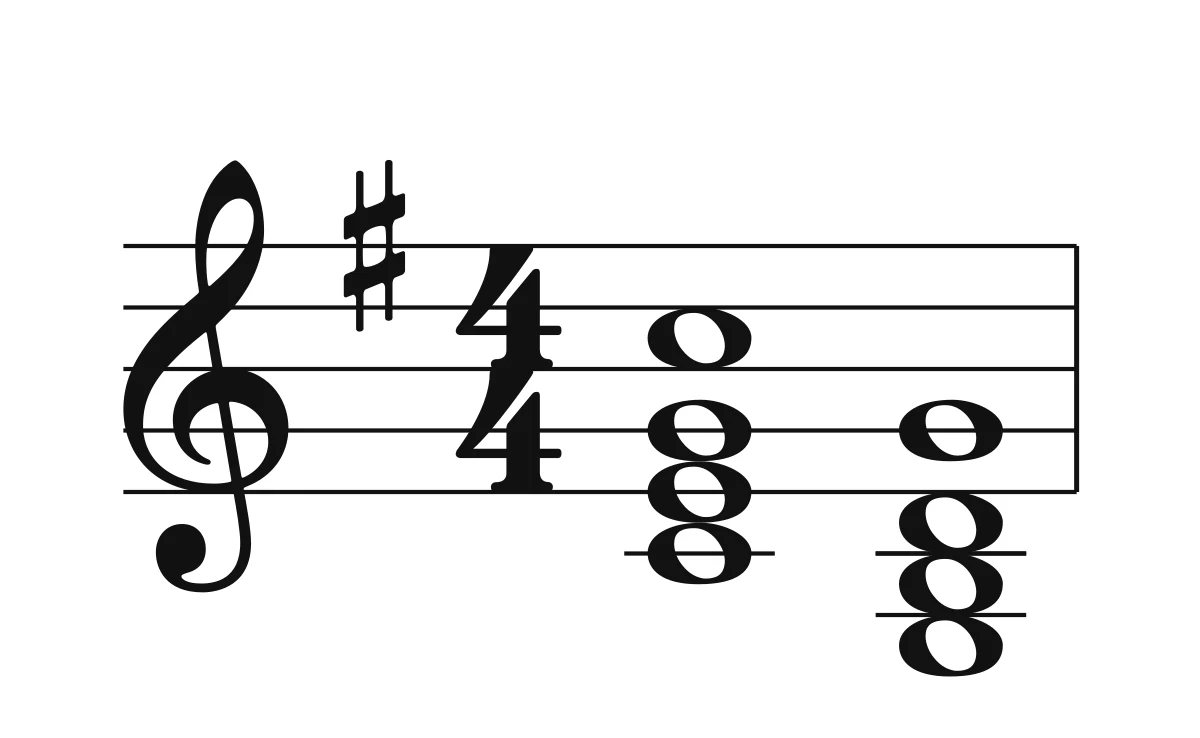
Examine the final two chords in F major. How should this ending be classified?
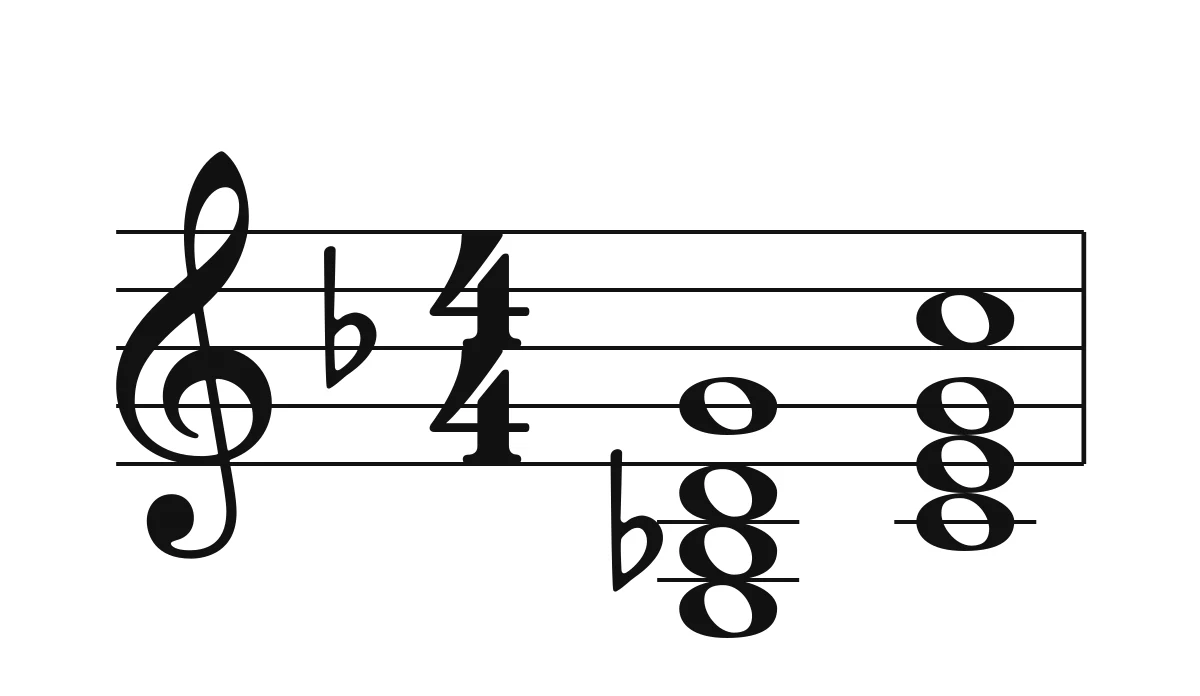
For the B-flat-major phrase shown, identify the cadence at the end.
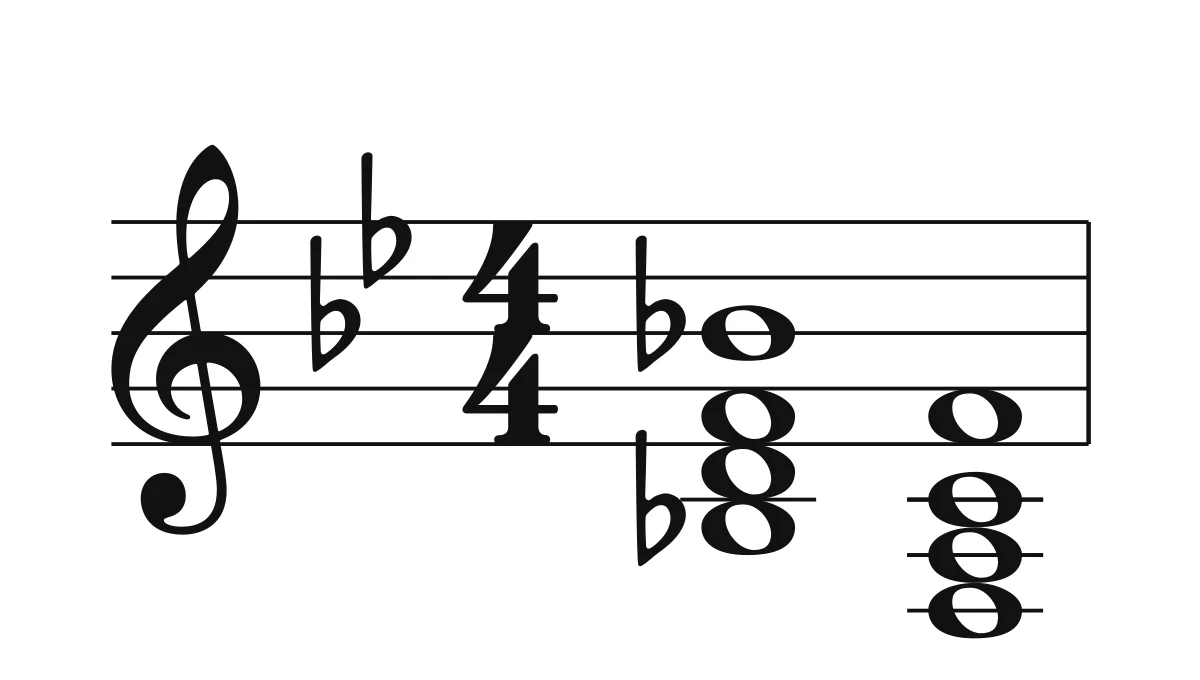
The notation shows a root-position V–I ending in C major. Which kind of authentic cadence is it?
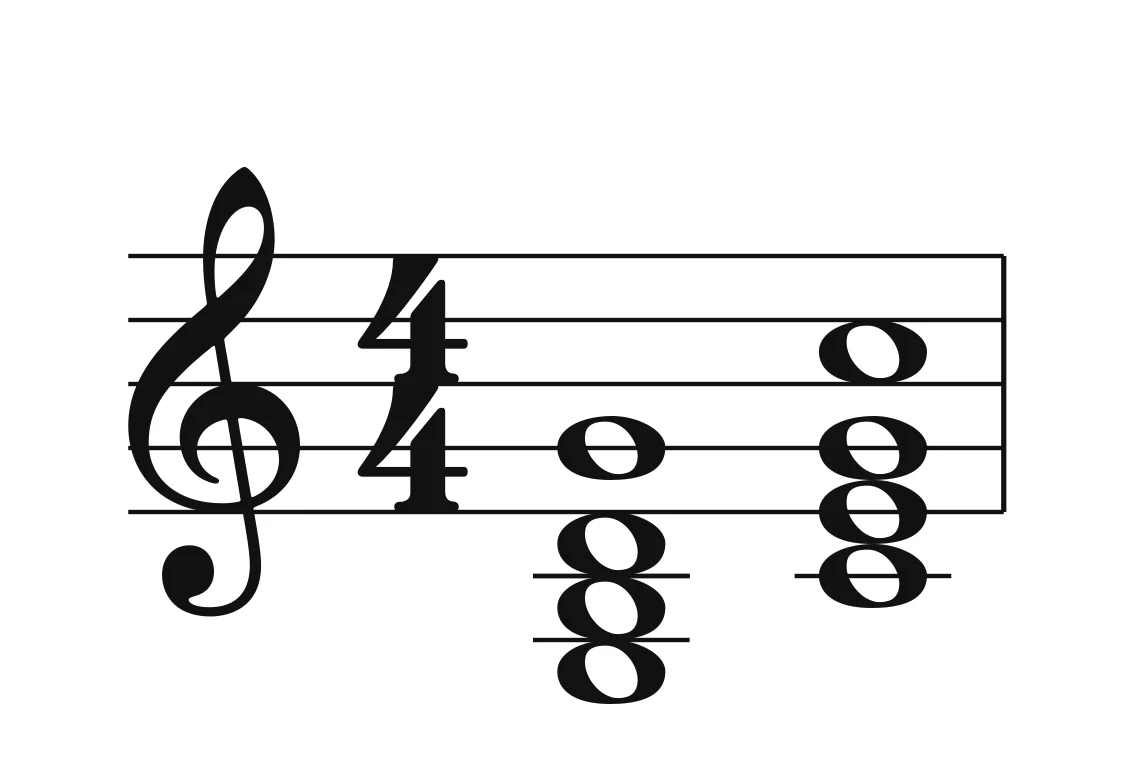
Classify this root-position V–I ending in G major as perfect or imperfect authentic.
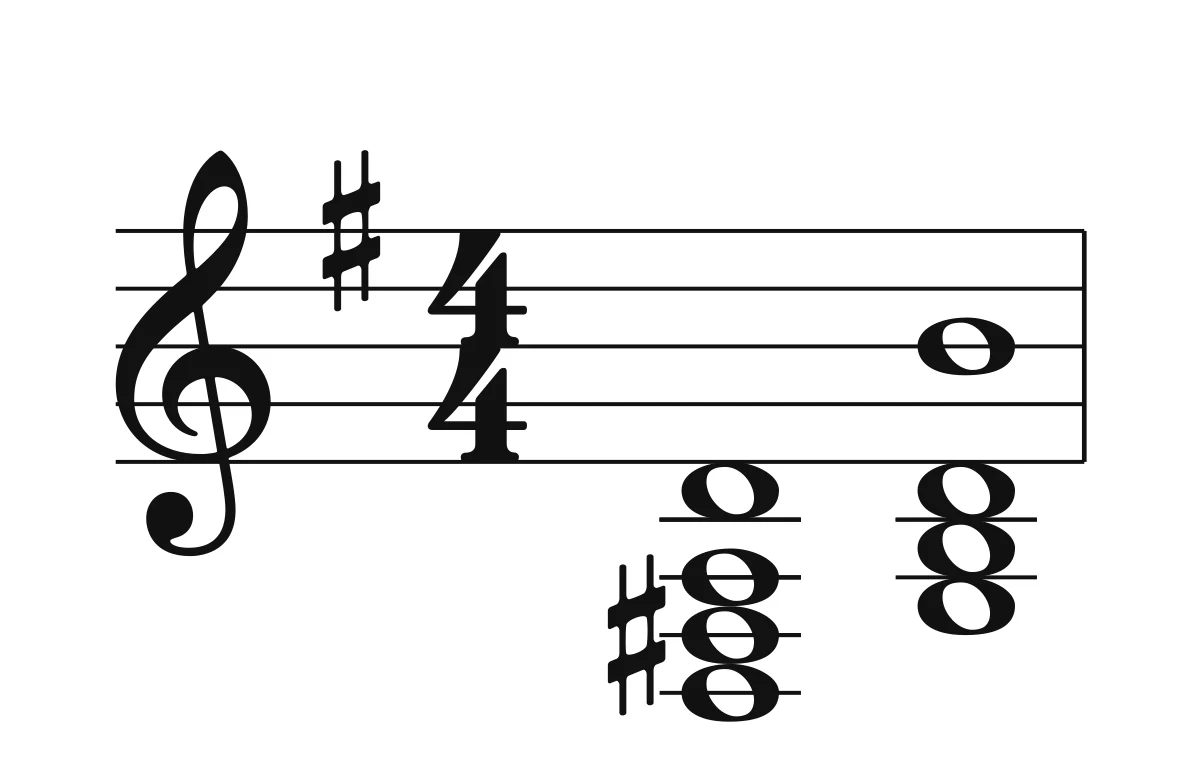
The phrase closes with the root-position dominant and tonic shown in F major. What is the cadence?
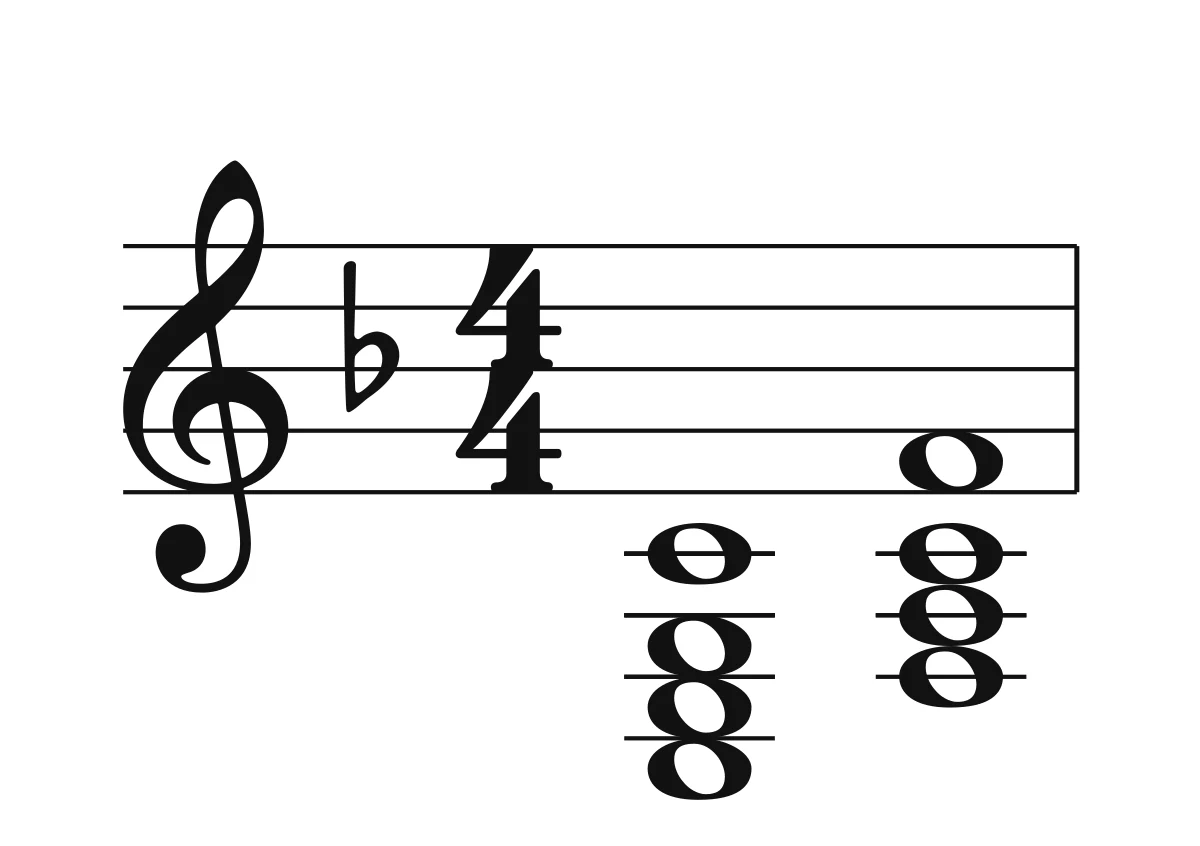
Determine the type of authentic cadence at this D-major phrase ending.
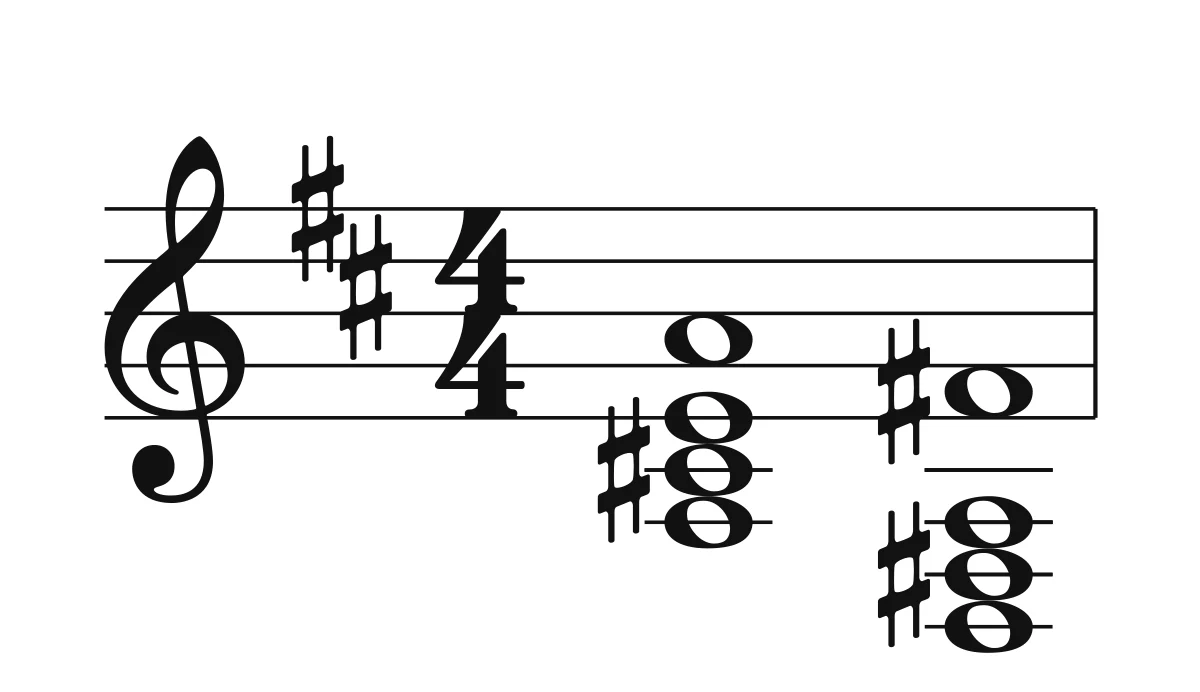
Both harmonies in this B-flat-major V–I progression are root position. Which authentic cadence results?
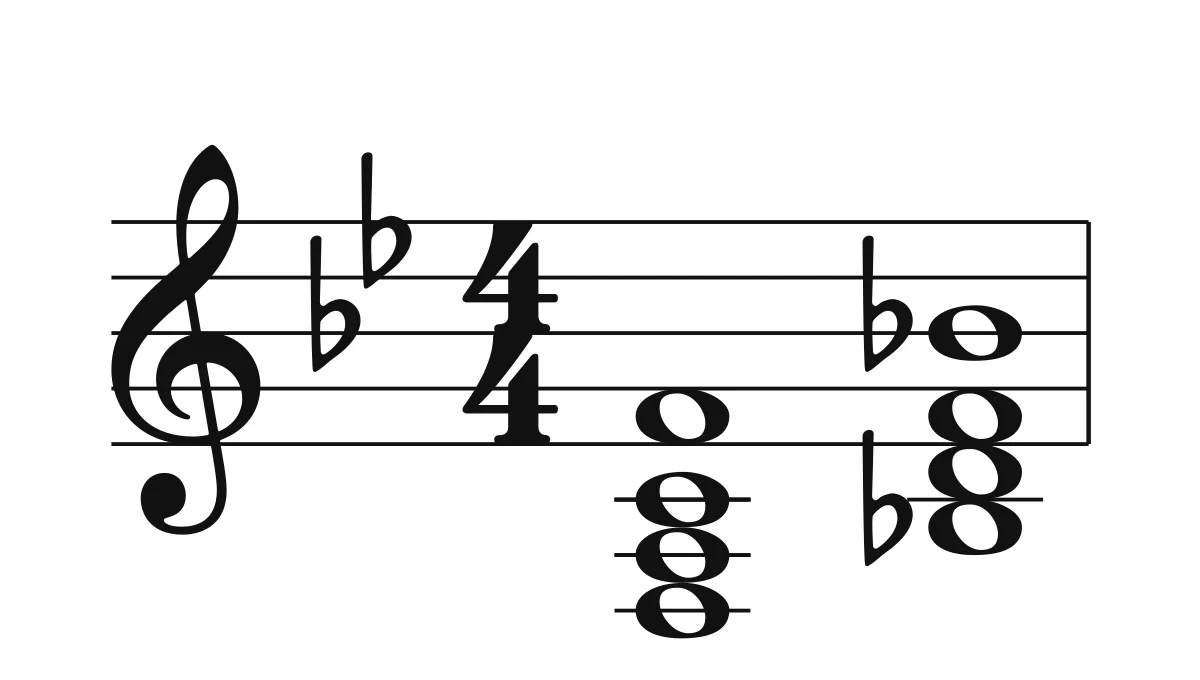
Read the root-position V–I ending in A major. Is it perfect or imperfect authentic?
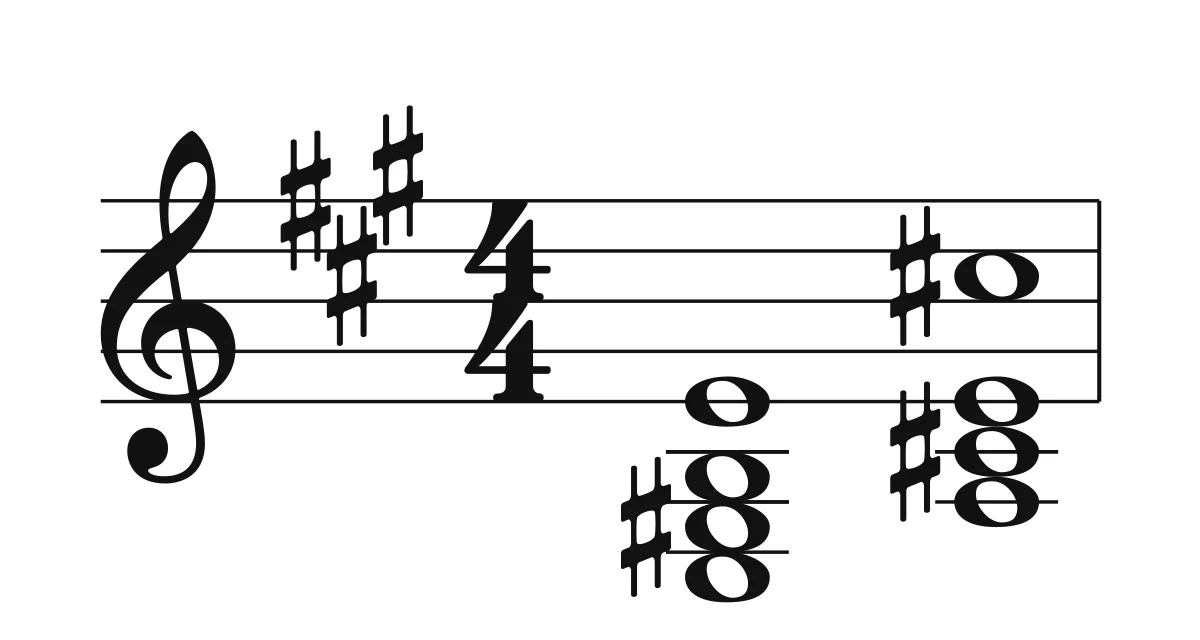
What type of authentic cadence does this E-major root-position V–I progression produce?
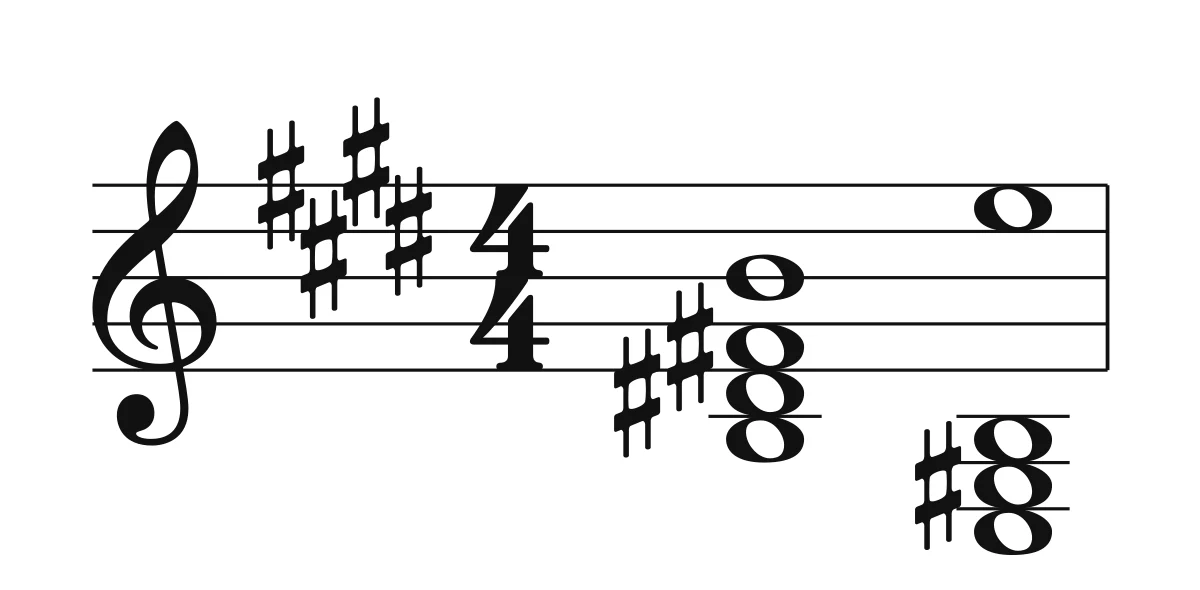
Identify the authentic cadence that ends this root-position G-major V–I progression.
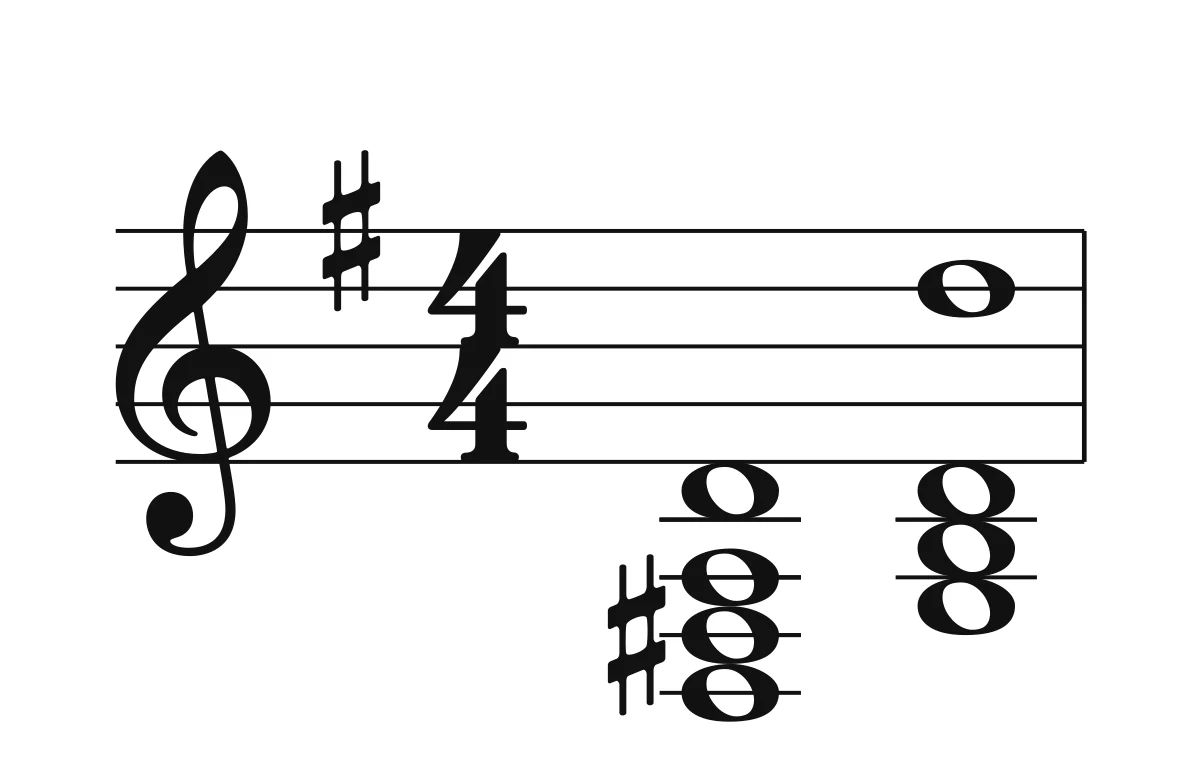
Does the C-major phrase ending shown create a half cadence or a deceptive cadence?
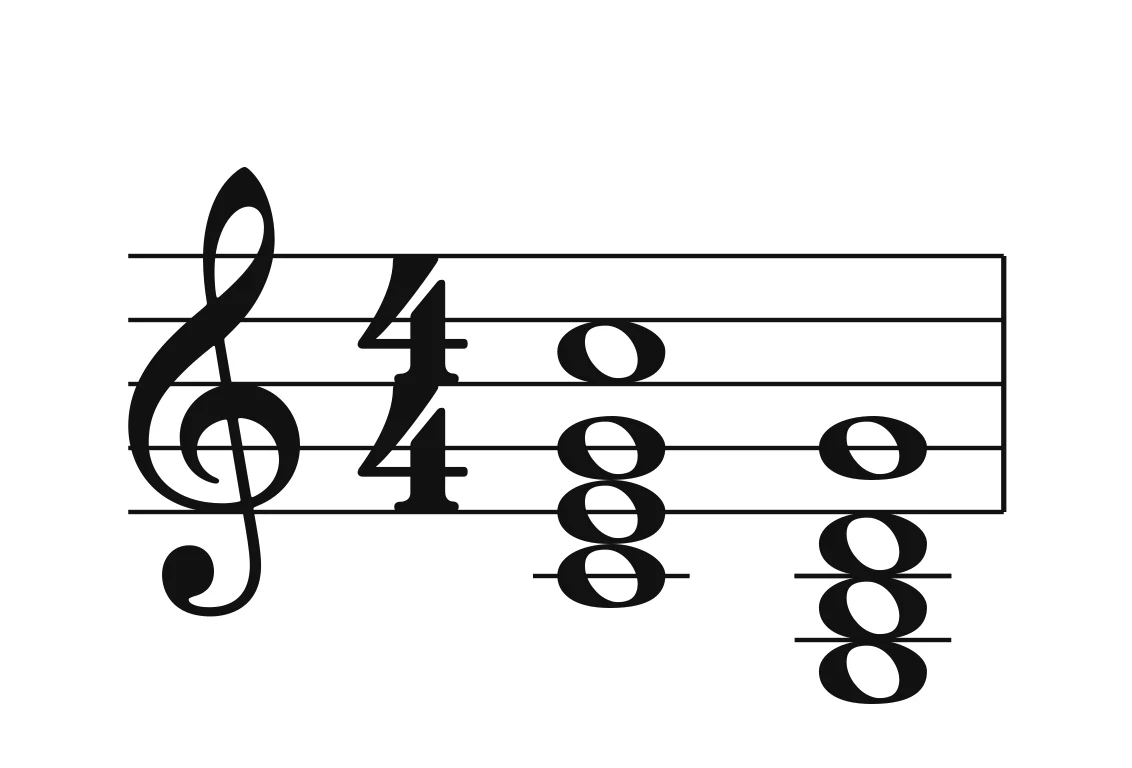
Choose the correct label for this G-major ending: half cadence or deceptive cadence?
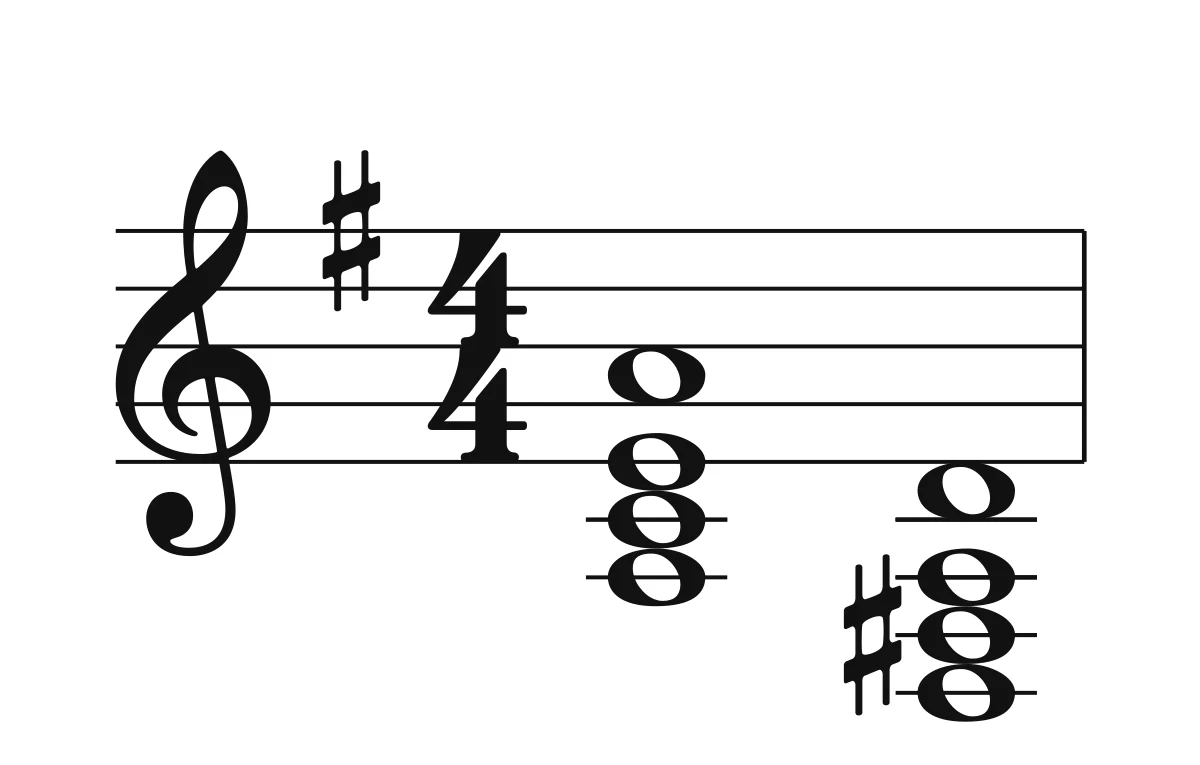
The F-major phrase ends with the two chords shown. Is the cadence half or deceptive?
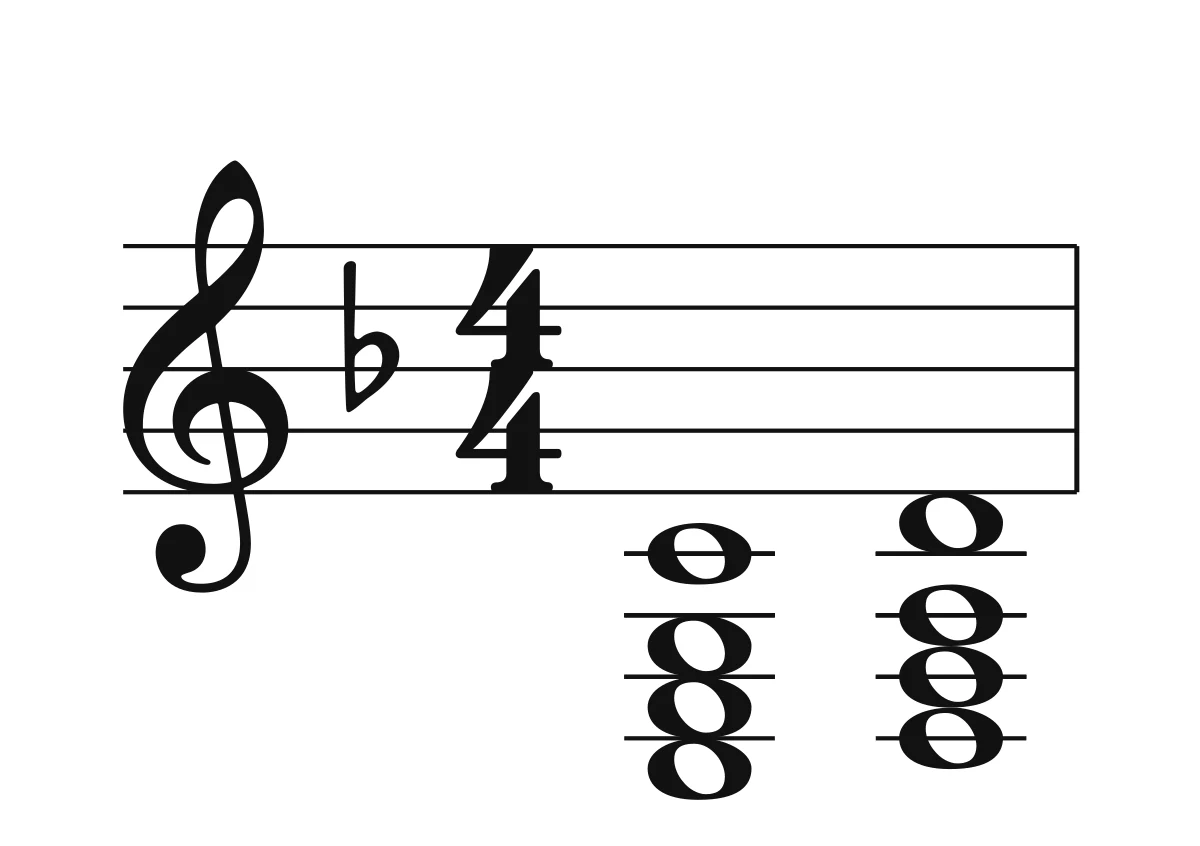
Compare the two final chords in D major. Which ending is represented?
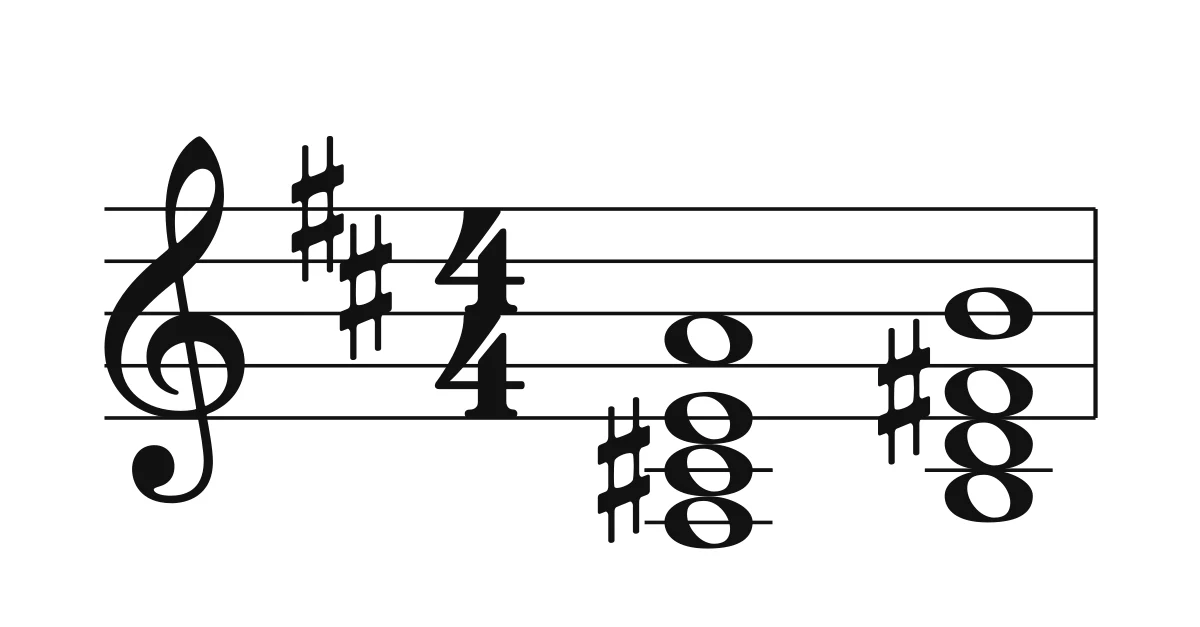
For the B-flat-major notation, decide whether the phrase concludes with a half or deceptive cadence.
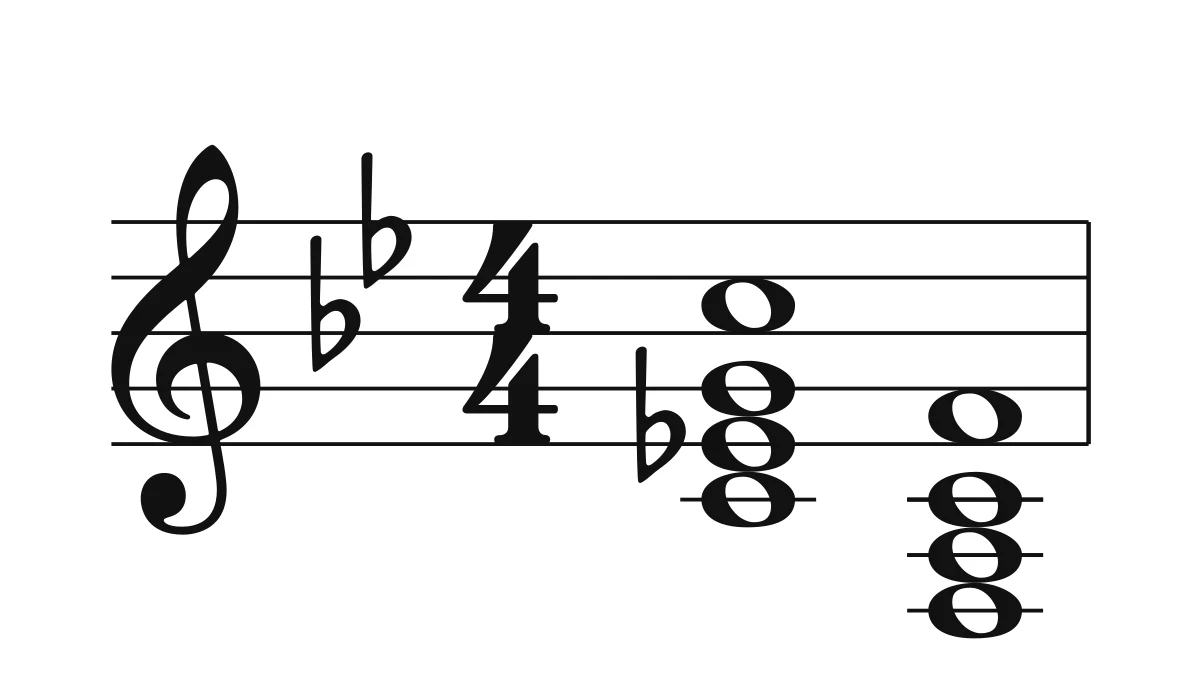
A phrase in A major stops on an E-major chord, V, without proceeding to another chord. Is the cadence half or deceptive?
An E-major phrase closes with B major followed by C-sharp minor. Is this ending half or deceptive?
In C major, a phrase closes by moving from V to vi. What cadence is this?
Rather than coming from the dominant, the final tonic chord at a phrase ending is preceded by IV. Identify the cadence.
In G major, D major resolves to E minor at the end of a phrase. Which cadence is this?
A phrase in D major ends A major to B minor. How should the cadence be labeled?
At the close of an F-major phrase, C major is followed by D minor. What cadence has occurred?
A B-flat-major phrase resolves from F major to G minor instead of B-flat major. Name the cadence.
Crack the passcode before the zombies get in.
Answer, then swat bugs for bonus points.
Race through questions at your own speed.
Same question on every screen. Fastest wins.

Pick a tile, answer, hit bonuses and steals.
SATB Ranges and Spacing
24 questions