Loading
by BlastRoom
Primary and Secondary Succession for high school Environmental Science, on-level and AP. Covers AP Environmental Science Unit 2: The Living World, Biodiversity.
#environmental_science
40 questions
One question set, multiple game modes. Tap any game to see it in action. Not sure which to pick?
Answer to place stones and capture territory.
Outrun the snow together.
Earn blasts, then hunt the other team.
Answer to earn energy, then climb.

The class blasts through walls together.
Bid on mystery lots. Most money wins.
Sell tours. Nice, standard, or a total scam.

Answer, restock, and serve the rush.
More correct answers pulls the rope your way.
Answer, then shoot down the alien wave.
Answer, then tap to leap the frozen ridge.
A retreating glacier exposes bare bedrock with no soil. What type of succession begins there?
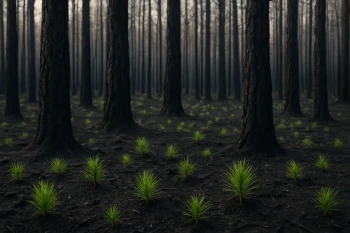
After a wildfire, a forest floor still contains ash, roots, and soil. What type of succession follows?
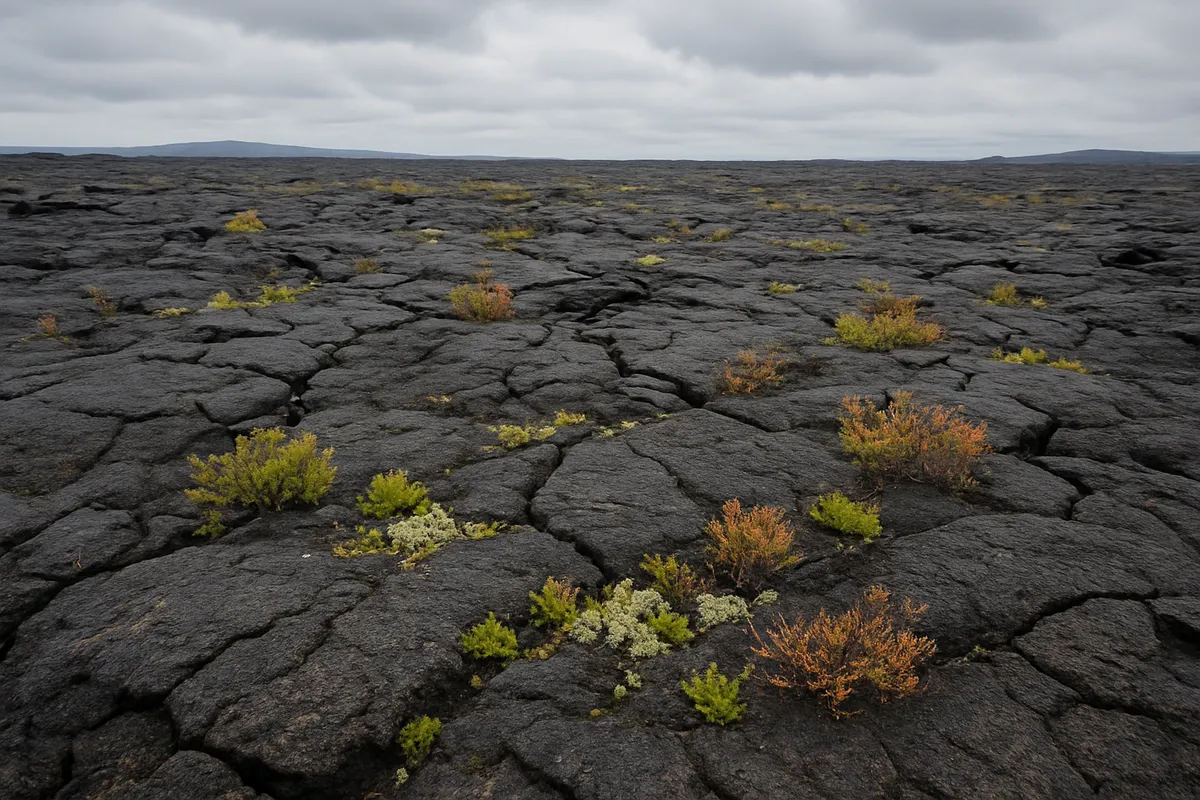
Fresh lava cools into rock on a volcanic slope, leaving no soil or organisms. What type of succession can begin?
A city removes pavement from an unused lot, revealing compacted soil beneath it. What type of succession is most likely?
After strip mining, workers spread topsoil over the reclaimed land before planting grasses. What type of succession can then occur?
A landslide removes vegetation and soil, exposing solid bedrock on a mountainside. What type of succession begins?
A hurricane knocks down trees but leaves the forest's soil and seed bank intact. What type of succession follows?
When a reservoir is drained, nutrient-rich sediment and soil are exposed along its former shore. What type of succession is expected?
Wind forms a new sand dune with no organic soil. Plants begin colonizing the sand. What type of succession is this?
A timber harvest removes trees but leaves forest soil, stumps, and roots. What type of succession follows if the site is left alone?
A glacier exposes a layer of mineral gravel that has no humus, roots, or developed soil. What type of succession begins?
A severe flood scours away all soil and leaves bare bedrock beside a river. What type of succession begins on the rock?
Lichens colonize newly exposed rock after a glacier retreats. What is their key role in early succession?
Mosses grow in thin soil after lichens colonize a rocky site. How do mosses help later seral stages?
An abandoned farm field still has fertile soil and a seed bank. Which plant is most likely to be an early pioneer?
Alder shrubs establish on a recently deglaciated site. What role can these pioneer plants have?
Fireweed appears quickly on a burned slope where mineral soil remains. Why is fireweed suited to be a pioneer species?
Crustose lichens are often among the first organisms on bare rock. Which trait lets them survive where there is no soil?
Grasses colonize reclaimed soil at a former mine. Besides holding soil in place, how do their roots improve the soil for later plants?
Pioneer plants die and decompose on a bare site. What does this contribute to the developing ecosystem?
Why are fast-growing, sun-demanding plants common pioneers in an abandoned field?
Wind-dispersed grass seeds land on exposed soil after construction ends. What pioneer advantage do these grasses have?
After a fire, a layer of ash covers the soil on a burned site. How does this ash usually affect early recovery?
An abandoned farm field is left untouched for many decades. Which sequence is most typical?
Which sequence best describes primary succession on bare rock after glacier retreat?
A burned oak forest retains its soil. Which recovery sequence is most likely?
Place these early primary-succession stages in order on newly exposed rock.
A clear-cut forest retains soil and is not replanted. Which order is most likely over time?
A shallow pond gradually fills with sediment and organic matter. Which sequence commonly follows?
A mining company spreads topsoil on a spoil pile, then stops maintenance. Which order is most likely?
On a newly formed coastal dune with no organic soil, which sequence is most likely?
An abandoned field passes through weeds, grasses, shrubs, and pines before reaching a stable hardwood forest that persists for a long time. What is this final stable community called?
After a lava flow cools, which order is most likely as primary succession proceeds?
As succession develops from bare rock toward woodland, how does the soil usually change?
As an abandoned field changes into a forest, what usually happens to sunlight at ground level?
How does vegetation structure generally change as a disturbed field progresses toward a mature forest?
What typically happens to soil moisture near the surface as plant cover and humus increase during succession?
As a community moves from pioneer plants toward later seral stages, how does its food web usually change?
How does erosion risk usually change when grasses and shrubs establish on previously bare soil?
In a mature forest developing from an old field, which seedlings are most likely to persist beneath the canopy?
Crack the passcode before the zombies get in.
Answer, then swat bugs for bonus points.
Race through questions at your own speed.
Same question on every screen. Fastest wins.

Pick a tile, answer, hit bonuses and steals.

Terrestrial Biomes and Climatograms
40 questions