Loading
by BlastRoom
Point and Nonpoint Source Pollution for high school Environmental Science, on-level and AP. Covers AP Environmental Science Unit 8: Aquatic and Terrestrial Pollution.
#environmental_science
30 questions
One question set, multiple game modes. Tap any game to see it in action. Not sure which to pick?
Answer to place stones and capture territory.
Outrun the snow together.
Earn blasts, then hunt the other team.
Answer to earn energy, then climb.

The class blasts through walls together.
Bid on mystery lots. Most money wins.
Sell tours. Nice, standard, or a total scam.

Answer, restock, and serve the rush.
More correct answers pulls the rope your way.
Answer, then shoot down the alien wave.
Answer, then tap to leap the frozen ridge.
A paper mill releases treated effluent into a river through one identified discharge pipe. How should this source be classified?
After rain, fertilizer washes from many lawns and crop fields across a watershed into the same lake. What source type is this?
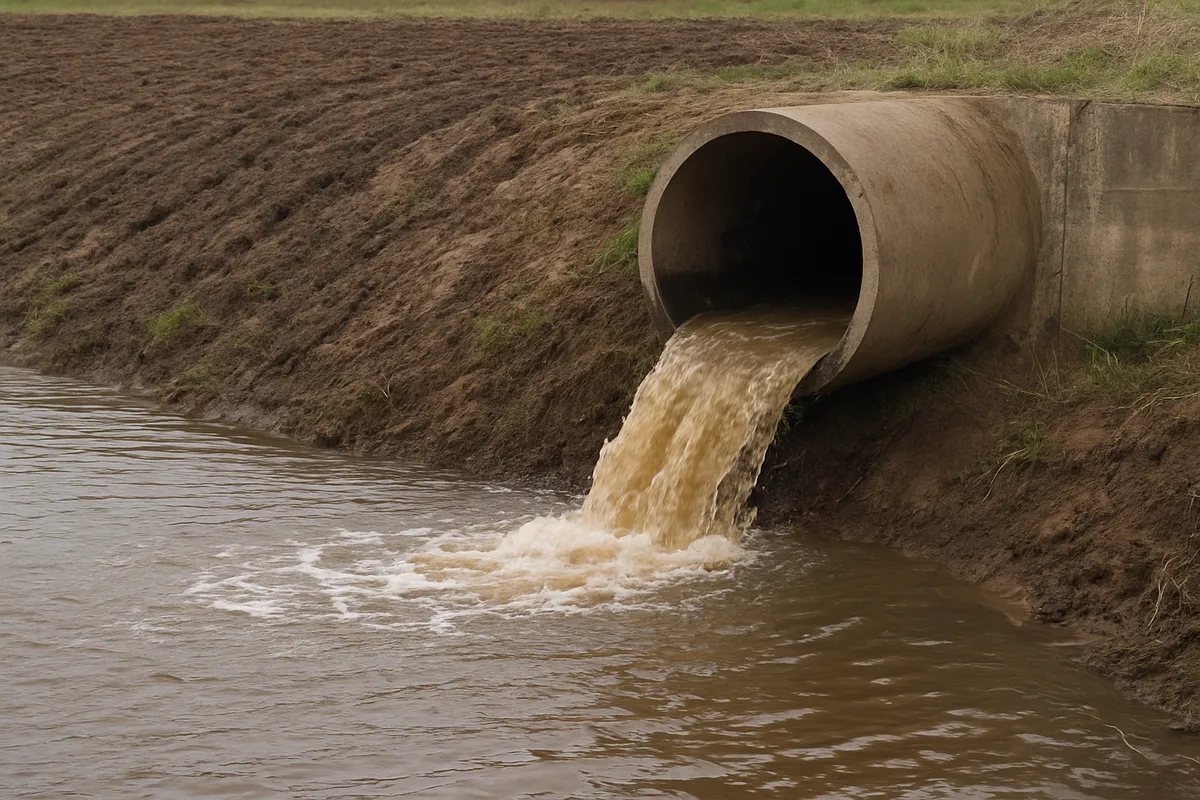
A wastewater-treatment plant releases its effluent from one outfall pipe into a creek. Is the discharge point or nonpoint source pollution?
Snowmelt carries road salt, oil, and tire particles from many streets and parking lots into a river. How is this pollution classified?
A factory's cooling-water pipe discharges warmer water directly into a stream. What source type describes the thermal pollution?
Heavy rain erodes soil from many cleared construction lots, and the sediment reaches a nearby river. What source type is the sediment pollution?
A leaking underground storage tank at one gas station releases gasoline into groundwater. How should this contamination source be classified?
Cattle manure from several pastures is washed by rainfall into a stream. What source type best describes the bacteria and nutrients entering the stream?
A cargo ship spills fuel from a ruptured tank at a known location in a harbor. Is this a point or nonpoint source?
Rain carries pesticides from numerous suburban yards into stormwater flowing over land toward a wetland. How should the pesticide pollution be classified before it enters a drain?
A municipal sewage pipe breaks and releases raw sewage at one location into a river. What source type is this release?
Acidic drainage from several abandoned mine tailings piles seeps downhill into a creek after storms. How is this source classified?
Why is runoff from hundreds of farms generally harder to regulate than effluent from one treatment plant?
A watershed has phosphorus entering a lake from thousands of residential lawns after rainfall. What makes reducing this source especially difficult?
Why can a permit limit for a factory pipe be more direct than controls for sediment washed from many fields?
A city wants to reduce oil reaching a bay from roads, driveways, and parking lots. Why is this nonpoint problem challenging?
A stream receives bacteria from many faulty septic systems scattered through a rural neighborhood. Why is finding the responsible sources difficult?
Which feature most helps regulators monitor a point-source discharge?
Phosphate supports plant growth, but a lake receives enough phosphate to trigger algal blooms and hypoxia. Why is phosphate a pollutant in this case?
Soil is natural, but sediment from an eroding field clouds a trout stream and covers spawning gravel. What makes the soil a pollutant here?
A power plant releases water 12 °C warmer than the river into a cool-water fish habitat. Why can the discharge be considered pollution?
A small amount of biodegradable organic matter enters a fast-flowing stream without measurable oxygen decline. A large release at the same site causes low dissolved oxygen. What changed?
A natural spring adds minerals to a stream at levels typical for the region, with no impairment of drinking water or aquatic life. Why are the minerals not necessarily pollutants?
Chlorine disinfects wastewater before release, but excess chlorine reaches a stream and harms aquatic organisms. What makes it a pollutant there?
Fertilizer nitrogen is applied to a field at an agronomic rate, but a storm soon carries much of it into a reservoir. Why is the nitrogen a pollution concern in the reservoir?
A homeowner uses soap near a storm drain. The soap reaches a stream, where it forms persistent foam and harms aquatic insects. Which condition makes the soap a pollutant?
Runoff from city streets enters a storm-drain network and is released through one outfall pipe into a bay. At the bay, how is the discharge from that outfall classified?
A dairy washes manure into a lined ditch that carries the waste directly to a creek. How should the creek-bound discharge be classified?
Rainwater flows across a large farm field, picks up fertilizer, and reaches a stream without entering any pipe or ditch. How is the stream-bound pollution classified?
A landfill collects leachate in a pipe and sends it to a wastewater-treatment facility. How is the leachate leaving the collection pipe classified?
Crack the passcode before the zombies get in.
Answer, then swat bugs for bonus points.
Race through questions at your own speed.
Same question on every screen. Fastest wins.

Pick a tile, answer, hit bonuses and steals.
Water Pollutants: Sewage, Thermal, Oil and Plastics
40 questions