Loading
by BlastRoom
Water Pollutants: Sewage, Thermal, Oil and Plastics for high school Environmental Science, on-level and AP. Covers AP Environmental Science Unit 8: Aquatic and Terrestrial Pollution.
#environmental_science
40 questions
One question set, multiple game modes. Tap any game to see it in action. Not sure which to pick?
Answer to place stones and capture territory.
Outrun the snow together.
Earn blasts, then hunt the other team.
Answer to earn energy, then climb.

The class blasts through walls together.
Bid on mystery lots. Most money wins.
Sell tours. Nice, standard, or a total scam.

Answer, restock, and serve the rush.
More correct answers pulls the rope your way.
Answer, then shoot down the alien wave.
Answer, then tap to leap the frozen ridge.
Untreated sewage enters a slow river, and biochemical oxygen demand rises sharply downstream. What is the most likely effect on fish there?
What does a high biochemical oxygen demand (BOD) measurement show about a water sample?
A wastewater discharge adds nitrogen and phosphorus to a lake. After an algal bloom dies, what change is most likely?
After heavy rain, a combined sewer overflow releases untreated wastewater into an urban stream. Which pollutant is most useful as an indicator of fecal contamination?
A home beside a lake has a failing septic system. Which water-quality change is most likely near its leach field?
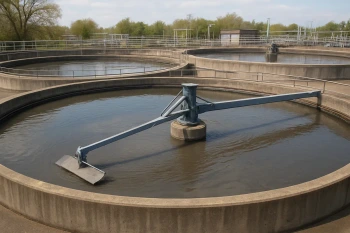
A municipality wants to reduce the BOD of its sewage effluent after solids have settled out. Which treatment step uses microorganisms to break down dissolved organic waste?
A pipe from a wastewater treatment plant releases effluent at one mapped outfall. How is this pollution source classified?
A stream has the same temperature upstream and downstream of a sewage discharge, but dissolved oxygen is much lower downstream. What best explains the decrease?
Why can a sewage-driven hypoxic zone become a dead zone for many fish and invertebrates?
A city repairs leaks in its sewer system so less untreated sewage reaches a creek. Which downstream change would most directly indicate success?
A power plant returns cooling water to a river several degrees warmer than the water it withdrew. What happens to the river's capacity to hold dissolved oxygen?
At the same temperature and pressure, which water sample can hold the least dissolved oxygen?
A factory's heated effluent raises a trout stream from 16 °C to 25 °C within a short distance. What is the most immediate biological concern?
A streamside forest is removed, exposing a shallow stream to direct summer sunlight. Which restoration action most directly reduces this thermal pollution?
Why can warmer water increase stress on fish even before dissolved oxygen becomes critically low?
For several summers, heated cooling-water discharges raise a river's maximum temperature. Which community shift is most likely?
A power station switches from once-through cooling to a system that recirculates cooling water before release. Which impact is the change designed to reduce?
A river's temperature now rises and falls much more rapidly each day because of industrial discharges. Why can this harm aquatic organisms?
A warm thermal plume changes the usual spring temperature cue in a river. Which life-history event may be disrupted?
Crude oil spreads across the surface of a bay after a tanker grounding. Which effect on seabirds follows?
Why does a fresh oil spill usually form a slick on the water surface?
After an oil spill, a sea otter's fur is coated with oil. What direct survival problem results?
An oiled seabird repeatedly preens its feathers. Besides losing insulation, what additional exposure can occur?
Why are fish eggs and larvae especially vulnerable when oil enters shallow nursery habitat?
Oil reaches a sheltered marsh after a coastal spill. Why can marsh organisms remain exposed after the surface slick is gone?
Responders deploy floating booms around an oil slick before it reaches a marsh. What is the main purpose of the booms?
A dispersant is applied to an offshore oil slick. What physical change is it intended to cause?
Following an oil spill near a shellfish bed, managers temporarily close the harvest. What concern most directly supports the closure?
Why did the Exxon Valdez spill pose a major risk to seabirds in Alaska's Prince William Sound?
An oil spill occurs in a shallow, enclosed estuary rather than far offshore. Which organisms would have the most difficulty avoiding exposure?
A sample contains plastic fragments smaller than 5 mm. What term identifies these particles?
Filter-feeding mussels contain tiny plastic fragments, while larger floating debris passes them by. Which property best explains the fragments' uptake?
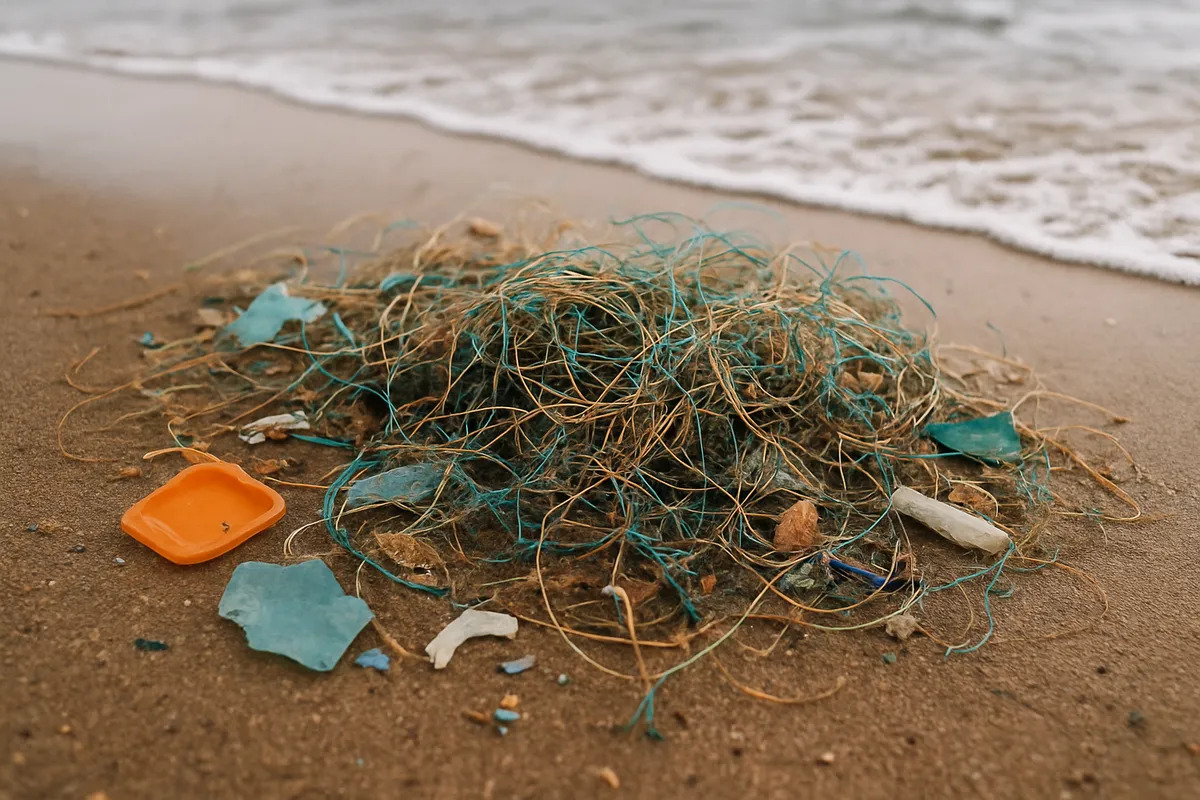
A discarded plastic fishing net drifts through a coastal habitat. What is the most direct threat to seals and sea turtles?
A plastic bottle remains in sunlight and waves for years. What is a likely change rather than complete biodegradation?
Plastic litter blows across a parking lot during a rainstorm. Which pathway most often carries it to a lake or ocean?
Synthetic clothing sheds tiny bits of material during washing. If some of these bits pass through a wastewater plant, what pollutant may enter the receiving water in the effluent?
A lake food web contains small amounts of PCBs in plankton, fish, and fish-eating birds. Which organisms are expected to have the highest PCB concentration?
A fish absorbs a persistent chemical from food faster than it can excrete it, so the chemical builds up in its tissues over time. What process is described?
Why can a pesticide such as DDT remain an environmental concern long after its use has stopped?
Why can a floating plastic fragment expose an animal to chemicals already present in contaminated water?
Crack the passcode before the zombies get in.
Answer, then swat bugs for bonus points.
Race through questions at your own speed.
Same question on every screen. Fastest wins.

Pick a tile, answer, hit bonuses and steals.
Major Air Pollutants and Their Sources
40 questions