Loading
by BlastRoom
Where people live in Australia, Oceania and Antarctica, the languages they speak and the religions they follow.
#us_hs_world_geography
30 questions
One question set, multiple game modes. Tap any game to see it in action. Not sure which to pick?
Answer to place stones and capture territory.
Outrun the snow together.
Earn blasts, then hunt the other team.
Answer to earn energy, then climb.

The class blasts through walls together.
Bid on mystery lots. Most money wins.
Sell tours. Nice, standard, or a total scam.

Answer, restock, and serve the rush.
More correct answers pulls the rope your way.
Answer, then shoot down the alien wave.
Answer, then tap to leap the frozen ridge.
About four in five Australians live along the eastern and southeastern coasts, while the interior has very low population density. What best explains this pattern?
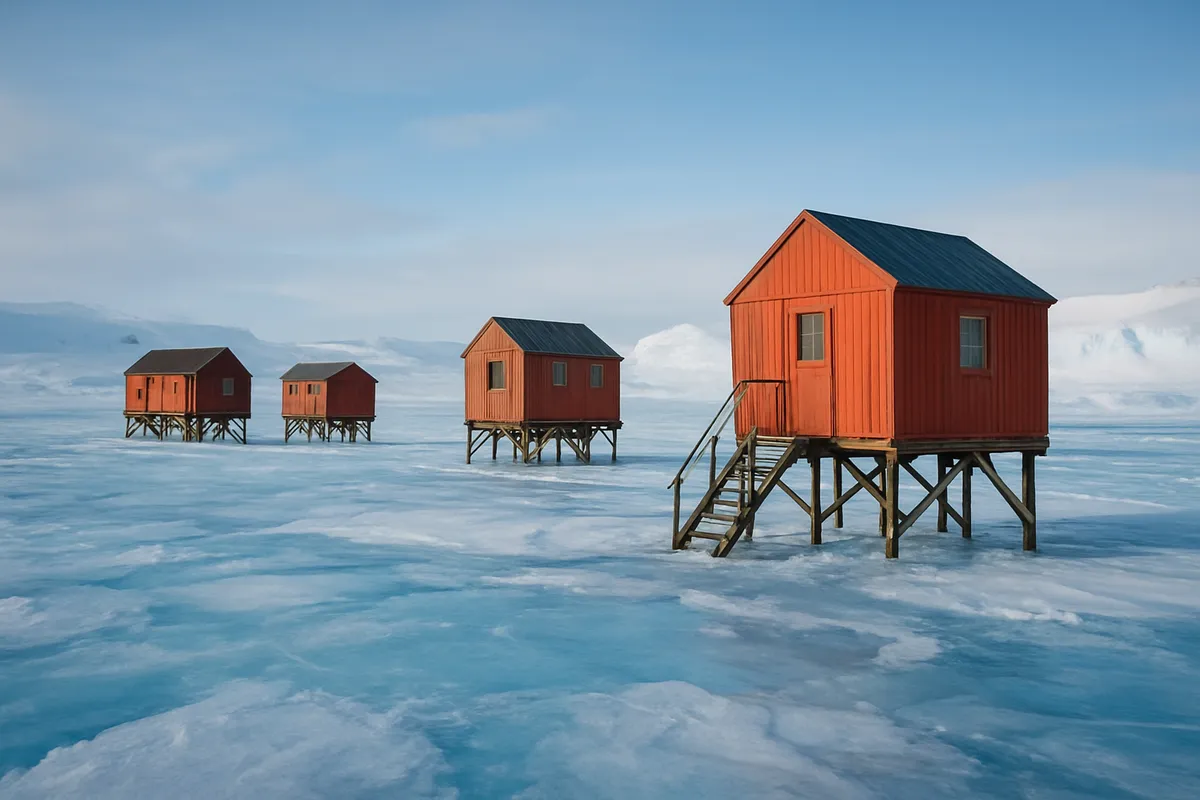
Antarctica has research stations but no permanent towns, farms, or native-born citizen population. What geographic factor most limits settlement there?
Most New Zealanders live in cities on or near the North Island, especially around major harbors. What is the strongest pull factor in that distribution?
Papua New Guinea has many people in the Highlands rather than only along the coast. What helps explain this inland population cluster?
On many Pacific atolls, villages sit on narrow low strips near lagoons, and population capacity is limited. What control most directly shapes that pattern?
Fiji and Vanuatu have many settlements on coastal plains while rugged interiors are less densely settled. What best explains the contrast?
Remote central Australia has some mining and Indigenous communities but very low overall population density. What physical control is most important?
Papua New Guinea has more than 800 distinct languages, far more than neighboring countries of similar size. What most accounts for that number?
Vanuatu has a very high number of local languages for its small population. What geographic pattern helped create that diversity?
The Solomon Islands use Pijin as a common language while many local languages remain. What does that language pattern most directly show?
Samoan, Tongan, Tahitian, and Maori are related languages spread across far-apart islands. What historical geography best explains this pattern?
In New Caledonia, many Kanak languages developed in separate valleys and coastal areas. What role did terrain play?
Before colonization, Australia had hundreds of Aboriginal languages across a vast land area. What best explains that distribution?
In New Guinea, neighboring villages in steep valleys often spoke different languages. What geographic mechanism does this illustrate?
Samoa and Tonga each have one faith followed by more than 90 percent of their people, a legacy of 1800s contact with Europeans. Which faith is it?
About a quarter of Fiji's population practices a South Asian faith, mostly among Indo-Fijians descended from indentured laborers brought from India. Which faith is this?
More than 90 percent of Papua New Guinea's people belong to one faith, which is often blended with traditional beliefs. What is the country's majority faith?
Guam's villages show a strong Spanish mission legacy, and most residents belong to the largest Christian branch there. Which faith tradition is it?
In Australia's 2021 census, Christianity fell below half of the population for the first time. Which response was the second largest, at about 39 percent?
On Tanna in Vanuatu, followers of the John Frum movement have waited since the 1930s for a figure linked to American goods to return and bring wealth. What kind of religious movement is it?
Carved meeting houses, marae, a co-official language, and many New Zealand place names come from the islands' first Polynesian settlers. Which people are they?
Rock art, Dreaming stories, songlines, and long connections to Country are central to the first peoples of mainland Australia. Which peoples are these?
Sea routes, turtle-shell masks, and island communities between Cape York and New Guinea identify which Indigenous peoples of Australia?
Latte stone pillars, a local language that shares official status with English, and many place names on Guam and the Northern Mariana Islands point to which Indigenous people?
Fishponds, hula, and the idea of aloha ʻāina, or love of the land, are part of one Pacific island chain's Indigenous cultural landscape. Which people created it?
The moai statues on Easter Island are tied to which Indigenous Polynesian people?
Nearly nine in ten Australians live in cities, and a large share of residents were born overseas, with many recent arrivals from Asia. What does this show?
Auckland has large Maori, Pacific Islander, European, and Asian communities, and most New Zealanders live in urban areas. What conclusion fits this pattern?
Suva and Port Vila have grown as people move from outer islands and rural villages for jobs, schools, and services. What is the main urban effect?
Antarctica's population is about 1,000 people in winter but rises to roughly 4,000 to 5,000 in summer. What best explains the change?
Southeast Asia: Government, Economy and Development
30 questions
Australia, Oceania and Antarctica: Physical Geography, Climate and Resources
35 questions
Australia, Oceania and Antarctica: Physical Features and Map Location
40 questions
Australia, Oceania and Antarctica: Countries, Capitals and Map Location
28 questions
Australia, Oceania and Antarctica: Government, Economy and Development
Crack the passcode before the zombies get in.
Answer, then swat bugs for bonus points.
Race through questions at your own speed.
Same question on every screen. Fastest wins.

Pick a tile, answer, hit bonuses and steals.
30 questions