Loading
by BlastRoom
Explore how regional resources and geography shape jobs across the United States.
#economics#us_grade_4_social_studies
40 questions
One question set, multiple game modes. Tap any game to see it in action. Not sure which to pick?
Answer to place stones and capture territory.
Outrun the snow together.
Earn blasts, then hunt the other team.
Answer to earn energy, then climb.

The class blasts through walls together.
Bid on mystery lots. Most money wins.
Sell tours. Nice, standard, or a total scam.

Answer, restock, and serve the rush.
More correct answers pulls the rope your way.
Answer, then shoot down the alien wave.
Answer, then tap to leap the frozen ridge.
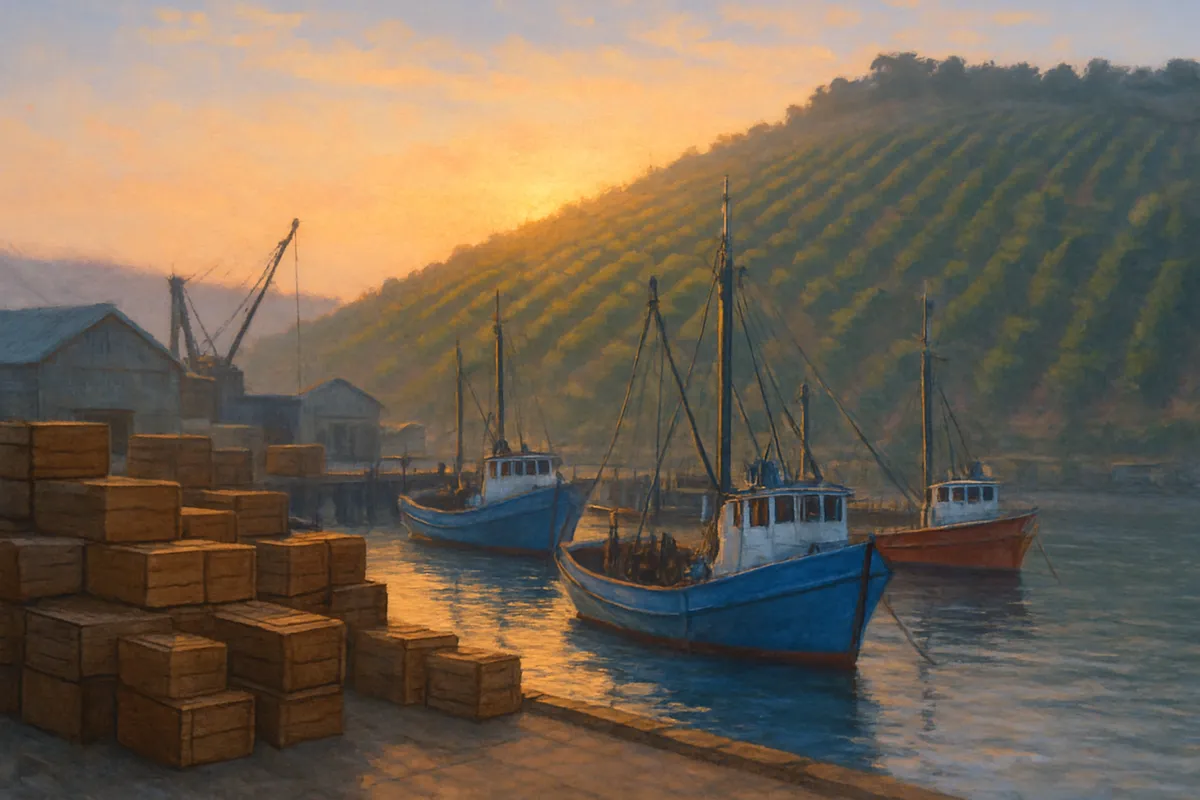
Along the Northeast coast, many communities have rocky shores, deep harbors, and large cities. What work is common there?
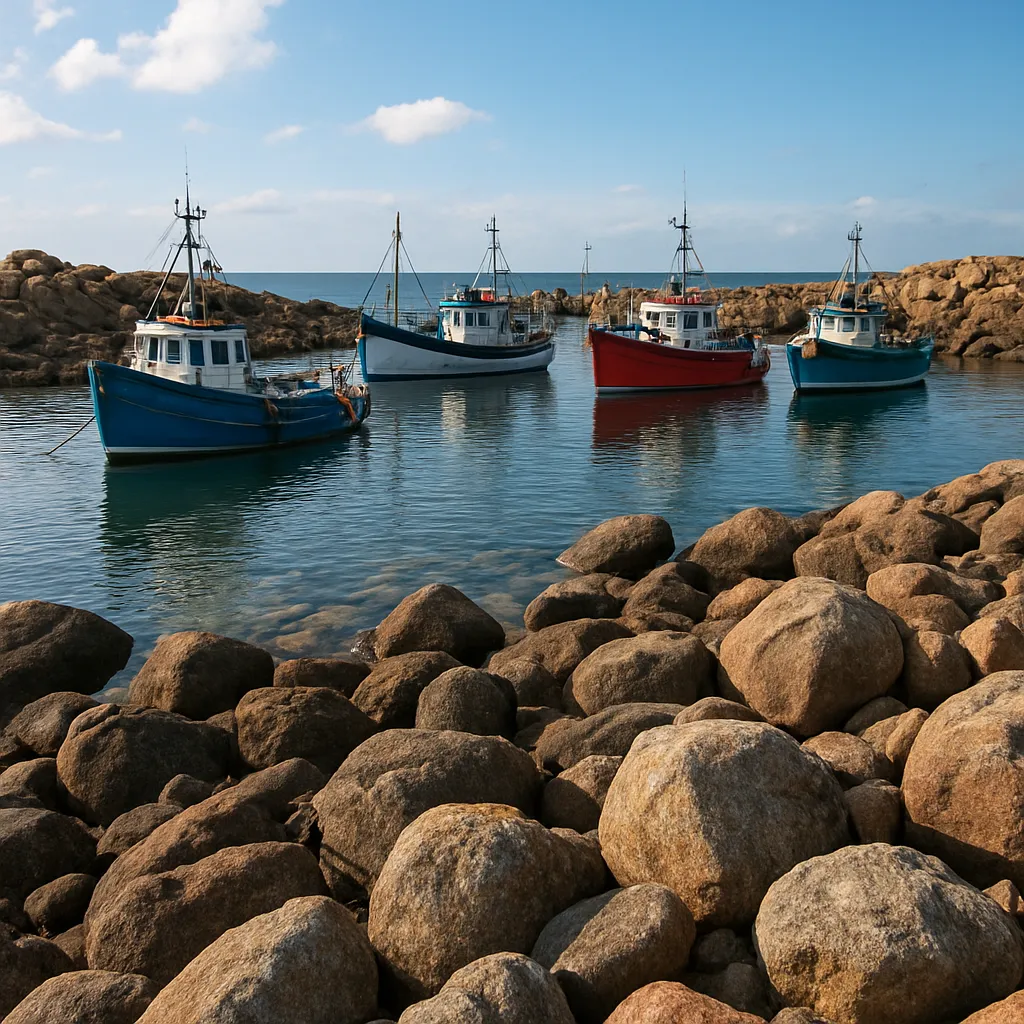
The Midwest has deep, fertile soil and warm, rainy summers. What work does this physical geography support most?
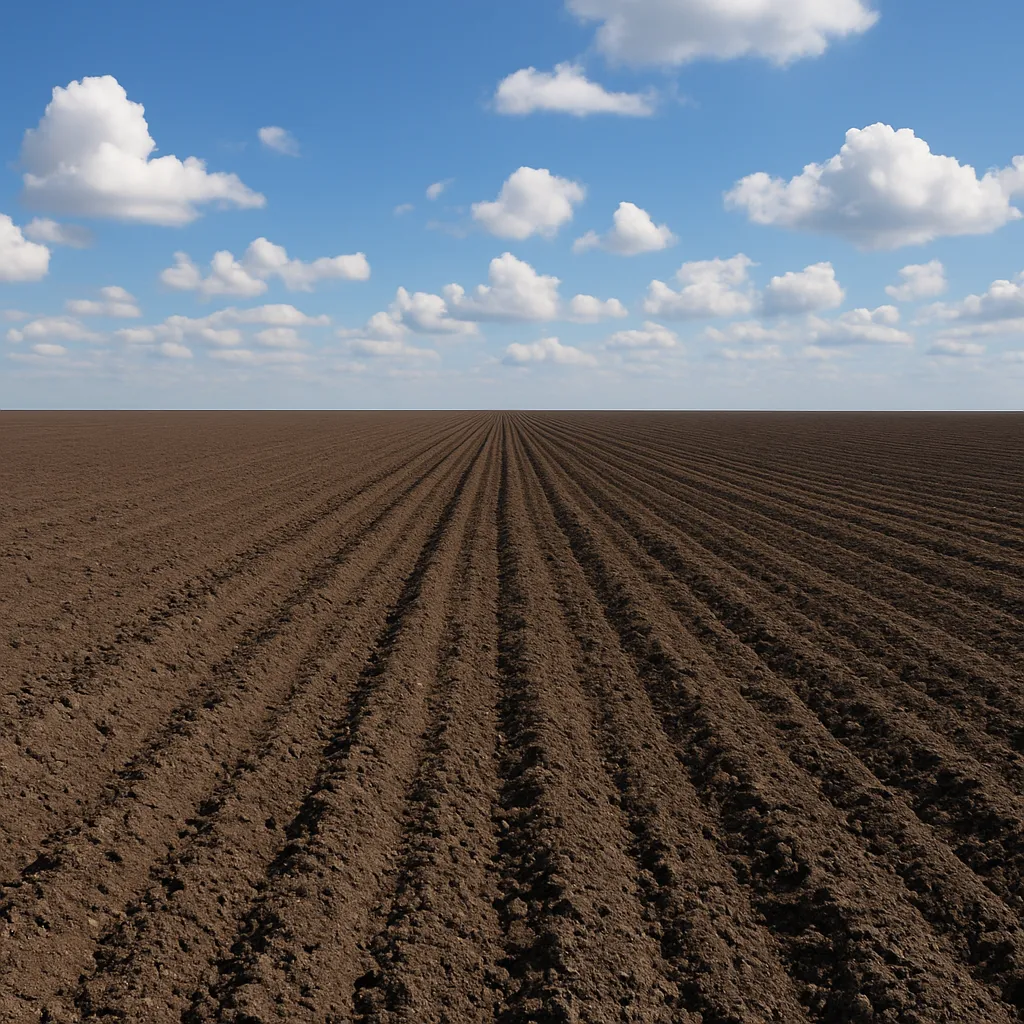
A worker loads grain at an elevator near wide fields of corn and soybeans. What U.S. region fits this work best?
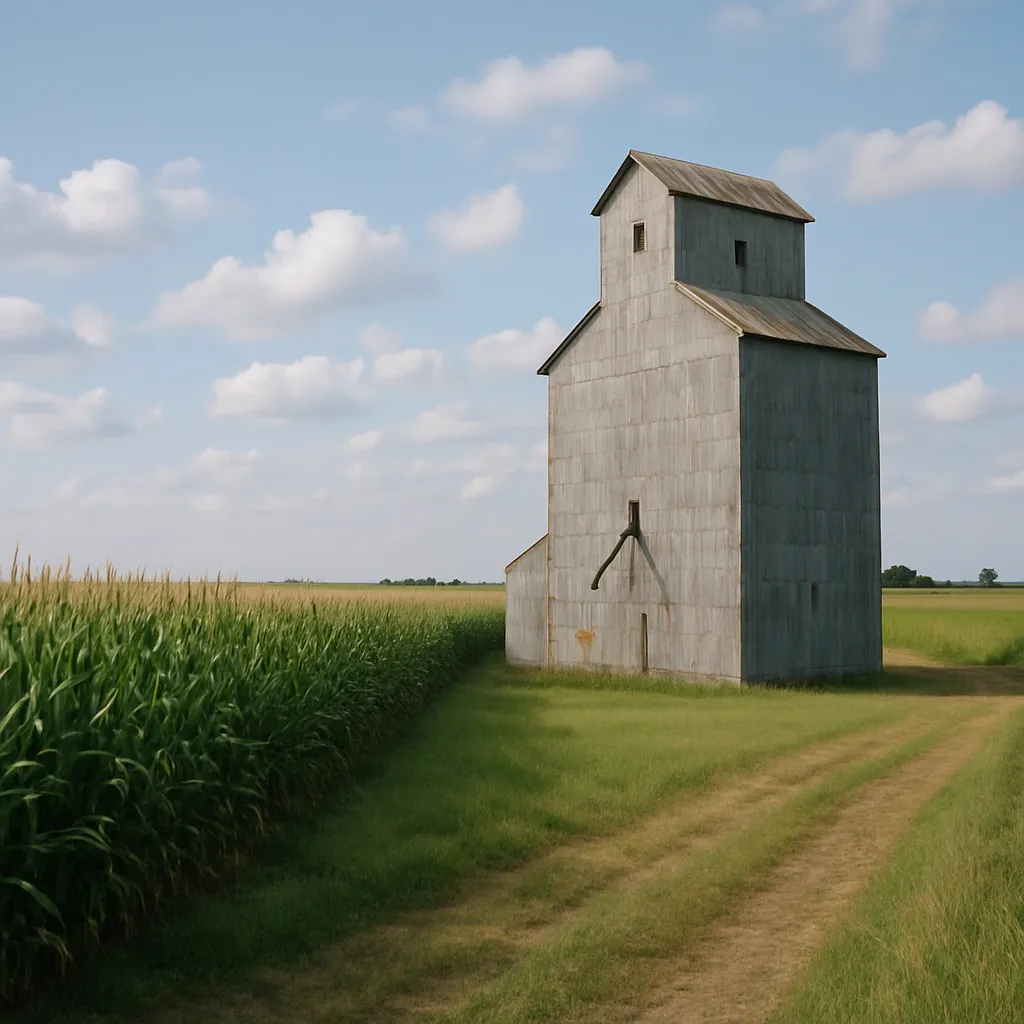
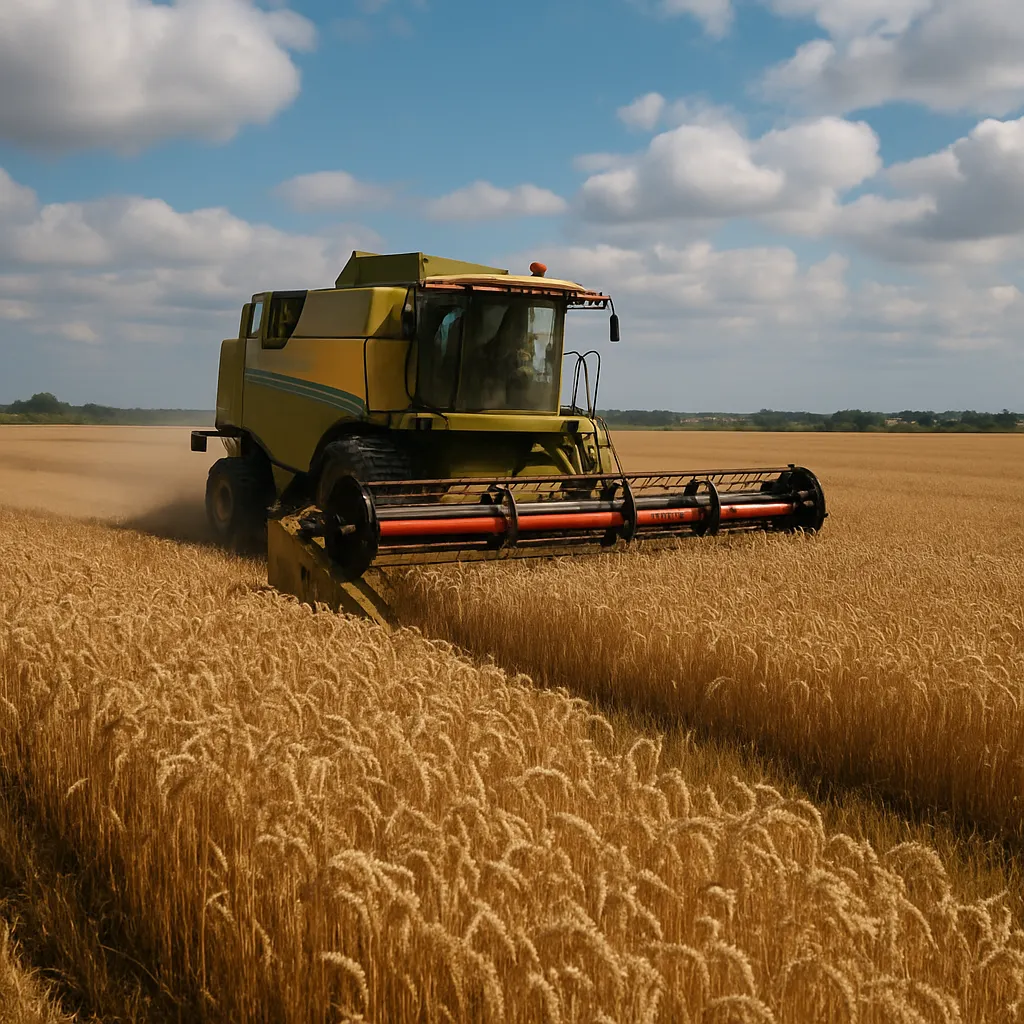
On a Midwest farm, large combines harvest grain much faster than hand crews. What work became more important after this technology arrived?
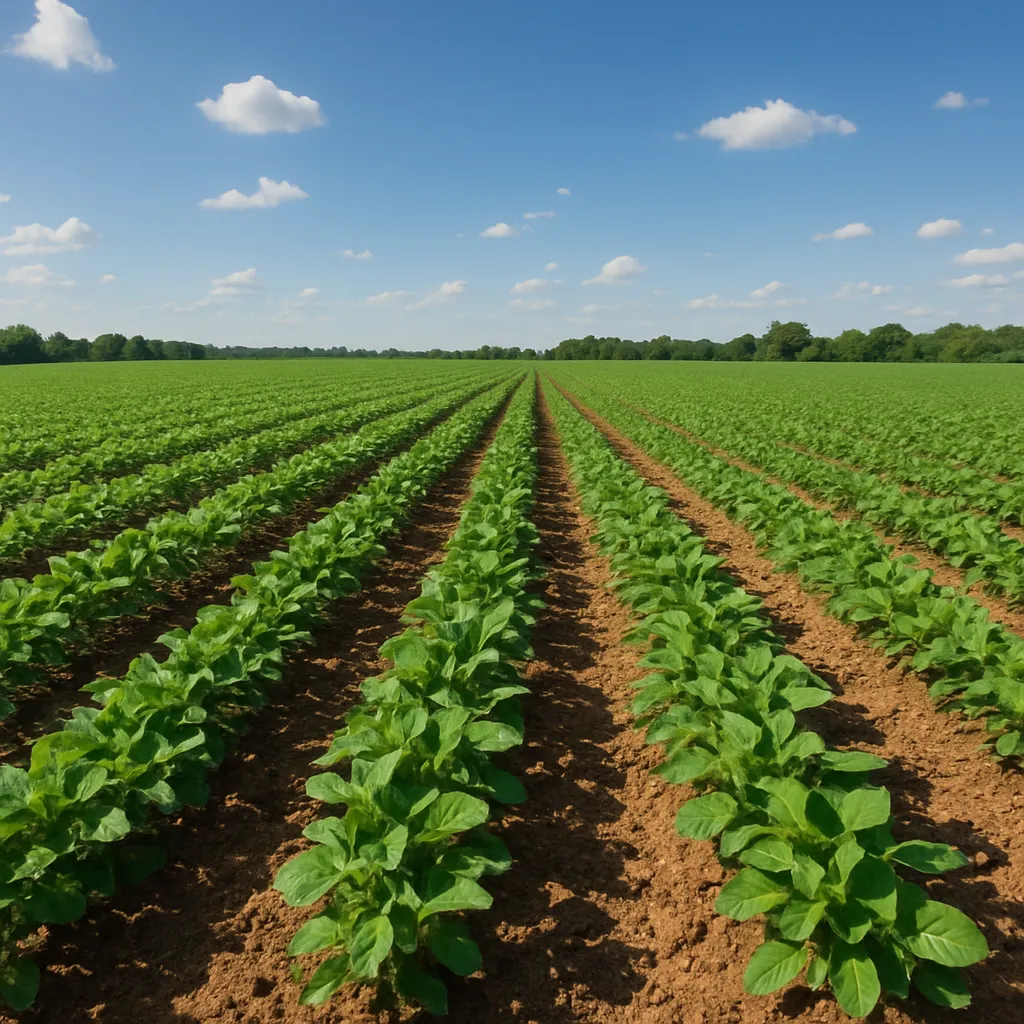
Warm weather, enough rain, and a long growing season shape much of the Southeast. What kind of work do those conditions support?
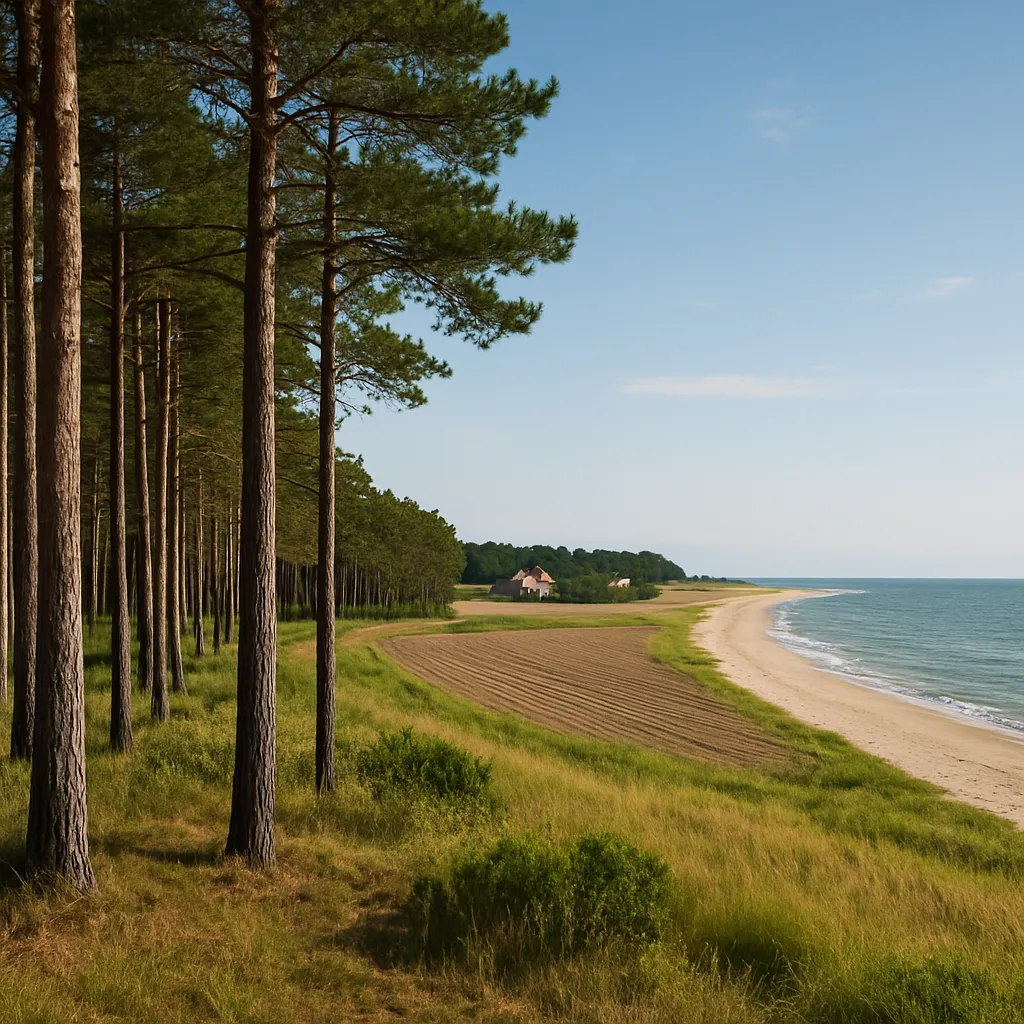
In the Southeast, a county has pine forests, farms, and beaches that draw visitors. What work mix is common there?
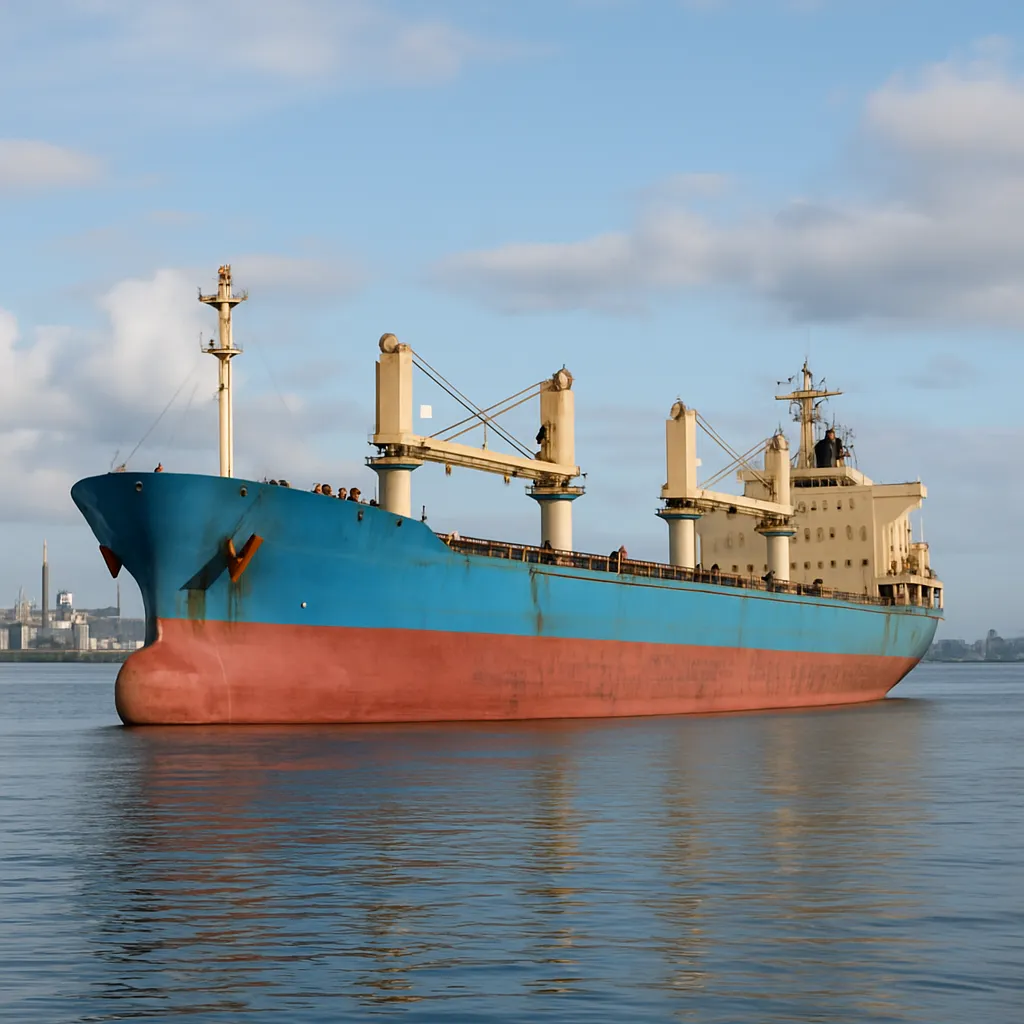
Many Northeast cities grew beside deep natural harbors. What industry grew there because of those harbors?
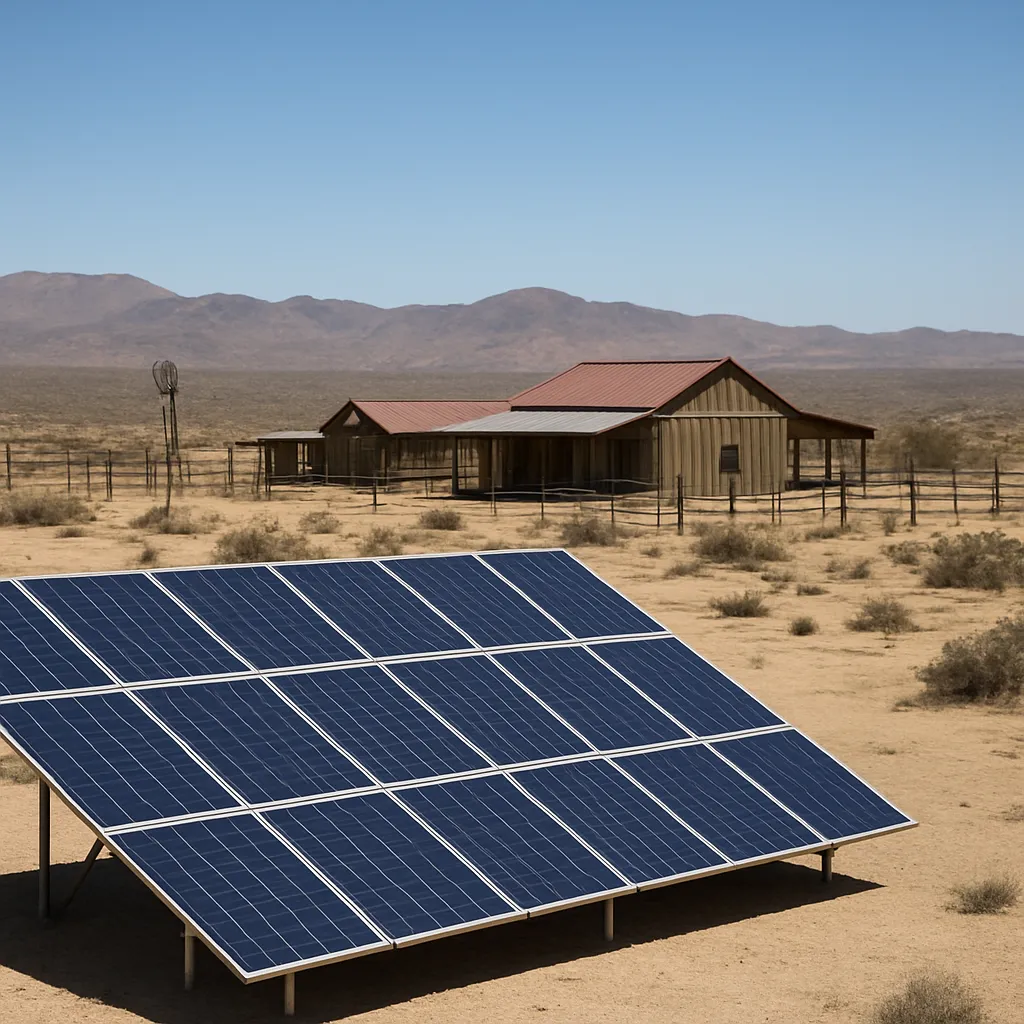
A dry area has cattle ranches, oil and natural gas wells, and sunny land for solar power. What U.S. region fits this mix best?
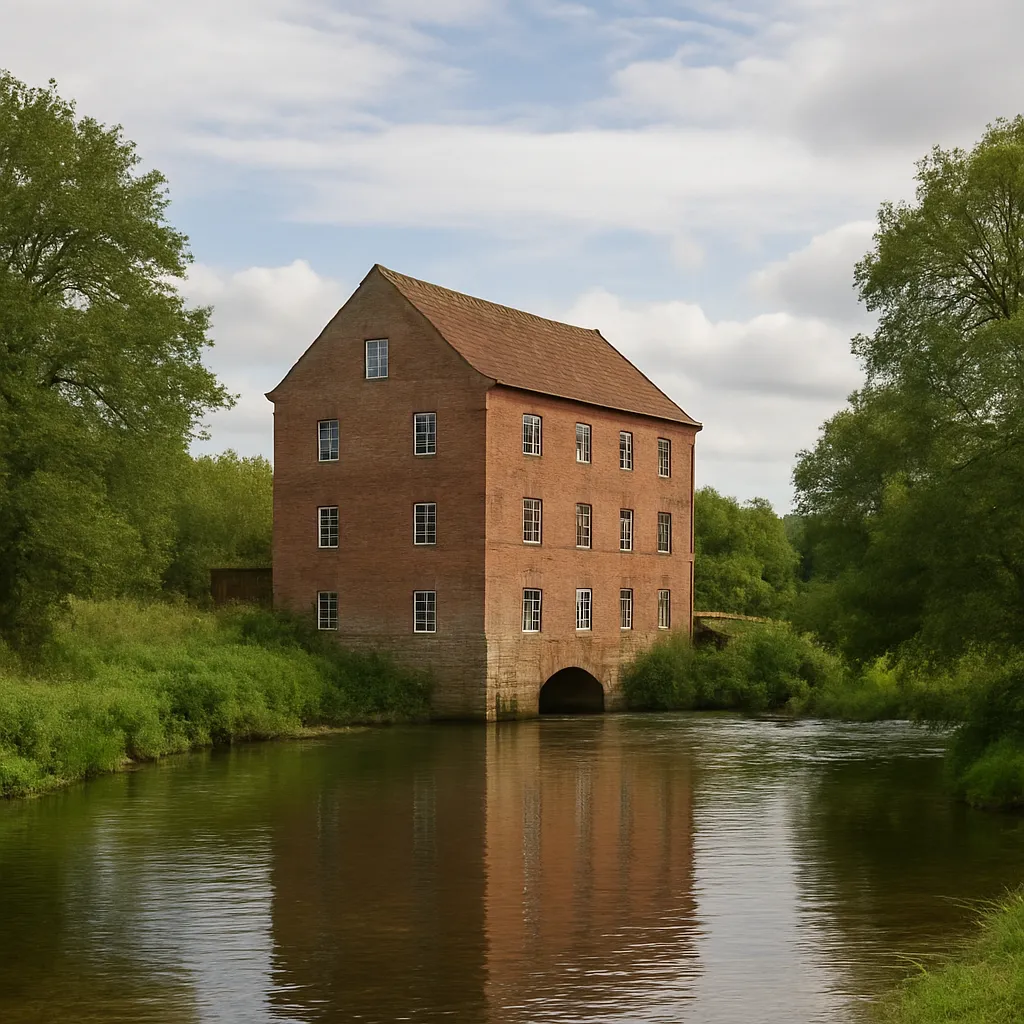
Some Northeast river towns once used waterpower for textile mills. When factories no longer needed those sites, how did many towns' work change?
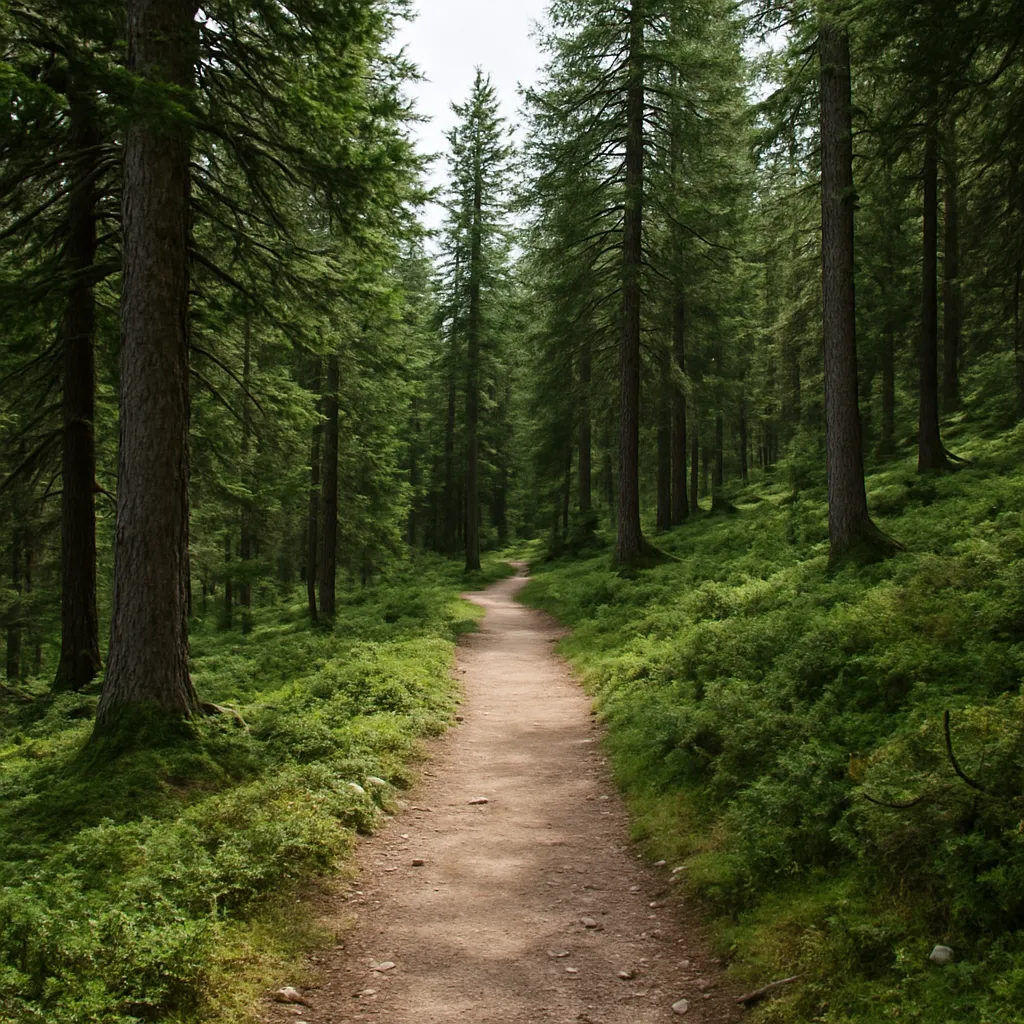
Western mountains have thick forests and scenic national parks. What work do those physical features support?
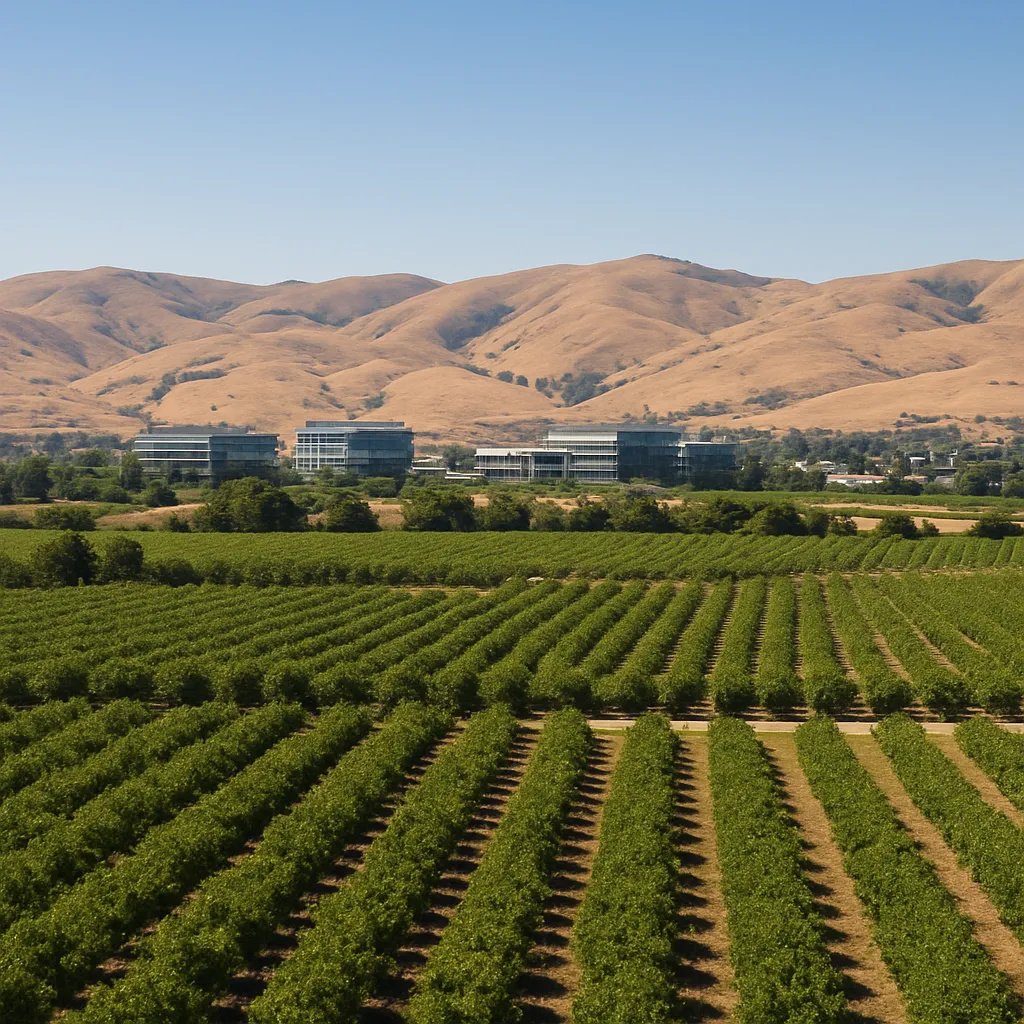
A Pacific Coast region has software companies, movie studios, and irrigated fruit farms. What U.S. region fits this mix best?
Oil and natural gas deposits lie under parts of the Southwest. What work grew because those nonrenewable resources were available?
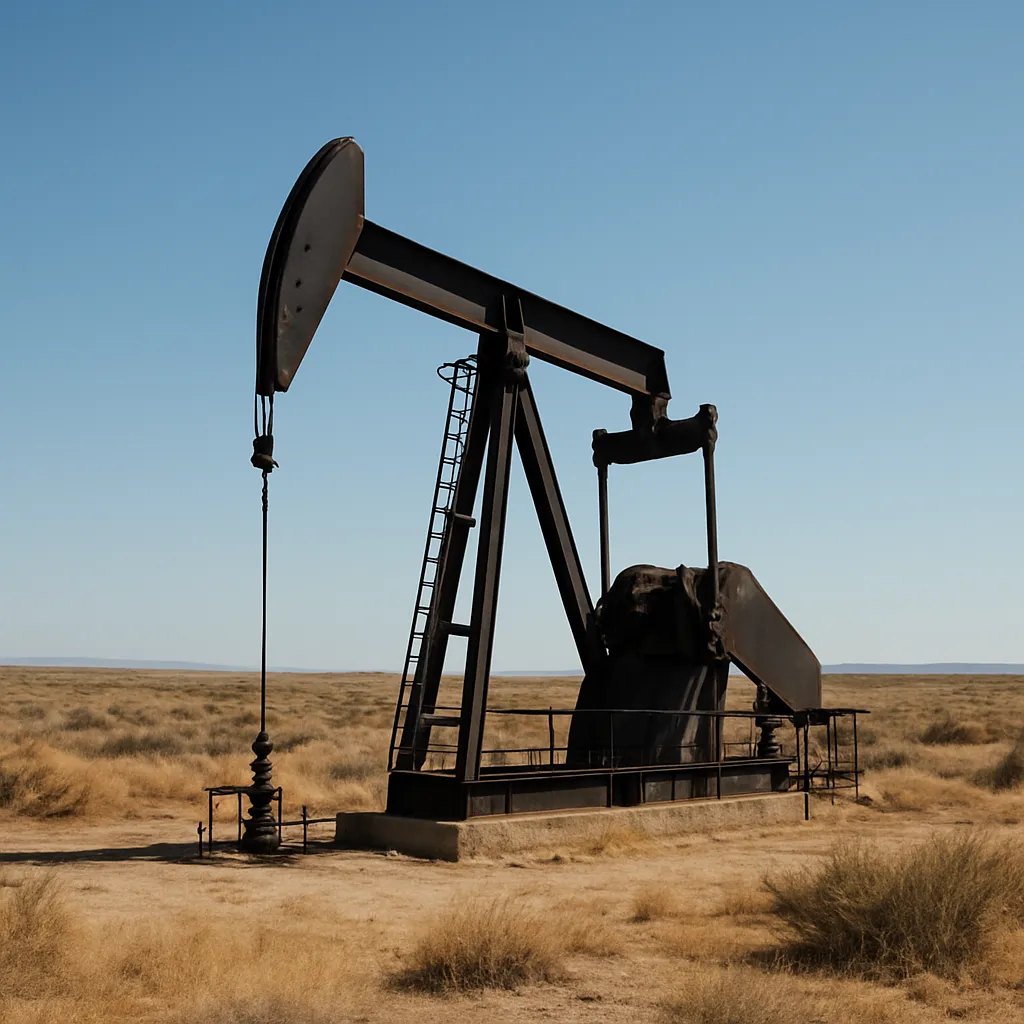
Near the Great Lakes, workers make cars and machines while nearby farms produce milk, corn, and soybeans. What region is being described?
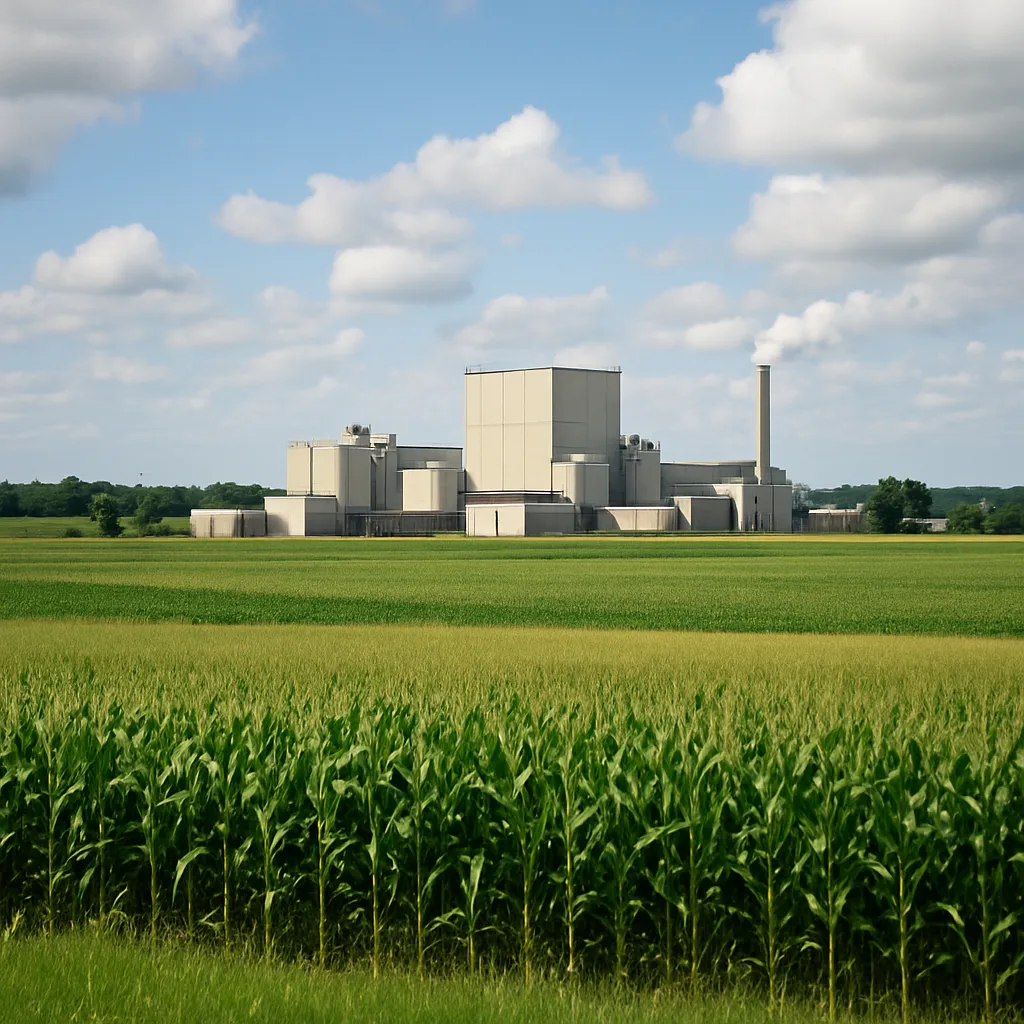
The Great Lakes give parts of the Midwest water routes for heavy materials. What industry did these routes help most?
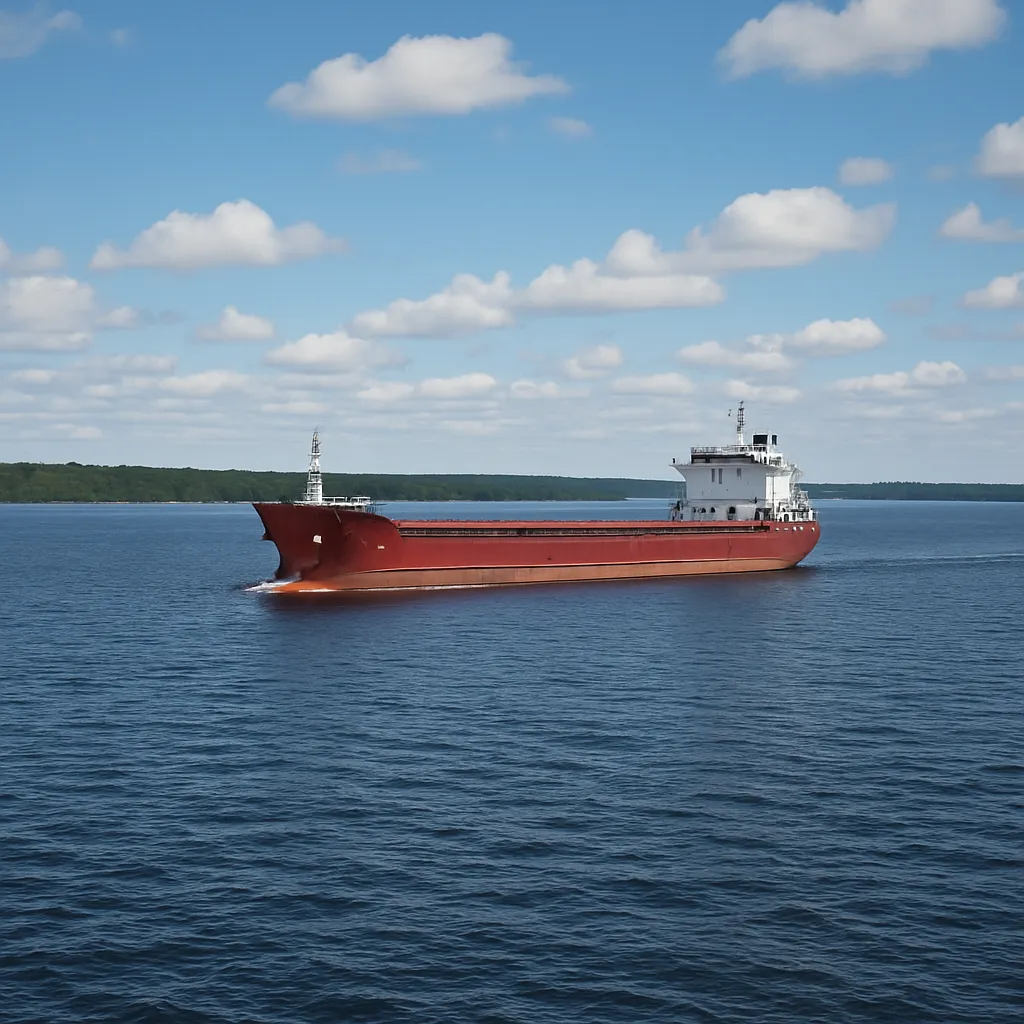
After the transcontinental railroad reached the West, goods could move to distant markets faster. How did work in western towns change?
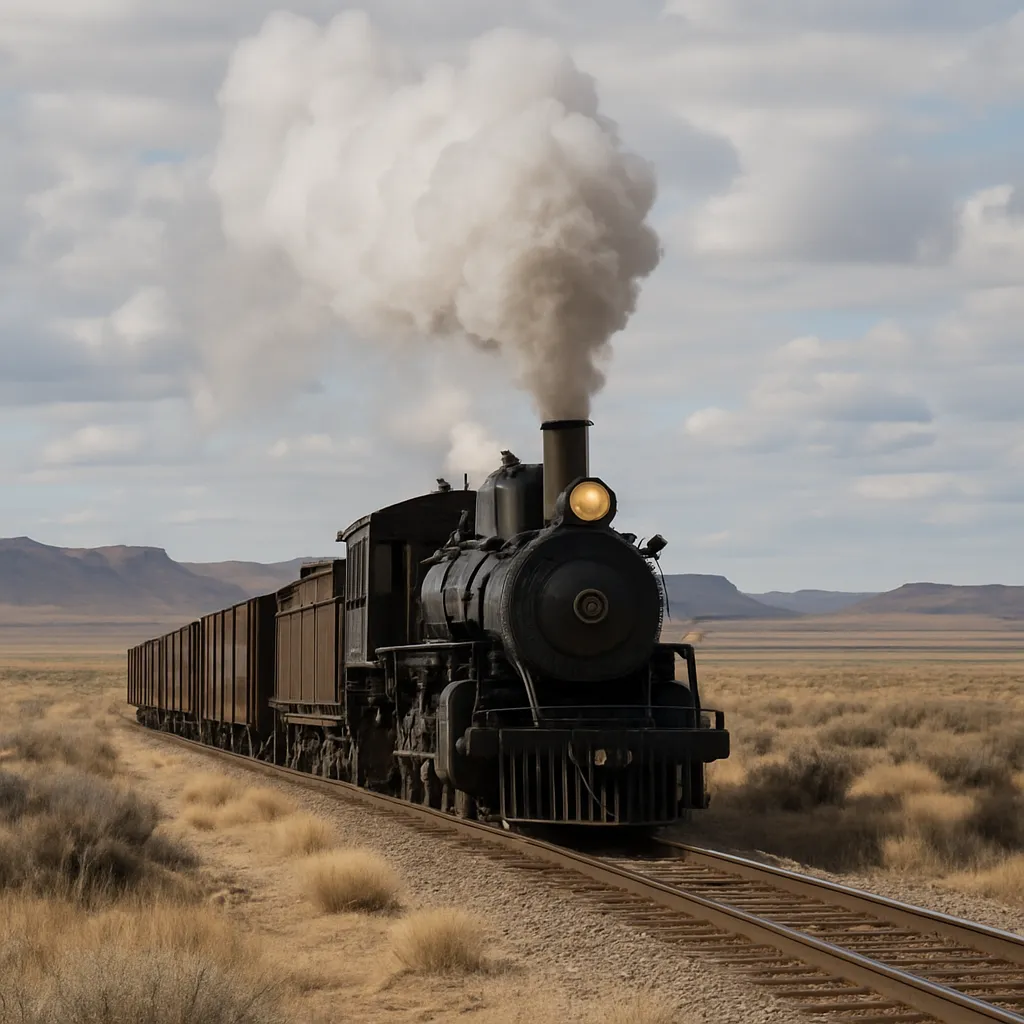
In Northeast cities, many people work in hospitals, universities, banks, and media companies. What type of industry is this?
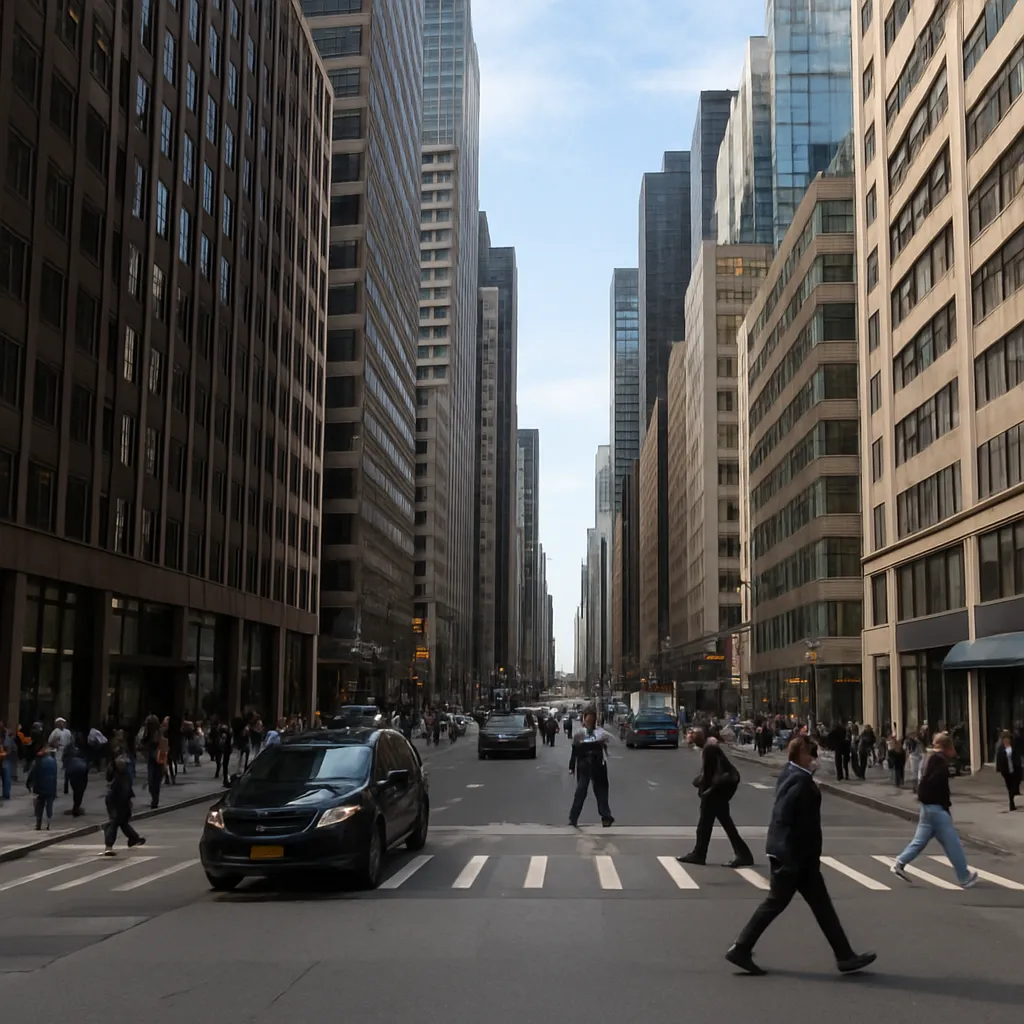
New England has rocky soil but a long coast on the cold Atlantic Ocean. What work fits those physical conditions best?
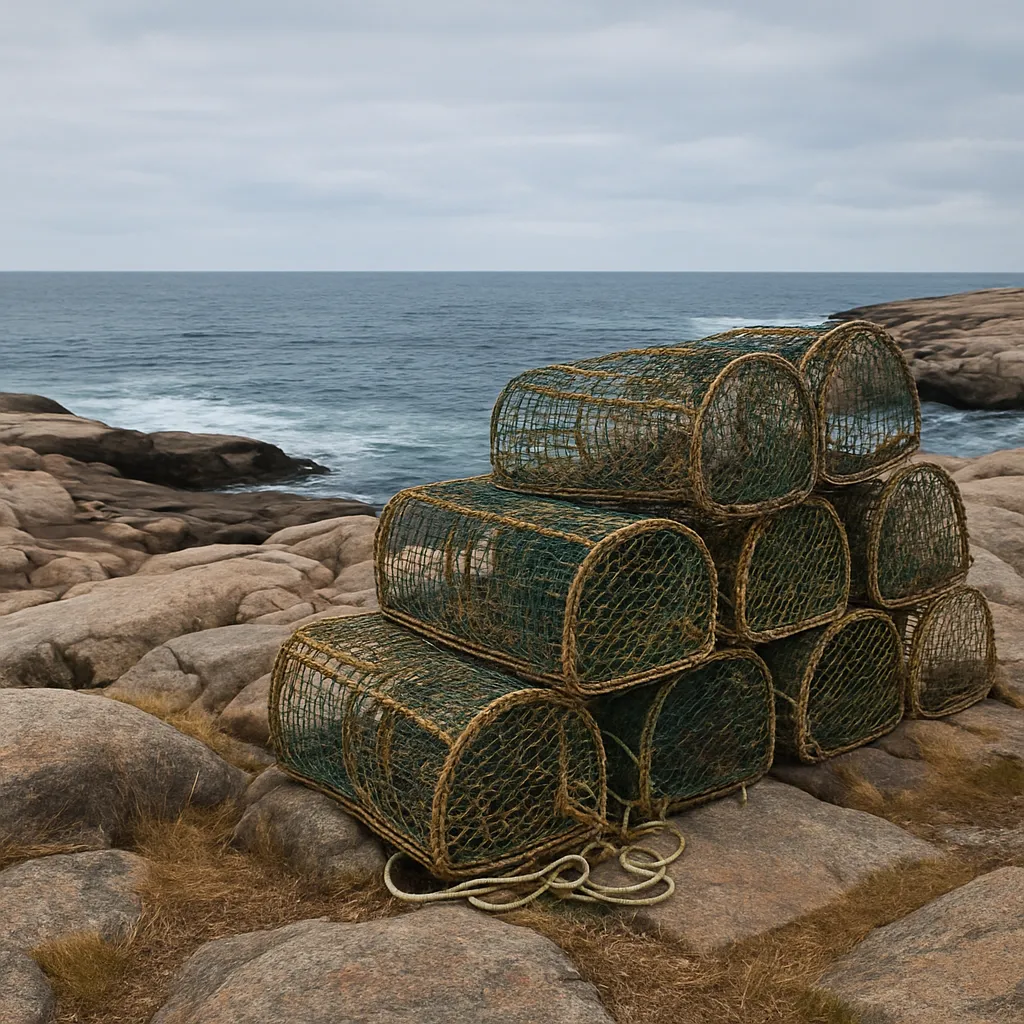
In parts of the West, forests, Pacific ports, and mountains support several industries. What work mix fits that region?
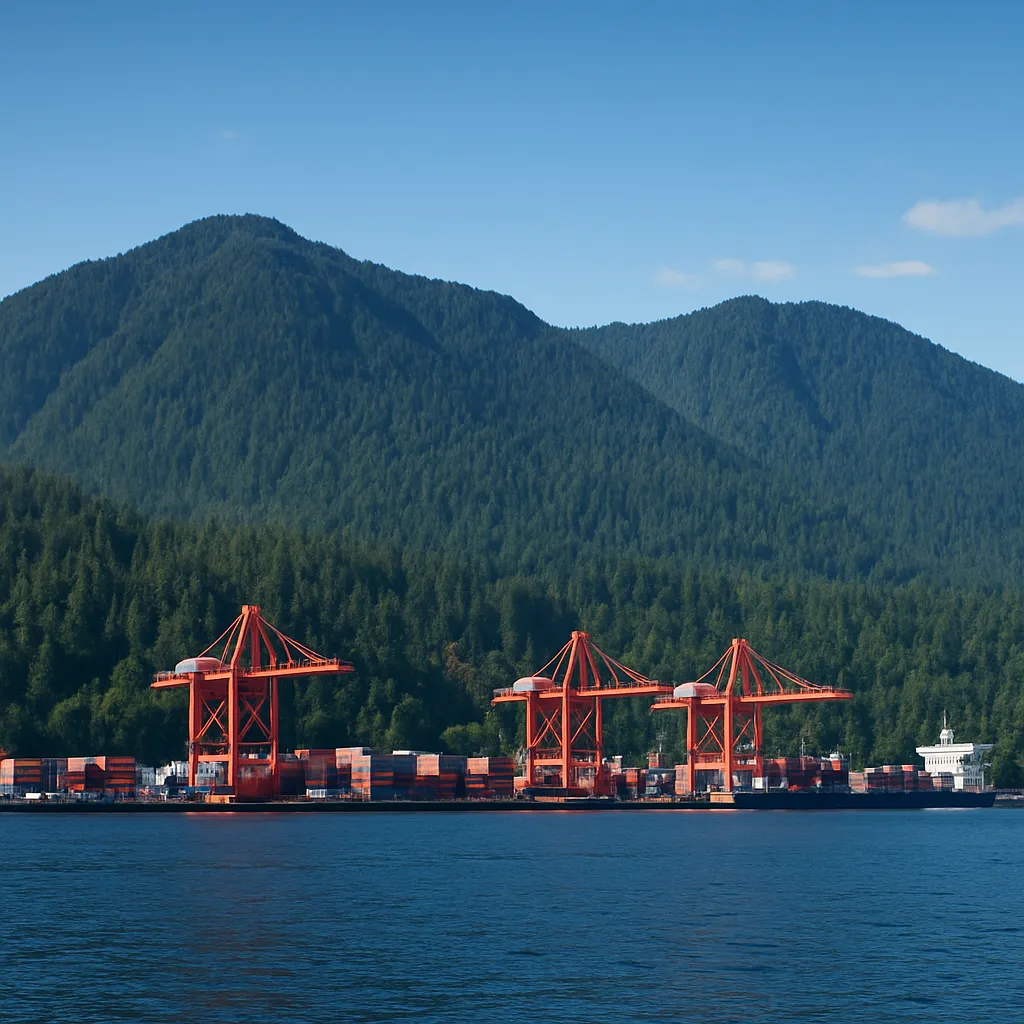
Farmers in dry parts of the Southwest used irrigation canals and pumps to bring water to fields. How did this technology change work?
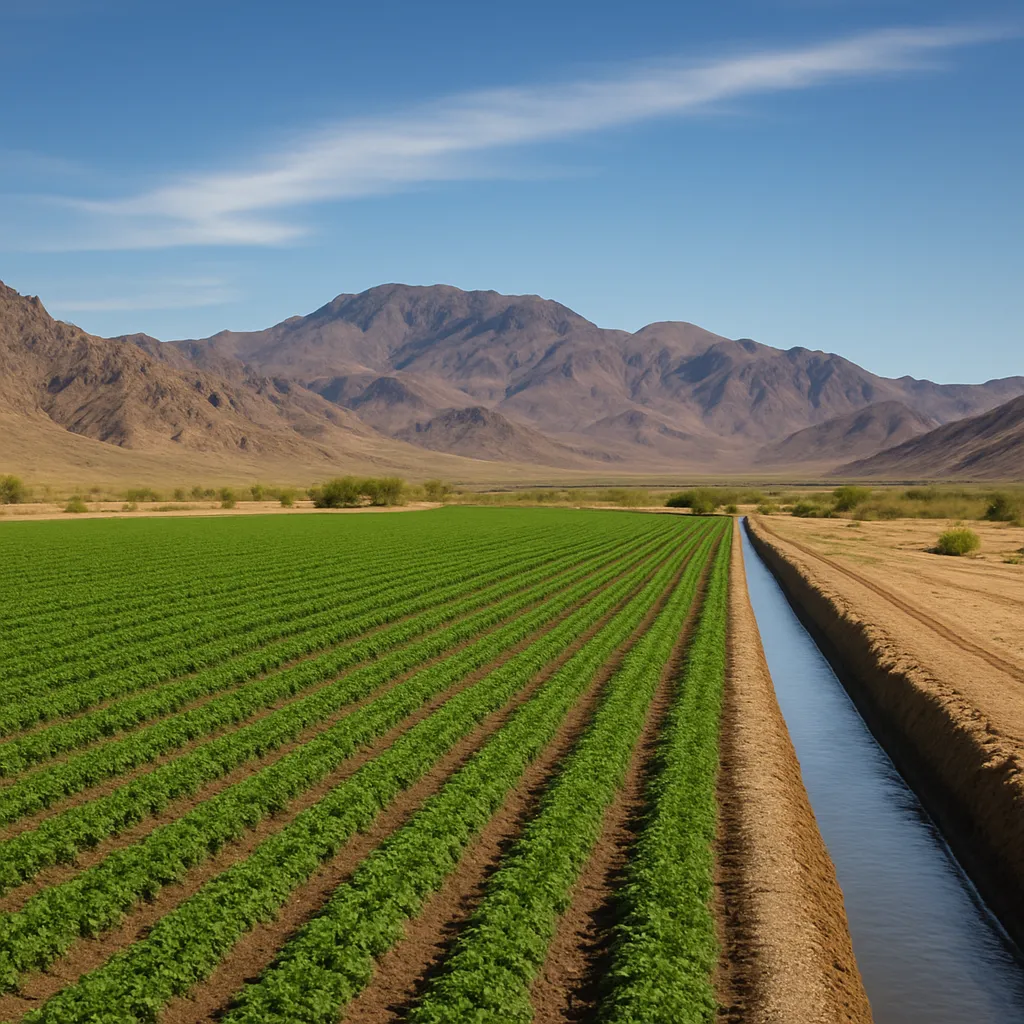
The Southeast has warm winters and long sandy beaches. What kind of work grows because of those physical features?
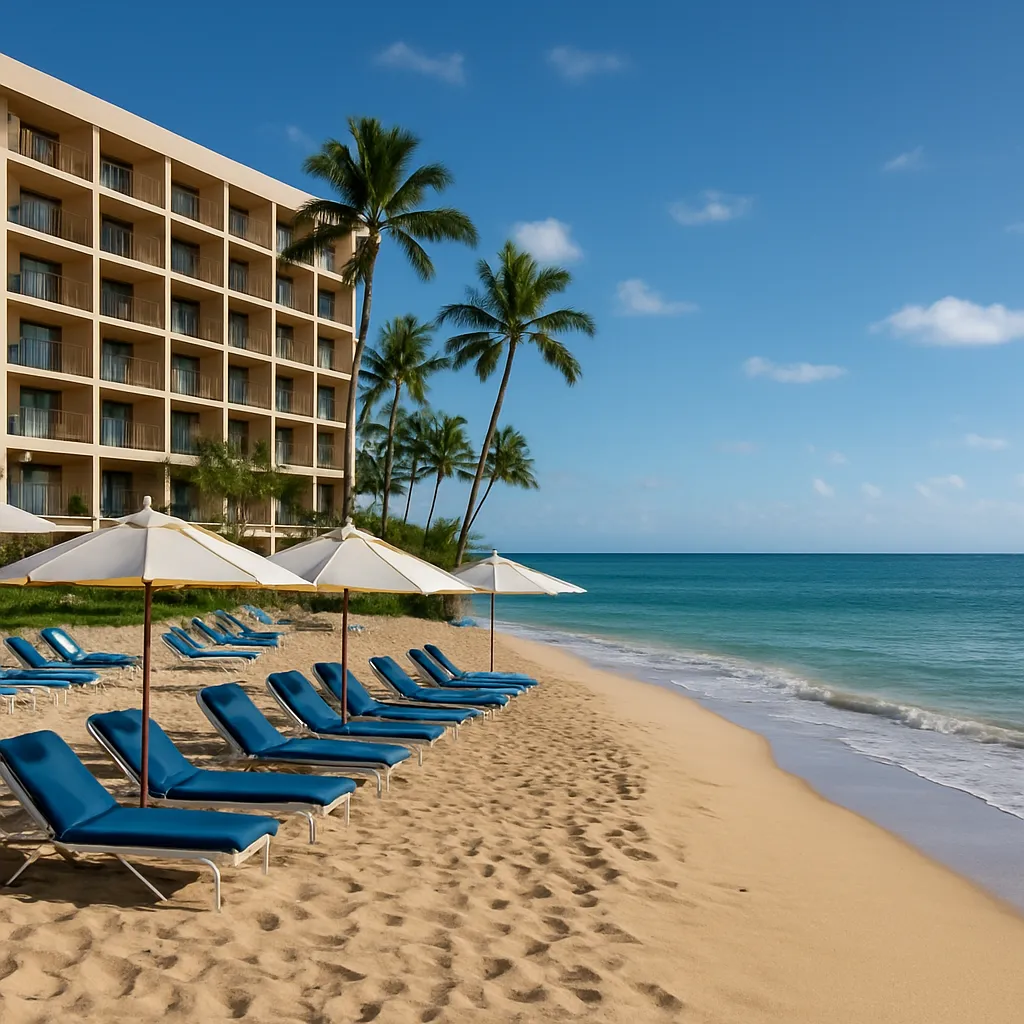
A community on the Southeast coast has shrimp boats, beach hotels, and a busy port. What work is common there?
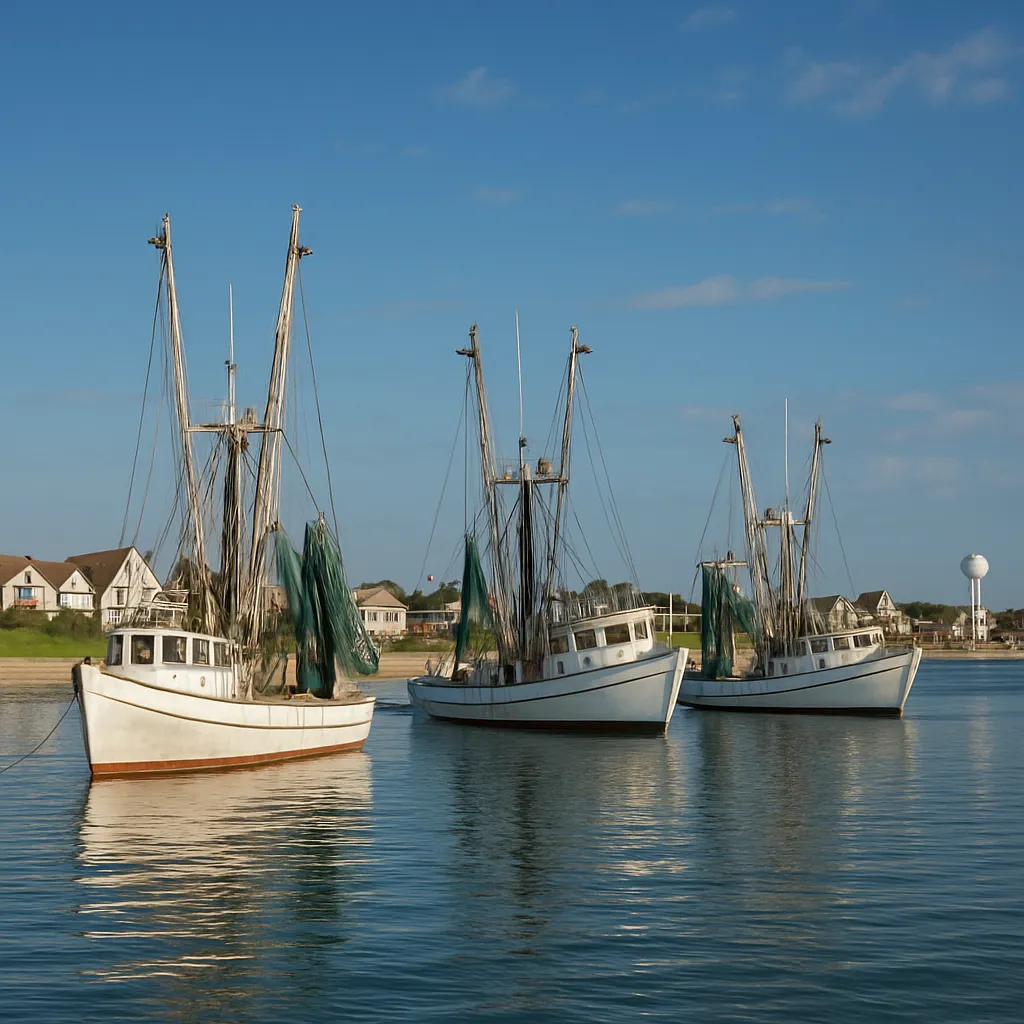
Dry grasslands in the Southwest get too little rain for large crop farms. What work fits that environment?
Highways and refrigerated trucks helped many Southeast producers move chicken, fruit, and vegetables while fresh. How did work change?
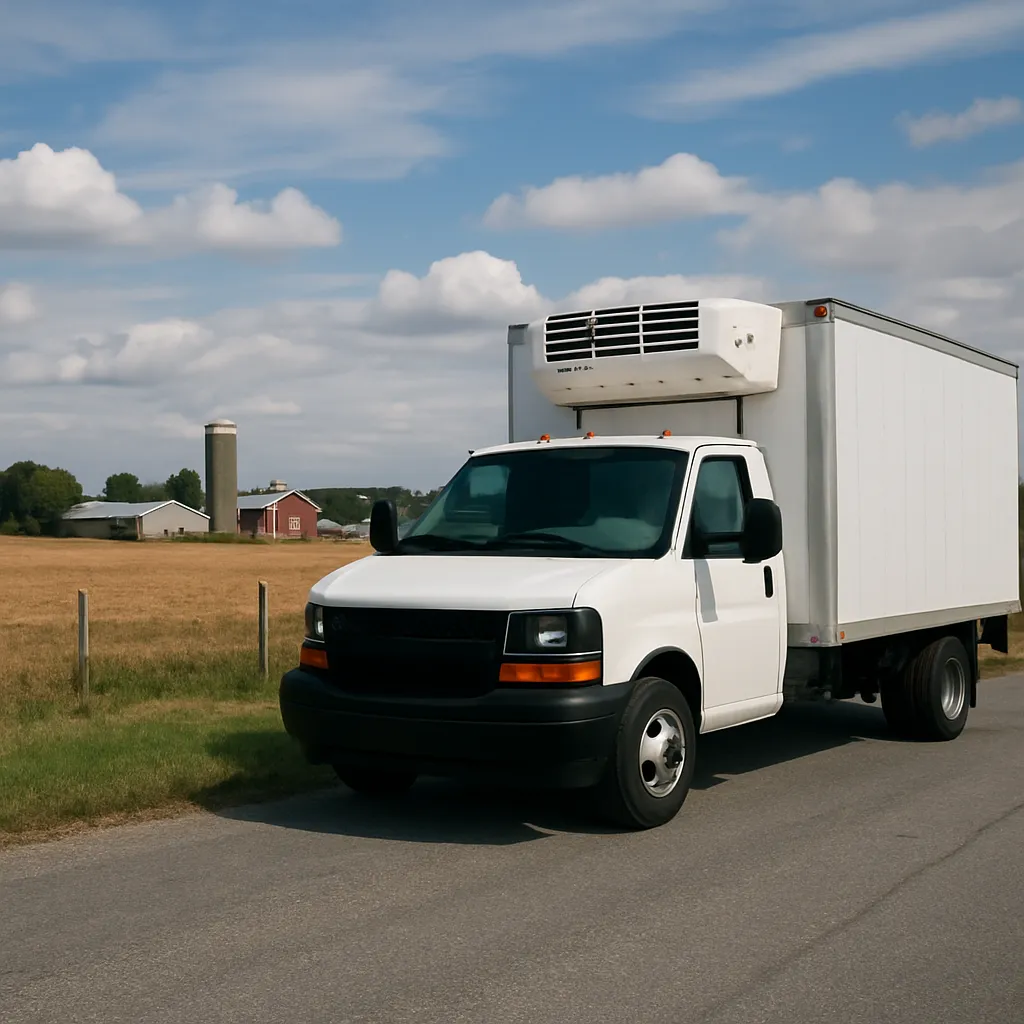
In the Southwest, dry basins and plains often have oil wells, cattle ranches, and irrigated fields. What work mix is common there?
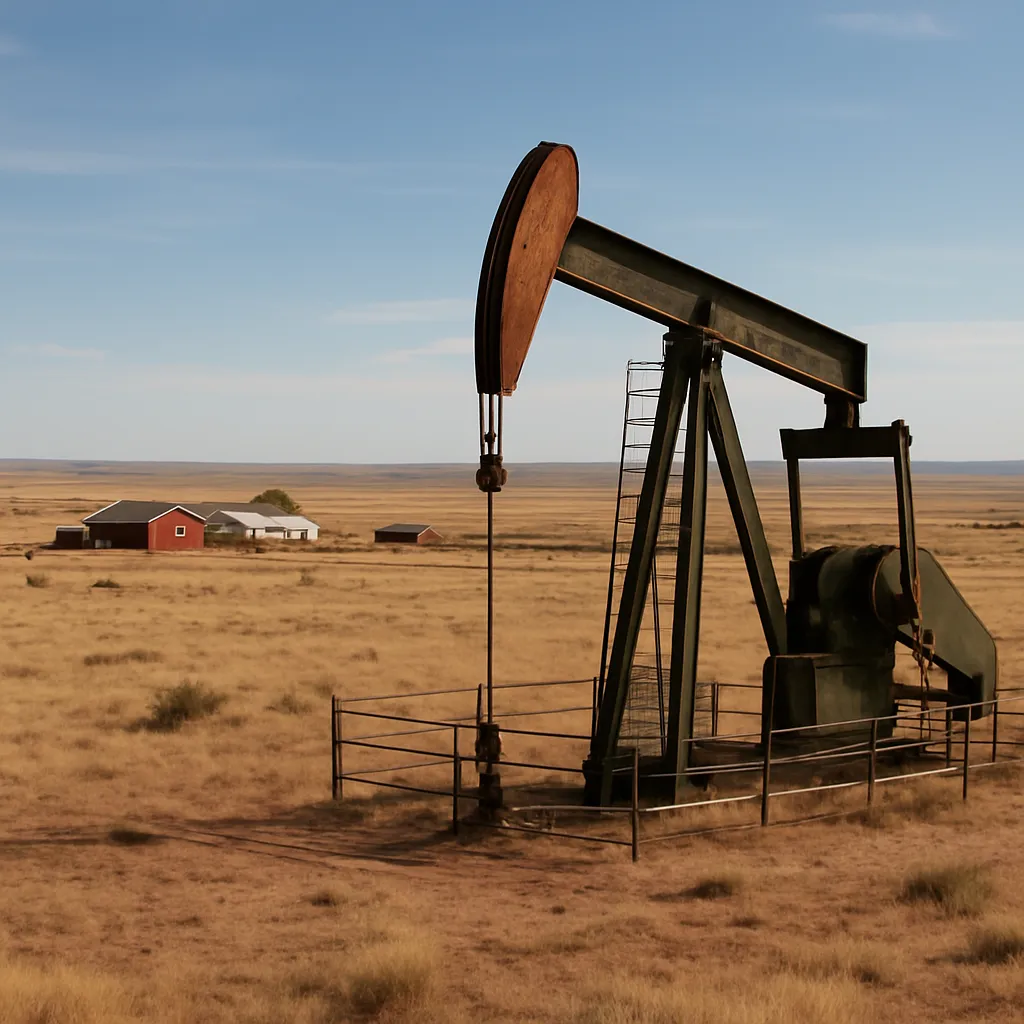
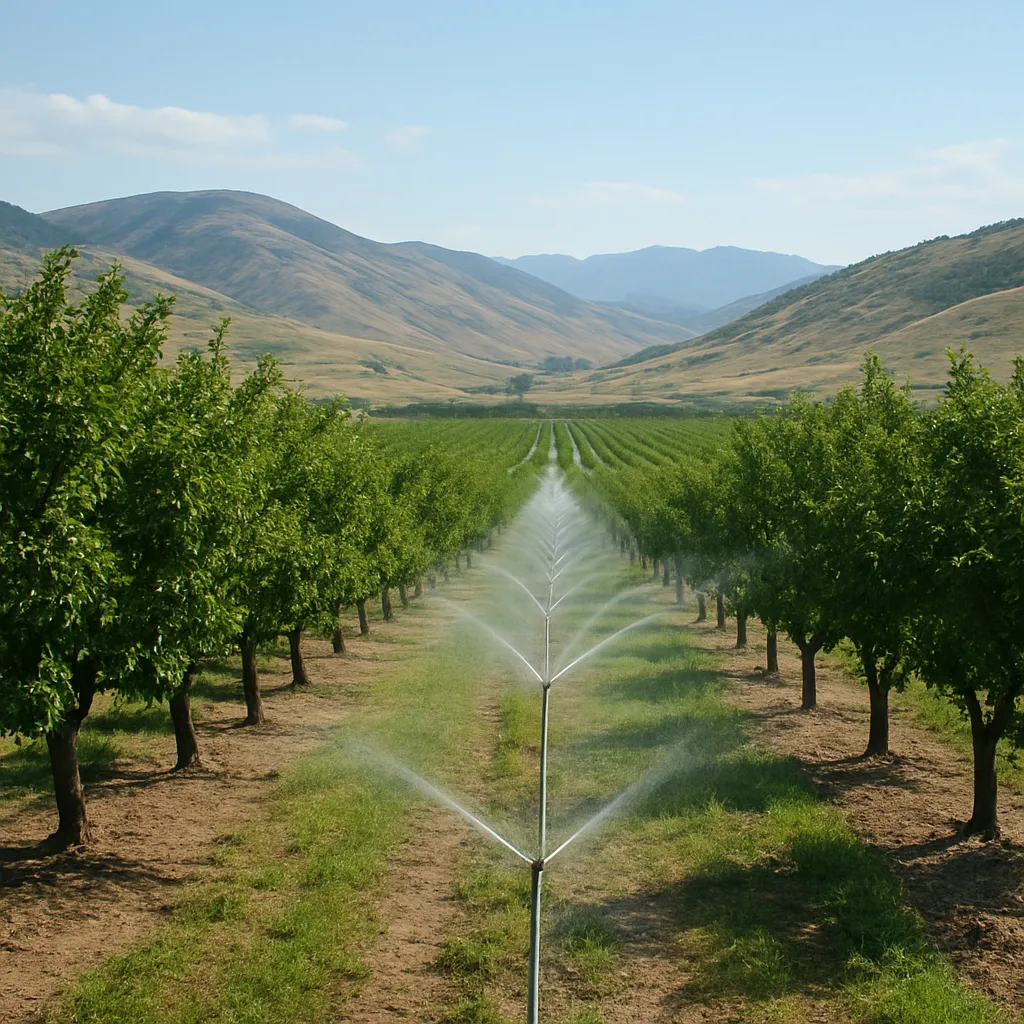
A broad valley in the West has rich soil and uses irrigation from rivers and canals. What work do those resources support?
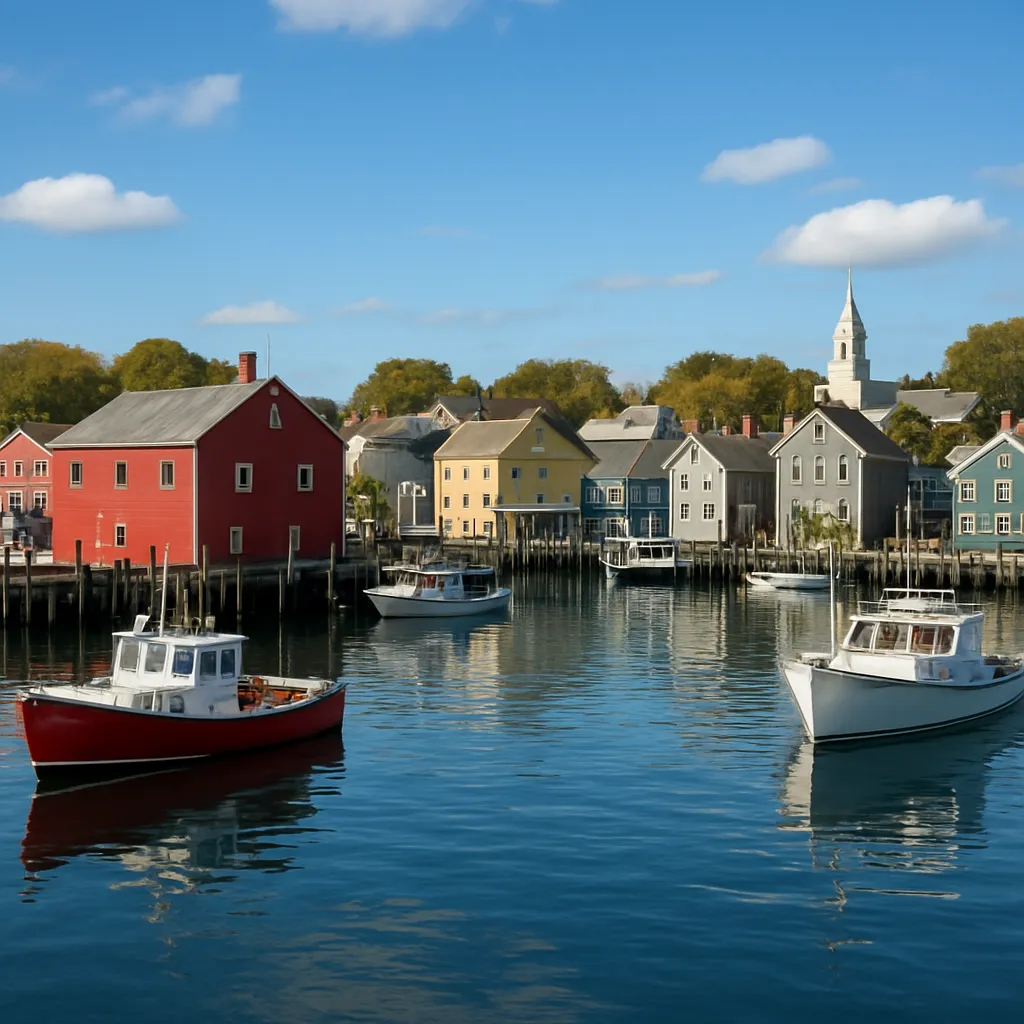
A harbor town on a rocky, cold Atlantic coast has lobster boats, seafood markets, and visitors walking the waterfront. What region's work is being described?
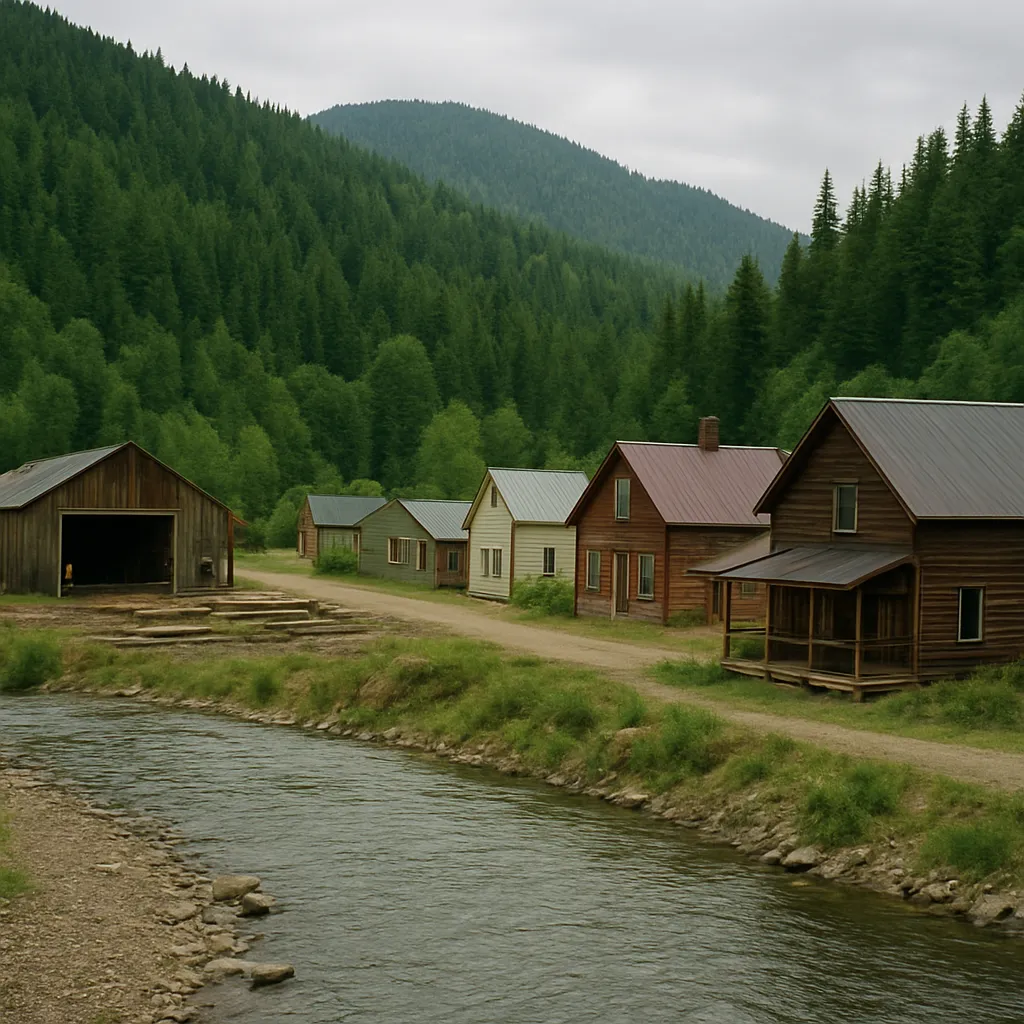
In some western timber towns, forests became harder to harvest because wood supply was limited and rules protected forests. How did work often shift?
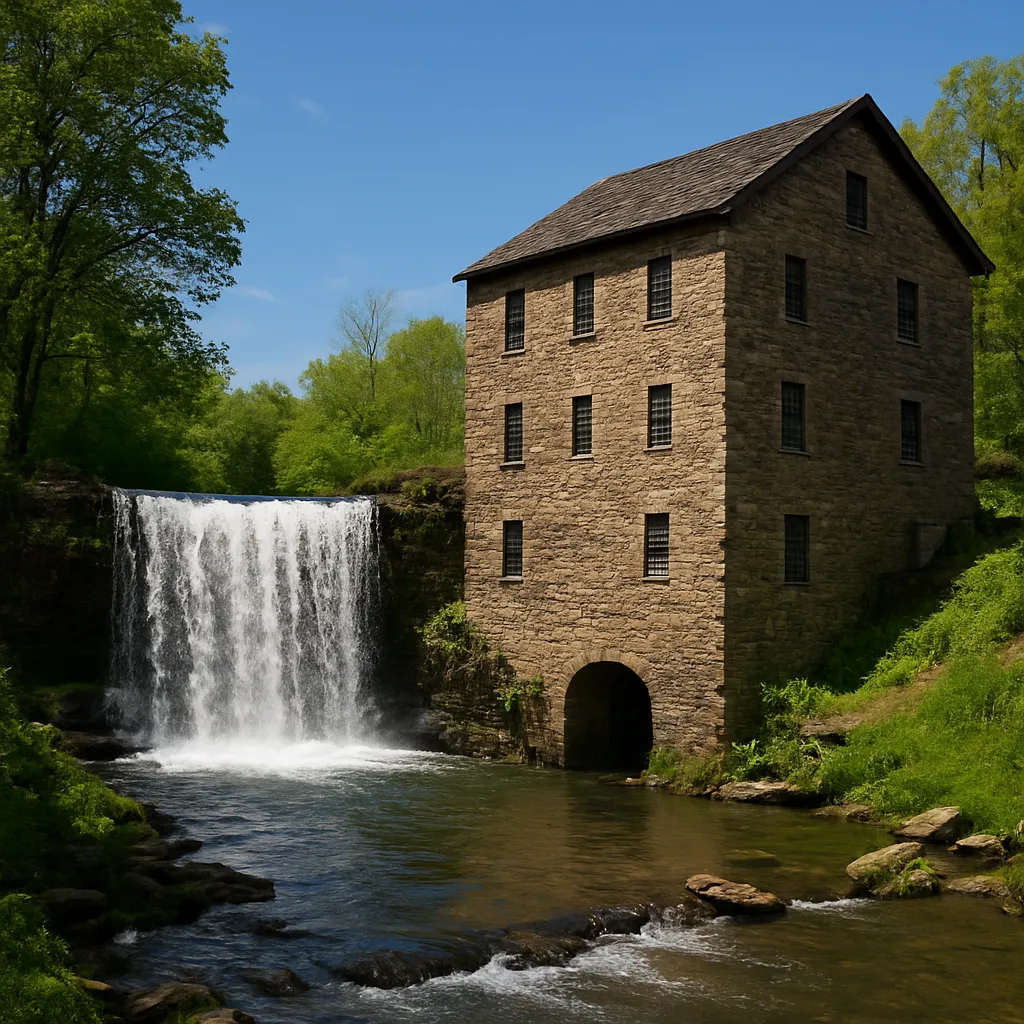
Fast rivers in the Northeast once turned water wheels that powered machines. What work grew near those rivers?
An area has warm weather, pine forests, farms on flat coastal plains, and Atlantic beaches that draw visitors. What U.S. region fits this mix best?
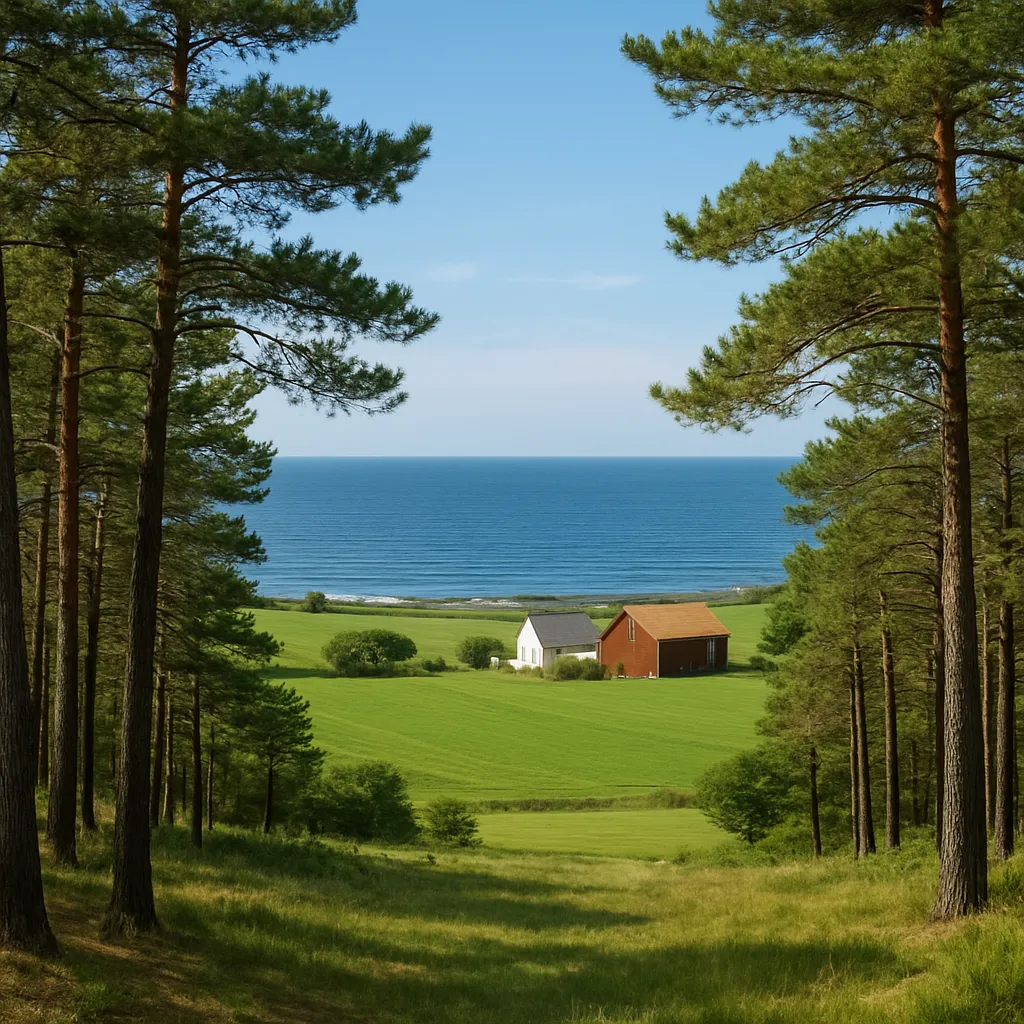
Pine forests grow quickly in the warm, wet Southeast. What industry uses that natural resource?
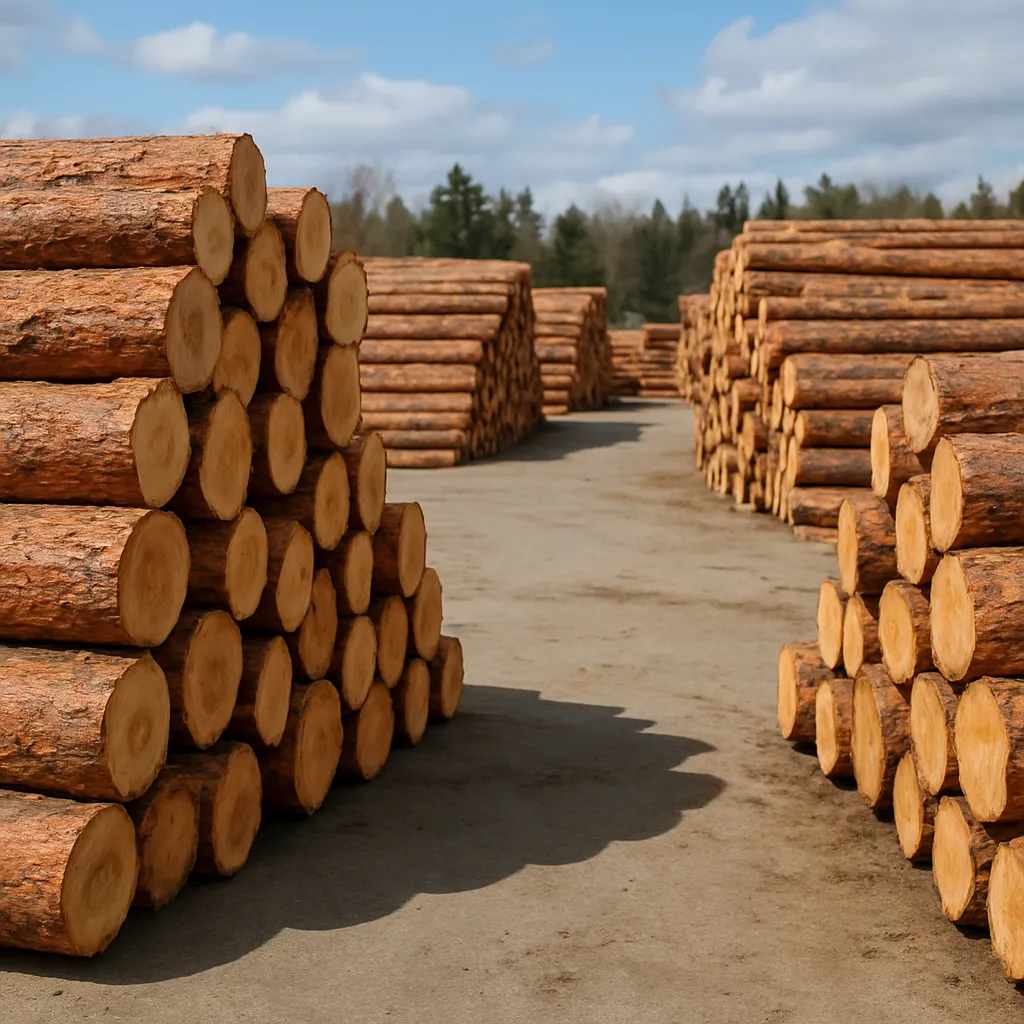
Railroads and Great Lakes shipping helped Midwestern farmers and factories reach markets. How did improved transportation change work there?
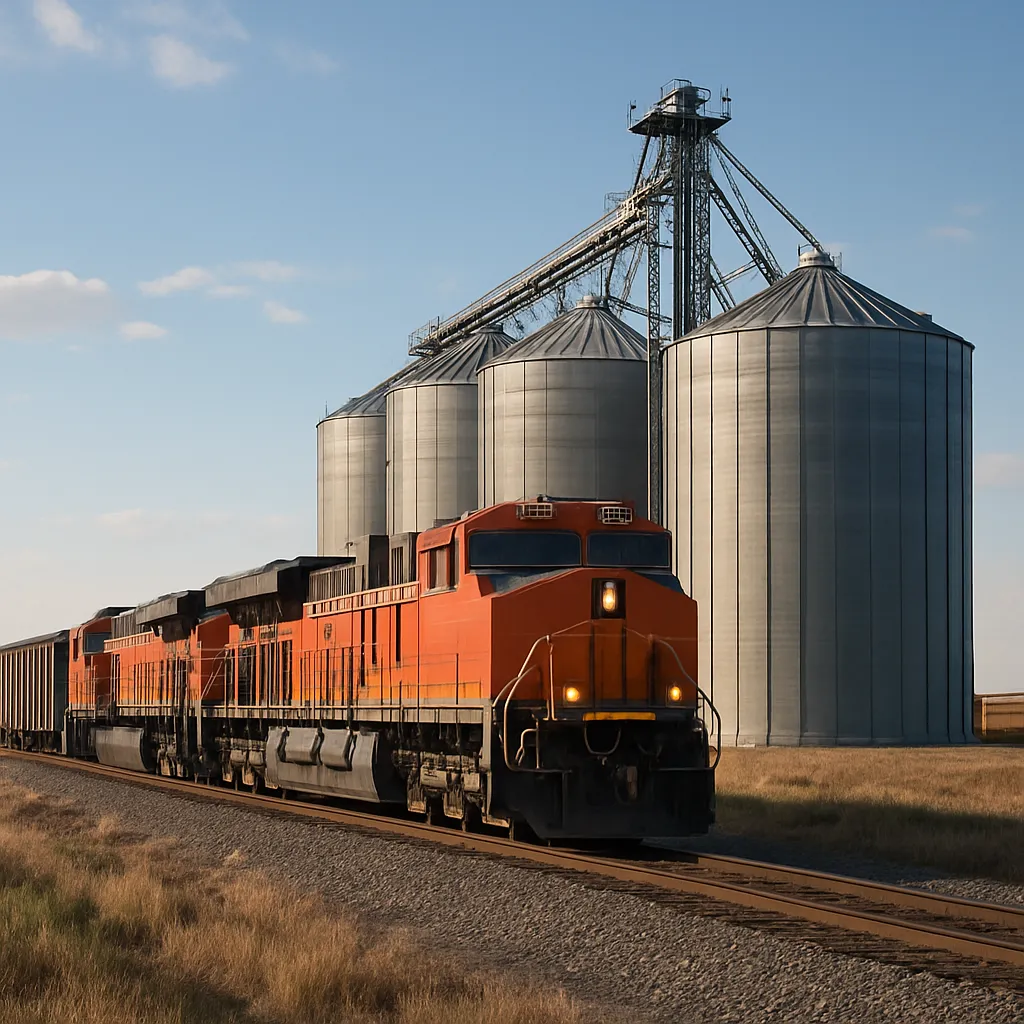
Gold, silver, and copper lie in the rocks of many western mountains. What work grew because of those resources?
Sunny desert land in the Southwest receives strong sunlight for much of the year. What work grew because of this resource?
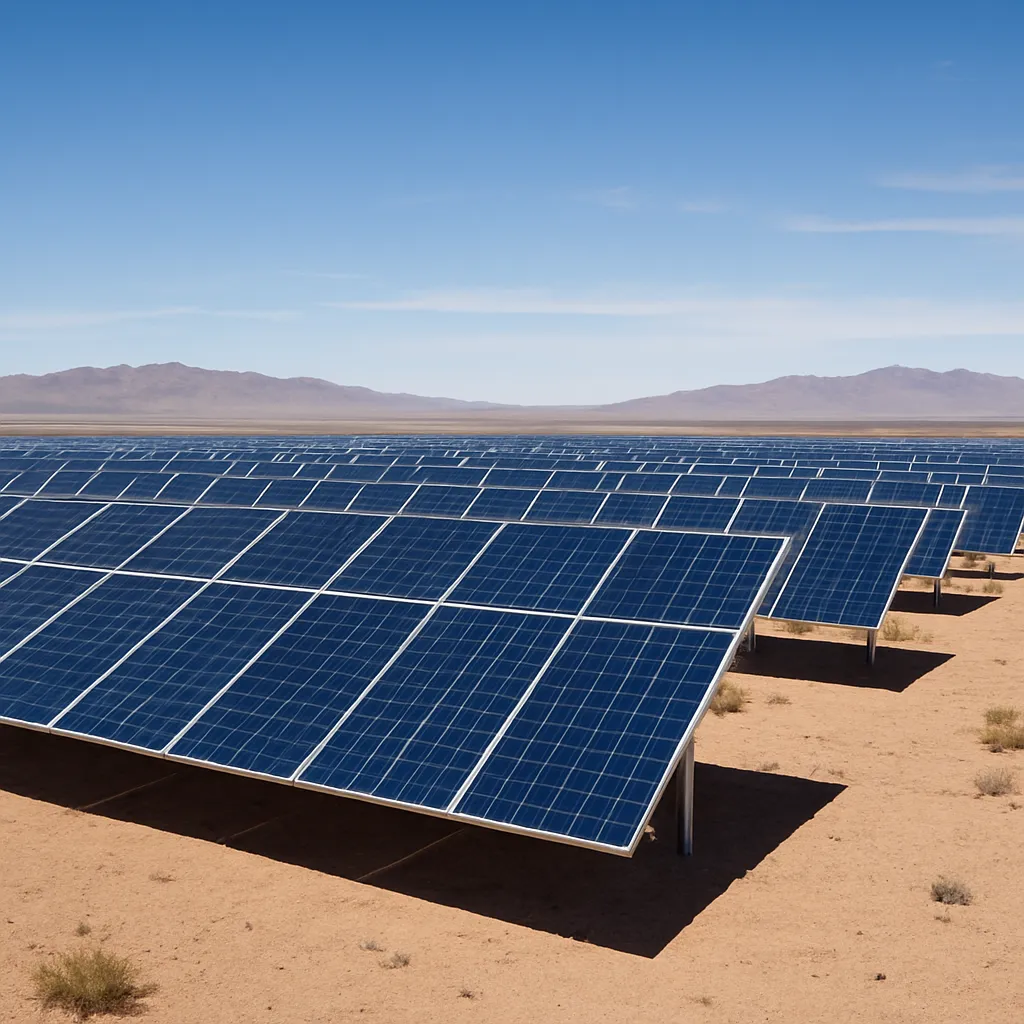
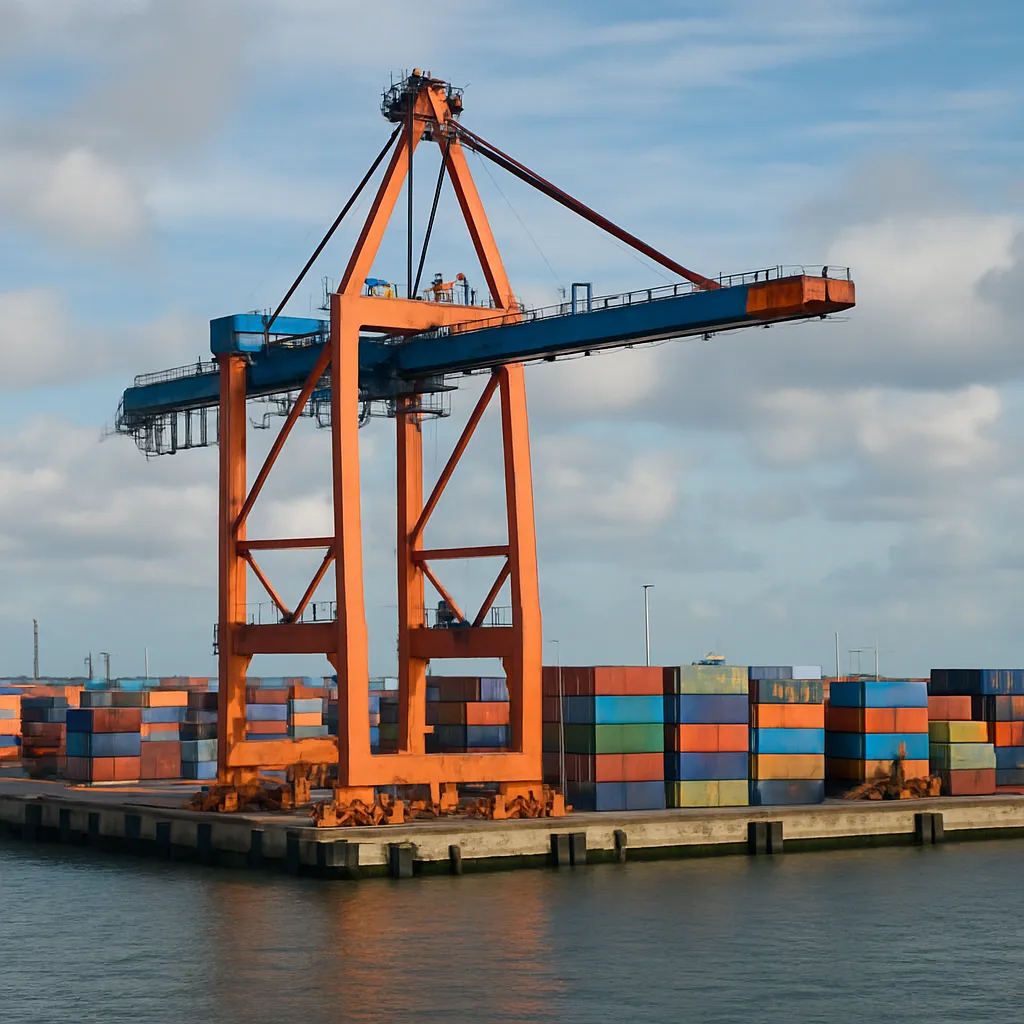
Modern container ships and cranes changed many Northeast ports. How did port work change from hand loading?
Cool summers and grassy pastures cover much of Wisconsin in the Midwest. What farm industry is Wisconsin known for?
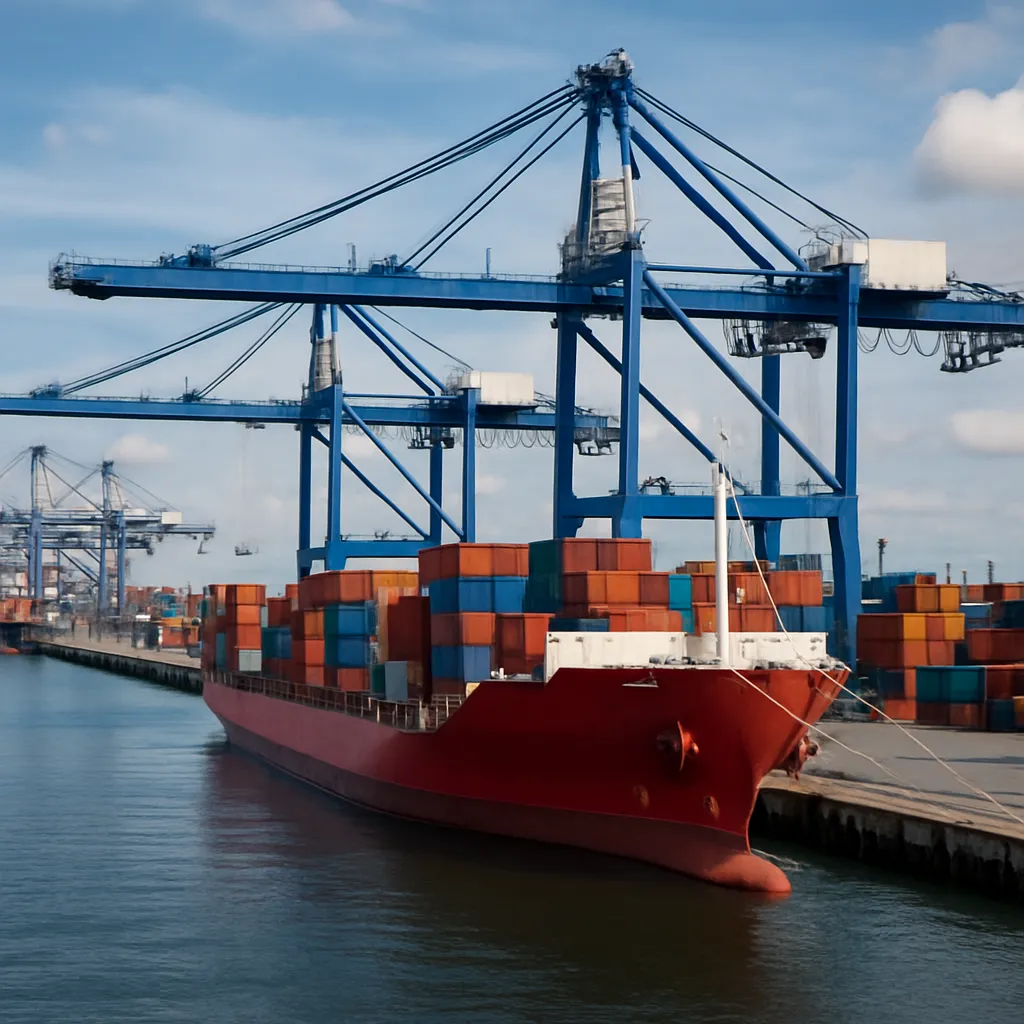
Pacific Ocean ports in the West connect ships to markets across the ocean. What work grows from that location?
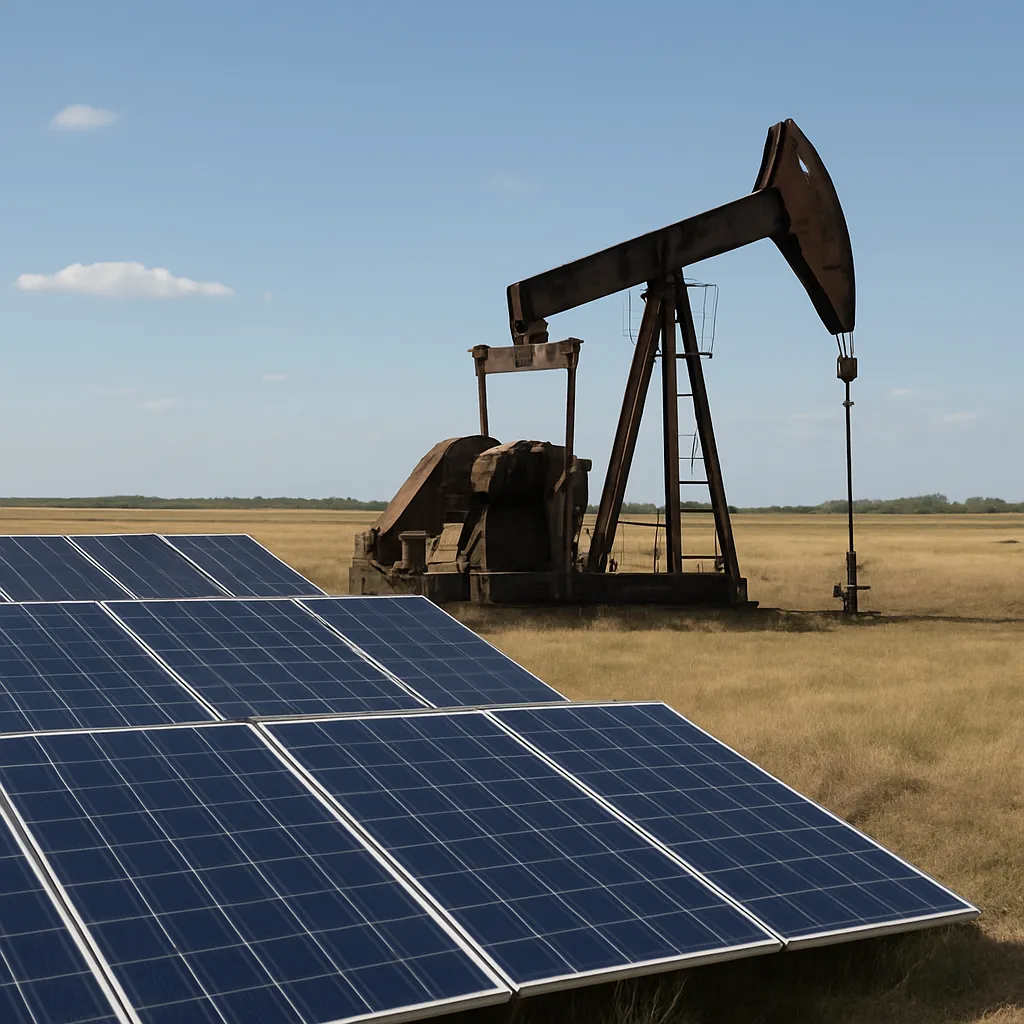
In some Southwest energy towns, older oil wells produced less, while solar technology became cheaper. How did energy work change?
People from around the world travel to see the Grand Canyon and other red-rock canyons in the Southwest. What work do these landforms support?
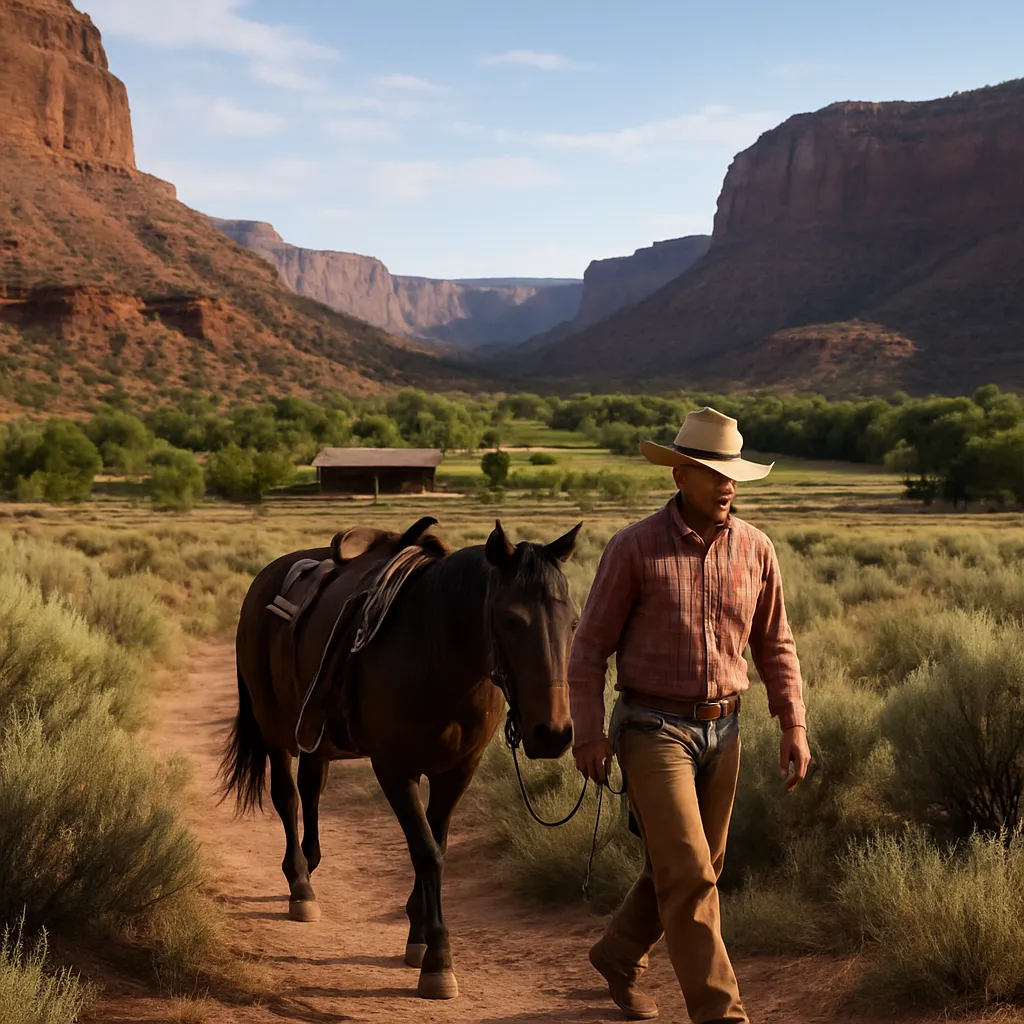
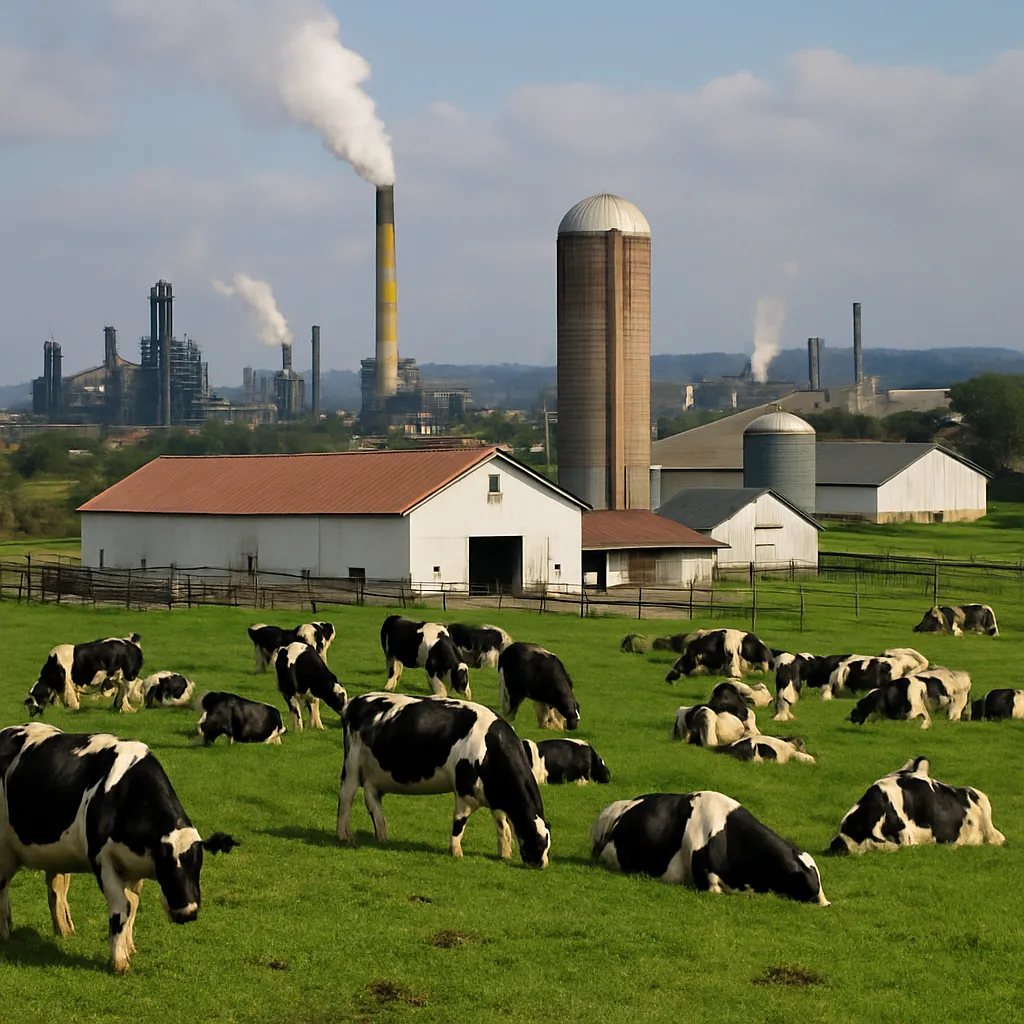
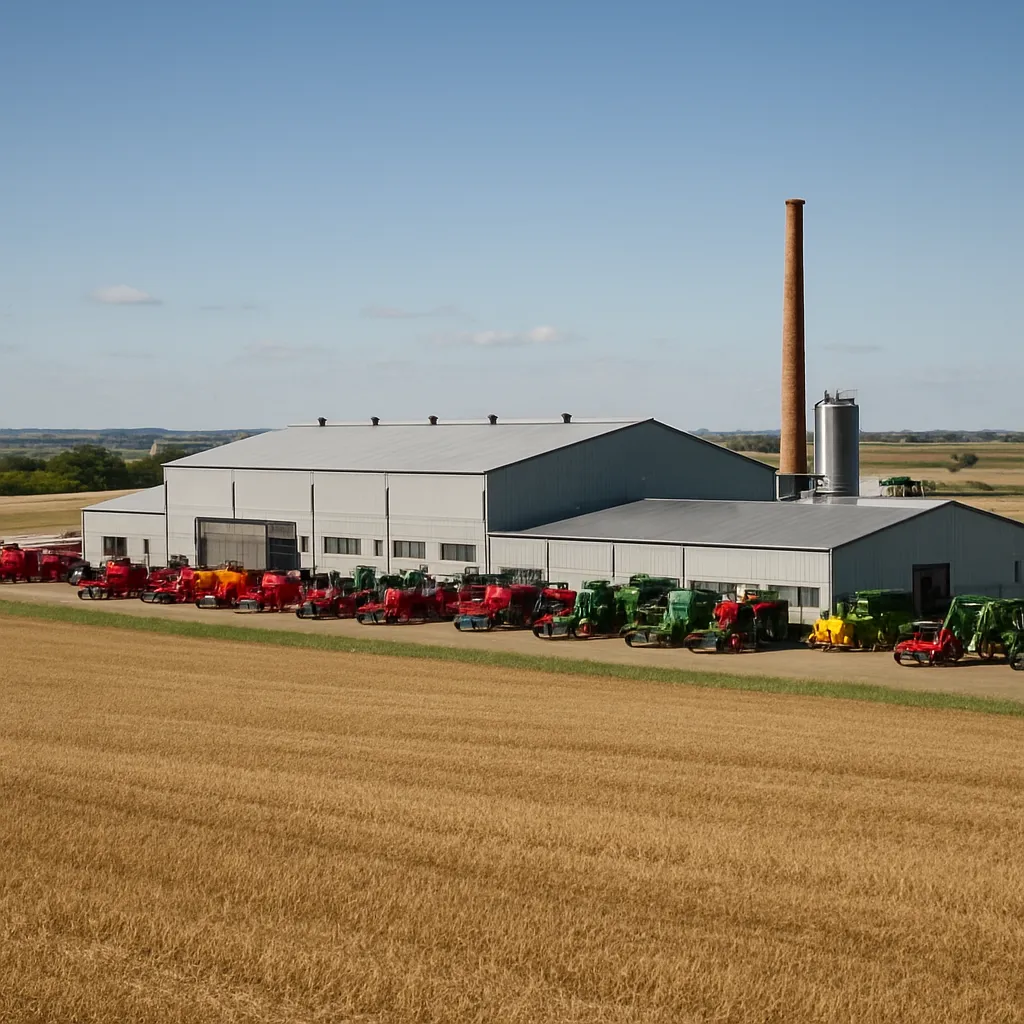
A plains city is near corn farms, meatpacking plants, and farm-equipment factories. What U.S. region fits this mix best?
Air conditioning made it easier for people to work indoors during hot Southeast summers. How did this technology help change work?
Crack the passcode before the zombies get in.
Answer, then swat bugs for bonus points.
Race through questions at your own speed.
Same question on every screen. Fastest wins.

Pick a tile, answer, hit bonuses and steals.
The Southeast Region
40 questions