Loading
by BlastRoom
Students explain why money makes exchange easier than barter and how trade can help both sides.
#economics#us_grade_4_social_studies
40 questions
One question set, multiple game modes. Tap any game to see it in action. Not sure which to pick?
Answer to place stones and capture territory.
Outrun the snow together.
Earn blasts, then hunt the other team.
Answer to earn energy, then climb.

The class blasts through walls together.
Bid on mystery lots. Most money wins.
Sell tours. Nice, standard, or a total scam.

Answer, restock, and serve the rush.
More correct answers pulls the rope your way.
Answer, then shoot down the alien wave.
Answer, then tap to leap the frozen ridge.
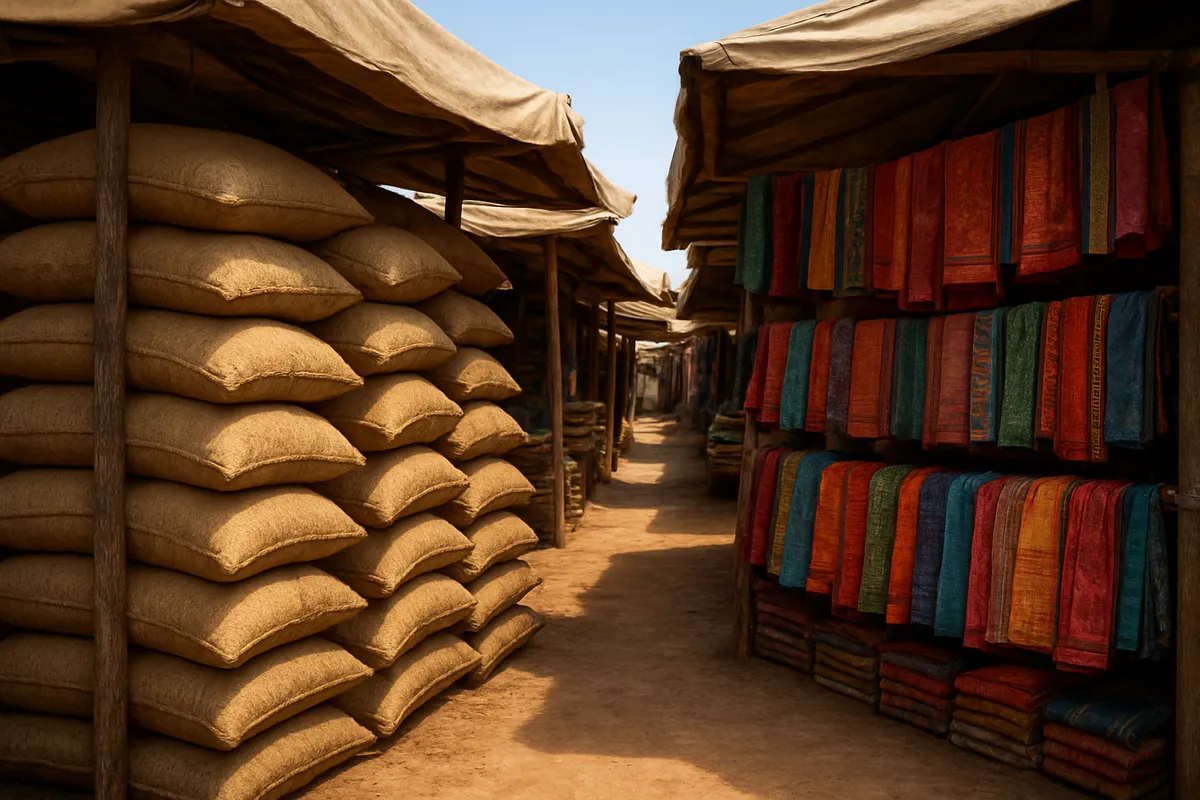
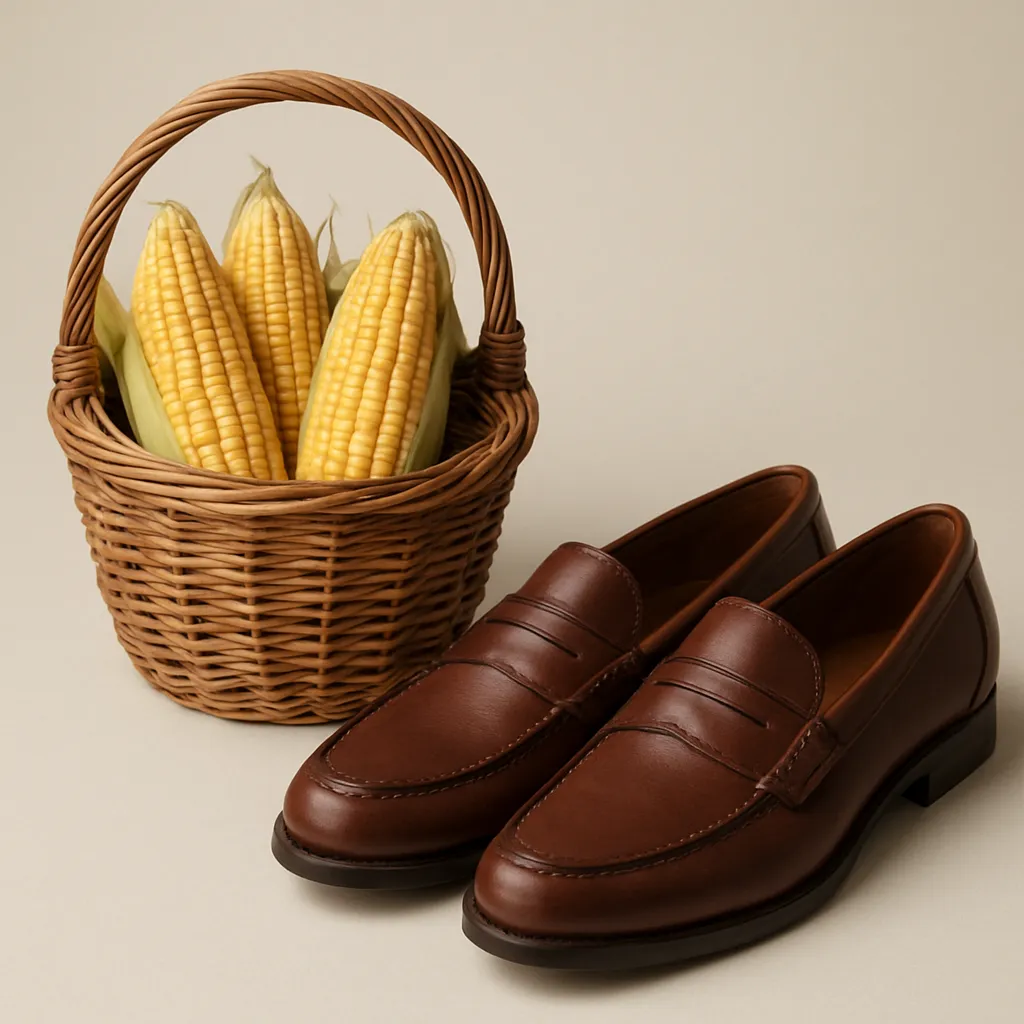
A farmer has extra corn and wants shoes, but the shoemaker does not want corn. What problem does using money solve?
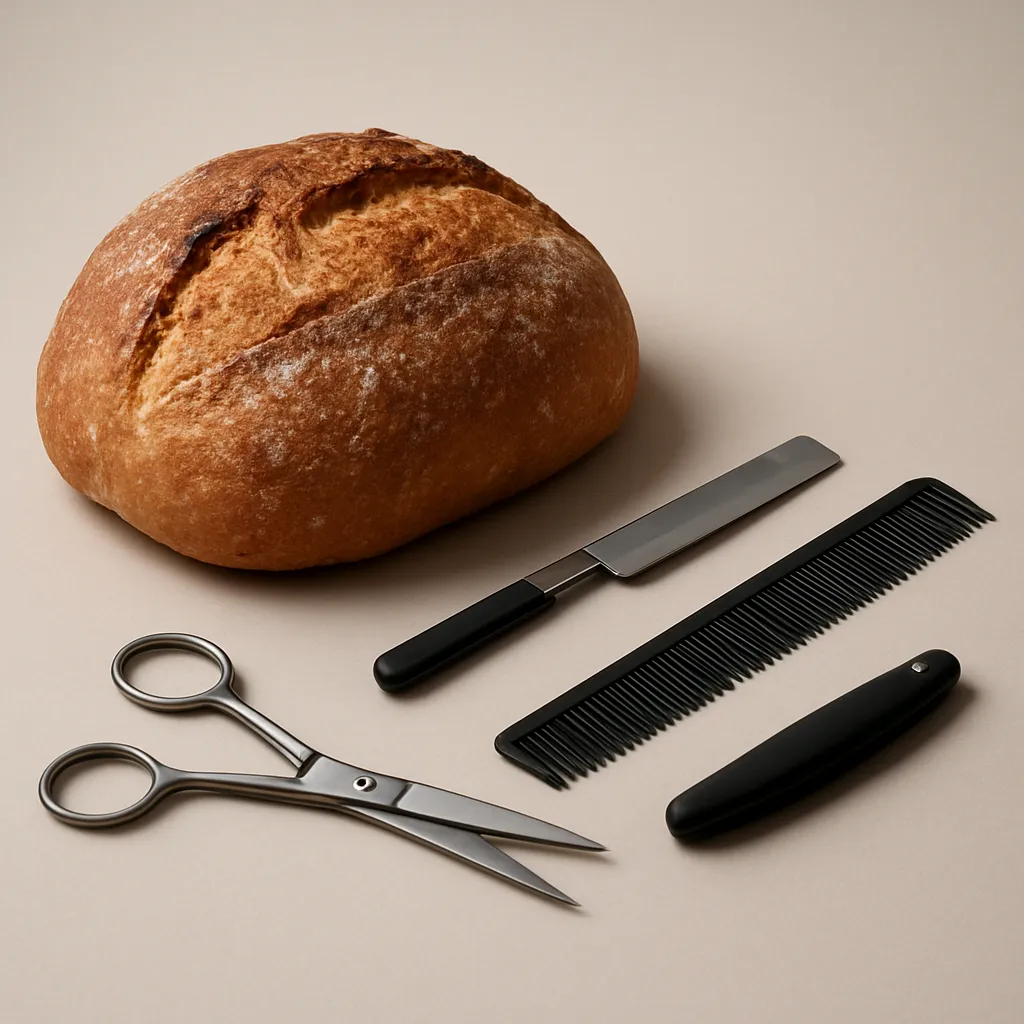
A baker wants a haircut, but the barber does not want bread today. What does this barter problem show?
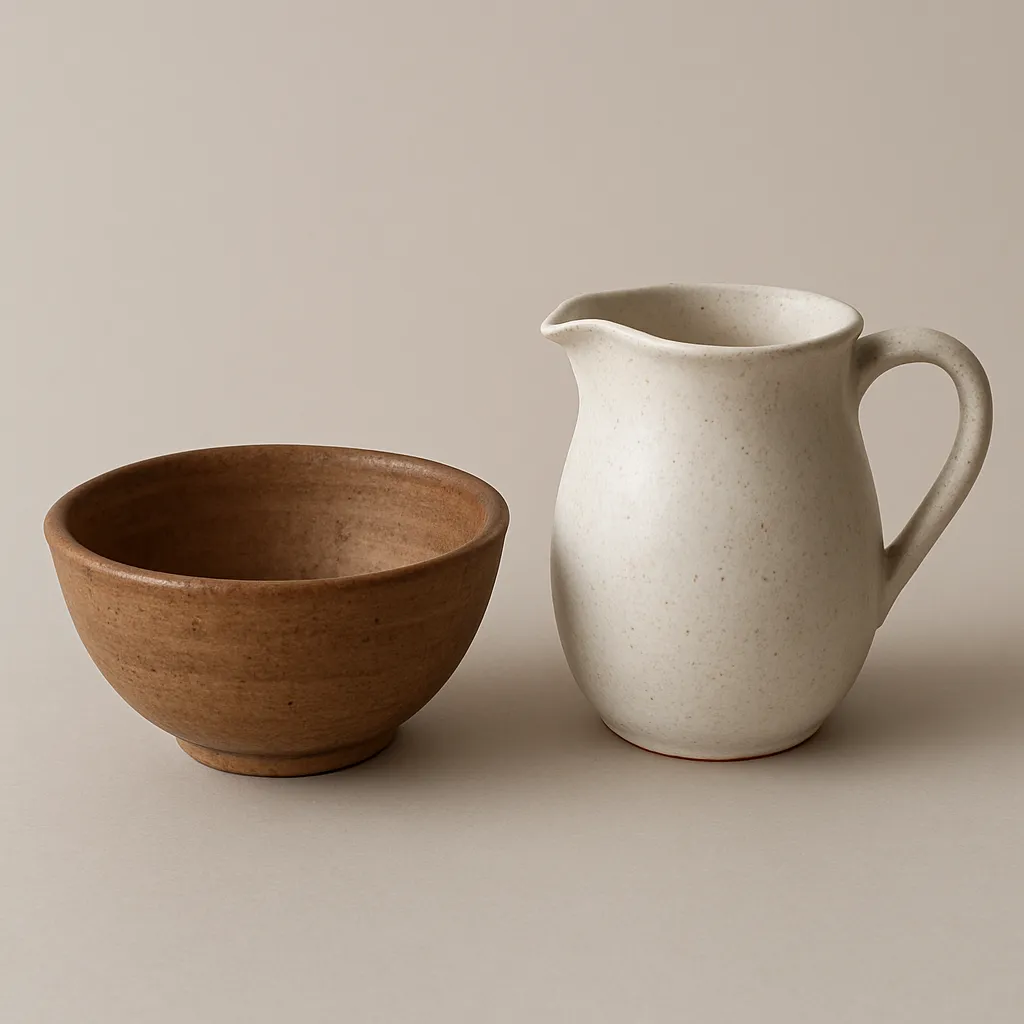
A potter wants milk, but the dairy farmer does not need bowls. How can money make the exchange easier?
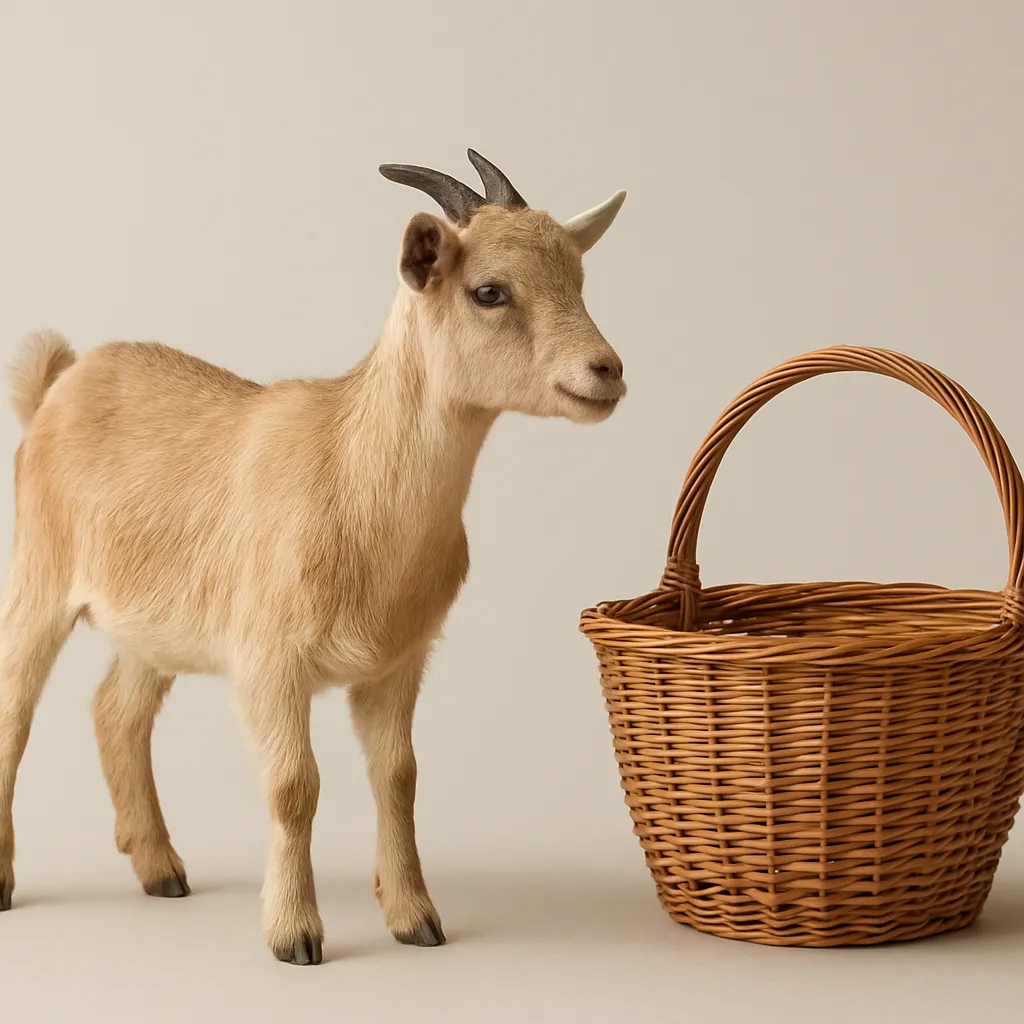
A person offers a goat for a basket, but one basket is worth much less than a goat. What barter problem is shown?
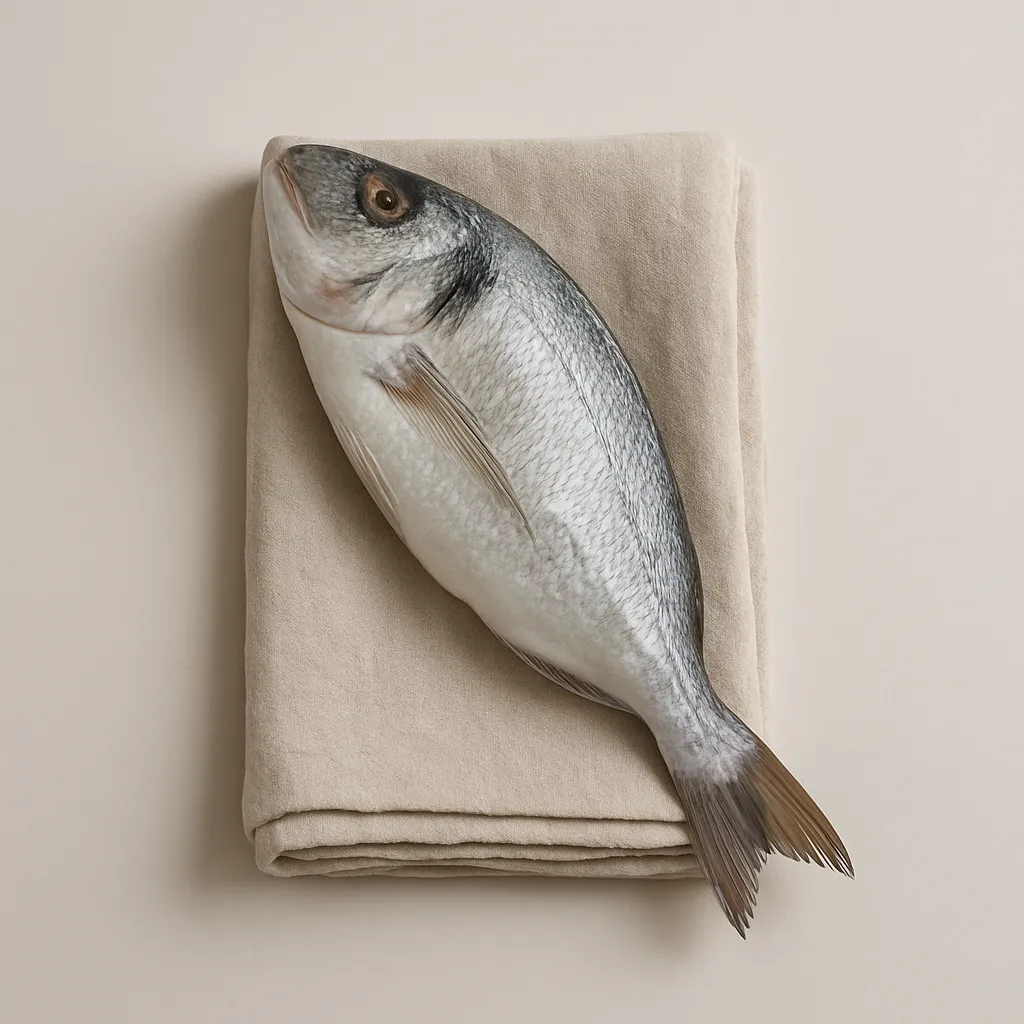
A fisher has fresh fish and wants a blanket, but the blanket maker does not want fish. What does money help the fisher do?
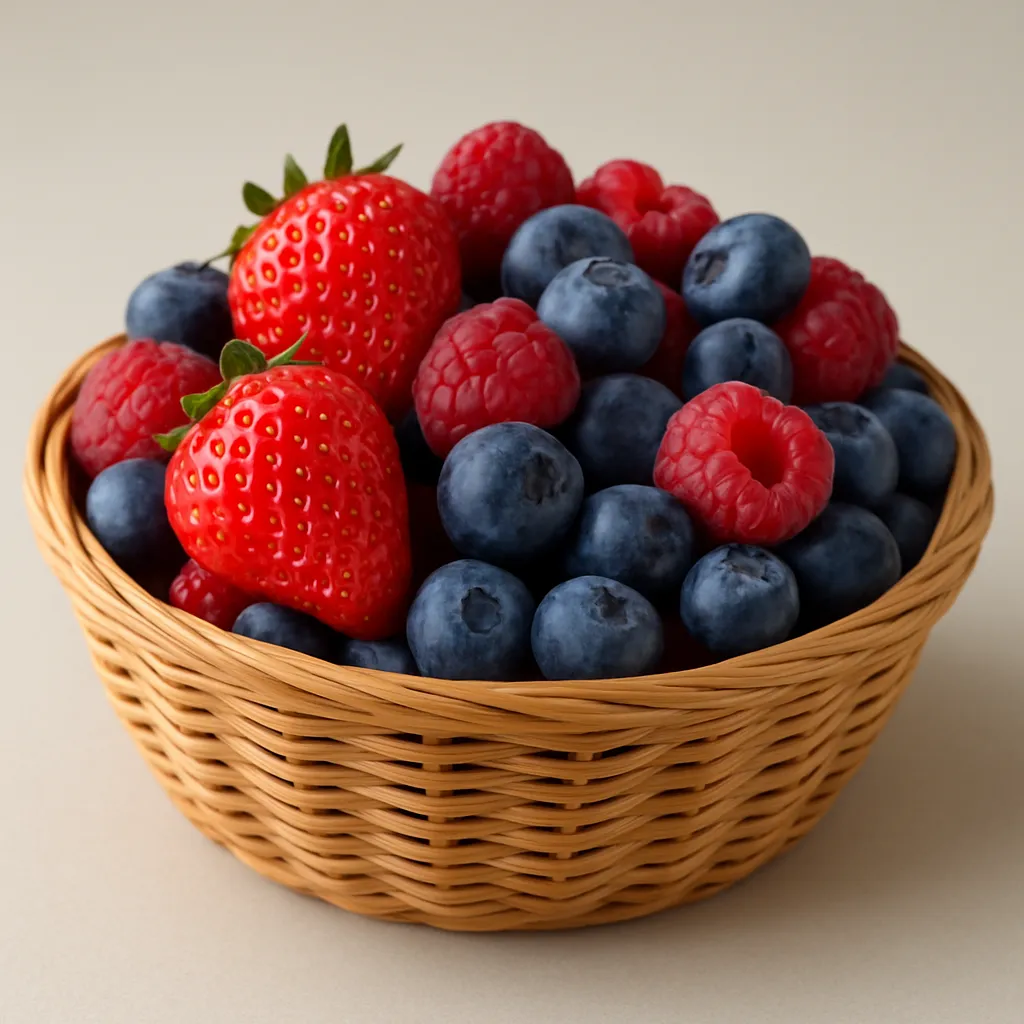
A gardener's berries may spoil before she finds someone who wants berries and has a shovel. What problem of barter is this?
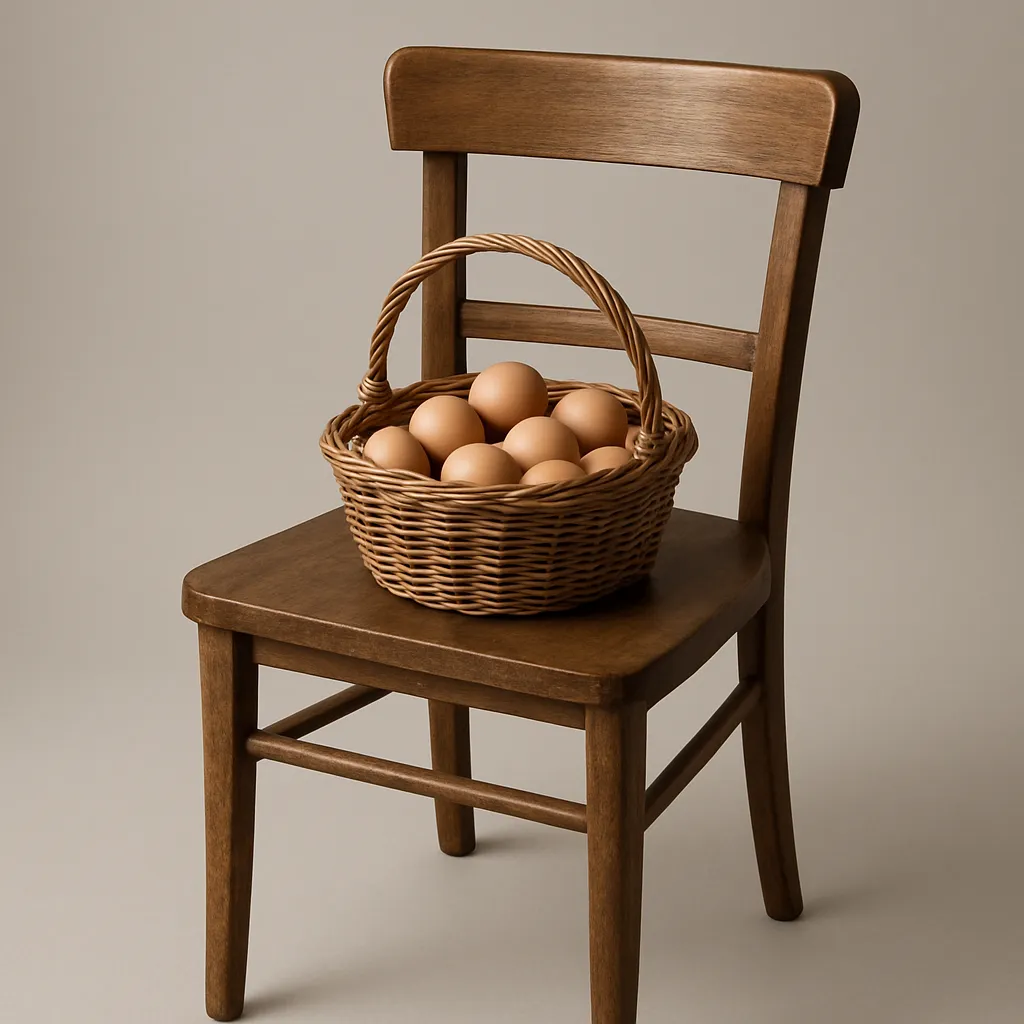
A carpenter wants eggs, but the farmer wants cloth, not a chair. What is the main barter problem?
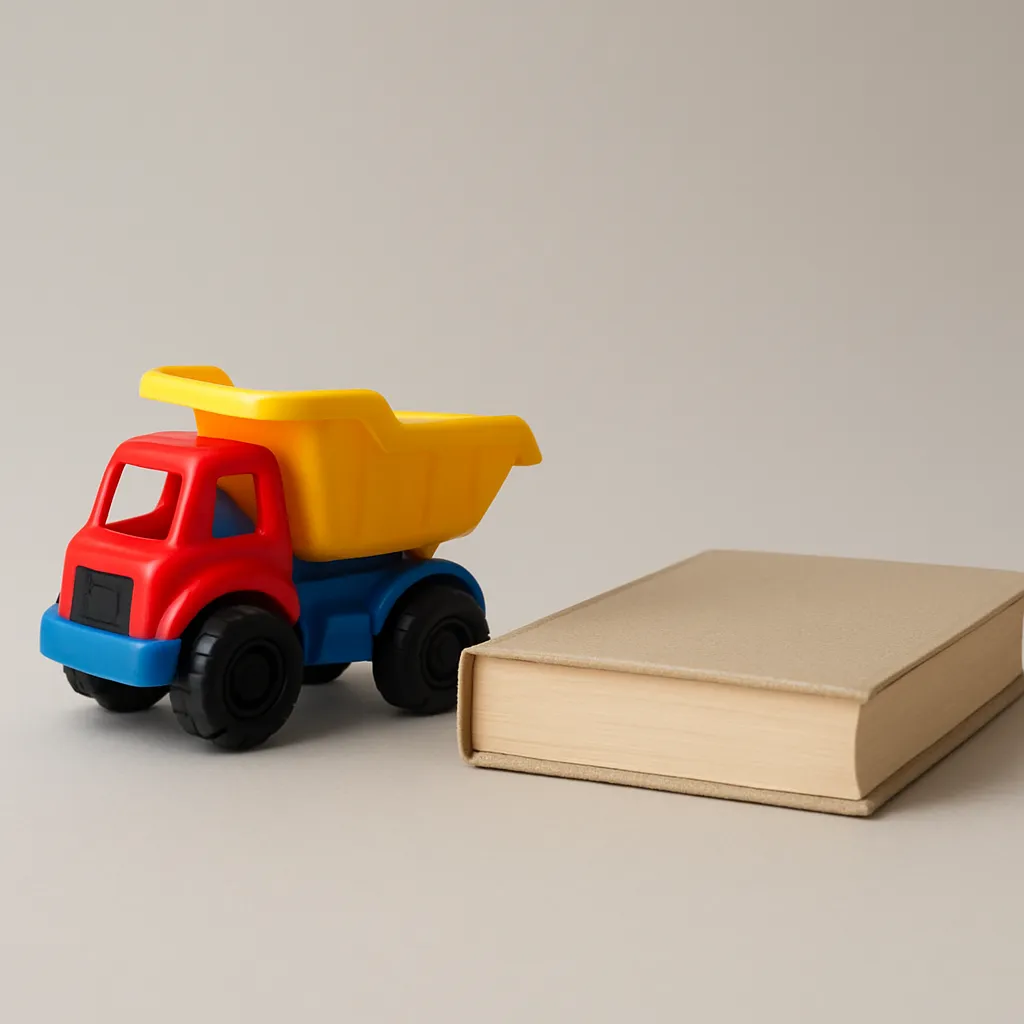
A child has a toy truck and wants a book, but the book owner does not want the truck. Why would money work better?
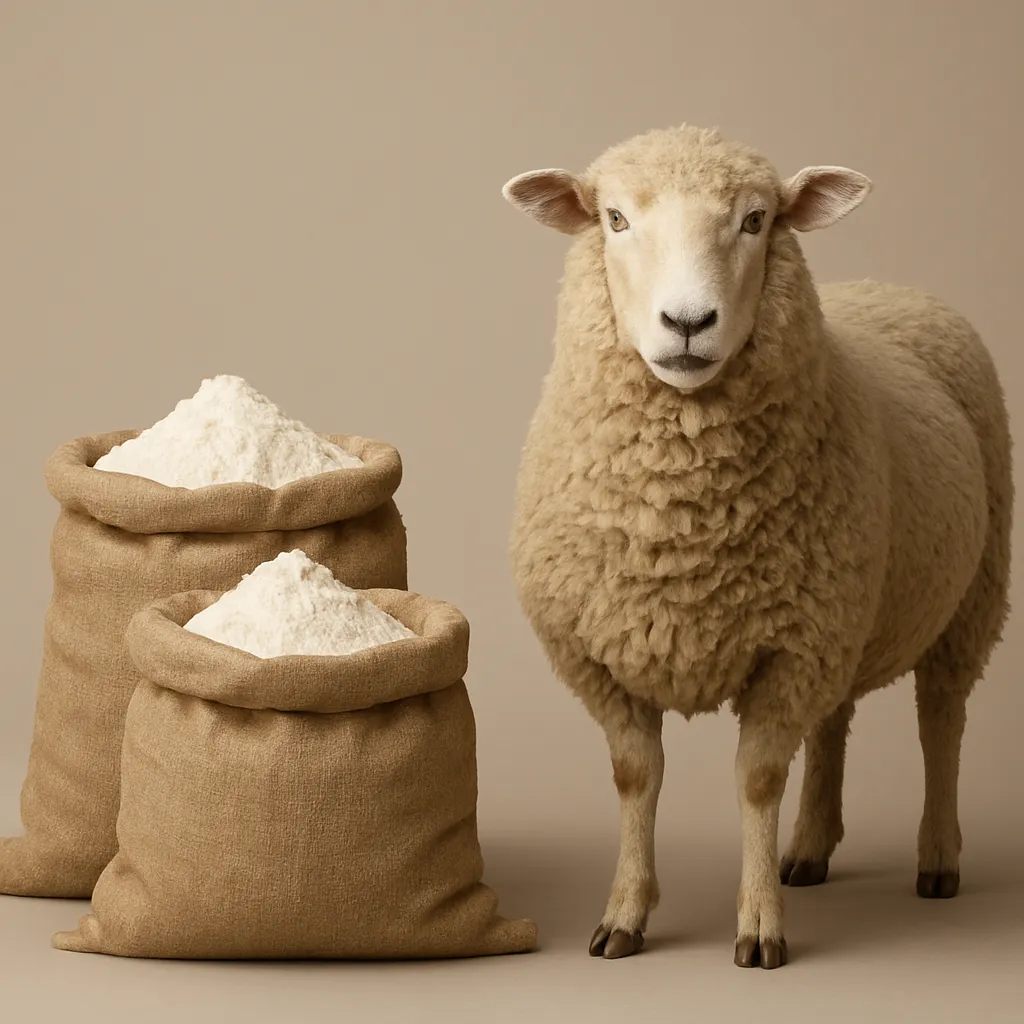
A rancher wants flour and offers one sheep, but the miller only has small bags of flour. What barter problem appears?
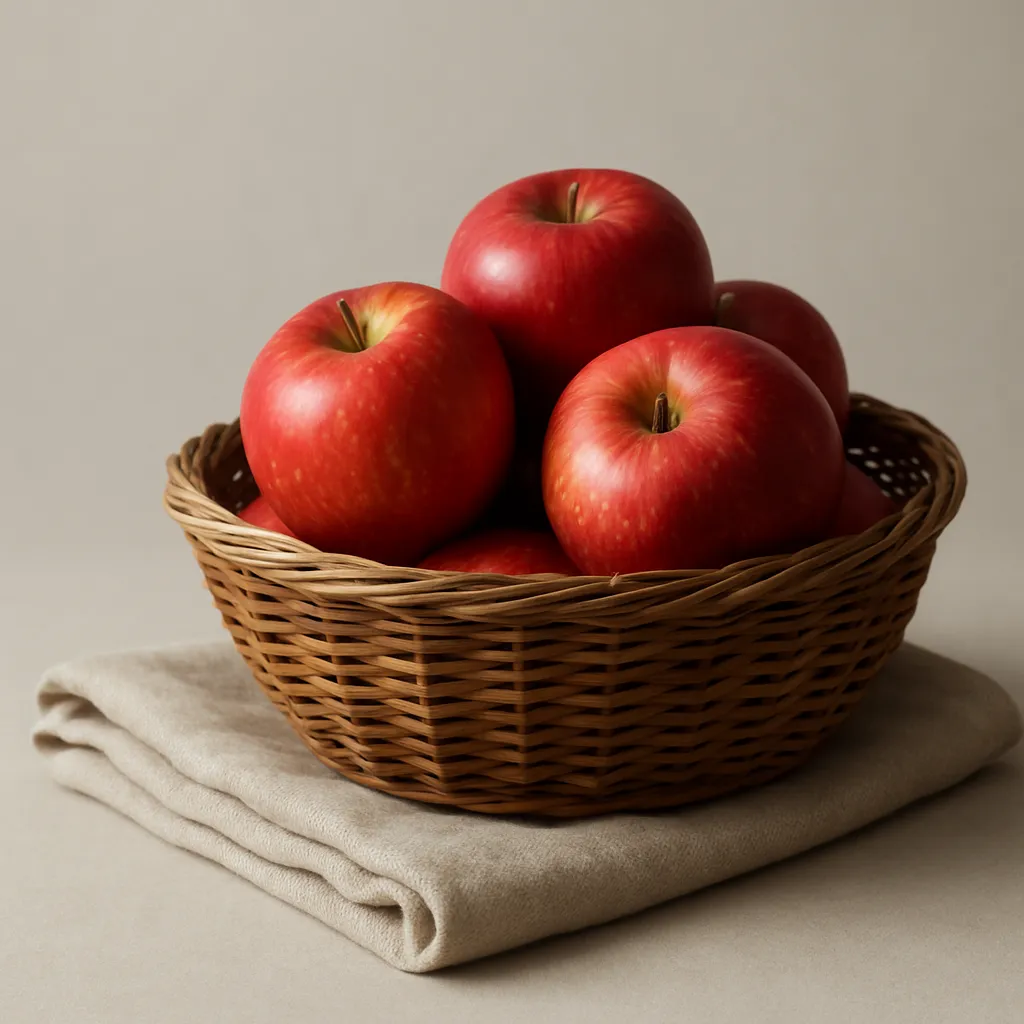
A weaver wants apples, but the apple grower wants candles, not cloth. What must happen for direct barter to work?
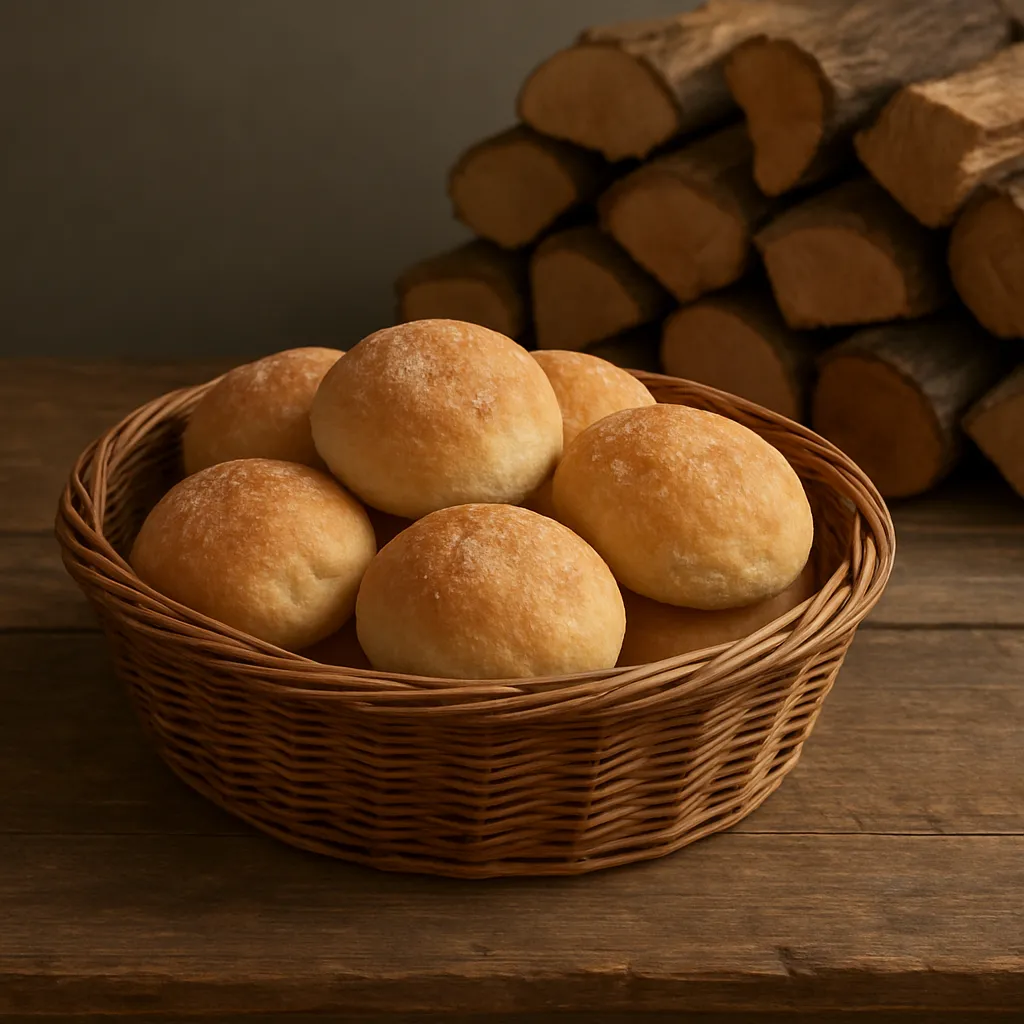
A baker trades rolls, but the rolls get stale before a person with firewood wants them. What does money solve best?
A tailor buys vegetables from a farmer, and the farmer pays the tailor to fix clothes. What is it called when people rely on one another for goods and services they cannot make themselves?
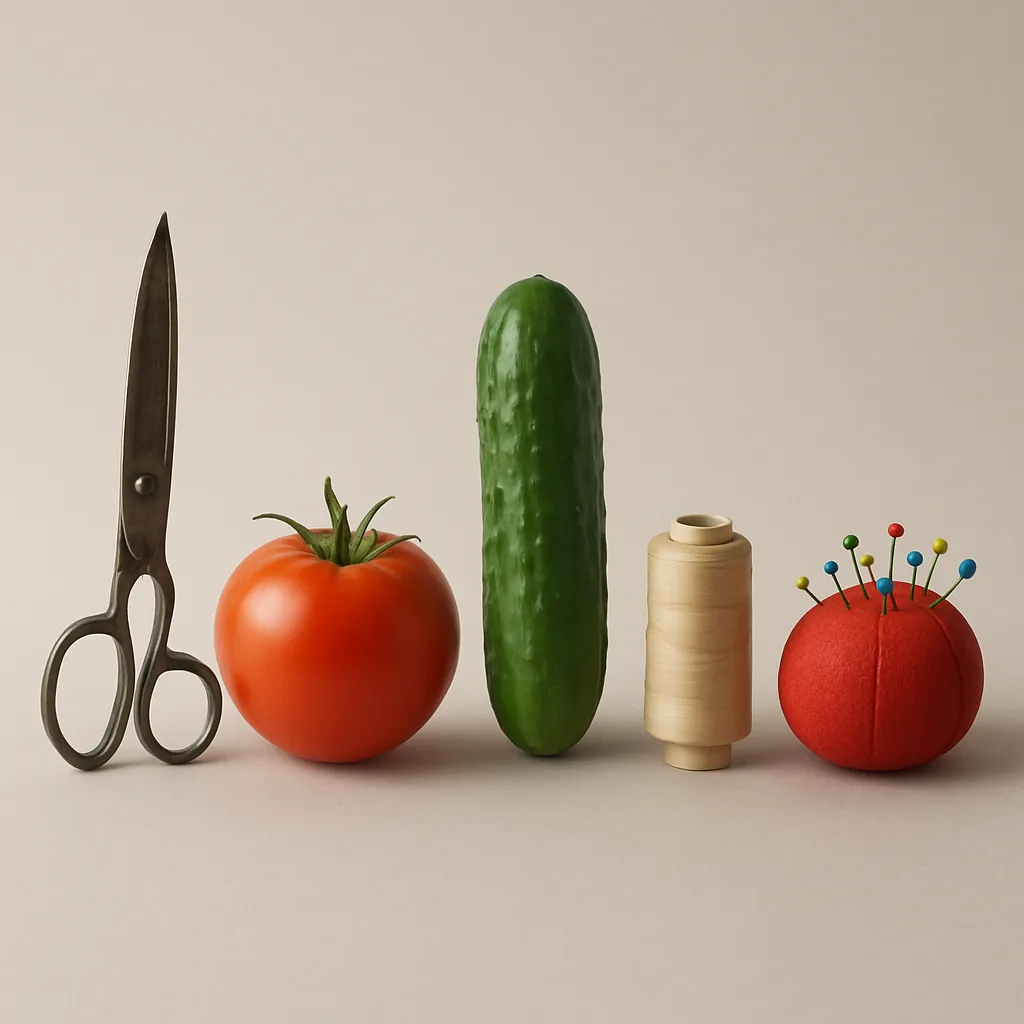
A family has a large table to trade but only wants a few pounds of apples. Why is barter difficult here?
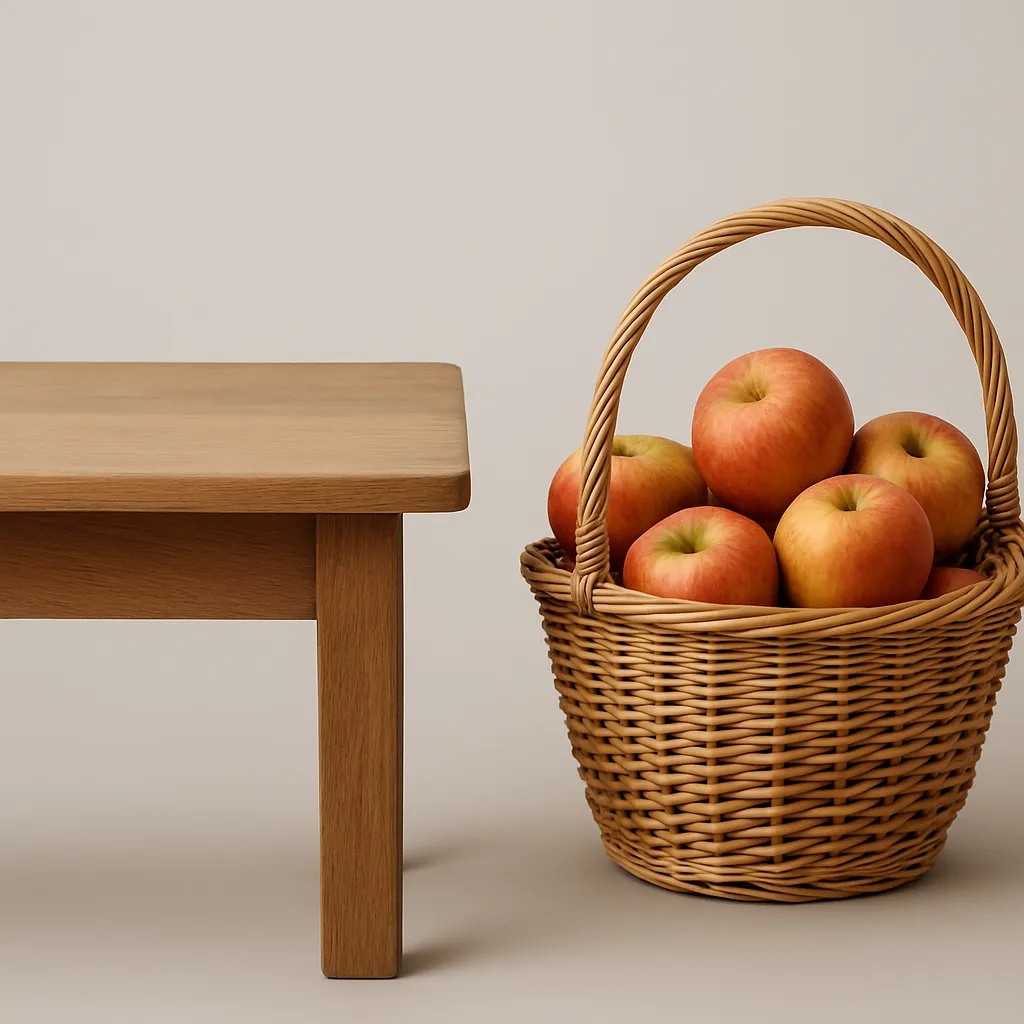
A candle maker wants soap, but the soap maker does not need candles. What does using money avoid?
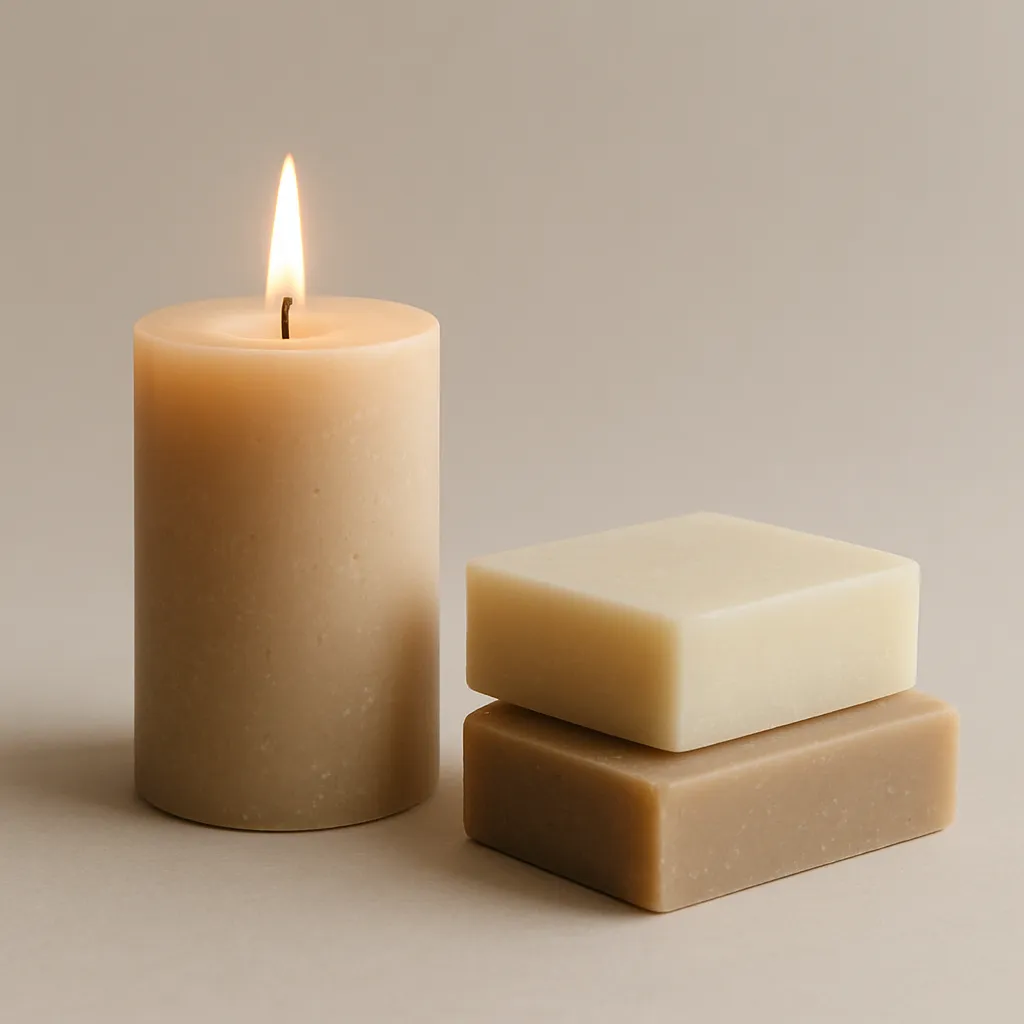
A peach seller wants nails, but peaches may spoil before a nail maker wants peaches. What makes money useful?
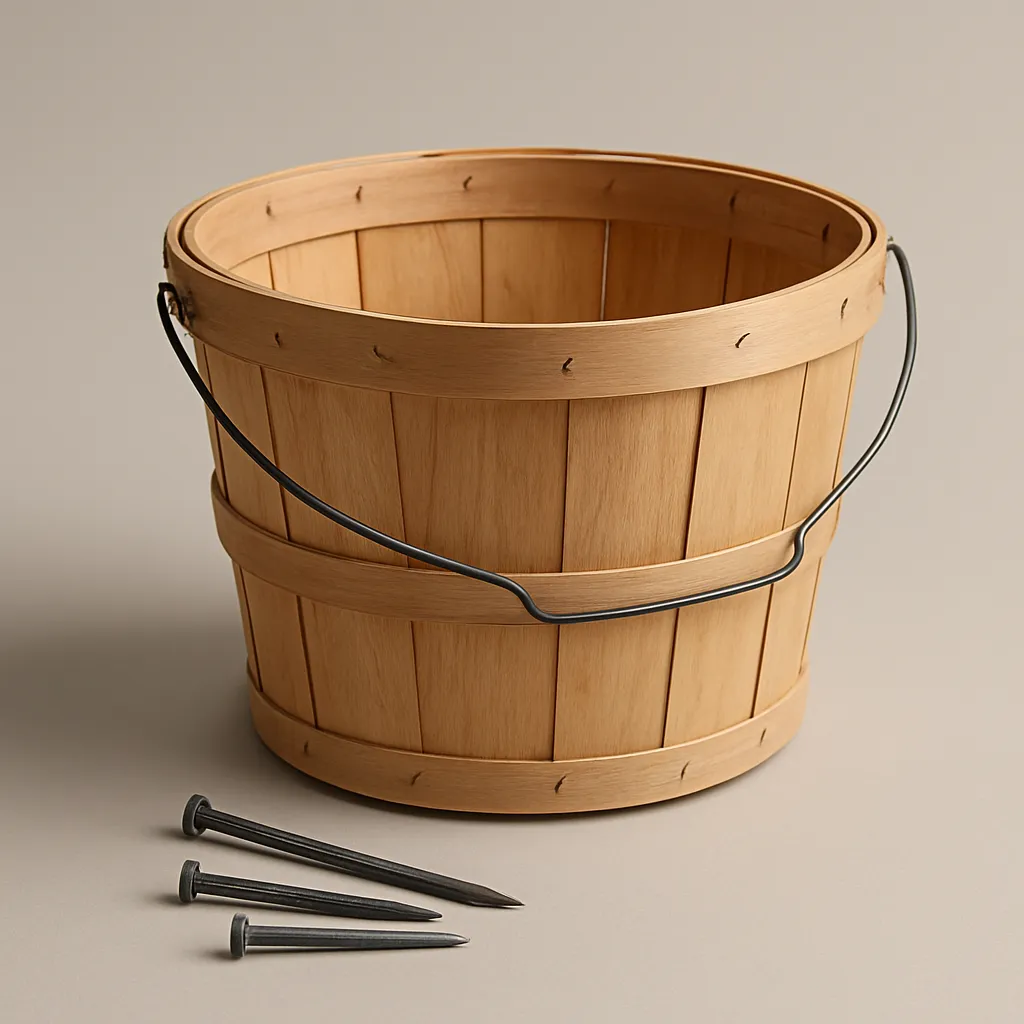
A painter wants a lamp, but the lamp maker does not want a painting. What is the best reason money helps?
A store accepts dollars from many customers for bread, soap, and pencils. What function of money is shown?
A jacket costs $30 and a hat costs $10, so a shopper can compare their prices. What job is money doing?
A coin kept in a drawer can still be used next week, unlike a banana that may rot. What function of money is shown?
A price list says a notebook is $2 and a folder is $1. What does money help the shopper compare?
A bus company accepts dollars for a ride, and a grocery store accepts dollars for food. What does this show about money?
A person earns dollars for mowing lawns and later spends dollars on lunch. What job of money connects the two exchanges?
A market uses dollars so buyers do not have to trade eggs, cloth, or firewood directly. What is money mainly used for?
A shopper sees that oranges cost less than peaches. What does the money price help the shopper do?
A community uses paper bills because people trust that stores will accept them tomorrow. What function of money depends on that trust?
A bike repair costs $12 and a car wash costs $8. How does money help customers understand these services?
A town uses dollars instead of trading one good for another at every store. What role does money play in this economy?
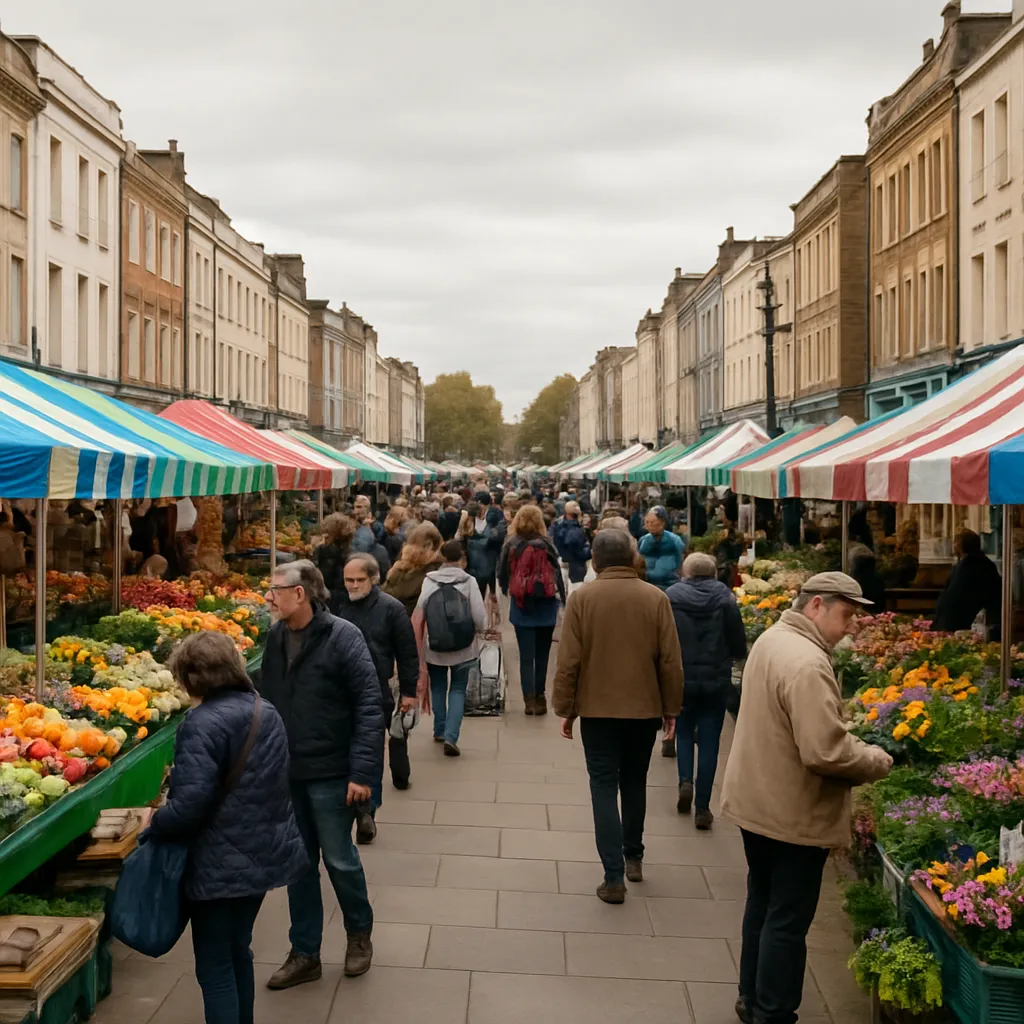
A toy is priced at $6, and a game is priced at $18. What does money help show?
A farmer trades wheat to a baker for money, then uses the money at a hardware store. What feature makes money useful?
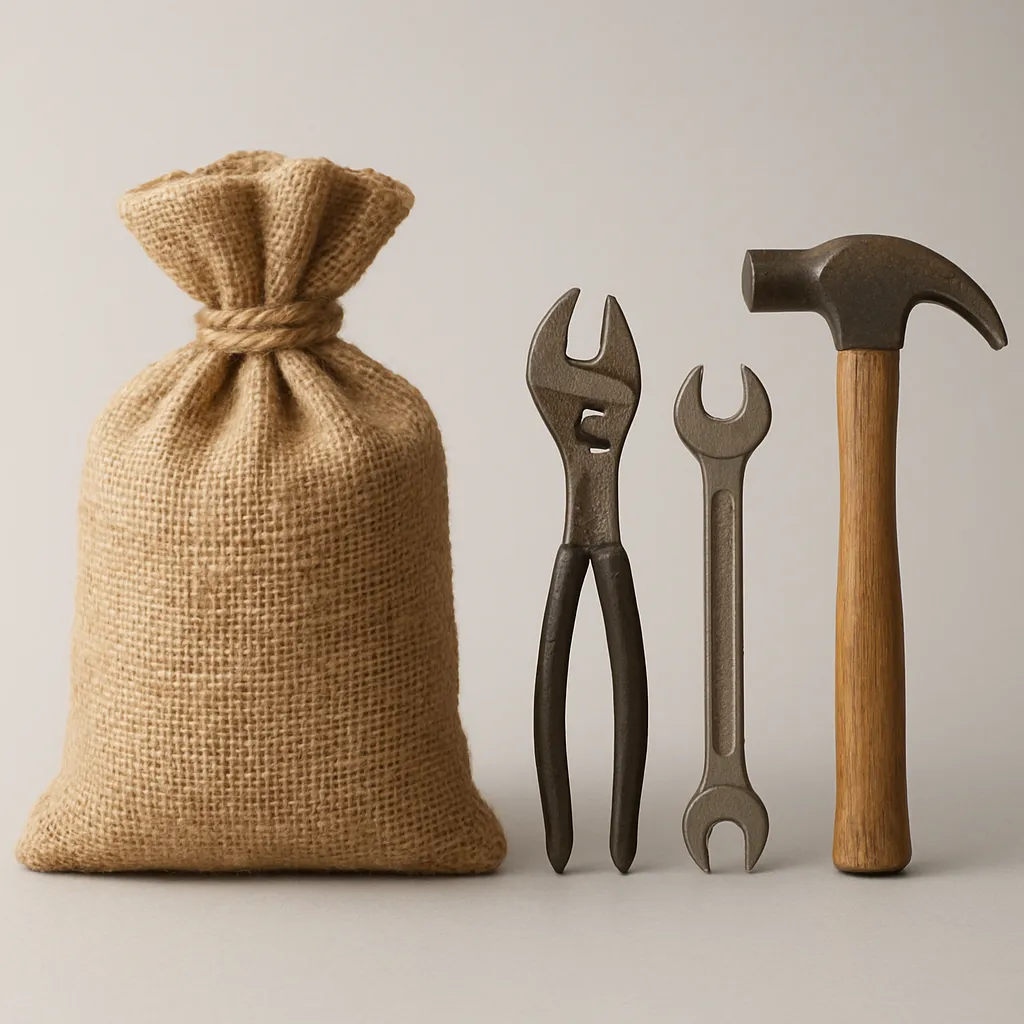
A teacher pays a carpenter to build shelves, and the carpenter uses that money to buy groceries. What does this show about money?
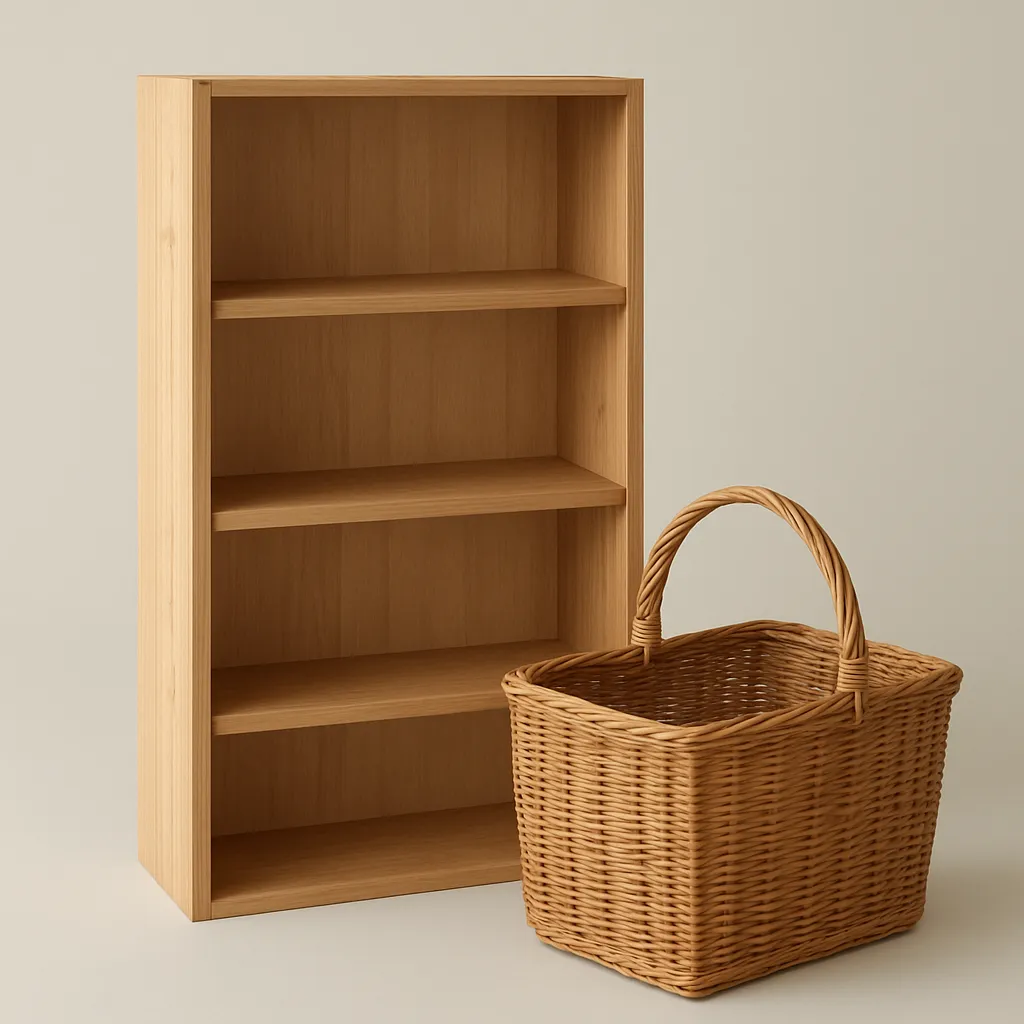
Two towns exchange goods: one sends apples, and the other sends blankets. What is this exchange called?
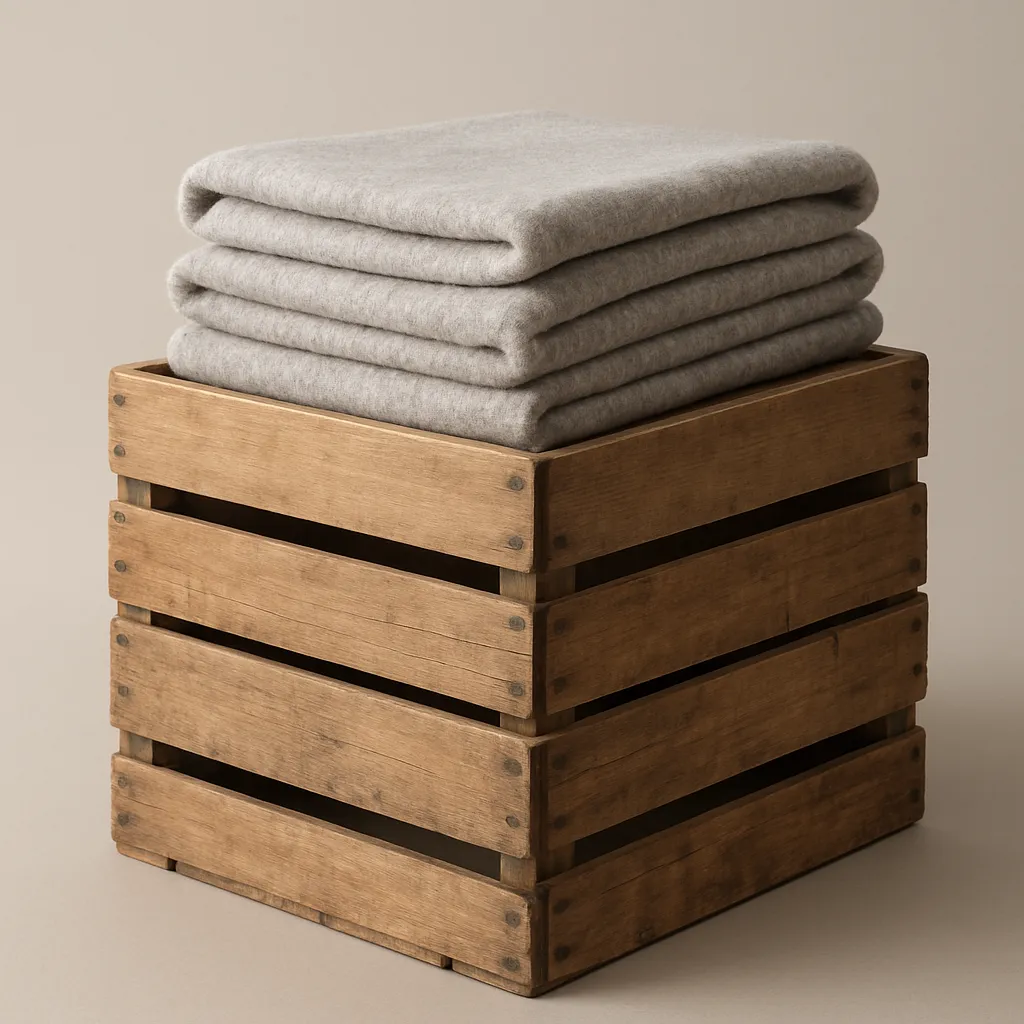
A shoemaker gives shoes to a farmer, and the farmer pays with vegetables. In this trade, what does the shoemaker receive?
A baker trades bread for a potter's bowl because each person wants what the other made. Why can both gain?
A fisherman trades fish to a farmer for corn. In this trade, what does the farmer give?
A clothing maker trades shirts to a carpenter for a bench. What is being exchanged?
A dentist fixes a baker's toothache, and the baker gives bread as payment. What kind of exchange is this?
A town near orchards trades apples with a fishing town that has extra fish. Why might the towns trade?
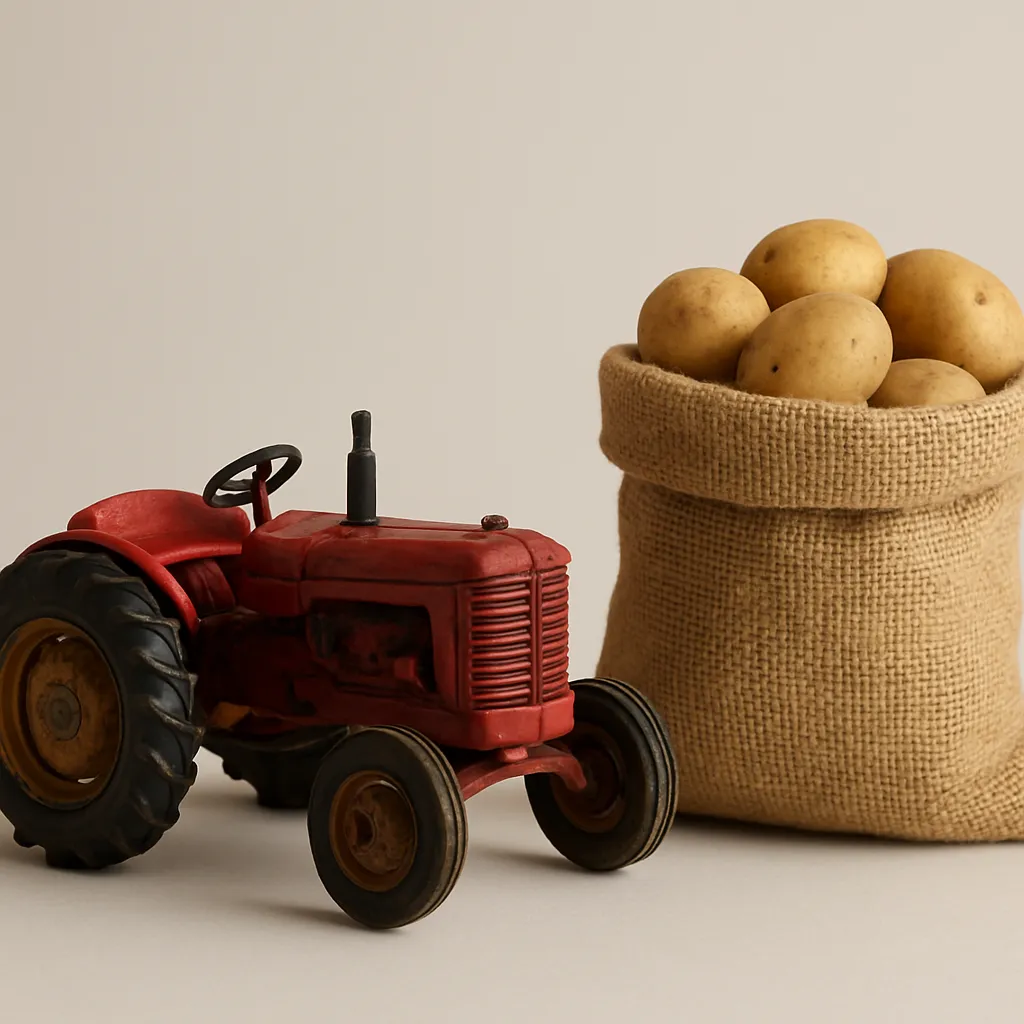
A mechanic repairs a farmer's tractor, and the farmer gives the mechanic potatoes. What does the farmer receive in the trade?
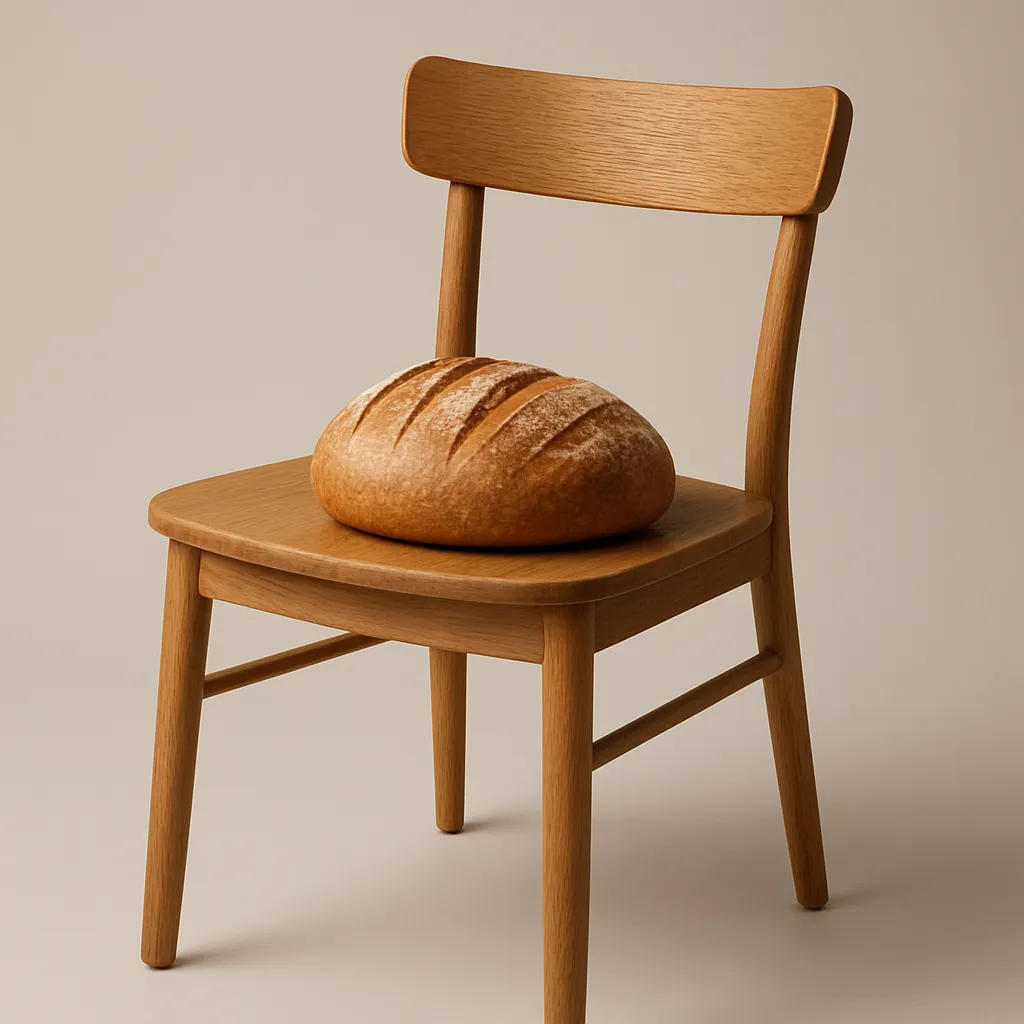
A carpenter has extra chairs and a baker has extra bread. They trade because each wants the other's product. What makes the trade fair to them?
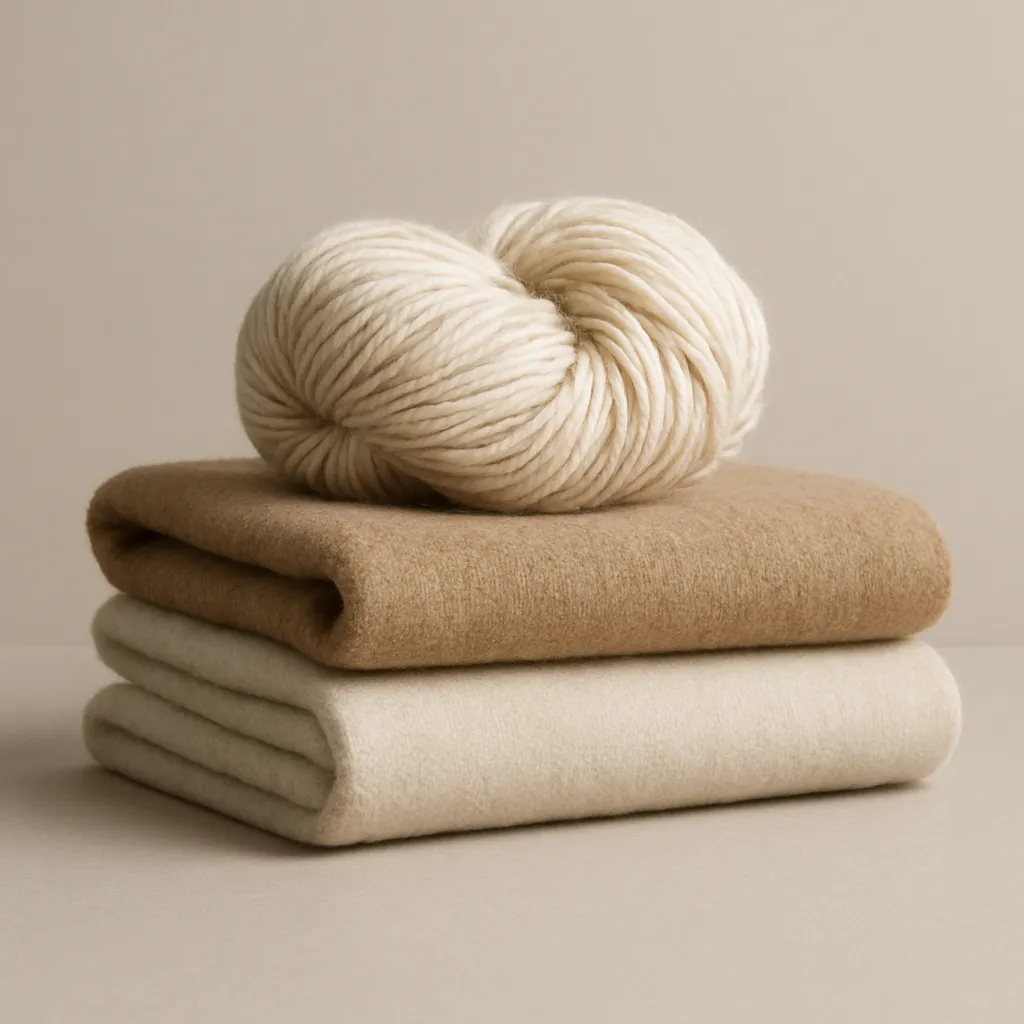
A rancher trades wool to a blanket maker for warm blankets. What does trade allow the rancher to do?
Crack the passcode before the zombies get in.
Answer, then swat bugs for bonus points.
Race through questions at your own speed.
Same question on every screen. Fastest wins.

Pick a tile, answer, hit bonuses and steals.
How People Earn a Living in Each Region
40 questions