Loading
by BlastRoom
Students weigh biodiversity plans and the ecosystem services they protect.
#us_grade_7_science
20 questions
One question set, multiple game modes. Tap any game to see it in action. Not sure which to pick?
Answer to place stones and capture territory.
Outrun the snow together.
Earn blasts, then hunt the other team.
Answer to earn energy, then climb.

The class blasts through walls together.
Bid on mystery lots. Most money wins.
Sell tours. Nice, standard, or a total scam.

Answer, restock, and serve the rush.
More correct answers pulls the rope your way.
Answer, then shoot down the alien wave.
Answer, then tap to leap the frozen ridge.
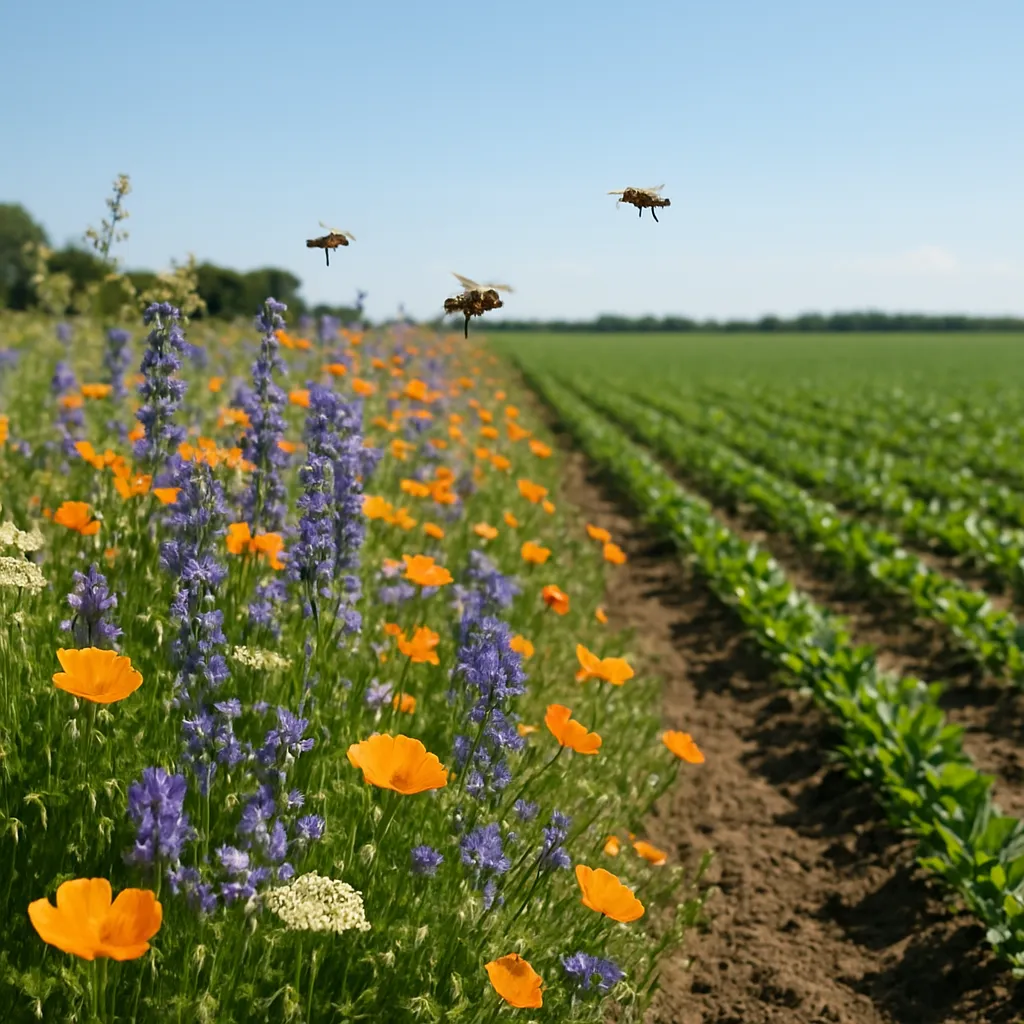
A farm plants native flower strips beside crops. More bee species visit, and fruit set increases. What ecosystem service is the farm getting from the added biodiversity?
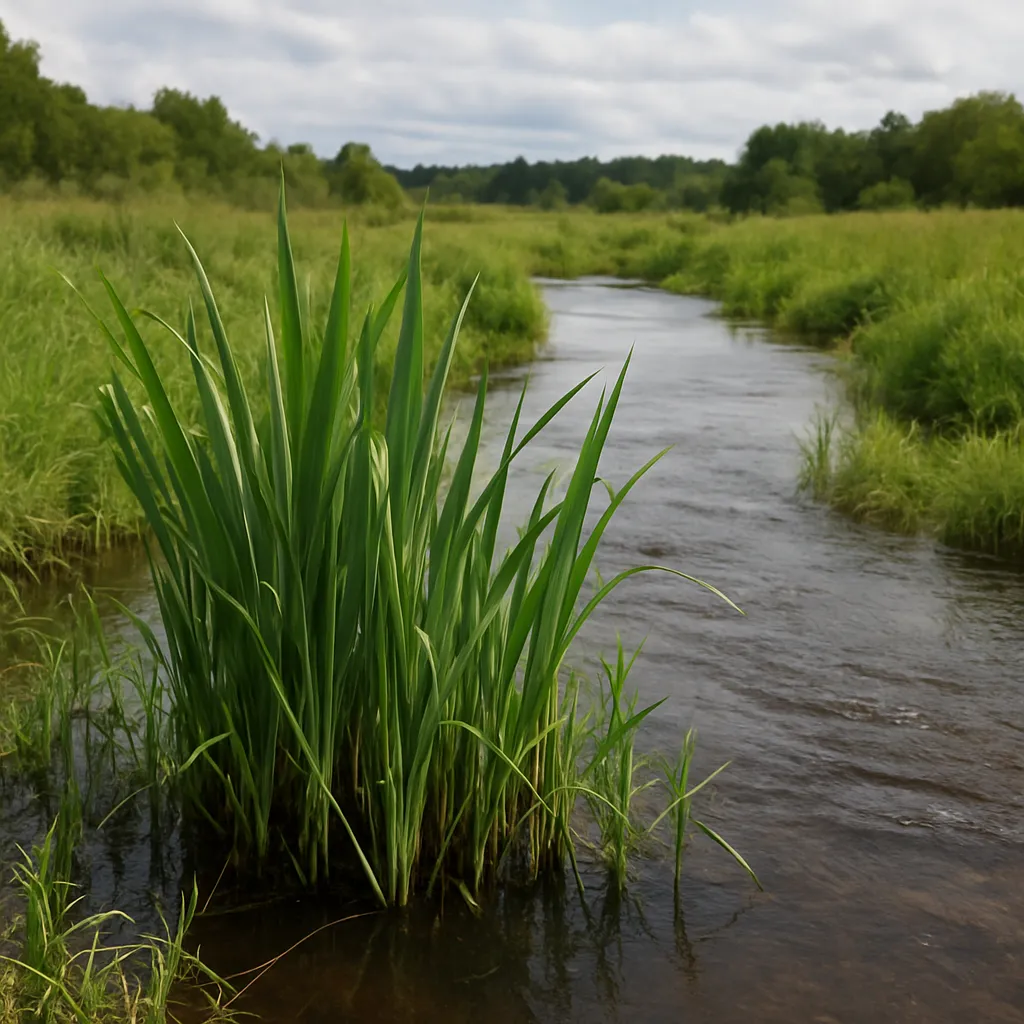
A wetland with many plant and microbe species receives runoff. Nitrate levels downstream drop after water flows through it. What service is linked to that biodiversity?
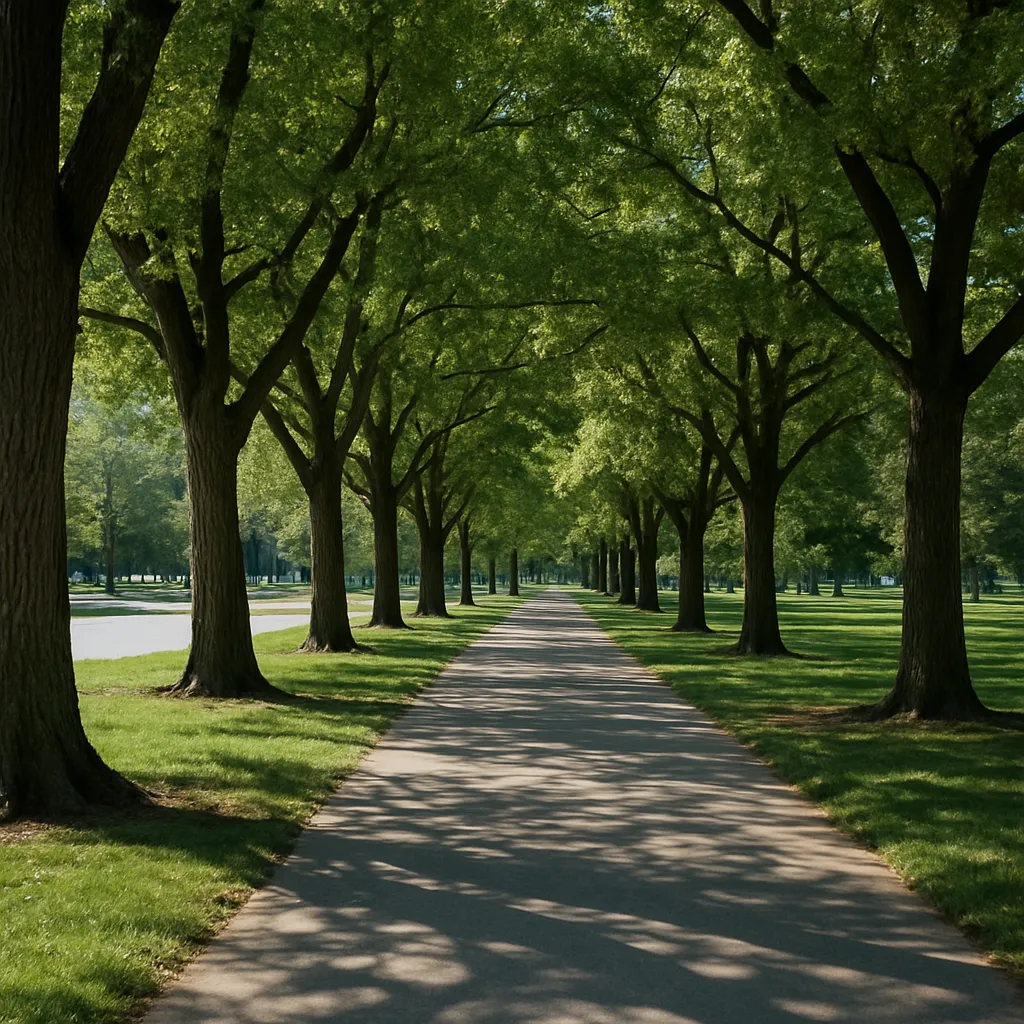
A neighborhood replaces a paved lot with many native tree species. Nearby homes now need less air conditioning in summer. What ecosystem service is shown?
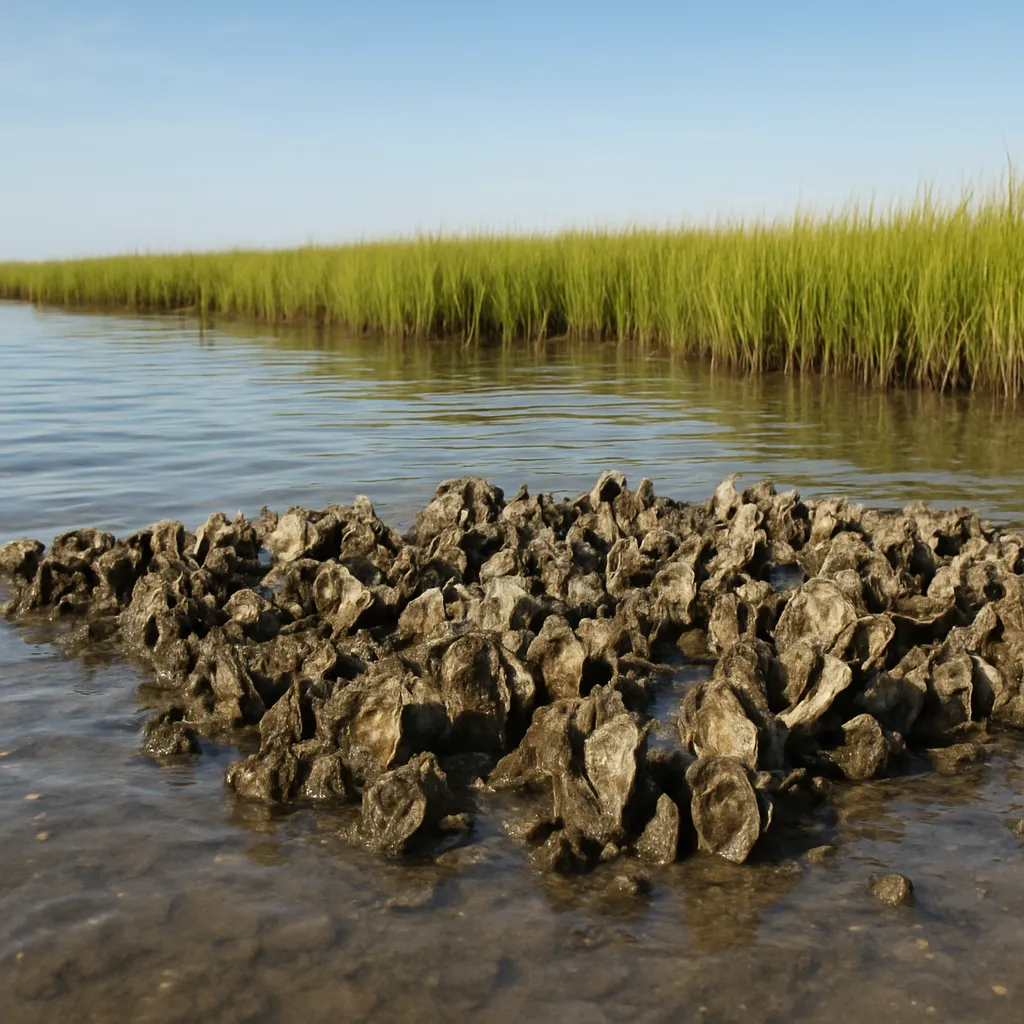
A restored oyster reef has oysters, crabs, and marsh grasses. During storms, waves behind the reef are much smaller than waves on open beaches nearby. What service does the biodiversity support?
A school garden has diverse fungi, bacteria, and worms. Dead leaves disappear, and vegetable plants grow better. What service is this ecosystem providing?
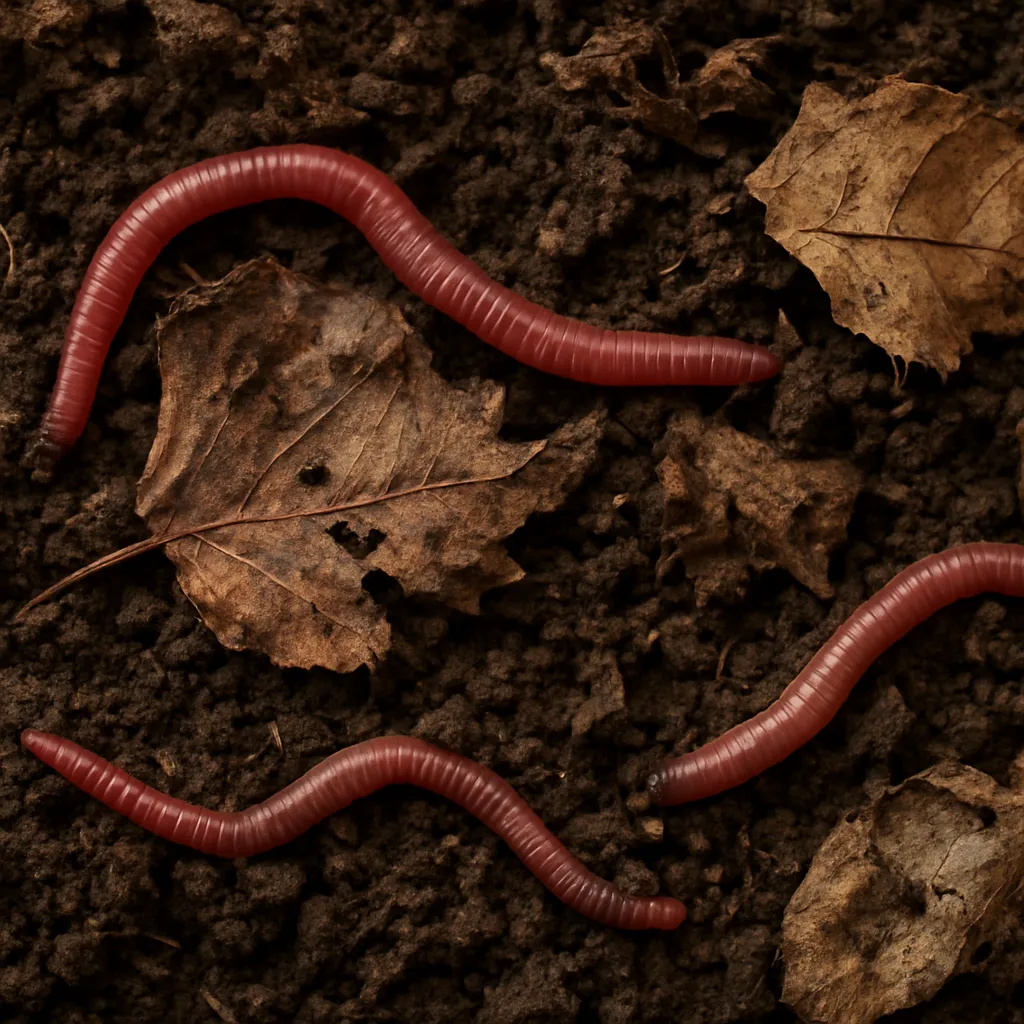
A school wants more butterflies, low water use, and no pesticides in its yard. Which design best meets all three criteria?
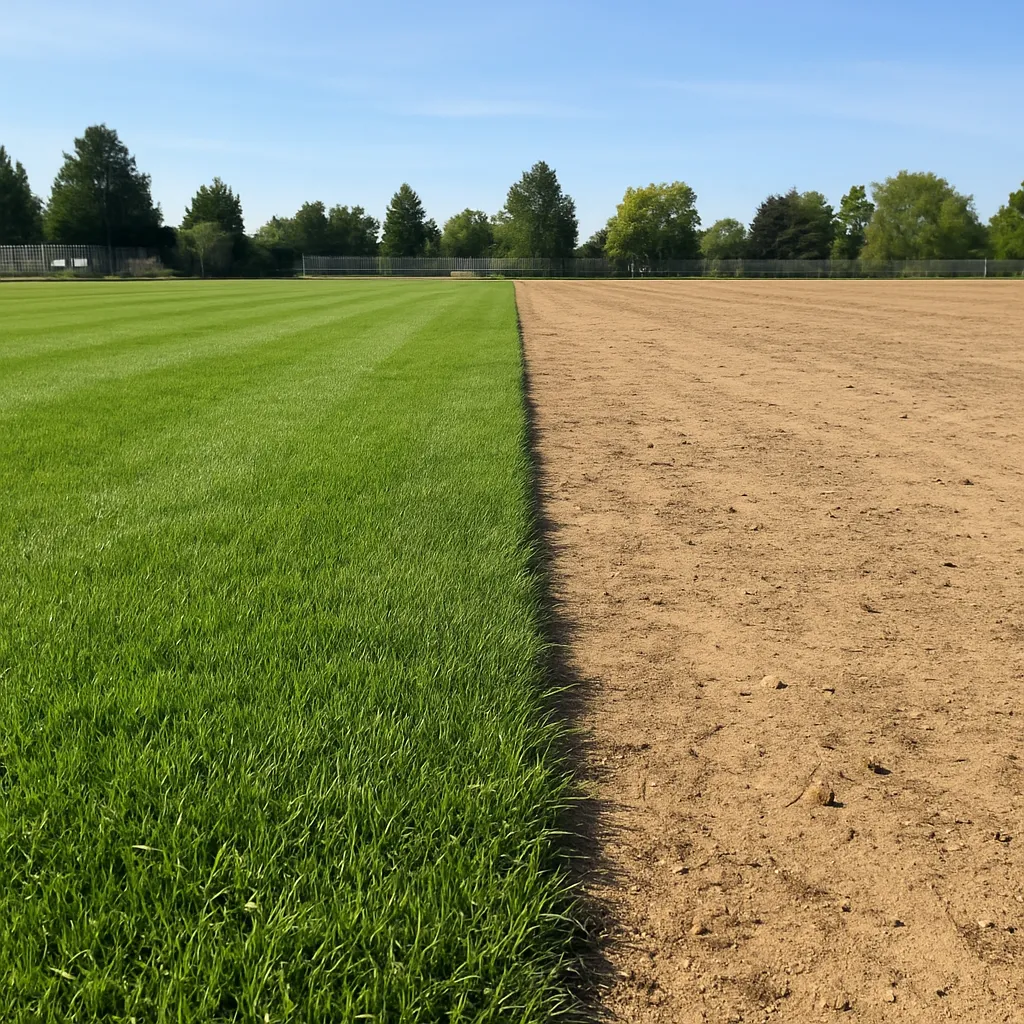
A town needs cleaner stream water, more wildlife habitat, and a low-cost plan. Which plan best meets all three criteria?
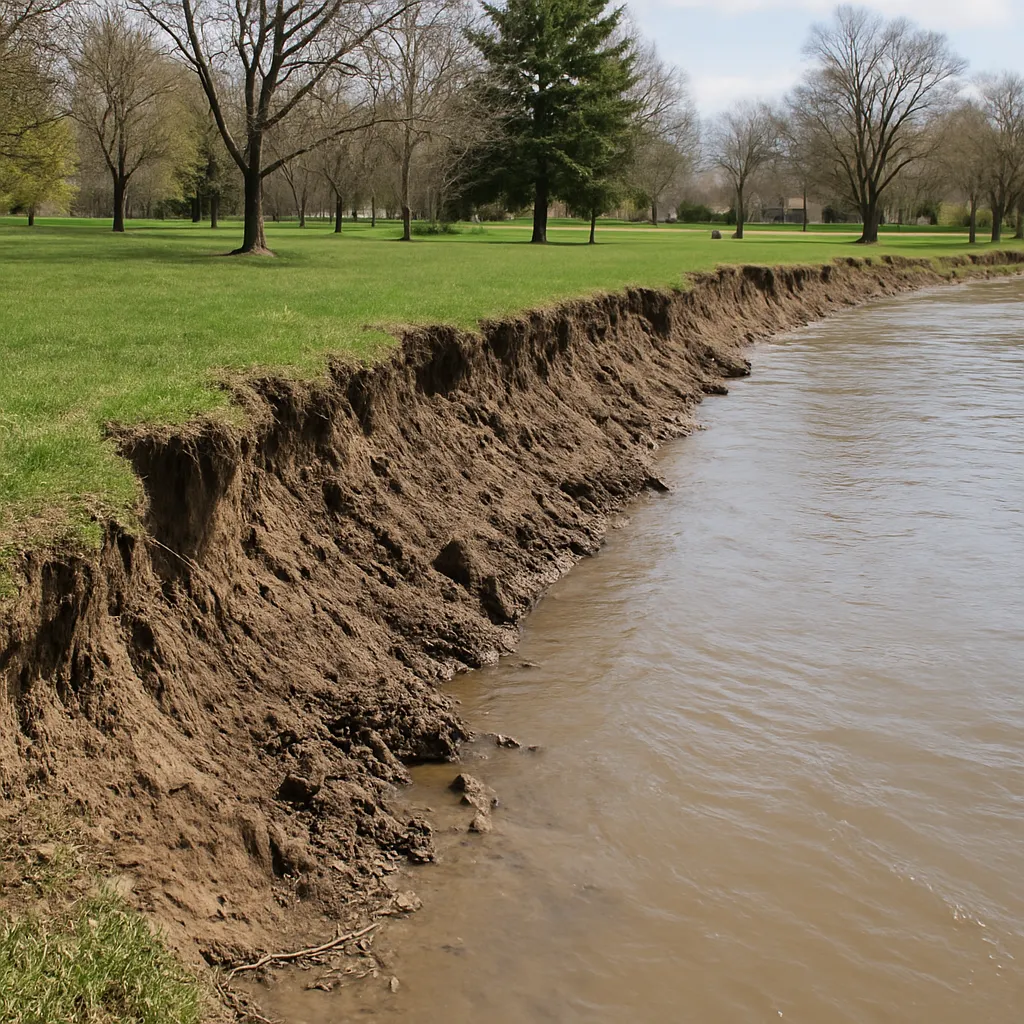
A berry farm needs more pollinators but can spare only a little land that is not planted with berries. Which design best fits these limits?
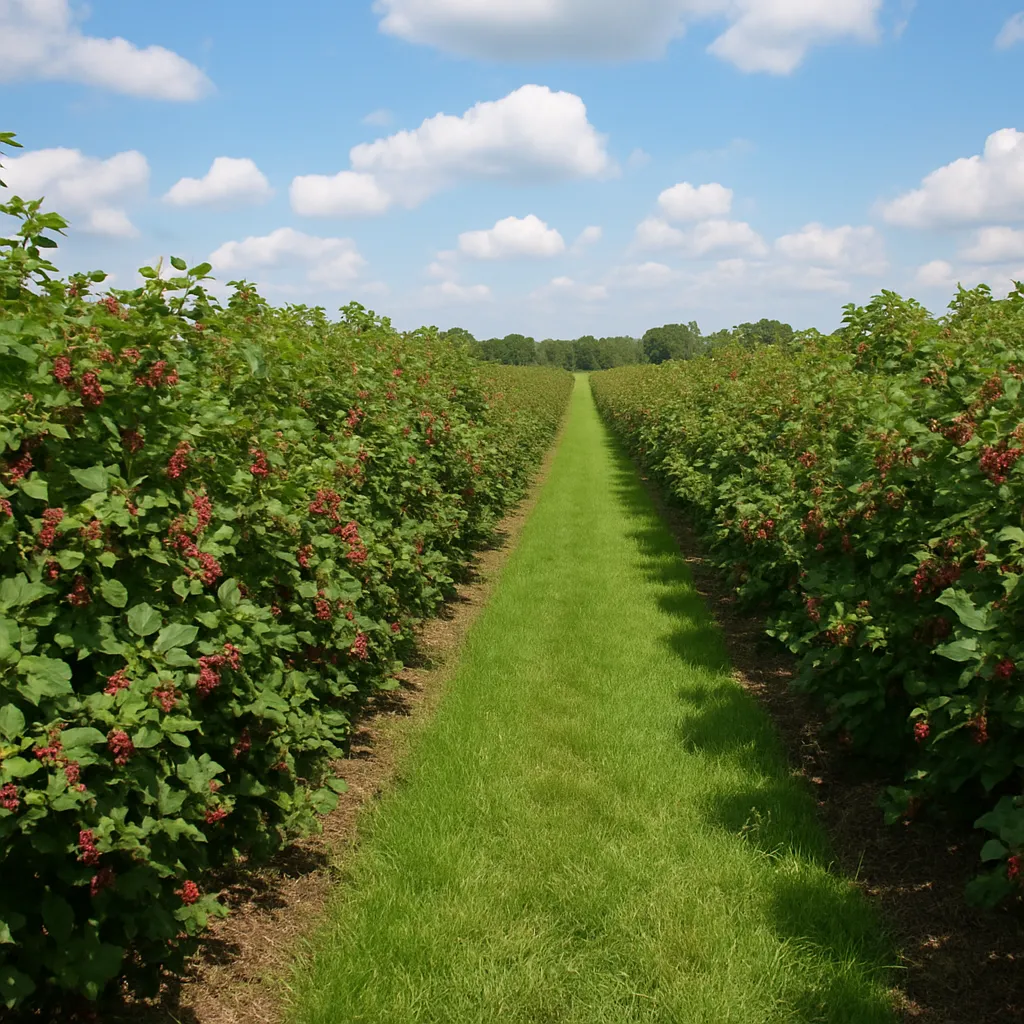
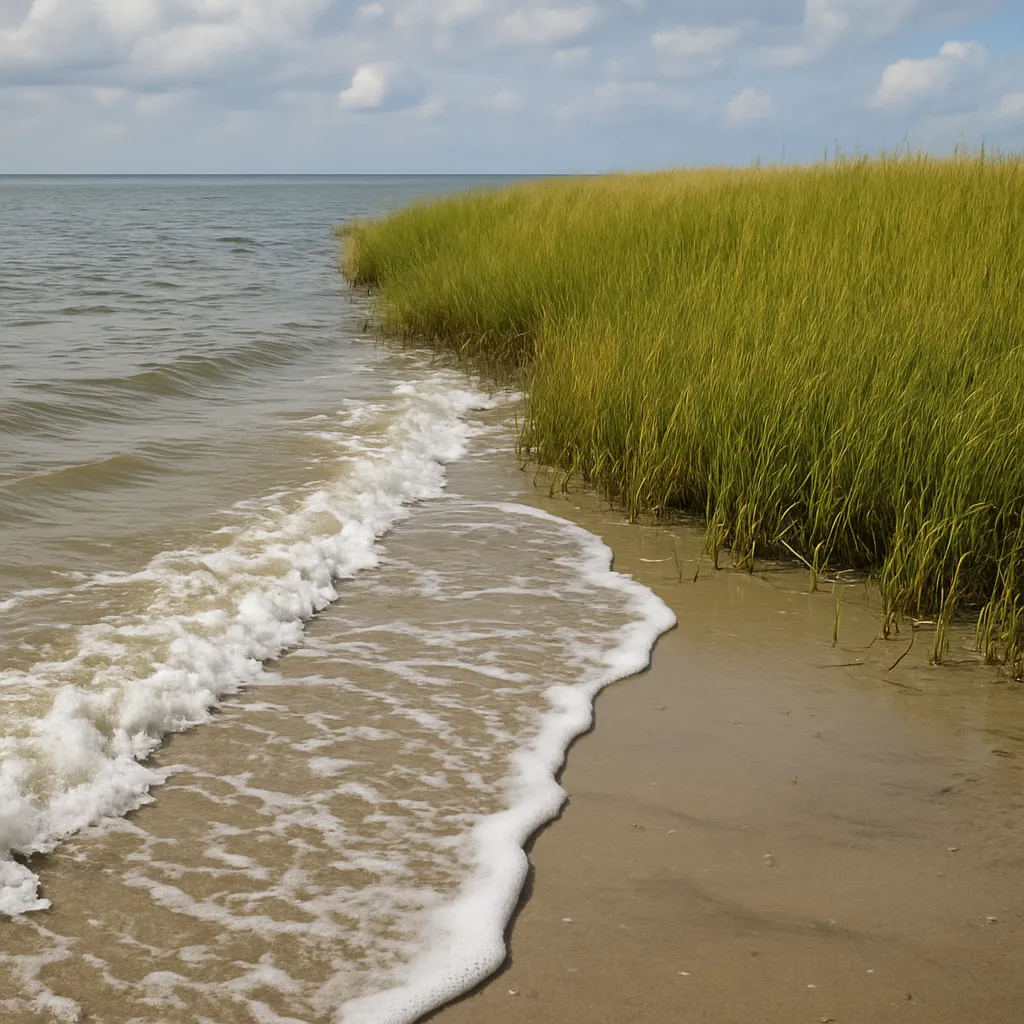
A coast town wants storm protection, nursery habitat for young fish, and low maintenance. Which design best meets all three goals?
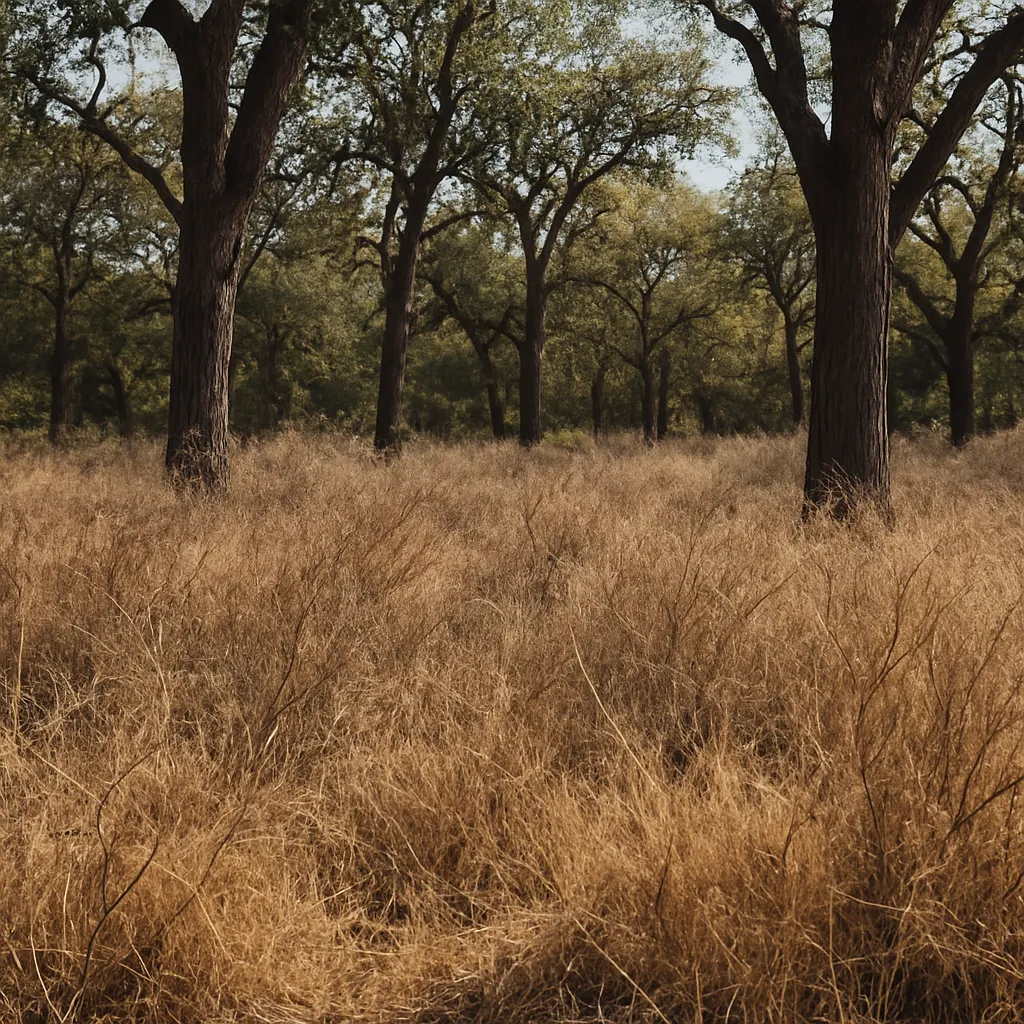
A forest plan must lower the risk of severe wildfire while keeping old trees and wildlife habitat. Which design best meets these goals?
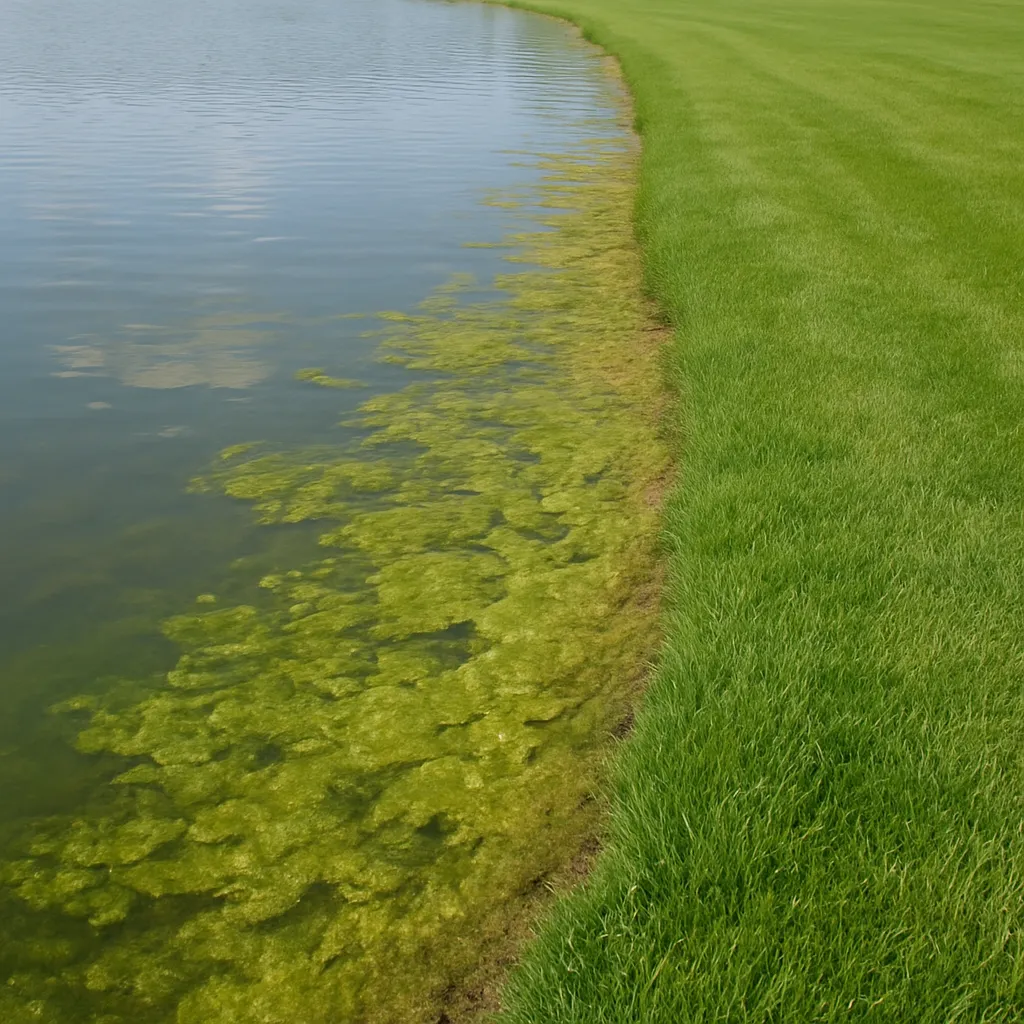
A park pond has algae blooms after fertilizer runoff. The goal is clearer water, amphibian habitat, and no added chemicals. What design best meets those constraints?
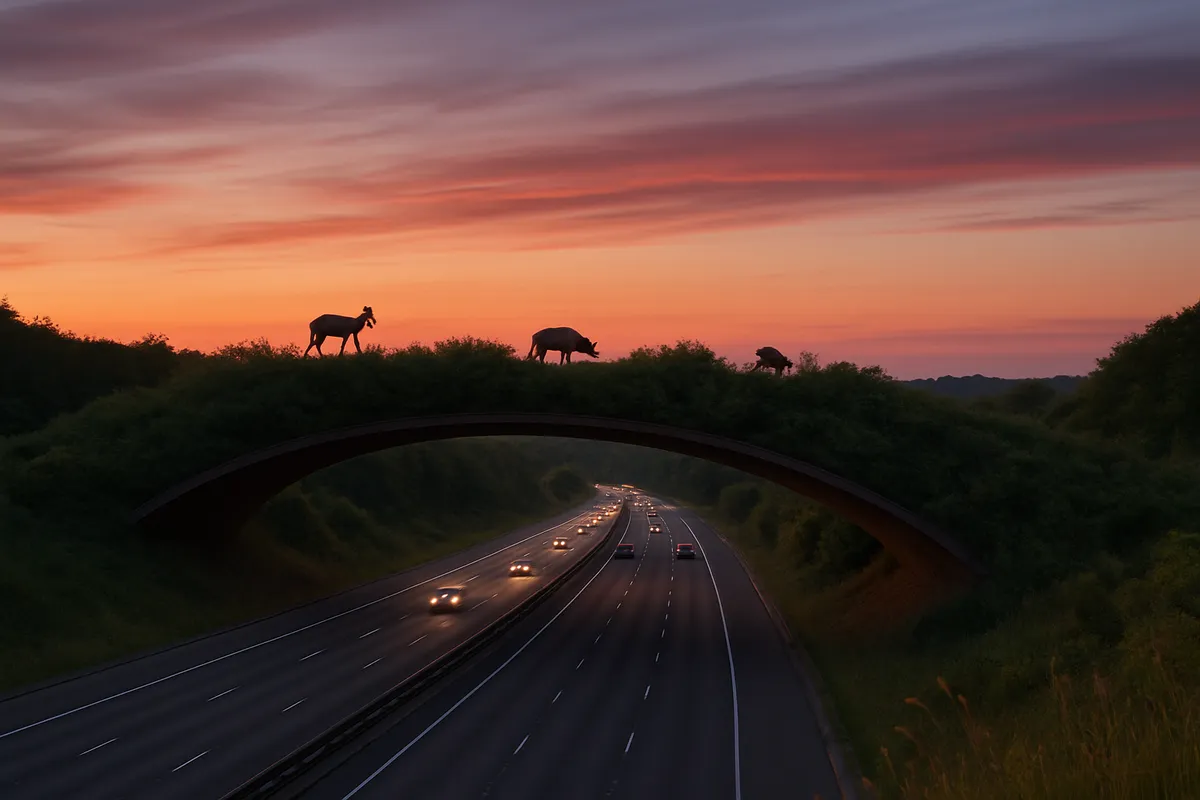
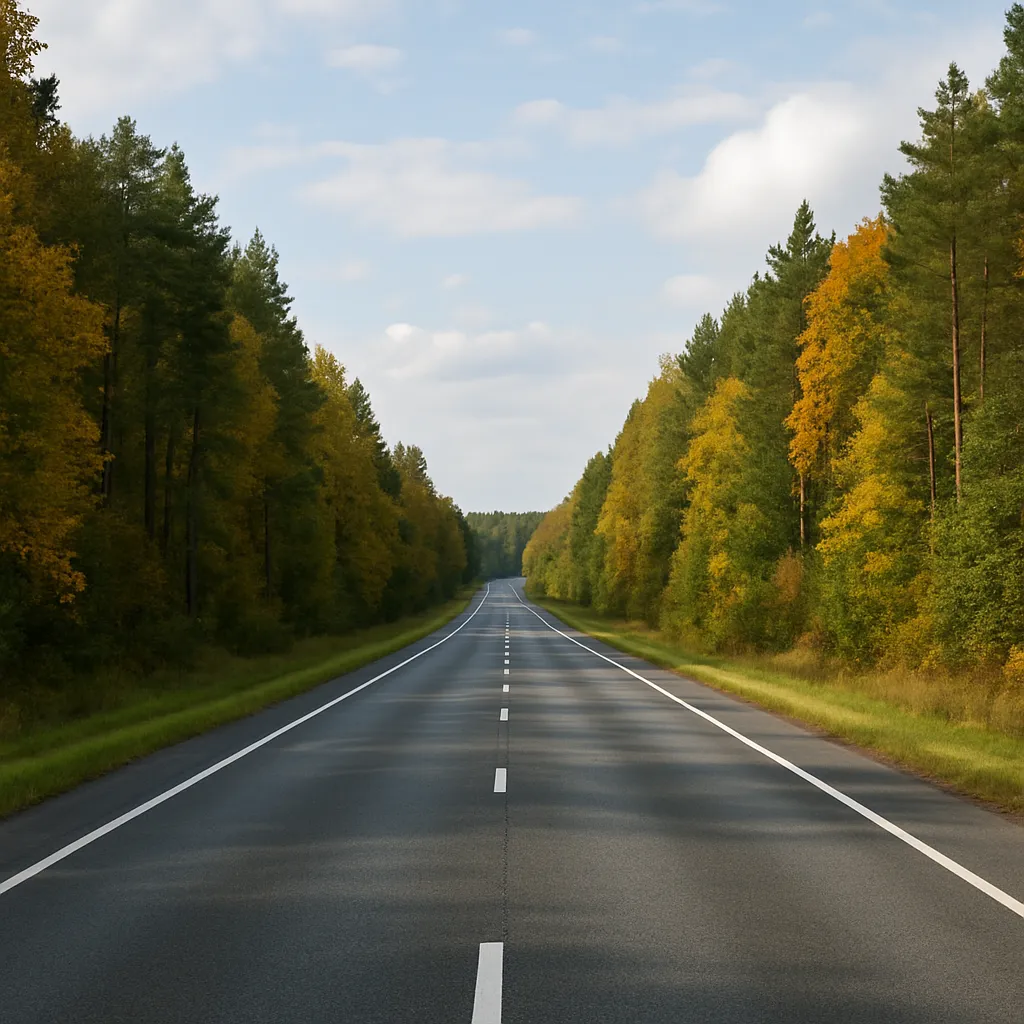
A highway cuts across an elk migration route. The goal is fewer elk deaths and an open migration route, without stopping traffic. Which design best fits?
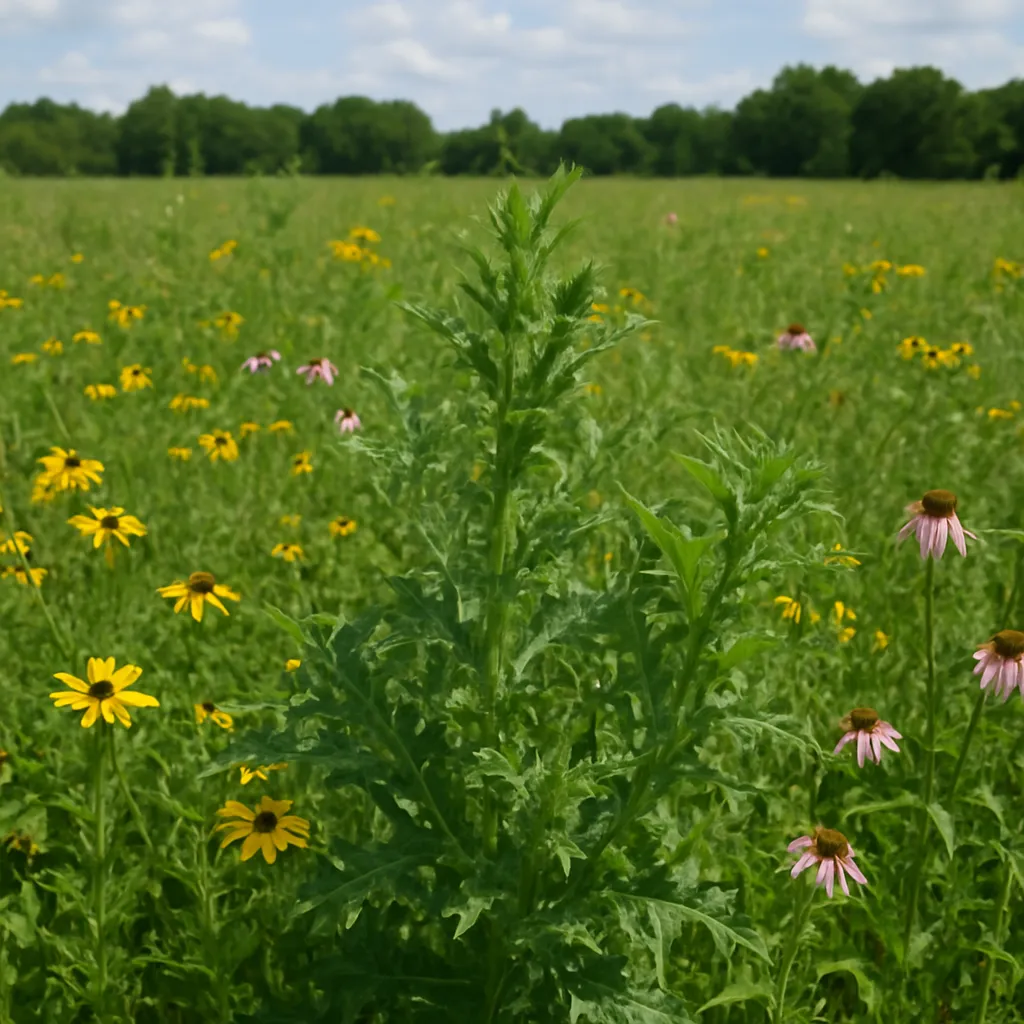
An invasive plant is crowding a meadow. The goal is more native biodiversity without harming pollinators during bloom. What design best meets the constraints?
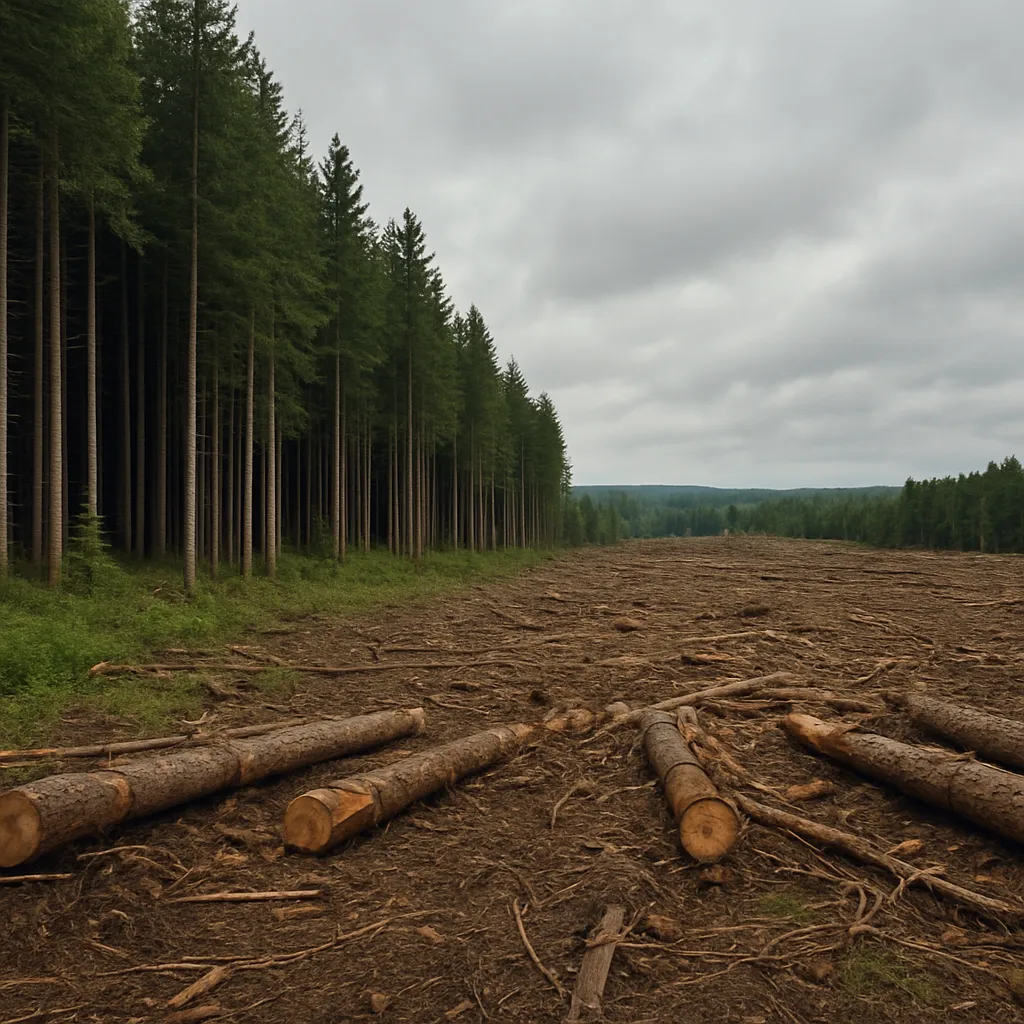
Plan A protects a large forest but stops some logging. Plan B allows most logging but protects small patches. If habitat protection matters most, what evaluation is strongest?
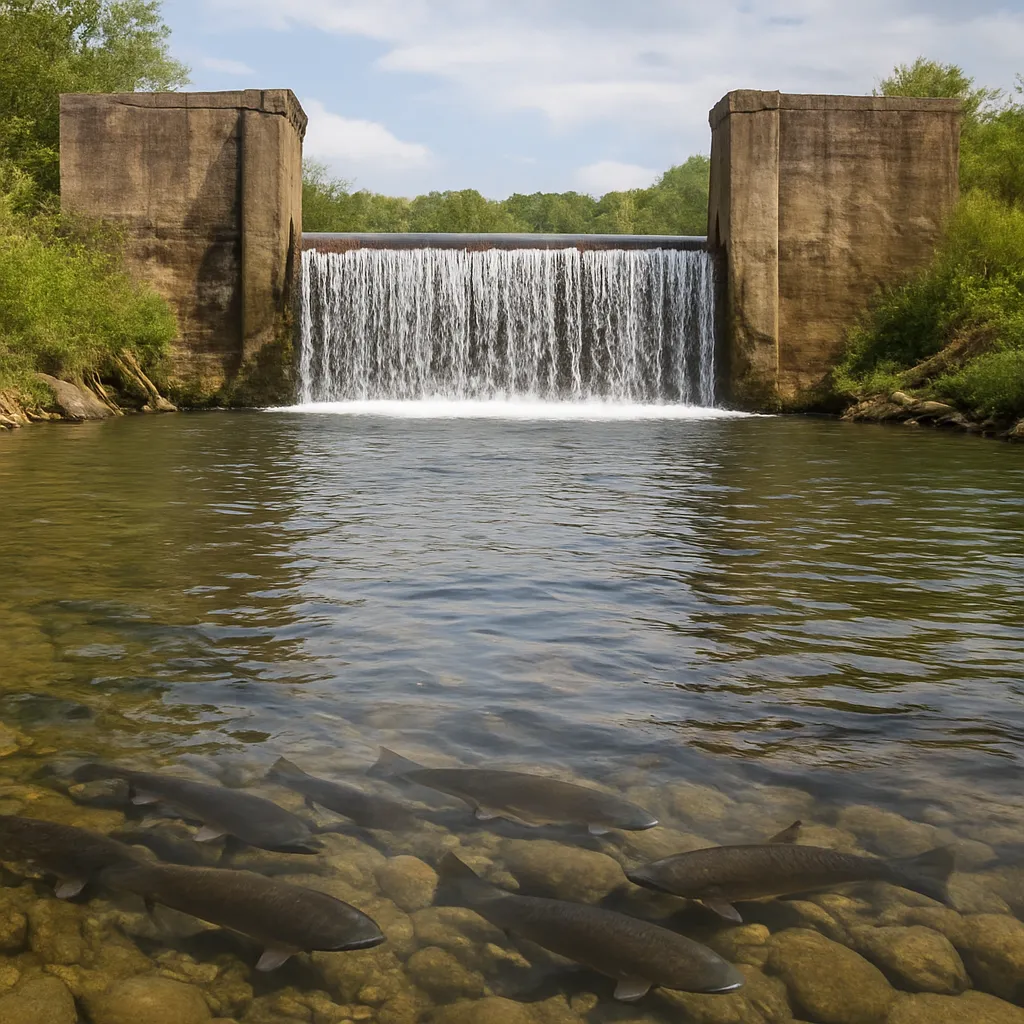
Plan A removes an old dam on a river. Plan B keeps the dam and its reservoir and stocks the river with hatchery fish. What trade-off is most accurate?
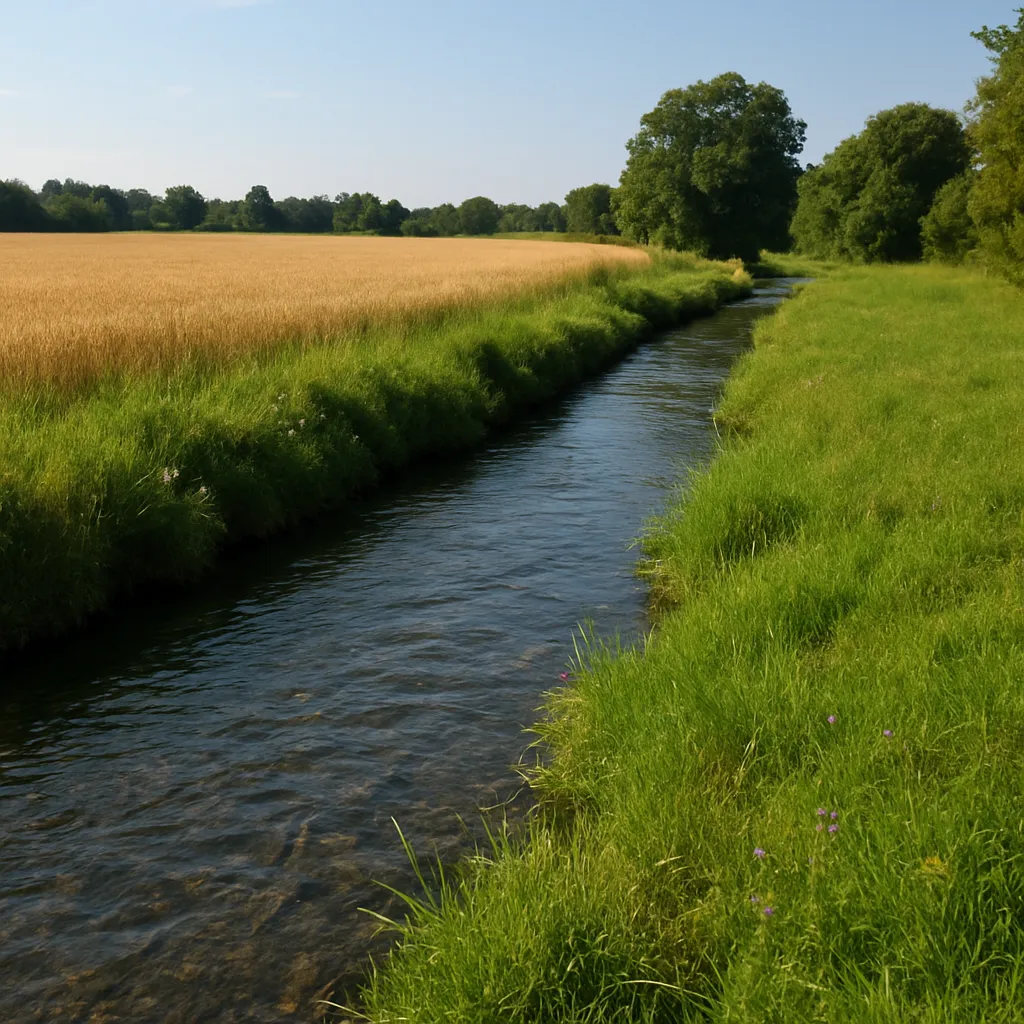
A farm compares a 30 m stream buffer of native plants with a 5 m buffer. What evaluation best compares the plans?
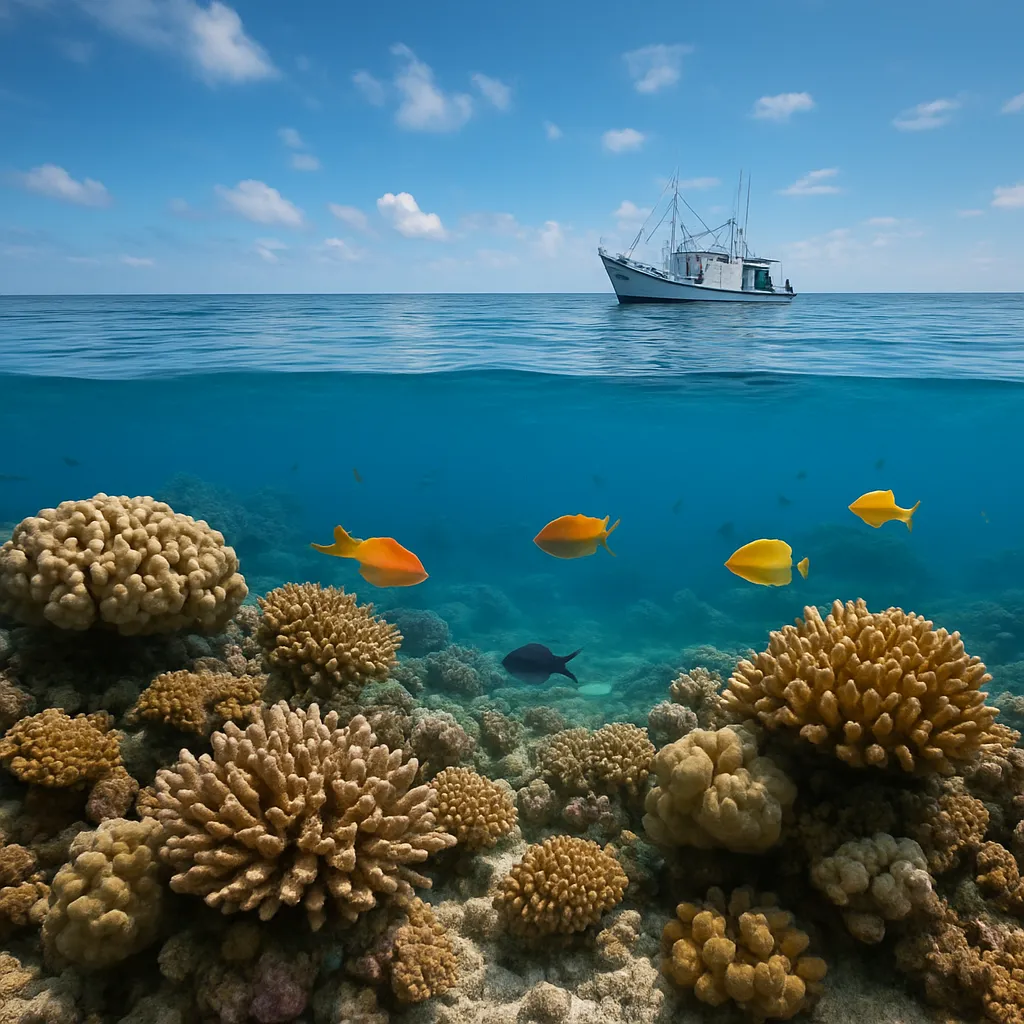
Plan A creates a no-fishing reserve on a reef. Plan B allows fishing except during spawning months. Fish recovery is the main goal. What evaluation is strongest?
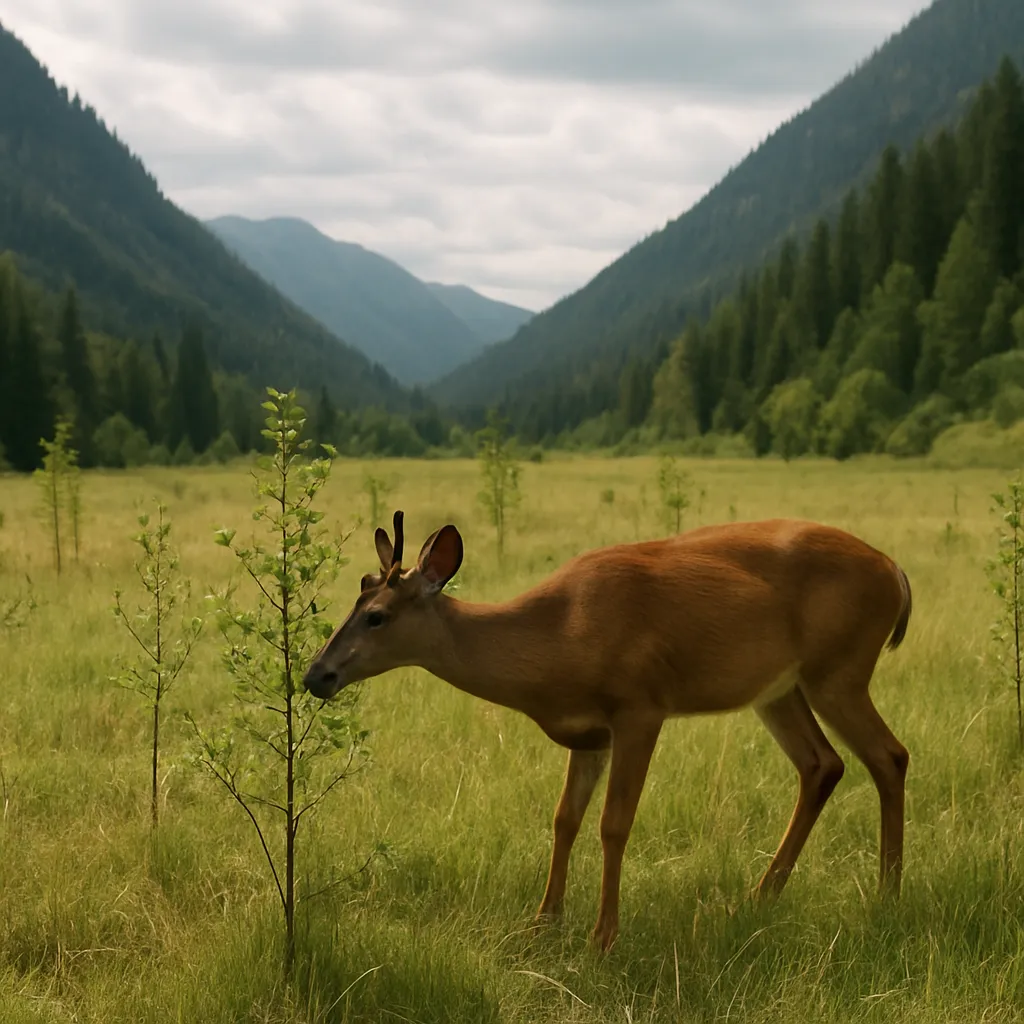
A valley has too many deer eating young trees. Plan A reintroduces wolves. Plan B fences seedlings in small plots. What trade-off is most accurate?
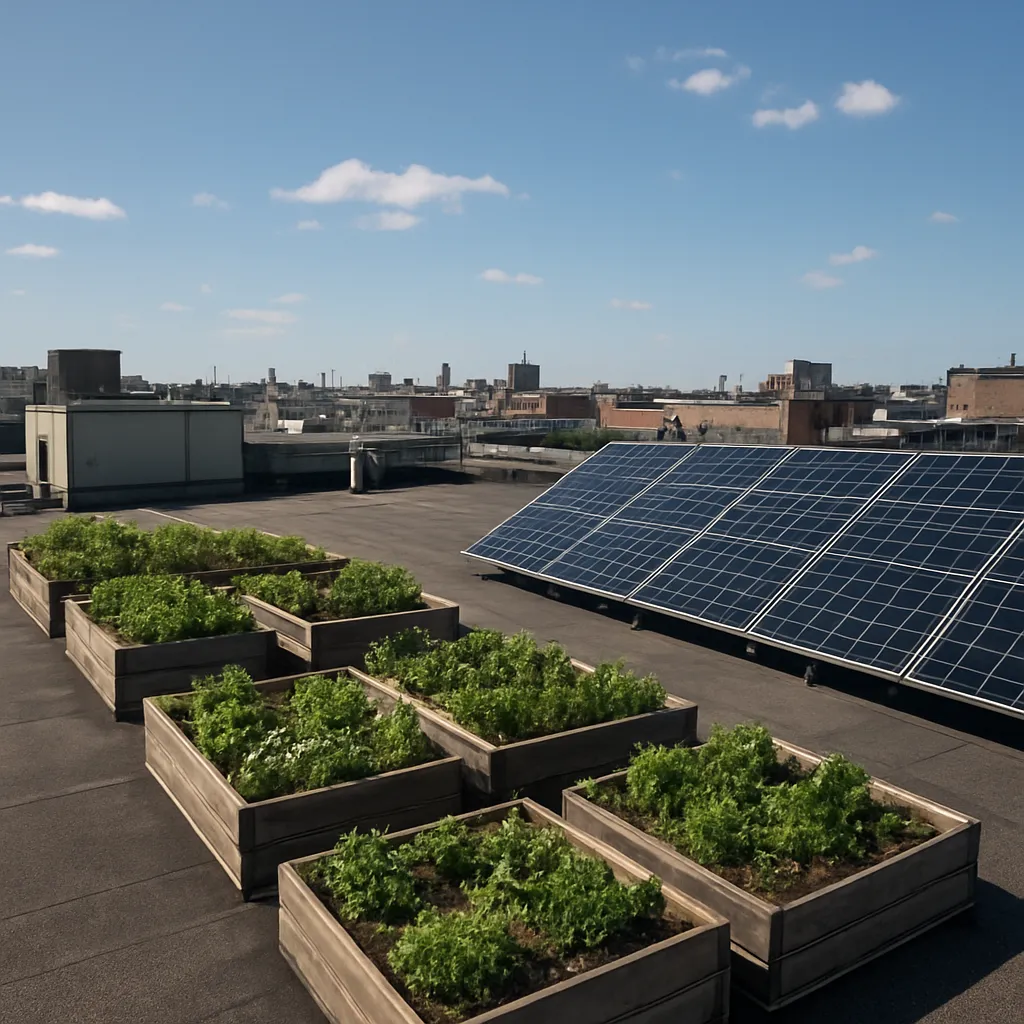
A city roof can hold either native plants or solar panels. Which comparison of the two designs is strongest?
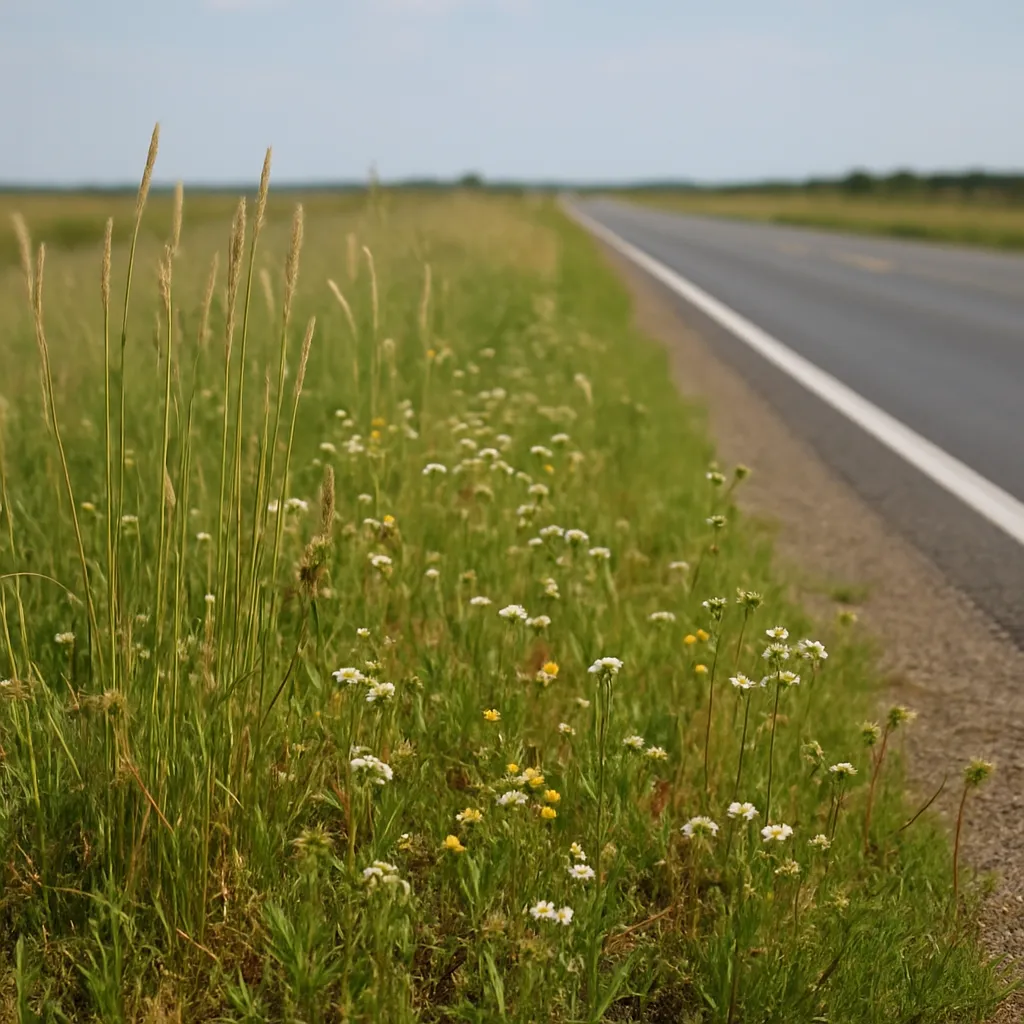
Plan A seeds a roadside with local native grasses and flowers. Plan B uses one fast-growing grass. Native mix costs more upfront. What trade-off is strongest?
Crack the passcode before the zombies get in.
Answer, then swat bugs for bonus points.
Race through questions at your own speed.
Same question on every screen. Fastest wins.

Pick a tile, answer, hit bonuses and steals.

Inherited Traits and Variation
20 questions