Loading
by BlastRoom
Practice identifying competition, predation, and symbiotic relationships in ecosystems.
#us_grade_7_science
40 questions
One question set, multiple game modes. Tap any game to see it in action. Not sure which to pick?
Answer to place stones and capture territory.
Outrun the snow together.
Earn blasts, then hunt the other team.
Answer to earn energy, then climb.

The class blasts through walls together.
Bid on mystery lots. Most money wins.
Sell tours. Nice, standard, or a total scam.

Answer, restock, and serve the rush.
More correct answers pulls the rope your way.
Answer, then shoot down the alien wave.
Answer, then tap to leap the frozen ridge.
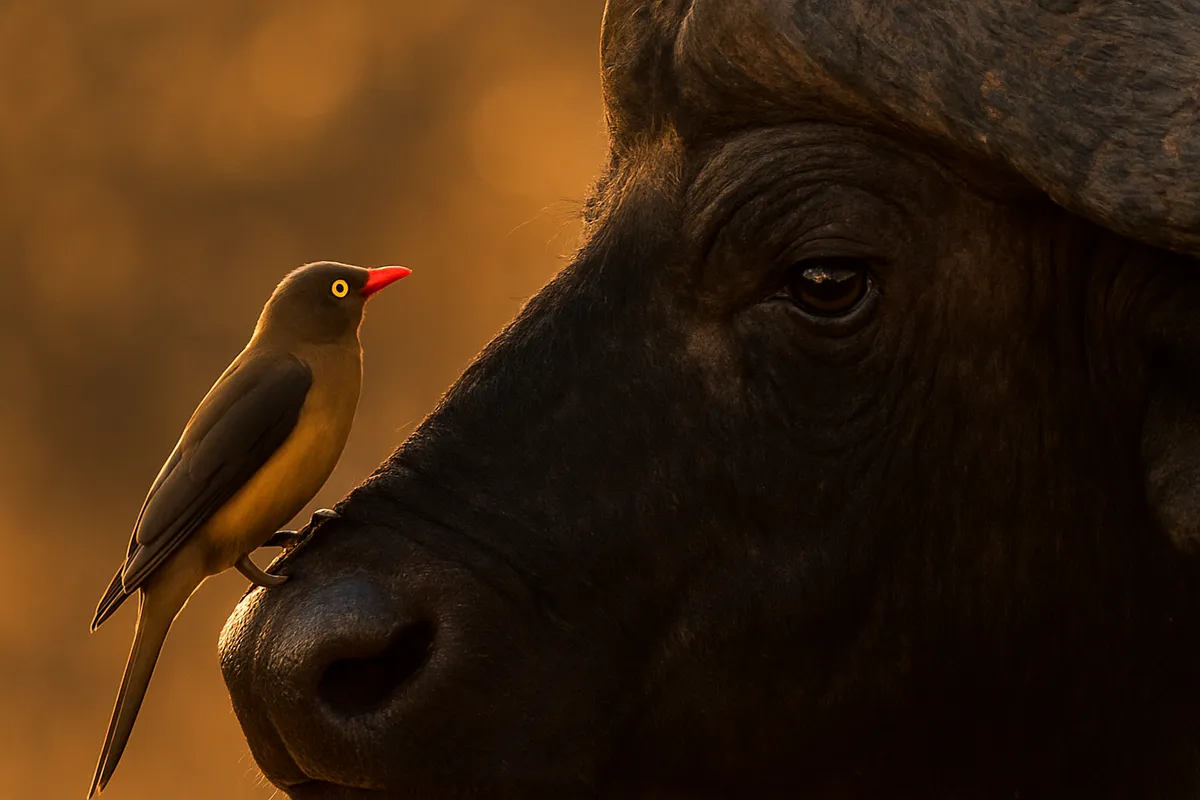
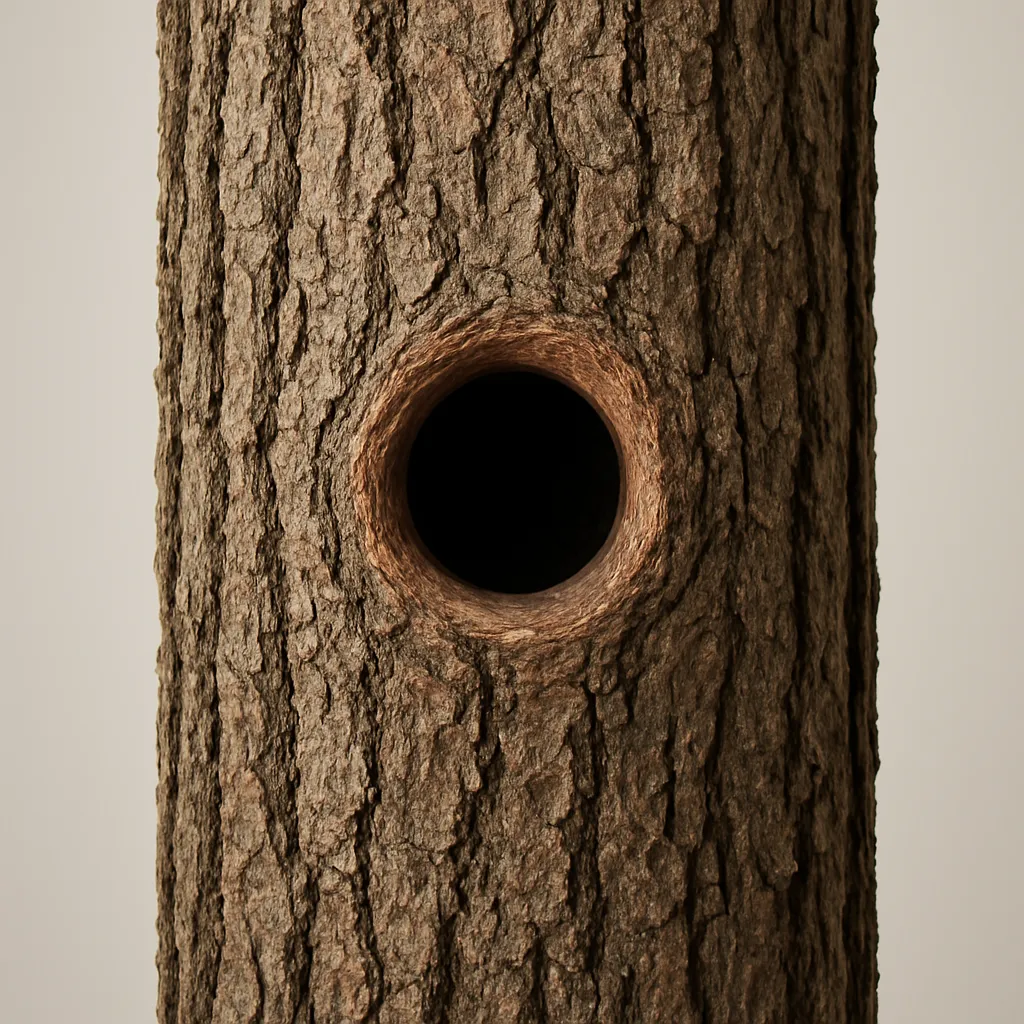
Two bird species nest in the same tree cavities, and both raise fewer chicks when cavities are scarce. What interaction is shown?
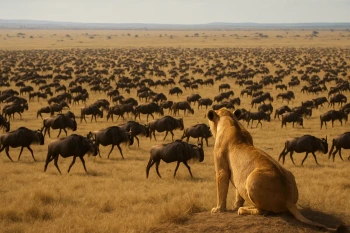
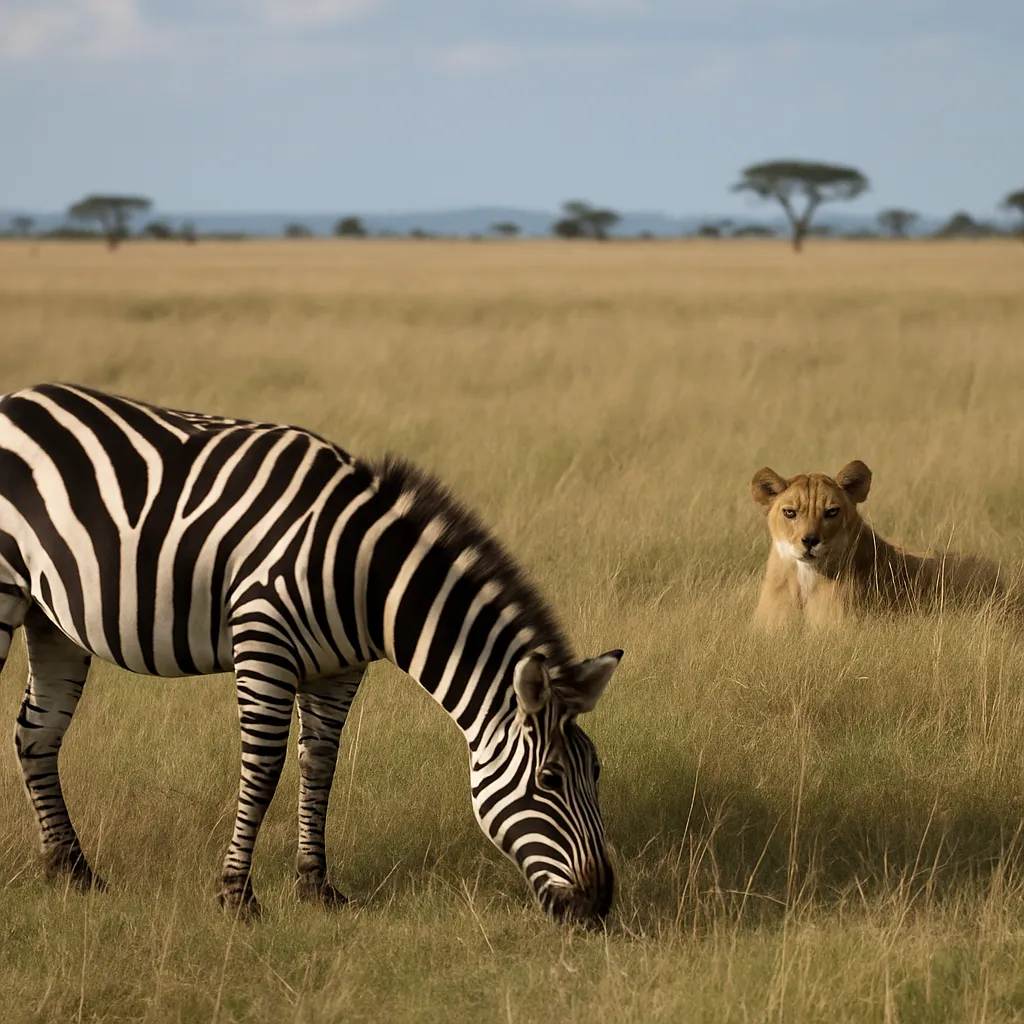
A lion catches and eats a zebra on the savanna. What relationship best describes this interaction?
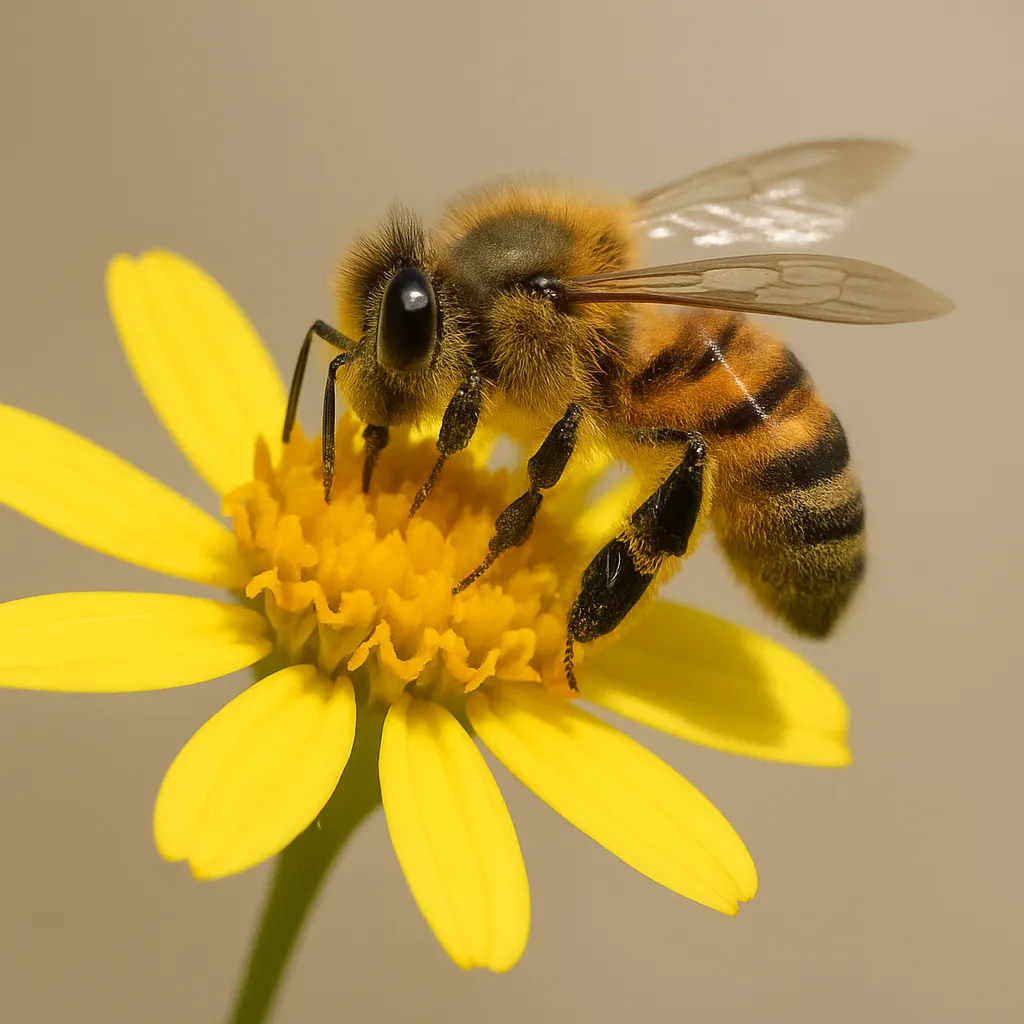
Bees get nectar from flowers while carrying pollen that helps the flowers reproduce. What relationship is this?
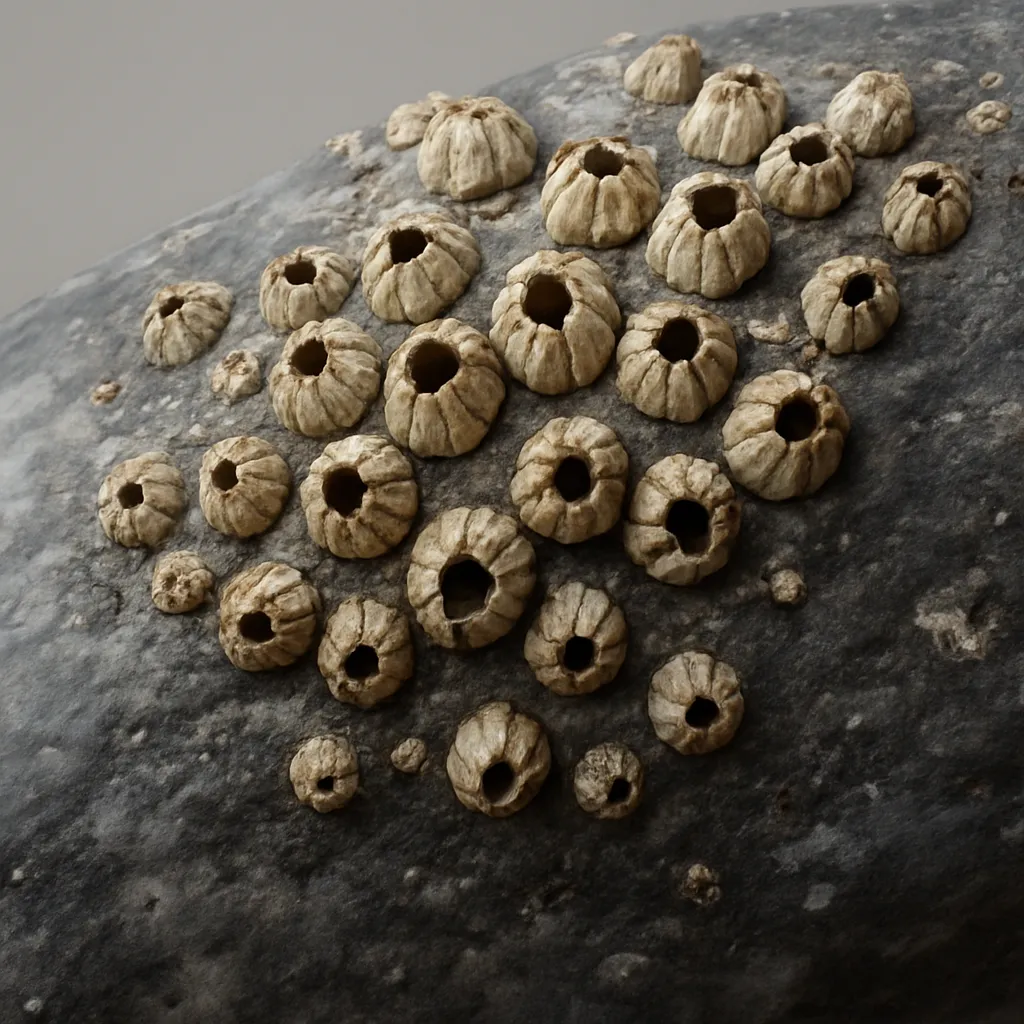
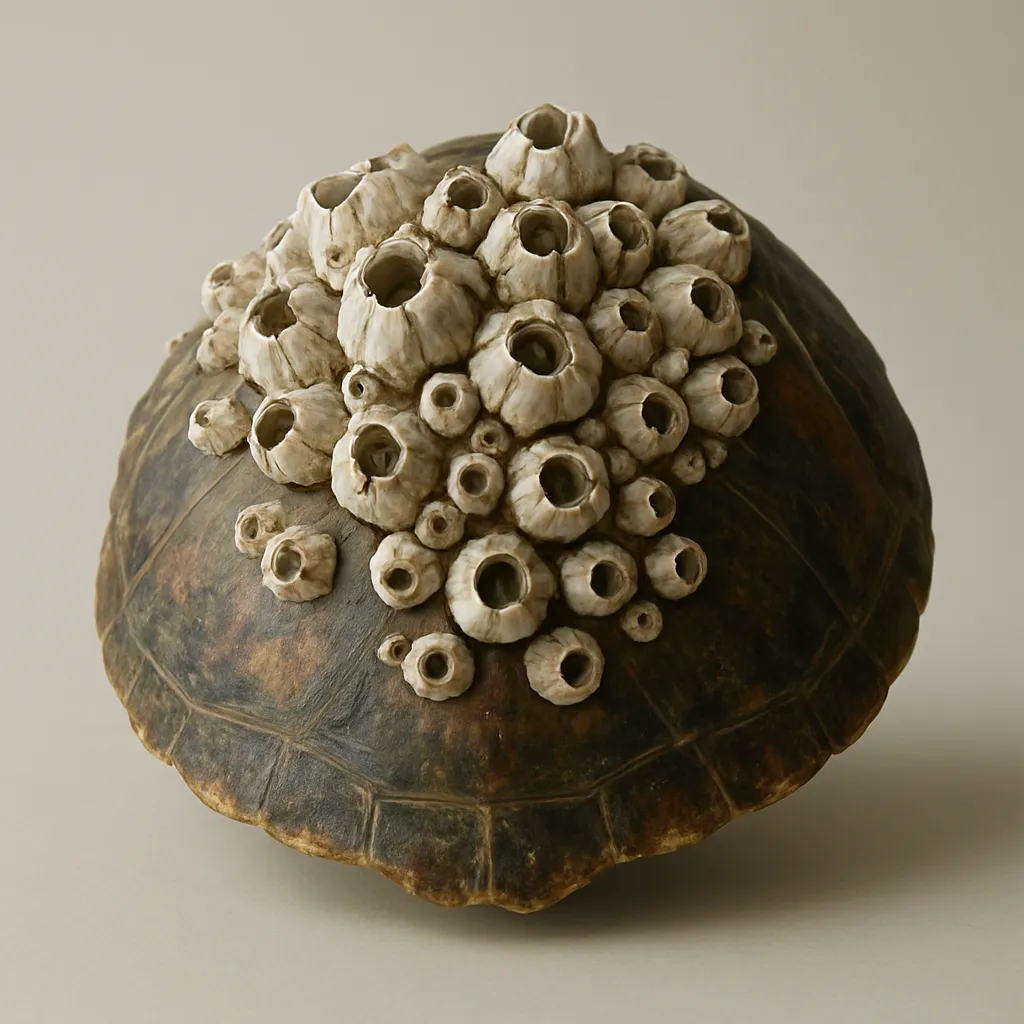
Barnacles attach to a whale and get carried to food-rich water, while the whale has no measurable change. What relationship is shown?
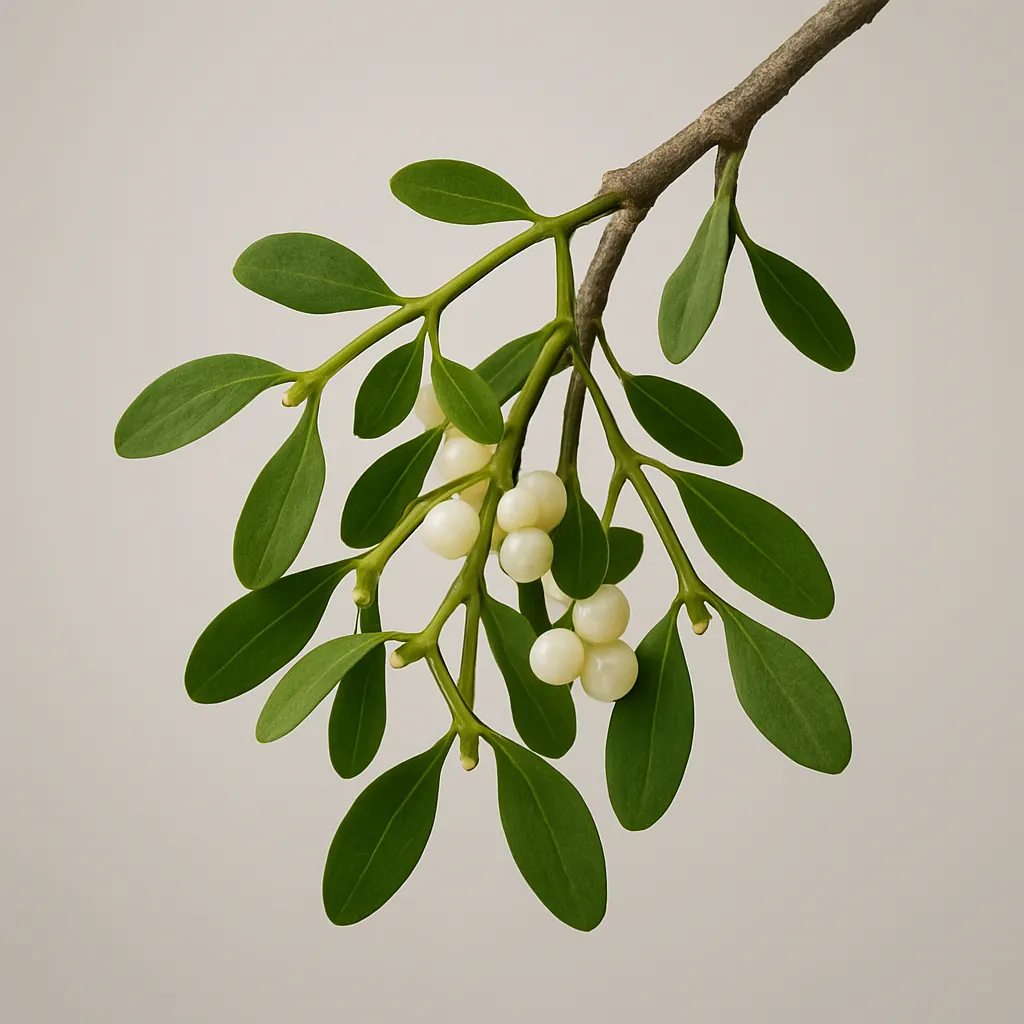
Mistletoe grows into a tree branch and takes water and nutrients, causing the branch to weaken. What interaction is this?
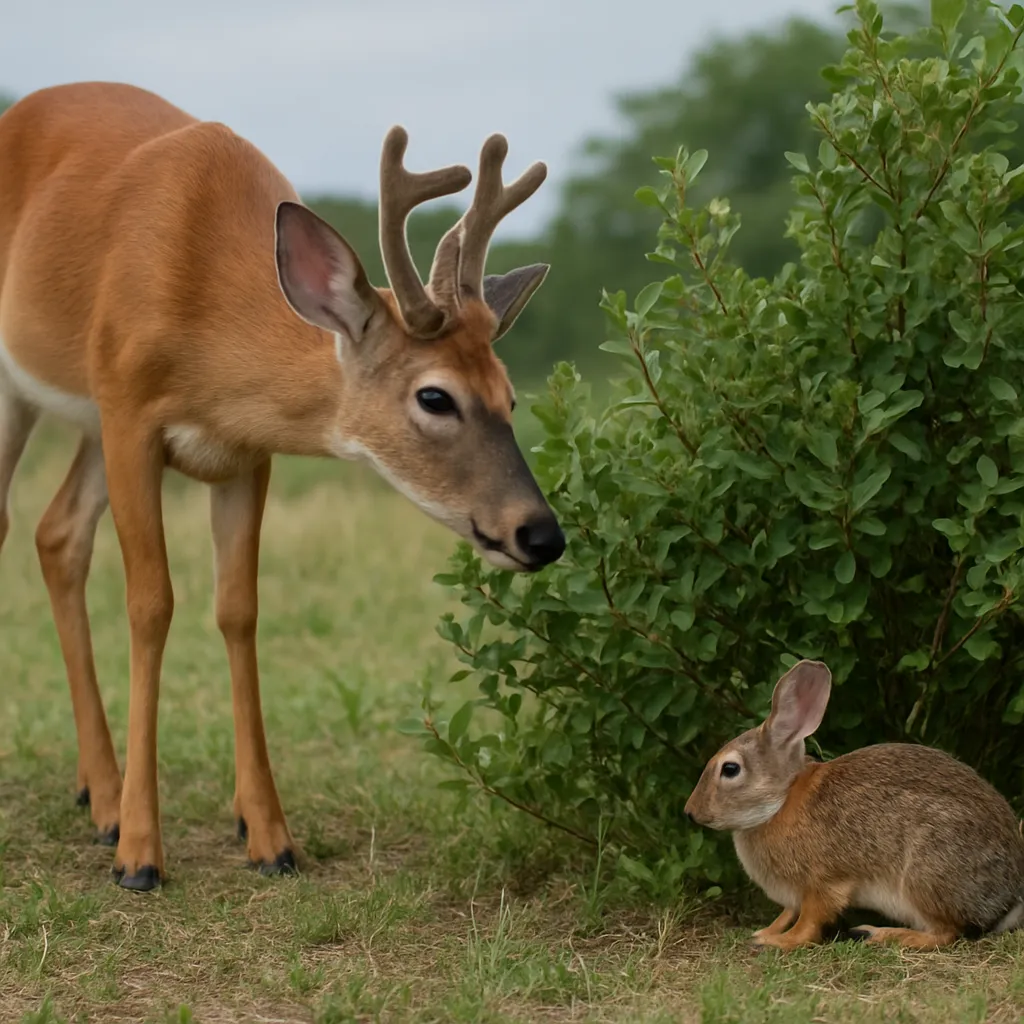
Deer and rabbits eat the same young shrubs in a forest. When shrubs are limited, both populations grow more slowly. What relationship is shown?
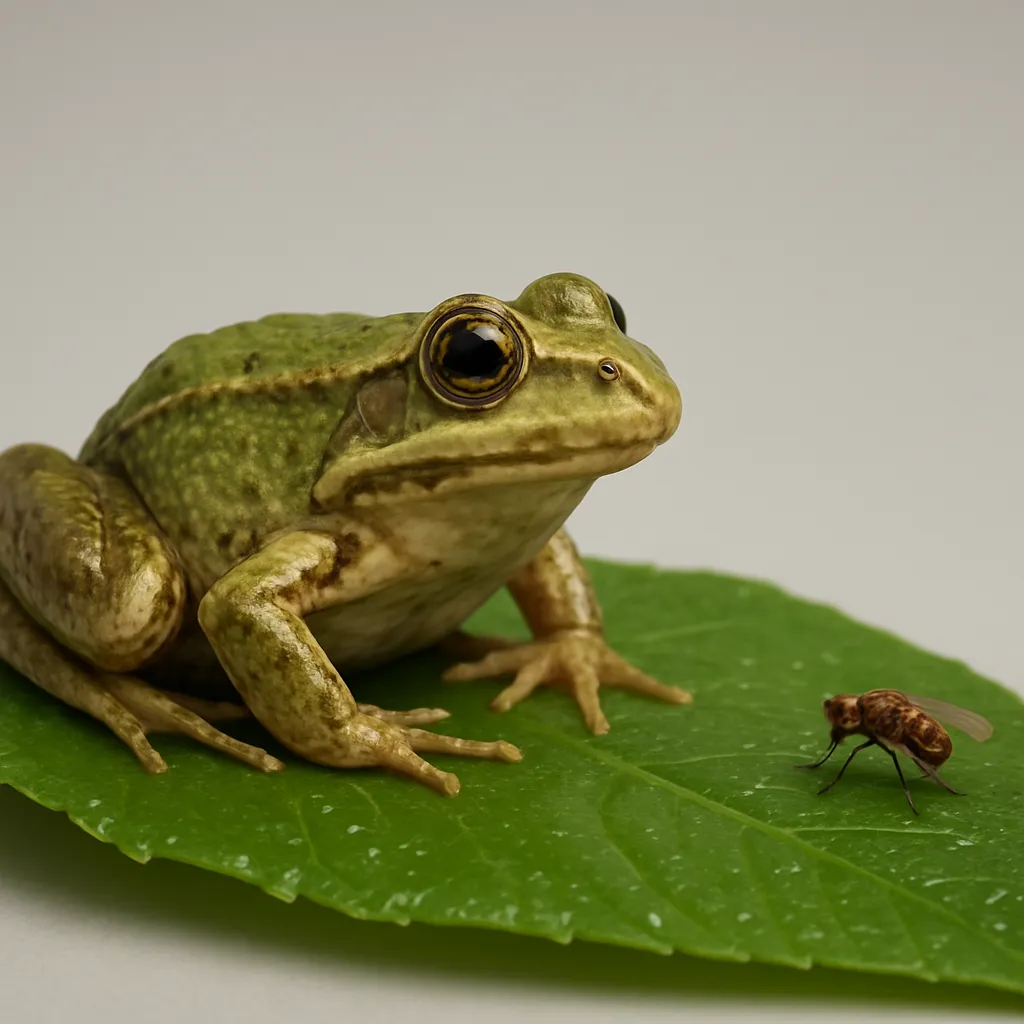
A frog catches insects at a pond edge and uses them for food. What interaction connects the frog and insects?
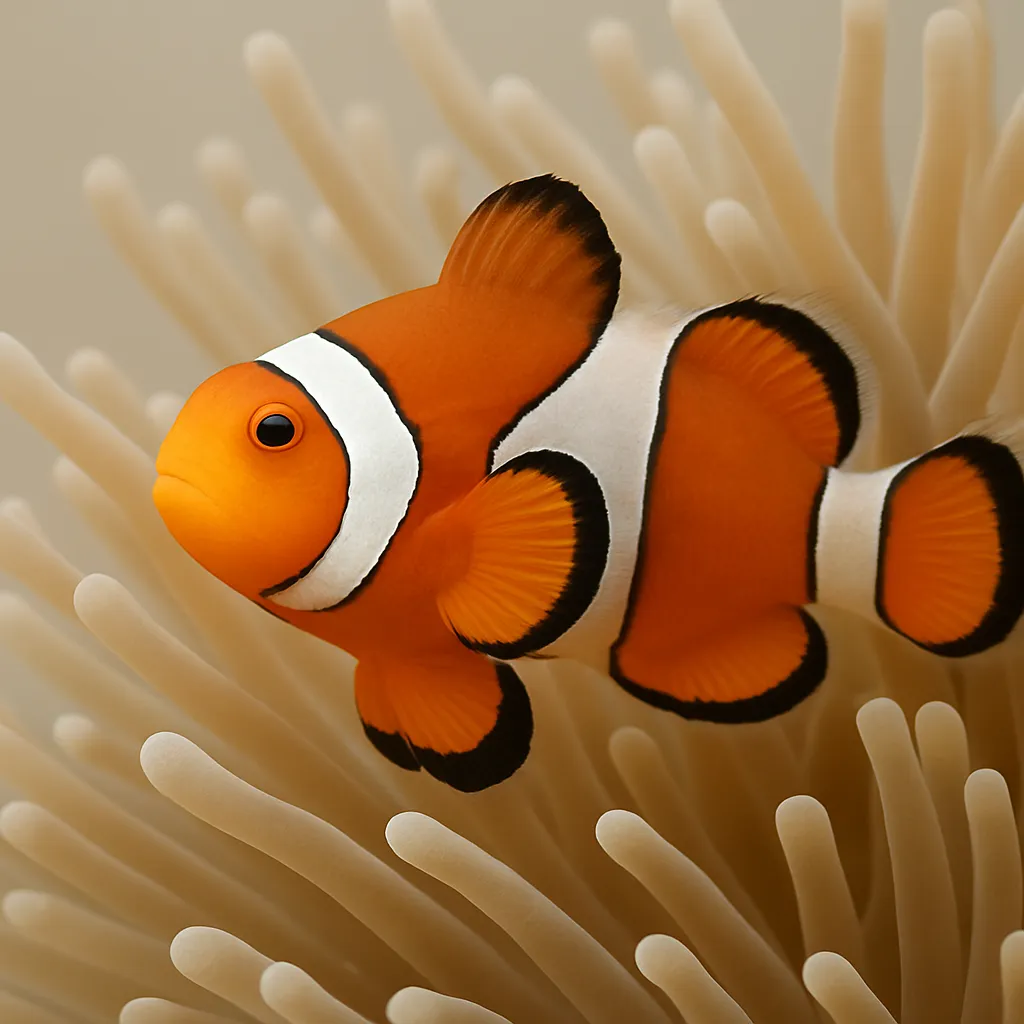
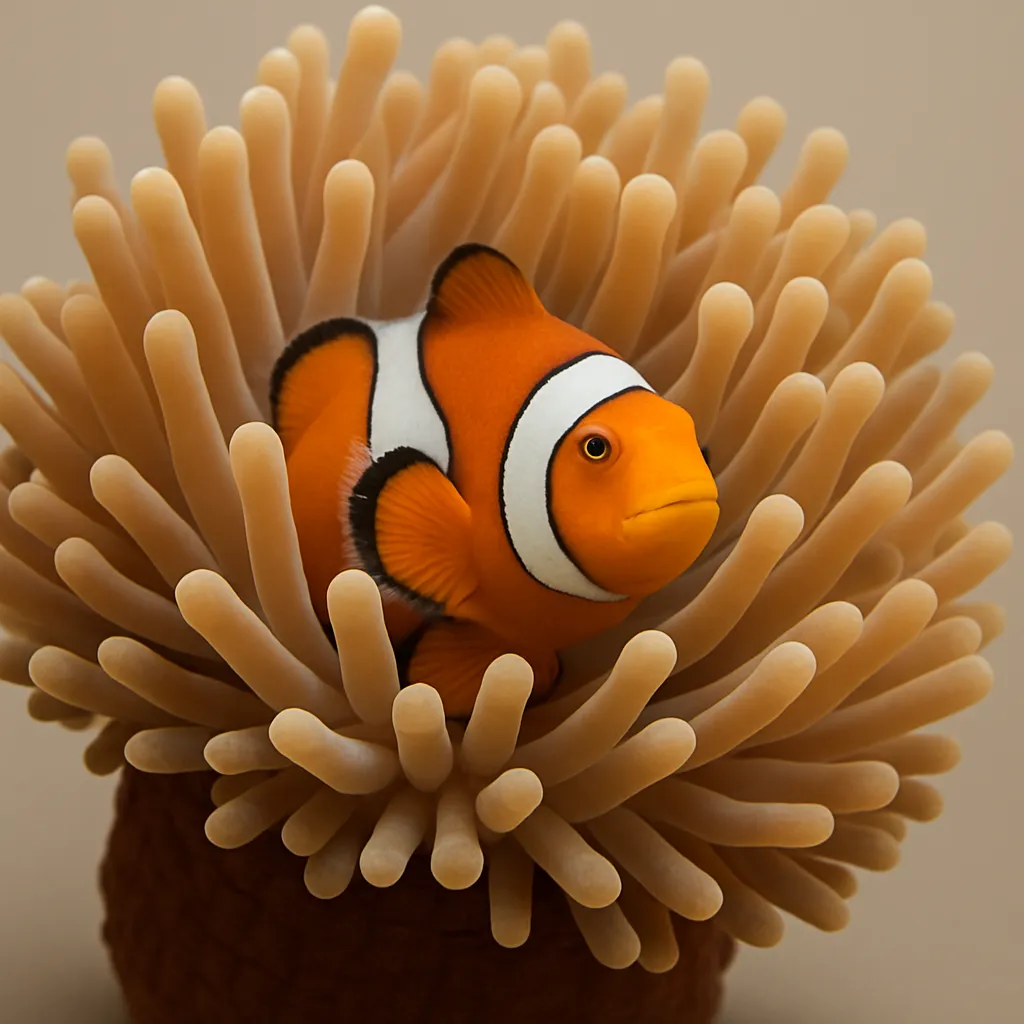
Clownfish gain shelter among sea anemone tentacles, and the anemone gets food scraps and cleaning. Which relationship fits?
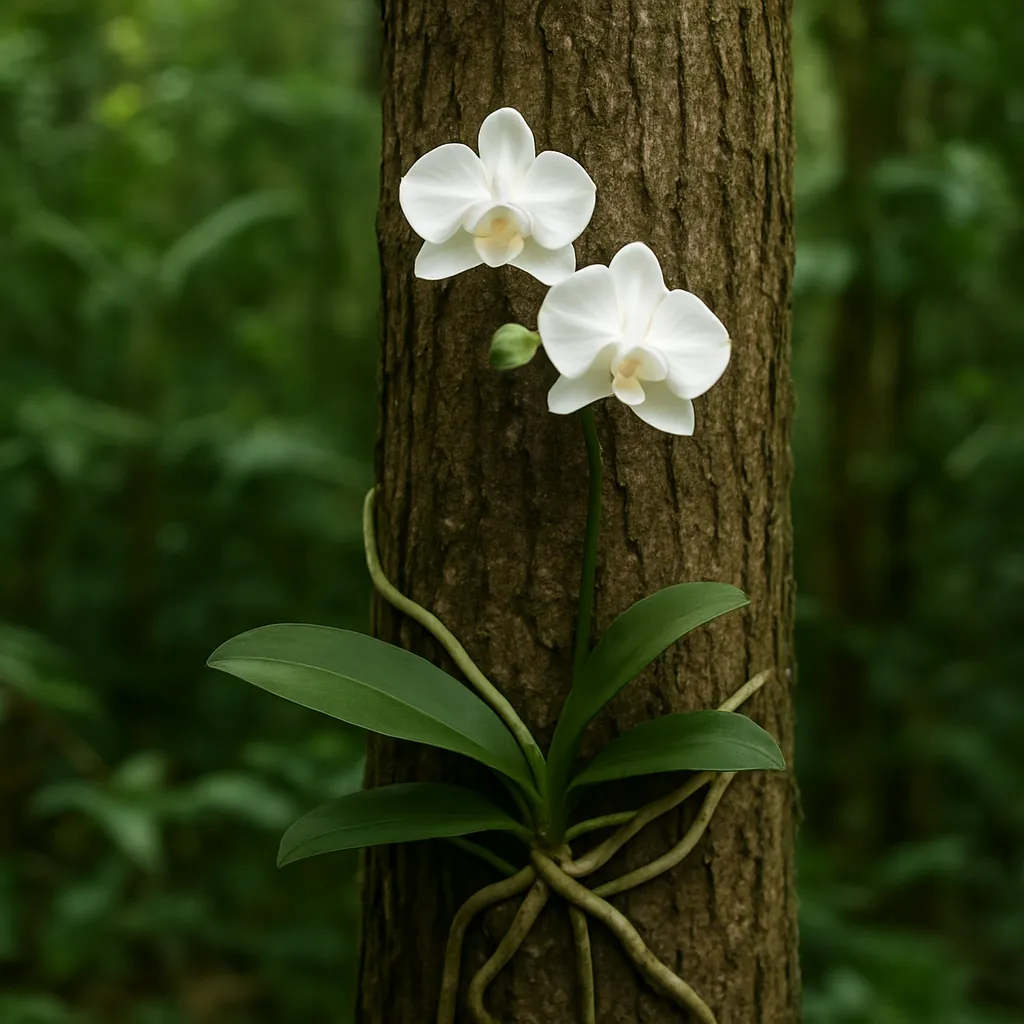
An orchid grows on a tree trunk to reach sunlight, but it does not take nutrients from the tree. What relationship is shown?
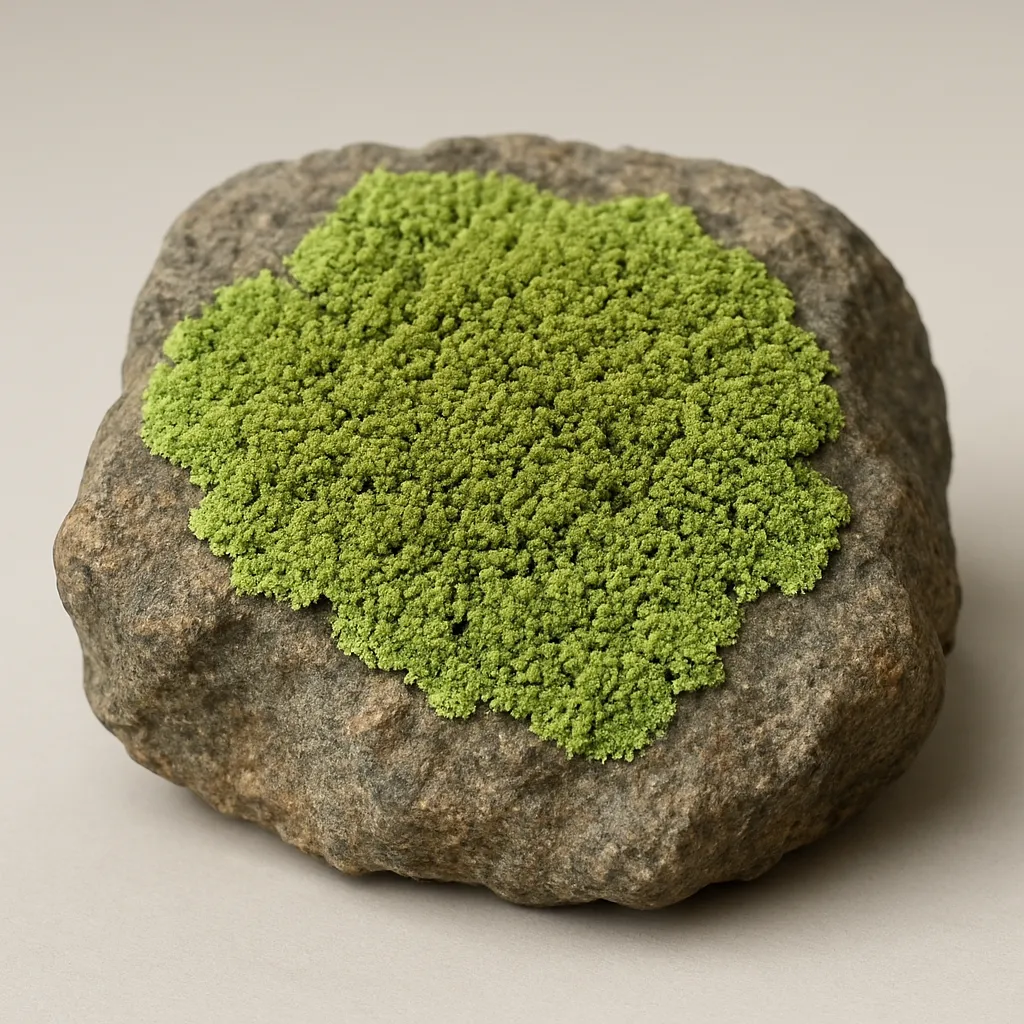
In a lichen, a fungus provides structure and moisture while algae make sugars by photosynthesis. What relationship is this?
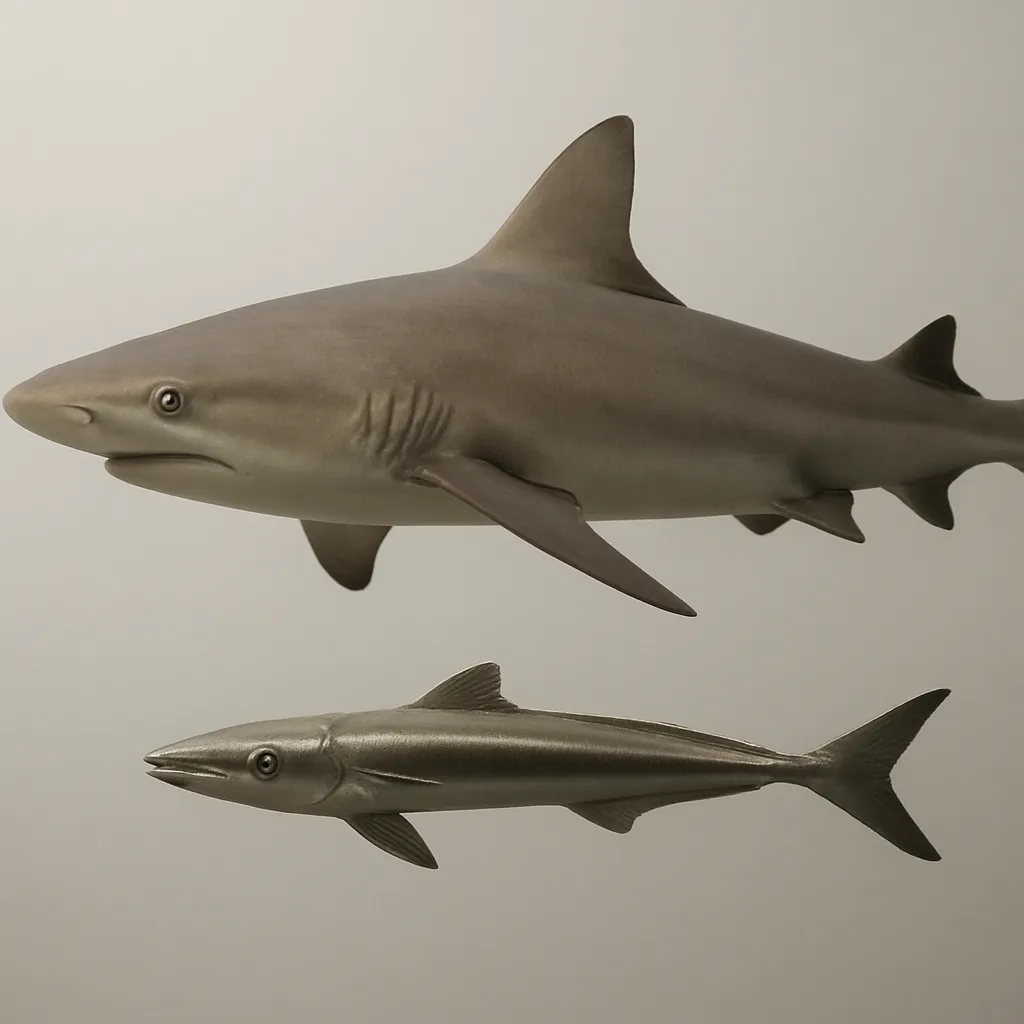
A remora fish eats scraps near a shark and gains transportation, while the shark is not affected. What relationship is shown?
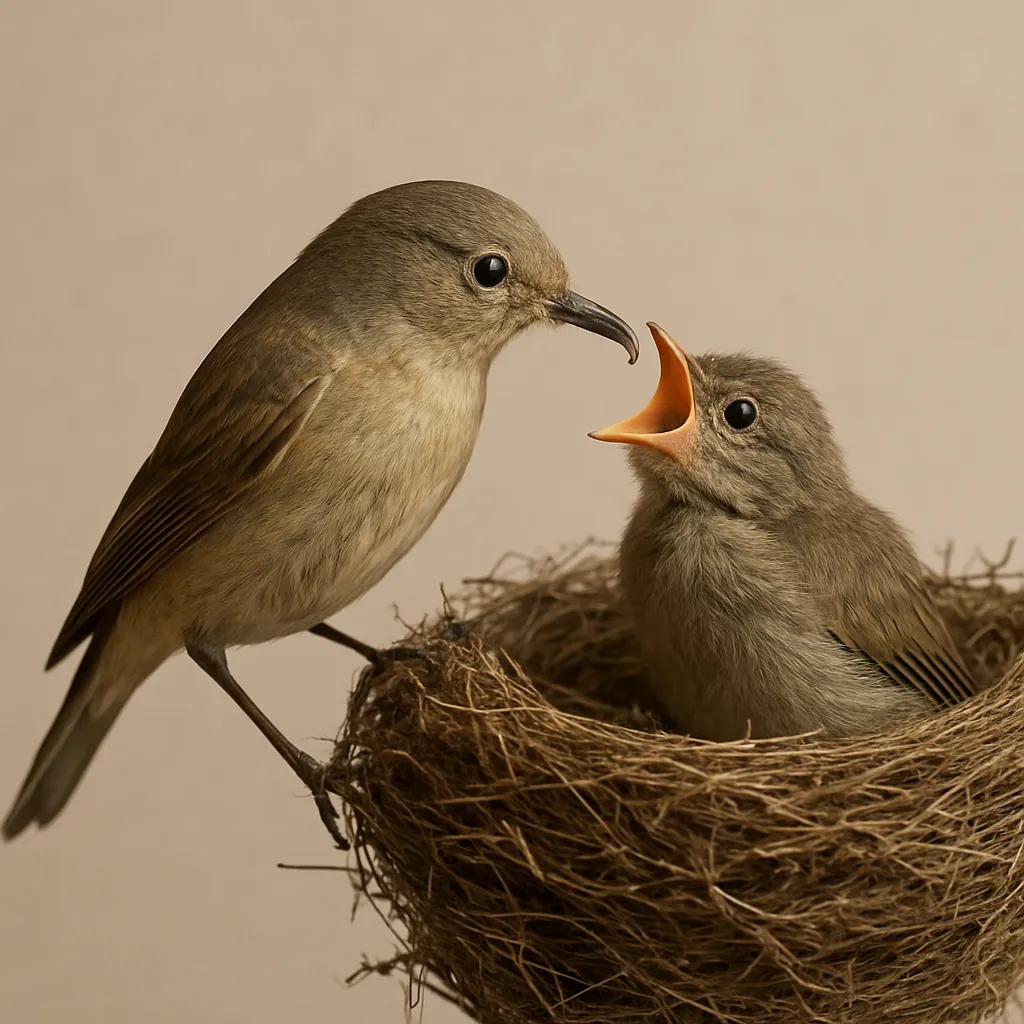
A cowbird lays eggs in a warbler nest, and the warbler raises fewer of its own chicks. What relationship is shown?
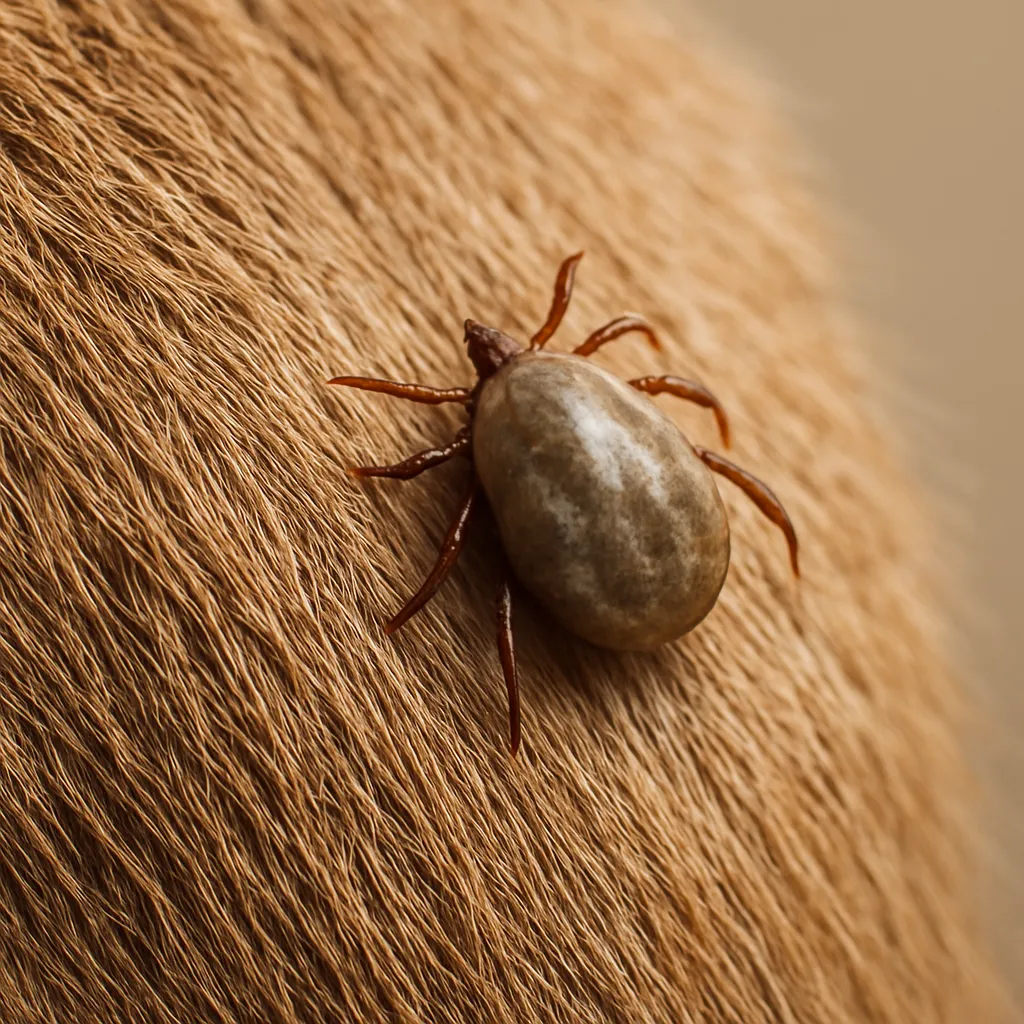
Ticks feed on blood from deer, and deer can lose energy or get infections. Which benefit-harm pattern fits?
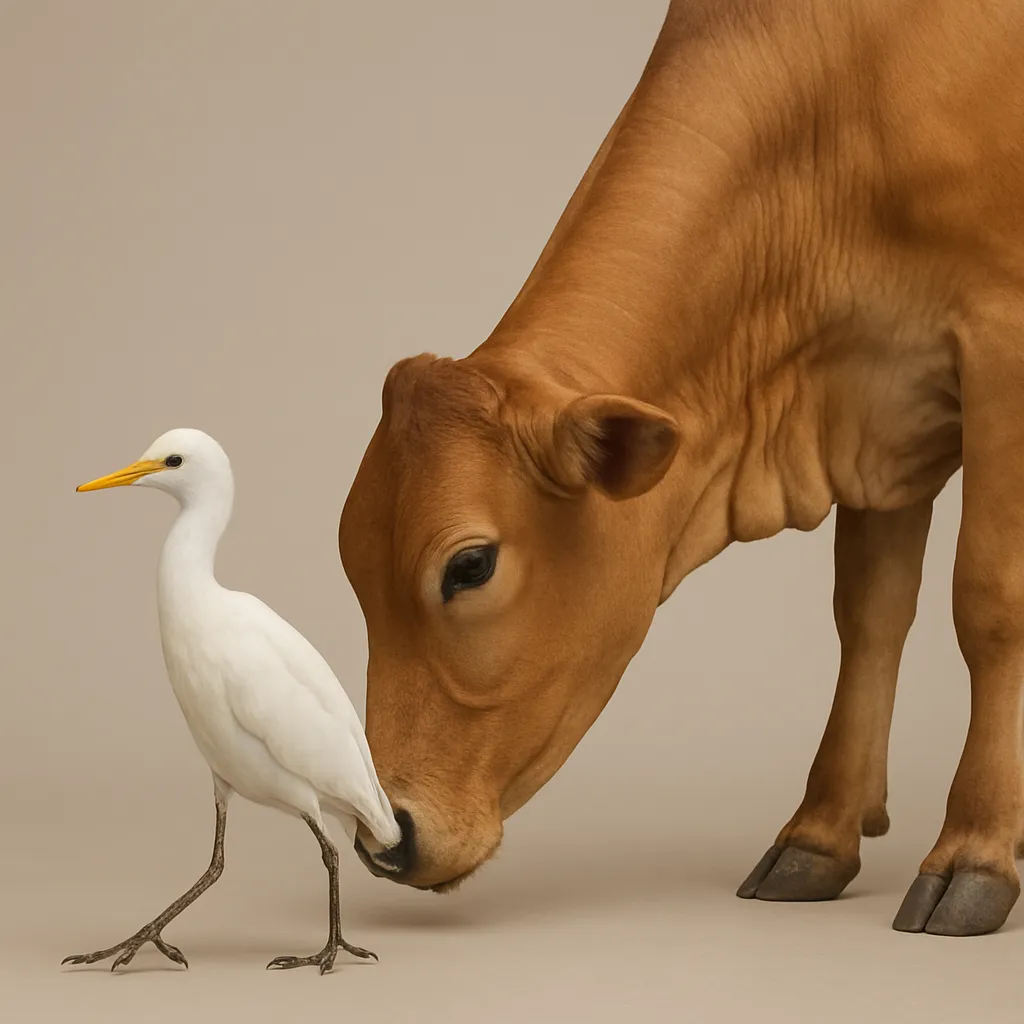
Cattle egrets catch insects stirred up by grazing cattle, while cattle show no clear effect. Who benefits?
Fungi on plant roots absorb minerals for the plant, and the plant gives the fungi sugars. Which pattern fits?
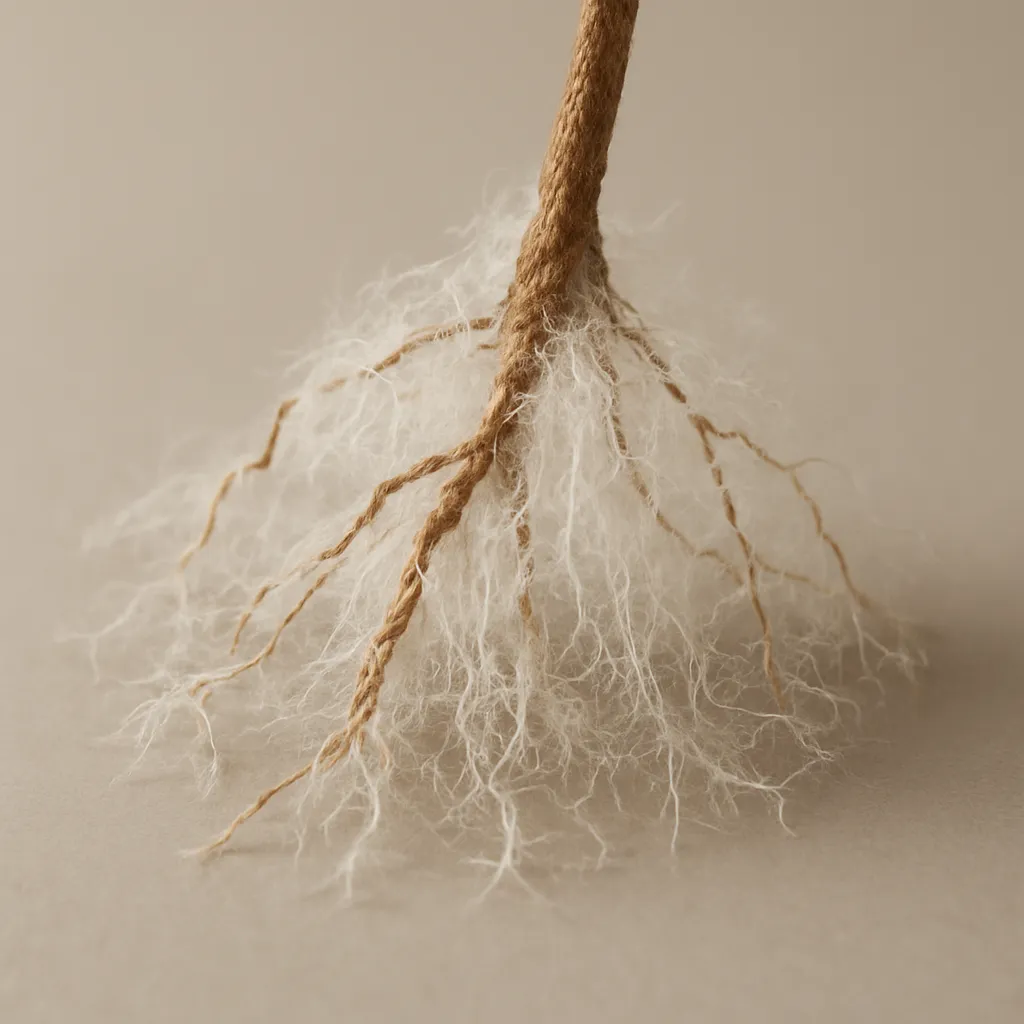
Aphids suck sap from rose plants, and the roses grow more slowly. Which pattern fits?
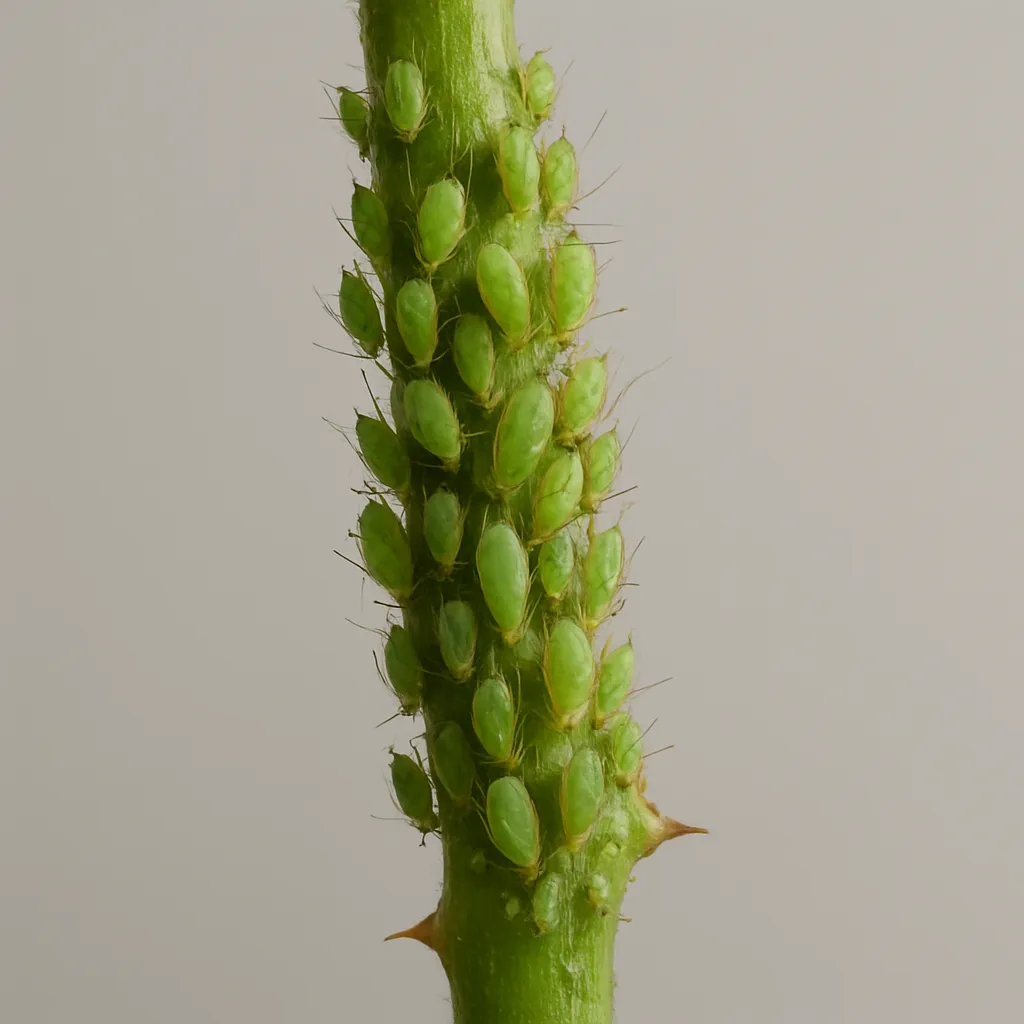
Wolves hunt elk and eat them. For the individuals directly involved, which benefit-harm pattern fits?
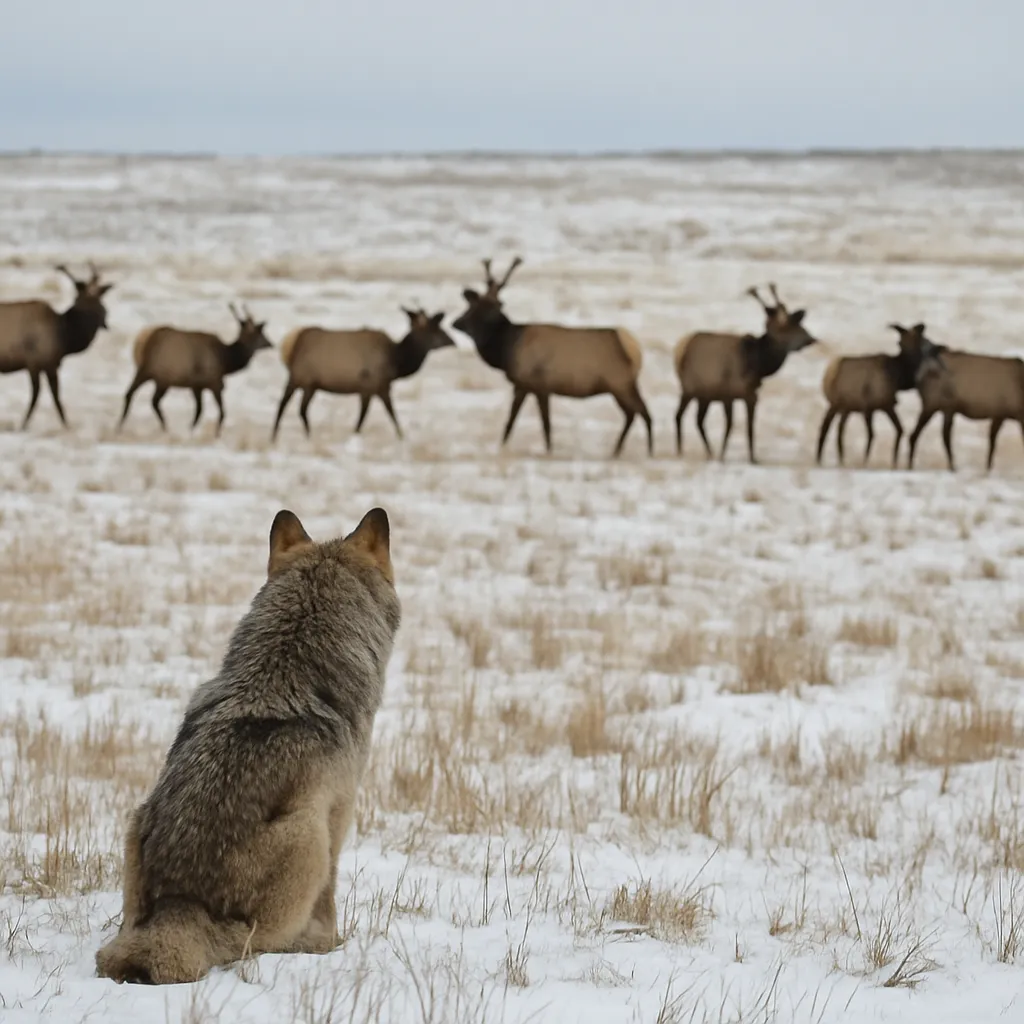
Two algae species need the same light and nutrients in a pond, and each grows less when together. Which pattern fits?
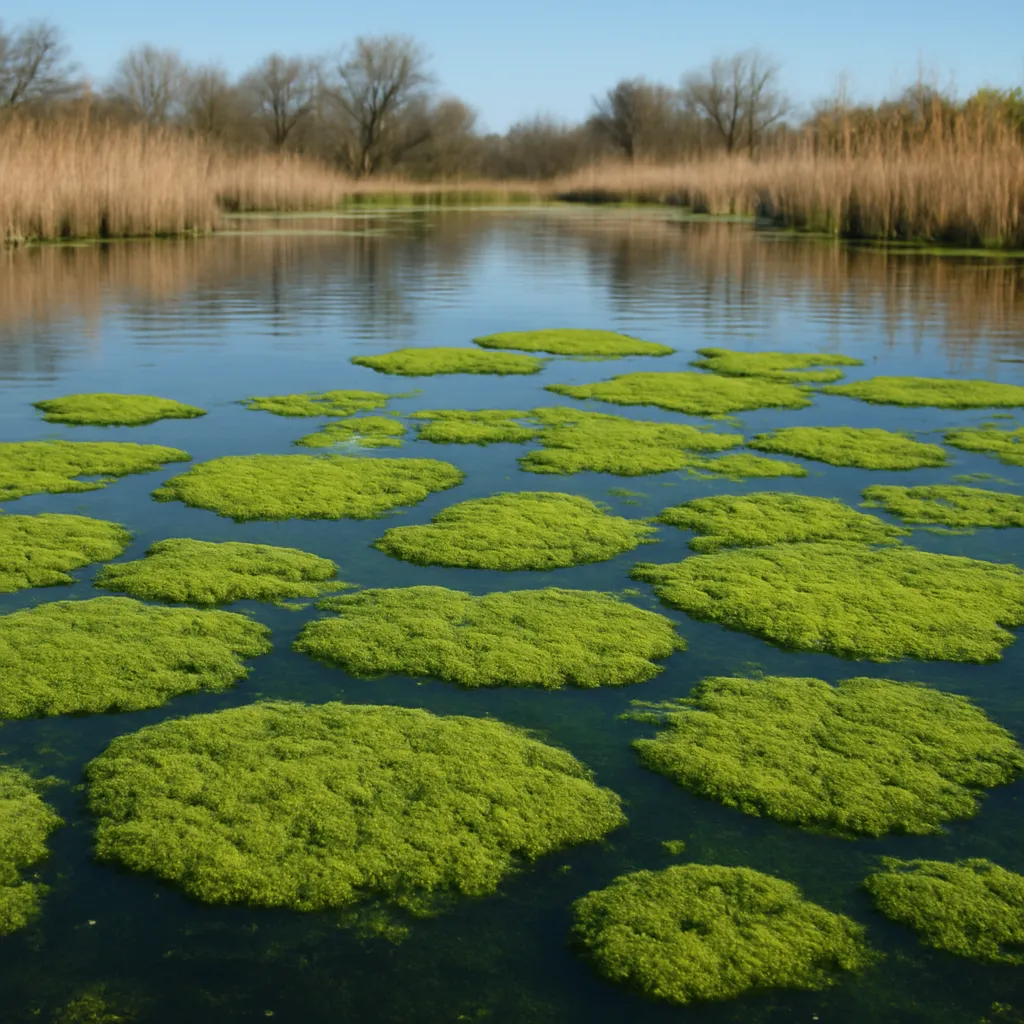
Clownfish live in sea anemones. Which evidence would best show that the anemone also benefits?
Barnacles ride on sea turtle shells and filter food from the water. The turtle's movement and growth are unchanged. Which pattern fits?
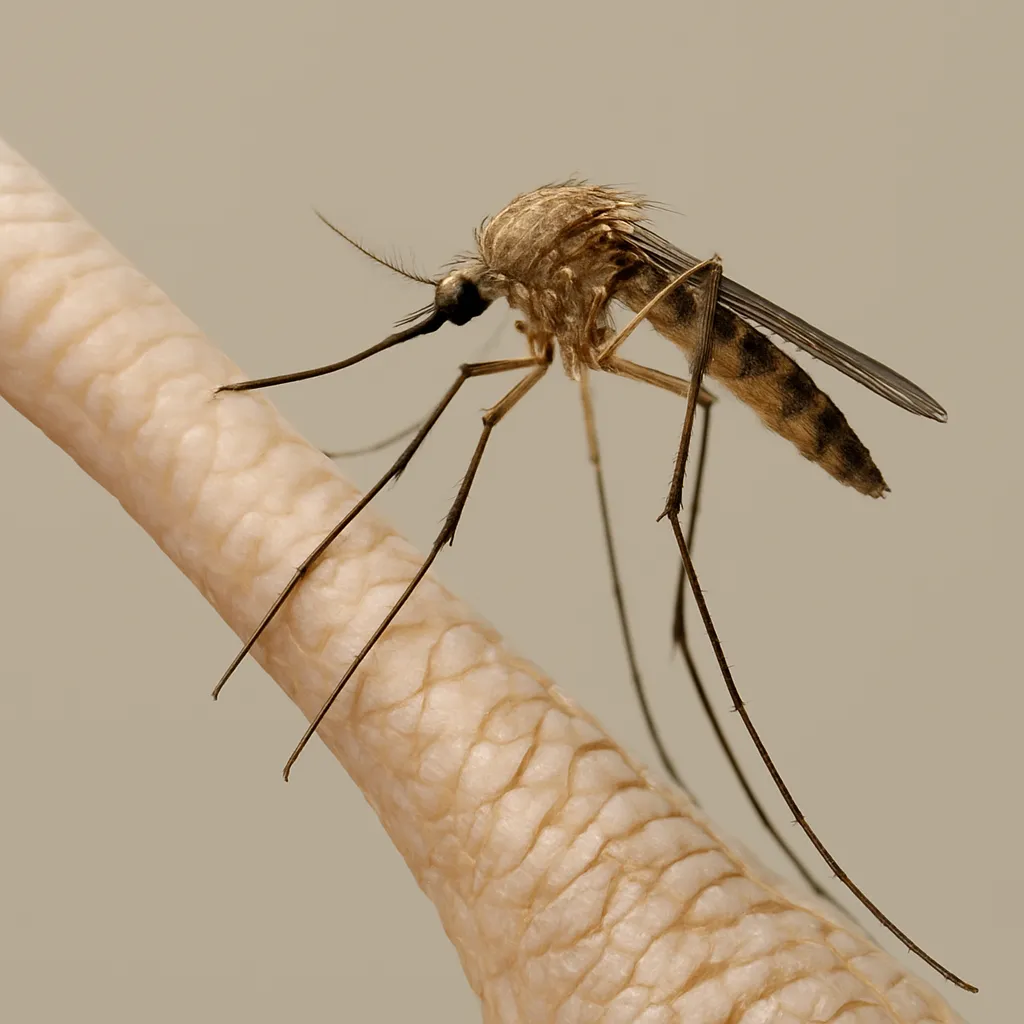
A mosquito feeds on a bird's blood, and the bird loses blood and may receive disease germs. Which pattern fits?
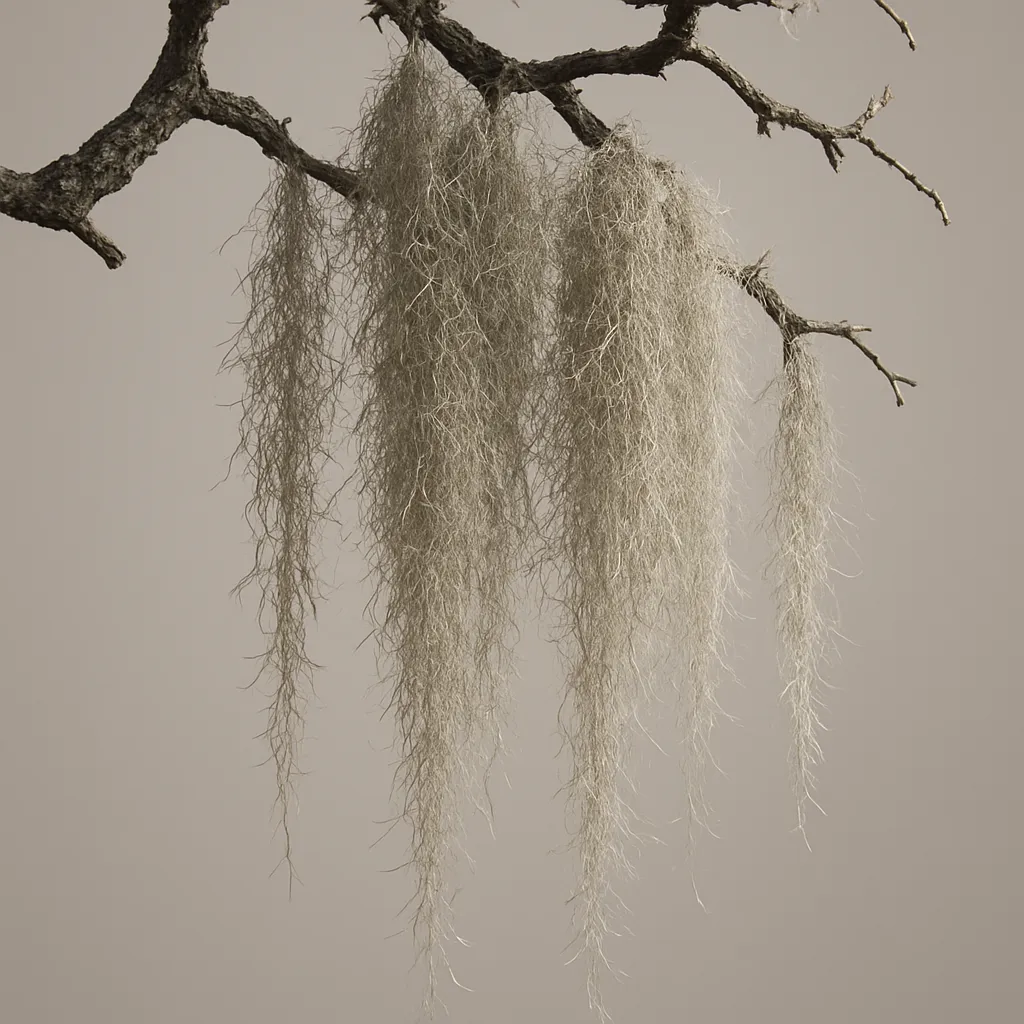
Spanish moss hangs from oak branches to reach light, and the oak's growth is unchanged. Which benefit-harm pattern fits?
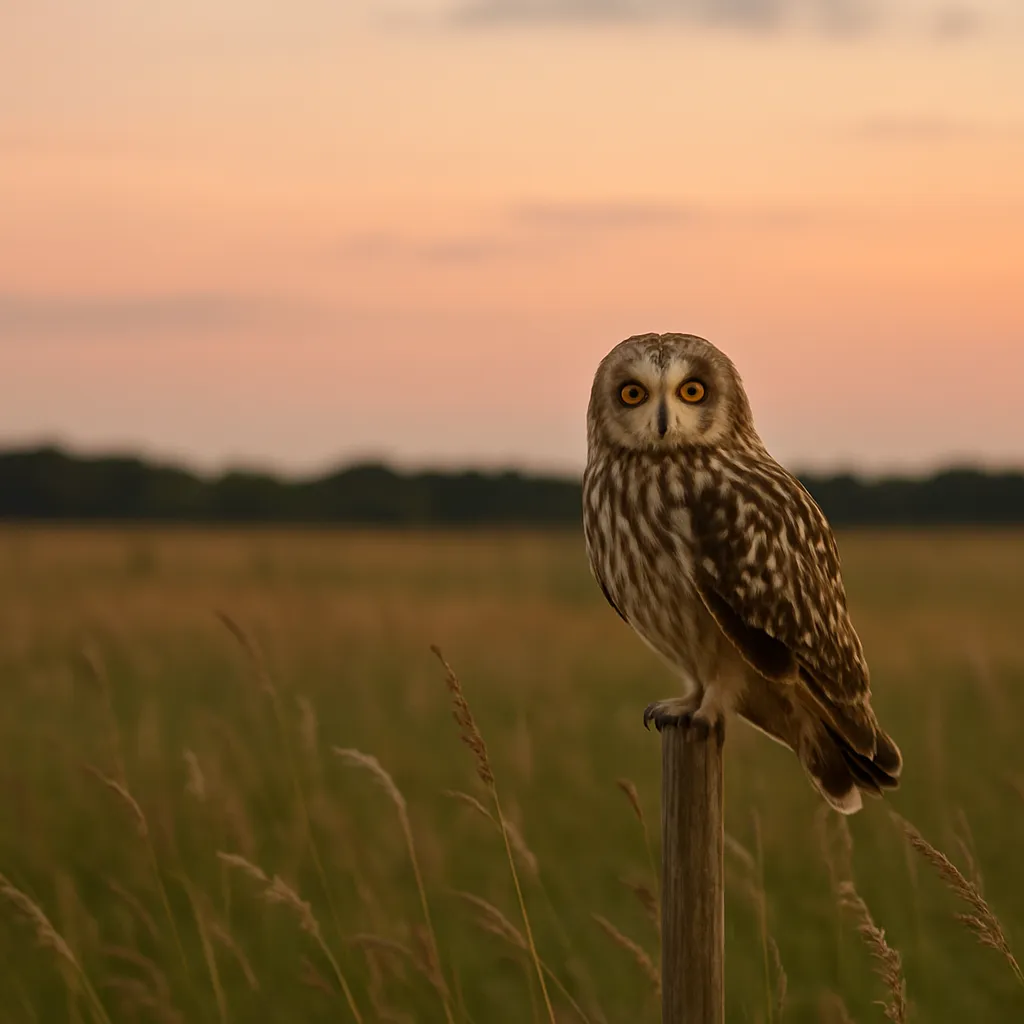
Owls eat field mice. If the owl population increases for one season, what short-term change is most likely?
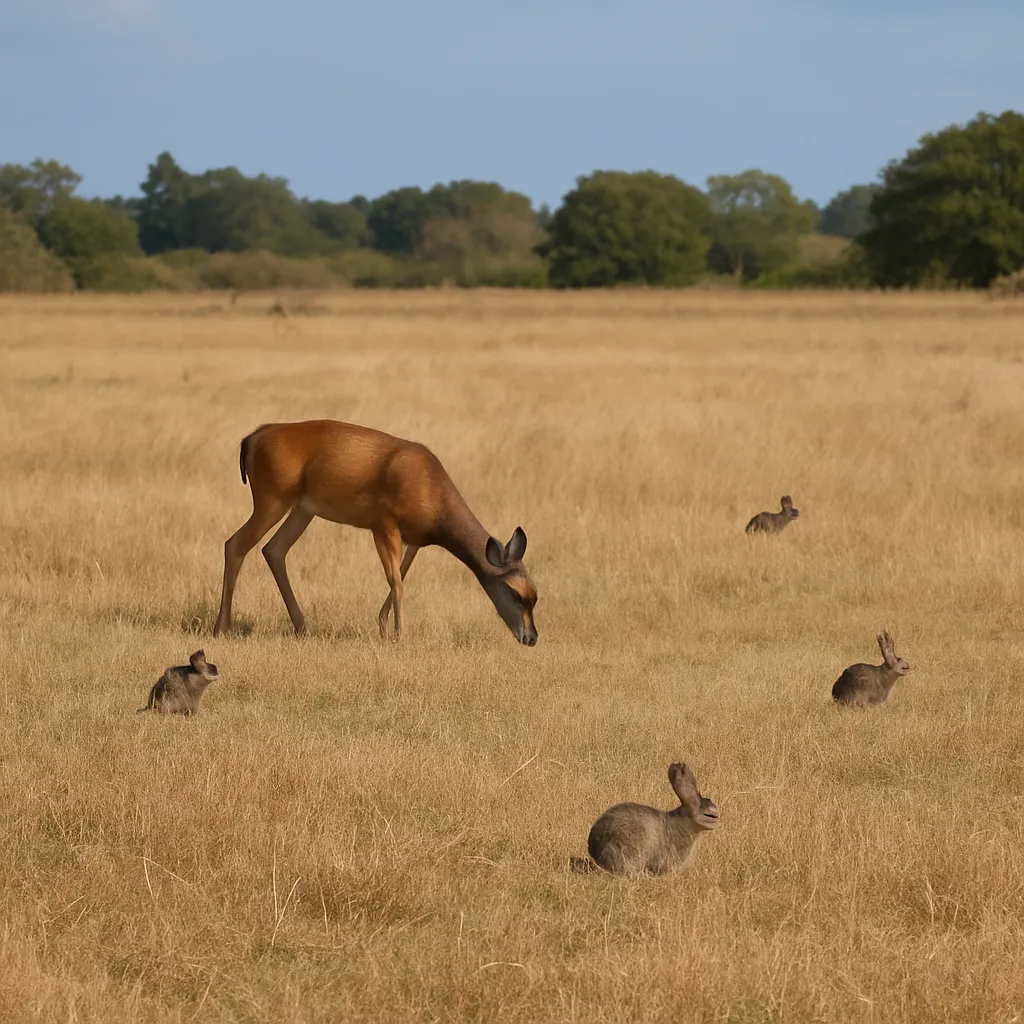
Deer and rabbits both depend on grass. During a drought, grass becomes scarce. What population effect is most likely?
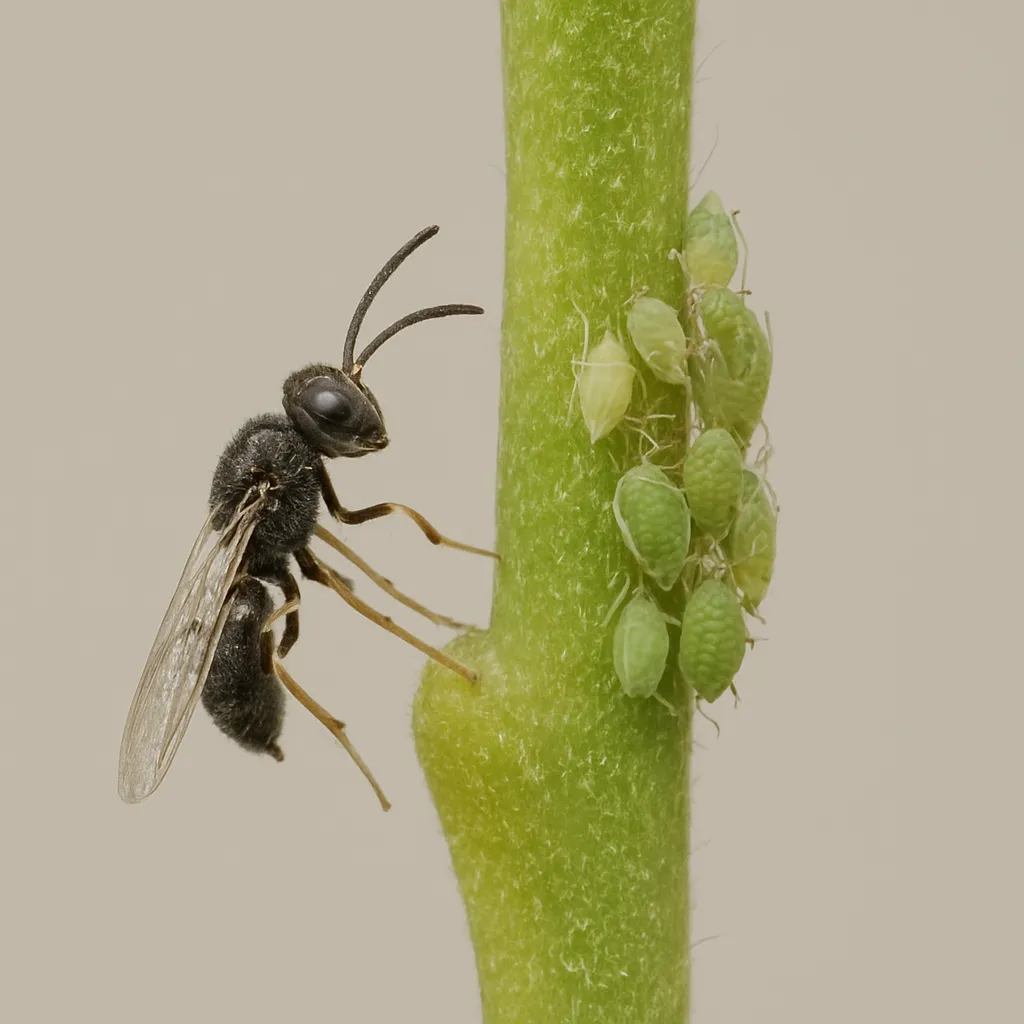
Tiny wasps lay eggs in aphids, killing many aphids. If the wasp population rises, what is most likely to happen to aphids?
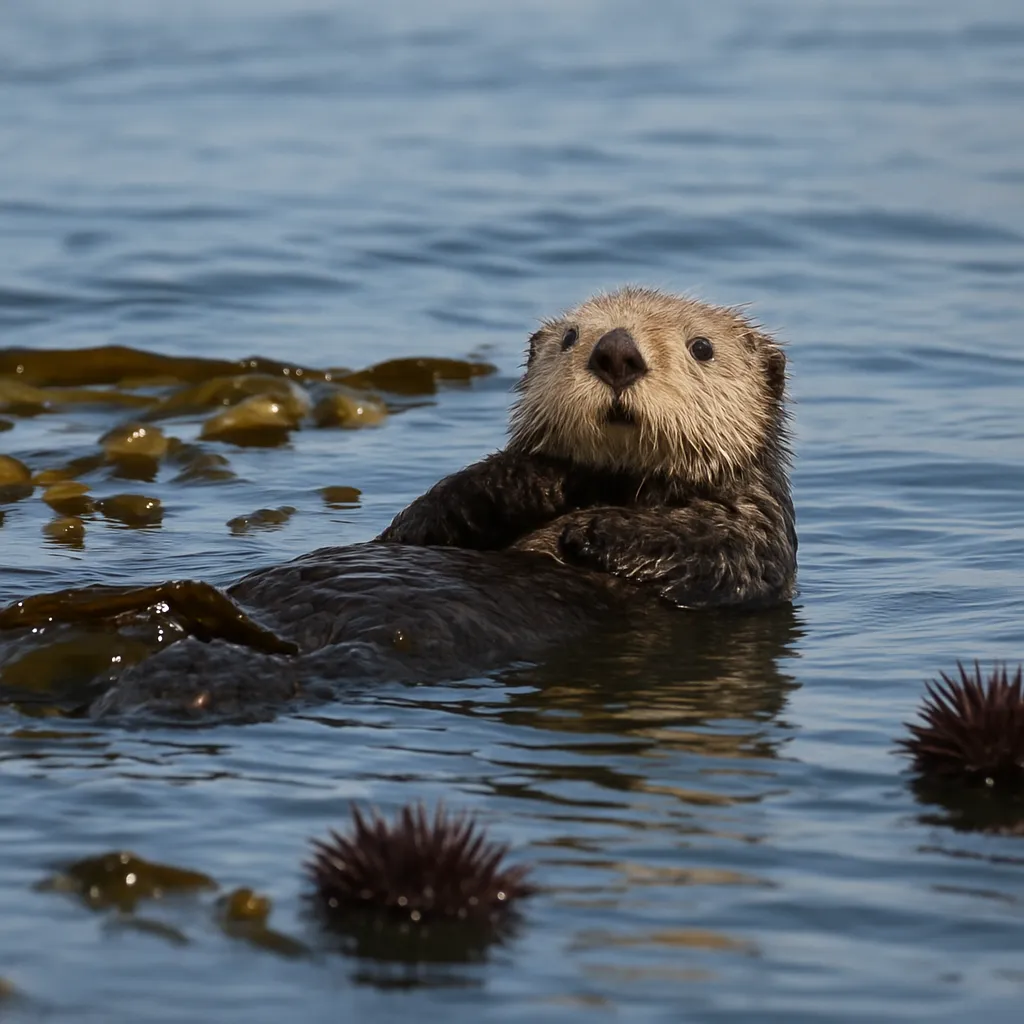
Sea otters eat sea urchins. If sea otters decline sharply, what short-term change is most likely for sea urchins?
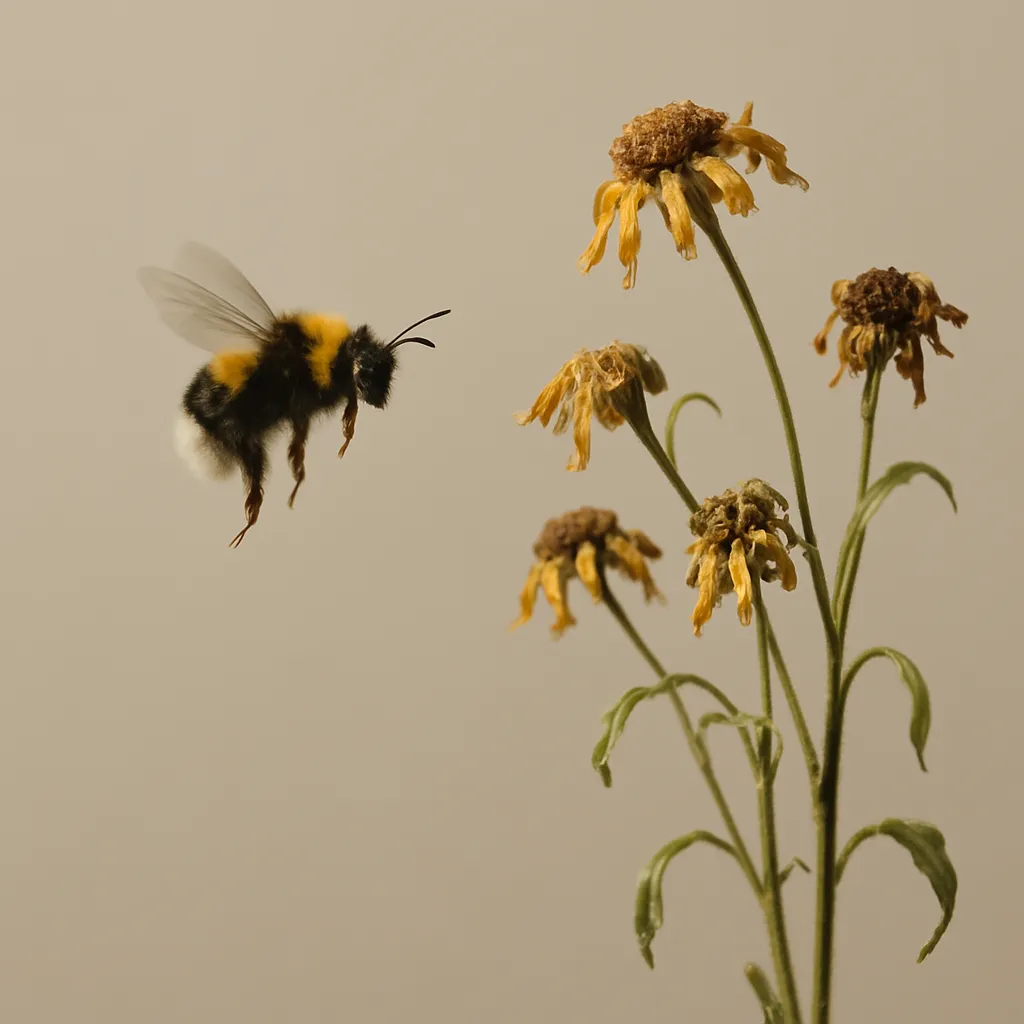
A bee population mainly gathers food from one wildflower species. If those flowers decline sharply, what is likely to happen to the bees?
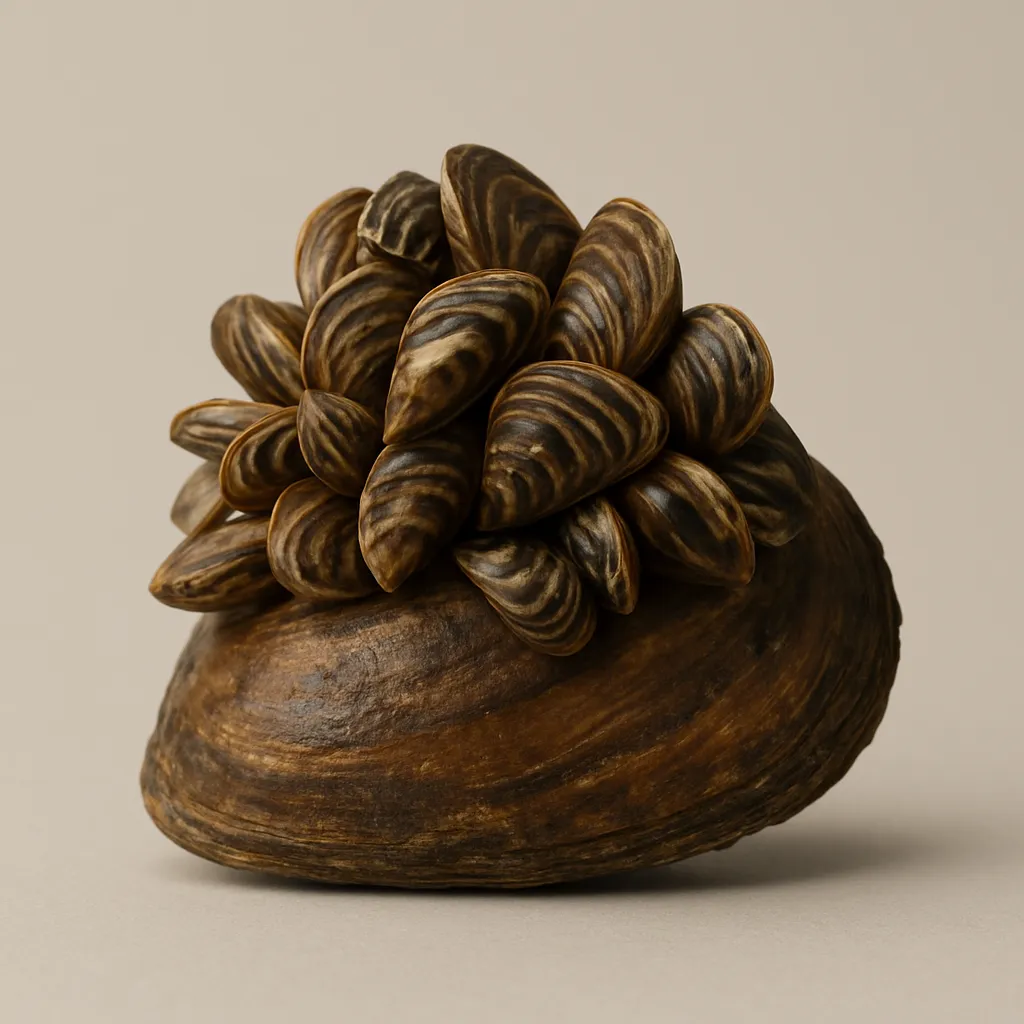
Invasive zebra mussels compete with native mussels for space and food. If zebra mussels spread, what is most likely for native mussels?
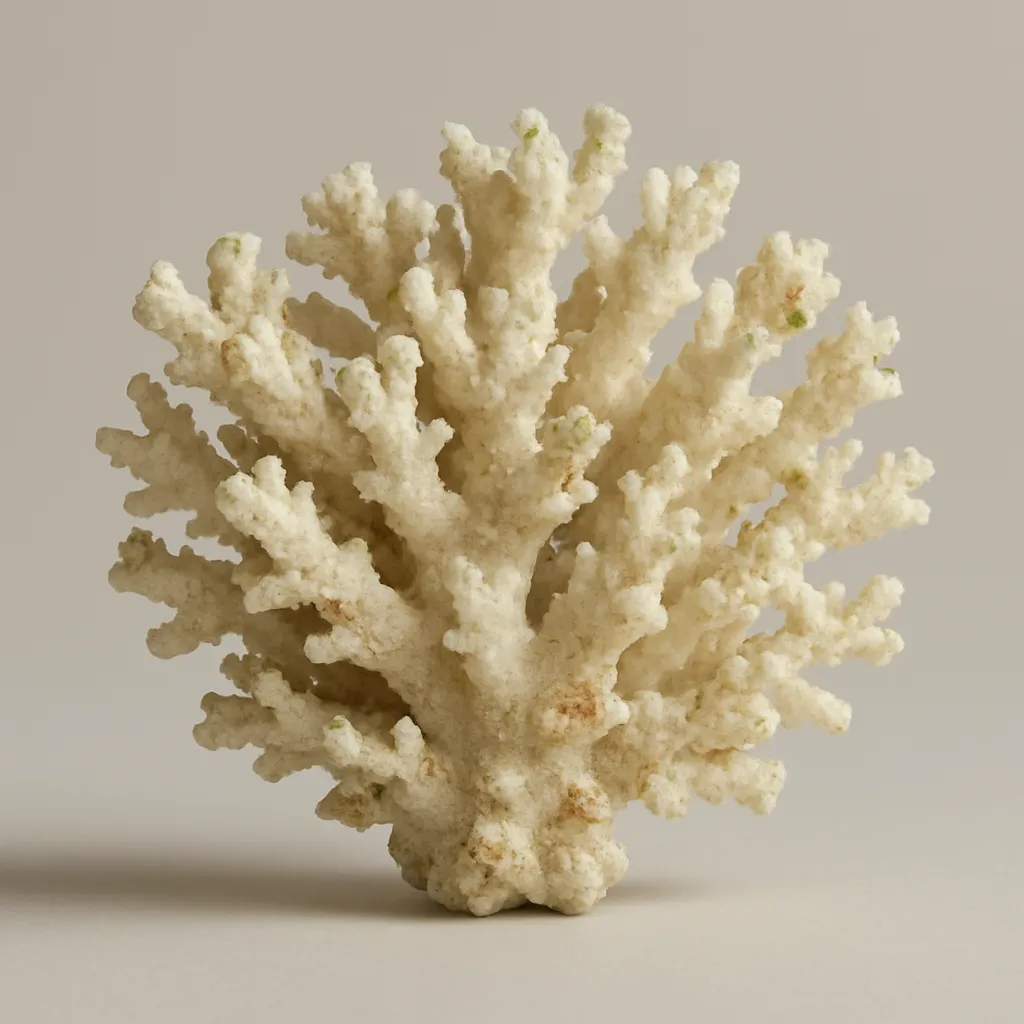
Coral depends on algae living inside it for much of its food. If heat causes the algae to leave, what is most likely?
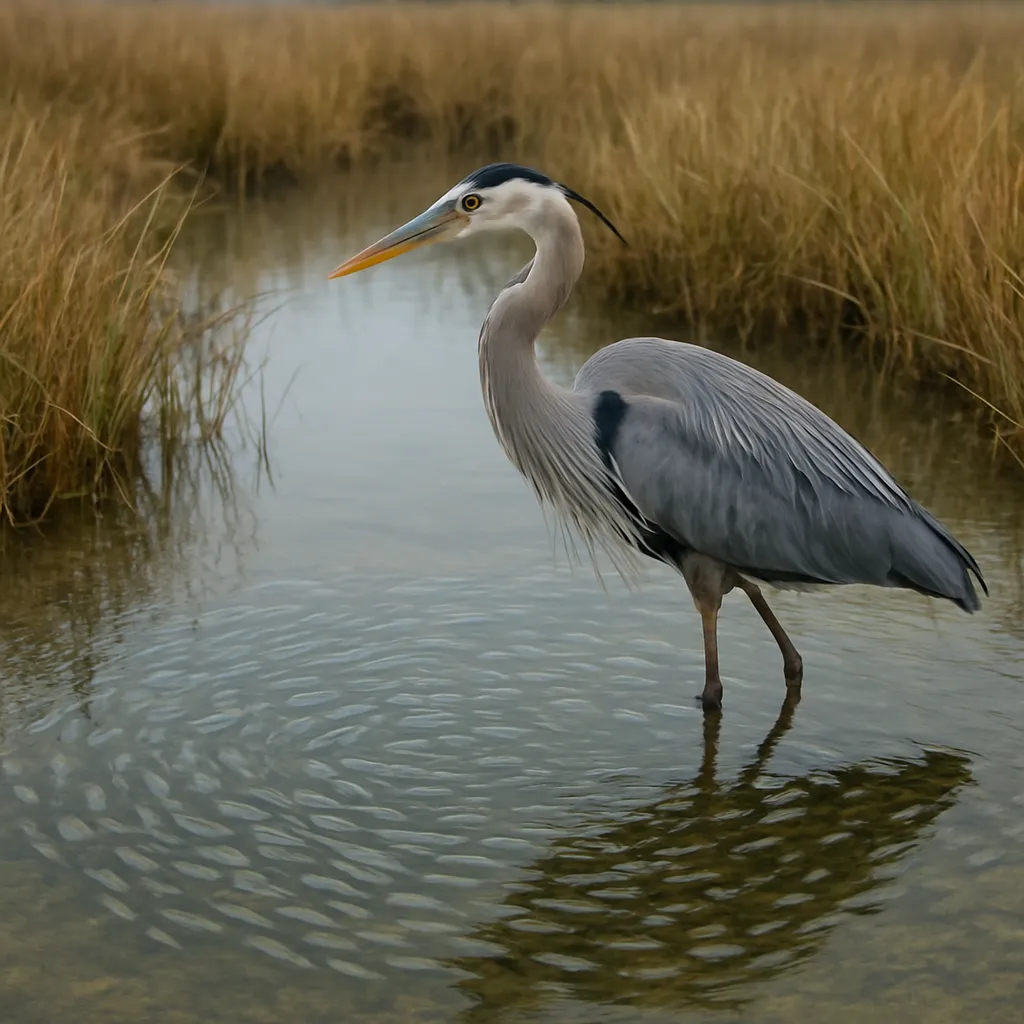
Herons eat small fish in a marsh. If small fish become more abundant, what heron change could follow?
A treatment removes many ticks from deer in a forest. If other conditions stay similar, what deer effect is most likely?
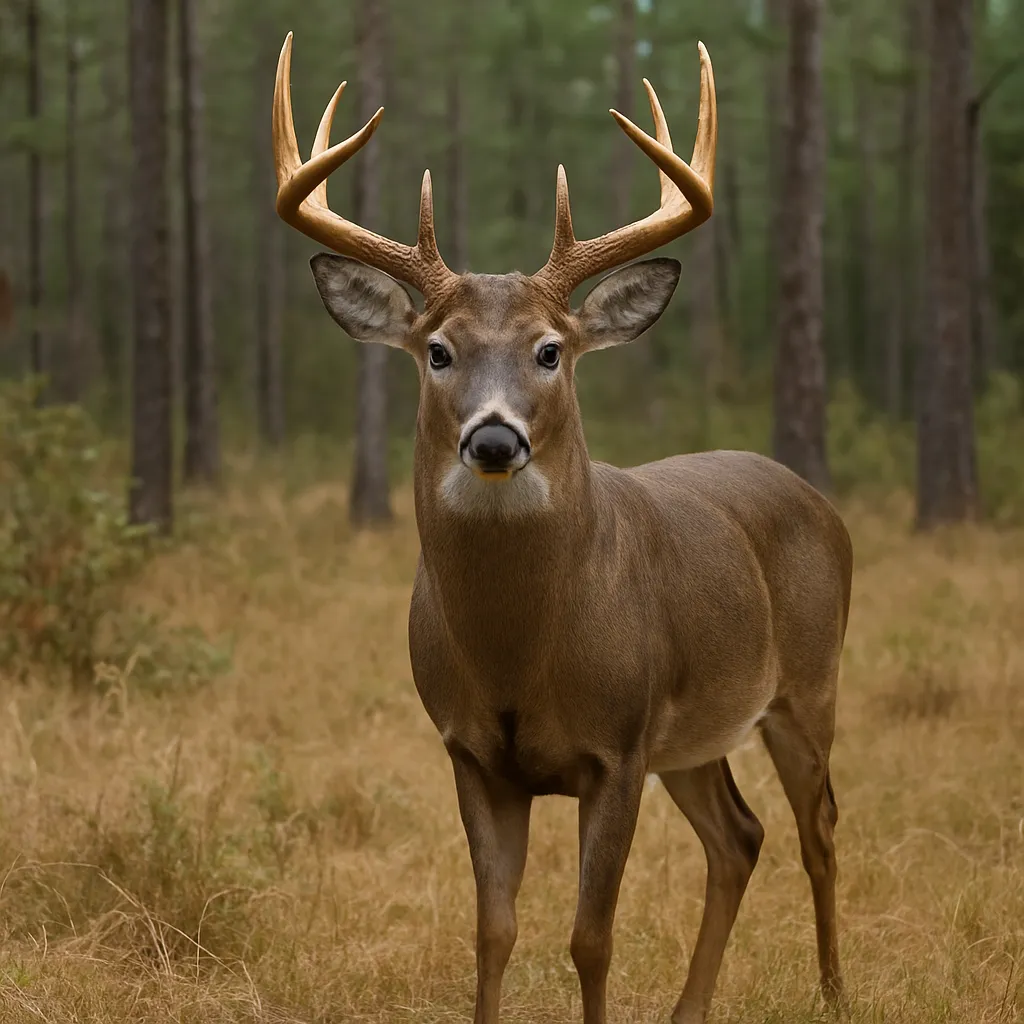
Large cavity trees are removed, leaving fewer nest sites for two bird species. What population effect is most likely?
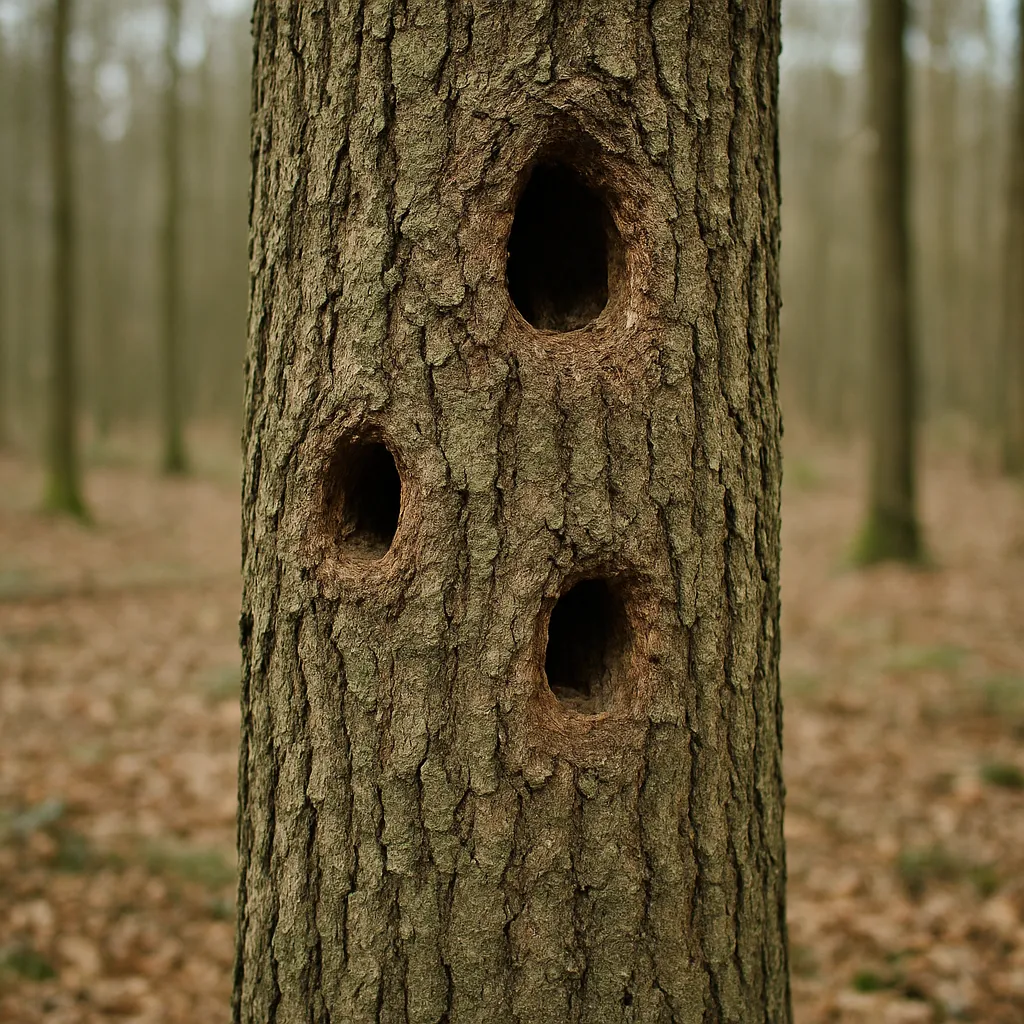
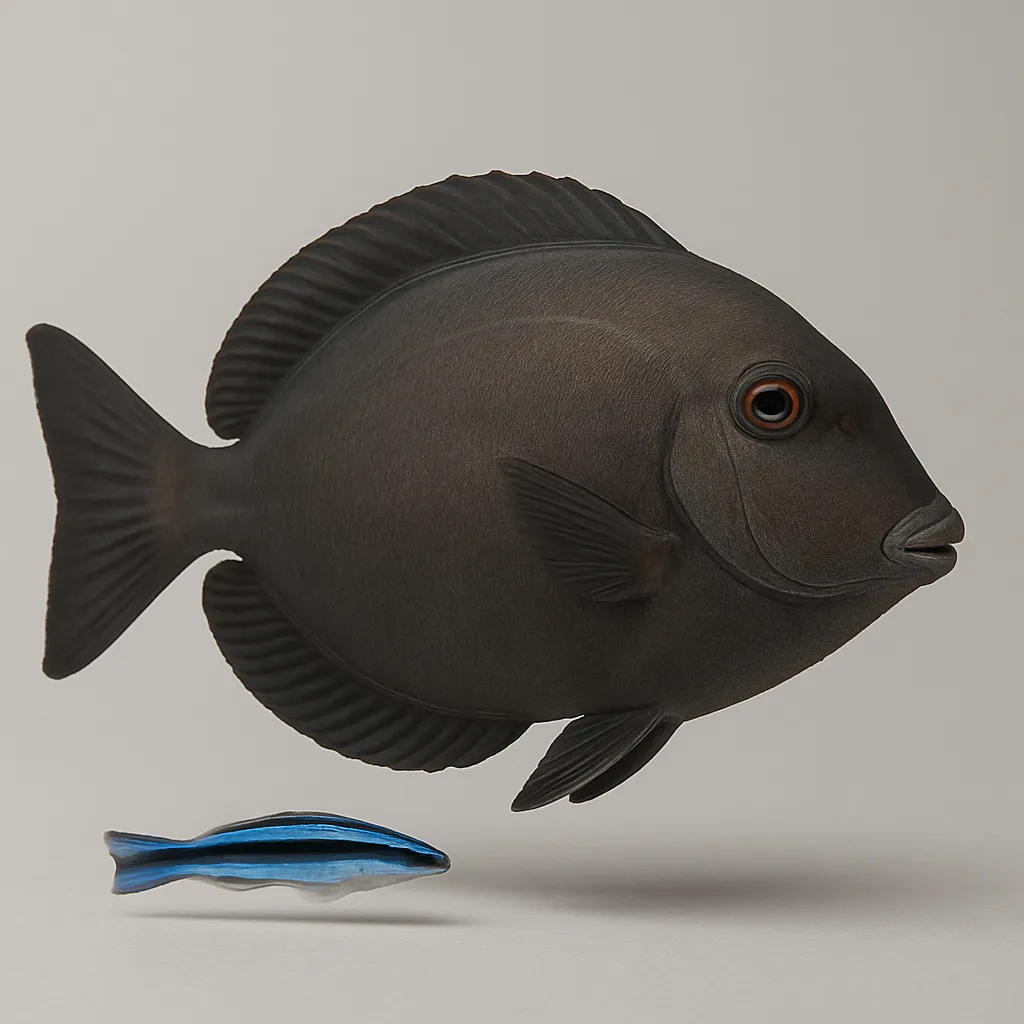
Cleaner fish eat parasites from larger fish; cleaners get food, and larger fish have fewer parasites. Which symbiosis type does the evidence support?
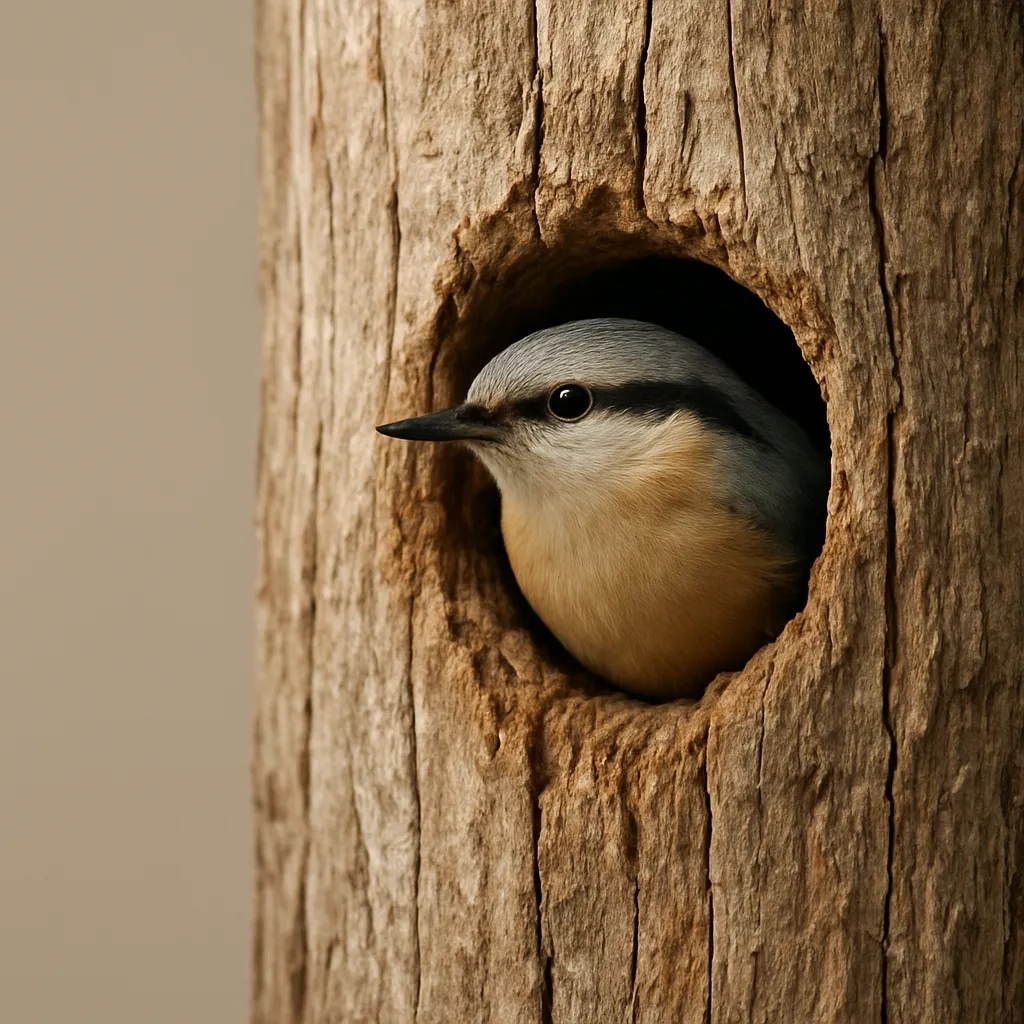
A bird builds its nest inside an old, abandoned woodpecker hole in a tree trunk. Measurements show the tree's growth stays unchanged. Which symbiosis type fits?
A tapeworm absorbs nutrients inside a dog, and the dog loses mass even while eating. Which symbiosis type does this evidence show?
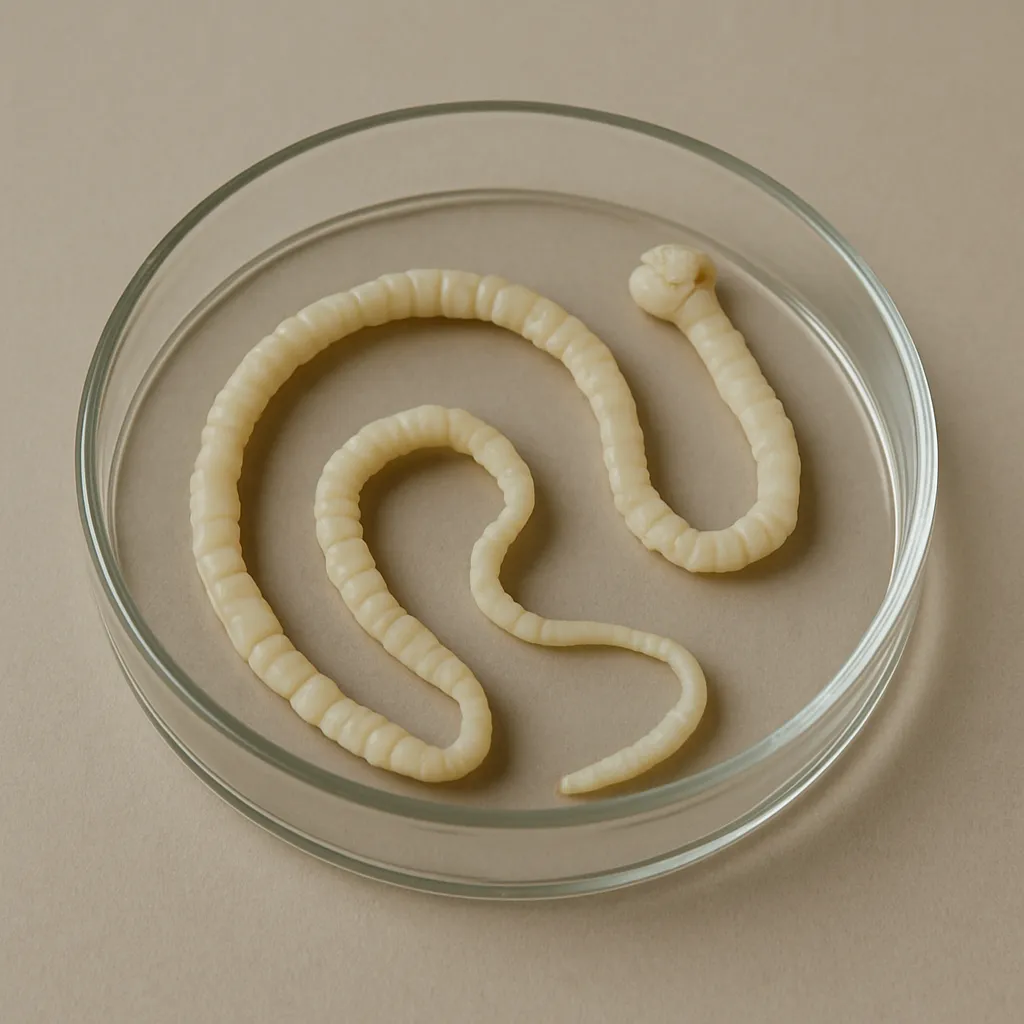
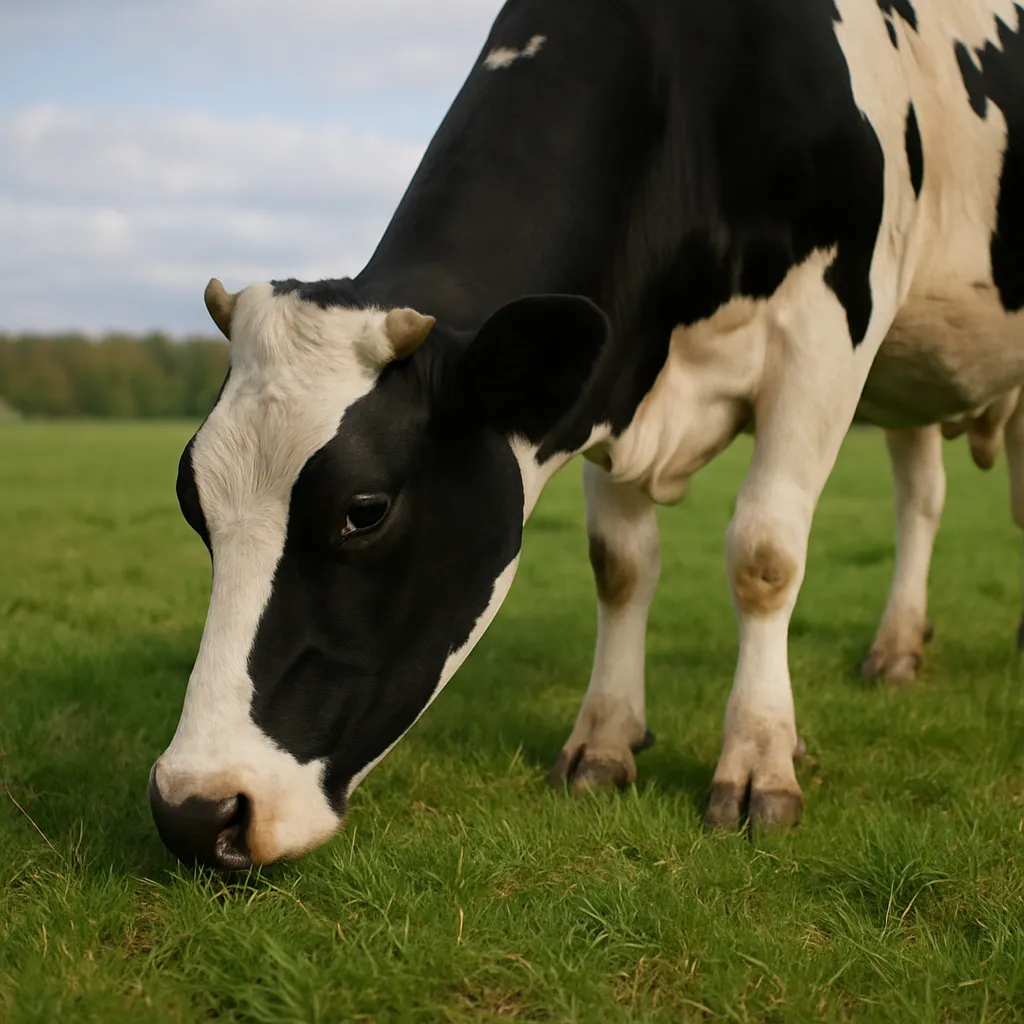
Bacteria in a cow's gut digest cellulose; the cow gets usable nutrients, and bacteria get food and habitat. Which symbiosis type fits?
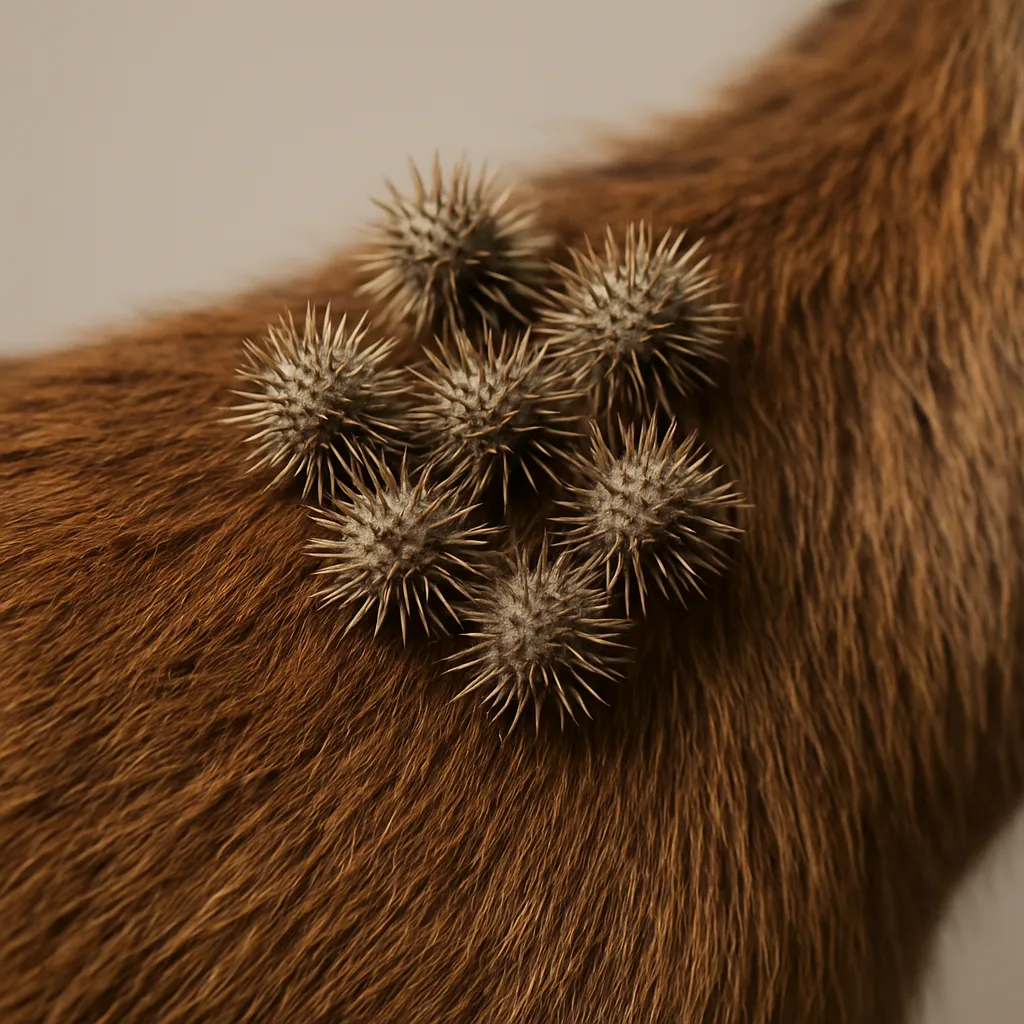
Burdock seed burrs cling to a deer's fur and are carried far from the parent plant; the deer shows no change in health or behavior. Which symbiosis type fits?
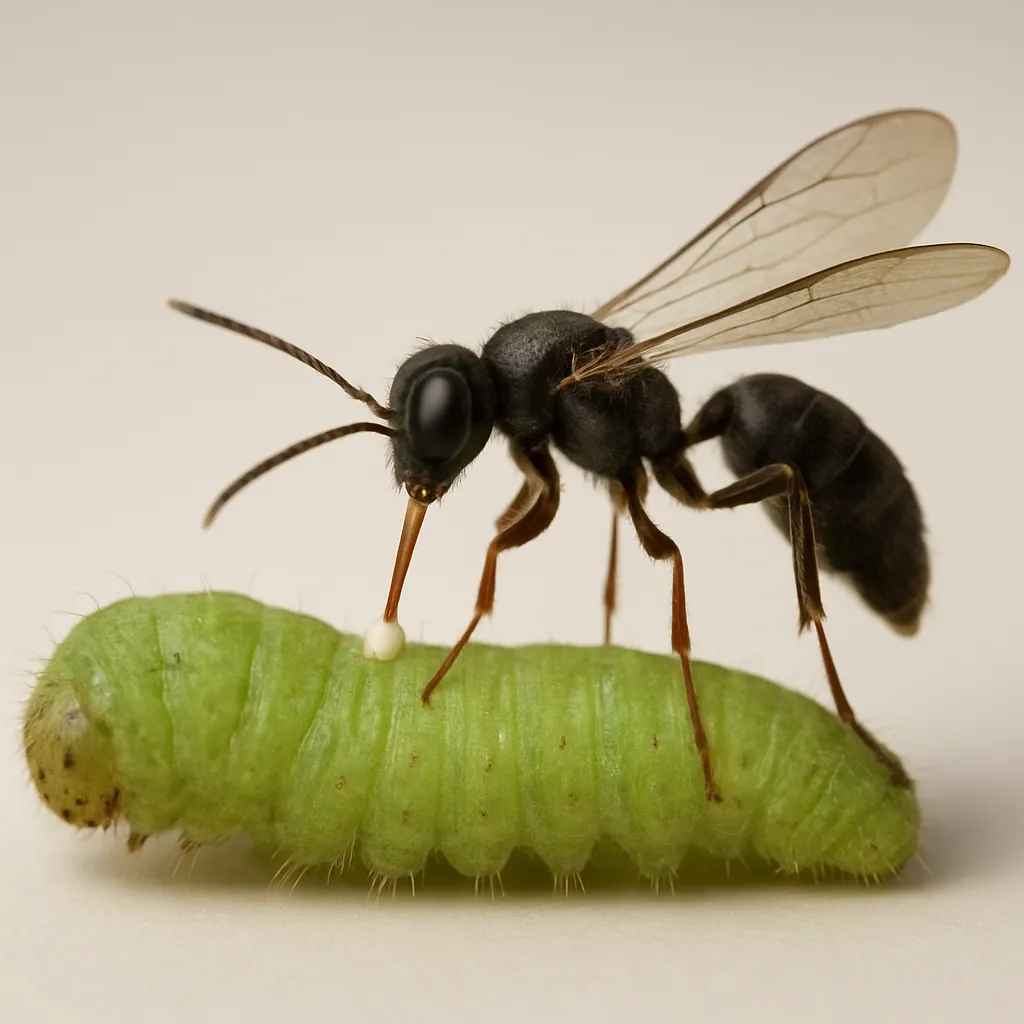
A parasitic wasp lays an egg inside a caterpillar, and the wasp larva feeds on the caterpillar's tissues from within until the caterpillar dies. Which symbiosis type does this evidence show?
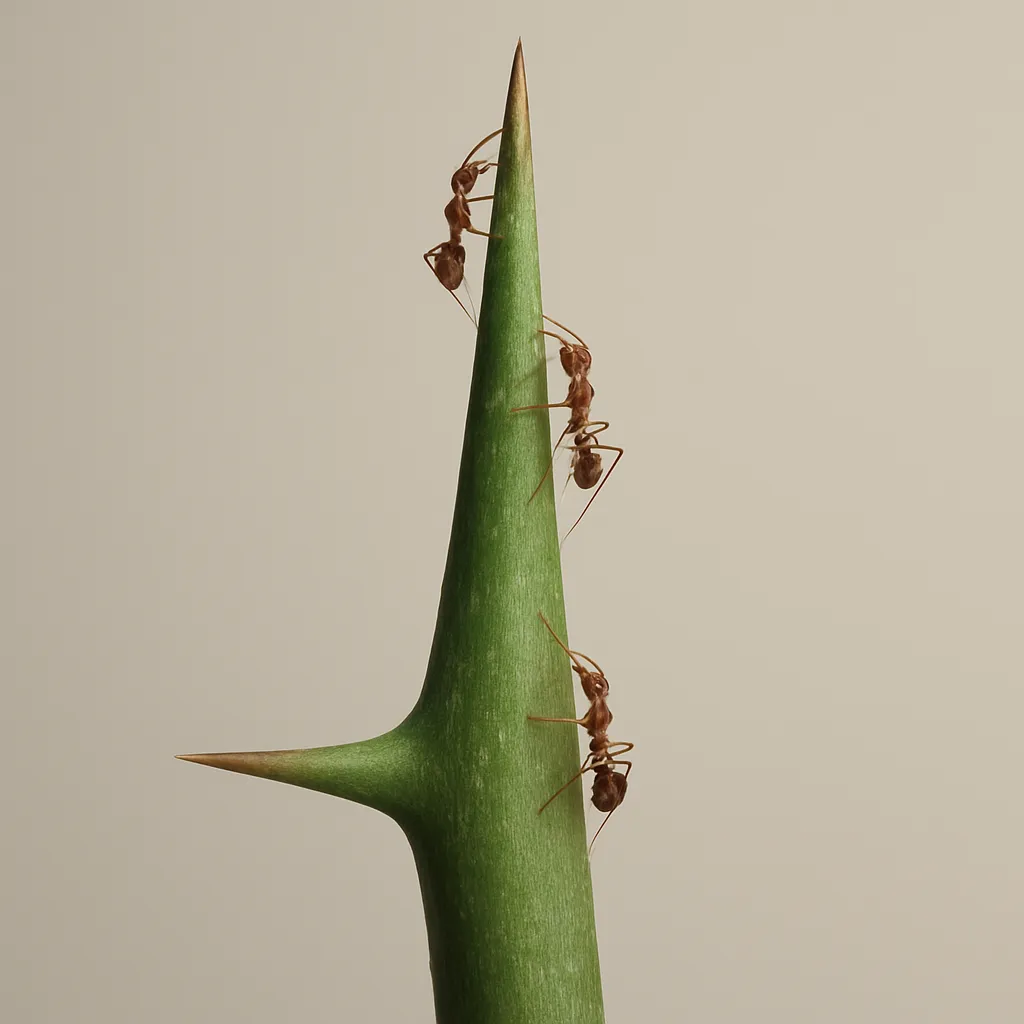
Ants protect an acacia tree from plant-eating insects, and the tree provides nectar and shelter for ants. Which symbiosis type fits?
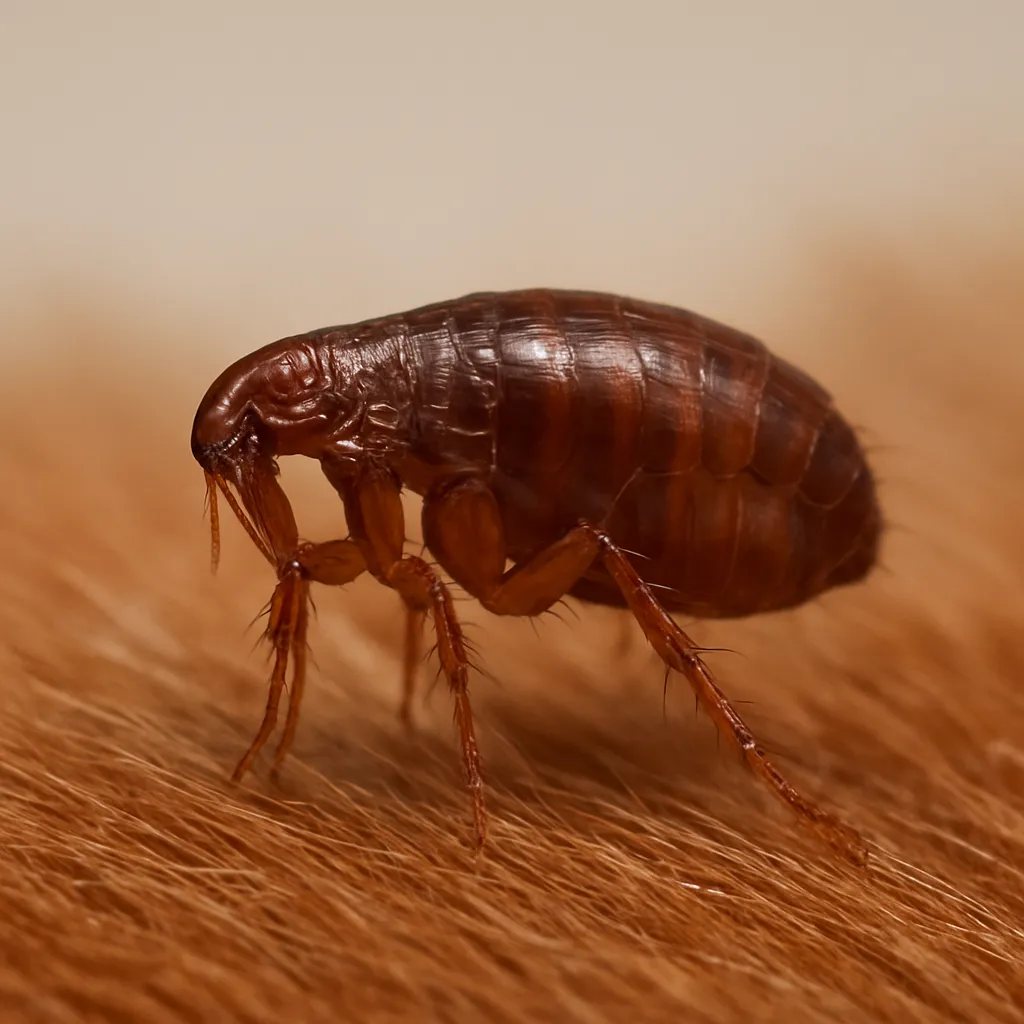
Fleas live on a fox and suck blood. The fleas survive, while the fox loses blood and scratches irritated skin. Which symbiosis type fits?
Crack the passcode before the zombies get in.
Answer, then swat bugs for bonus points.
Race through questions at your own speed.
Same question on every screen. Fastest wins.

Pick a tile, answer, hit bonuses and steals.
Biodiversity and Ecosystem Services
20 questions