Loading
by BlastRoom
Compare Federalist and Democratic-Republican beliefs in the early republic.
#civics#us_grade_8_social_studies

20 questions
One question set, multiple game modes. Tap any game to see it in action. Not sure which to pick?
Answer to place stones and capture territory.
Outrun the snow together.
Earn blasts, then hunt the other team.
Answer to earn energy, then climb.

The class blasts through walls together.
Bid on mystery lots. Most money wins.
Sell tours. Nice, standard, or a total scam.

Answer, restock, and serve the rush.
More correct answers pulls the rope your way.
Answer, then shoot down the alien wave.
Answer, then tap to leap the frozen ridge.
In the 1790s, voters in New England's trading towns gave most of their support to one early party. Which party was it?
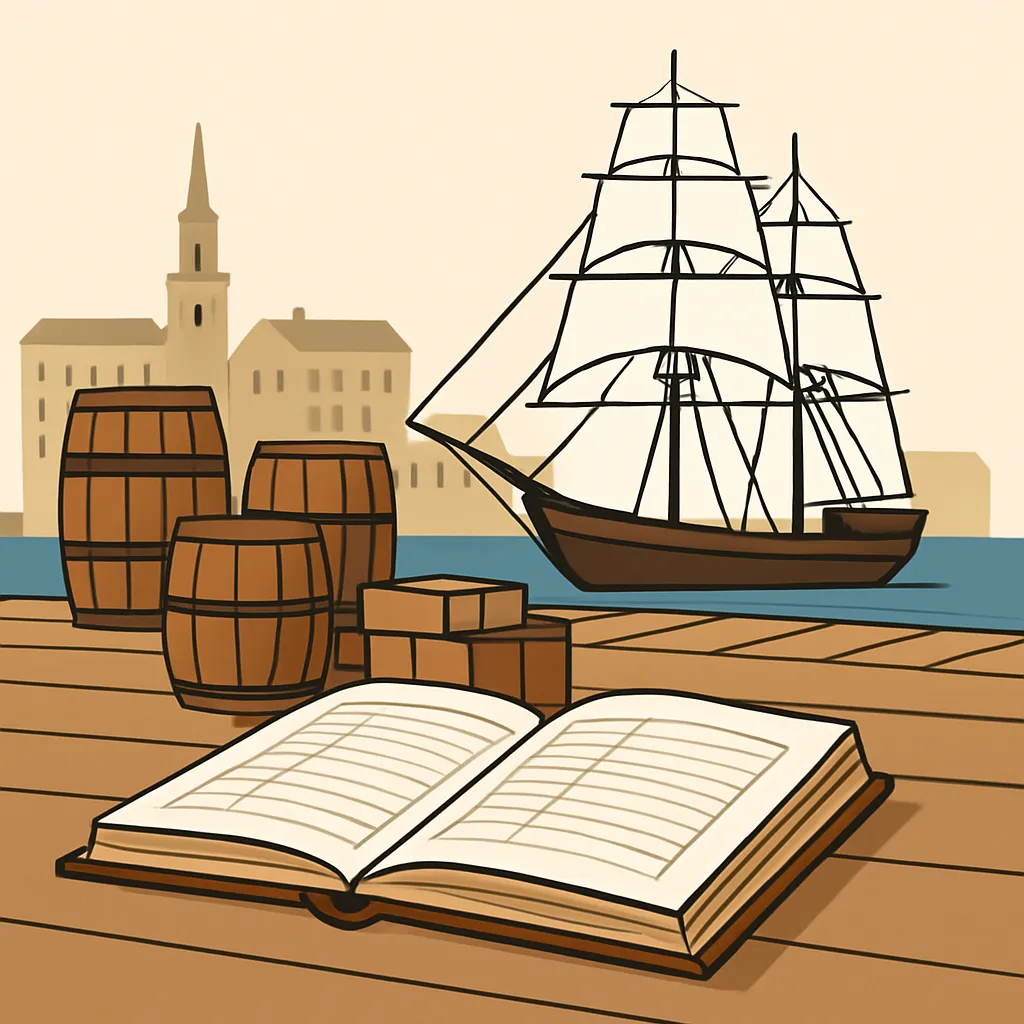
A 1790s voter wanted state governments to keep more power and believed farmers best protected the republic. Which early party best fits these beliefs?
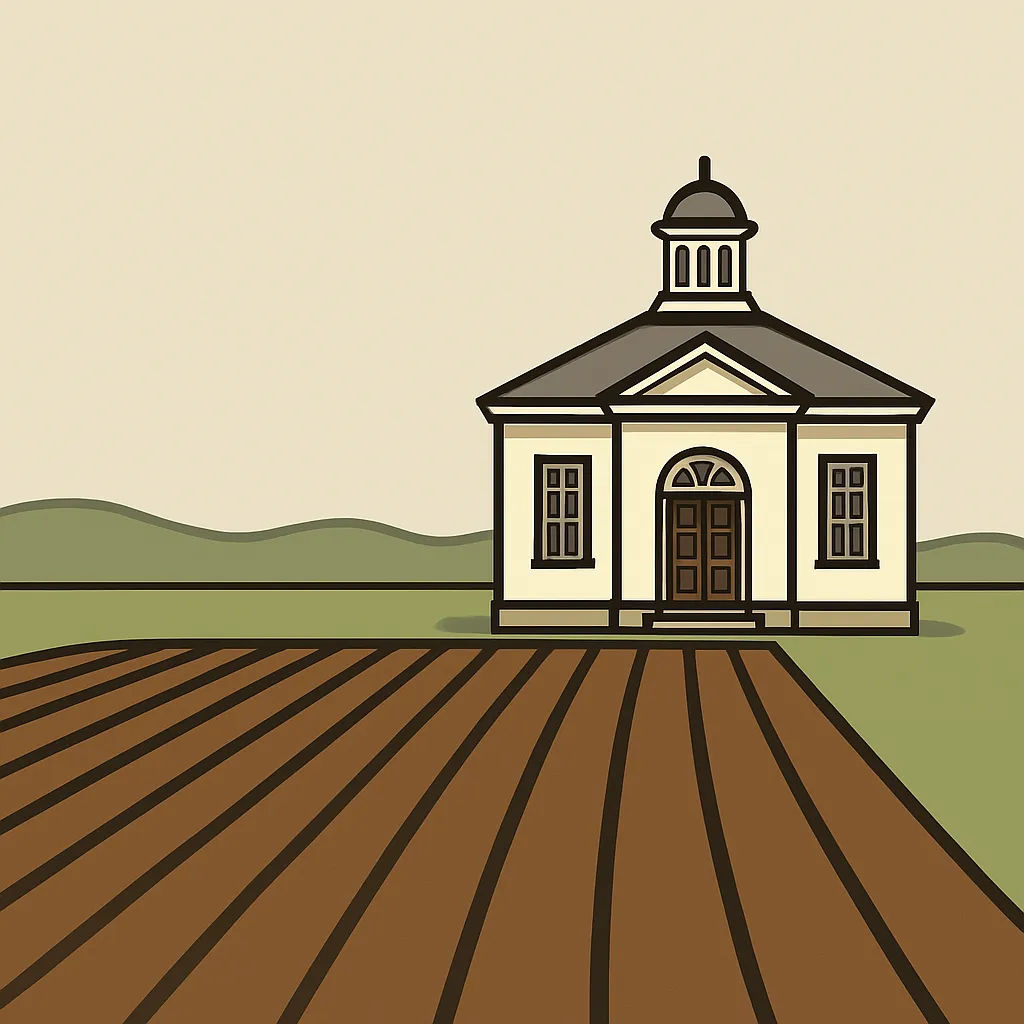
A supporter preferred closer ties with Britain and trusted commercial leaders to guide national policy. Which early party held views closest to this?
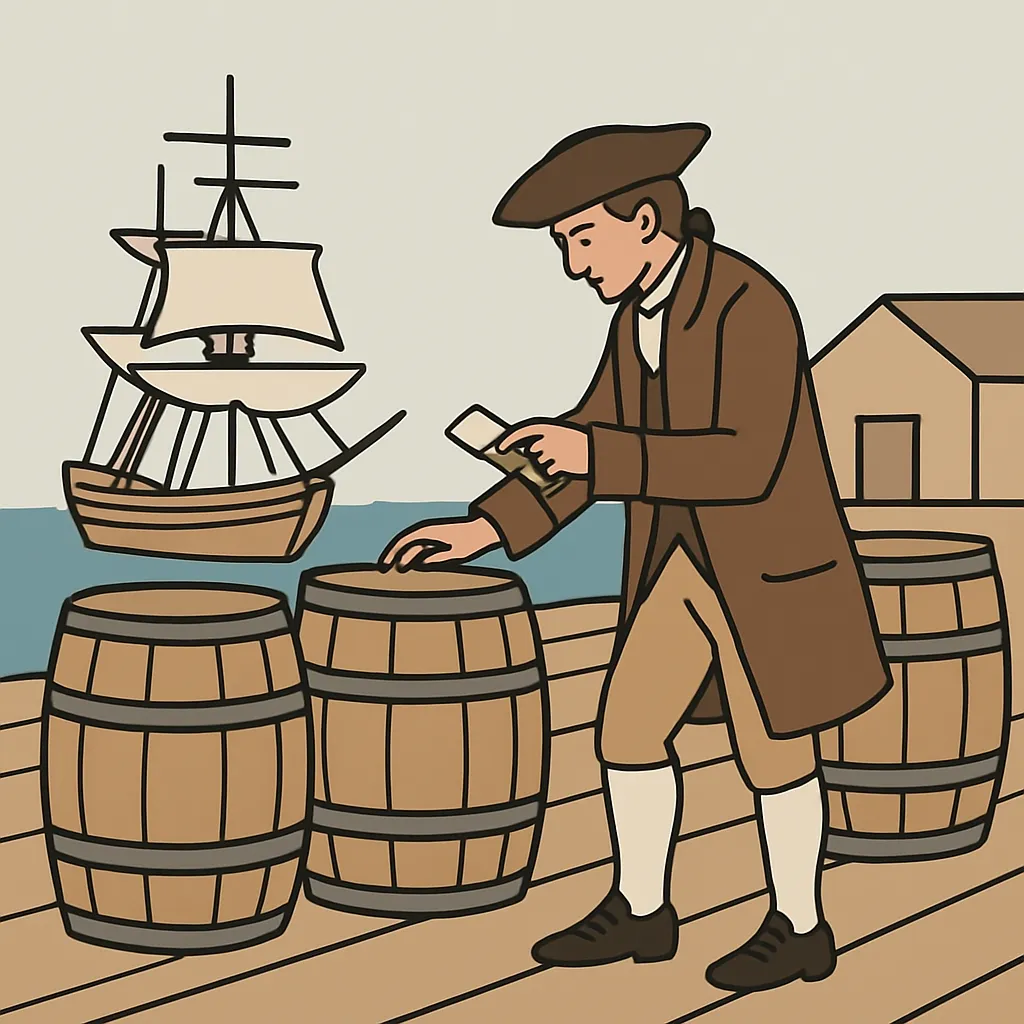
A citizen favored strict limits on federal power and feared a national government might threaten liberty. Which early party best fits that view?
In 1798, a congressman voted for the Sedition Act, which punished harsh public criticism of the government. Which early party did he most likely belong to?
A planter supported France over Britain and opposed policies he thought helped merchants more than farmers. Which early party best fits these beliefs?
A newspaper defended broad implied powers under the Constitution to build a stronger national economy. Which early party did this argument support?
Alexander Hamilton promoted a national bank, debt assumption, and manufacturing while serving as treasury secretary. Which early party was most associated with him?
Thomas Jefferson and James Madison organized opposition to Hamilton’s program and emphasized states’ rights. Which party did they help lead?
John Adams ran against Thomas Jefferson in the election of 1800 and supported a stronger federal government. Which party did Adams represent?
In the election of 1800, which party won all the electoral votes of Southern states such as Virginia and South Carolina?
Albert Gallatin, a Pennsylvania congressman in the 1790s, attacked Hamilton’s Treasury policies and pushed for closer checks on federal spending. Which party was he connected to?
One side said Congress had implied powers to create a corporation, and the other said the Constitution listed no such power. Which 1790s dispute is described?
In 1790, Jefferson and Madison agreed to support one of Hamilton’s plans in exchange for placing the national capital on the Potomac River. Which dispute did this deal settle?
Federalists backed a 1794 treaty with Great Britain, while Jeffersonian Republicans attacked it as too pro-British. Which dispute is described?
Federalists in Congress limited criticism of the government during conflict with France, and Democratic-Republicans said this threatened free speech. Which legislation caused the dispute?
Hamilton backed a 1791 federal tax that farmers in western Pennsylvania resisted, leading to an armed uprising in 1794. Which 1790s policy dispute is described?
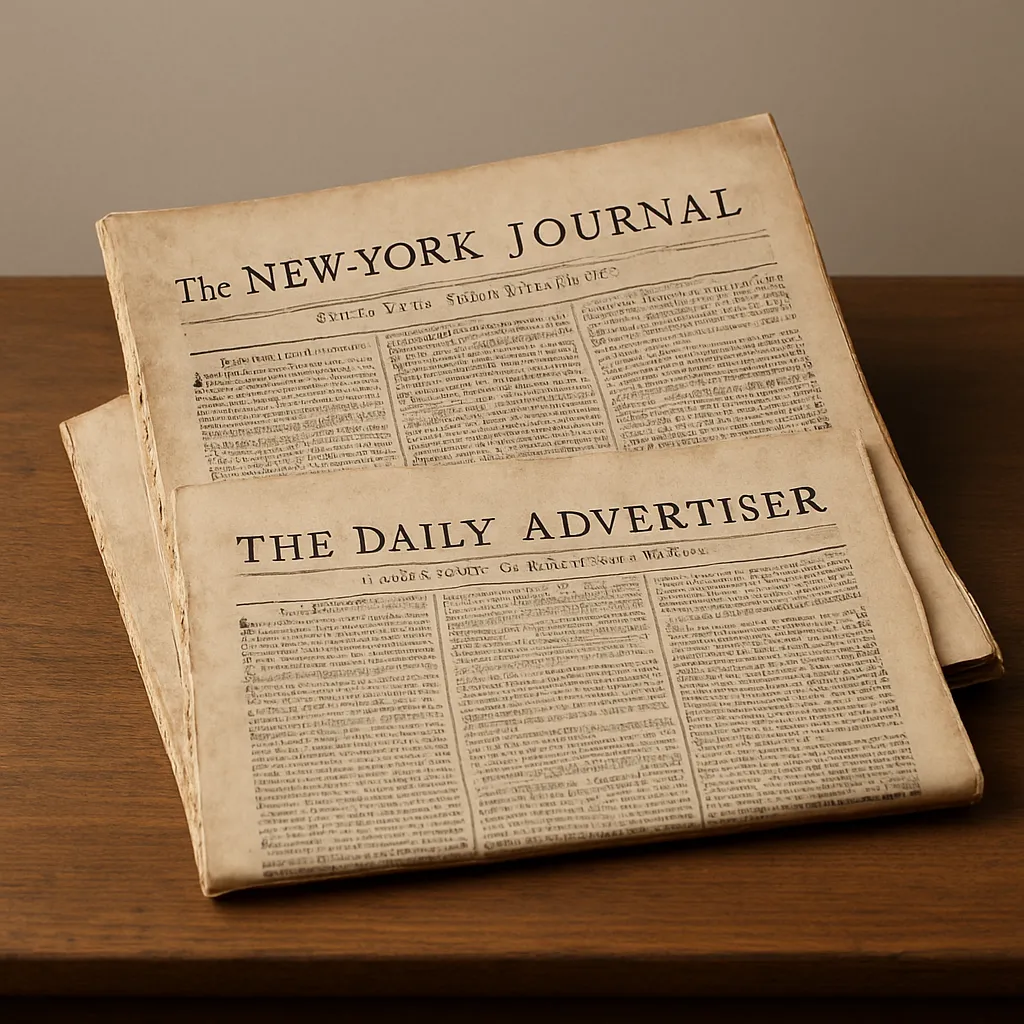
In the early 1790s, Hamilton’s allies backed the Gazette of the United States, and Jefferson’s allies backed the National Gazette. What role did these rival papers play?
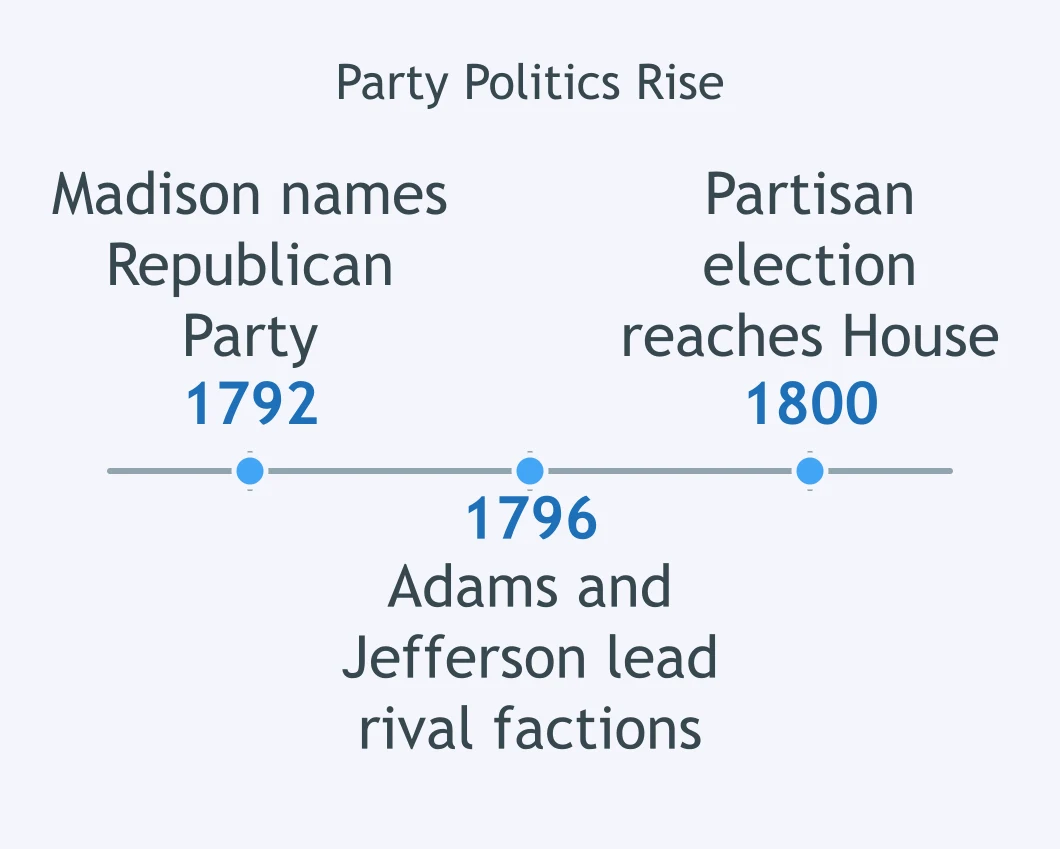
Use the timeline. What development is shown from Madison naming the Republican Party to Adams and Jefferson leading rival factions?
In his 1796 Farewell Address, George Washington warned Americans about the “spirit of party.” What harm did he say parties could cause?
Crack the passcode before the zombies get in.
Answer, then swat bugs for bonus points.
Race through questions at your own speed.
Same question on every screen. Fastest wins.

Pick a tile, answer, hit bonuses and steals.

The War of 1812
20 questions