Loading
by BlastRoom
Covers the delegates, disputes, and compromises that produced the Constitution in 1787.
#civics#us_grade_8_social_studies
20 questions
One question set, multiple game modes. Tap any game to see it in action. Not sure which to pick?
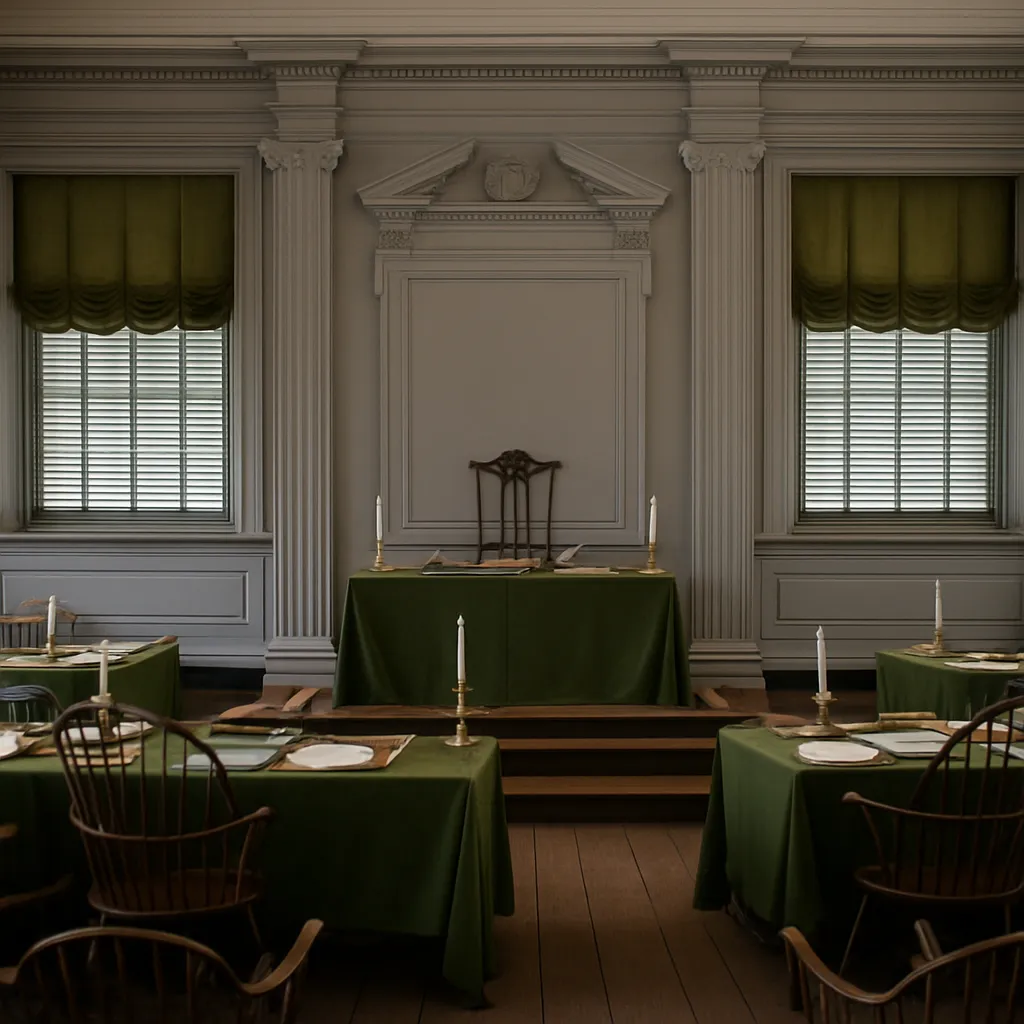
At Philadelphia in 1787, delegates settled the large-state versus small-state representation dispute by making House seats proportional and Senate seats equal. Which compromise was this?
Slaveholding southern delegates wanted enslaved people counted for representation, while others resisted. The Convention counted only part of the enslaved population for House seats and direct taxes. Which compromise was this?
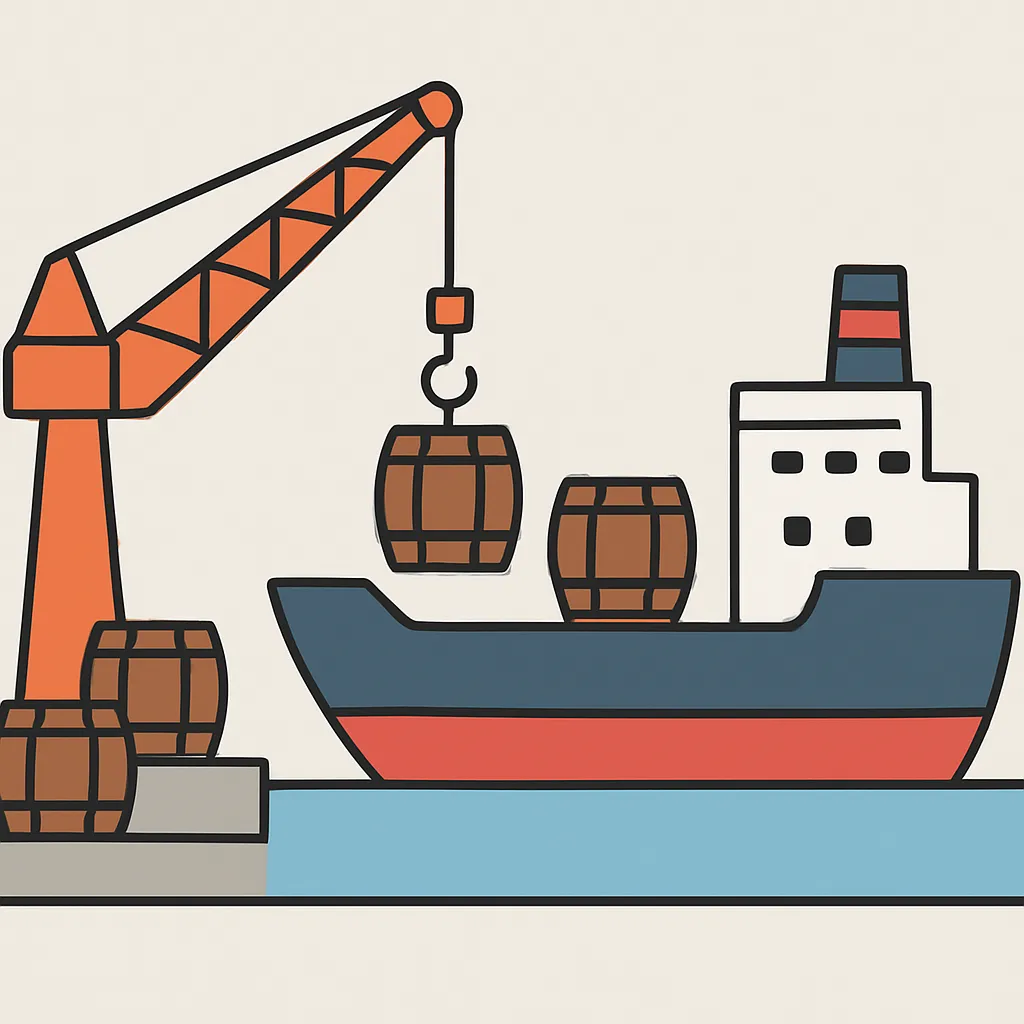
Northern delegates wanted Congress to control shipping, and southern delegates wanted no export taxes and no ban on importing enslaved Africans until 1808. Which bargain settled this?
Some delegates wanted Congress to choose the president, and others wanted a direct popular vote. Which Convention solution settled this?
Delegates wanted the president to check Congress without ruling like a king. What veto power did they give the president?

States feared losing all authority under a stronger national government, so the Constitution divided power between national and state governments. Which Convention compromise principle is shown?
Large states favored congressional representation based on population in the new national legislature. Which Convention plan matched that view?

Small states wanted each state to keep an equal vote in Congress instead of giving more seats to populous states. Which plan matched that interest?
Before the Three-Fifths Compromise, what did slaveholding southern delegates first want for counting enslaved people toward House seats?
Under the Articles, states taxed each other's goods and Congress could not make trade rules. What did commercial states want the new Constitution to do?
The Constitution divided lawmaking, enforcing laws, and interpreting laws among different branches. Which principle is shown?
Under the Constitution, Congress can pass laws, the president can veto them, and Congress can override that veto. Which principle is shown?
The Convention created a Congress with a House of Representatives and a Senate. What structure did that create?
Article III of the Constitution created one court by name and let Congress create lower courts. Which court did it name?
The Constitution included a way to propose and ratify changes after 1787. What structure allows formal changes to the Constitution?

A Virginia delegate took detailed notes, helped design the Virginia Plan, and later defended the Constitution in essays. Who was often called the Father of the Constitution?
The Convention unanimously chose this Revolutionary War leader to preside over the meetings in Philadelphia. Which delegate filled that role?
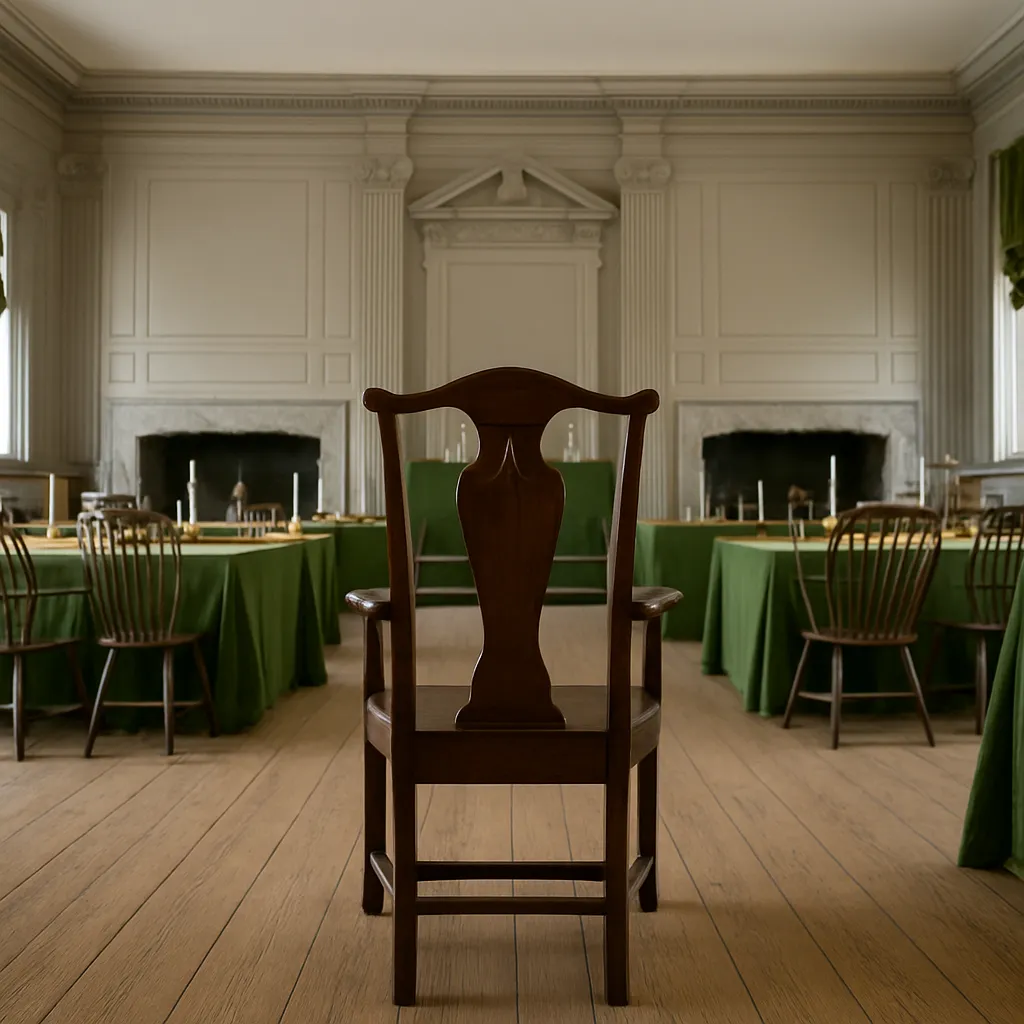
At age 81, this Pennsylvania delegate was the oldest member and was called the Sage of the Constitutional Convention. Who was he?
A New Jersey delegate introduced the plan protecting small-state power with one vote per state in Congress. Who was that delegate?
A Virginia delegate introduced the Virginia Plan to the Convention on May 29, 1787. Who was that delegate?
Crack the passcode before the zombies get in.

Pick a tile, answer, hit bonuses and steals.
The Bill of Rights
20 questions