Loading
by BlastRoom
Students compare Federalist and Anti-Federalist arguments in the ratification debate.
#civics#us_grade_8_social_studies
20 questions
One question set, multiple game modes. Tap any game to see it in action. Not sure which to pick?
Answer to place stones and capture territory.
Outrun the snow together.
Earn blasts, then hunt the other team.
Answer to earn energy, then climb.

The class blasts through walls together.
Bid on mystery lots. Most money wins.
Sell tours. Nice, standard, or a total scam.

Answer, restock, and serve the rush.
More correct answers pulls the rope your way.
Answer, then shoot down the alien wave.
Answer, then tap to leap the frozen ridge.
A speaker says the Articles of Confederation left Congress too weak to collect money or regulate trade. Which ratification side is speaking?
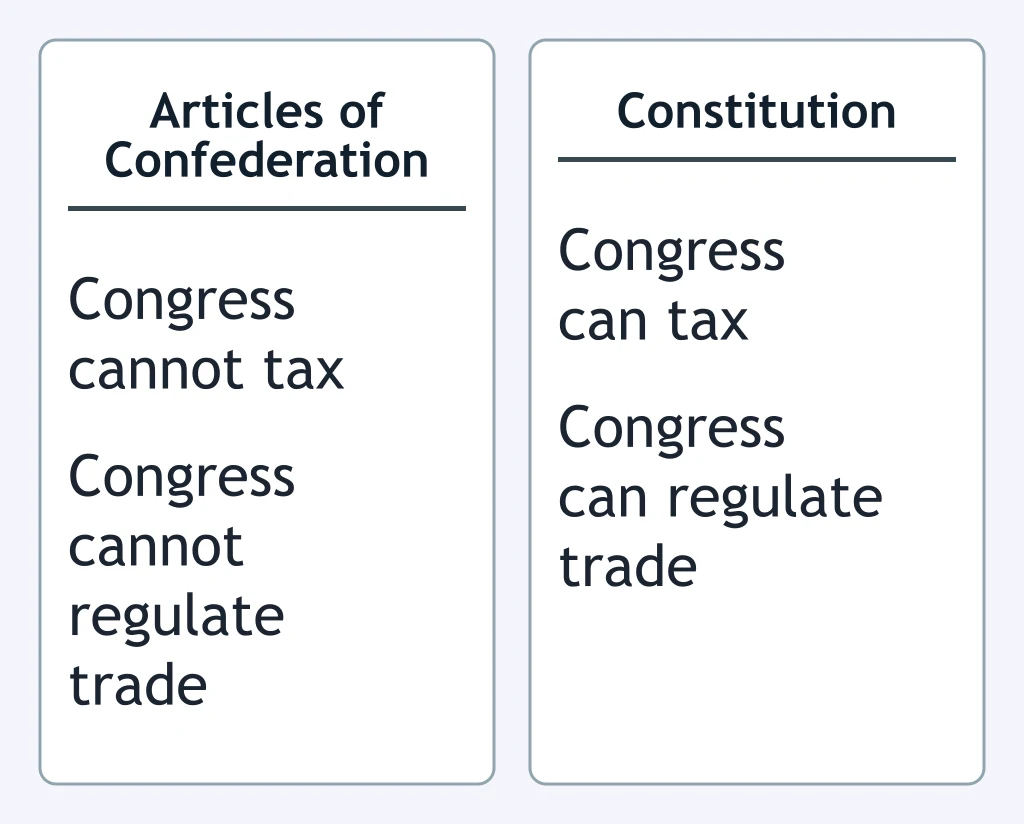
A delegate warns that the Constitution creates a distant central government like the one Americans had just overthrown. Which side is he echoing?
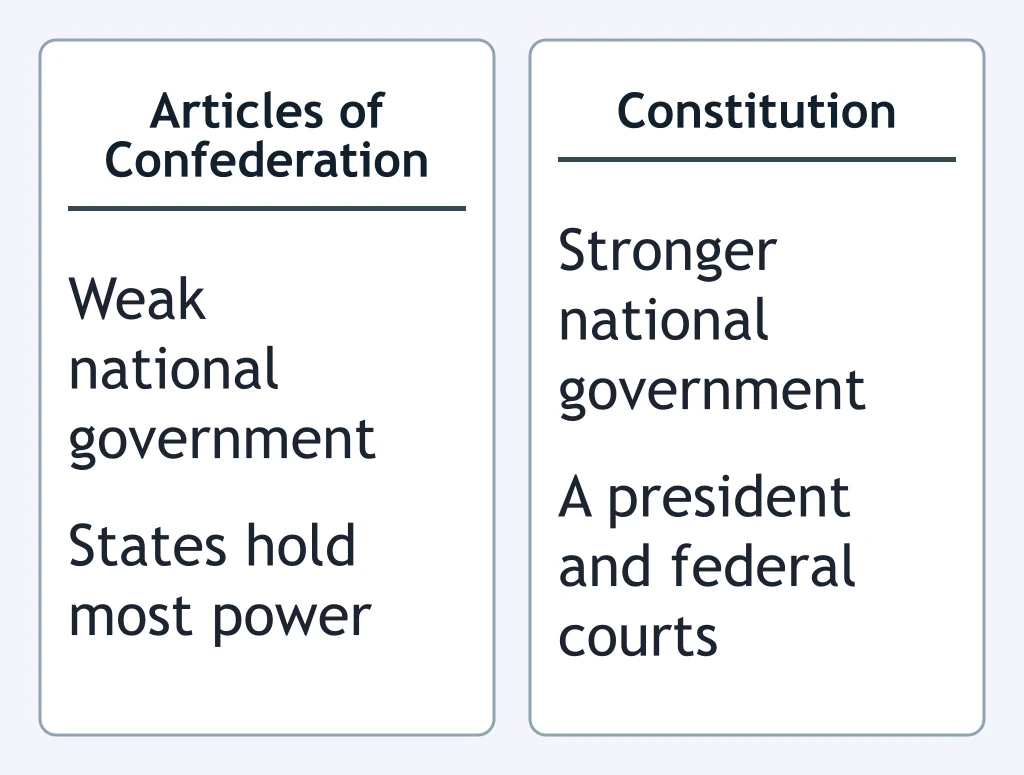
In a newspaper essay, a writer says rejecting the Constitution could bring anarchy and civil strife. Which ratification side would use that argument?
A speaker says political power should remain mostly with state governments because they are closer to the people. Which ratification side is speaking?
A writer argues that listing rights could be dangerous because people might think unlisted rights were not protected. Which side made this argument?
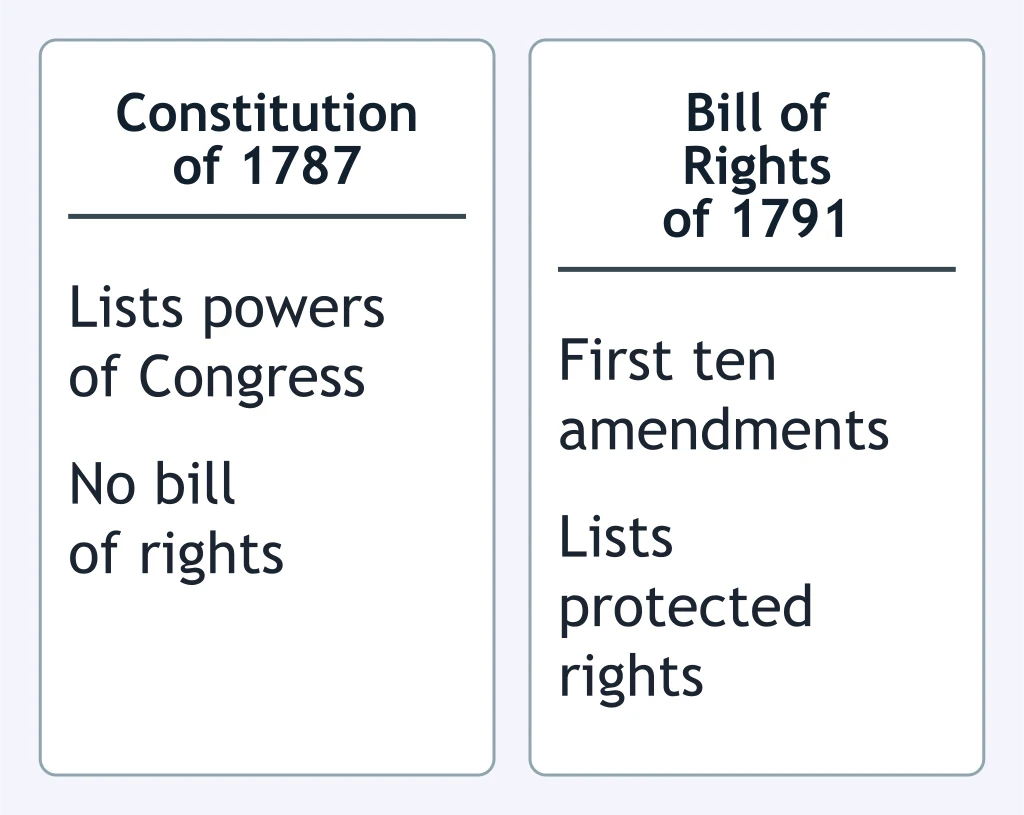
A critic warns that the new federal courts could overpower state courts and make justice costly. Which ratification side is speaking?
A supporter says an extended republic would make dangerous factions harder to unite across the whole country. Which side is speaking?
An Anti-Federalist warns that nothing in the Constitution stops Congress from silencing newspapers or holding secret trials. What change did critics like him demand?
A Federalist points to unpaid requisitions and trade disputes under the Articles. What support for the Constitution fits this evidence?
George Mason said the House offered only 'the shadow' of representation for so large a nation. What change would answer this concern?
In Federalist No. 51, Madison argues that 'ambition must be made to counteract ambition' so each branch can resist the others. What constitutional feature is he defending?
The Constitution used special state conventions instead of state legislatures for ratification. What idea did supporters say this showed?
Essays by Alexander Hamilton, James Madison, and John Jay defended the Constitution under the pen name Publius. What are those essays commonly called?
Which Virginia delegate refused to sign the Constitution and then wrote Objections to the Constitution of Government formed by the Convention?
A New York writer signed Anti-Federalist essays with the pen name Cato during the ratification fight. Which public figure was he?
On June 8, 1789, a representative introduced proposed amendments that became the Bill of Rights. Which founder took that role?
In Massachusetts, many convention delegates refused to vote yes without a bill of rights. What did the convention finally do?
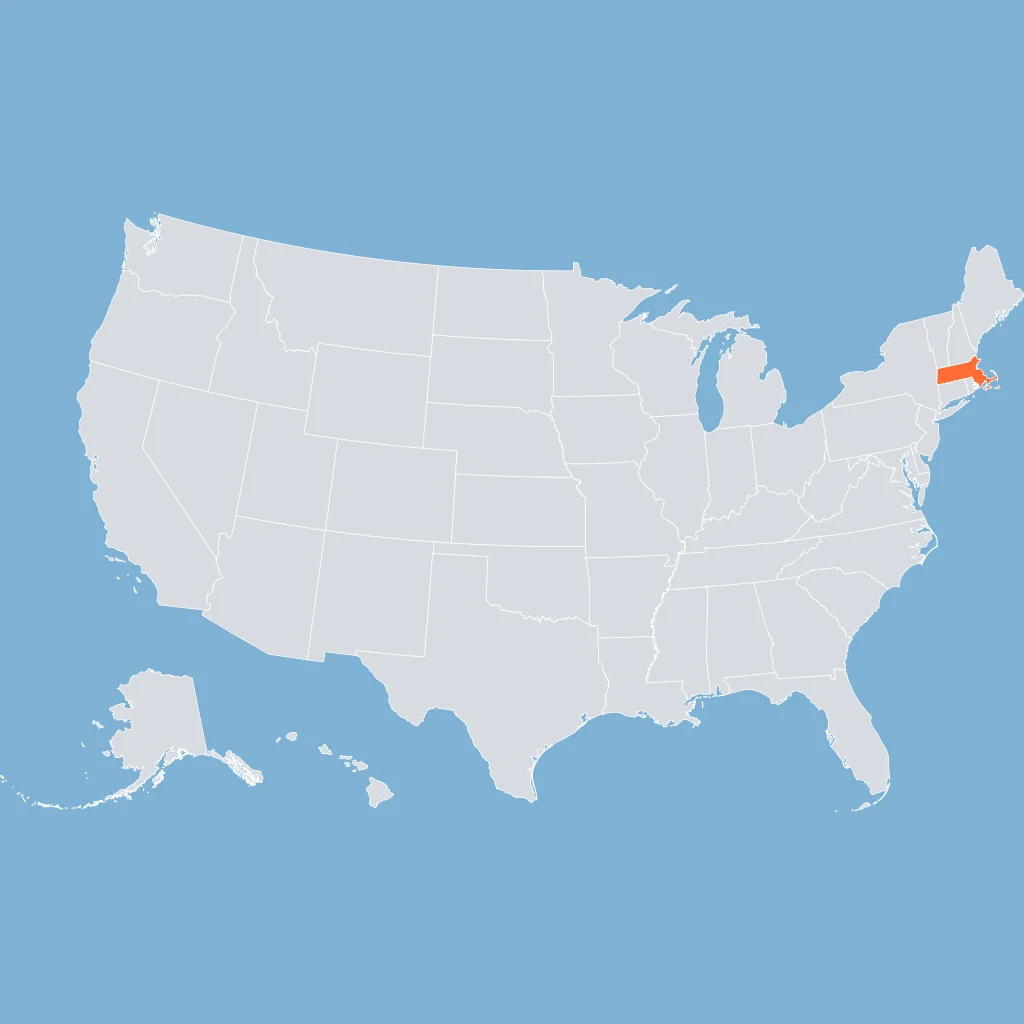
Which state became the first to ratify the Constitution on December 7, 1787?
When New Hampshire became the ninth ratifying state on June 21, 1788, what happened to the Constitution?
Congress sent twelve proposed amendments to the states in 1789. What had happened to them by December 15, 1791?
Crack the passcode before the zombies get in.
Answer, then swat bugs for bonus points.
Race through questions at your own speed.
Same question on every screen. Fastest wins.

Pick a tile, answer, hit bonuses and steals.
Washington’s Presidency and Early Precedents
20 questions