Loading
by BlastRoom
Questions cover expanded suffrage, party organization, the Bank War, and the nullification crisis.
#us_history#us_grade_8_social_studies

20 questions
One question set, multiple game modes. Tap any game to see it in action. Not sure which to pick?
Answer to place stones and capture territory.
Outrun the snow together.
Earn blasts, then hunt the other team.
Answer to earn energy, then climb.

The class blasts through walls together.
Bid on mystery lots. Most money wins.
Sell tours. Nice, standard, or a total scam.

Answer, restock, and serve the rush.
More correct answers pulls the rope your way.
Answer, then shoot down the alien wave.
Answer, then tap to leap the frozen ridge.
In many states during the early 1800s, lawmakers dropped property ownership rules for voting. What change in political participation did this create?
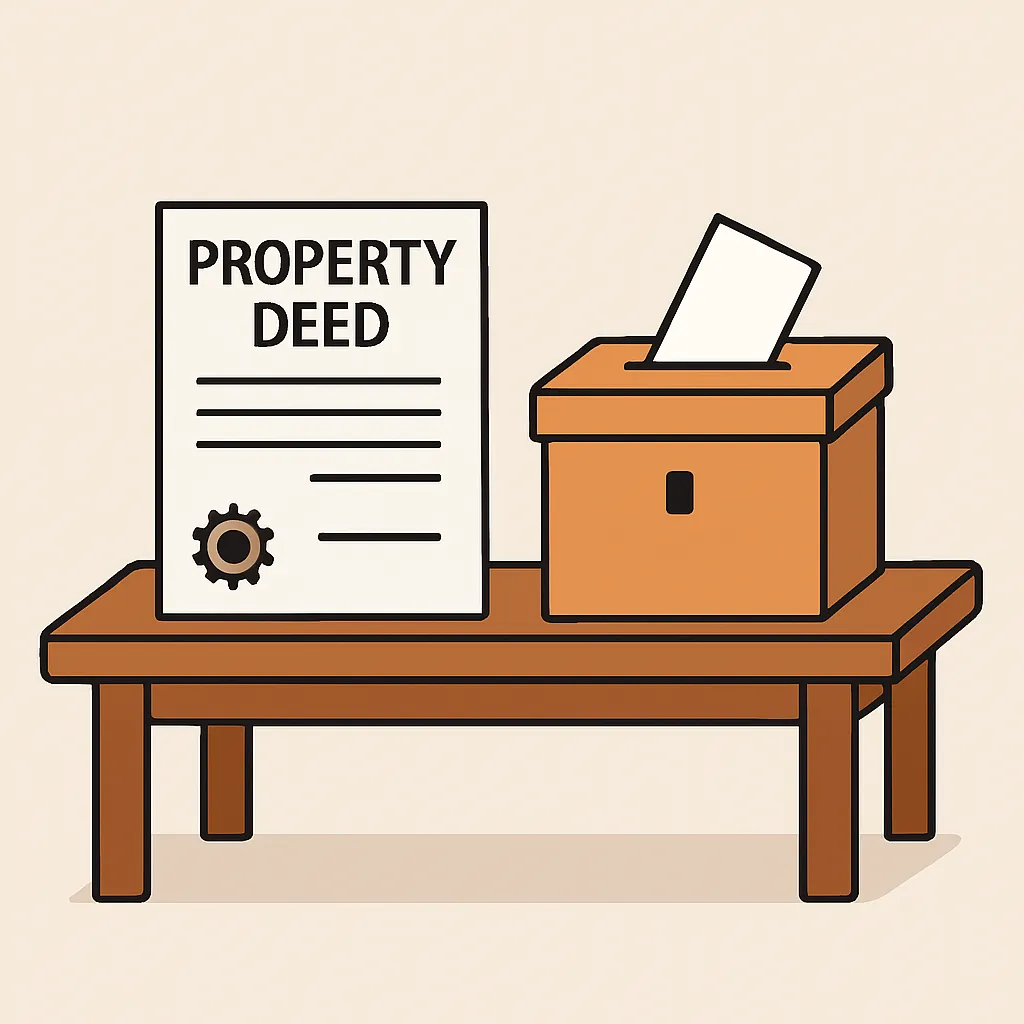
Jacksonian democracy widened voting rights in the 1820s and 1830s. What limit on voting remained in most states?
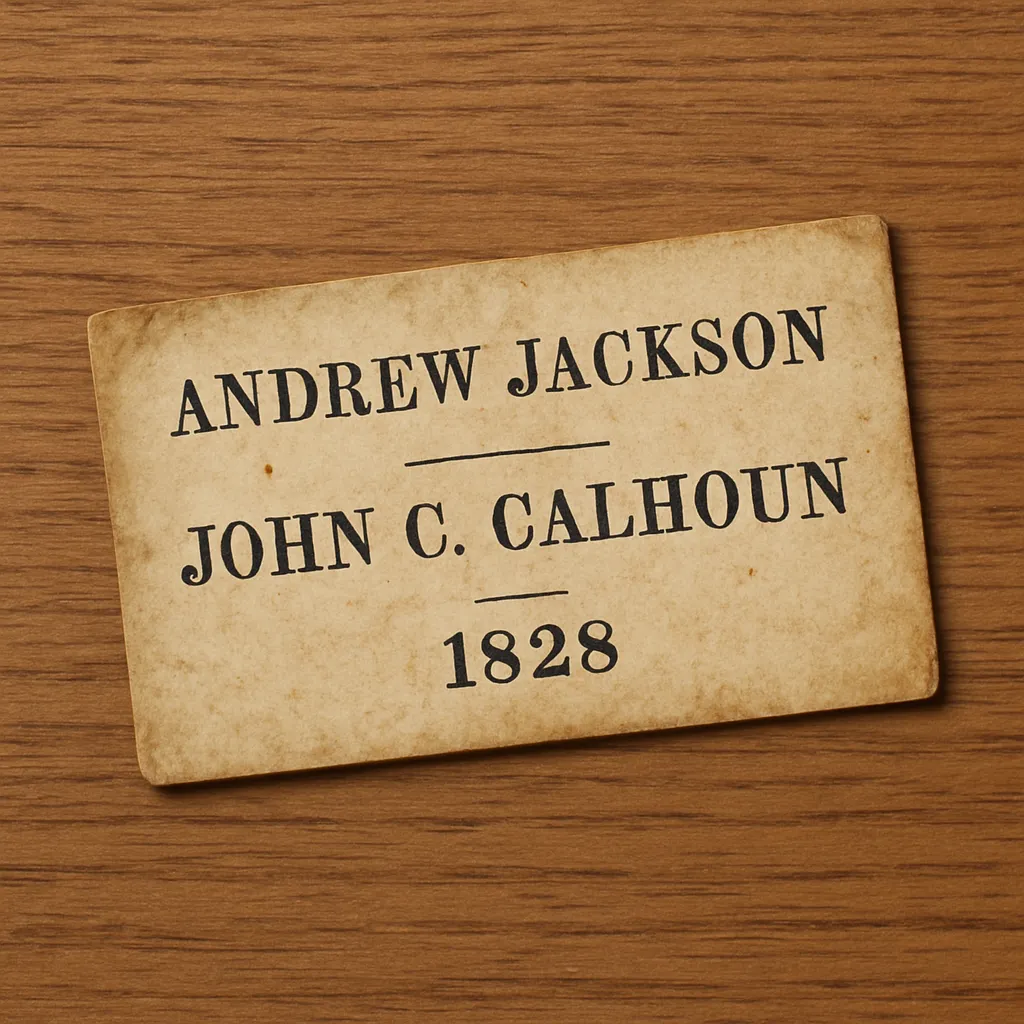
Jackson's 1828 campaign cast him as champion of the people against elite bargaining after 1824. What change in politics did this reflect?
By 1832, most states had switched from letting the legislature choose presidential electors to letting voters choose them directly. What broader trend in this era does that switch reflect?
Jackson often took advice from an informal group of friends and newspaper editors instead of his official cabinet. What did critics call this group?
Jackson removed some federal officeholders and appointed loyal supporters after winning the presidency. What practice did opponents call this?

Jackson's opponents mocked him as "King Andrew the First" and formed a new party in the 1830s. What party was it?
In the 1830s, party nominating conventions began replacing congressional caucuses for presidential nominations. What did conventions use to choose candidates?
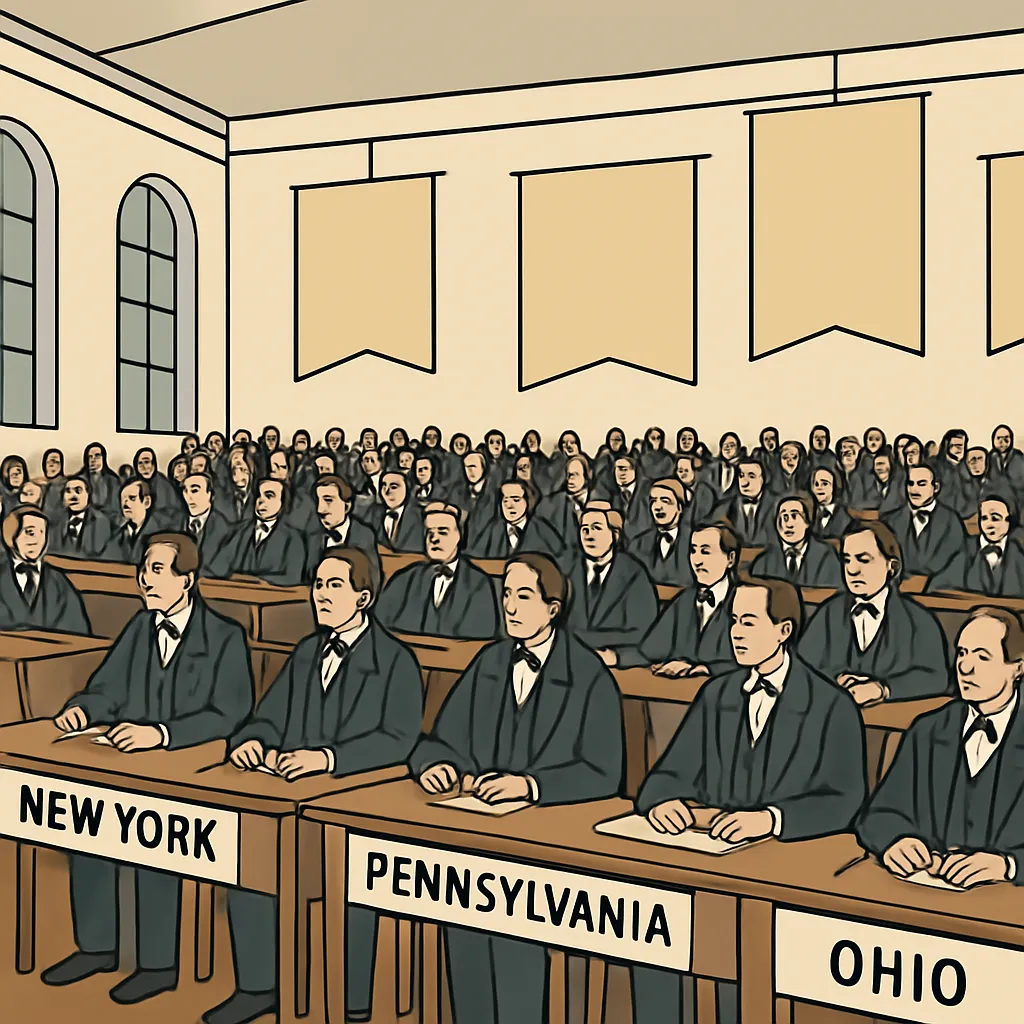
Jackson's allies built local committees, state conventions, and national meetings. What did this structure strengthen?
South Carolina declared that federal tariffs could not be collected in the state, and Jackson insisted the Union must enforce federal law. What crisis was this?
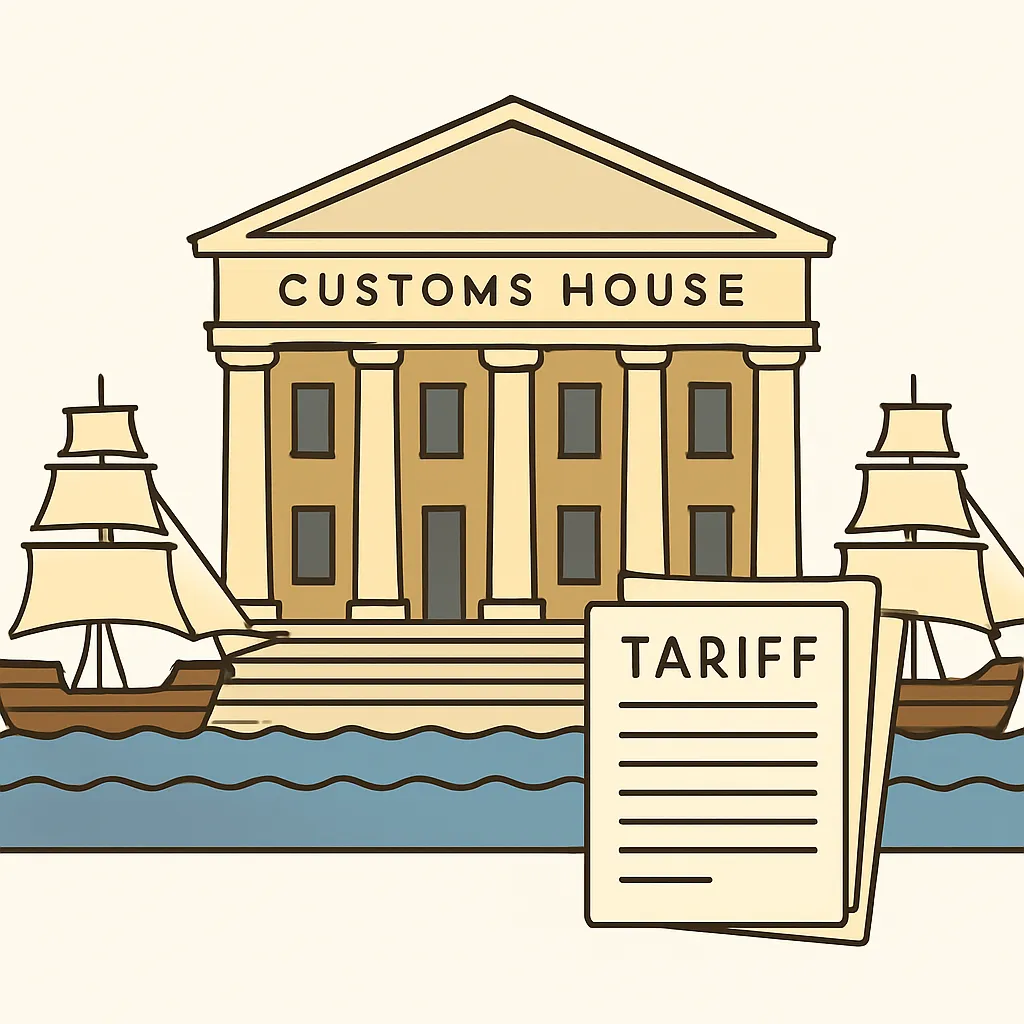
Why did many South Carolina leaders oppose the 1828 tariff before the nullification crisis?
Jackson's Nullification Proclamation denied that one state could cancel a federal law inside its borders. What constitutional idea did Jackson defend?
In 1833, Congress passed the Force Act after South Carolina resisted tariffs. What power did the act support?
Henry Clay's 1833 compromise tariff gradually reduced duties after South Carolina's protest. What result followed in the crisis?
The Bank War centered on Congress's bill to renew the Second Bank of the United States before its charter expired. Why did Jackson oppose the Bank?
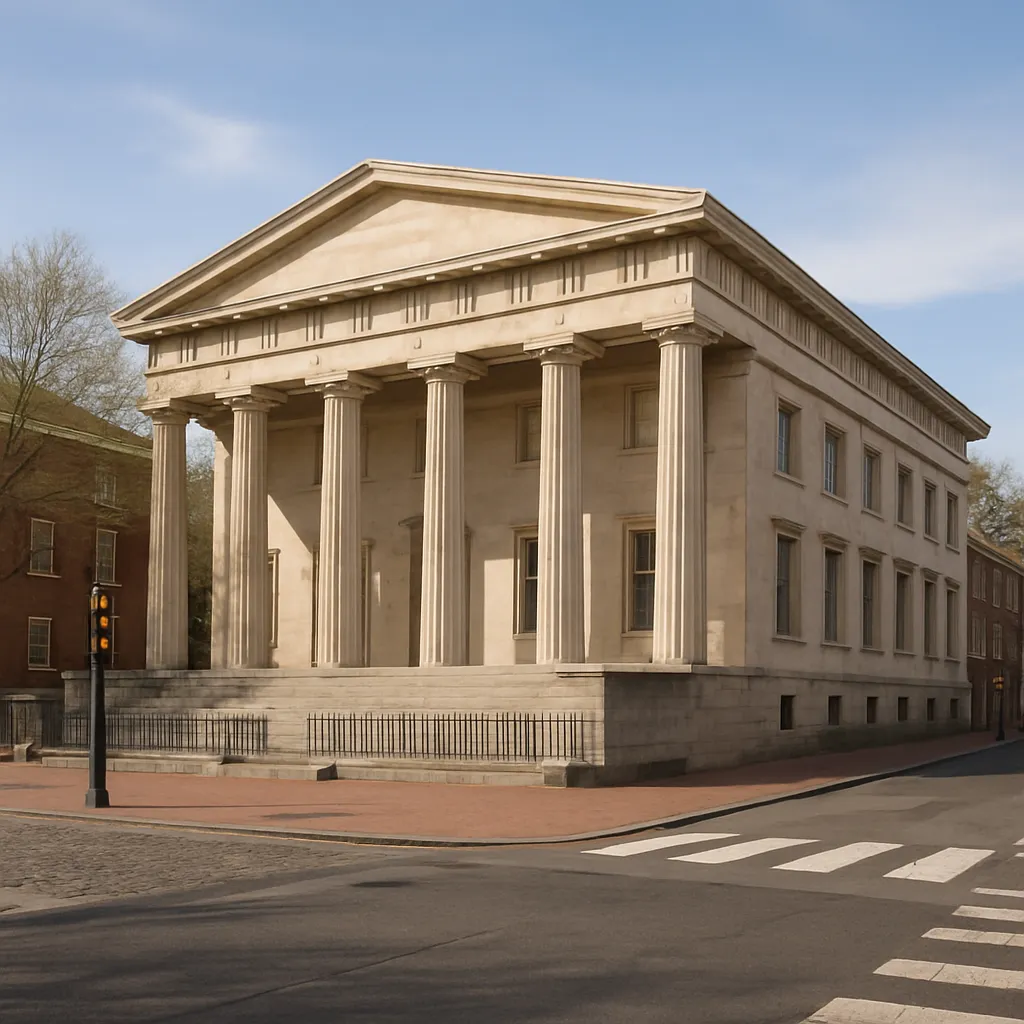
Jackson rejected the Bank recharter bill on July 10, 1832, after it passed Congress. What did this action show about the presidency?
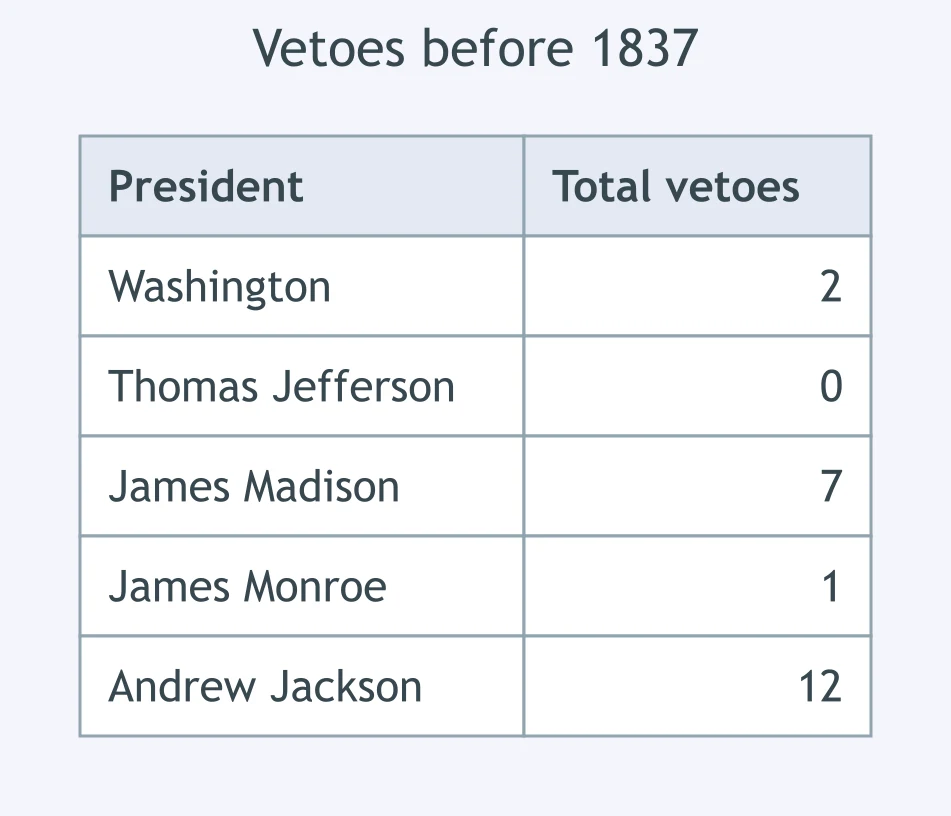
Use the veto-count table. What pattern appears among presidents before 1837?
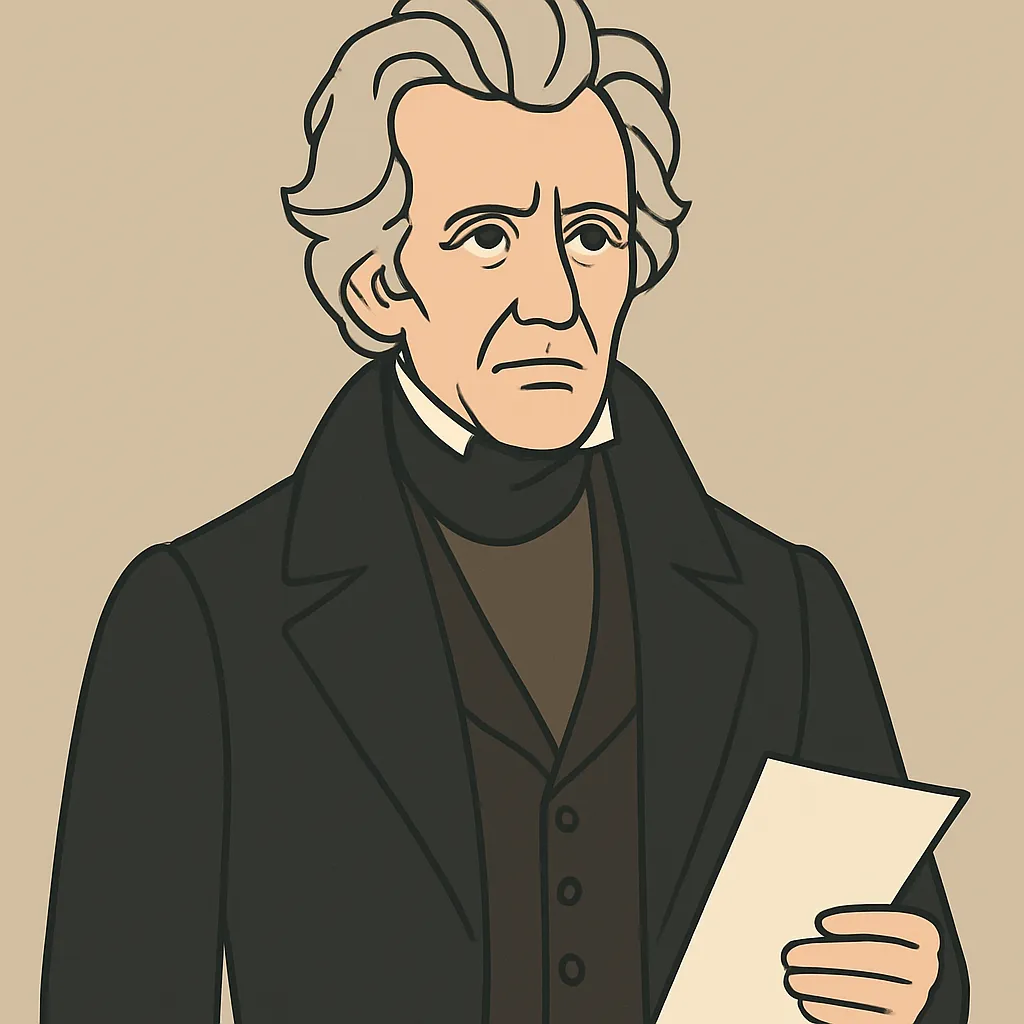
After reelection, Jackson ordered federal deposits removed from the Second Bank and replaced Treasury Secretary William Duane when he refused. What power was Jackson asserting?

The Senate censured Jackson on March 28, 1834, over his bank-deposit actions. What constitutional conflict did the censure reveal?
In his Bank Veto, Jackson wrote that each officer swears to support the Constitution "as he understands it, and not as it is understood by others." What authority claim was he making?
Crack the passcode before the zombies get in.
Answer, then swat bugs for bonus points.
Race through questions at your own speed.
Same question on every screen. Fastest wins.

Pick a tile, answer, hit bonuses and steals.
Landmark Cases of the Early Republic
20 questions