Loading
by BlastRoom
Questions explain the causes and effects of Indian Removal and the Trail of Tears.
#us_history#us_grade_8_social_studies
20 questions
One question set, multiple game modes. Tap any game to see it in action. Not sure which to pick?
Answer to place stones and capture territory.
Outrun the snow together.
Earn blasts, then hunt the other team.
Answer to earn energy, then climb.

The class blasts through walls together.
Bid on mystery lots. Most money wins.
Sell tours. Nice, standard, or a total scam.

Answer, restock, and serve the rush.
More correct answers pulls the rope your way.
Answer, then shoot down the alien wave.
Answer, then tap to leap the frozen ridge.
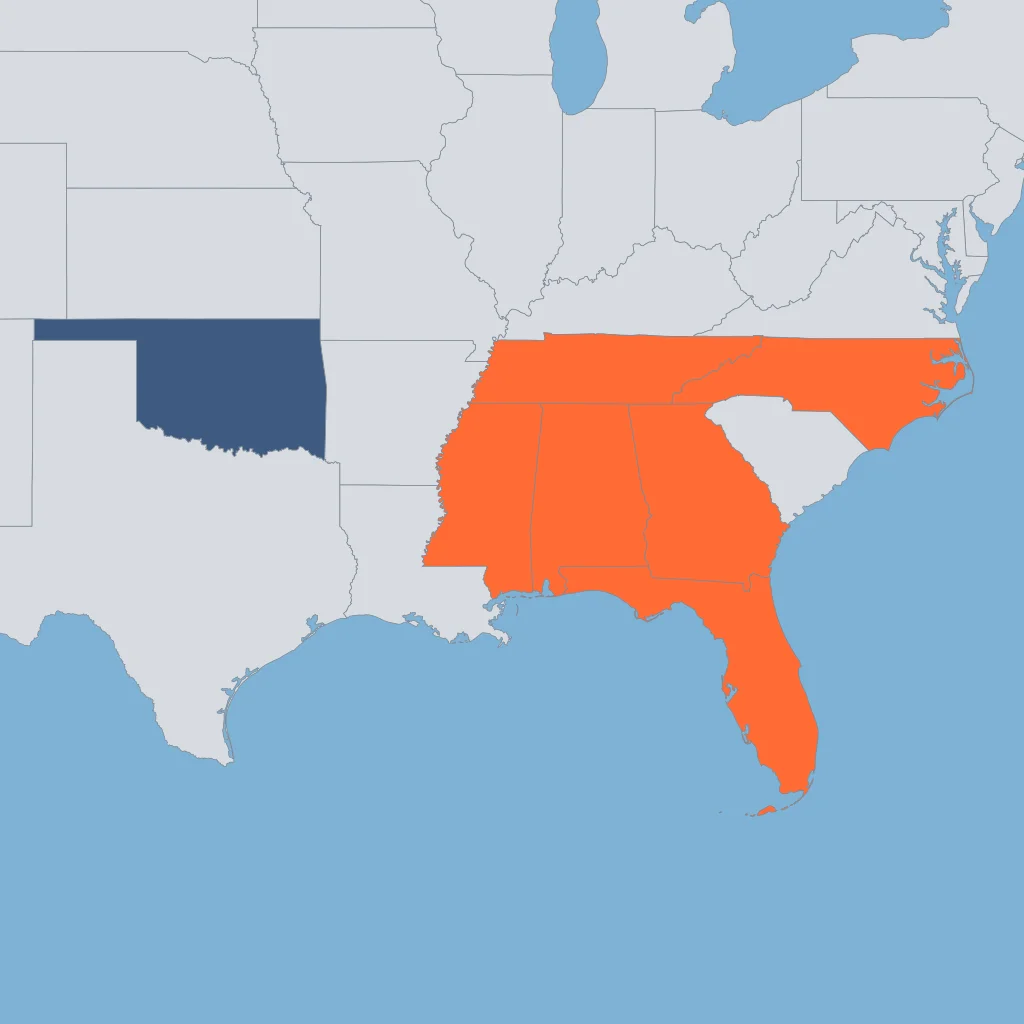
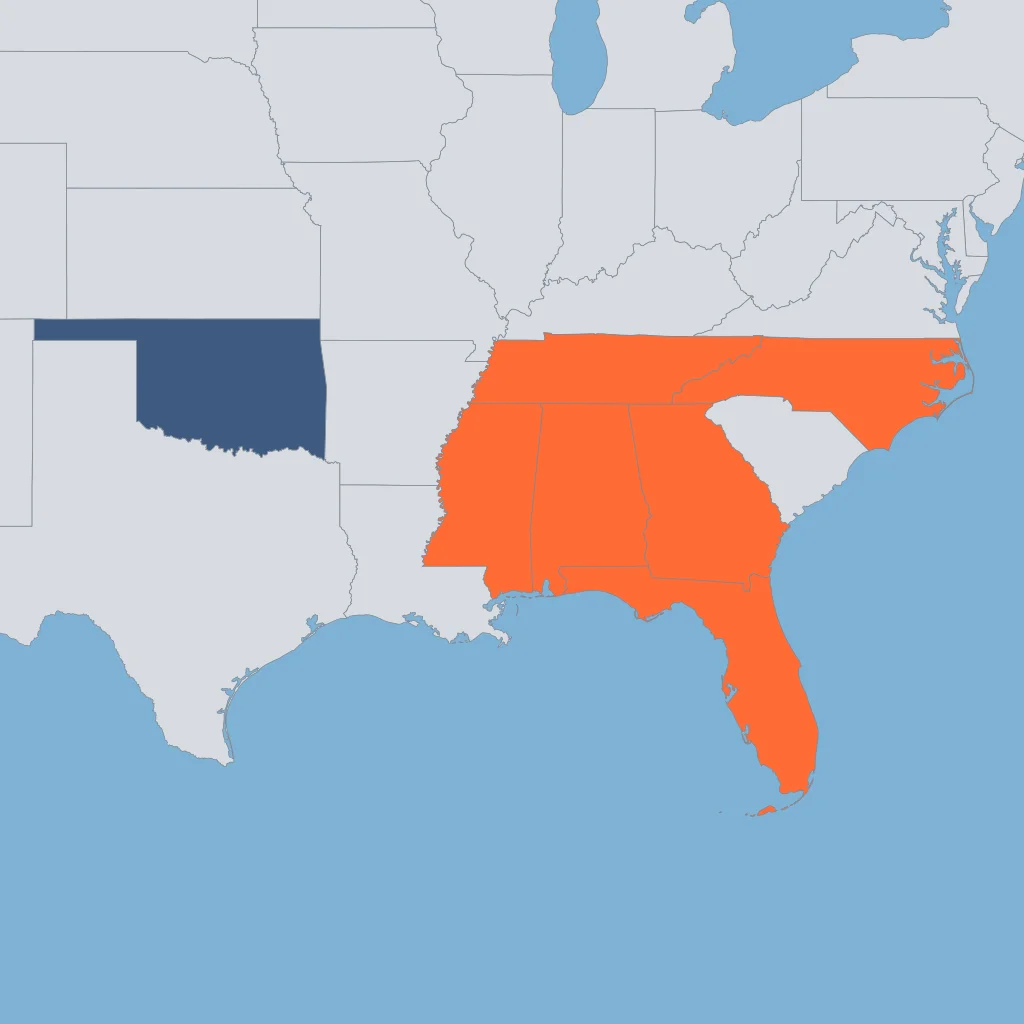
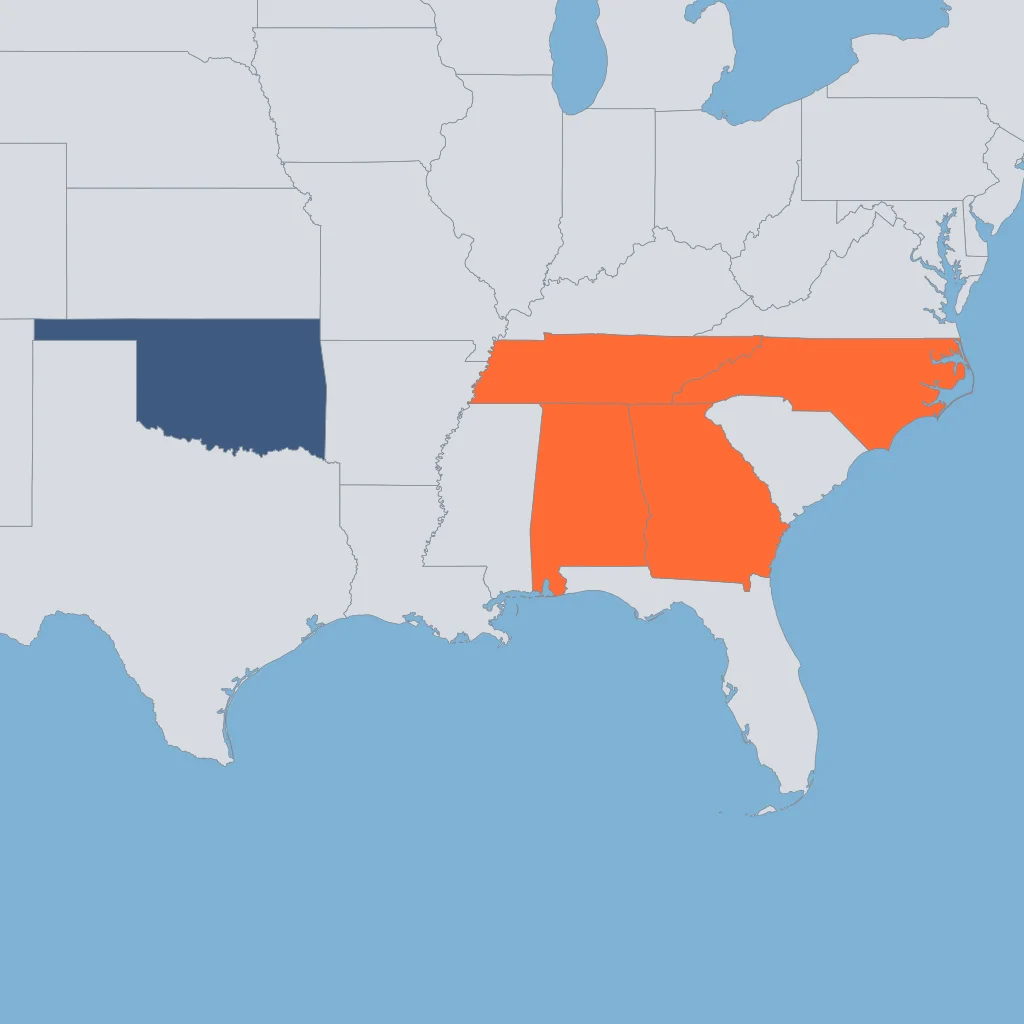
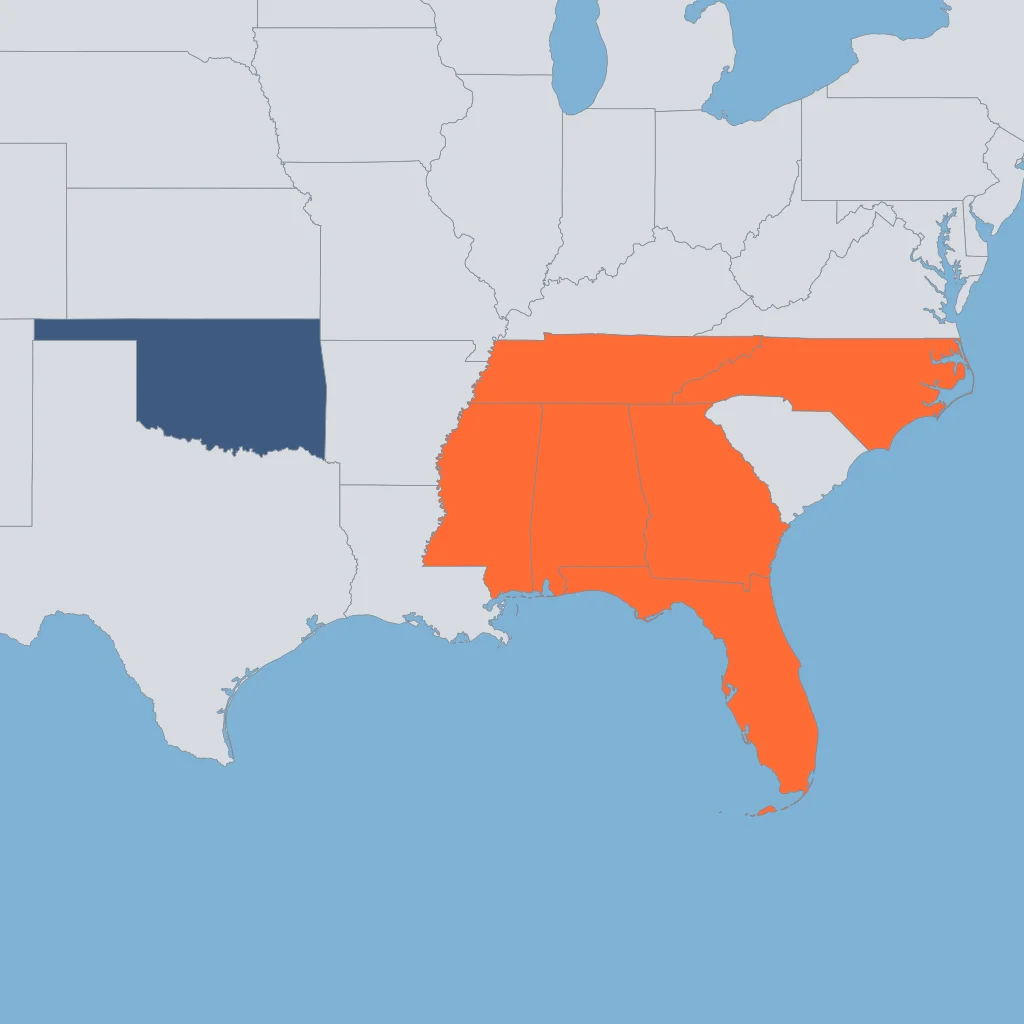
Use the map. Congress authorized the president to trade Native homelands in the orange areas for land west of the Mississippi River, such as the dark blue area. Which 1830 law did this?
The Supreme Court said Georgia laws had no force inside Cherokee territory. Which 1832 case made that ruling?
In 1835, a small group of Cherokees signed the Treaty of New Echota, agreeing to removal. Why did Principal Chief John Ross and most Cherokees reject it?
In Worcester v. Georgia (1832), the Supreme Court ruled that Georgia laws had no force in Cherokee territory. How did President Jackson respond?
Use the map. Under federal removal policy, Native nations of the orange areas were pressured or forced to move to the dark blue area. What was that destination called?
In the 1820s and 1830s, white settlers in Georgia, Alabama, and Mississippi pushed the government to remove Native nations. What economic pressure helped drive removal?
In 1829, a discovery in north Georgia drew thousands of miners onto Cherokee land and increased pressure for removal. What was discovered?
Which president signed the Indian Removal Act in 1830 and argued that moving Native nations west would open eastern lands for white settlement?
In Cherokee Nation v. Georgia (1831), the Supreme Court said it could not hear the Cherokee lawsuit against Georgia. How did the Court describe the Cherokee Nation?
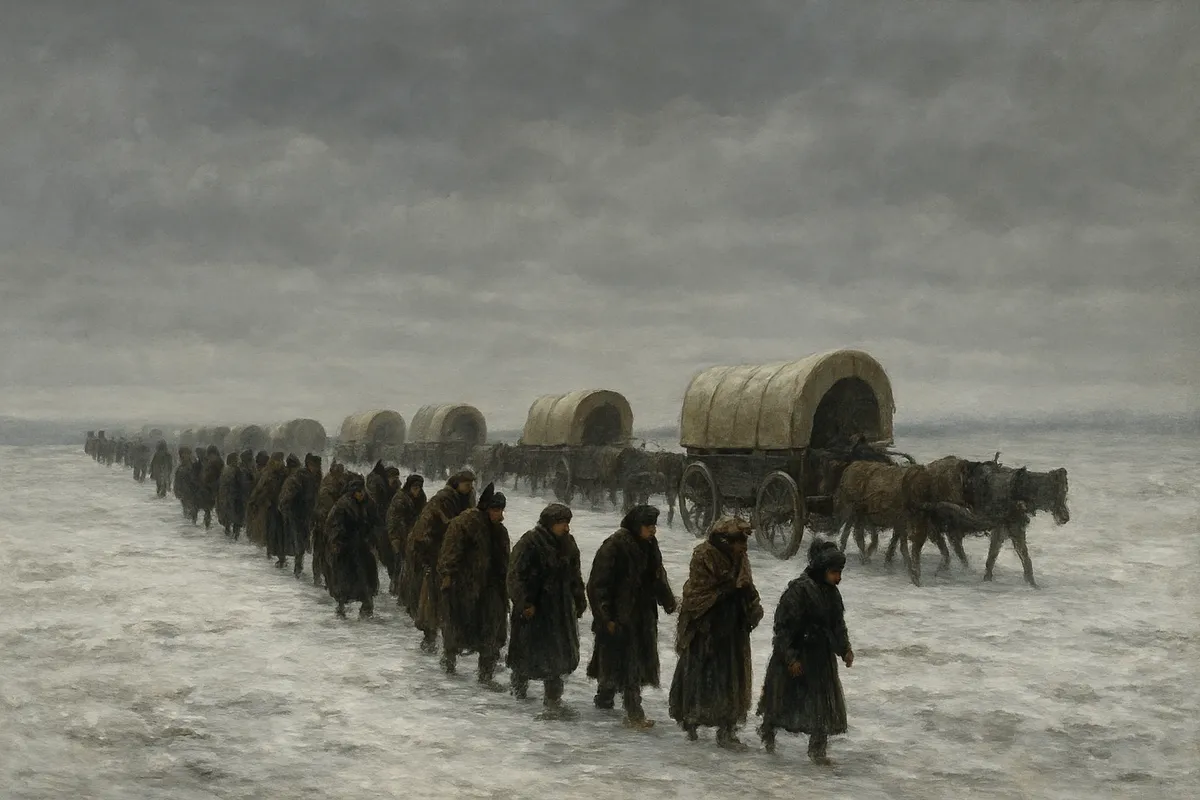
Use the map. In 1838 and 1839, U.S. troops and state militias forced thousands of Cherokees from their homes in the orange states and sent them west to the dark blue area. Which event is described?
Which Cherokee leader opposed the New Echota agreement and later organized many westward detachments after General Winfield Scott’s order?
Some Seminoles refused the 1832 Treaty of Payne’s Landing, and U.S. efforts to enforce removal led to what conflict?
The first major southeastern nation removed after the 1830 law traveled from Mississippi toward Indian Territory in harsh conditions. Which nation was it?
By 1838, most Cherokees had refused to accept the removal treaty or leave their homes. How did most of them end up moving west?
Use the map. Removal treaties and military force pushed many Native nations out of the orange areas, east of the Mississippi River, to the dark blue area. What effect did this have on those nations?
Cherokees died from disease, exposure, and hunger in the camps and on the journey west in 1838 and 1839. About how many died, by common estimates?
After removal, the Cherokee Nation adopted a new constitution in 1839 in Indian Territory. In which present-day state did this happen?
In 1839, Major Ridge, John Ridge, and Elias Boudinot were killed in Indian Territory by Cherokees opposed to them. Why were they targeted?
Some Cherokees avoided the 1838 roundup by hiding in the mountains, and their descendants formed the Eastern Band of Cherokee Indians. In which state is the Eastern Band based today?
Cherokee, Choctaw, Muscogee Creek, Chickasaw, and Seminole peoples were all moved to Indian Territory. What name did white Americans of the time often use for these five nations?
Crack the passcode before the zombies get in.
Answer, then swat bugs for bonus points.
Race through questions at your own speed.
Same question on every screen. Fastest wins.

Pick a tile, answer, hit bonuses and steals.
Manifest Destiny and the Western Trails
20 questions