Loading
by BlastRoom
Follow carbon through photosynthesis, respiration, decomposition, fossil fuels and the ocean, and see what disrupts it.
#biology
20 questions
One question set, multiple game modes. Tap any game to see it in action. Not sure which to pick?
Answer to place stones and capture territory.
Outrun the snow together.
Earn blasts, then hunt the other team.
Answer to earn energy, then climb.

The class blasts through walls together.
Bid on mystery lots. Most money wins.
Sell tours. Nice, standard, or a total scam.

Answer, restock, and serve the rush.
More correct answers pulls the rope your way.
Answer, then shoot down the alien wave.
Answer, then tap to leap the frozen ridge.
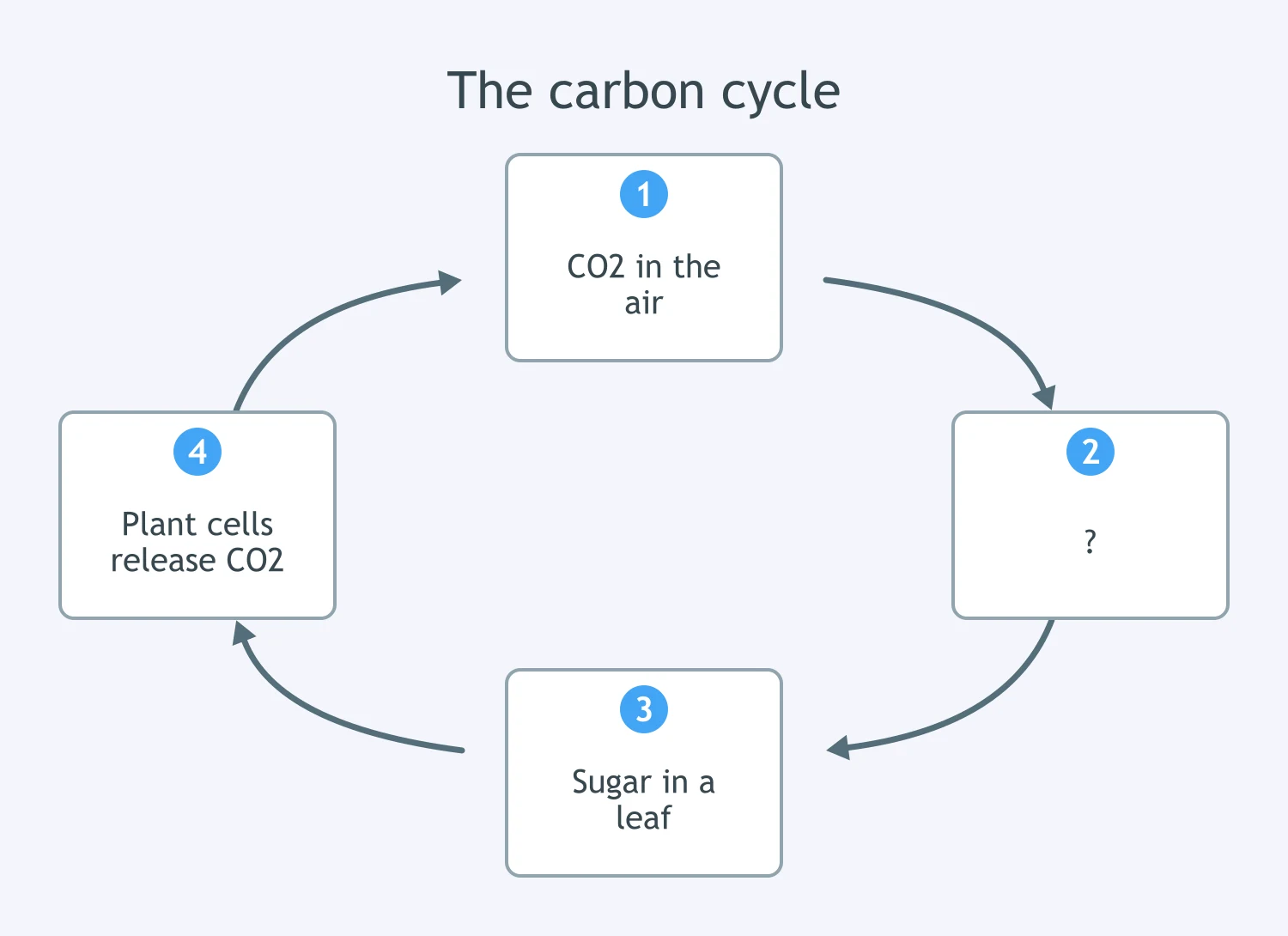
The diagram shows carbon moving around a cycle, with one stage left blank. Which process belongs in the blank?
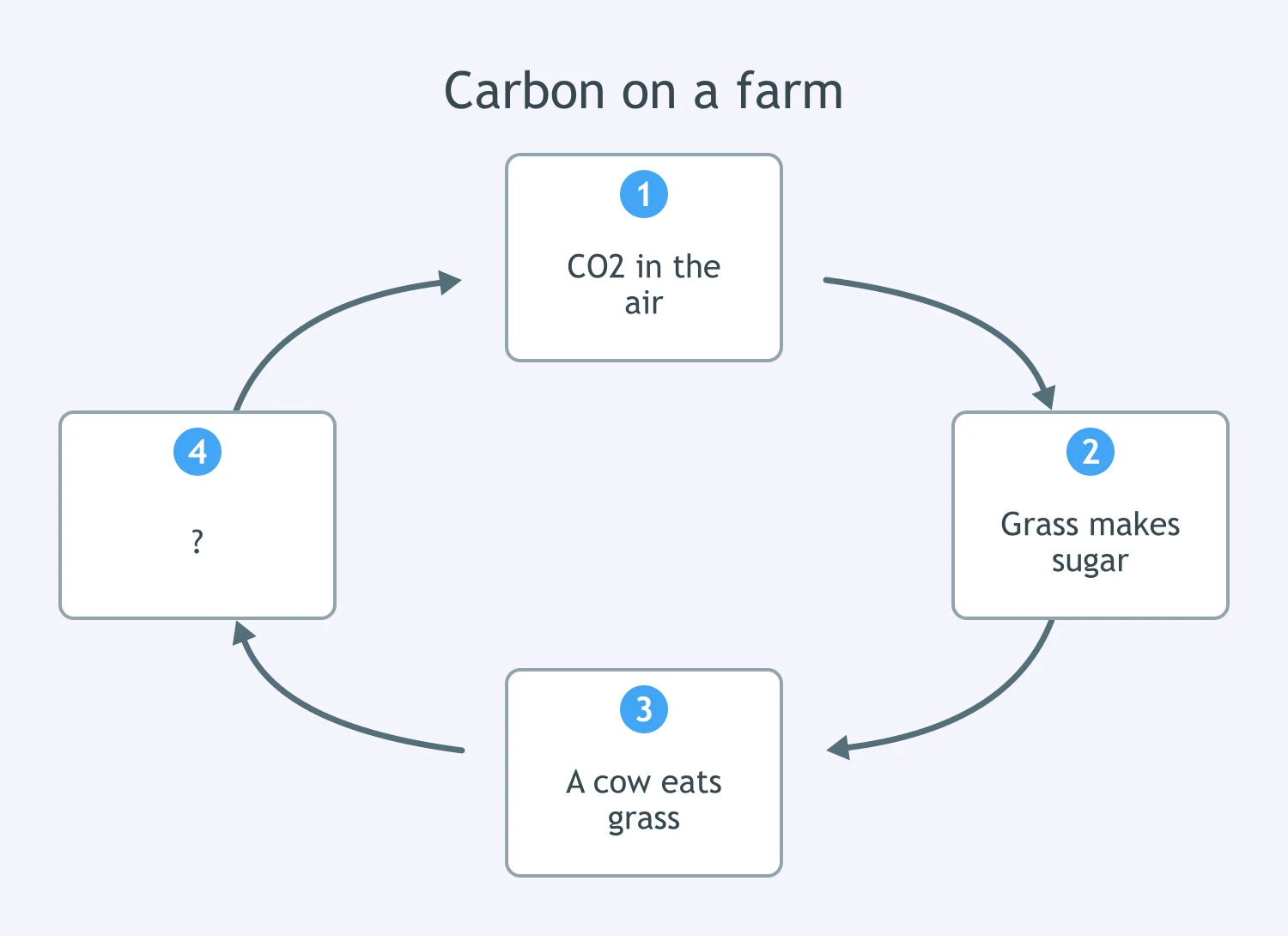
In the diagram the cow's body holds carbon that came from the grass it ate. The blank stage is the one that sends that carbon back to the air as carbon dioxide. Which process is it?
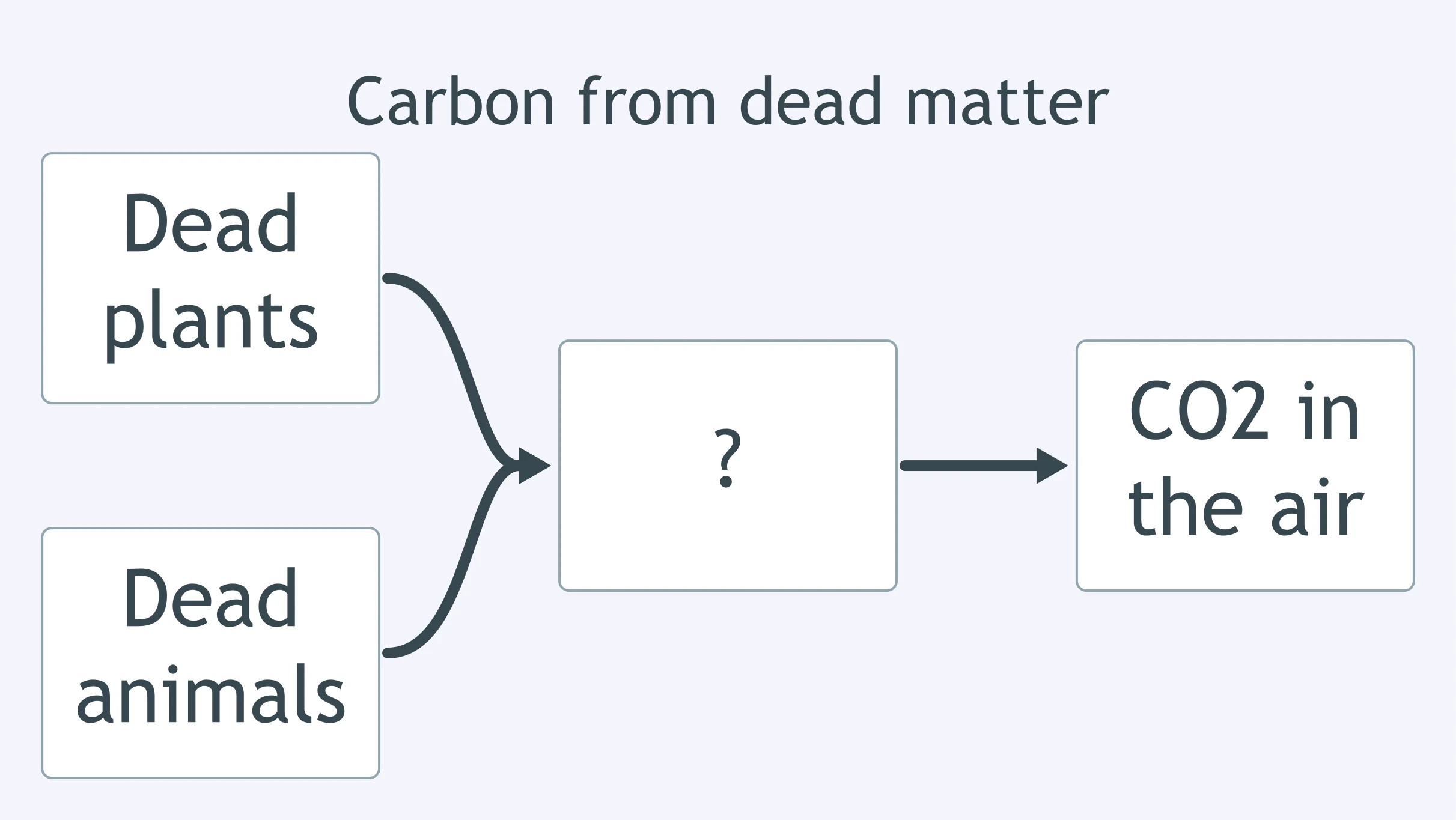
Dead plants and dead animals both feed into the blank in the diagram, and carbon leaves the blank as carbon dioxide gas. What belongs there?
Carbon dioxide is dissolved in the surface water of the ocean. Which process moves that carbon from the sea water back into the atmosphere?
A volcano erupts and releases gas that had been locked in rock deep underground for millions of years. Between which two carbon reservoirs is carbon moving?
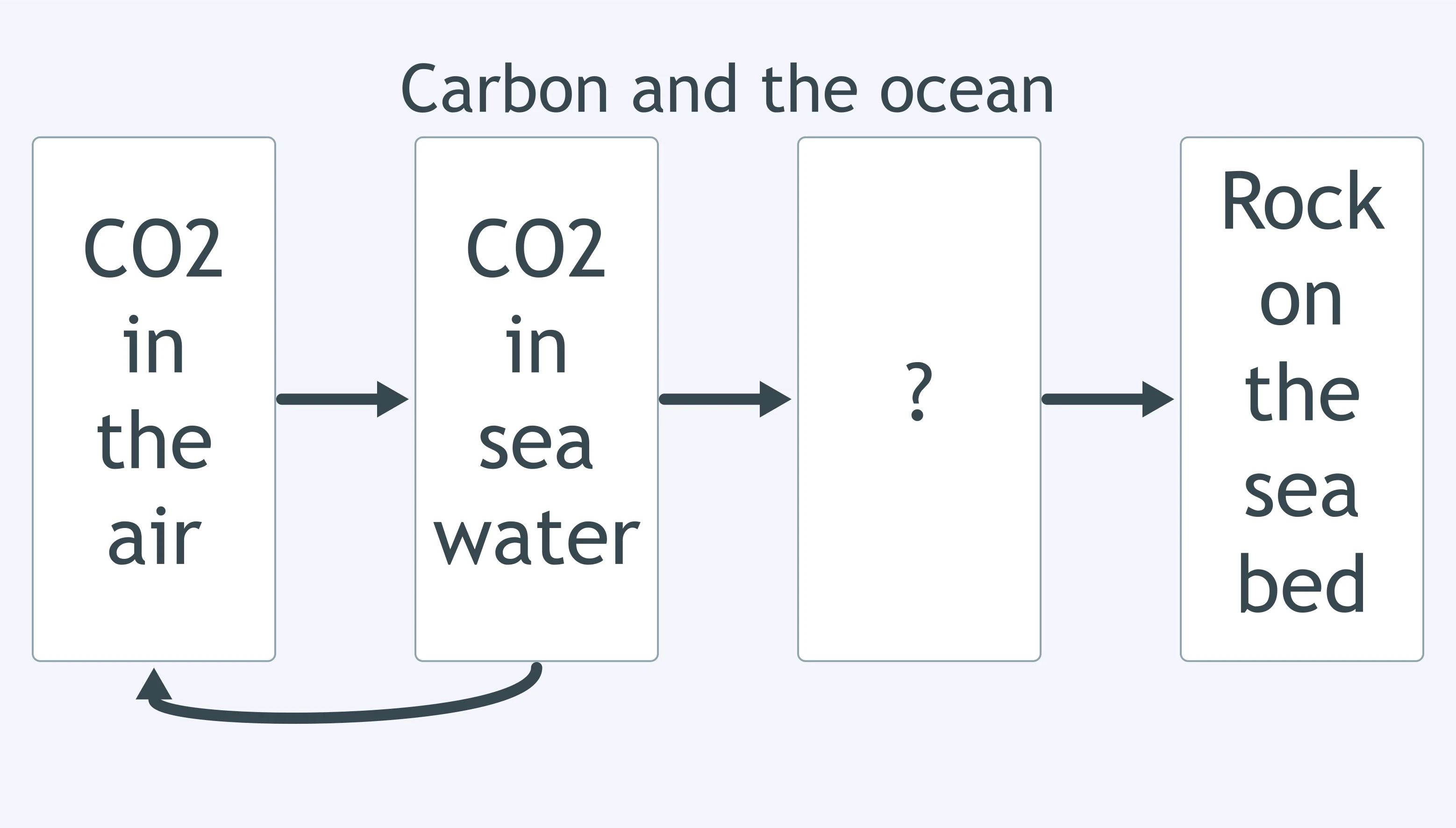
Carbon dissolved in sea water passes into the blank in the diagram, and from the blank it ends up in rock on the sea bed. What belongs in the blank?
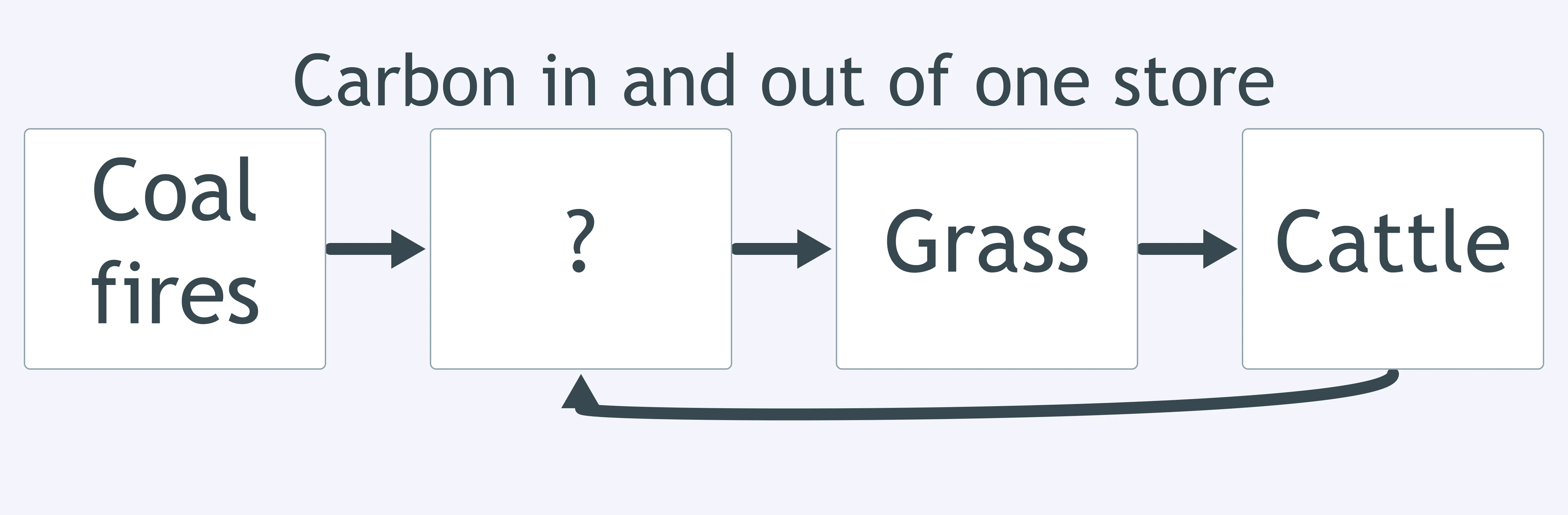
Every arrow in the diagram either enters or leaves the same store, which is left blank. What is that store, and in what form is carbon held there?
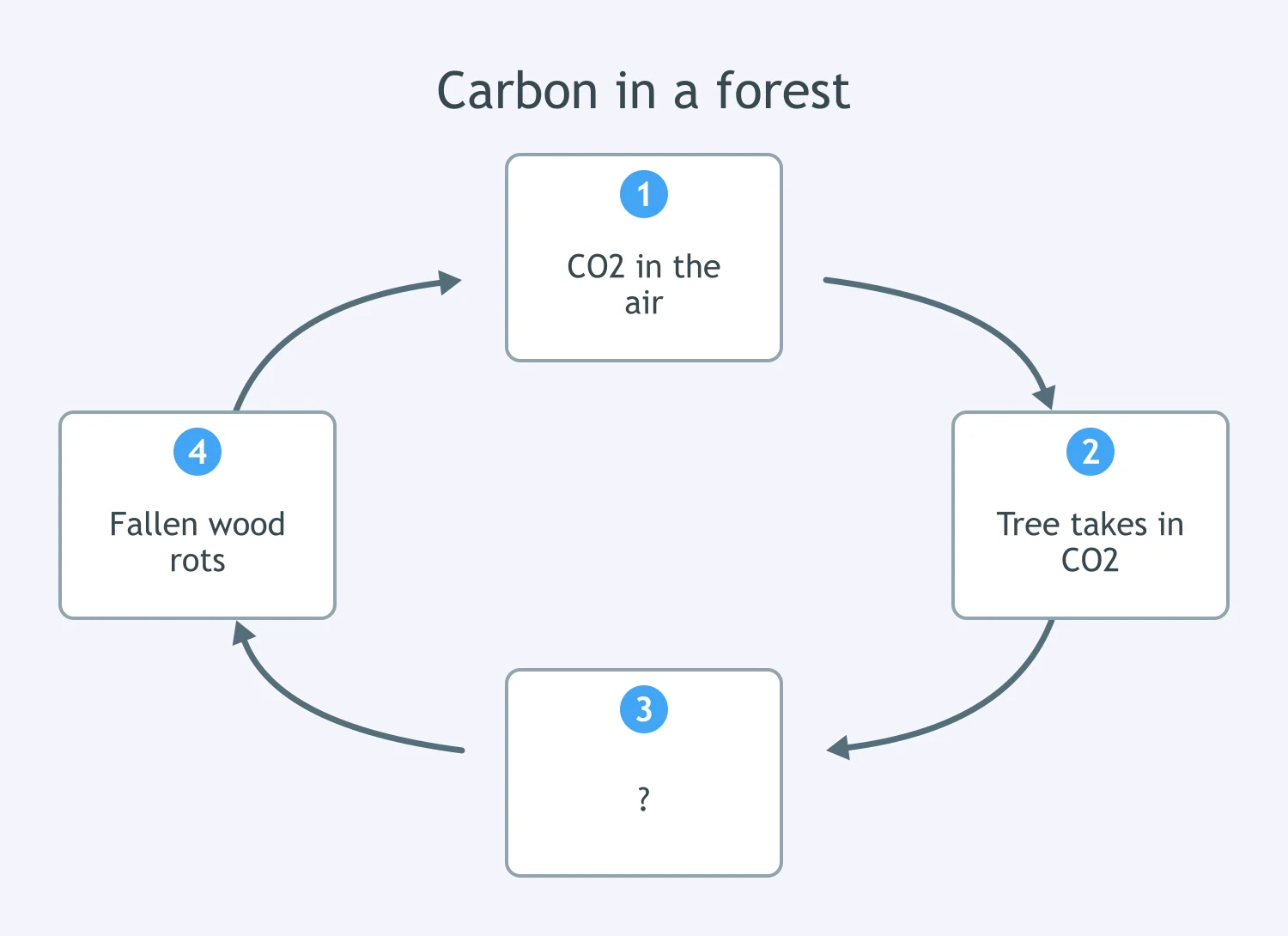
The diagram follows carbon through a forest. Between the tree taking the gas in and its fallen wood rotting, where is that carbon held, and in what form?
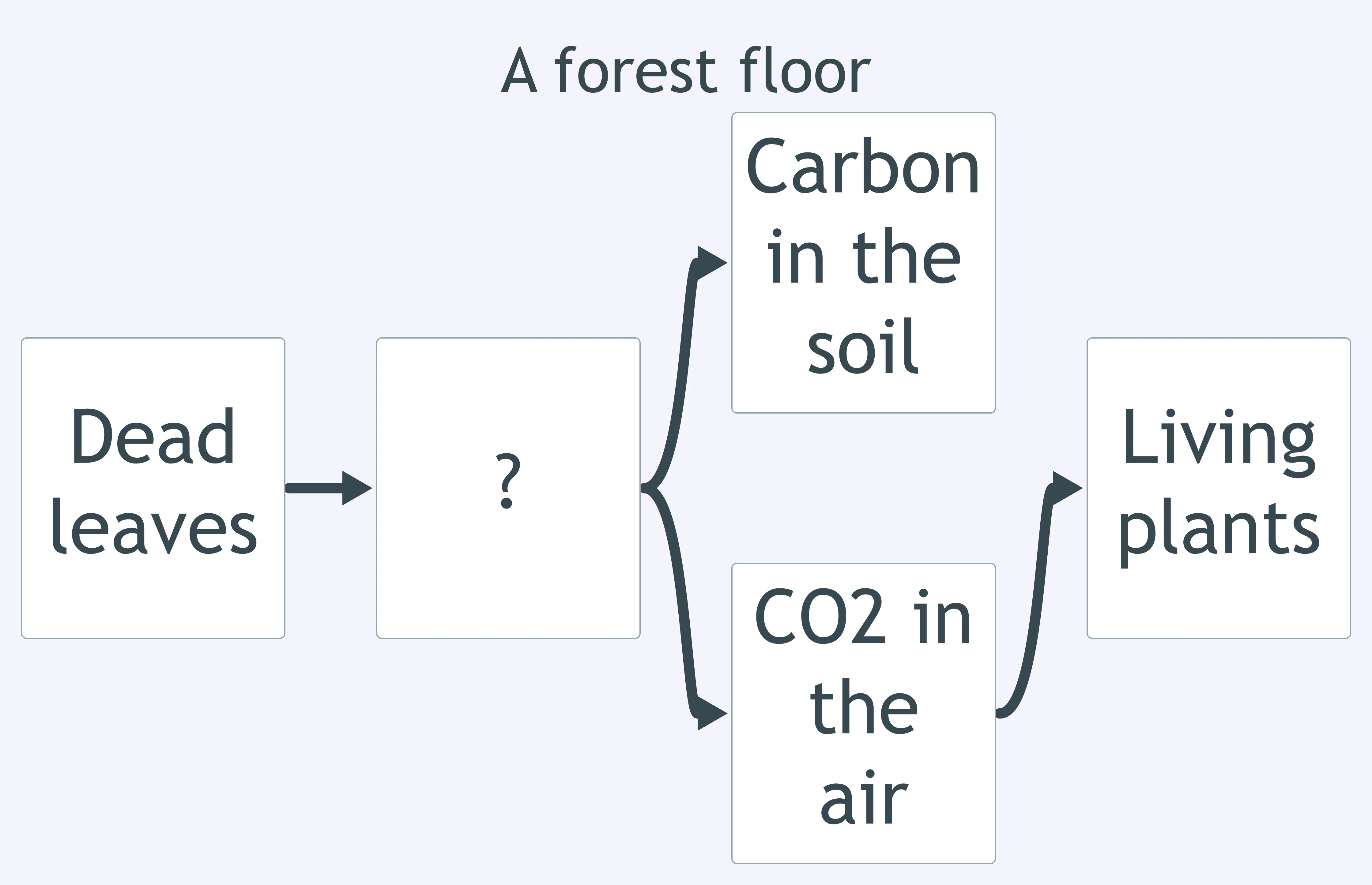
A forest soil is dark and rich in carbon. Where did most of that carbon come from, and what is it held in now?
The ocean holds more carbon than the atmosphere does.
One stage of the diagram is blank. If the organisms that carry out that stage all died off, dead leaves would pile up on the forest floor and their carbon would stay locked inside them. What is the blank stage?
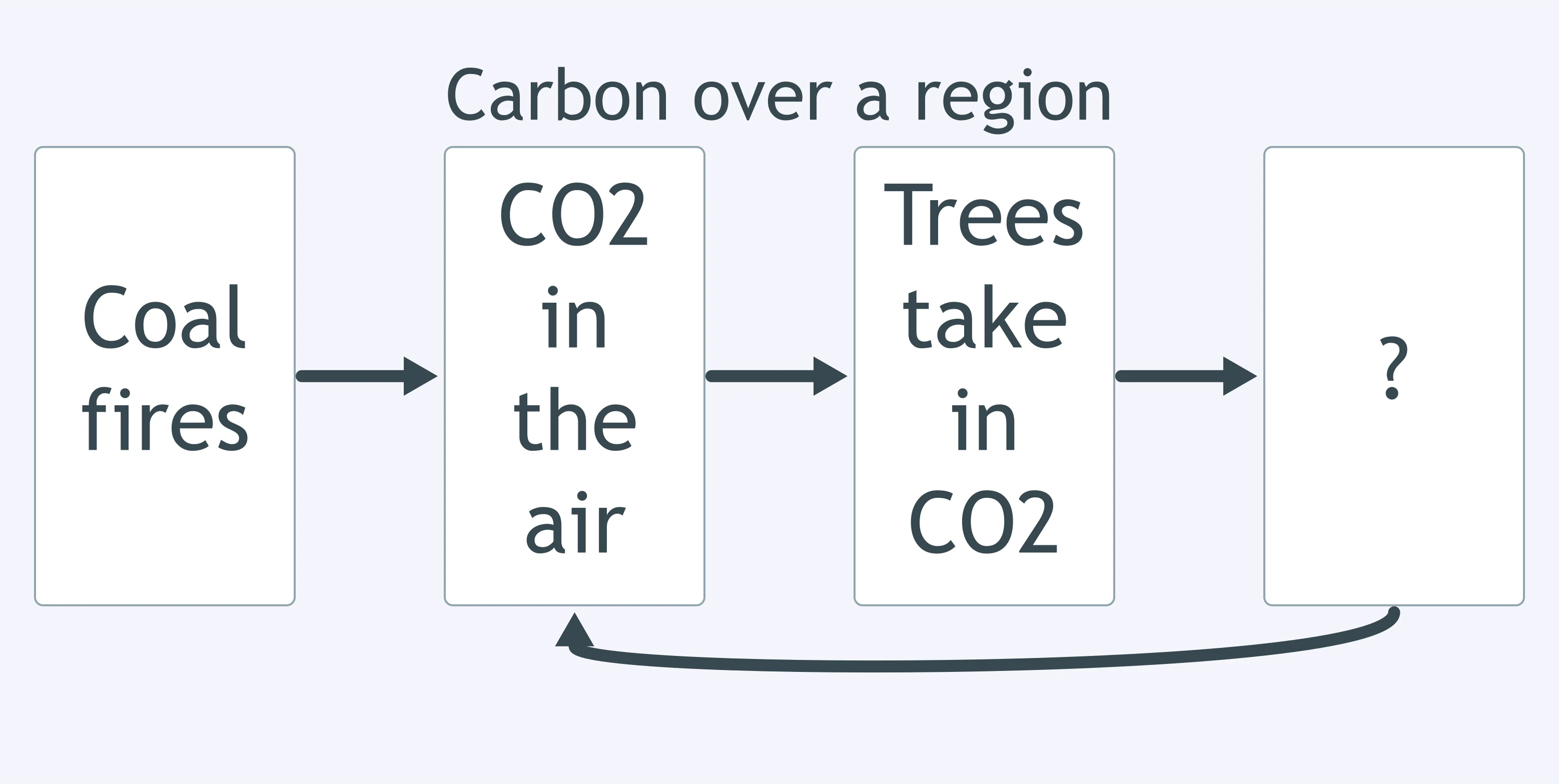
The blank in the diagram is the store a region loses when its forest is cleared and burned, and carbon dioxide over the region rises afterwards. What is the blank?
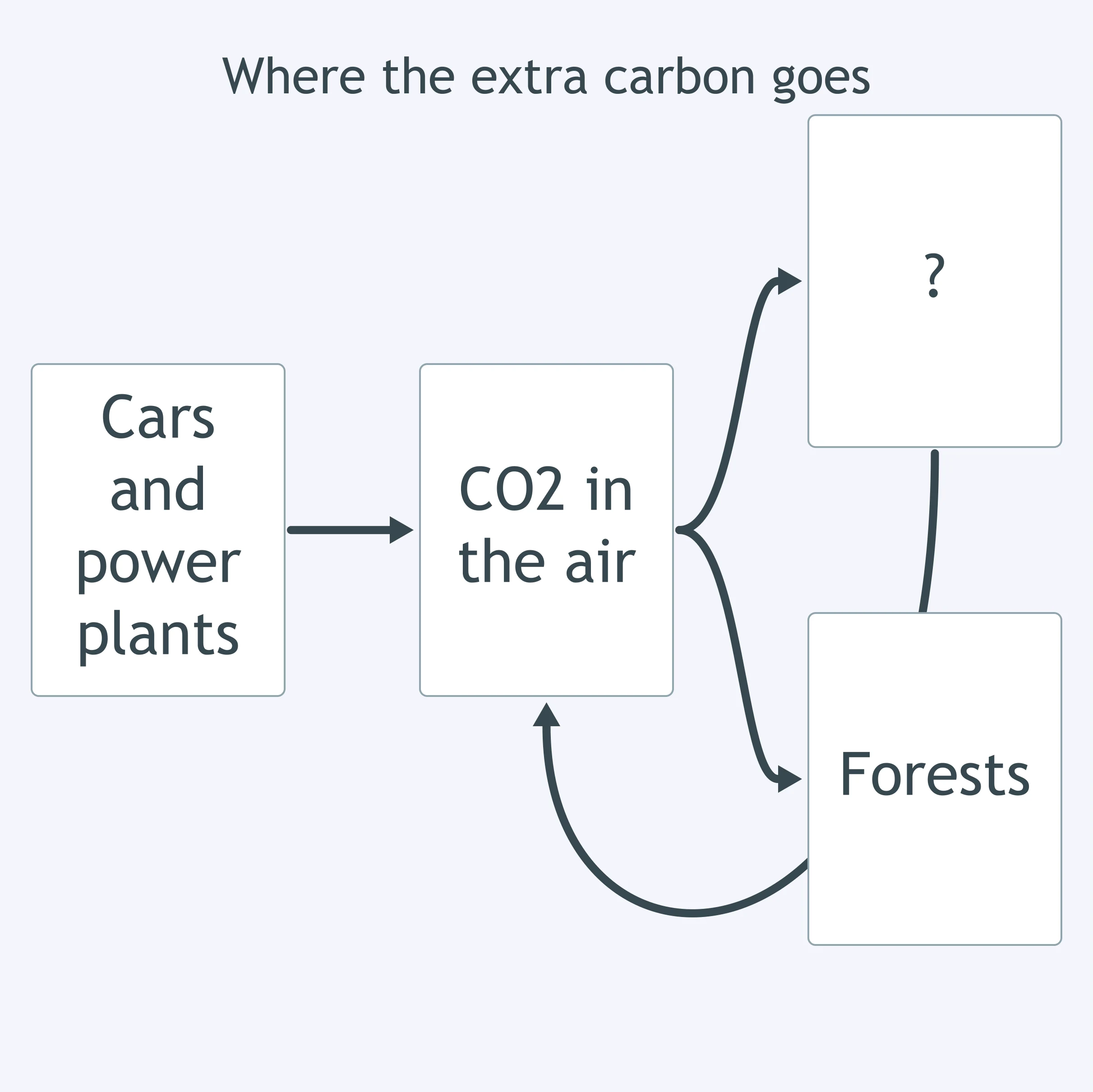
The diagram shows where carbon dioxide added to the air goes. The blank takes up a large share of it, which has slowed the rise in the air but is changing the chemistry of the blank itself. What is it?
A wetland is drained. Its peat, which is made of half-rotted plant remains, dries out and begins to break down quickly. What is the most likely effect on carbon dioxide in the air above the drained land?
Carbon leaves an ecosystem for good once it has been used, in the same way energy does.
A country plants a large area of new forest each year while its factories keep releasing the same amount of carbon dioxide as before. What is the most likely effect on carbon dioxide in that country's air?
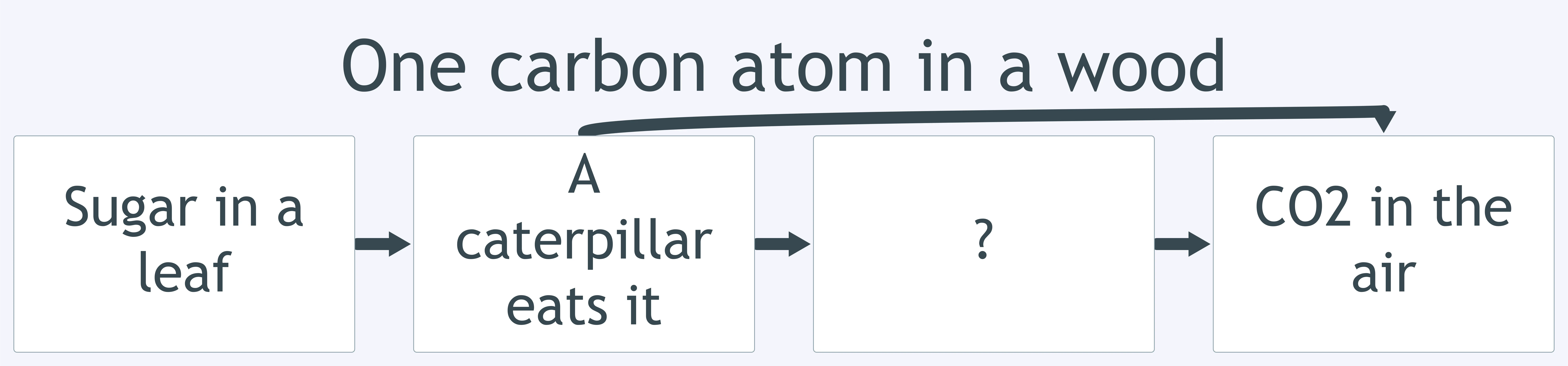
Trace one carbon atom through the diagram. Some of the caterpillar's carbon goes straight into the air, and the rest takes the blank route before it reaches the air. What is the blank?
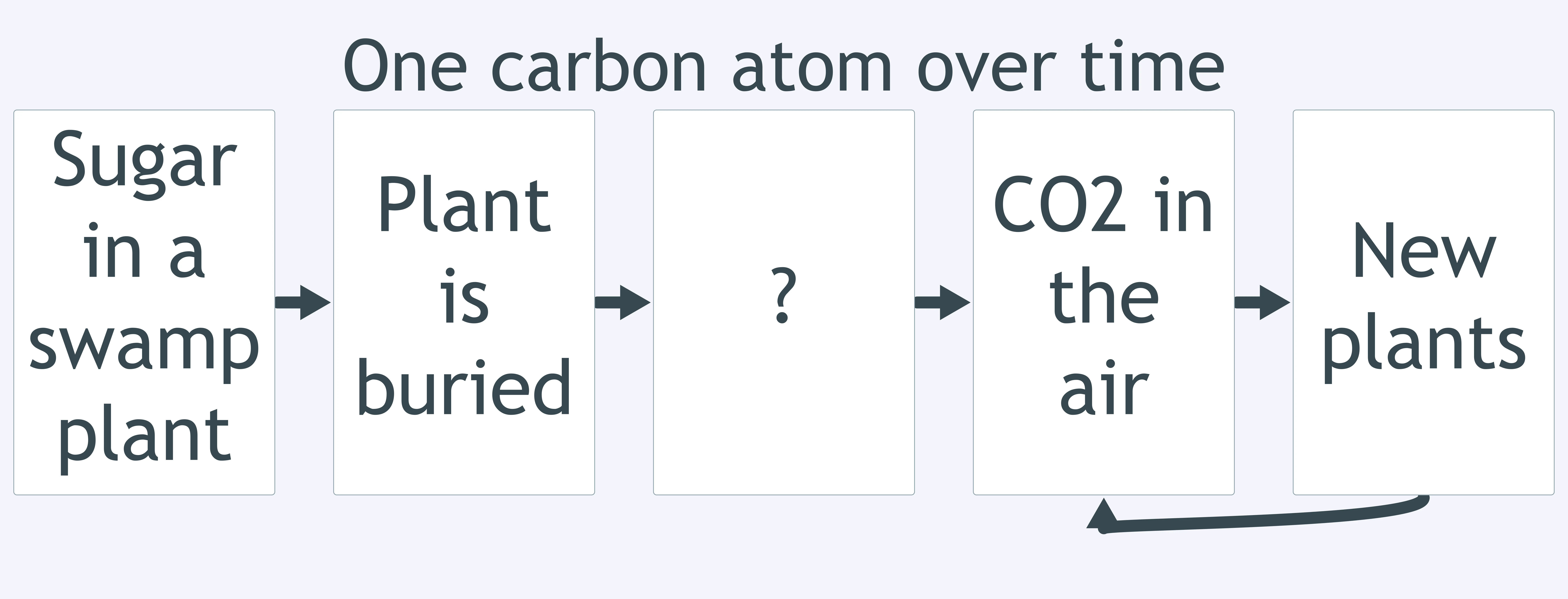
Trace one carbon atom through the diagram. It is in a swamp plant 300 million years ago, the plant is buried, and much later the atom reaches the air. What happens at the blank, between burial and release?
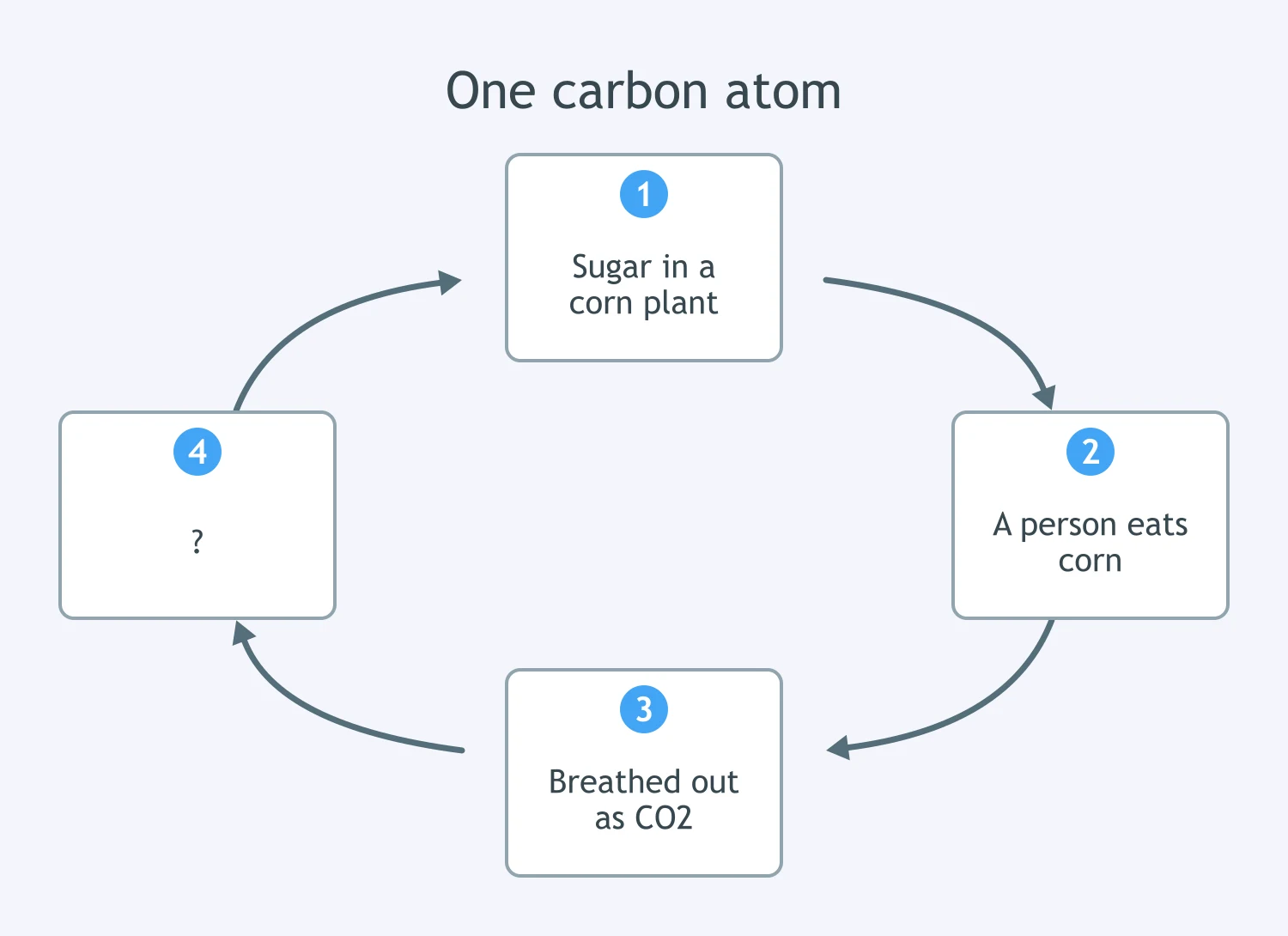
Trace one carbon atom around the diagram. It has just been breathed out as carbon dioxide, and the blank stage is the one that returns it to the sugar of a corn plant. What is the blank stage?
A carbon atom is in a sugar molecule in a blade of grass. A rabbit eats the grass, a fox eats the rabbit, and the fox uses those carbon compounds for energy as it runs. Where does that atom go next?
Crack the passcode before the zombies get in.
Answer, then swat bugs for bonus points.
Race through questions at your own speed.
Same question on every screen. Fastest wins.

Pick a tile, answer, hit bonuses and steals.
Population Growth Curves
20 questions