Loading
by BlastRoom
Practice ionization energy and electronegativity trends across periods and groups.
#chemistry

24 questions
One question set, multiple game modes. Tap any game to see it in action. Not sure which to pick?
Answer to place stones and capture territory.
Outrun the snow together.
Earn blasts, then hunt the other team.
Answer to earn energy, then climb.

The class blasts through walls together.
Bid on mystery lots. Most money wins.
Sell tours. Nice, standard, or a total scam.

Answer, restock, and serve the rush.
More correct answers pulls the rope your way.
Answer, then shoot down the alien wave.
Answer, then tap to leap the frozen ridge.
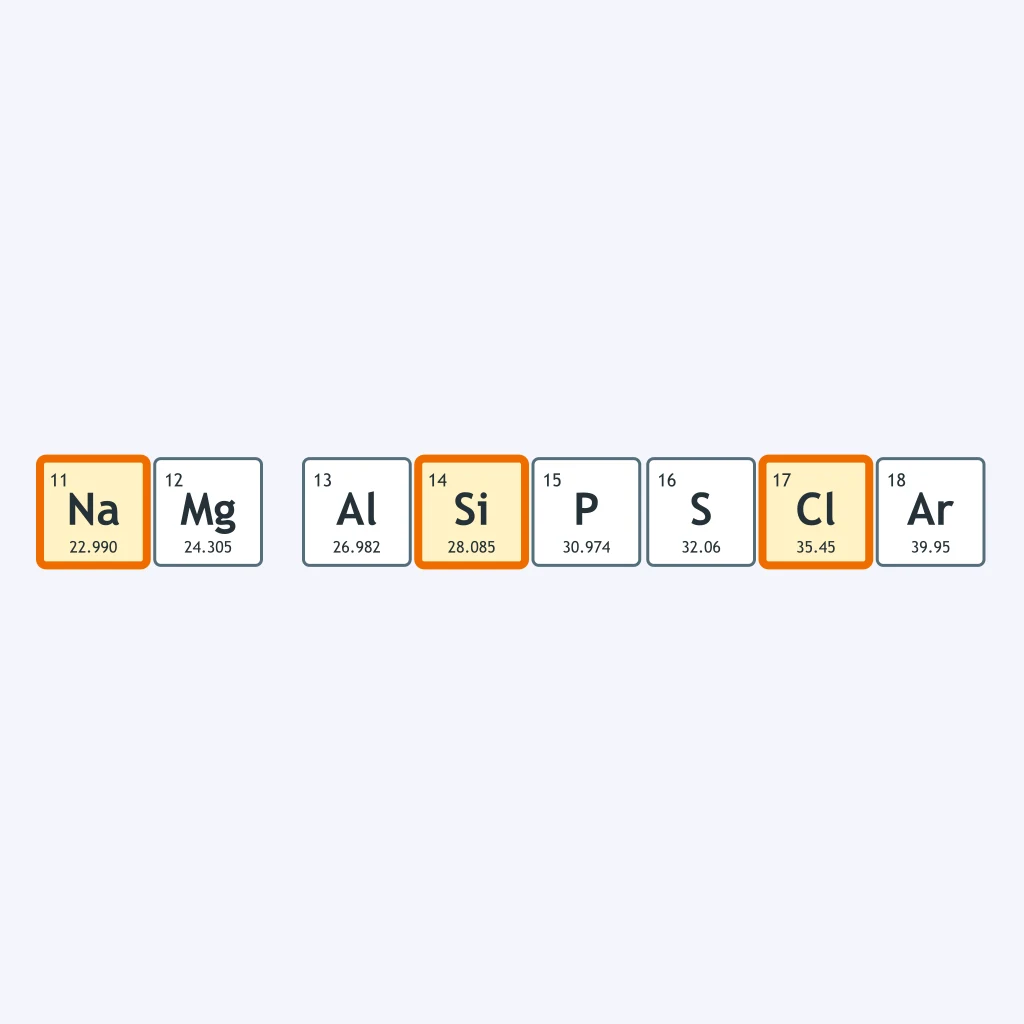
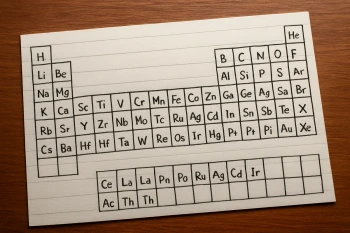
Use the periodic-table excerpt. Among the highlighted Na, Si, and Cl atoms, which has the greatest first ionization energy by the general trend?
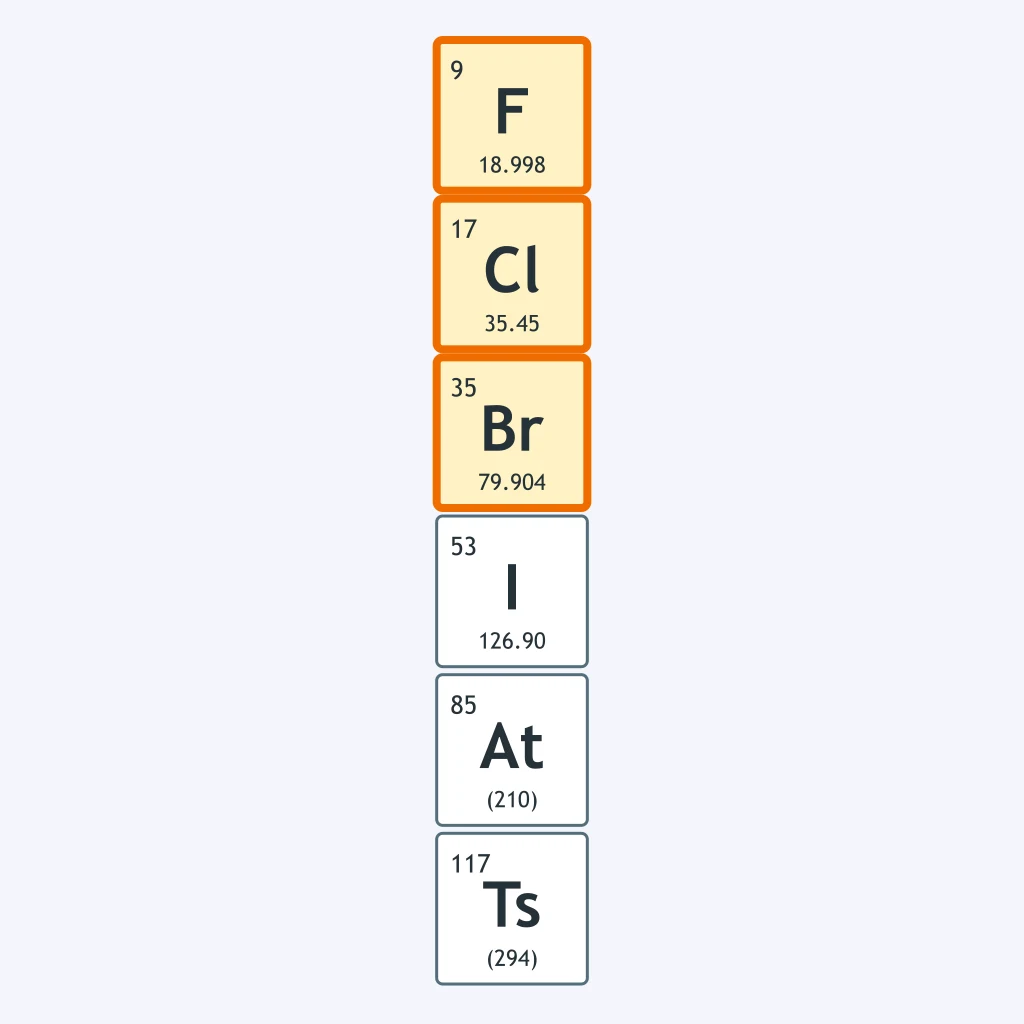
Use the highlighted halogens in the periodic-table excerpt. Which atom should have the greatest electronegativity?
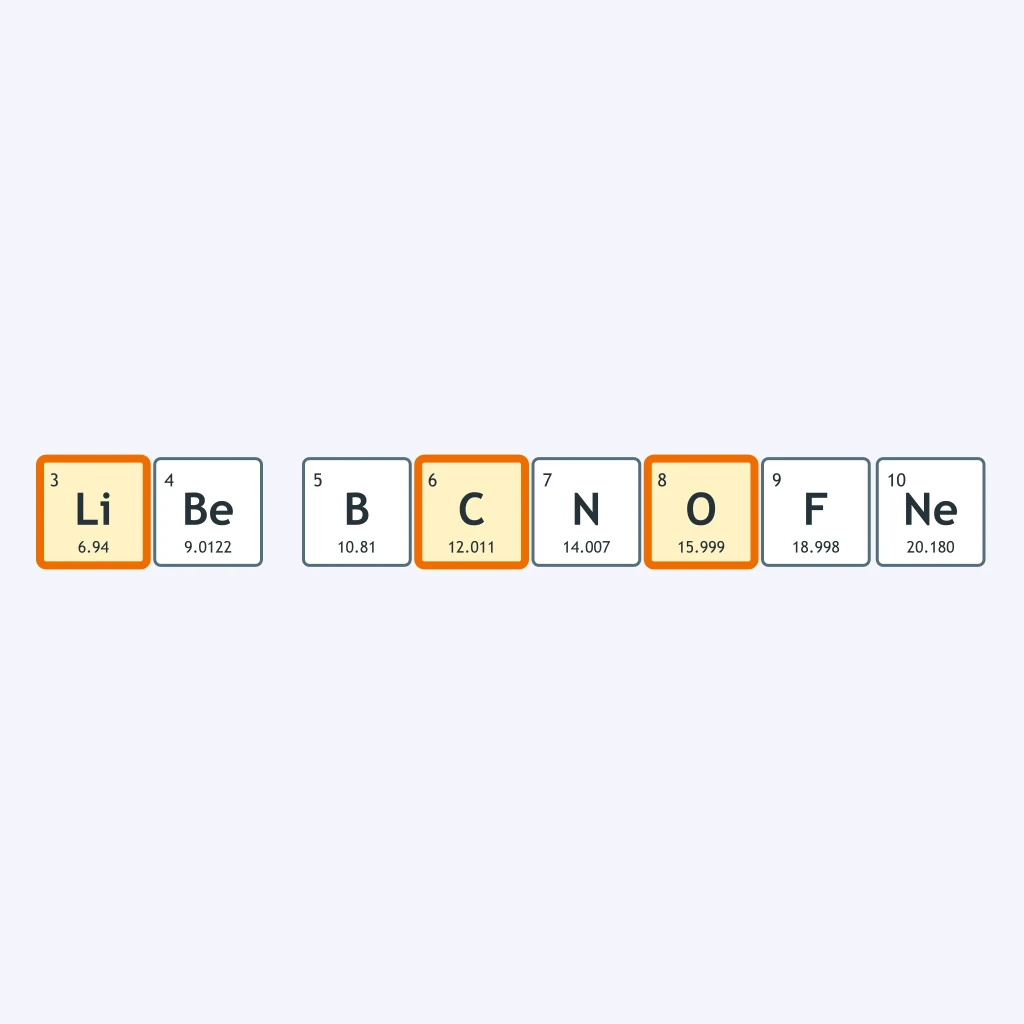
Use the periodic-table excerpt. Among the highlighted Li, C, and O atoms, which should have the lowest first ionization energy?
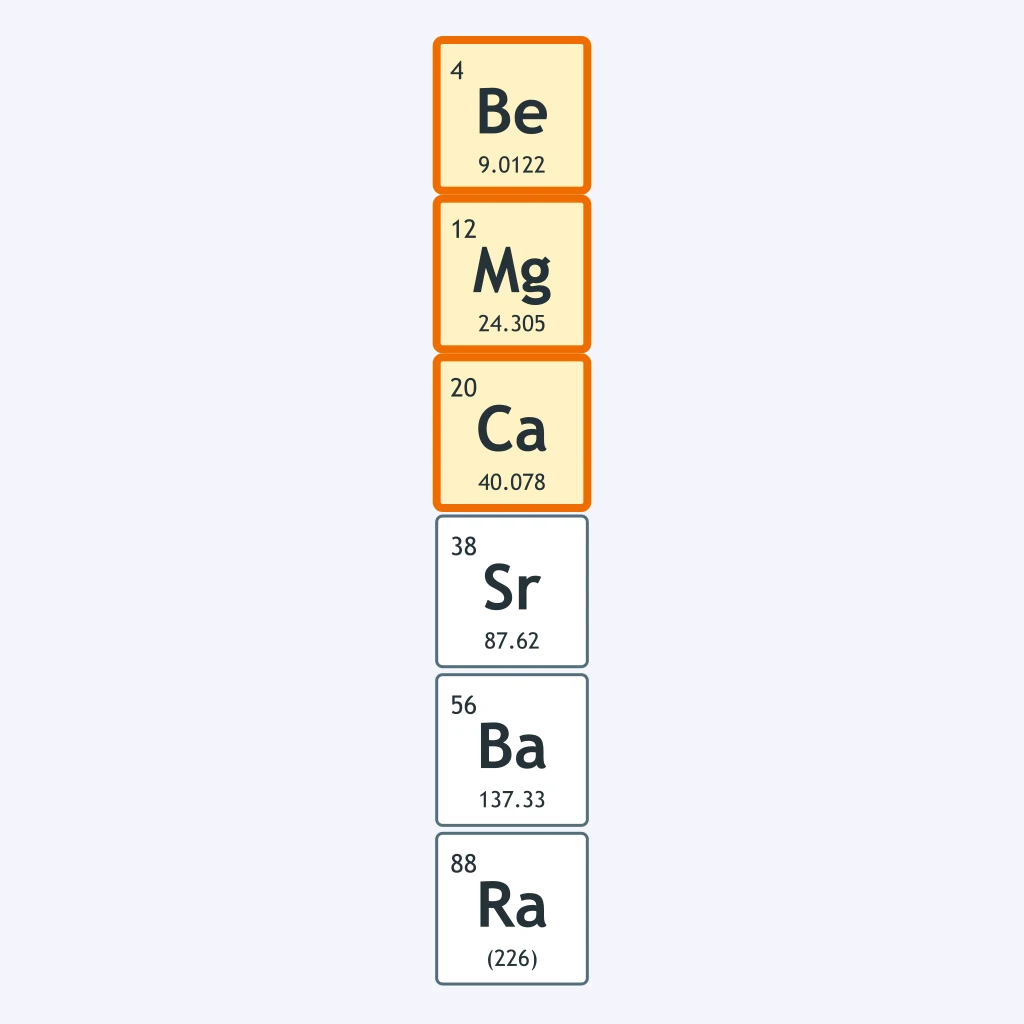
Use the highlighted alkaline earth metals. Which atom should have the lowest electronegativity?
Use the highlighted period 3 atoms. Which one should require the most energy to remove its first electron?
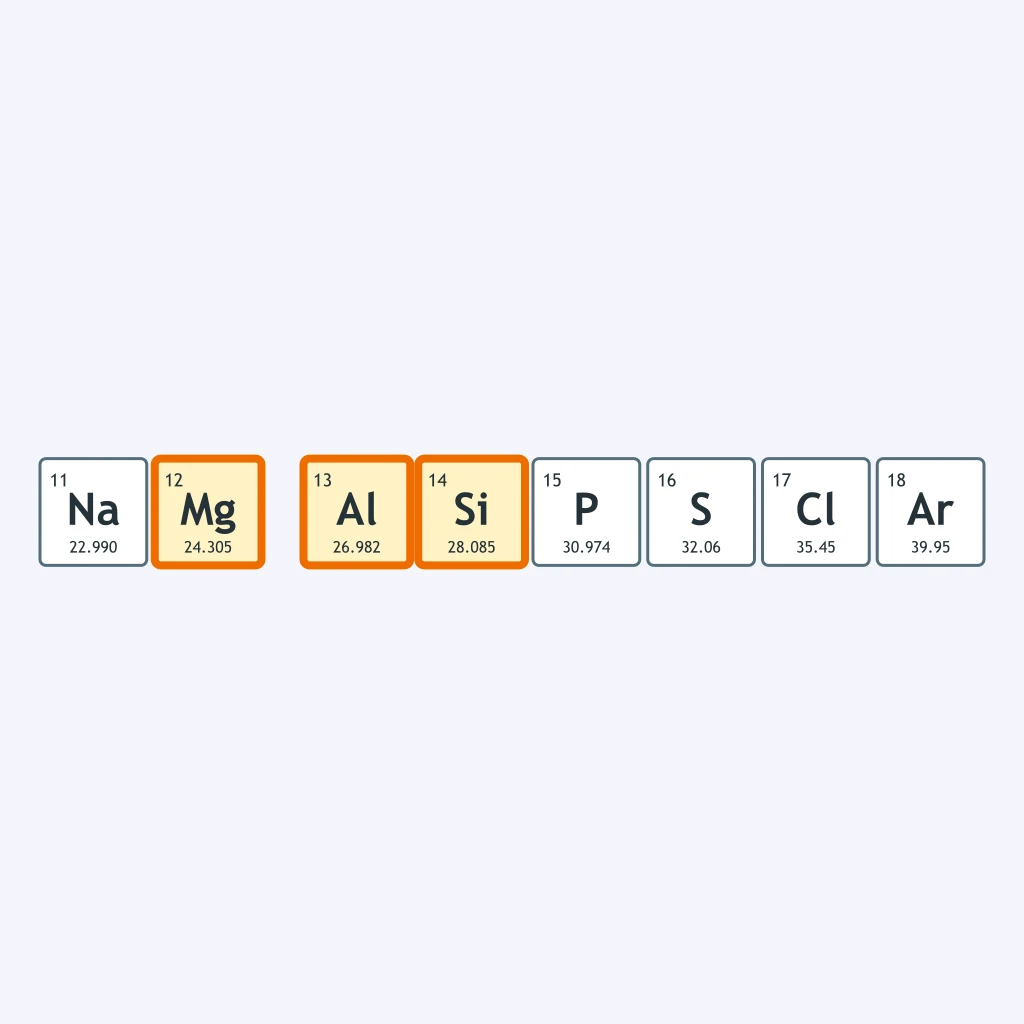
Use the successive ionization energy graph. The biggest jump occurs after removing how many electrons?
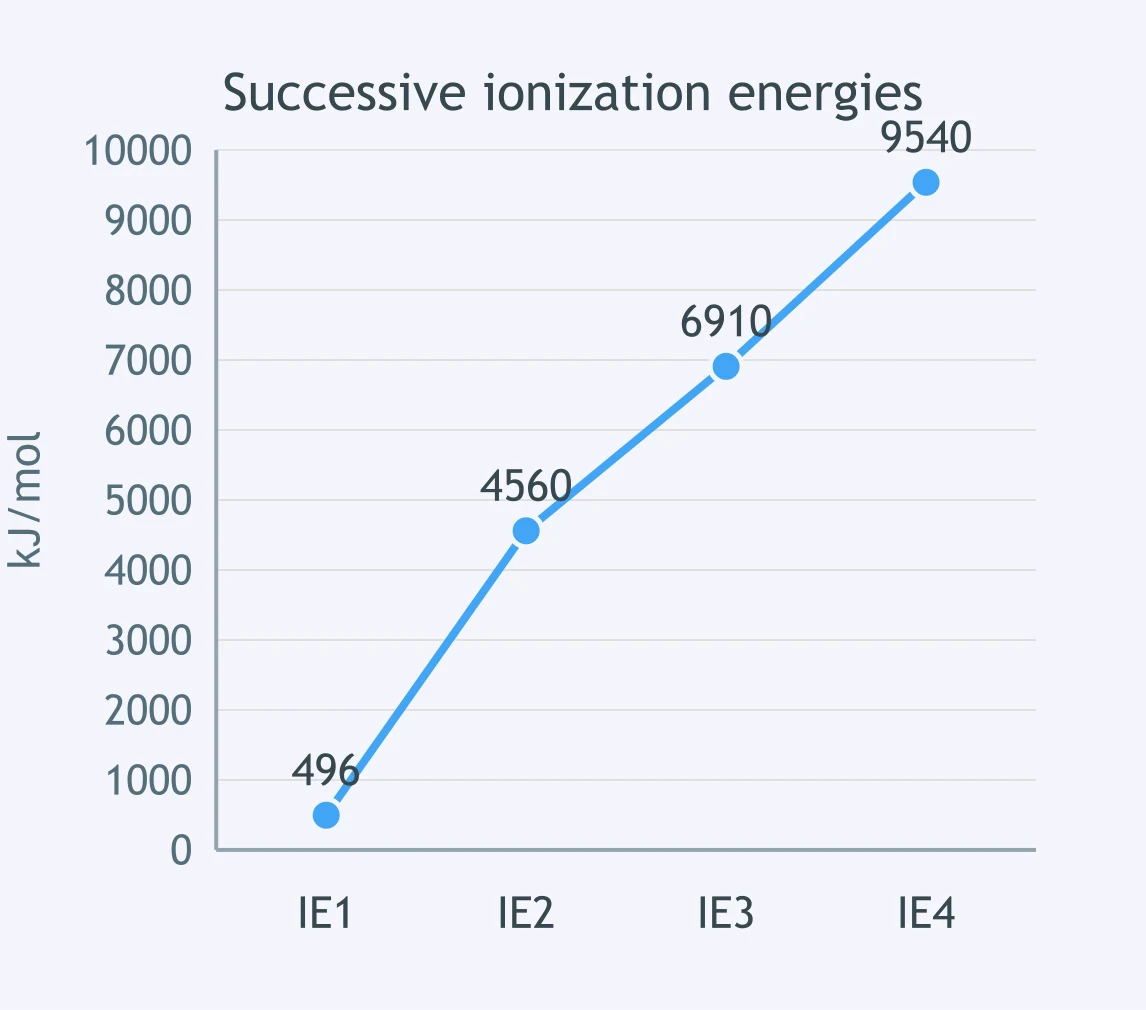
Use the successive ionization energy graph. Which common positive ion charge matches the large-jump pattern?
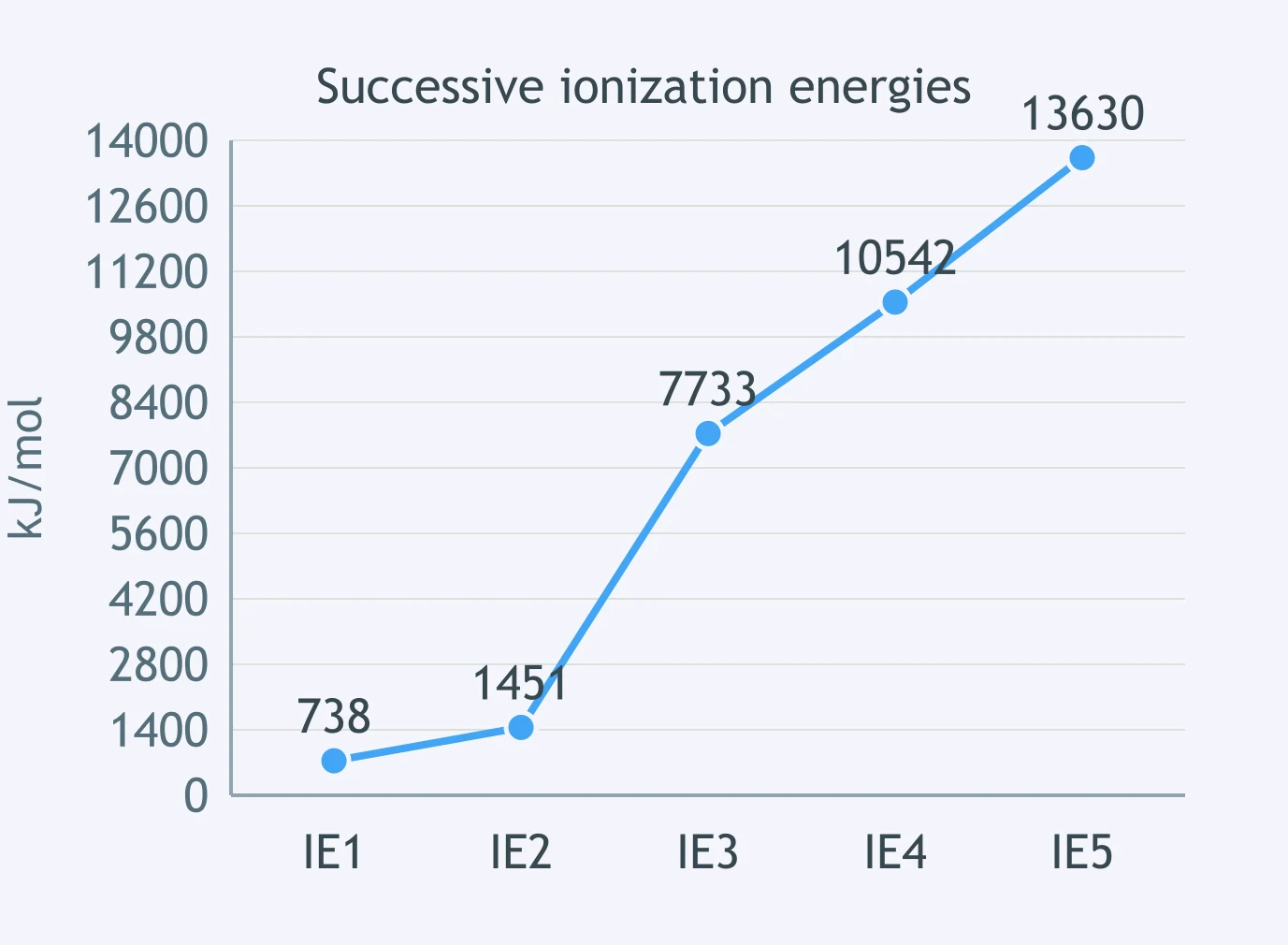
Use the successive ionization energy graph. How many valence electrons are indicated by its largest jump?
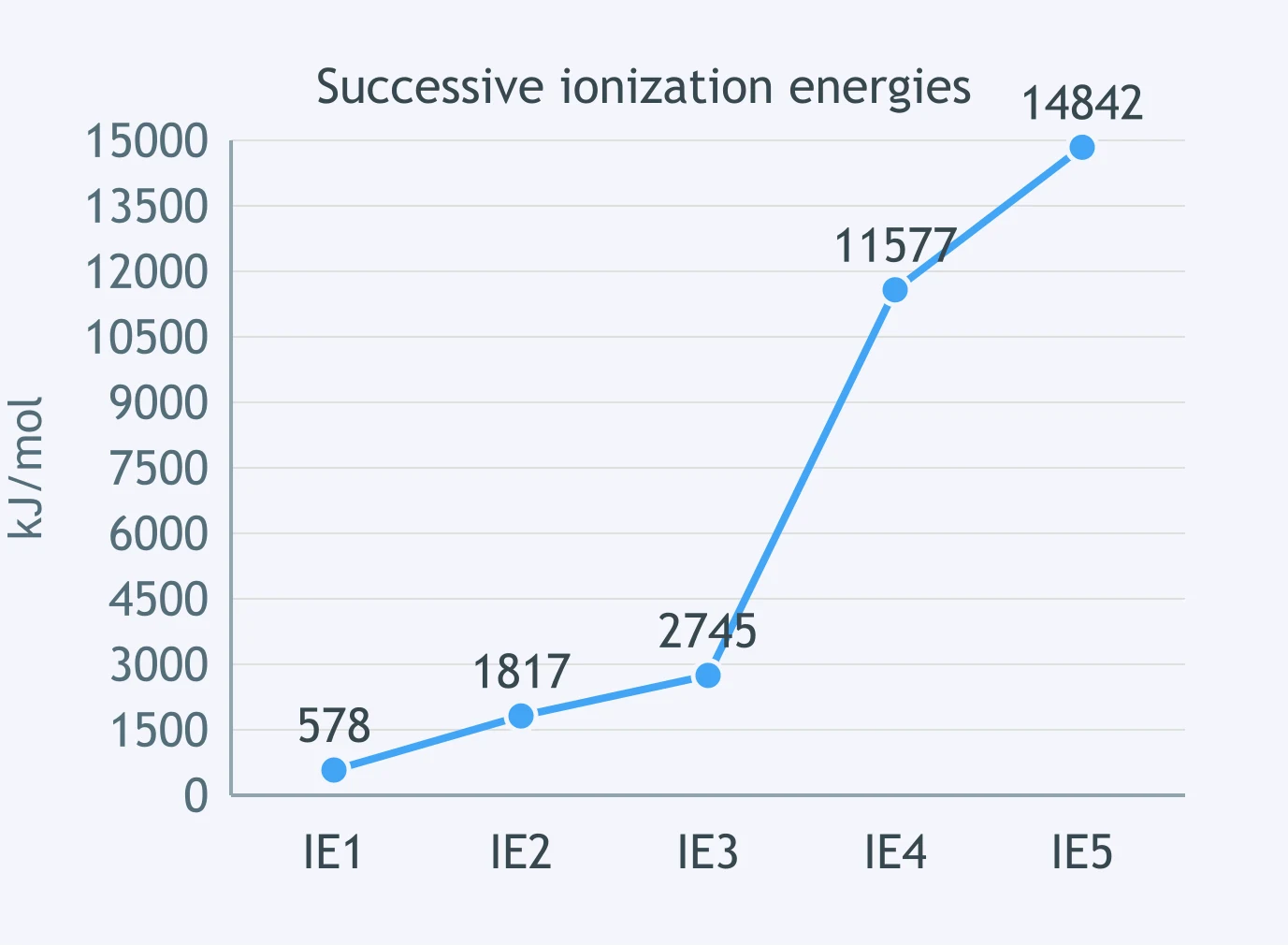
Use the successive ionization energy graph. Which removed electron is the first core electron?
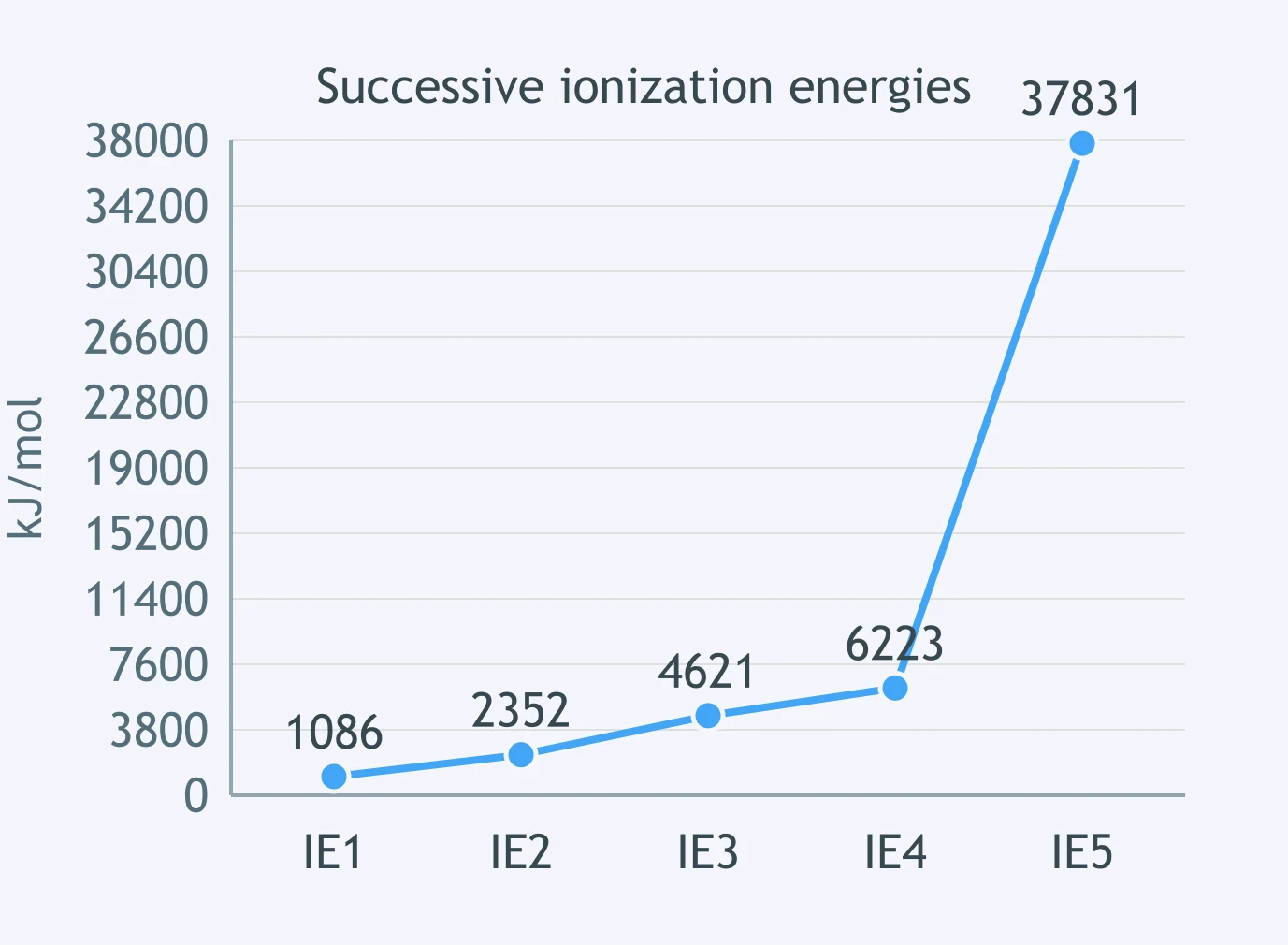
Use the successive ionization energy graph. After how many electrons are removed does the atom reach a stable core?
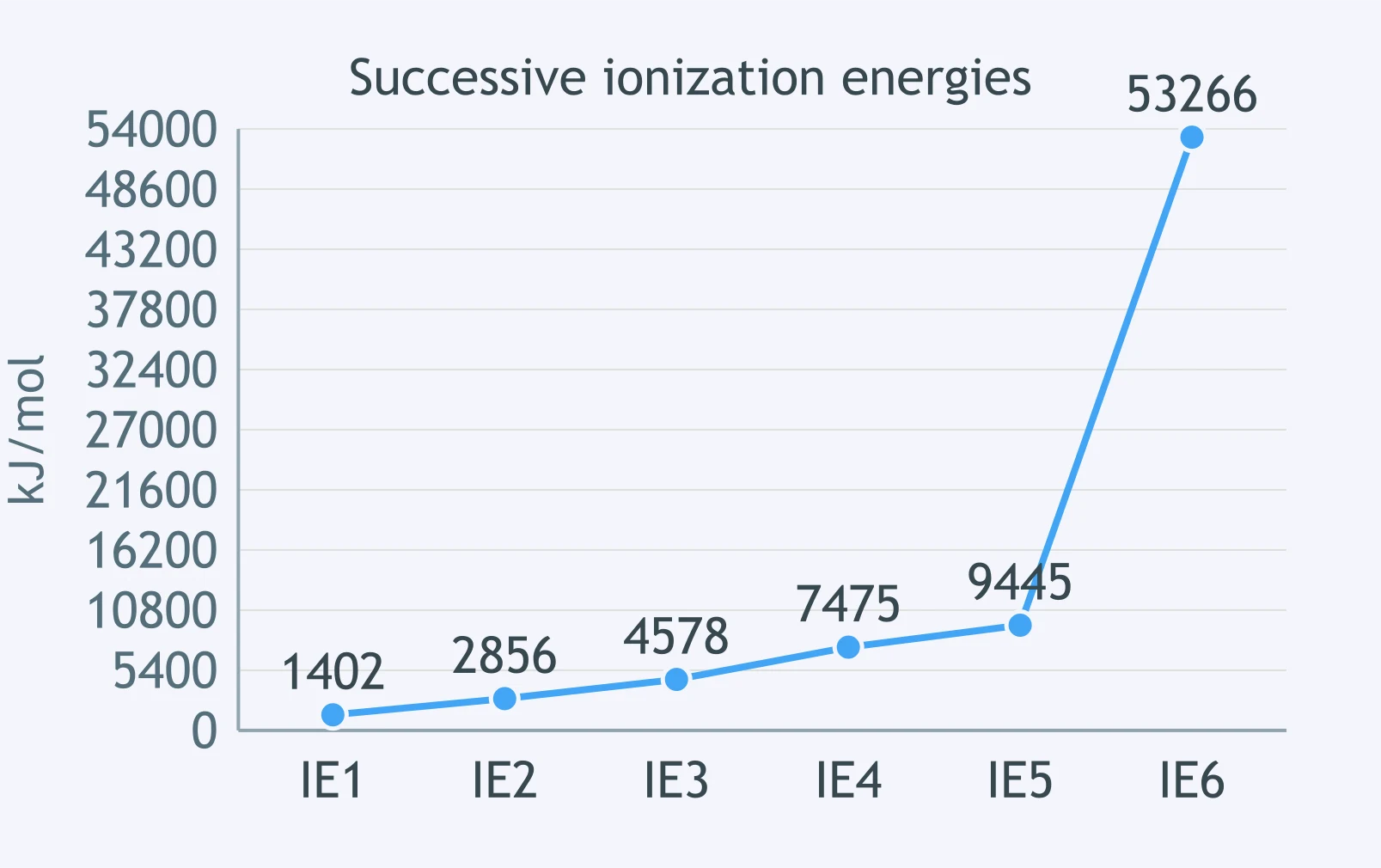
Use the successive ionization energy graph. Which valence-electron count fits the pattern?
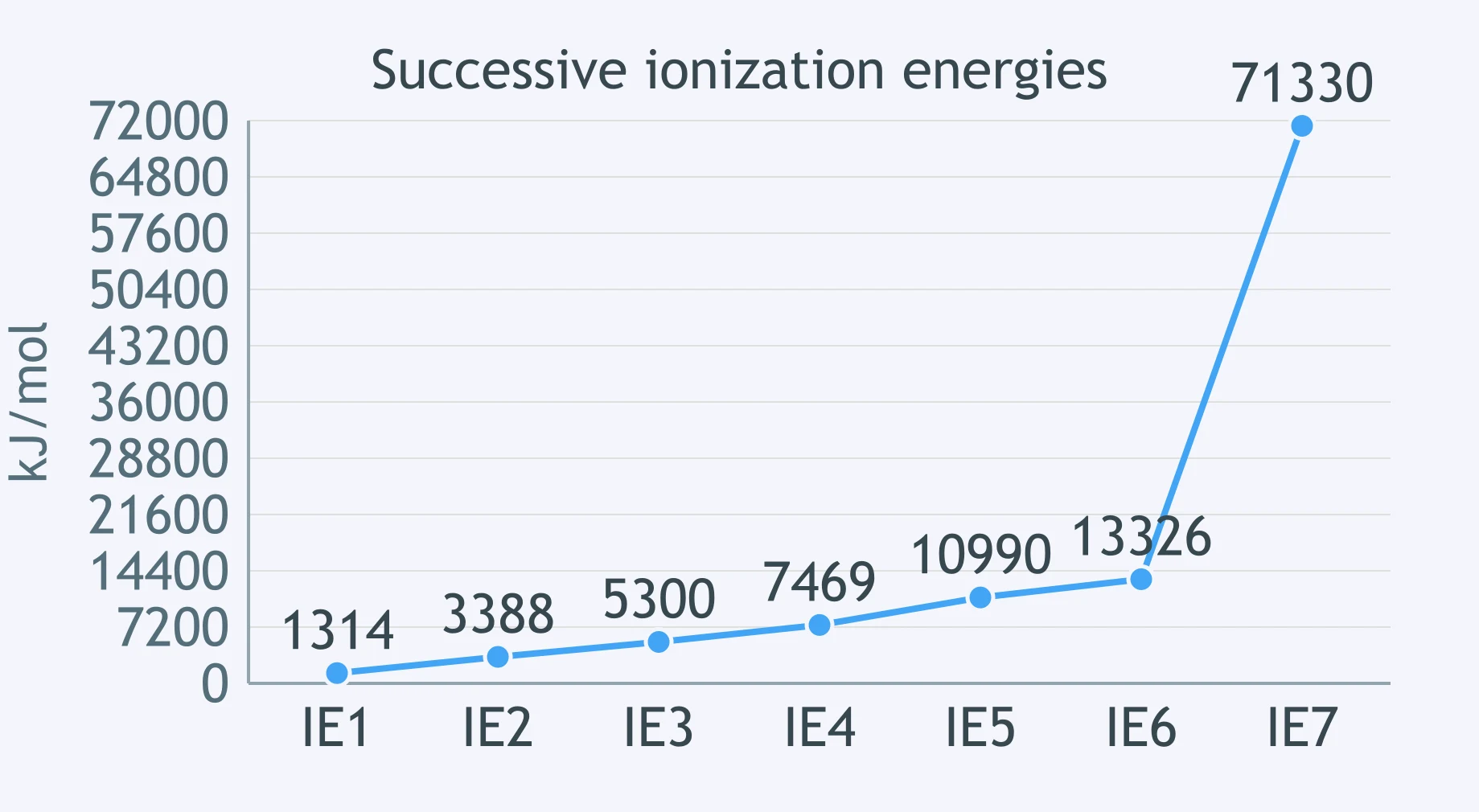
Use the successive ionization energy graph. What does the largest jump imply about the neutral atom?
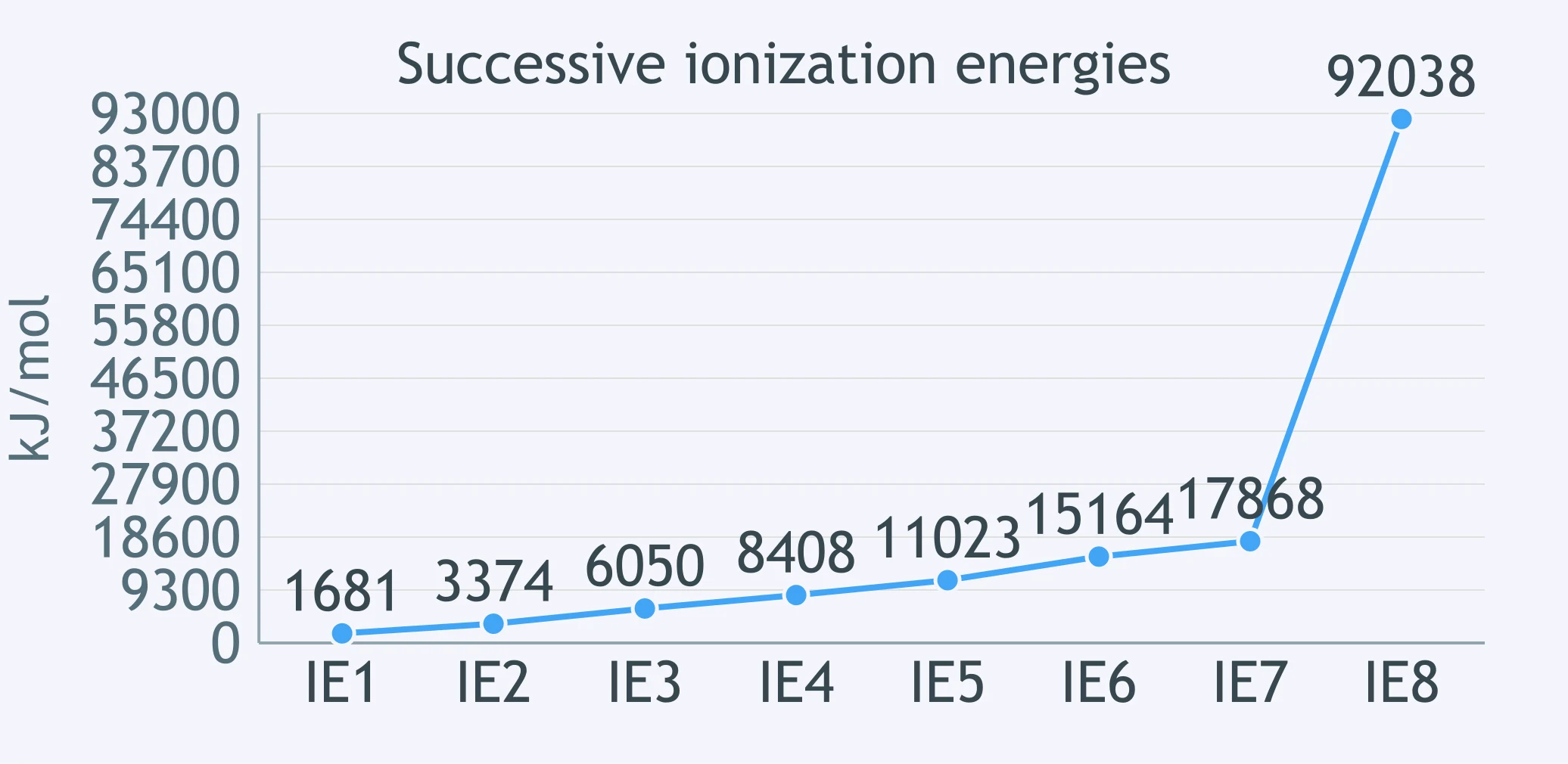
Which element has the greater electronegativity, chlorine or sulfur?
Between oxygen and selenium, which element has the greater first ionization energy?
A magnesium atom and a calcium atom are compared. Which one loses its first electron more easily by periodic trend?
Which atom pulls harder on shared electrons in a bond, fluorine or iodine?
Which element has the greater first ionization energy, boron or nitrogen?
Which element has the lower electronegativity, potassium or sodium?
Which element has the greater first ionization energy, neon or lithium?
In a P-Cl bond and a Si-Cl bond, compare phosphorus and silicon. Which of those two atoms is more electronegative?
Which property measures how strongly an atom attracts shared electrons in a bond?
Which property is the energy needed to remove the outermost electron from a gaseous atom?
A very low value for which property best explains why an alkali metal gives up an electron easily?
Many data tables list no value of which property for helium, neon, and argon, because these atoms almost never form bonds?
Crack the passcode before the zombies get in.
Answer, then swat bugs for bonus points.
Race through questions at your own speed.
Same question on every screen. Fastest wins.

Pick a tile, answer, hit bonuses and steals.
How the Periodic Table Was Built
15 questions