Loading
by BlastRoom
Practice reading and applying atomic-radius trends across periods and down groups.
#chemistry
15 questions
One question set, multiple game modes. Tap any game to see it in action. Not sure which to pick?
Answer to place stones and capture territory.
Outrun the snow together.
Earn blasts, then hunt the other team.
Answer to earn energy, then climb.

The class blasts through walls together.
Bid on mystery lots. Most money wins.
Sell tours. Nice, standard, or a total scam.

Answer, restock, and serve the rush.
More correct answers pulls the rope your way.
Answer, then shoot down the alien wave.
Answer, then tap to leap the frozen ridge.
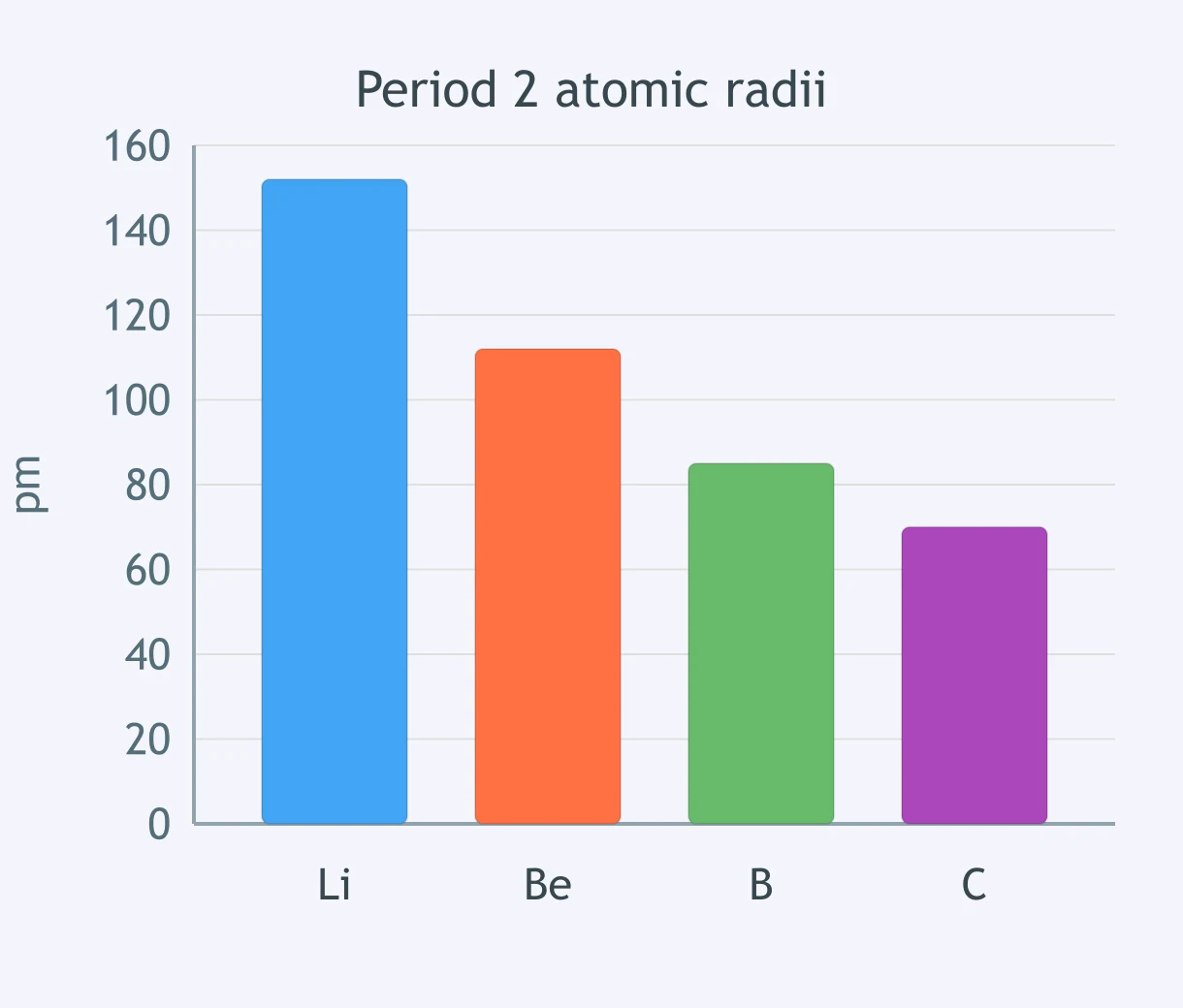
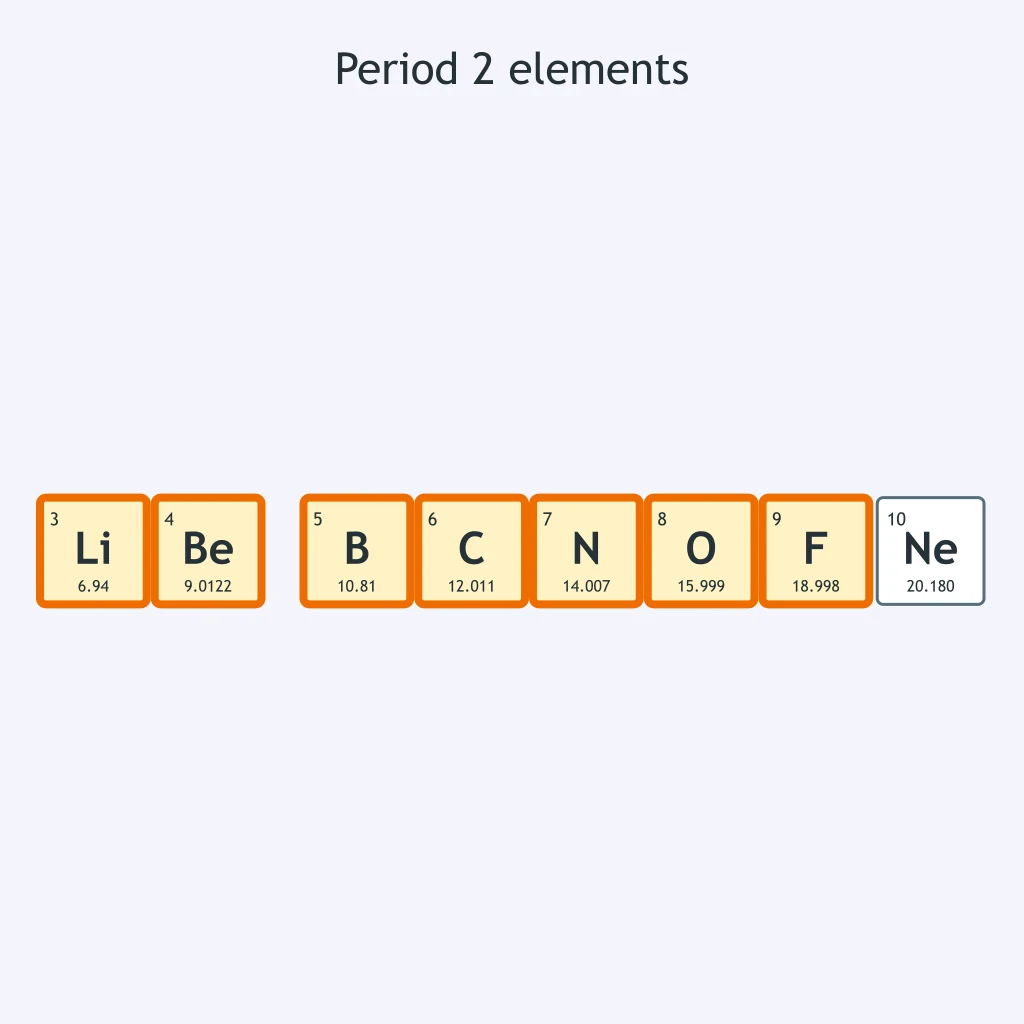
Use the bar graph of period 2 atomic radii. Which atom has the largest atomic radius?
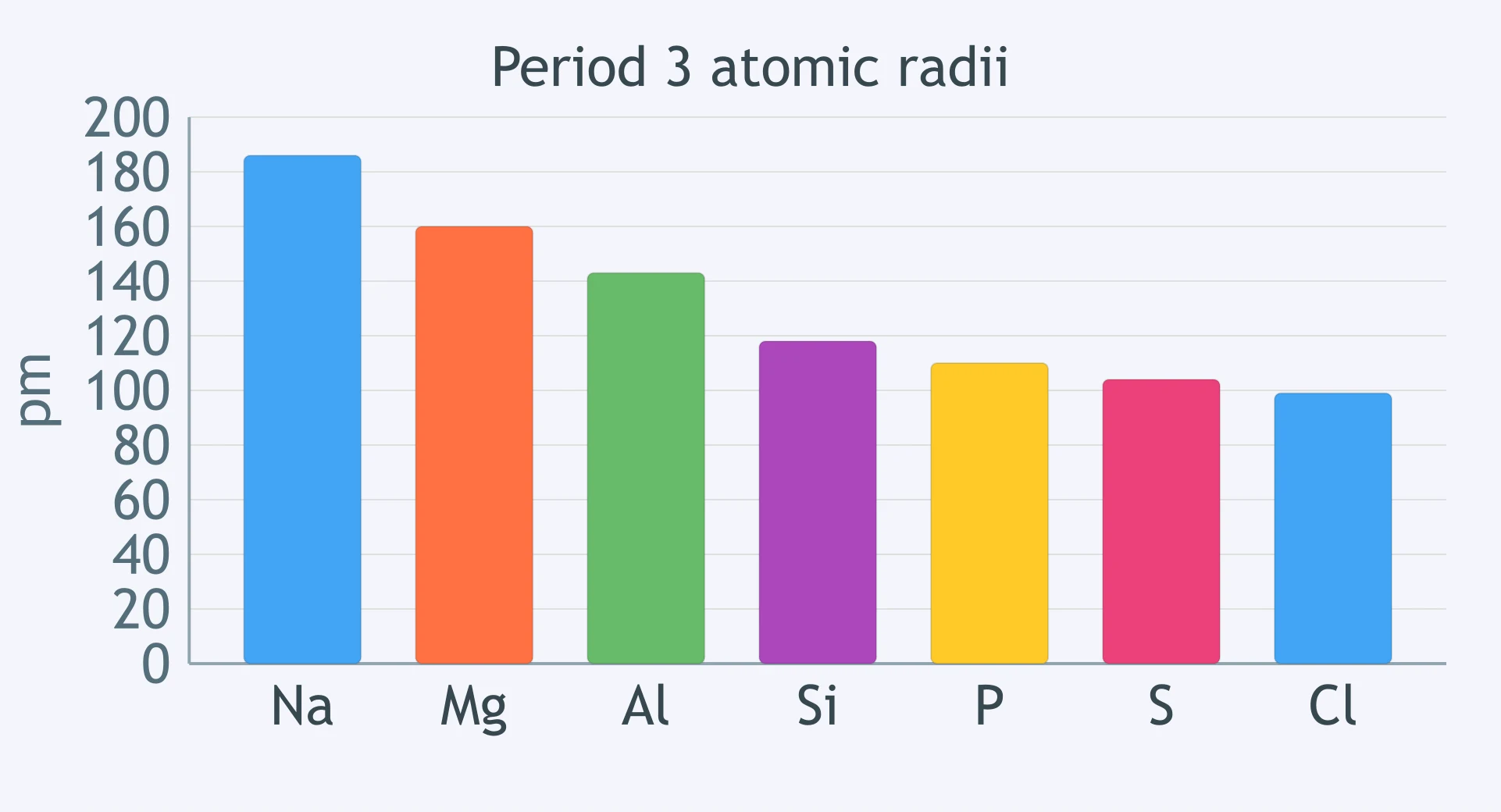
Use the bar graph of period 3 atomic radii. Which atom has the smallest atomic radius?
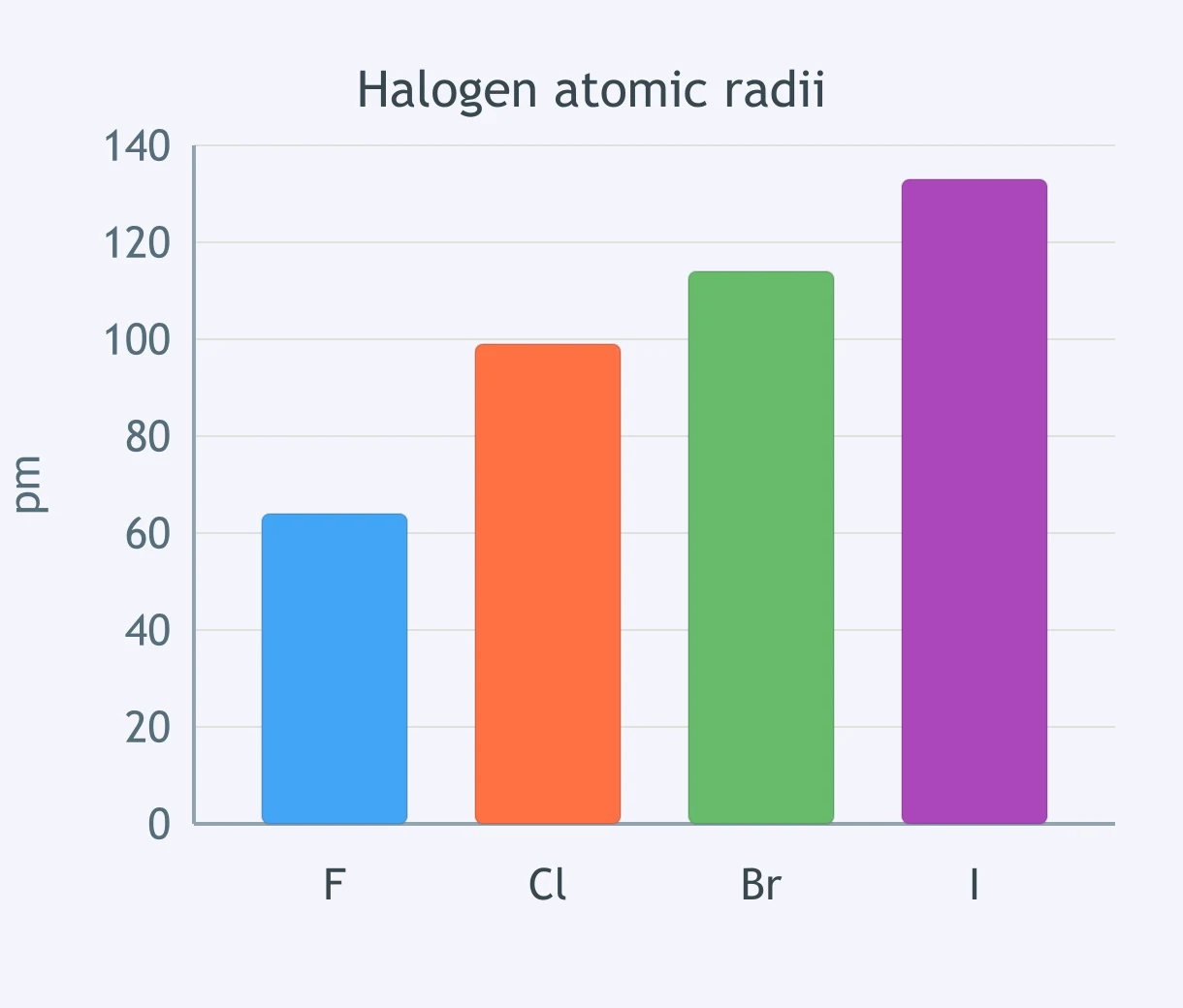
Use the bar graph of halogen atomic radii. Which atom has the largest atomic radius?
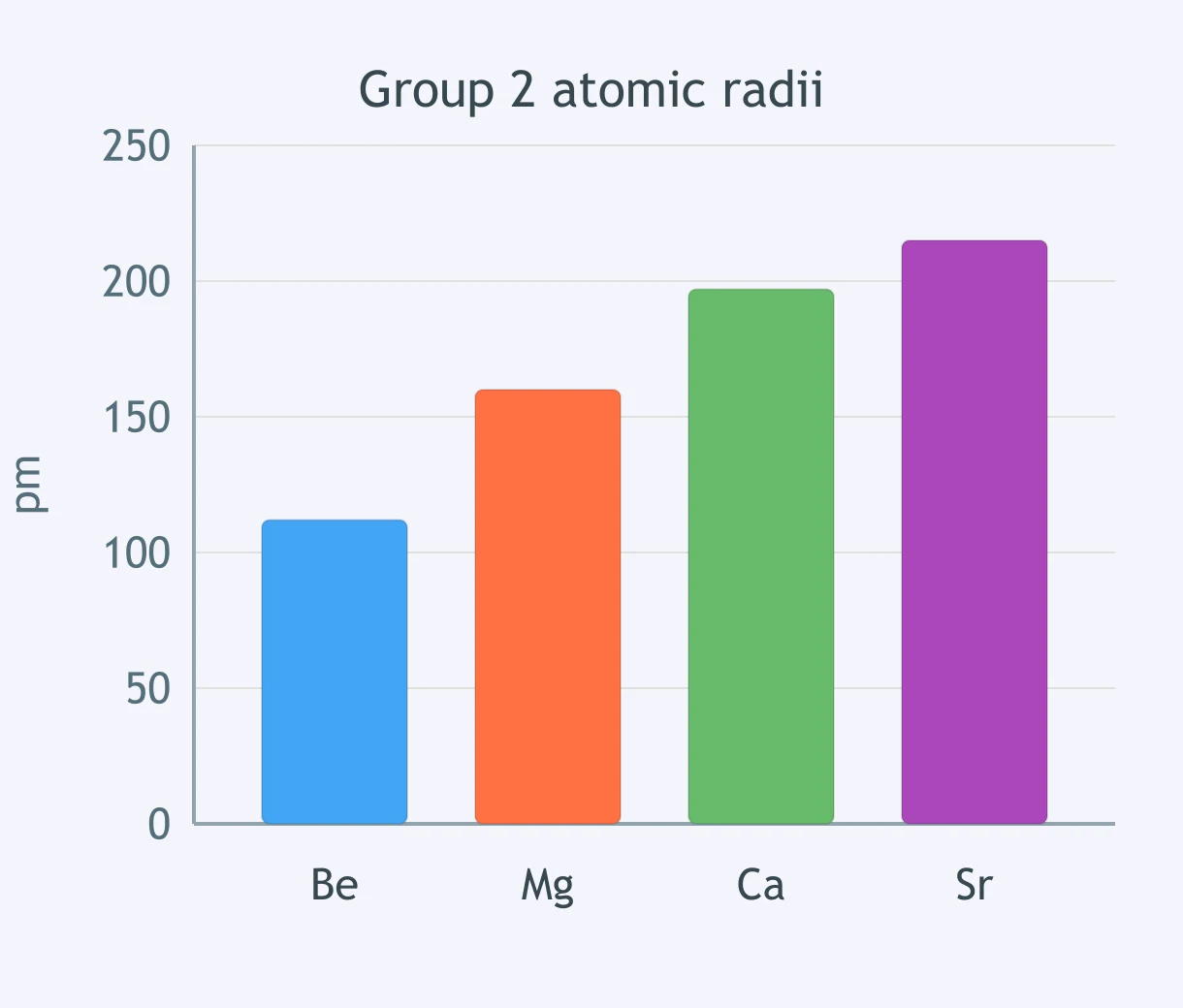
Use the bar graph of group 2 atomic radii. Which atom is the second largest?
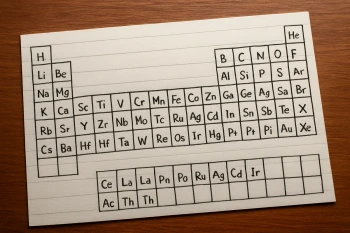
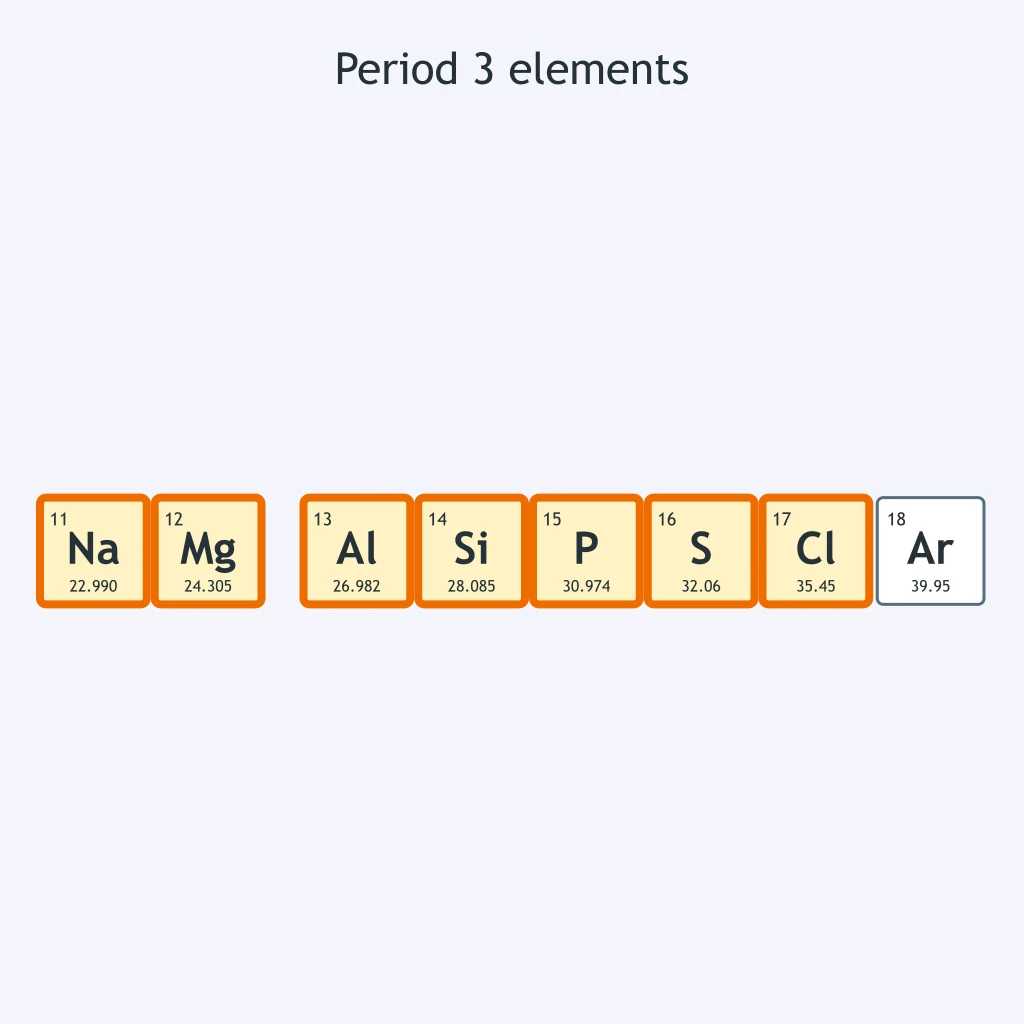
Use the periodic-table excerpt. Which statement matches the atomic-radius pattern across the highlighted period?
Use the periodic-table excerpt. Which statement matches the atomic-radius trend down the highlighted family?
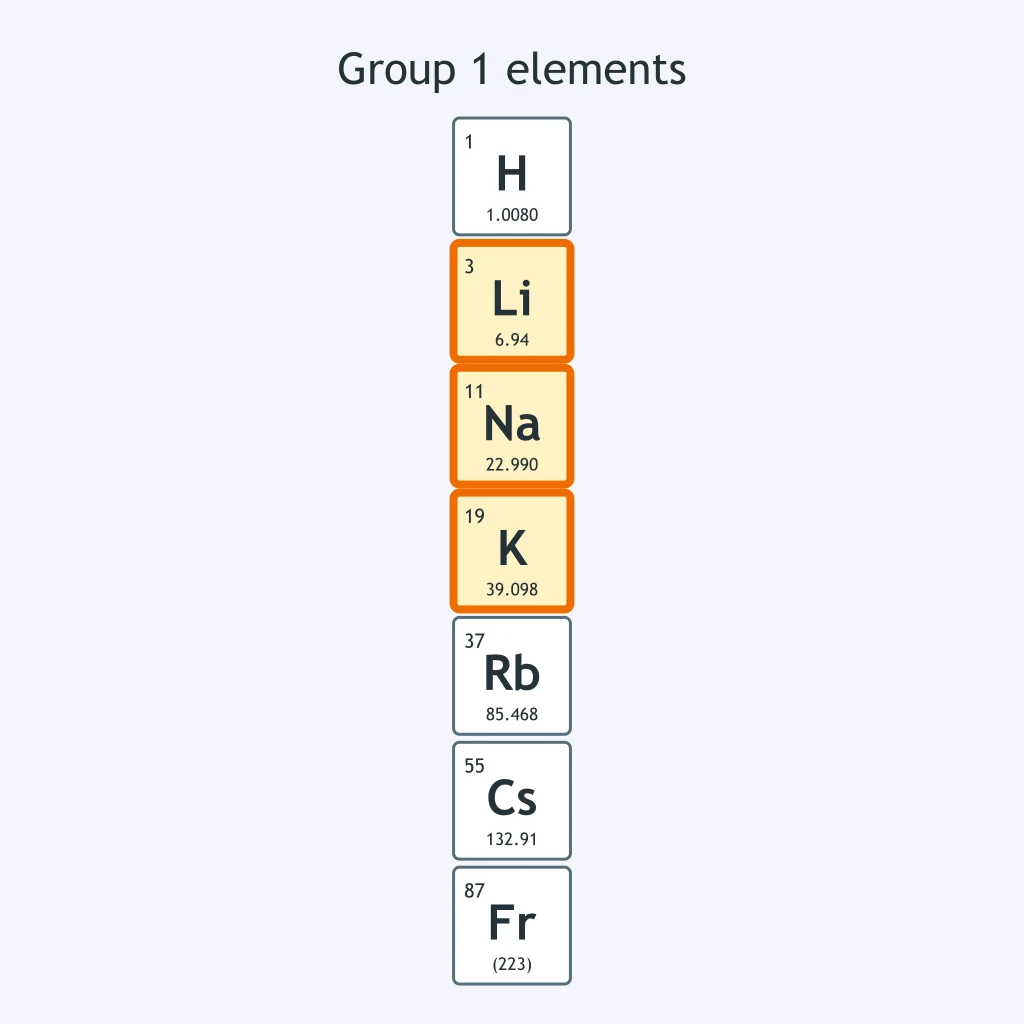
Use the periodic-table excerpt. Which pair is ordered from larger atomic radius to smaller atomic radius?
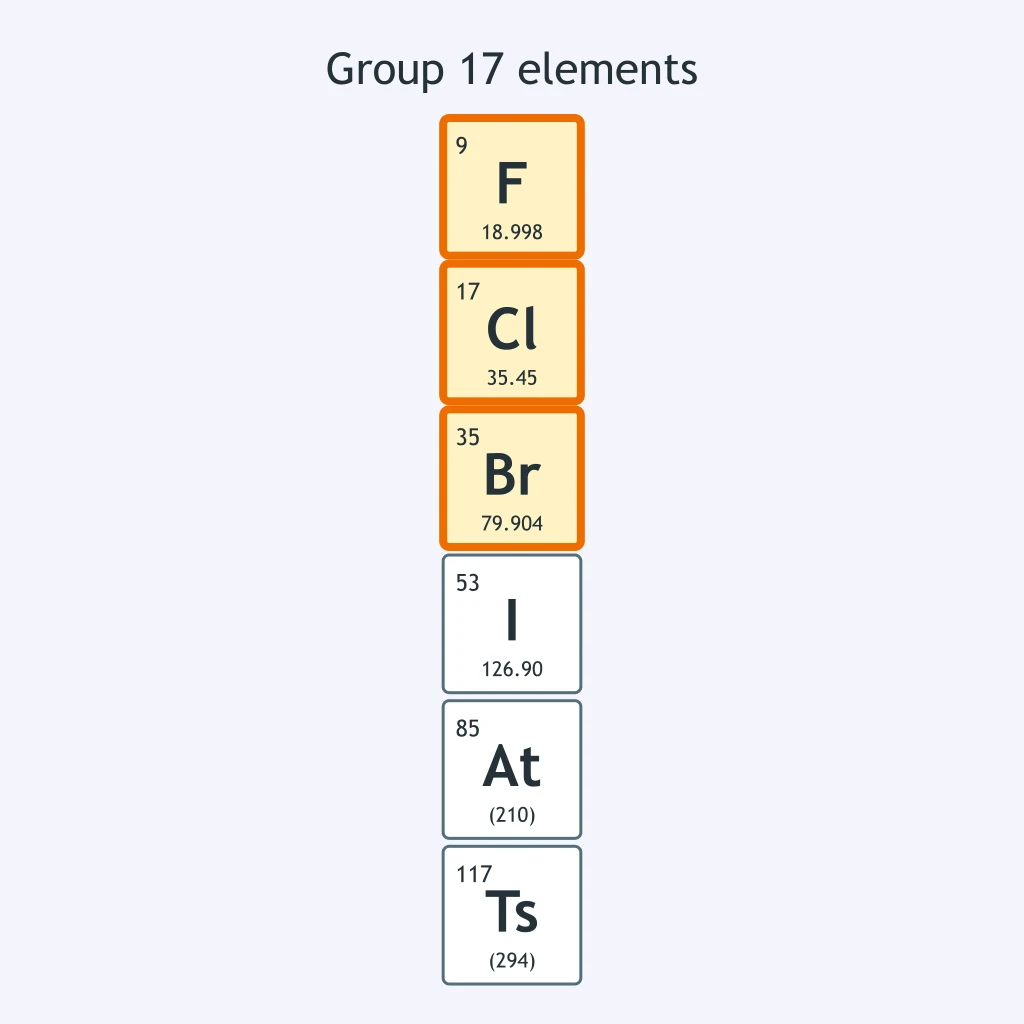
Use the periodic-table excerpt of one family. Which statement matches the atomic-radius trend?
Which atom has the larger atomic radius, potassium or sodium?
Which atom has the larger atomic radius, sulfur or chlorine?
Which atom has the larger atomic radius, oxygen or fluorine?
Which atom has the larger atomic radius, calcium or magnesium?
Which atom has the larger atomic radius, aluminum or silicon?
Why is a potassium atom larger than a sodium atom?
Why is a fluorine atom smaller than a lithium atom?
Crack the passcode before the zombies get in.
Answer, then swat bugs for bonus points.
Race through questions at your own speed.
Same question on every screen. Fastest wins.

Pick a tile, answer, hit bonuses and steals.
Predicting Properties from Position
20 questions