Loading
by BlastRoom
How a failed checkpoint leads to uncontrolled division, how tumors form and spread, and how risk factors change the odds.
#biology
20 questions
One question set, multiple game modes. Tap any game to see it in action. Not sure which to pick?
Answer to place stones and capture territory.
Outrun the snow together.
Earn blasts, then hunt the other team.
Answer to earn energy, then climb.

The class blasts through walls together.
Bid on mystery lots. Most money wins.
Sell tours. Nice, standard, or a total scam.

Answer, restock, and serve the rush.
More correct answers pulls the rope your way.
Answer, then shoot down the alien wave.
Answer, then tap to leap the frozen ridge.
A cell reaches the G1 checkpoint carrying damaged DNA, but the protein that normally holds the cell in G1 until repair is finished is missing. What is the most likely result?
A gene codes for a protein that signals a cell to divide. A mutation leaves that protein switched on all the time. What is the most likely consequence for the cell and its descendants?
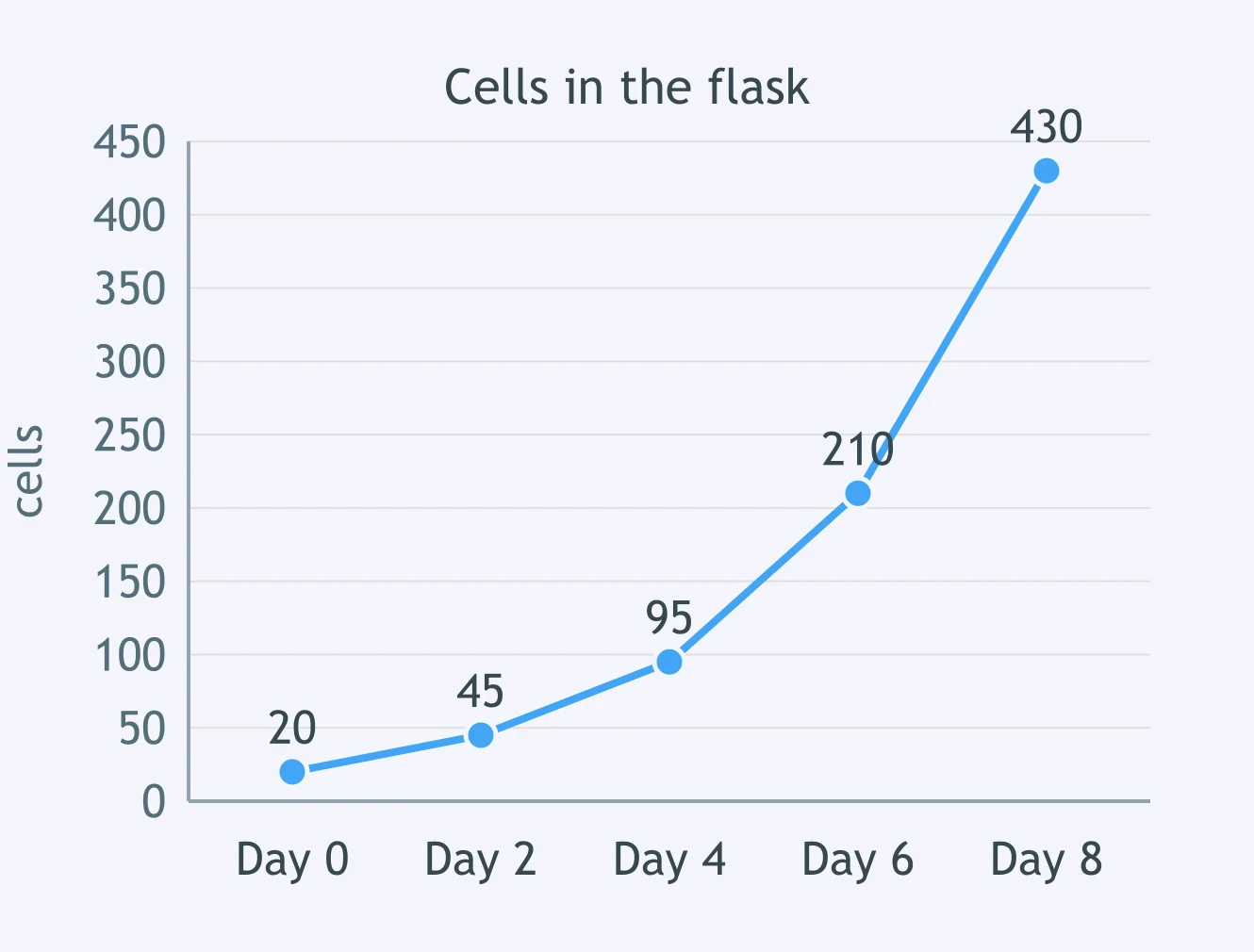
A student counts the cells in a flask of tumor cells every two days. Look at the graph. What does the pattern of the counts show about control of the cell cycle in these cells?
The M checkpoint normally holds a cell in metaphase until every chromosome is attached to the spindle. A cell with a faulty M checkpoint separates its chromatids anyway. What happens to the daughter cells?
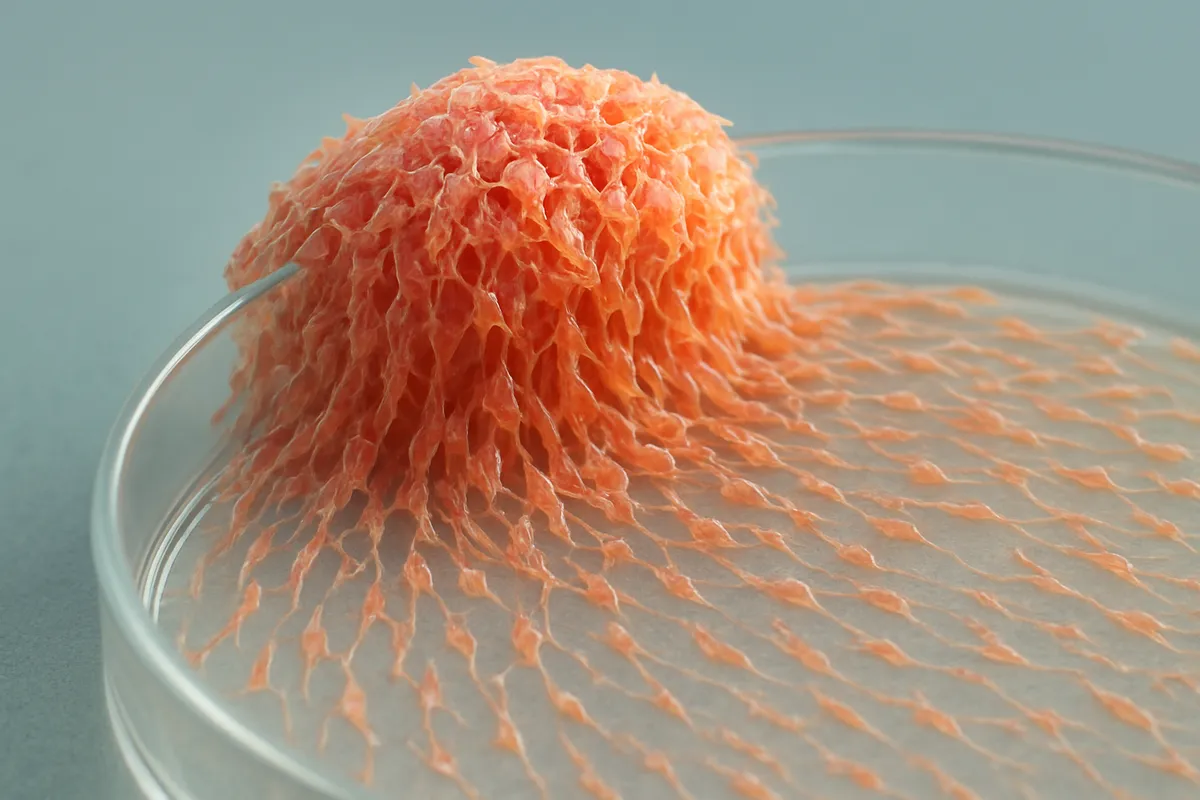
Normal cells grown in a dish stop dividing once they form a single layer whose cells touch on every side. Cancer cells in the same dish keep dividing and pile up into a mound. Which control have the cancer cells lost?
Apoptosis is the programmed death of a faulty cell. A mutation blocks apoptosis in a cell whose DNA damage was never repaired. How does this contribute to the development of cancer?
A growth in a patient's breast tissue is enclosed by a capsule of connective tissue and has not invaded the tissue around it. How is this growth best described?
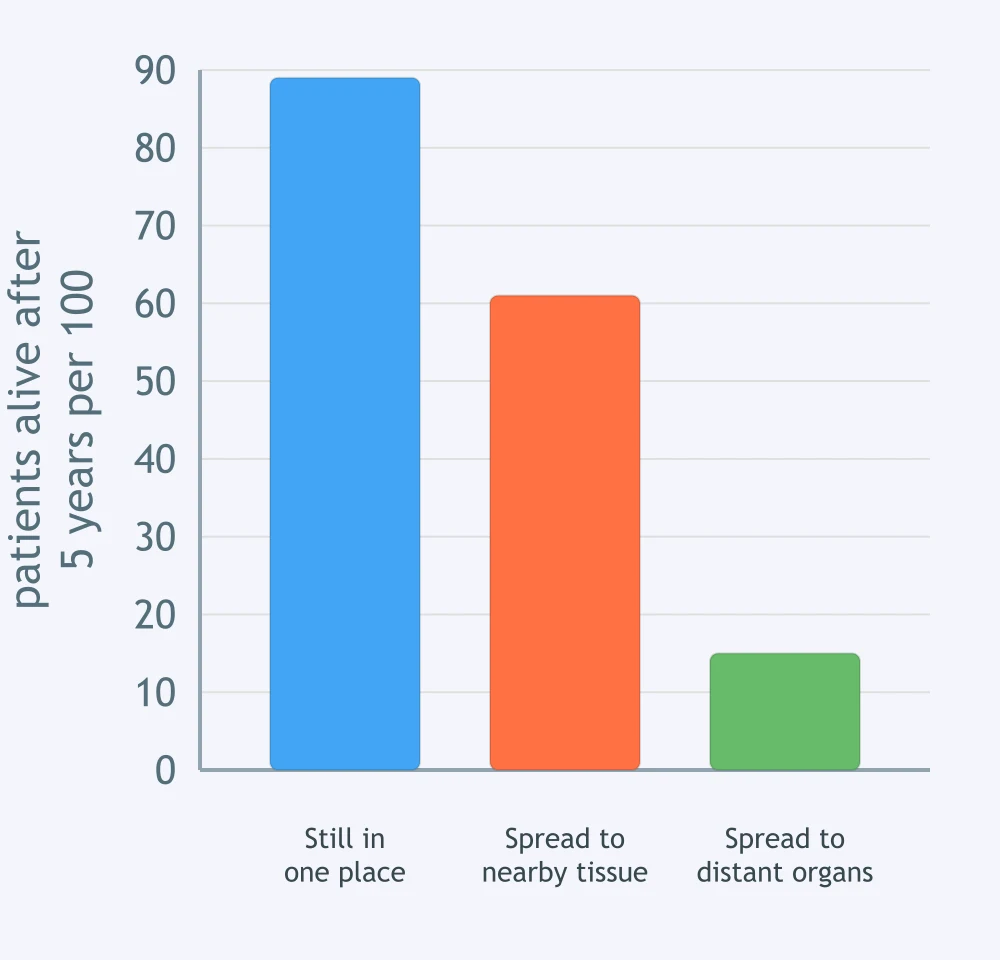
Doctors record how many patients out of every 100 are alive five years after diagnosis, grouped by how far the cancer had spread when it was found. Look at the graph. What does it show?
Cells that began as part of a tumor in a patient's lung are found growing in a lymph node in her chest. Which term names what these cells have done?
Two patients each have a growth 2 cm across in the same organ. One is benign and one is malignant. Why is the malignant growth usually the more dangerous of the two?
Under a microscope, cells taken from a tumor look very unlike the specialized cells of the tissue they came from. What does this tell the doctor about those cells?
A student argues that because his grandmother smoked for forty years and never developed lung cancer, smoking does not cause lung cancer. What is wrong with his reasoning?
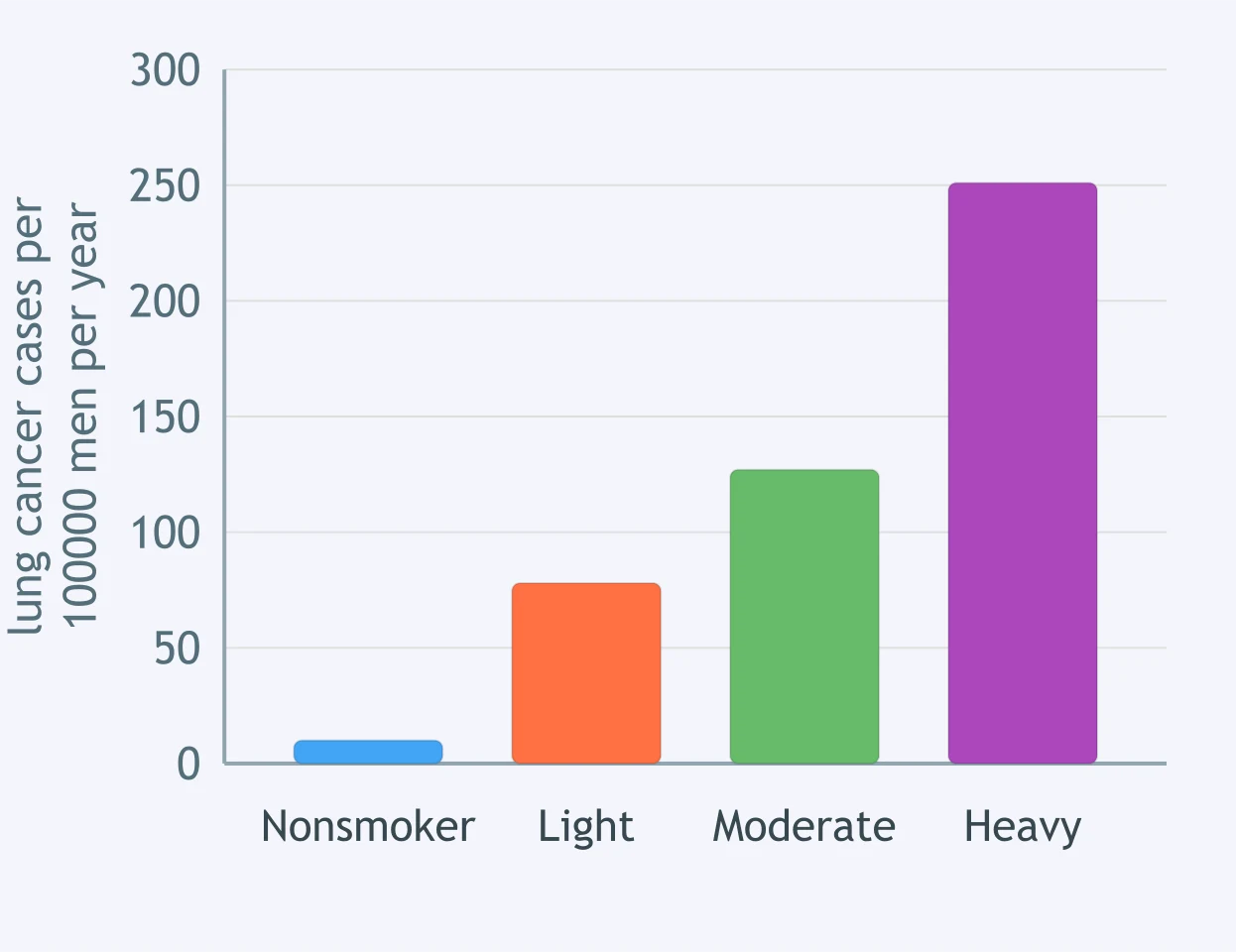
The graph shows lung cancer cases in four groups of men: nonsmokers, light smokers, moderate smokers and heavy smokers. Look at the graph. What relationship does it show?
Benzene is one of the carcinogens in tobacco smoke. How does a carcinogen like benzene raise the chance that a cell becomes cancerous?
Most cancers are diagnosed in adults rather than in teenagers, even for cancers with no inherited cause. Which explanation best accounts for this pattern?
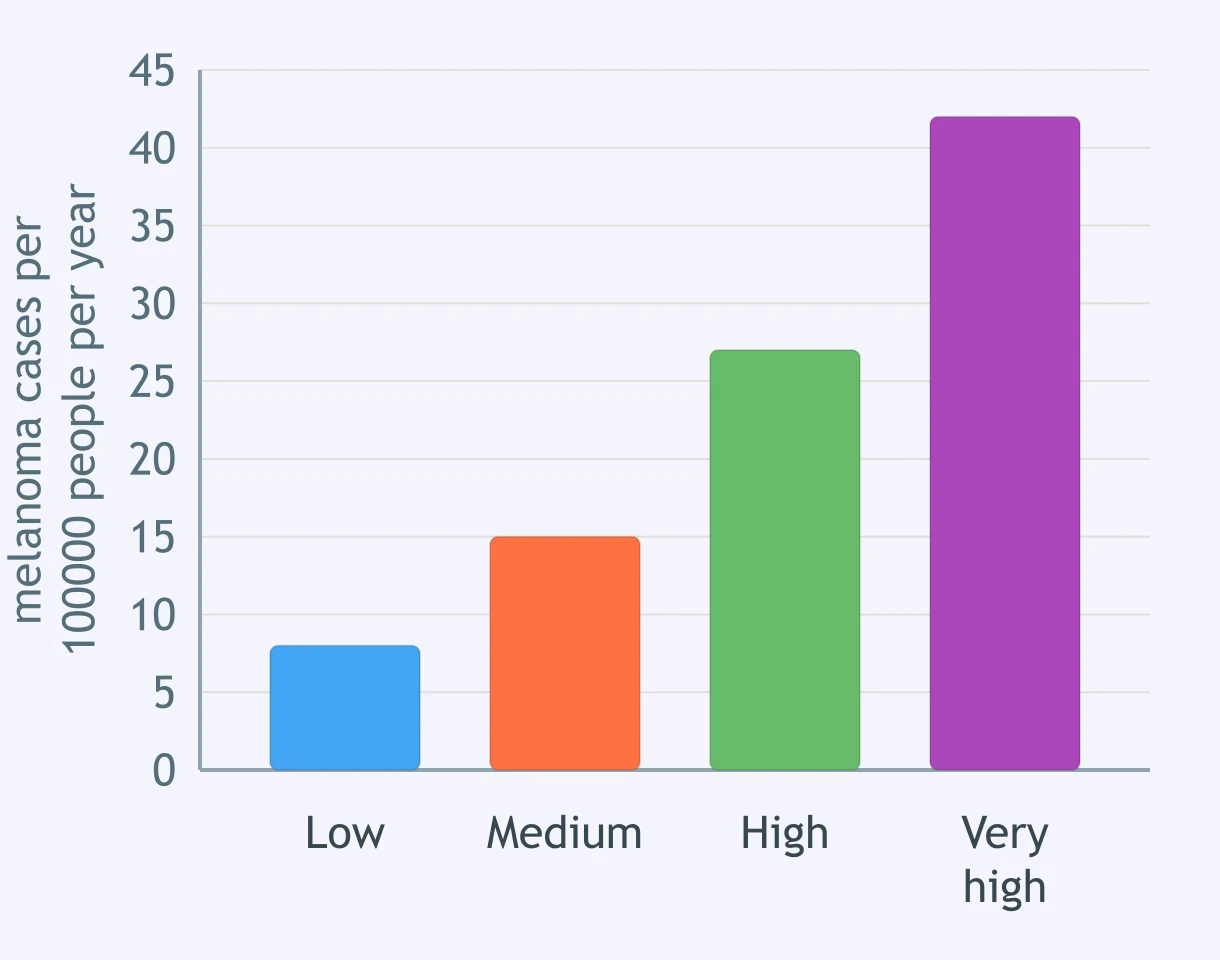
The graph shows melanoma cases in four regions that receive low, medium, high and very high amounts of ultraviolet light. Look at the graph. Which conclusion does it support?
Radiation therapy is aimed at a tumor, and the radiation damages the DNA of every cell in the treated area. Why does the tumor suffer far more than most of the healthy tissue around it?
A chemotherapy drug binds to the proteins that build the spindle, so no spindle can form in a treated cell. At which stage of mitosis will the treated cell stall?
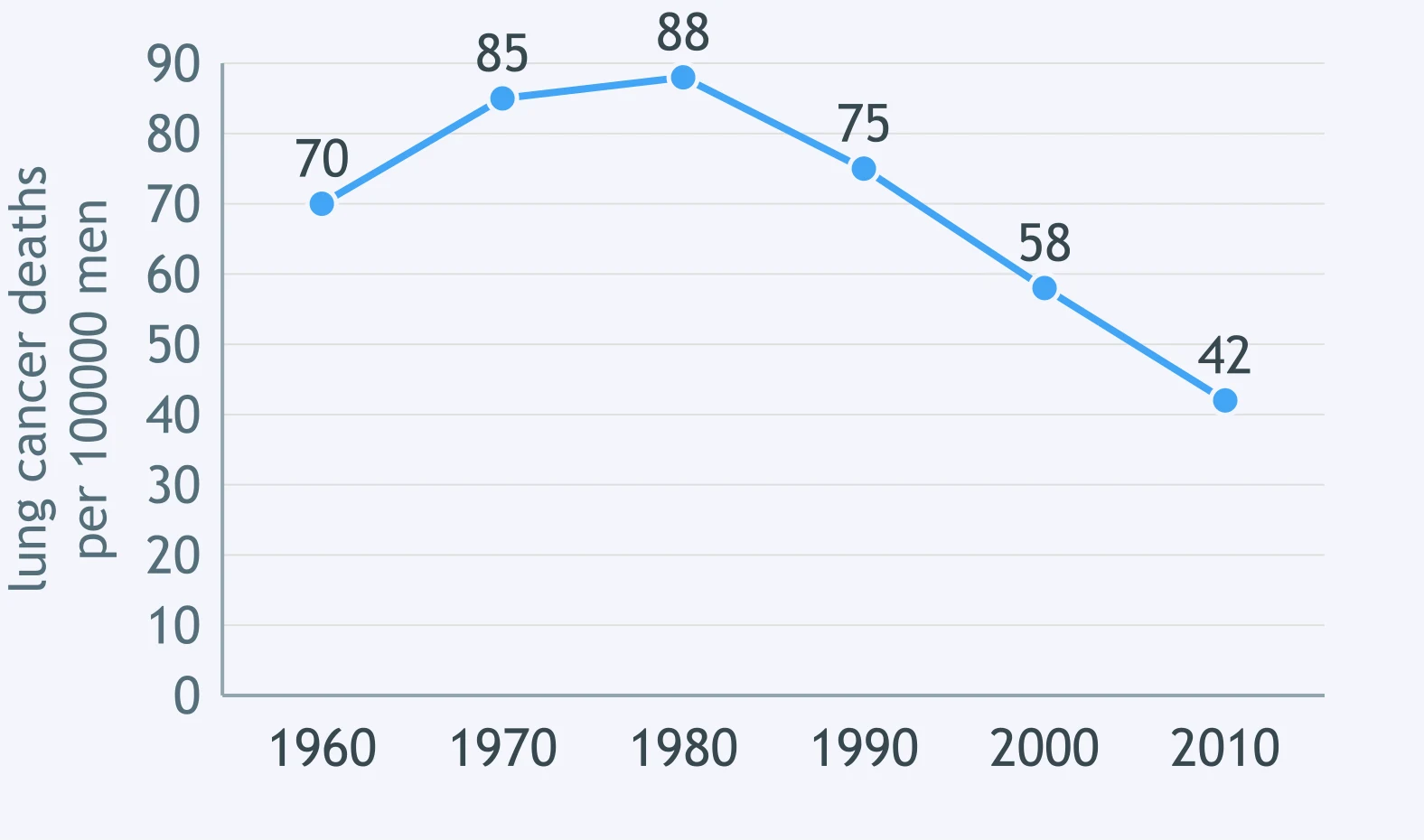
Smoking rates among men in this country fell sharply after 1965. Look at the graph of lung cancer deaths. What does the data suggest about smoking and lung cancer?
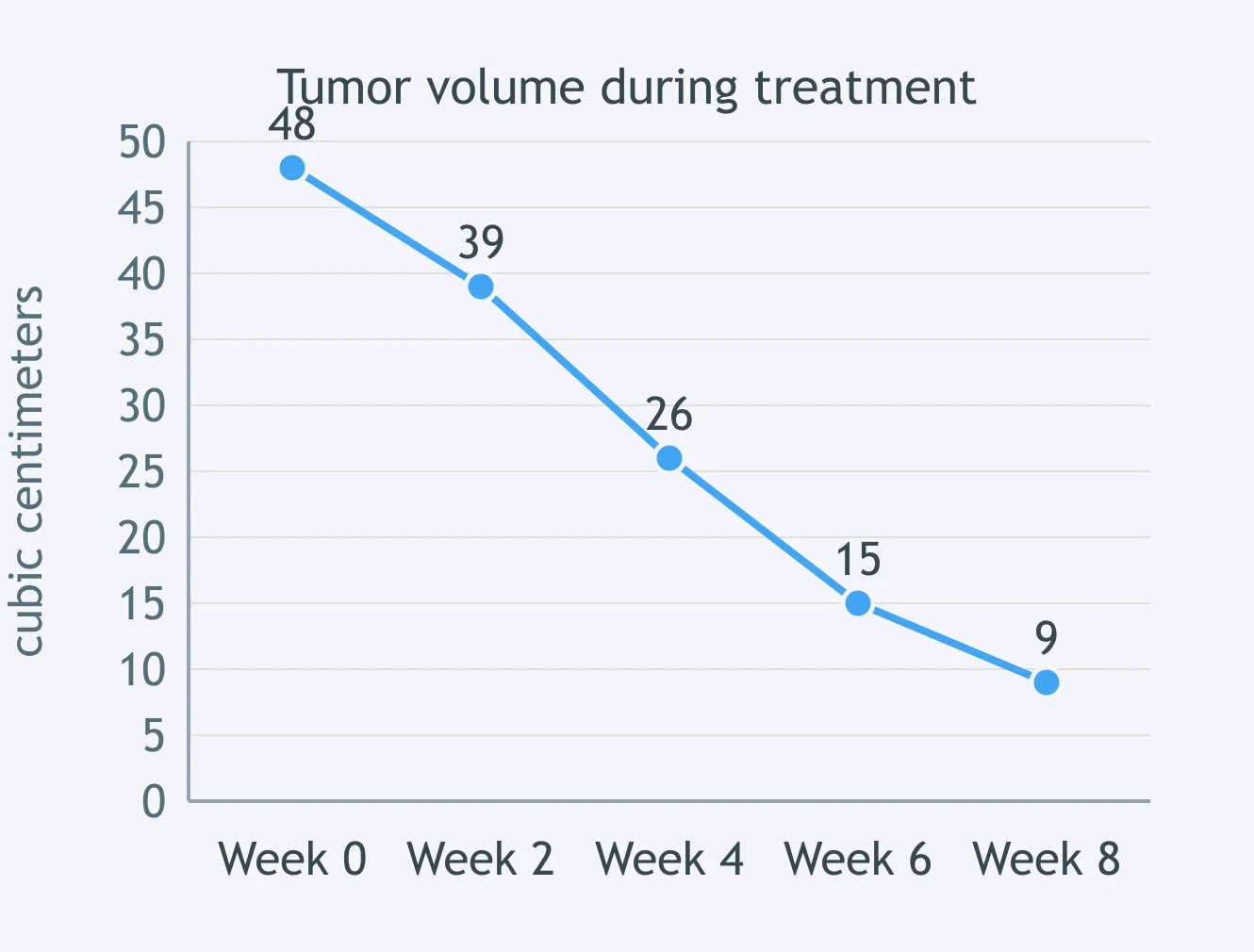
A tumor's volume is measured every two weeks during a course of treatment. Look at the graph. What does it show about the tumor?
Crack the passcode before the zombies get in.
Answer, then swat bugs for bonus points.
Race through questions at your own speed.
Same question on every screen. Fastest wins.

Pick a tile, answer, hit bonuses and steals.
DNA Replication
20 questions