Loading
by BlastRoom
From the attack to the island campaigns to surrender in Tokyo Bay.
#united_states_history
35 questions
One question set, multiple game modes. Tap any game to see it in action. Not sure which to pick?
Answer to place stones and capture territory.
Outrun the snow together.
Earn blasts, then hunt the other team.
Answer to earn energy, then climb.

The class blasts through walls together.
Bid on mystery lots. Most money wins.
Sell tours. Nice, standard, or a total scam.

Answer, restock, and serve the rush.
More correct answers pulls the rope your way.
Answer, then shoot down the alien wave.
Answer, then tap to leap the frozen ridge.
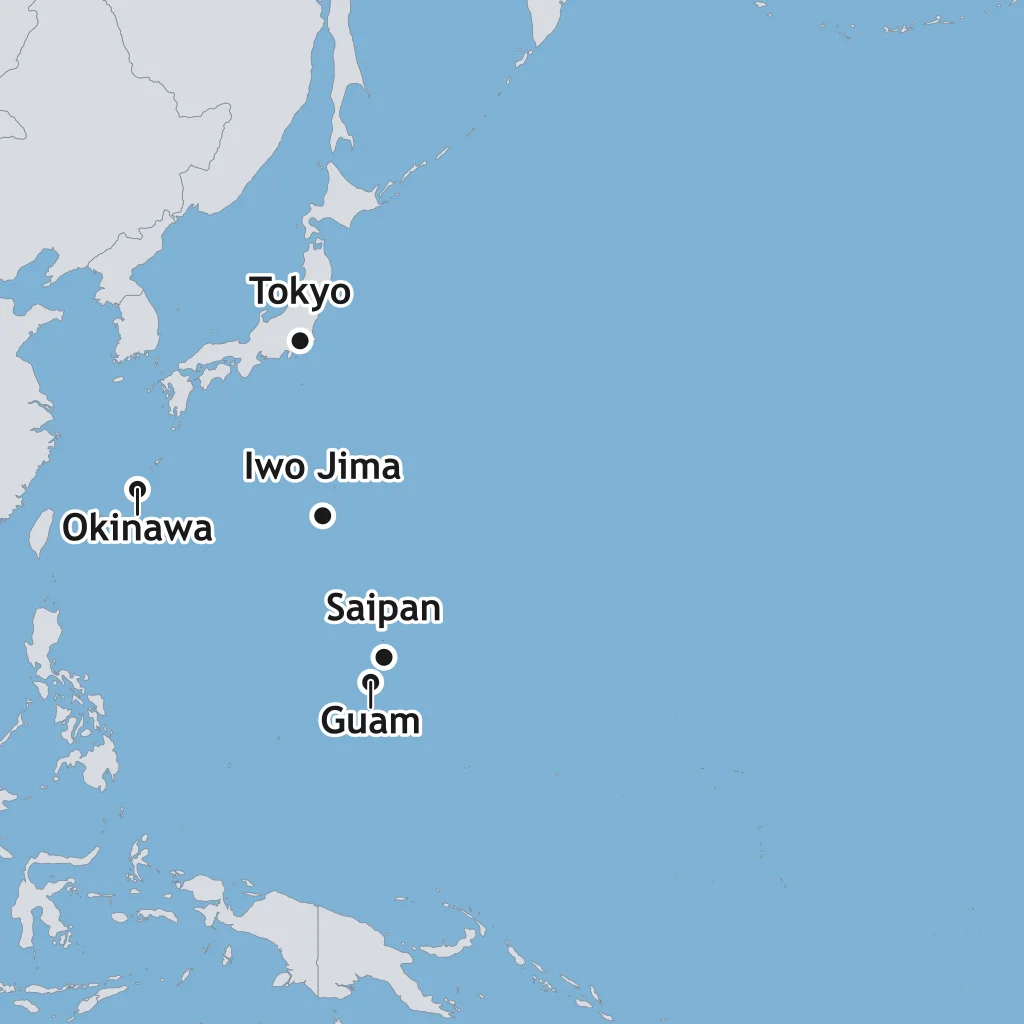
Which island did American forces take in February and March 1945 for its airfields, about 750 miles south of Tokyo?
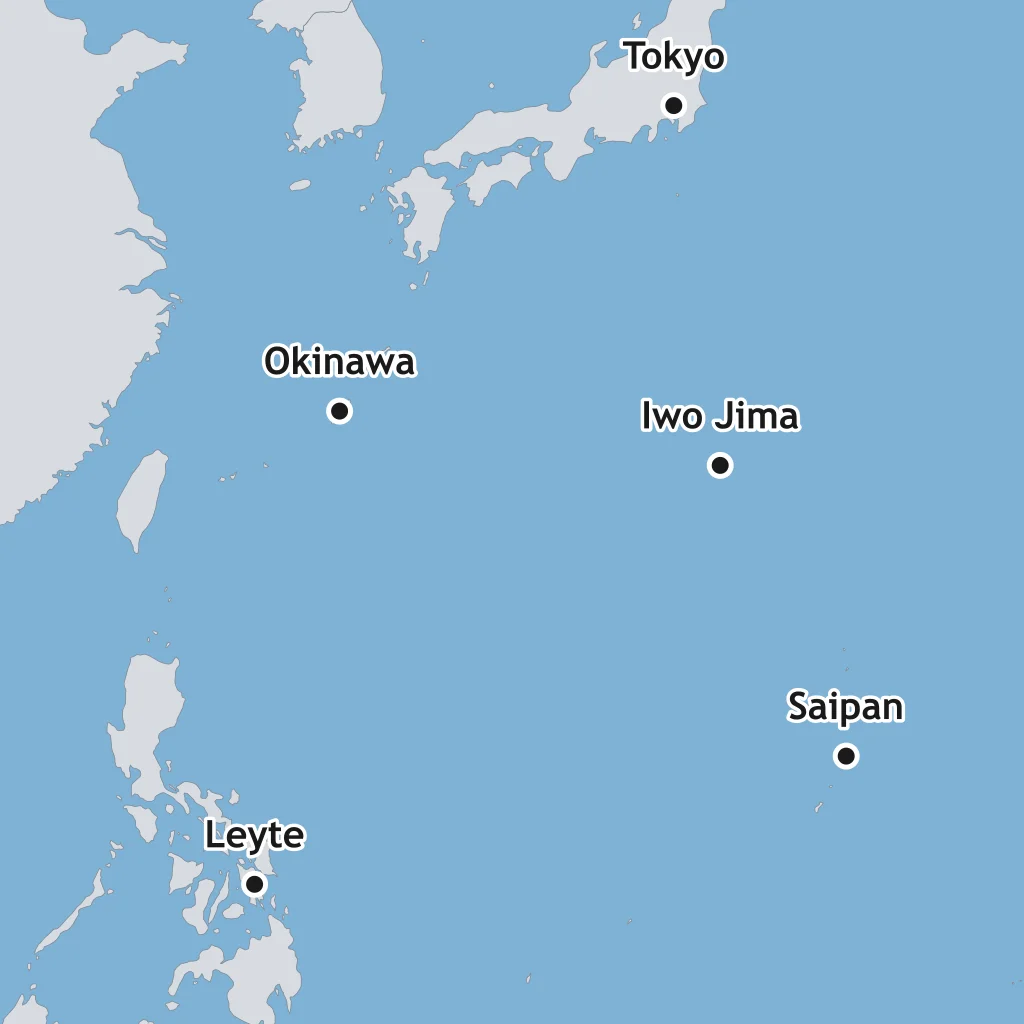
Which island did American forces invade on April 1, 1945 in the last major land battle of the war, fought within a few hundred miles of the Japanese home islands?
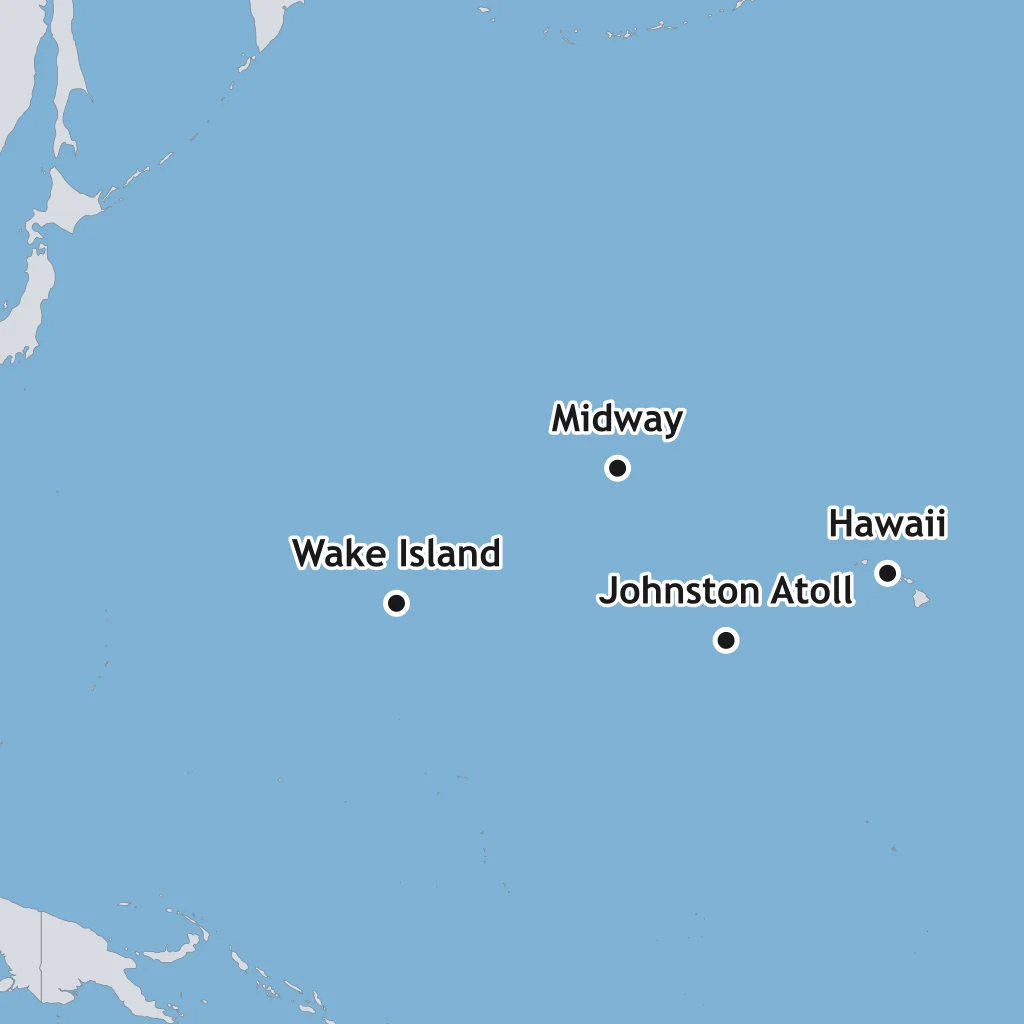
In June 1942 a Japanese fleet steamed against an American-held atoll in the central Pacific and lost four carriers there. Which atoll was it?
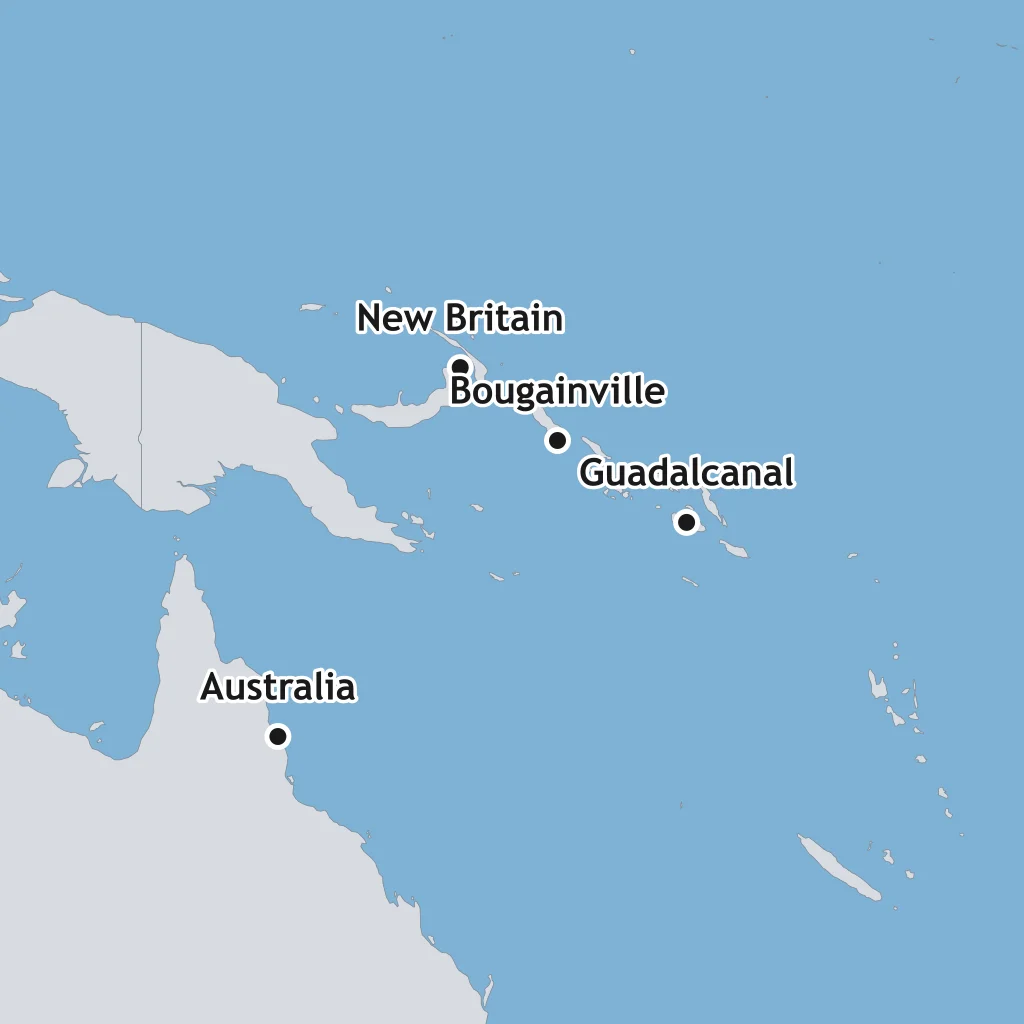
In August 1942 US Marines landed in the Solomon Islands to seize an airfield the Japanese were building there. Which island did they land on?
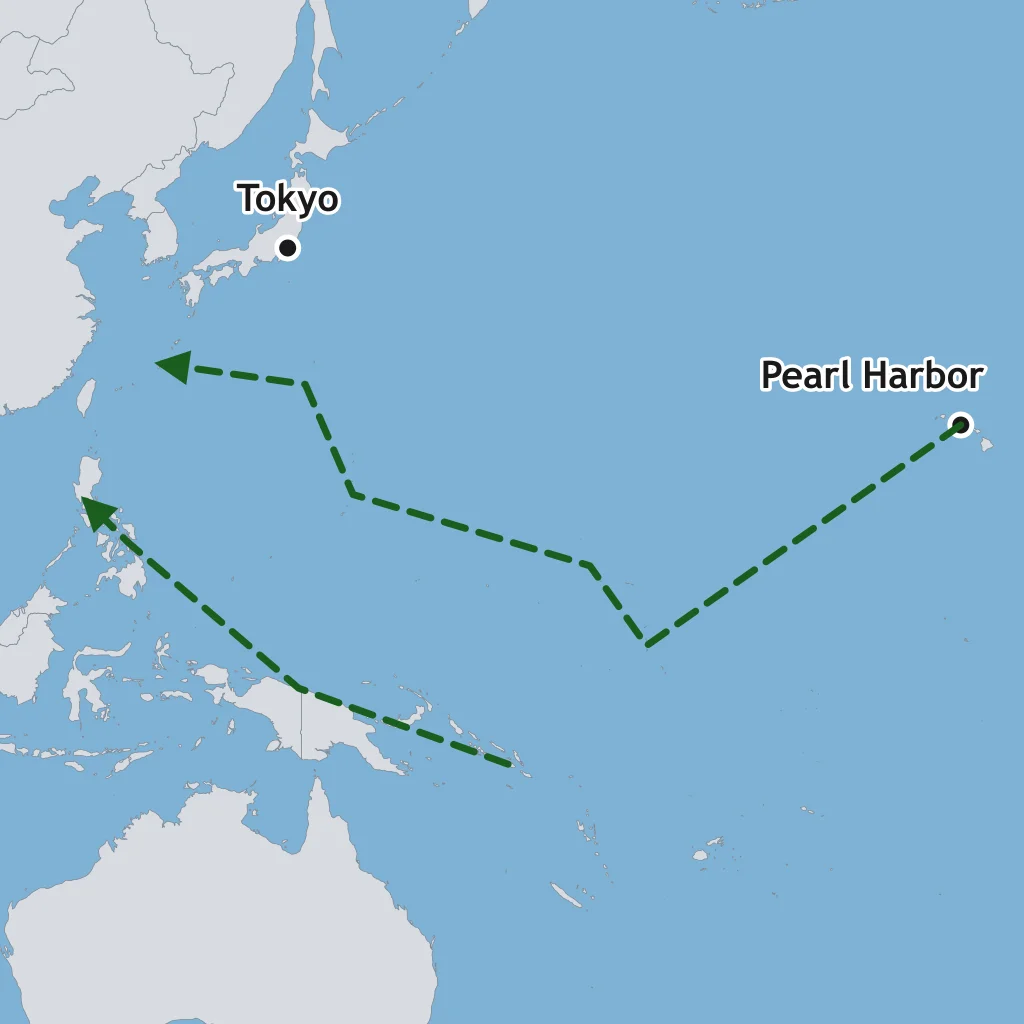
The arrows show the American lines of advance across the Pacific from 1943 to 1945. What do they show about how the United States approached Japan?
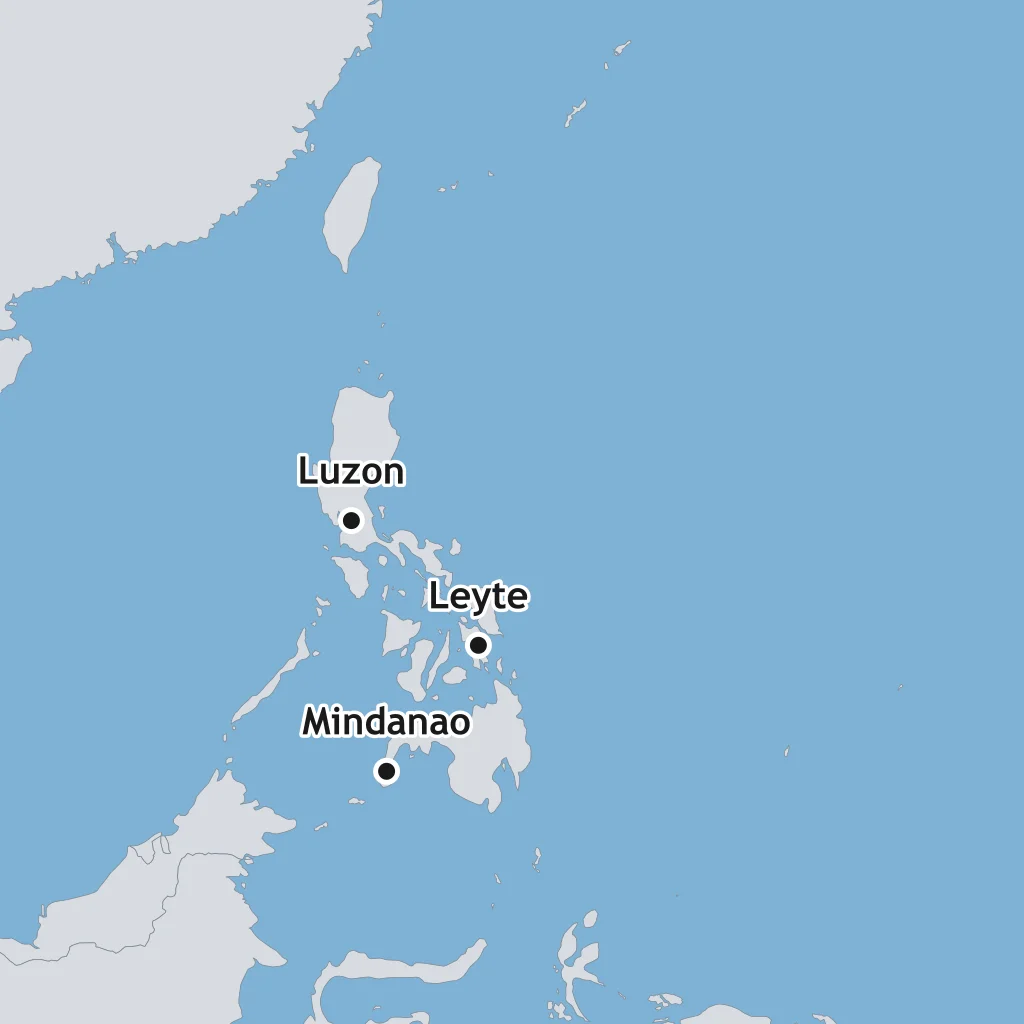
General MacArthur's forces came ashore on October 20, 1944, opening the campaign to retake the Philippines. On which island did they land?
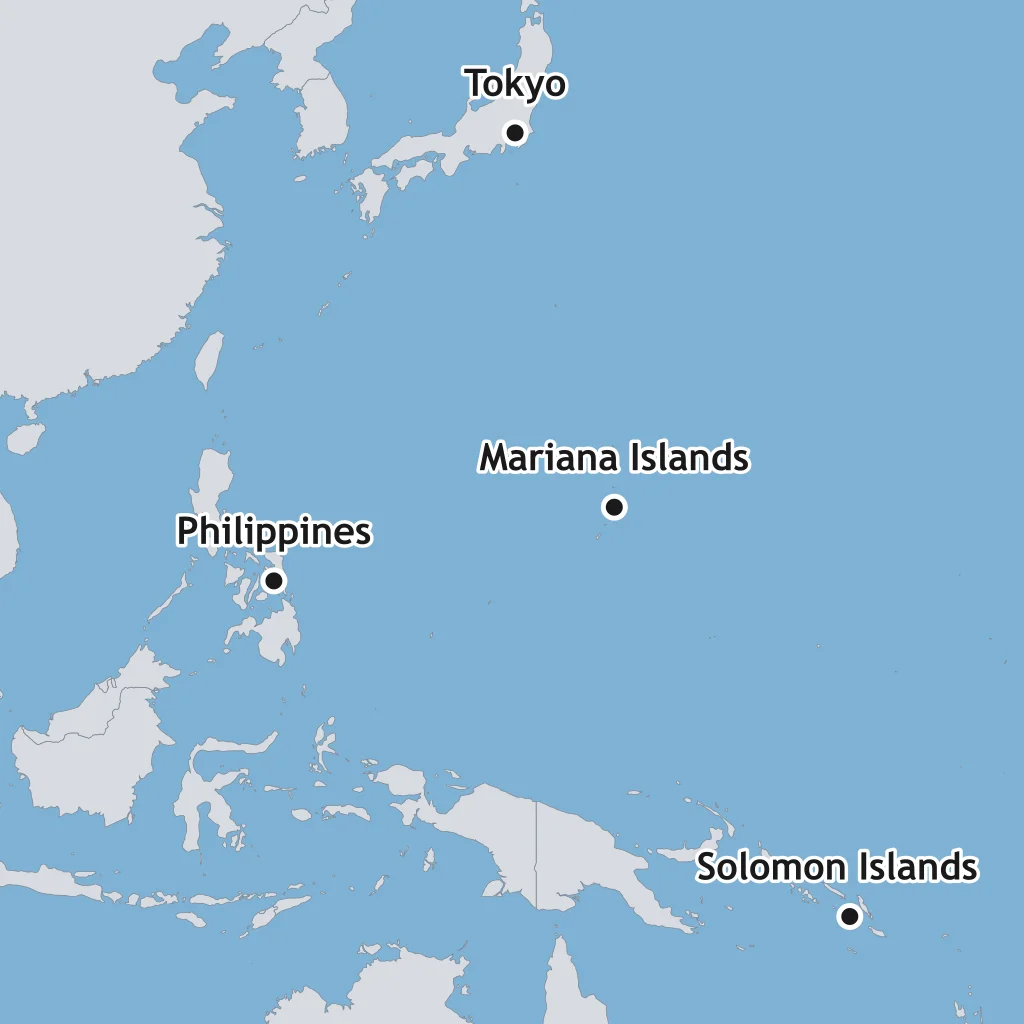
American planners wanted airfields from which B-29 bombers could fly about 1,500 miles to Japan and return. Which island group did that distance point to?
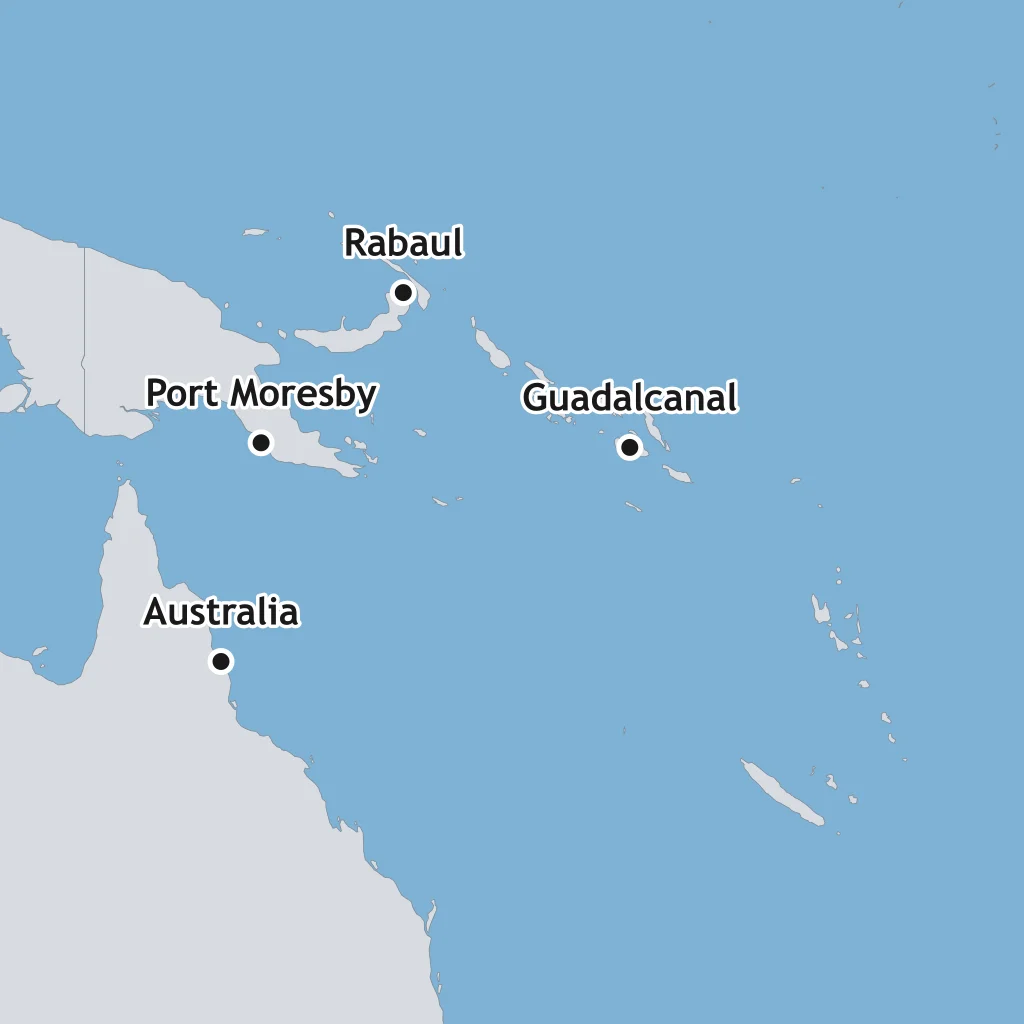
In May 1942 American carriers turned back a Japanese invasion force in the Coral Sea, protecting the sea lanes to Australia. Which port was the Japanese objective?
On December 8, 1941 Congress voted on a declaration of war against Japan. The Senate voted 82 to 0 and the House 388 to 1. Who cast the single vote against?
On the morning of December 7, 1941 Japanese carrier aircraft attacked the main base of the US Pacific Fleet. On which island did that base lie?
Asking Congress for a declaration of war on December 8, 1941, President Roosevelt opened by describing the previous day. Which phrase did he use in that address?
Which American battleship was sunk at her mooring during the attack on December 7, 1941 with the heaviest loss of life of any ship there, and still lies where she sank?
The US Pacific Fleet's aircraft carriers were not in port at Pearl Harbor on the morning of December 7, 1941.
Japan struck only the American base at Pearl Harbor on December 7 and 8, 1941, and made no other attacks anywhere in the Pacific or Southeast Asia in those hours.
Which American admiral commanded the US Pacific Fleet from the end of December 1941 through the end of the war?
Which American commander led Allied forces in the Southwest Pacific, left the Philippines for Australia in March 1942 on Roosevelt's orders, and came back with the invasion force in October 1944?
In April 1942 sixteen B-25 bombers took off from the carrier USS Hornet and struck Tokyo and other Japanese cities, doing little damage but showing the home islands could be reached. What is this operation called?
In May 1942 two fleets fought an engagement entirely with carrier aircraft; the ships of the two sides never came within sight of one another. Which battle was it?
In June 1944, as American troops landed in the Mariana Islands, US carrier pilots destroyed hundreds of Japanese aircraft in a day of fighting that American crews nicknamed the Great Marianas Turkey Shoot. Which battle was it?
In October 1944 Japan sent nearly all its remaining warships against the American landing force in the Philippines and lost most of them, ending the Japanese navy as a fighting fleet. Which battle was it?
In November 1943 marines took a small, heavily fortified atoll in the Gilbert Islands in about three days of fighting, at a cost that shocked the American public. Which battle opened the central Pacific drive?
After American and Filipino troops on the Bataan Peninsula surrendered in April 1942, their captors forced them to walk about 65 miles to rail transport and prison camps, and thousands died on the way. What is this called?
Which American admiral commanded the South Pacific Area from October 1942 during the fighting for the Solomon Islands, and later commanded the Third Fleet at Leyte Gulf?
Which Japanese admiral planned the attack on Pearl Harbor and commanded the Combined Fleet in the operation against Midway?
Which small American-held island in the central Pacific beat off one landing attempt and held out for over two weeks after Pearl Harbor before its garrison surrendered on December 23, 1941?
Rather than assault every island Japan held, American commanders took selected islands with airfields and anchorages and left the garrisons on the rest cut off from supply. What was that meant to achieve?
Allied leaders agreed that Germany would be defeated first and that the Pacific would be held largely on the defensive until forces could be shifted. What reasoning stood behind that decision?
Before the Japanese operation of June 1942, American cryptanalysts had broken enough of the Japanese naval code to work out where the blow would fall. What did that let the Pacific Fleet do?
In February 1945 American forces invaded a small, heavily fortified volcanic island midway between the Marianas and Japan. What did holding it offer B-29 crews that the Marianas bases alone could not?
Through the war American submarines concentrated on Japanese merchant shipping rather than on warships, sinking tankers and freighters. What was that campaign meant to do?
In 1943 and 1944 American and Australian forces surrounded the major Japanese base at Rabaul with airfields and kept it under air attack instead of storming it. What was the purpose of leaving the base in Japanese hands?
From late 1944 Japanese commanders sent hundreds of pilots on one-way kamikaze attacks, crashing bomb-laden aircraft into American ships off the Philippines and Okinawa. What did they hope this would accomplish?
Japan's formal surrender was signed on September 2, 1945. Where did the ceremony take place?
Which American commander presided over the surrender ceremony of September 2, 1945 as Supreme Commander for the Allied Powers and signed for the Allies?
On August 15, 1945 Japanese listeners heard their emperor's voice on the radio for the first time. What did Emperor Hirohito tell them in that broadcast?
Crack the passcode before the zombies get in.
Answer, then swat bugs for bonus points.
Race through questions at your own speed.
Same question on every screen. Fastest wins.

Pick a tile, answer, hit bonuses and steals.
The Home Front: Rationing, War Work and Incarceration
30 questions