Loading
by BlastRoom
The Allied war against Germany and Italy, from the Atlantic and North Africa through Italy, Normandy and the Ardennes to the fall of the Reich.
#united_states_history
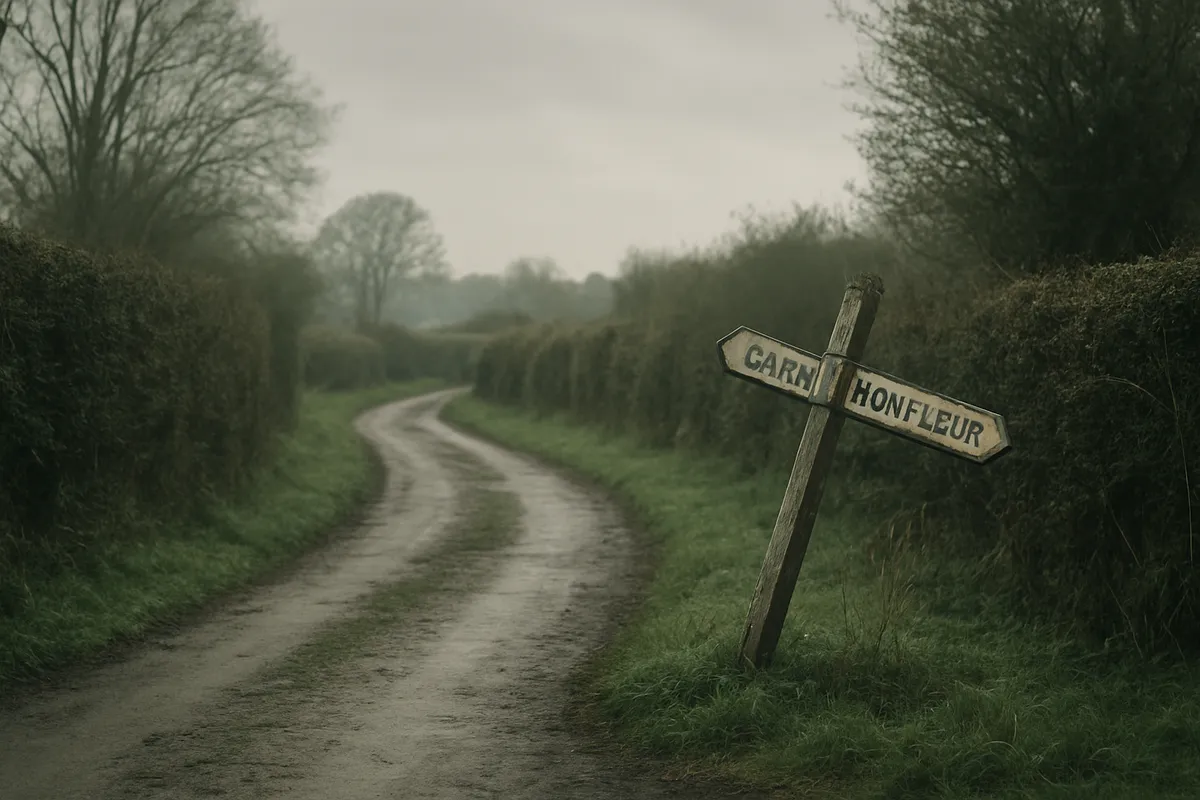
35 questions
One question set, multiple game modes. Tap any game to see it in action. Not sure which to pick?
Answer to place stones and capture territory.
Outrun the snow together.
Earn blasts, then hunt the other team.
Answer to earn energy, then climb.

The class blasts through walls together.
Bid on mystery lots. Most money wins.
Sell tours. Nice, standard, or a total scam.

Answer, restock, and serve the rush.
More correct answers pulls the rope your way.
Answer, then shoot down the alien wave.
Answer, then tap to leap the frozen ridge.
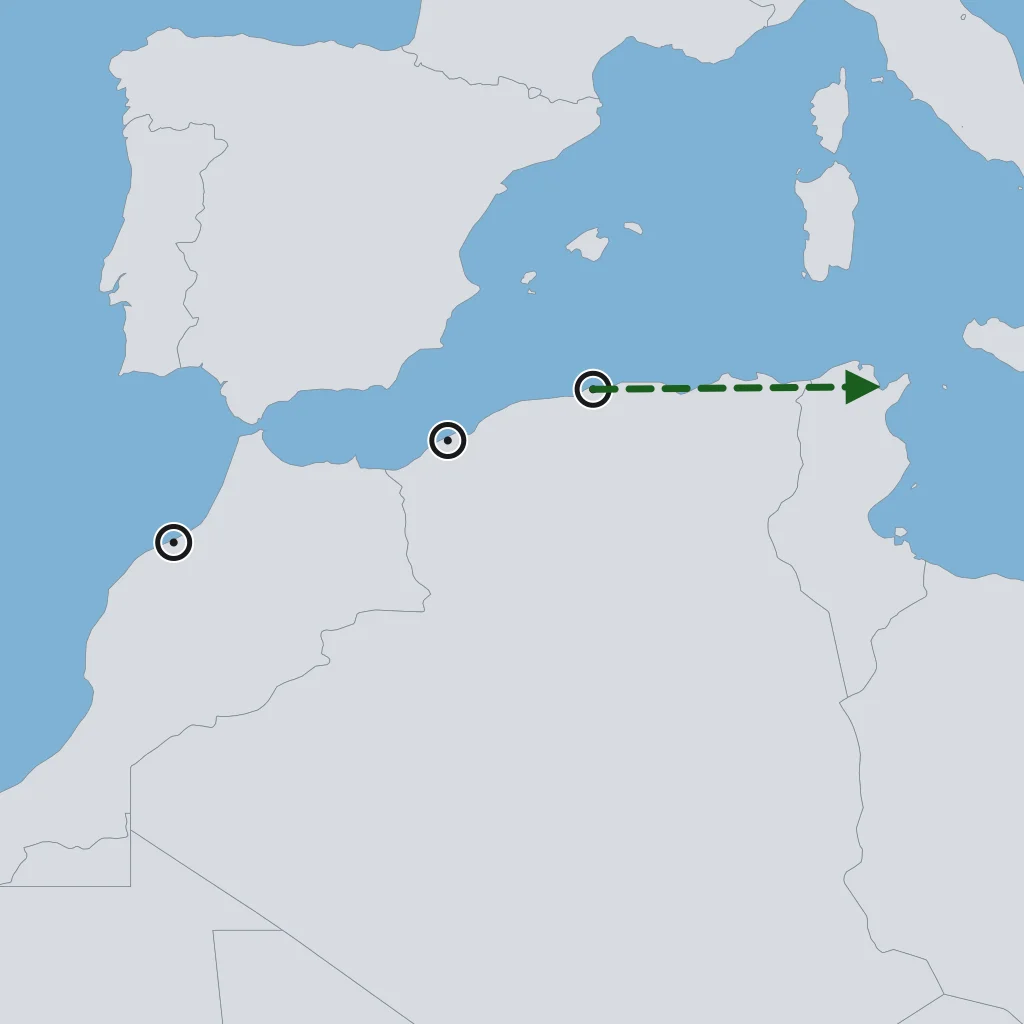
Look at the map. Three Allied amphibious landings of November 1942 are marked, with an arrow showing the drive that followed. Which Allied operation is shown?
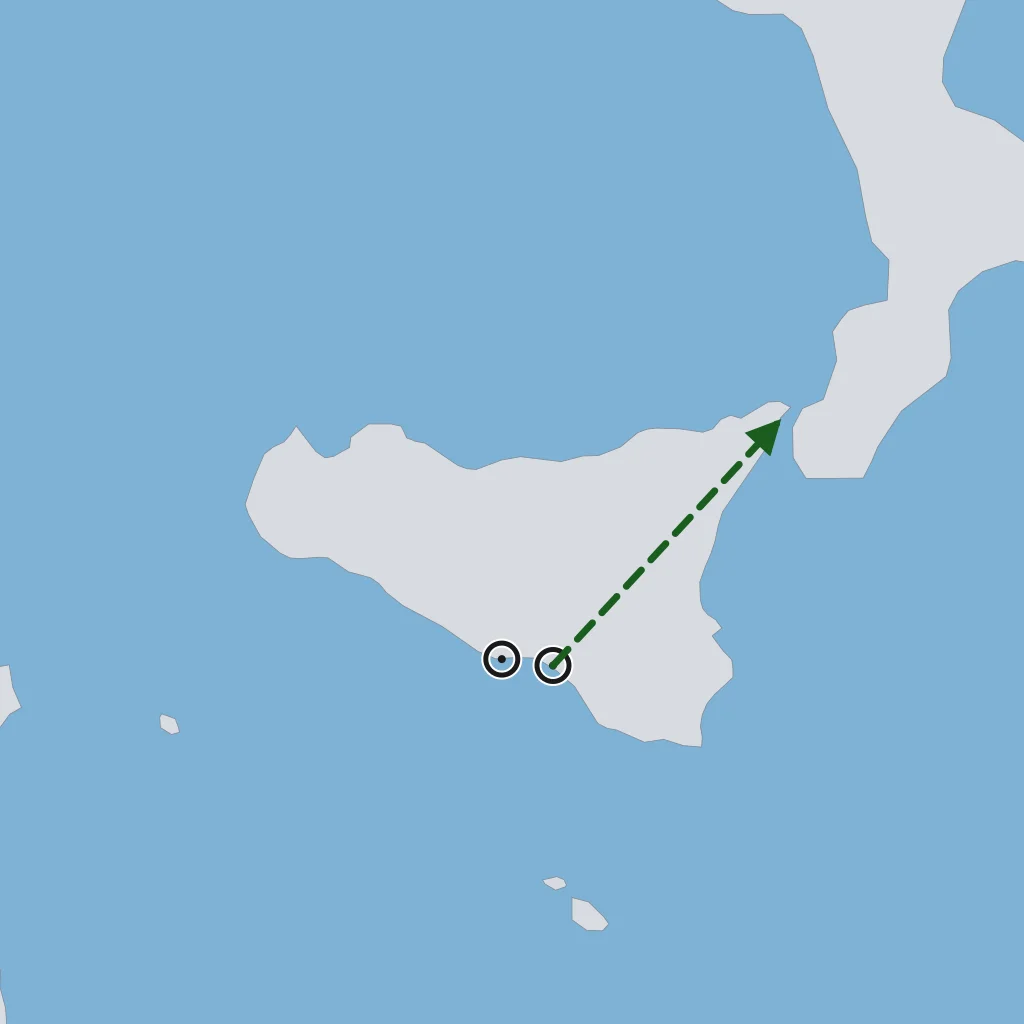
Look at the map. Two Allied landings of July 1943 are marked on a southern coast, with an arrow running north to the island's northeastern port. Which island did this operation take?
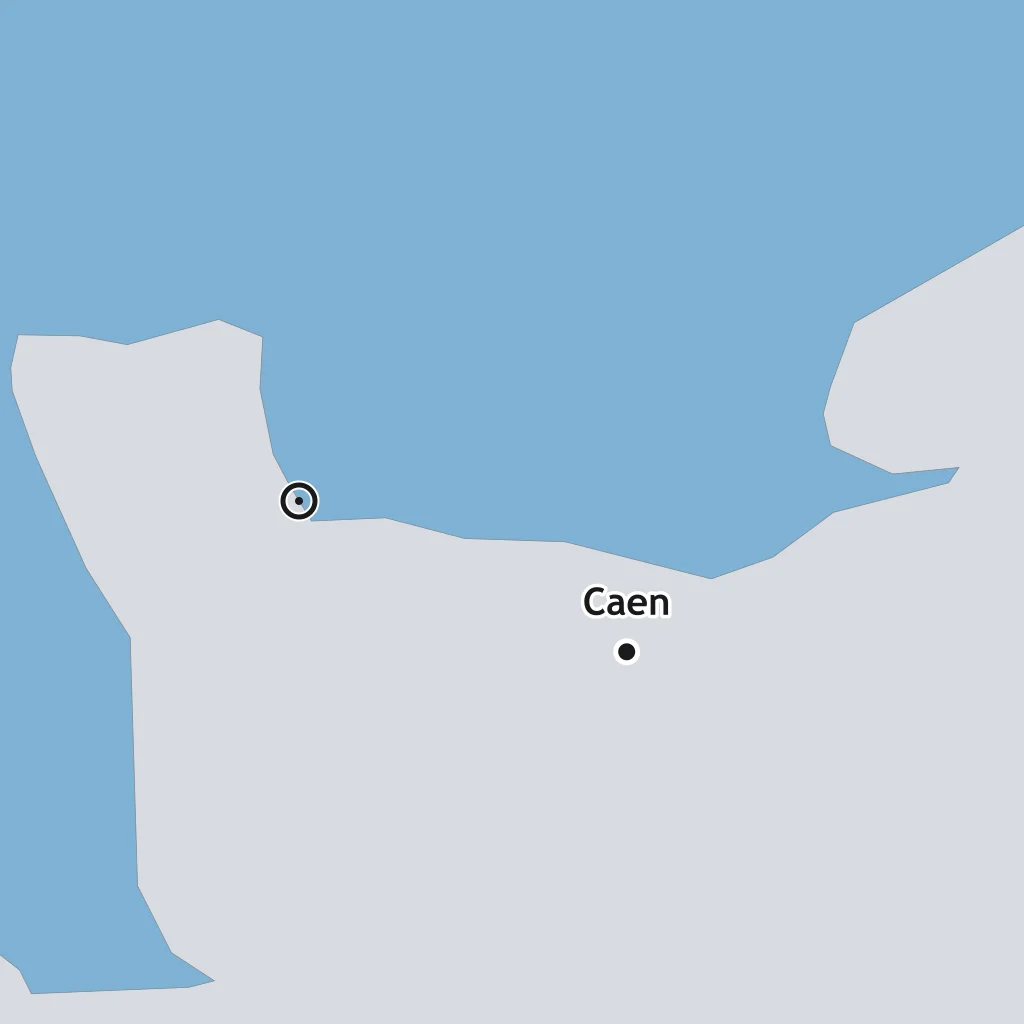
Look at the map. The pin marks one of the five Allied landing beaches of 6 June 1944. Which beach is marked?
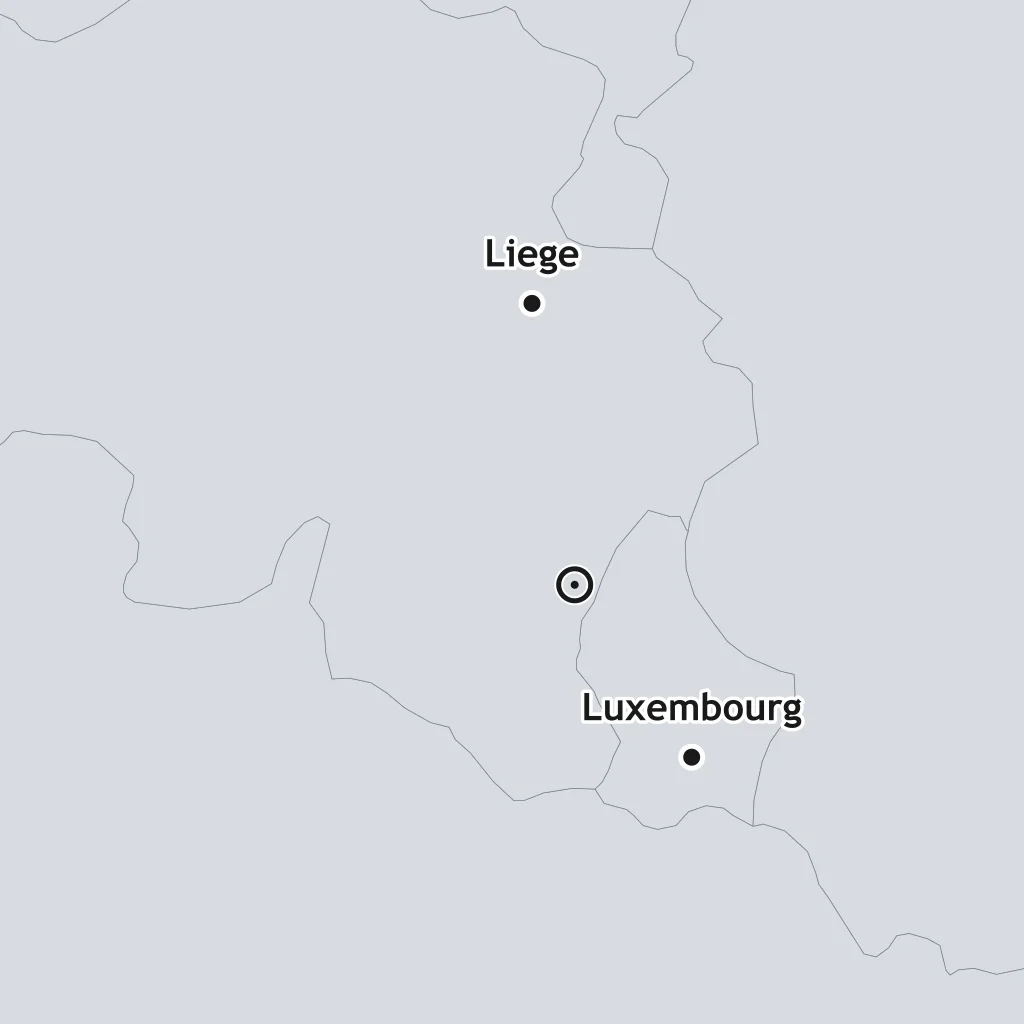
Look at the map. The pin marks the road junction town where American troops were surrounded and held out during the German offensive of December 1944. Which town is it?
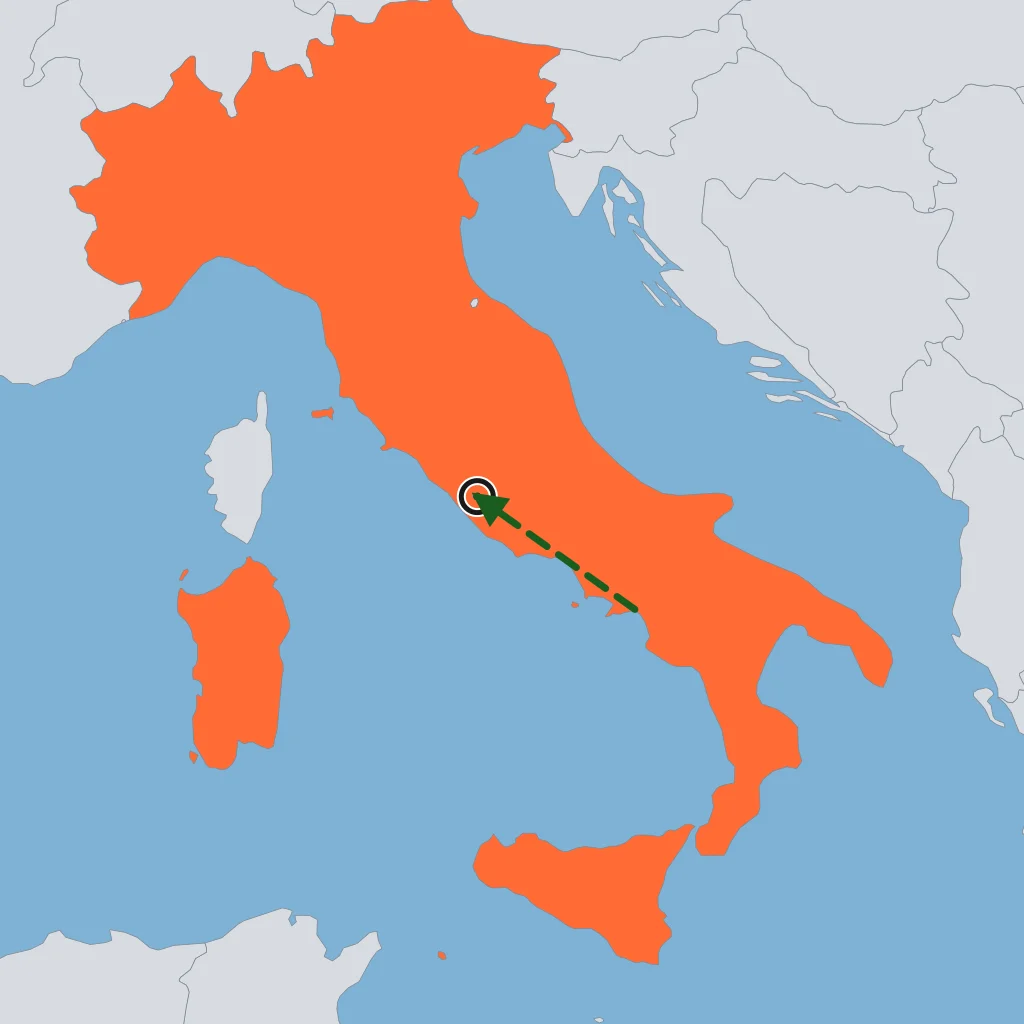
Look at the map. The arrow traces the Allied advance up the peninsula from the landings of September 1943, ending at the pinned city that fell on 4 June 1944. Which city is it?
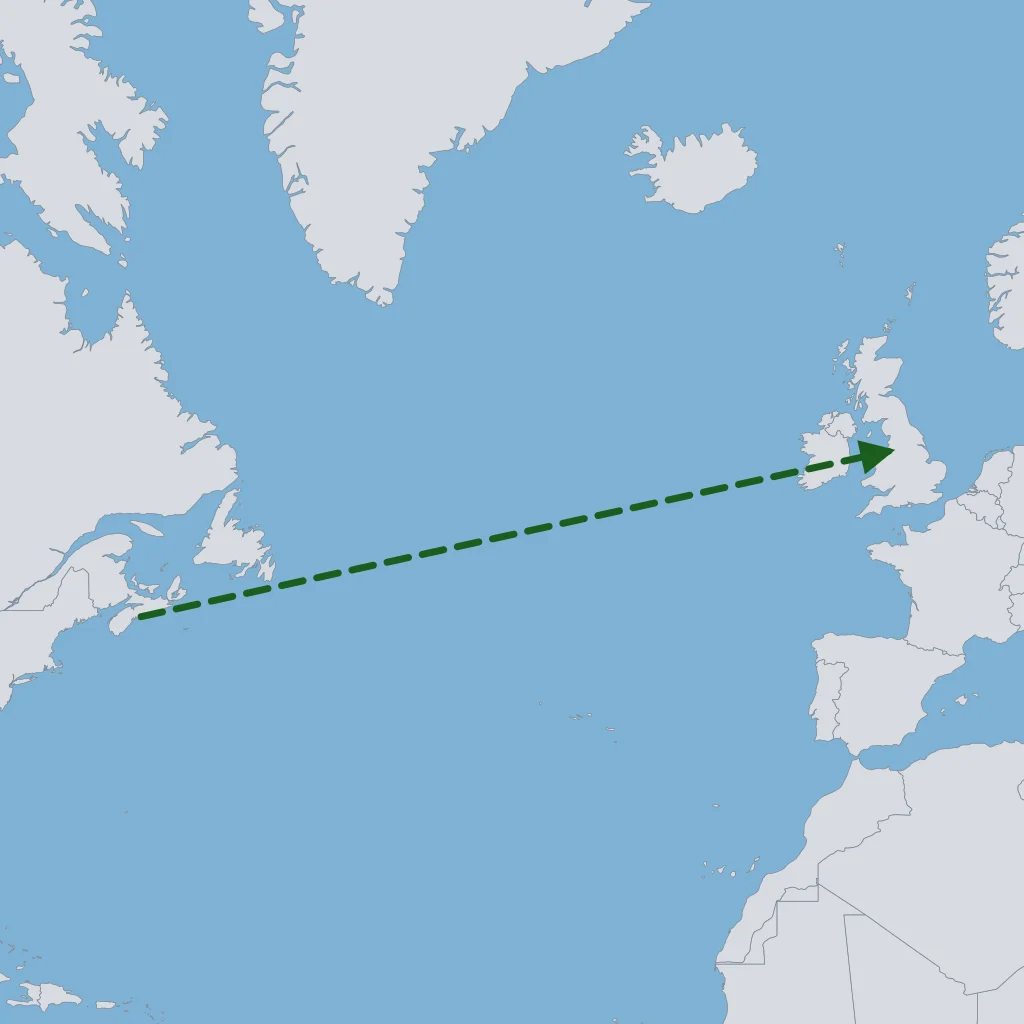
Look at the map. The line traces the convoy route that carried food, fuel and munitions to Britain while U-boat wolf packs attacked the ships. Which body of water did these convoys cross?
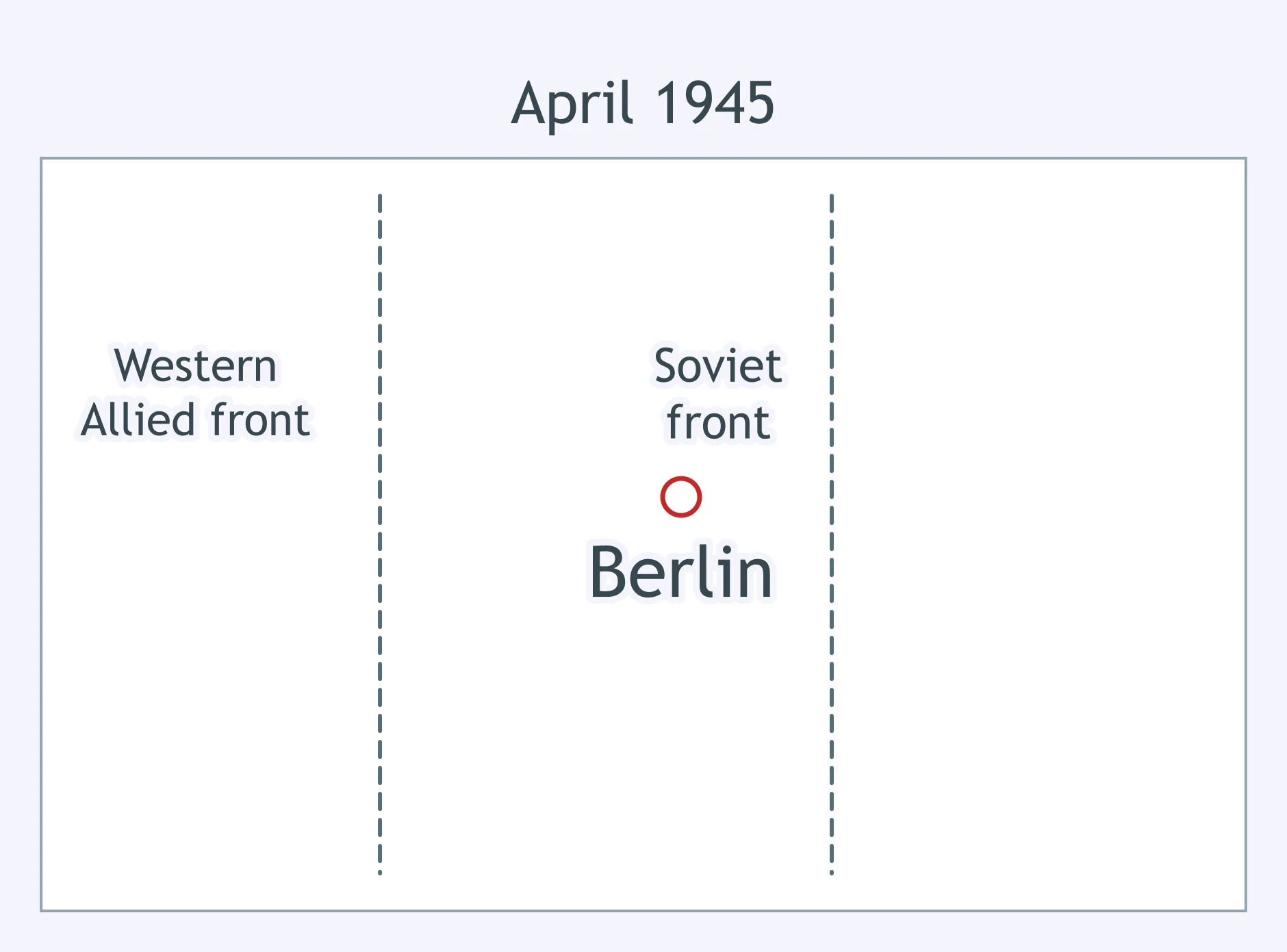
Look at the sketch map. Two Allied front lines of April 1945 are marked on either side of the German capital. Which force's front line was closer to that capital?
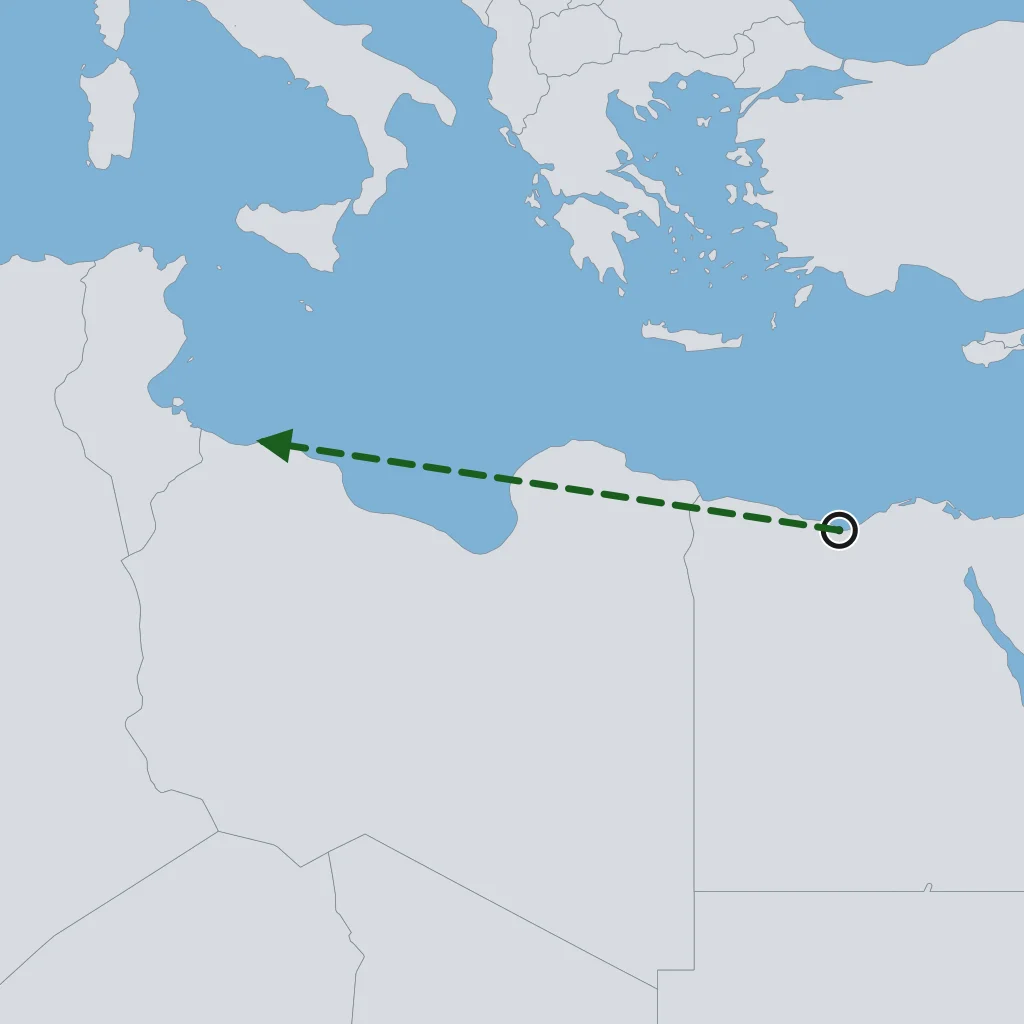
Look at the map. The pin marks where the British Eighth Army began its westward pursuit after its victory of October-November 1942, and the arrow shows how far it had driven by January 1943. In which country did that advance begin?
Which general served as Supreme Commander of the Allied Expeditionary Force in Western Europe and gave the order to launch the invasion of France on 6 June 1944?
Which German commander led the Afrika Korps, earned the nickname the 'Desert Fox' in the fighting for Libya and Egypt, and later took charge of strengthening the defenses of the French coast?
In October and November 1942 the British Eighth Army broke the Axis line at a rail halt about 60 miles west of Alexandria and forced a retreat that ran on for hundreds of miles. Which battle was it?
In February 1943 inexperienced American troops of II Corps met veteran German armor in Tunisia, were driven back through a mountain pass and lost ground before the line was restored. Which battle was this first large US-German clash?
What was the code name of the Allied plan for the cross-Channel assault on German-held France, with five beaches, airborne drops behind them and artificial harbors, launched in June 1944?
Which American general commanded the Third Army in its breakout across France in the summer of 1944 and then wheeled it north to relieve the American troops encircled in the Ardennes?
What name was given to the prefabricated artificial harbors towed across the Channel in sections and assembled off the invasion beaches so cargo could be unloaded before a port was captured?
In August and again in October 1943 the Eighth Air Force sent unescorted B-17s deep into Germany to bomb ball-bearing plants, losing dozens of bombers in August and about 60 in October. Which German town was the target?
German representatives signed an unconditional surrender at Eisenhower's headquarters in Reims on 7 May 1945. On which date did the Allies mark victory in Europe, as the surrender took effect?
Four Allied assaults between January and May 1944 were needed to take a fortified hill position crowned by a Benedictine abbey, which blocked the road up the Italian peninsula. Which position was it?
By early 1942 German submarines were sinking merchant ships faster than British and American yards could build replacements. Which combination of measures turned that around by the middle of 1943?
Through 1942 Stalin pressed for a second front in northern France to draw German divisions off the Soviet Union, but Roosevelt and Churchill sent their troops to French North Africa instead. Why?
In December 1944 German armor struck through a thinly held forest sector, drove a deep bulge into the American line, and was pushed back to its starting point by late January. What did the offensive cost Germany?
Italy's government removed Mussolini from power in July 1943 and signed an armistice with the Allies that September. What happened in Italy after the armistice?
In August 1944 American and British armies closed on retreating German forces near Falaise and trapped much of an army group's strength in a pocket. What followed in the next few weeks?
In September 1944 Allied airborne divisions dropped to seize a line of bridges over the Dutch rivers so that armor could race up a single road and cross the Rhine. What was the outcome?
Through 1943 American bombers flying beyond the range of their fighter escorts took losses over Germany that their crews could not sustain. What did long-range P-51 Mustang escorts accomplish from early 1944?
Before the June 1944 landings the Allies built dummy camps in southeast England, filled the airwaves with false radio traffic, and fed misleading reports to German agents. What was the purpose?
On 7 March 1945 American troops reached the railroad bridge at Remagen and found it still standing, and they rushed across before it could be destroyed. Why did that matter?
Place these four events of the war in Europe in the order they happened: the Normandy landings; the Allied landings in French North Africa; the German offensive in the Ardennes; the Allied landings in Sicily.
Rome fell to the Allies on 4 June 1944. Which of these happened next?
Put these Mediterranean operations in order from earliest to latest: the Anzio landings; Operation Torch; the Salerno landings; Operation Husky.
German representatives signed the unconditional surrender at Reims on 7 May 1945. Which of these happened immediately before that signing?
Put these four events in the west in order: the liberation of Paris; the Normandy landings; the German offensive in the Ardennes; the airborne attempt to seize the Dutch bridges.
At the close of their January 1943 meeting in Morocco, Roosevelt and Churchill announced that the Allies would accept nothing less than 'unconditional surrender.' What did that policy commit the Allies to?
In late 1943 Roosevelt, Churchill and Stalin met together for the first time; the Western leaders committed to invading France in May 1944 and Stalin agreed to time a Soviet offensive with it. Which conference was this?
At Yalta in February 1945 the Big Three planned the occupation of a defeated Germany and the founding of the United Nations. What did Stalin promise there about the war against Japan?
Crack the passcode before the zombies get in.
Answer, then swat bugs for bonus points.
Race through questions at your own speed.
Same question on every screen. Fastest wins.

Pick a tile, answer, hit bonuses and steals.
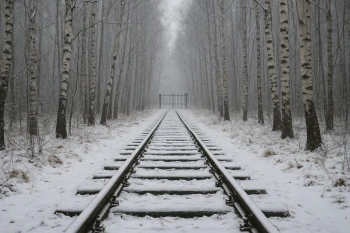
The Holocaust
30 questions