Loading
by BlastRoom
Roman building methods, structures, technology, and language, for the California Grade 6 ancient Rome unit.
#technology#us_grade_6_social_studies
20 questions
One question set, multiple game modes. Tap any game to see it in action. Not sure which to pick?
Answer to place stones and capture territory.
Outrun the snow together.
Earn blasts, then hunt the other team.
Answer to earn energy, then climb.

The class blasts through walls together.
Bid on mystery lots. Most money wins.
Sell tours. Nice, standard, or a total scam.

Answer, restock, and serve the rush.
More correct answers pulls the rope your way.
Answer, then shoot down the alien wave.
Answer, then tap to leap the frozen ridge.
Roman builders mixed lime, water, and one special ingredient to make a concrete that could even harden underwater. What was that ingredient?
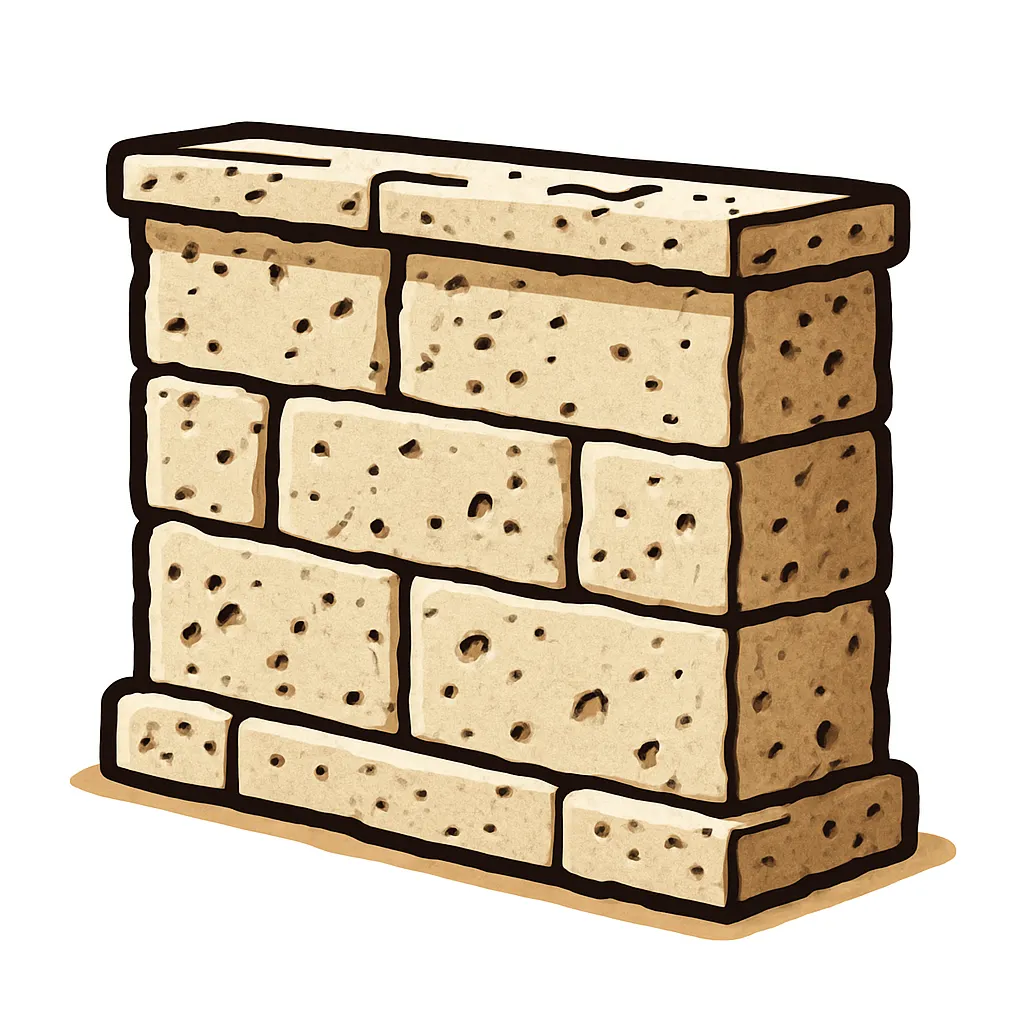
A Roman aqueduct carried water many miles from a mountain spring to a city. What kept the water moving the whole way?
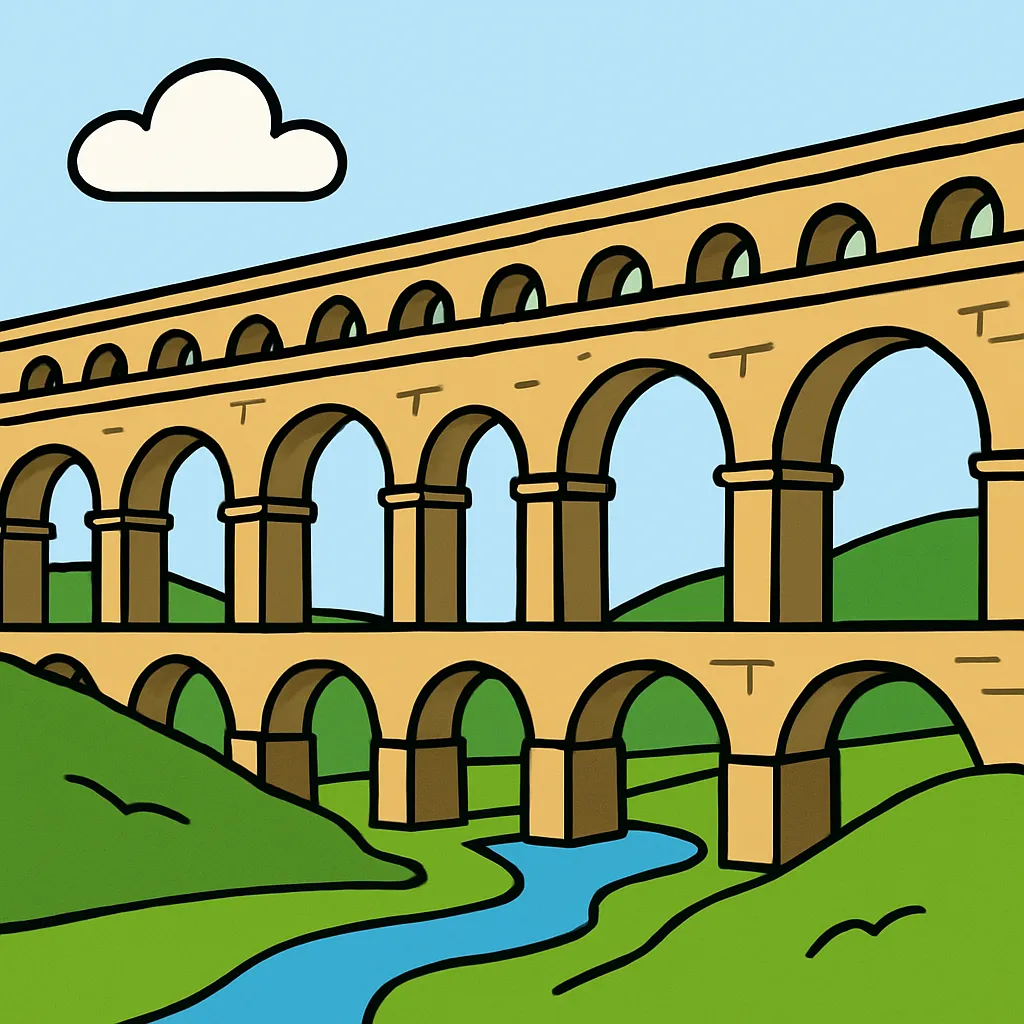
Roman aqueducts are remembered for their tall rows of arches, but most of an aqueduct's length was somewhere else. Where did most of the channel run?
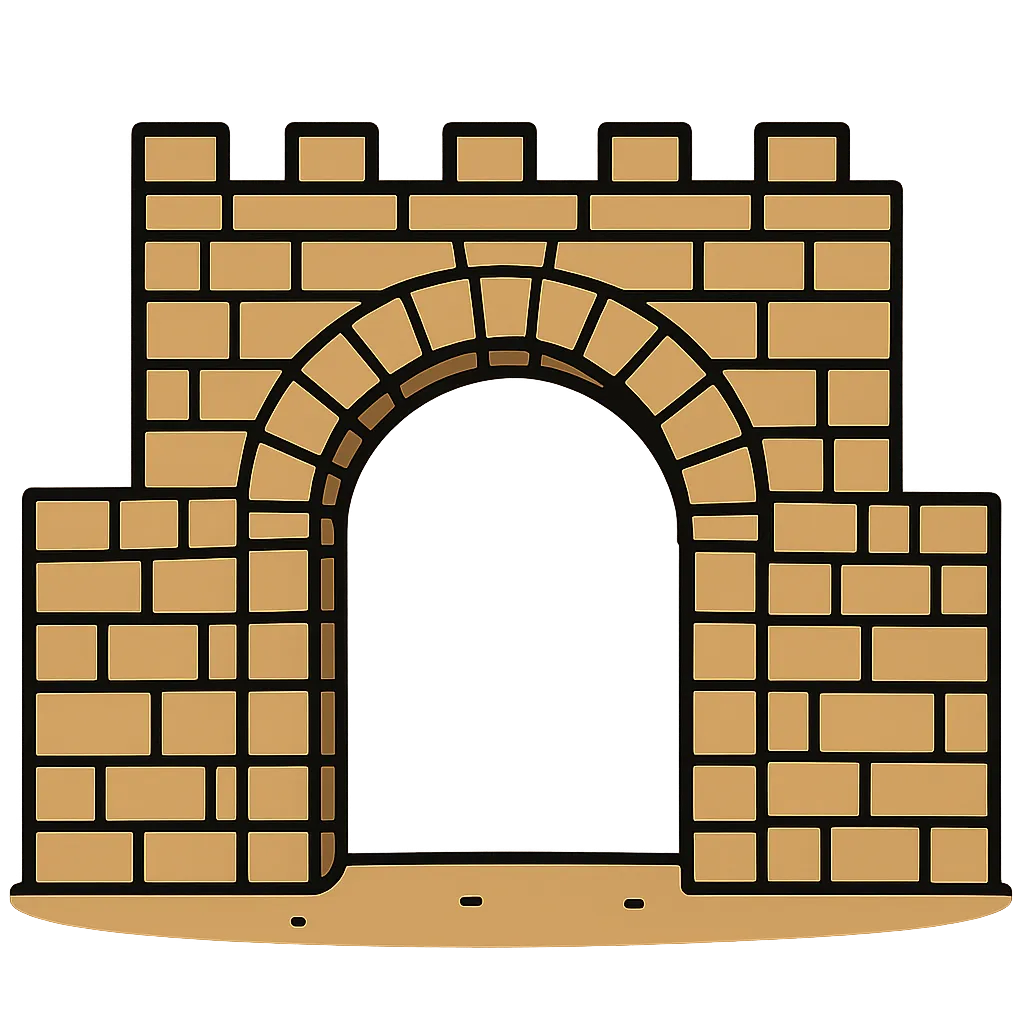
A Roman arch is built from wedge-shaped stones set in a curve. What happens to the weight of the wall resting above it?
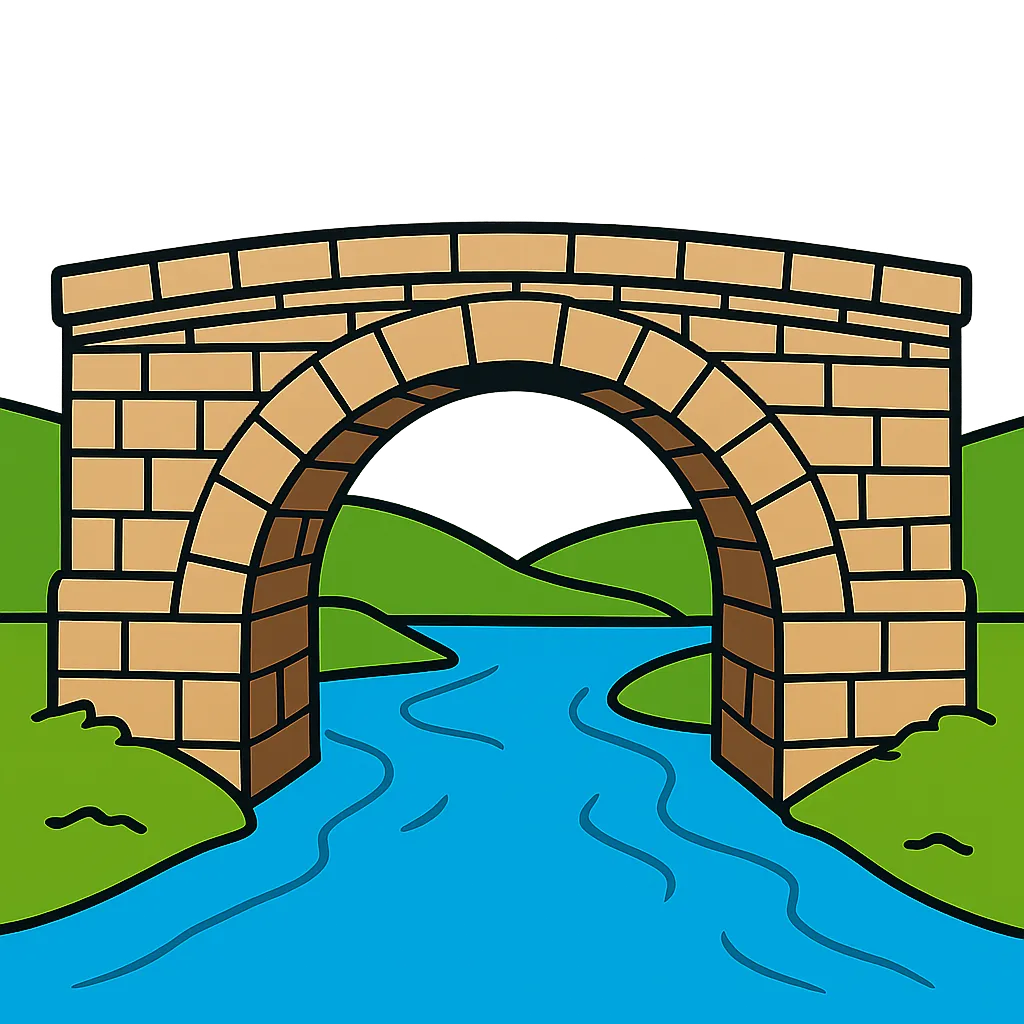
What is the name of the wedge-shaped stone set at the very top center of a Roman arch, the last one placed?
The Pantheon in Rome, completed in the 100s CE, is covered by a roof that engineers still study. What roofs it?

Roman architects took the styles of decorated columns they used on temples and public buildings from Greek architecture.

The paved surface of a major Roman road was built higher in the middle than at the edges. What did that curved shape do?
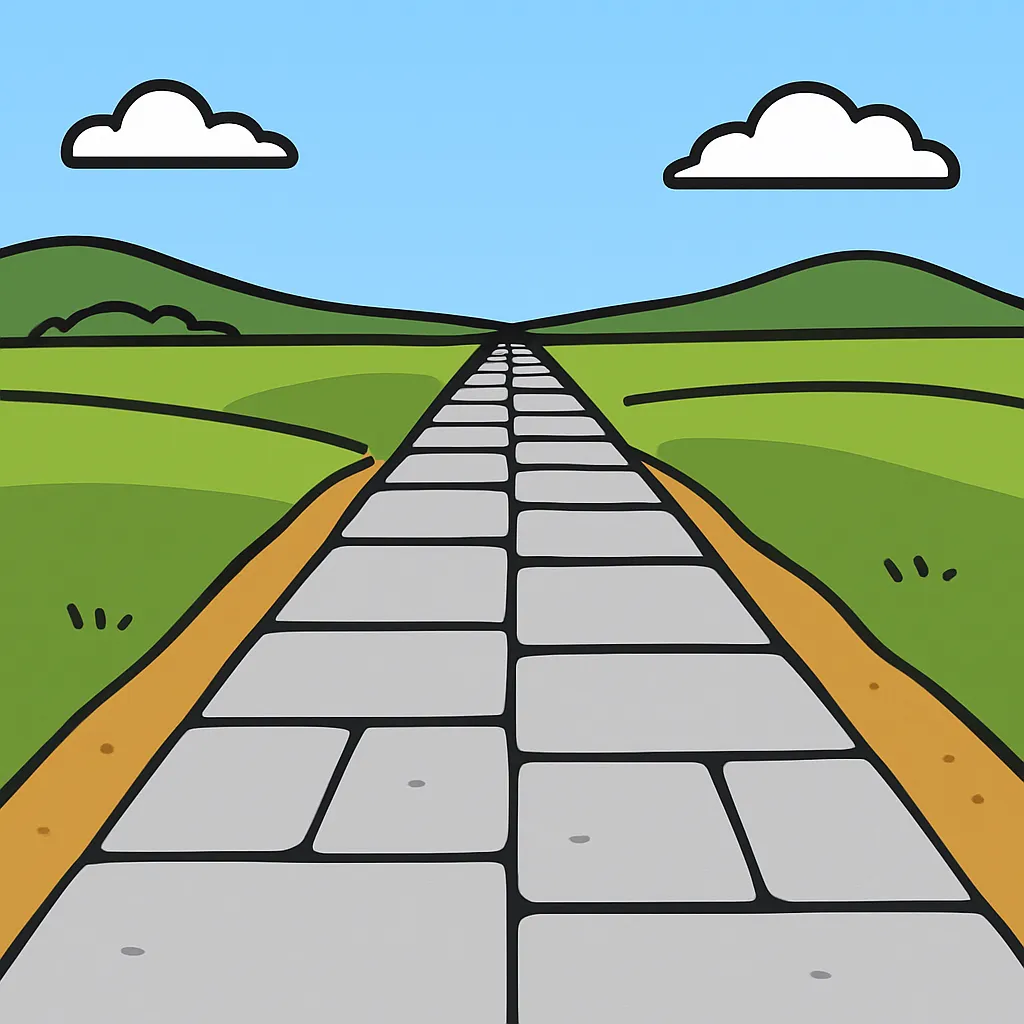
Rome built a network of hard-paved roads reaching across its empire. What was the main purpose behind building them?
Stone pillars stood beside the main Roman roads. What information did they mainly give travelers?
Roman public baths used a heating system called a hypocaust. How did it warm the rooms above?
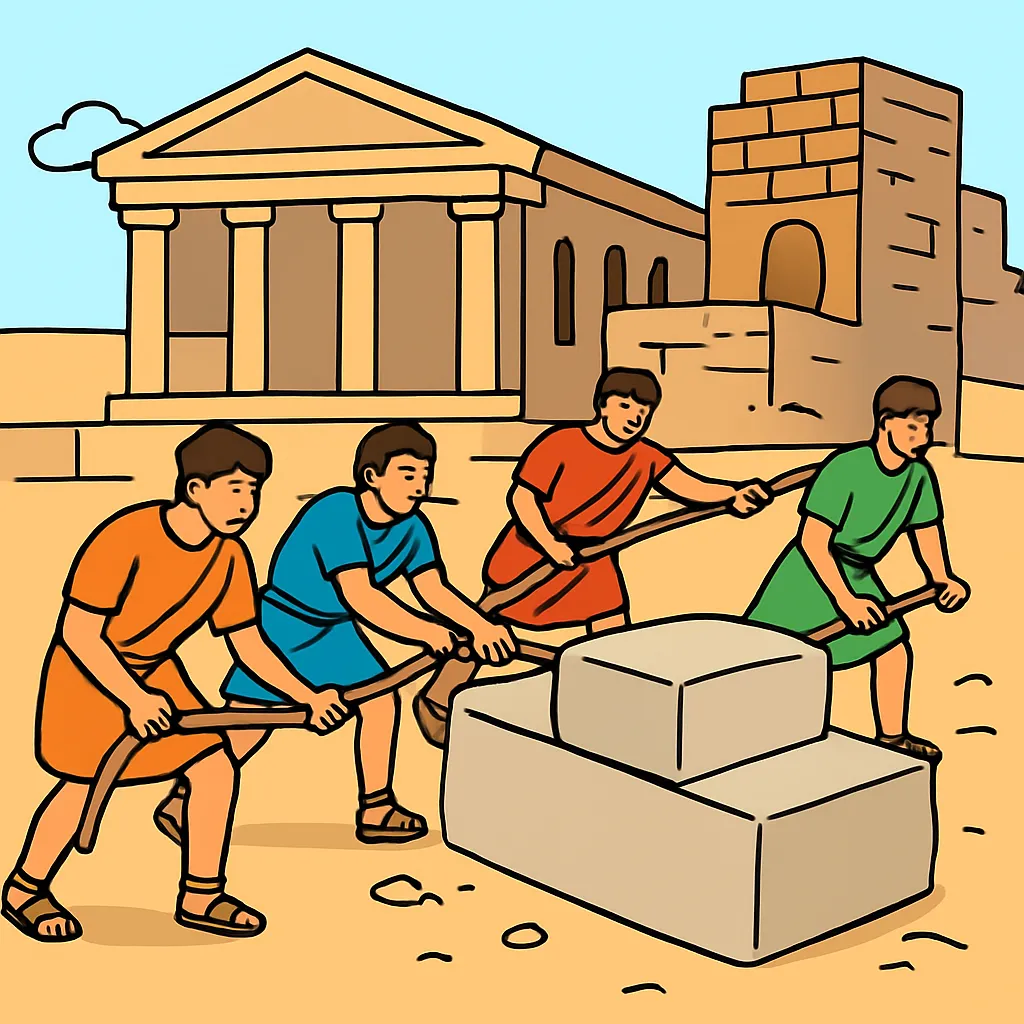
Aqueducts, roads, and great public buildings all took enormous amounts of heavy labor. Which group supplied much of that labor in Rome?
The Cloaca Maxima was one of Rome's oldest large engineering works. What did it do for the city?
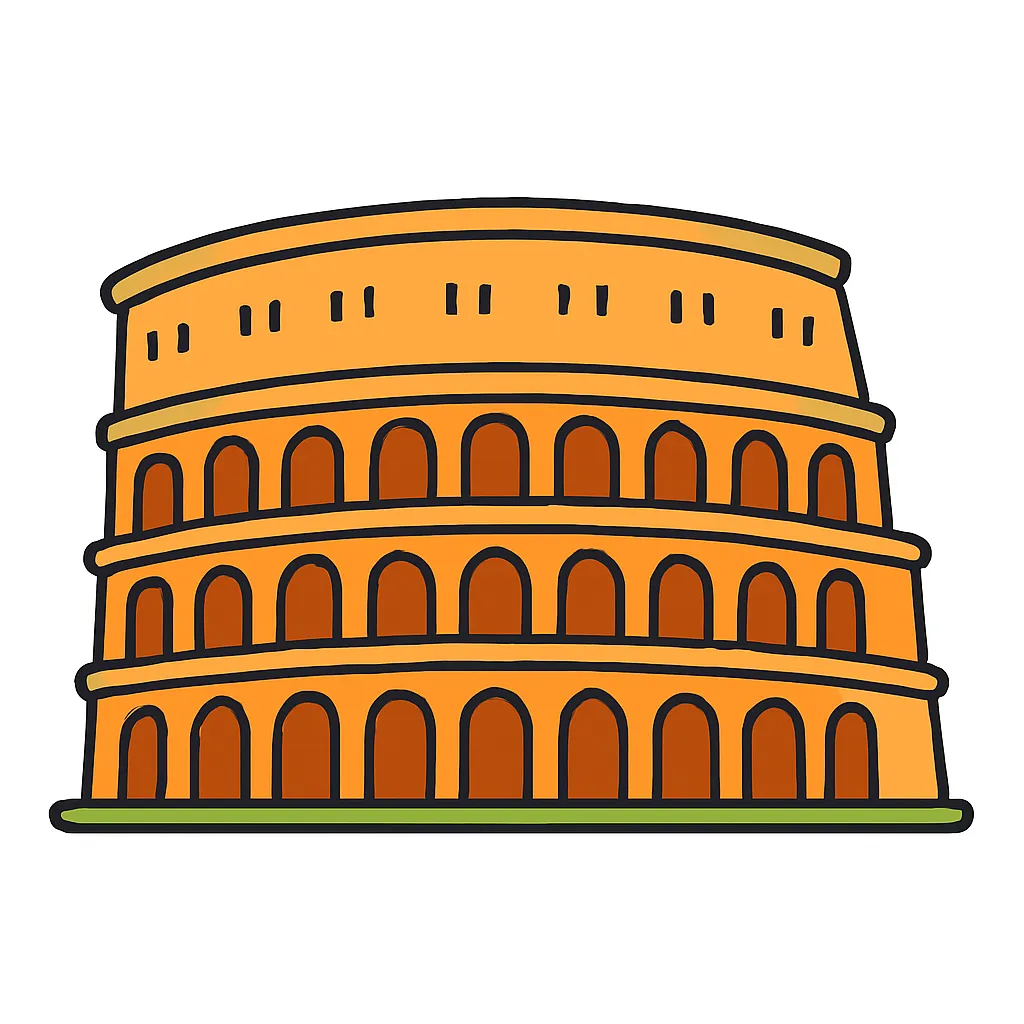
The Colosseum in Rome was an oval arena ringed on every side by rows of seats. What was this building made to hold?
A Roman amphitheater and a Greek-style theater differ in how their seating is arranged. How were the seats of an amphitheater set out?
The city of Rome held far more people than it had land for. What kind of housing did most ordinary residents live in?
Roman engineers and officials recorded measurements and dates in a number system of their own. How did Romans write their numbers?
Spanish, French, Italian, Portuguese, and Romanian all grew out of the everyday speech of one ancient language. Which language was it?
An epic poem in Latin, written during the time of Augustus, told how a Trojan hero sailed to Italy and began the line that led to Rome. What is that poem called?
Roman surveyors laid out a major road and found a hill or a marsh sitting on the planned route. What did they usually do about it?
Crack the passcode before the zombies get in.
Answer, then swat bugs for bonus points.
Race through questions at your own speed.
Same question on every screen. Fastest wins.

Pick a tile, answer, hit bonuses and steals.
The Decline and Legacy of Rome
20 questions