Loading
by BlastRoom
Axum between the Ethiopian highlands and the Red Sea: the trade that ran through Adulis, its gold coinage and carved stelae, and its adoption of Christianity, in the Florida Grade 6 classical civilizations sequence (SS.6.W.3).
#history#us_grade_6_social_studies
20 questions
One question set, multiple game modes. Tap any game to see it in action. Not sure which to pick?
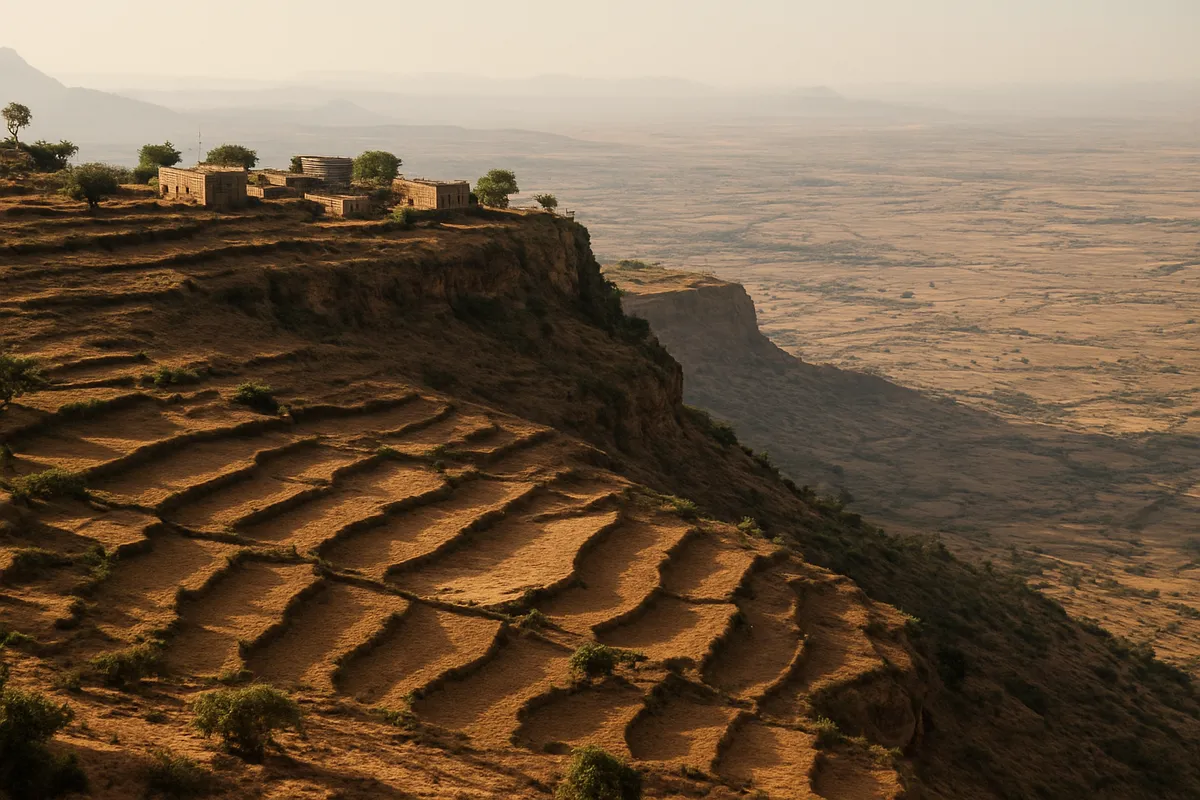
Axum sat in the Ethiopian highlands, and its port at Adulis opened onto the Red Sea. What did that port make possible for Axum?
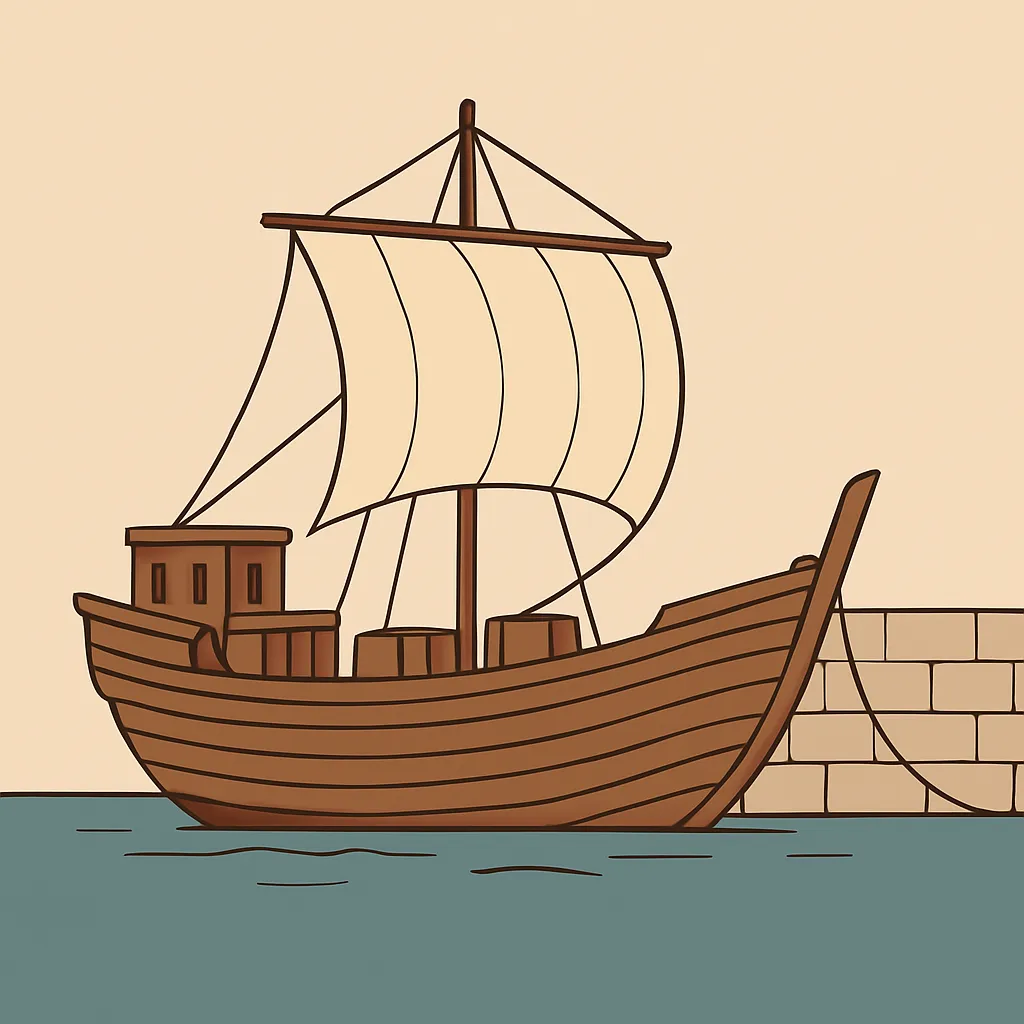
At Adulis, traders exported ivory, gold, frankincense, myrrh, and enslaved people, while importing cloth and metalwork. What trade pattern does this describe?
A described map places Axum west of the Red Sea, with arrows from Adulis toward Arabia, India, and the Mediterranean. What does this pattern imply?
Axum had highland farms and a Red Sea port. Why did that combination matter to the kingdom's growth?
A merchant from Alexandria in Egypt buys ivory and frankincense at Adulis to sell across the sea in Italy and Greece. What trade sphere does he connect Axum to?
Seasonal monsoon winds helped ships cross between the Red Sea and India. How could Axum benefit from those winds?
A described map shades Meroe on the Nile as an older trade center, then shows later arrows clustering around Adulis. What change does the map support?
Meroe had long profited from Nile trade. When more merchants used Red Sea shipping, why could Axum gain from the change?
Egypt connected the Nile and Mediterranean, while Axum's goods moved through Adulis and the Red Sea. Why did Egyptian and Mediterranean merchants matter to Axum?
A historian says that in the 600s CE new Arab powers took over much of the Red Sea trade, so fewer ships reached Adulis. What effect fits this claim?
A trader wants Indian pepper and metalwork to reach northeast Africa without following the entire Nile corridor through Meroe. Why choose Adulis?
Excavations at the Red Sea port of Adulis find goods made around the Mediterranean, and Axumite goods turn up in lands along the Nile. What claim can that evidence support?
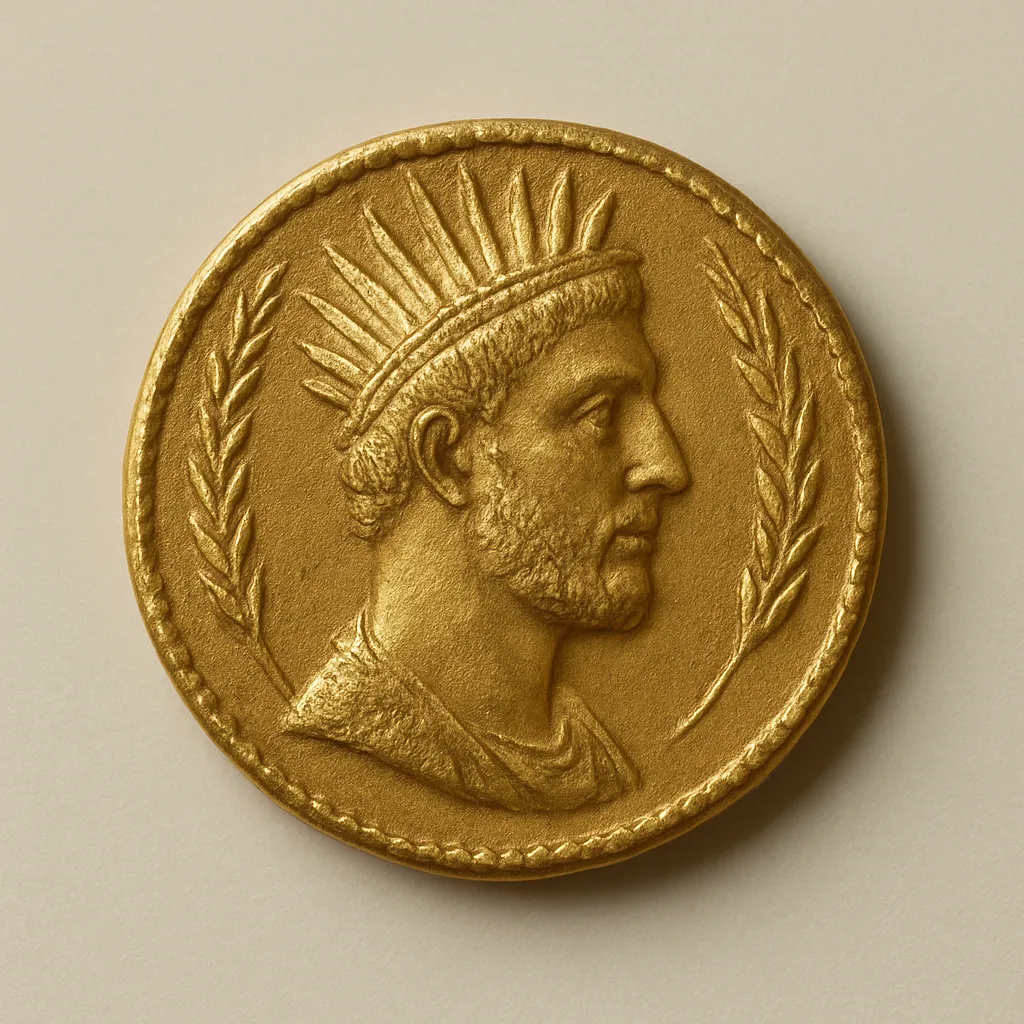
Axum struck gold, silver, and bronze coins from about 270 CE, and some Axumite coins have been found in India. What does that indicate?
Axumite kings carved records of their victories on stone in a script developed from one used in southern Arabia. What is that script called?
Axumite rulers raised tall carved stone stelae over royal tombs. What does that building practice indicate?

Axumite coins carried metal value and royal designs. Why would recognizable coins help merchants in distant ports?
Early Axumite coins showed a crescent and disc, symbols of older gods. Coins made after the mid-300s CE showed a cross instead. What change do the coins record?
Historians think Christianity reached Axum through contacts along Red Sea trade routes. What route best explains that spread?
A timeline marks Axum’s ruler adopting Christianity in the 300s CE, followed by new coin designs. What century does the 300s CE name?
Ge'ez is no longer an everyday spoken language, yet the Ethiopian Orthodox Church still uses it in its services today. What does this show historians?
Crack the passcode before the zombies get in.

Pick a tile, answer, hit bonuses and steals.
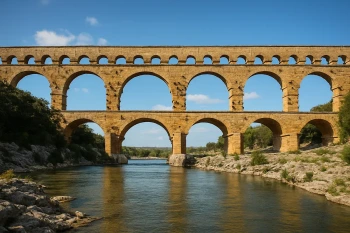
Roman Engineering and Architecture
20 questions