Loading
by BlastRoom
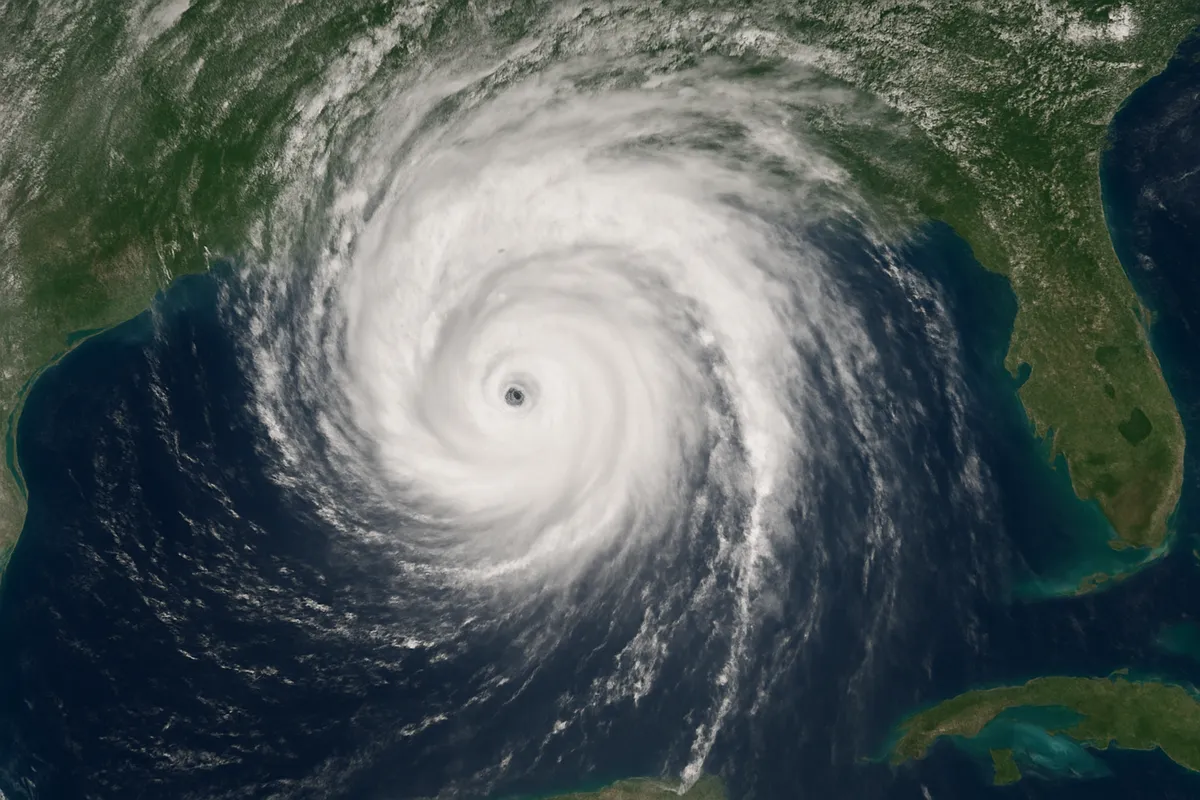
Where earthquakes, cyclones, floods, droughts and wildfires strike, and what makes them costly.
#us_hs_world_geography
25 questions
One question set, multiple game modes. Tap any game to see it in action. Not sure which to pick?
Answer to place stones and capture territory.
Outrun the snow together.
Earn blasts, then hunt the other team.
Answer to earn energy, then climb.

The class blasts through walls together.
Bid on mystery lots. Most money wins.
Sell tours. Nice, standard, or a total scam.

Answer, restock, and serve the rush.
More correct answers pulls the rope your way.
Answer, then shoot down the alien wave.
Answer, then tap to leap the frozen ridge.
Tropical cyclones need warm ocean water and enough Coriolis force to start spinning. Which place is most exposed to them?
Earthquakes are most common where plates collide, pull apart, or slide past each other. Which location has the highest earthquake hazard?
A river basin has days of heavy rain, saturated soil, and towns built on the floodplain. Which hazard is most likely there?
A steppe region depends on seasonal rain, but the rainy season fails for several years. Which hazard is most likely?
A hillside has dry grasses, low humidity, strong winds, and nearby homes. Which hazard is most likely to spread quickly there?
A warm western Pacific coast faces open ocean in late summer, when sea surface temperatures are high. Which hazard is most likely?
A coastal mountain belt sits above a subduction zone where one plate dives beneath another. Which hazard is especially likely?
Two cities are hit by earthquakes of the same magnitude. Far fewer buildings collapse in one city. What best explains the difference?
The same tropical cyclone hits two coastal cities. One has many deaths, while the other evacuates low areas before landfall. What most lowered the death toll?
Two towns get the same flood crest. One town has severe home damage because many houses stand on the floodplain. What made the flood more costly there?
The same drought hits two farming regions. Crop losses are worse where most farmers depend only on rainfall. What explains the difference?
Two regions have the same fire weather. Losses are greater where houses are mixed into forests and brush. What made the wildfire more costly?
Two low coasts face the same cyclone. Damage is greater where mangroves were cleared and buildings stand at sea level. What increased the losses?
Two cities have the same earthquake shaking. Damage is worse where buildings stand on loose, water-saturated sediment. What process raised the risk?
The ground shakes suddenly, a fault breaks the surface, and roads and pipes are offset. Which hazard caused these effects?
A rotating storm with an eye moves ashore, bringing destructive winds, heavy rain, and storm surge. Which hazard is being described?
After days of rain, a river overtops its banks and covers farms and neighborhoods on the floodplain. Which hazard is this?
Reservoirs fall, soil cracks, wells run low, and crops fail after many months with little rain. Which hazard is this?
Fast-moving flames burn through dry vegetation, smoke reduces visibility, and nearby neighborhoods evacuate. Which hazard is this?
A city retrofits bridges and schools before the next earthquake. What does this measure most reduce?
A coastal town builds cyclone shelters and practices evacuations before storm season. What does this preparation most reduce?
A river town uses levees, floodplain maps, and evacuation routes. What do these measures most reduce when the river rises?
A dry farming region stores water, lines canals, and uses drip irrigation before a dry year. What does this preparedness mainly reduce?
A community clears brush near homes and uses controlled burns before fire season. What does this most reduce?
A city zones new housing away from the lowest floodplain. What does this measure change most directly?
Crack the passcode before the zombies get in.
Answer, then swat bugs for bonus points.
Race through questions at your own speed.
Same question on every screen. Fastest wins.

Pick a tile, answer, hit bonuses and steals.
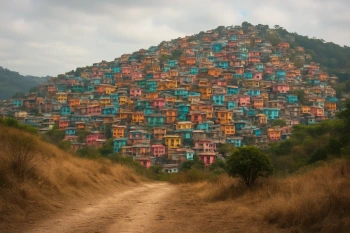
Population Distribution and Density
30 questions