Loading
by BlastRoom
California Grade 6 Standard 6.2: rivers, farming surplus, cities, religion, and political order in Mesopotamia and Kush.
#history#us_grade_6_social_studies
20 questions
One question set, multiple game modes. Tap any game to see it in action. Not sure which to pick?
Answer to place stones and capture territory.
Outrun the snow together.
Earn blasts, then hunt the other team.
Answer to earn energy, then climb.

The class blasts through walls together.
Bid on mystery lots. Most money wins.
Sell tours. Nice, standard, or a total scam.

Answer, restock, and serve the rush.
More correct answers pulls the rope your way.
Answer, then shoot down the alien wave.
Answer, then tap to leap the frozen ridge.
Mesopotamia developed on a broad floodplain in Southwest Asia watered by two great river systems. Which pair of rivers watered that region?
The kingdom of Kush grew in Nubia, south of Egypt. Along which river did its farmland, temples and cities develop?
Mesopotamia means "land between the rivers."
Farmers in southern Mesopotamia dug long canals to carry river water out to their fields. Why was that work necessary?
Irrigated fields along the rivers produced more grain than farming families needed to eat. What did that agricultural surplus make possible?
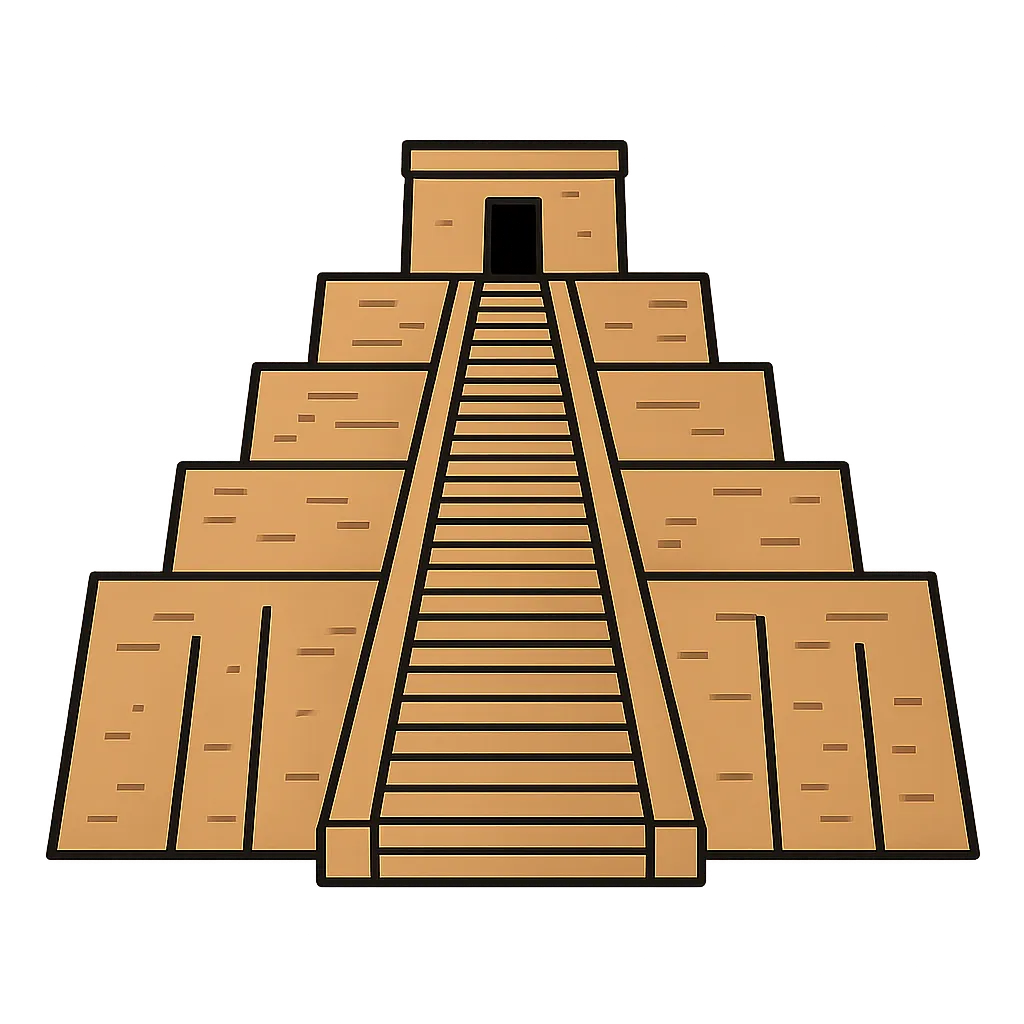
At the center of a Sumerian city stood a huge structure of stacked, shrinking mud-brick levels with a shrine on top. What was that structure called?
Mesopotamians honored many gods, each tied to a natural force such as storms or to a particular city. What is the worship of many gods called?
A Sumerian temple owned farmland, stored grain in its warehouses, and employed weavers and laborers. What does that tell a historian about the temple?
In early Mesopotamia a single city governed itself along with the farming villages and fields around it. What is that independent city and its territory called?
A Mesopotamian king led the army, ordered canals dug, and built temples while claiming the city's god had chosen him to rule. What did that claim give him?
Kings, priests and officials ranked above merchants and artisans, who ranked above farmers, laborers and enslaved people. What is this ranking of groups called?
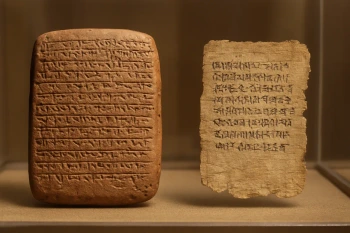
Palaces and temples needed records of grain stores, taxes and trade goods. Which trained workers kept those records for them?
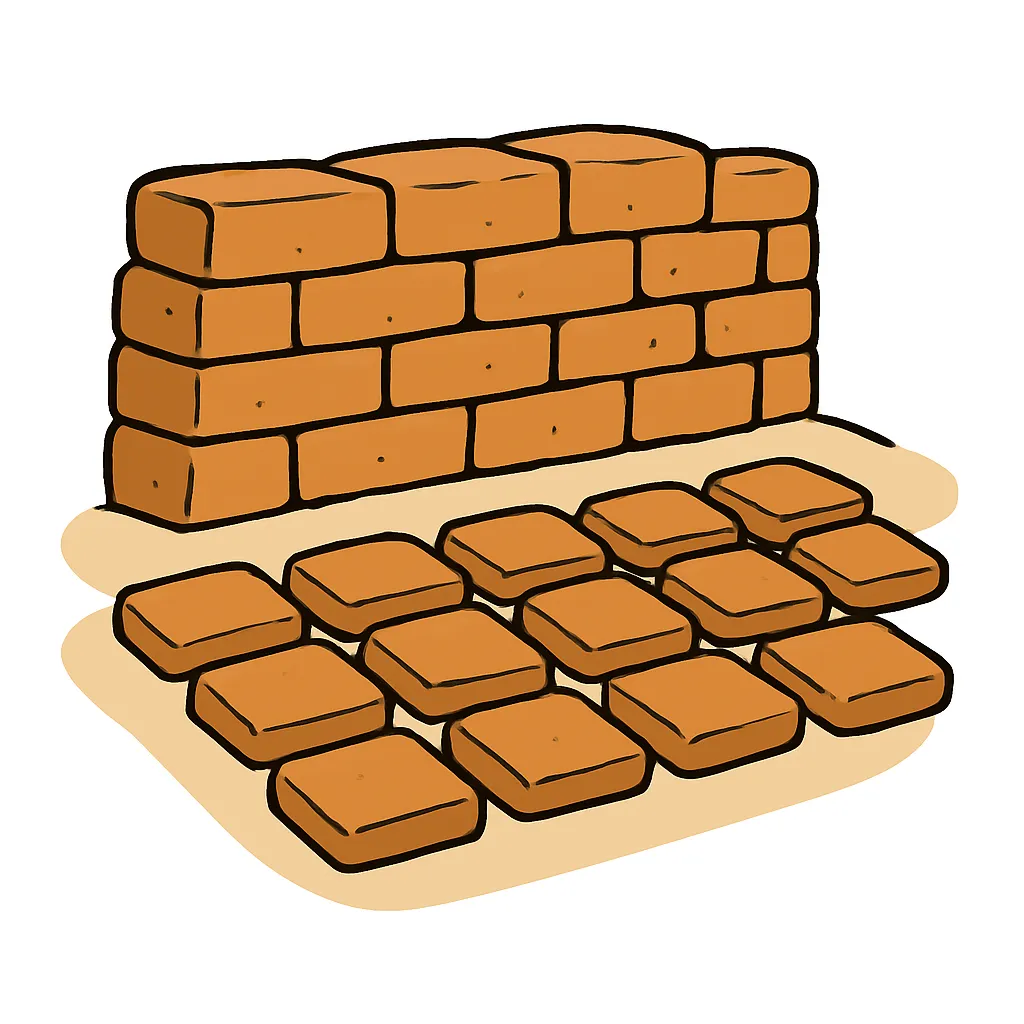
Southern Mesopotamia lay on a flat river plain. What were most of its houses, walls and temples built from?
Mesopotamia's plains had few mountains or wide deserts blocking the routes into them. What did that openness mean for its cities?
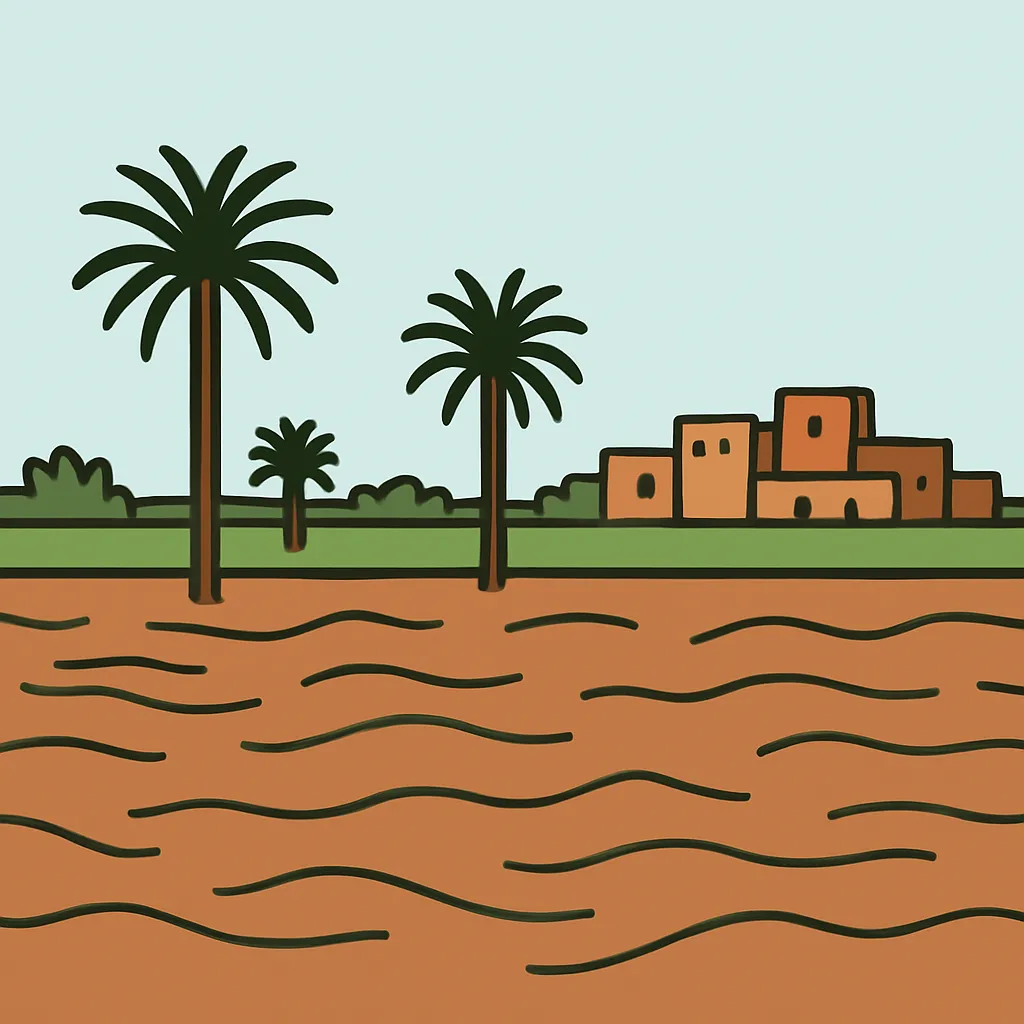
Floods on the Tigris and Euphrates arrived at less predictable times than the yearly flood of the Nile.
Each year the Nile rose over its banks and then fell again, leaving the fields beside it easier to farm. How did the flood help farmers there?
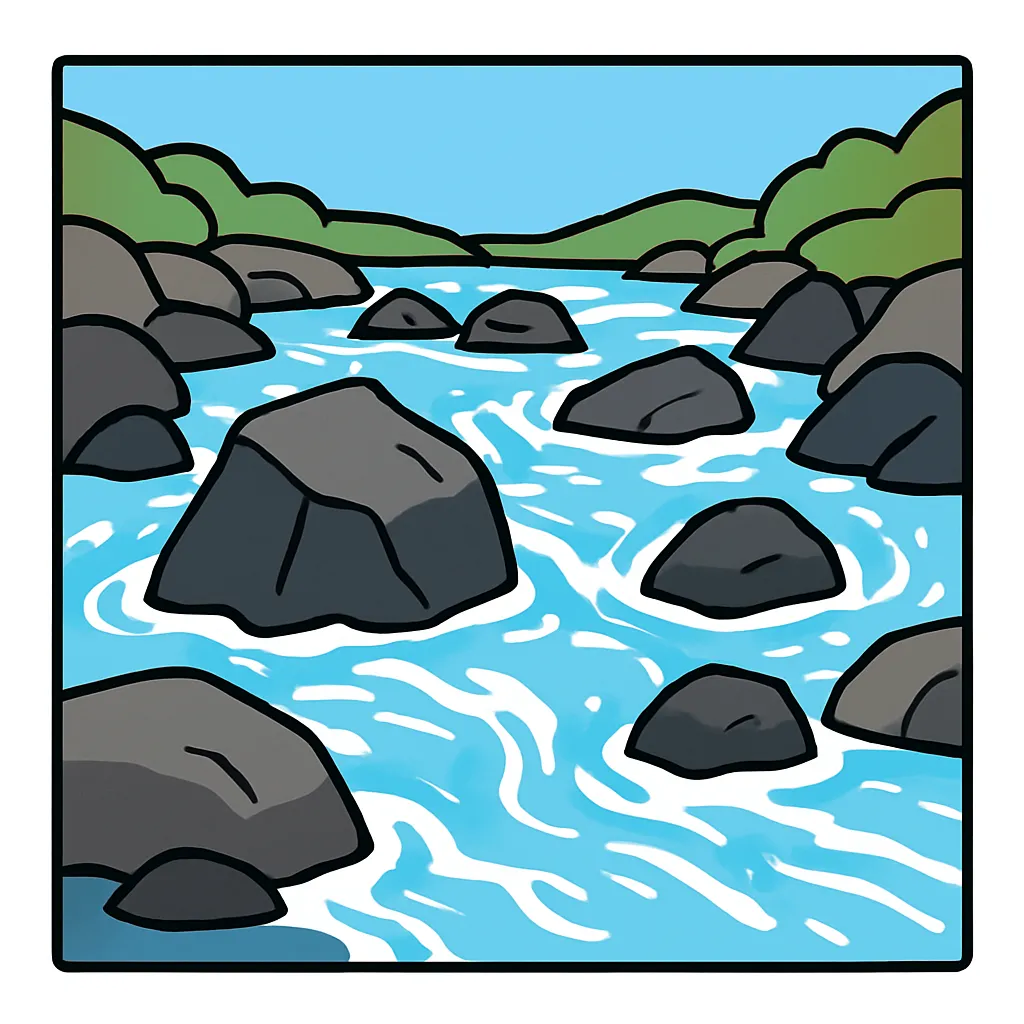
Rocky rapids called cataracts break the Nile's course through Nubia. How did they affect travel on the river?
Around the 700s BCE, kings from Kush conquered a neighboring kingdom to the north and ruled it for roughly a century. Which kingdom was that?
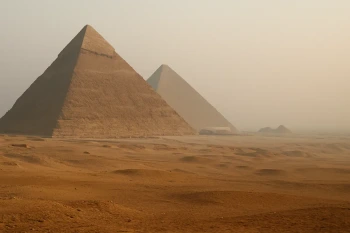
Royal cemeteries at Meroe in Kush hold dozens of pyramids. Compared with the pyramids of Egypt, what were the Kushite pyramids like?
Archaeologists at the Kushite city of Meroe have found the remains of many furnaces. Which industry is Meroe best known for?
Crack the passcode before the zombies get in.
Answer, then swat bugs for bonus points.
Race through questions at your own speed.
Same question on every screen. Fastest wins.

Pick a tile, answer, hit bonuses and steals.
Egyptian Art, Architecture, and Trade
20 questions