Loading
by BlastRoom
How cuneiform, hieroglyphics and the Meroitic script developed, what scribes wrote on and why, and how lost scripts were read again, in the California Grade 6 ancient civilizations sequence (Standard 6.2).
#history#us_grade_6_social_studies
40 questions
One question set, multiple game modes. Tap any game to see it in action. Not sure which to pick?
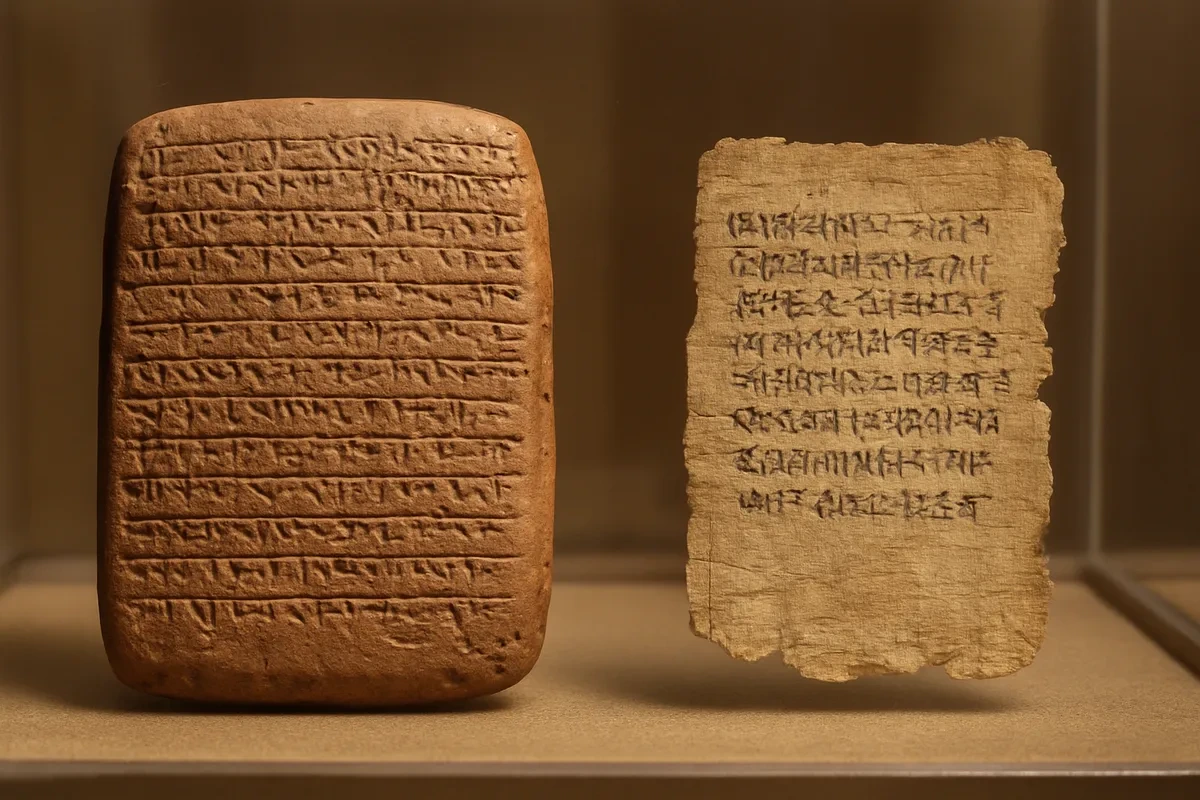
Cuneiform is the wedge-shaped writing that was pressed into damp clay. In which region did it first develop?
Ancient Egyptian scribes carved a picture-based writing system into temple and tomb walls. What is that writing system called?
A Mesopotamian scribe pressed the sharpened end of a cut reed into a surface to make wedge marks. What surface was he writing on?
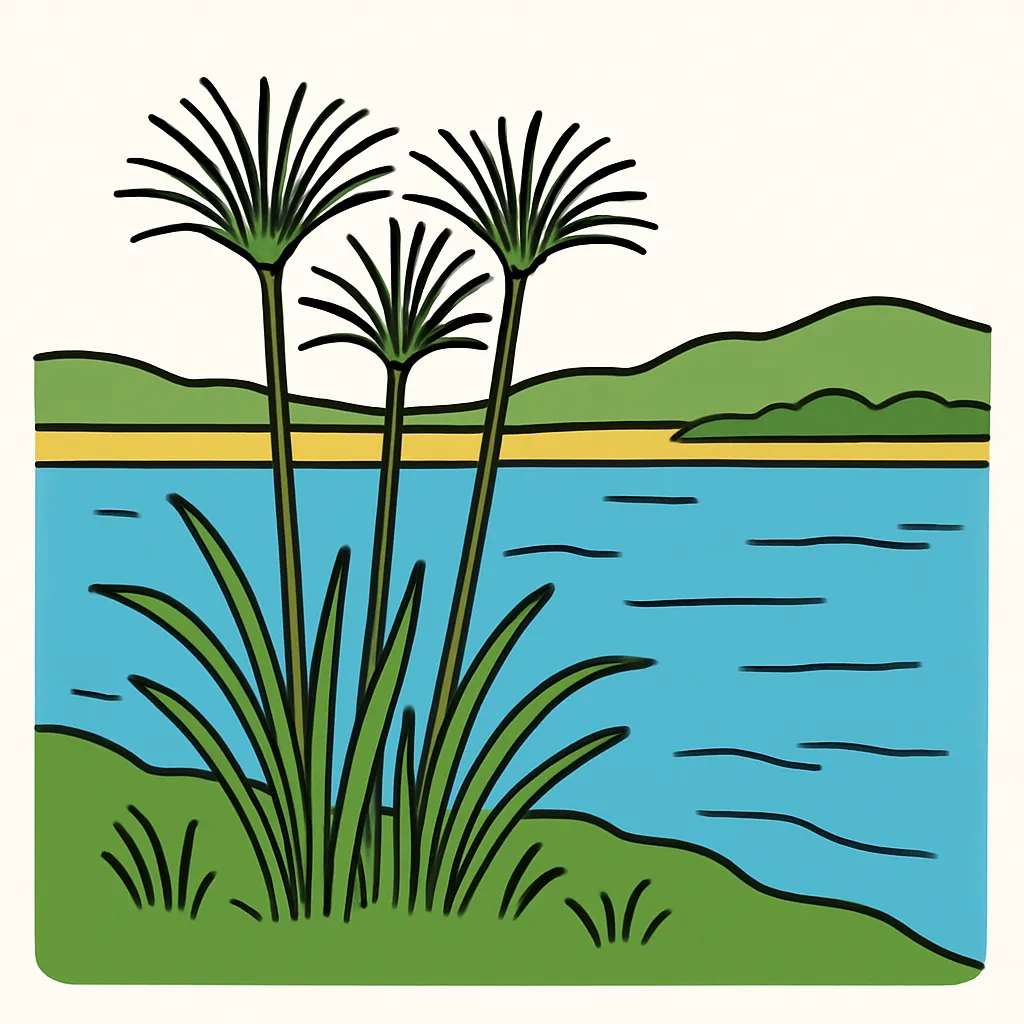
Egyptian scribes made their writing sheets from a tall reed plant that grew in the marshes along the Nile River. What was the plant?
When writing first appeared in the cities of Mesopotamia, what was it used for most of the time?
The earliest cuneiform signs began as simple pictures of the objects they stood for.
Mesopotamian scribes wrote about objects such as grain jars and cattle. Over many centuries, how did the form of their signs change?
In Mesopotamia and Egypt, one group of workers spent years training to read, write, and keep official records. What were these workers called?
Thousands of Mesopotamian tablets can still be studied today. What quality of their material explains why so many lasted?

Papyrus scrolls are fragile plant material, yet many survived thousands of years in Egypt. What condition best explains that survival?
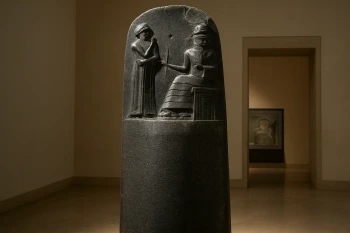
Hammurabi had his collection of laws carved onto a tall stone pillar for people to see. Which writing system was used for those laws?
Hatshepsut ruled Egypt as pharaoh and had the events of her reign recorded on the walls of her monuments. Which script did those inscriptions use?
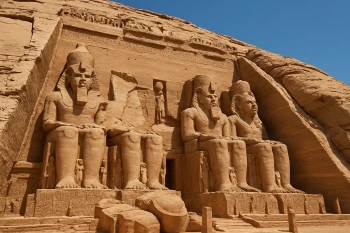
Records of the reign of Ramses the Great were cut into stone temple walls instead of written on papyrus. What did stone offer that papyrus did not?
Before the people of Kush created a script of their own, whose writing system did their rulers use for royal inscriptions?
Kush eventually developed a writing system of its own, named after one of its capital cities. What is that script called?
Scholars can sound out the signs of the Meroitic script of Kush, yet they still cannot understand most of the language behind them.
For centuries nobody could read hieroglyphics. A carved stone found in Egypt broke the puzzle open. What made that stone so useful to scholars?
Cuneiform was first used to write the Sumerian language. What did later peoples of Mesopotamia, such as the Akkadians, do with it?
Carving full hieroglyphics was slow, so Egyptian scribes used a faster, flowing version for everyday records on papyrus. What is that version called?
Writing appeared in Mesopotamia at roughly the same time as which other major change in the region?
Both cuneiform in Mesopotamia and hieroglyphics in Egypt first appeared more than five thousand years ago.
Egyptian hieroglyphics used hundreds of different signs. What did those signs stand for?
An Egyptian scribe sat down to write a tax record on a sheet of papyrus. Which tool did he use?
Cuneiform first began as the writing system of one specific people living in Mesopotamia. Which people are credited with inventing it?
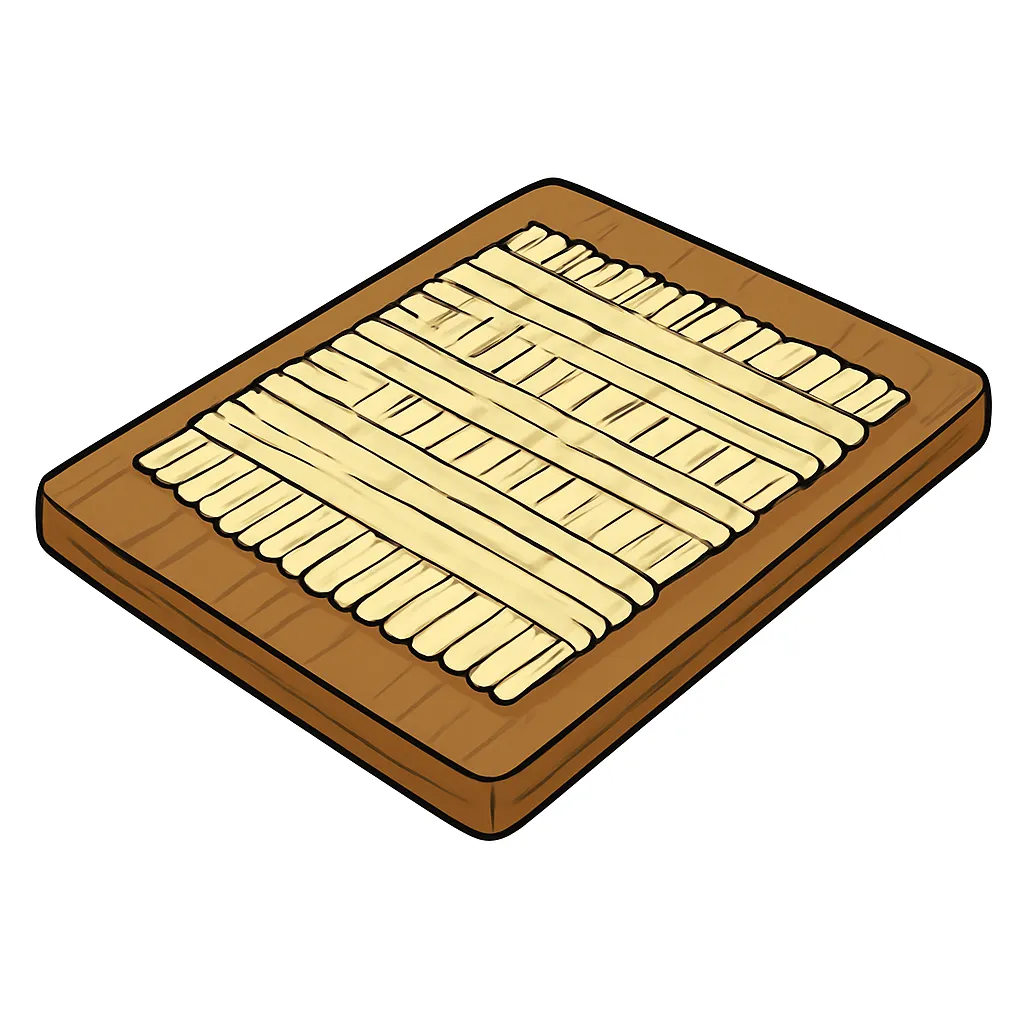
Egyptian workers cut the stems of the papyrus plant into thin strips, laid them in crossing layers, and pressed them flat. What were they making?
Kush borrowed Egyptian writing after centuries of trade and contact with its neighbor. What is the spread of a cultural trait from one society to another called?
The Meroitic script of Kush used about 23 signs, while Egyptian hieroglyphics used hundreds. What did the smaller number of signs make easier?
In ancient Mesopotamia and Egypt, most people could read and write.
An Egyptian official had to send records to a city far up the Nile River. What advantage did papyrus give him over clay tablets?
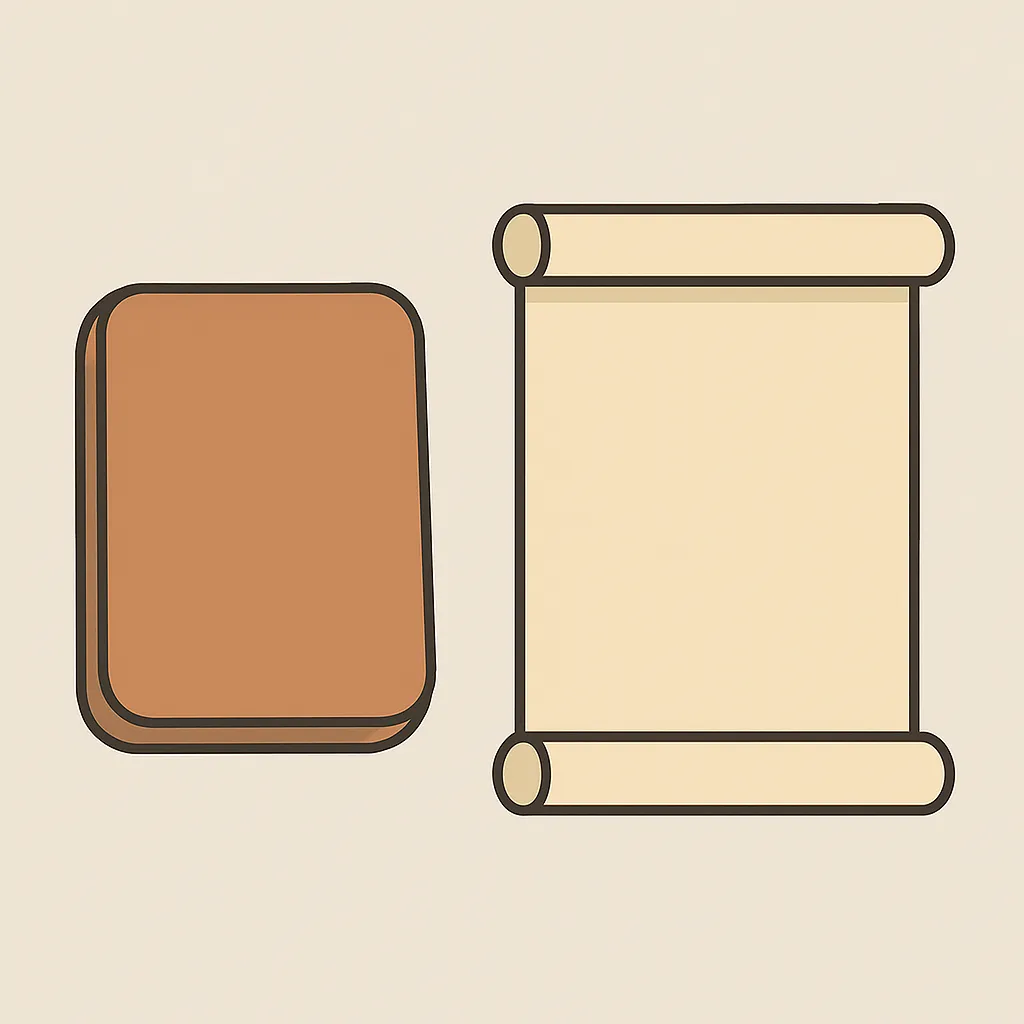
A Mesopotamian scribe made a mistake near the top of a tablet he had just started. Why was the error easy to repair?
Mesopotamian scribes wrote on clay while Egyptian scribes wrote on a plant material. What best explains this difference?
A Mesopotamian king wanted the same order carried out in several distant cities. How did writing help him govern?
Cuneiform appeared in Mesopotamia around 3200 BCE, and the Meroitic script of Kush appeared around 200 BCE. About how much time separates them?
Some peoples worked out a writing system on their own instead of borrowing one from a neighbor. Besides Mesopotamia and Egypt, where did writing develop on its own?
A clay tablet listing grain deliveries was written by a scribe in Mesopotamia at the time the grain was delivered. What kind of source is that tablet?
Before any writing system existed, how did a society pass its stories, rules, and history to the next generation?
Some later writing systems dropped picture signs and gave each sign a single sound instead, so a few dozen signs could spell any word in the language. What is a writing system built that way called?
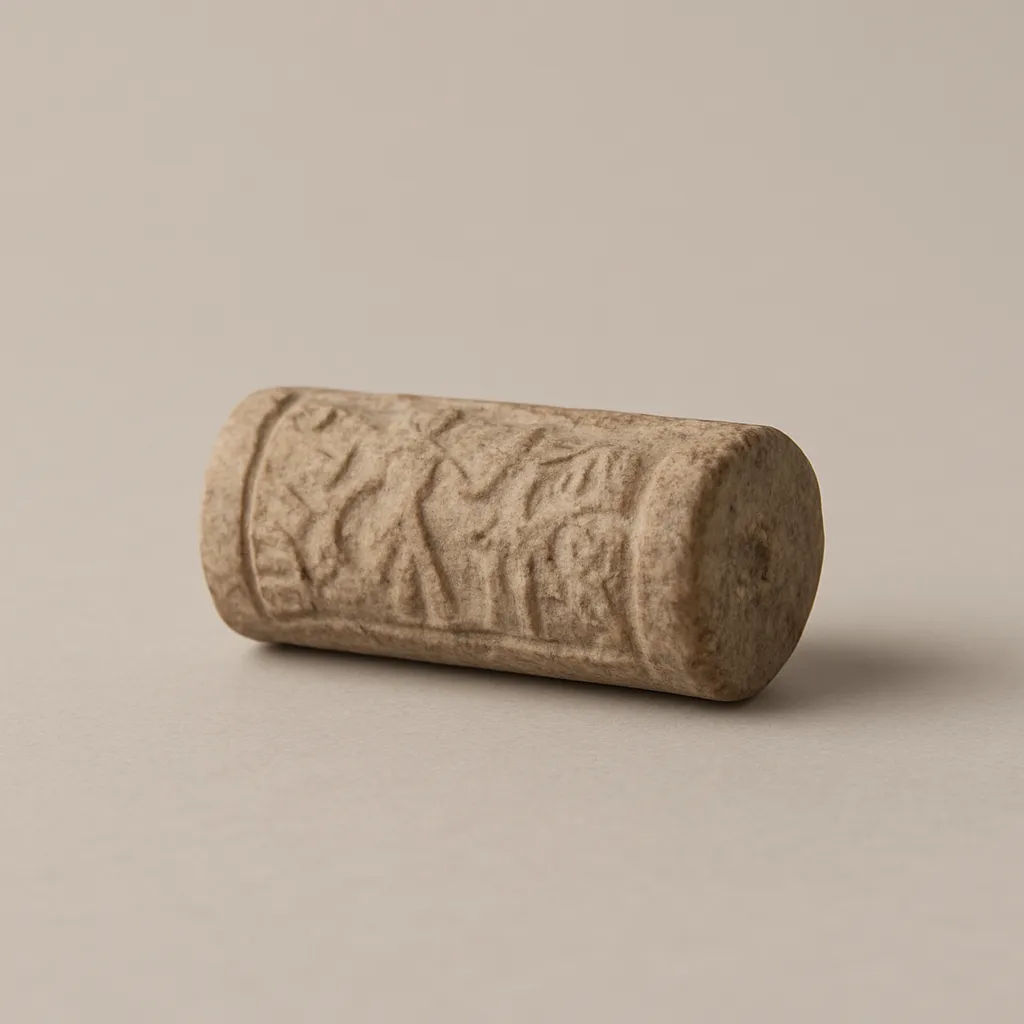
A Mesopotamian official carried a small stone cylinder carved with a picture that belonged to him alone, and rolled it across the damp clay of a finished tablet. What was the mark it left there for?
Long after the last cuneiform tablets were written, no one alive could read the wedge signs. What finally let nineteenth-century scholars work the script out again?
Mesopotamian scribes copied the Epic of Gilgamesh, a long poem about a king of Uruk, onto clay tablets for more than a thousand years. What does that copying show about what writing had become?
Crack the passcode before the zombies get in.

Pick a tile, answer, hit bonuses and steals.
Figures of the Hebrew Scriptures
20 questions