Loading
by BlastRoom
Questions on how people domesticated plants and animals and how the agricultural revolution changed daily life, for the California Grade 6 Early Humankind unit.
#history#us_grade_6_social_studies
20 questions
One question set, multiple game modes. Tap any game to see it in action. Not sure which to pick?
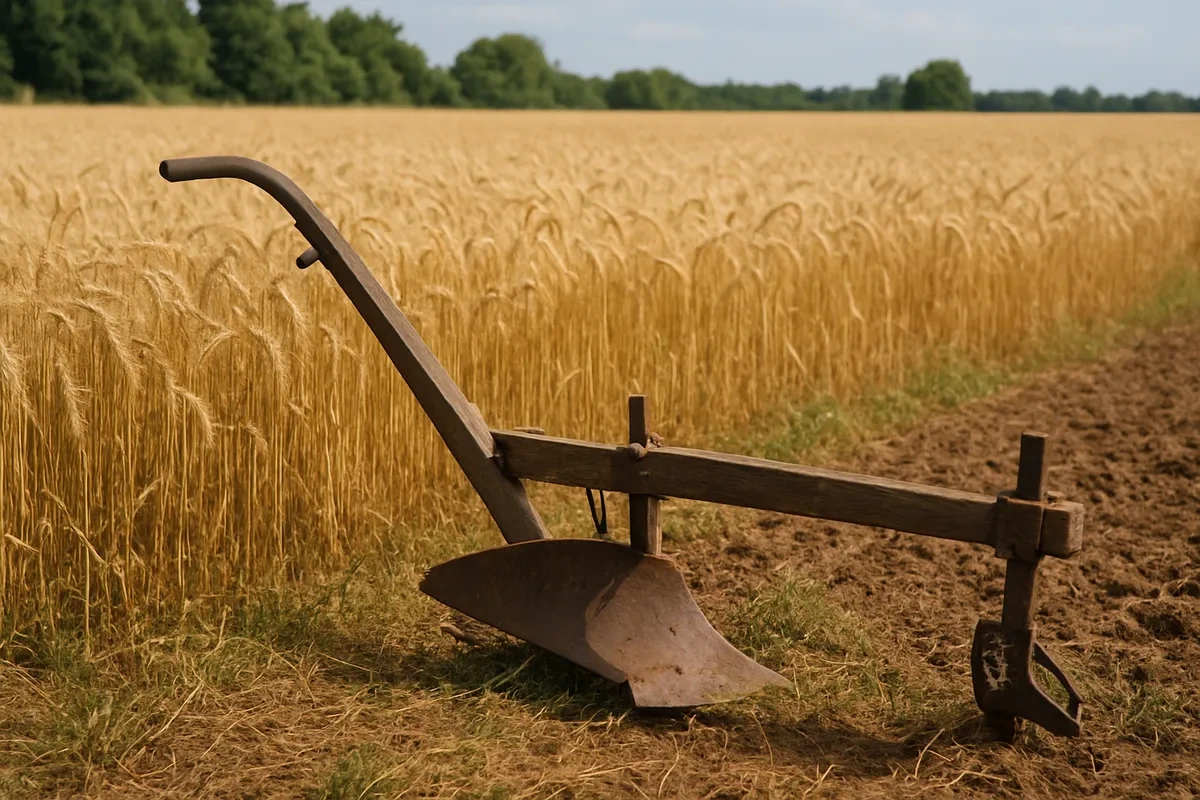
People kept and bred wild plants and animals over many generations until those plants and animals became more useful to humans. What is this process called?
Archaeological evidence shows that people in Southwest Asia began planting and harvesting grain instead of only gathering it wild. About how long ago did this agricultural revolution begin?
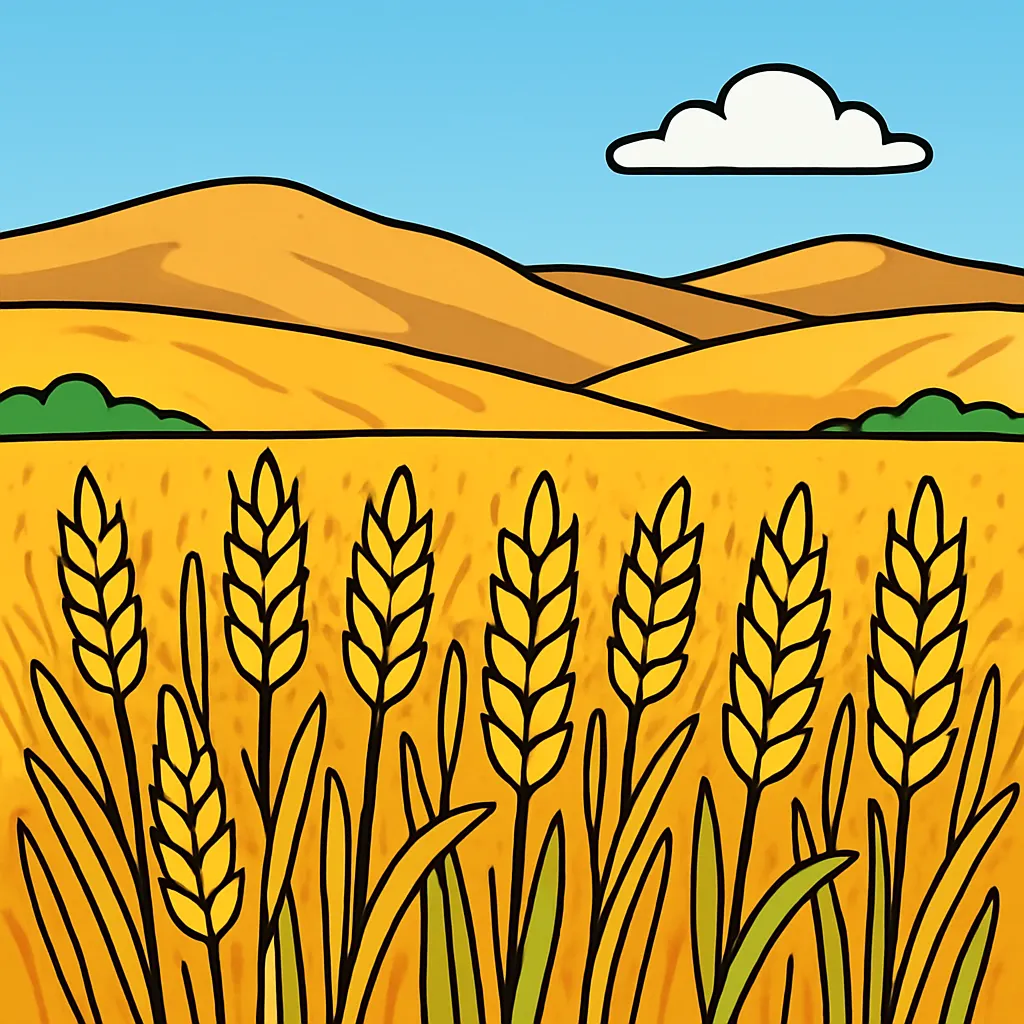
Wheat and barley were among the first grain crops that people domesticated. In which region did that domestication happen earliest?
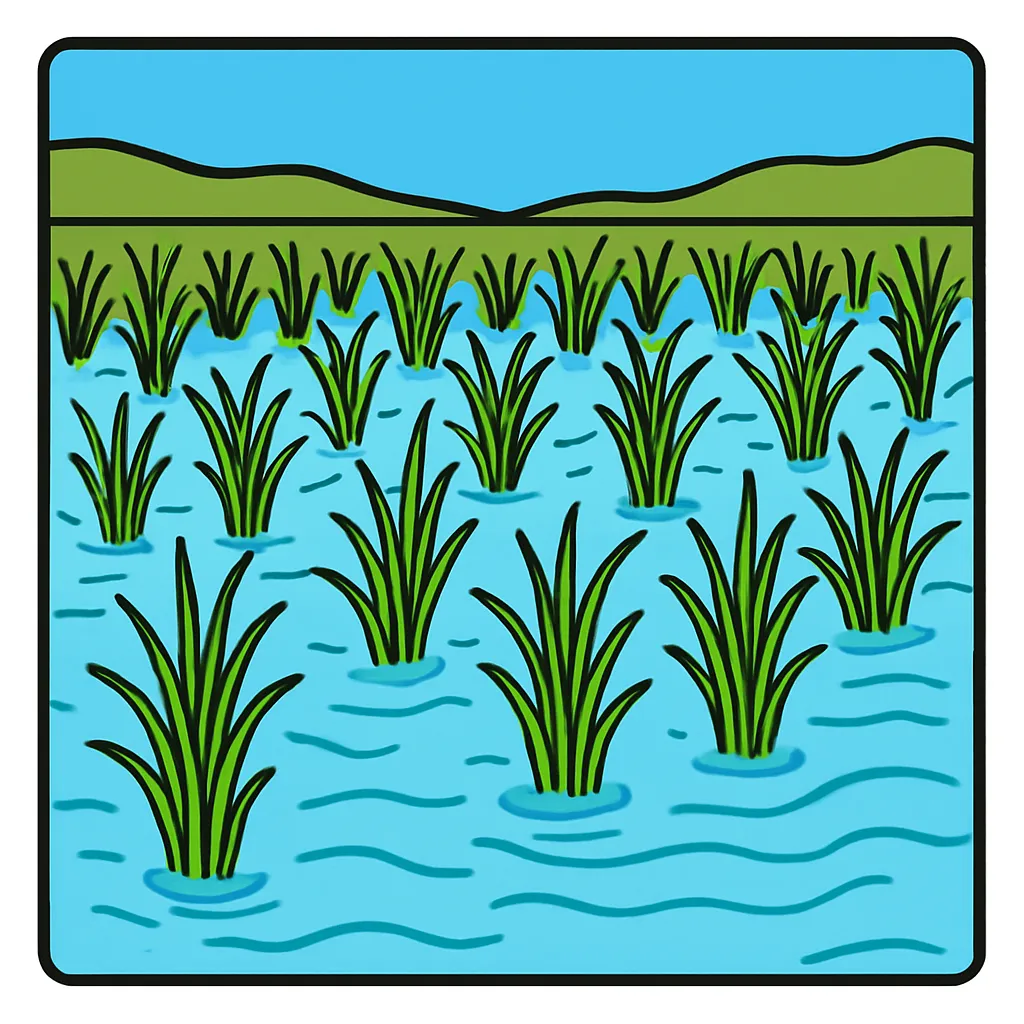
Rice was domesticated from a wild grass that grew in warm, wet lowlands. In which region did farmers first domesticate rice?
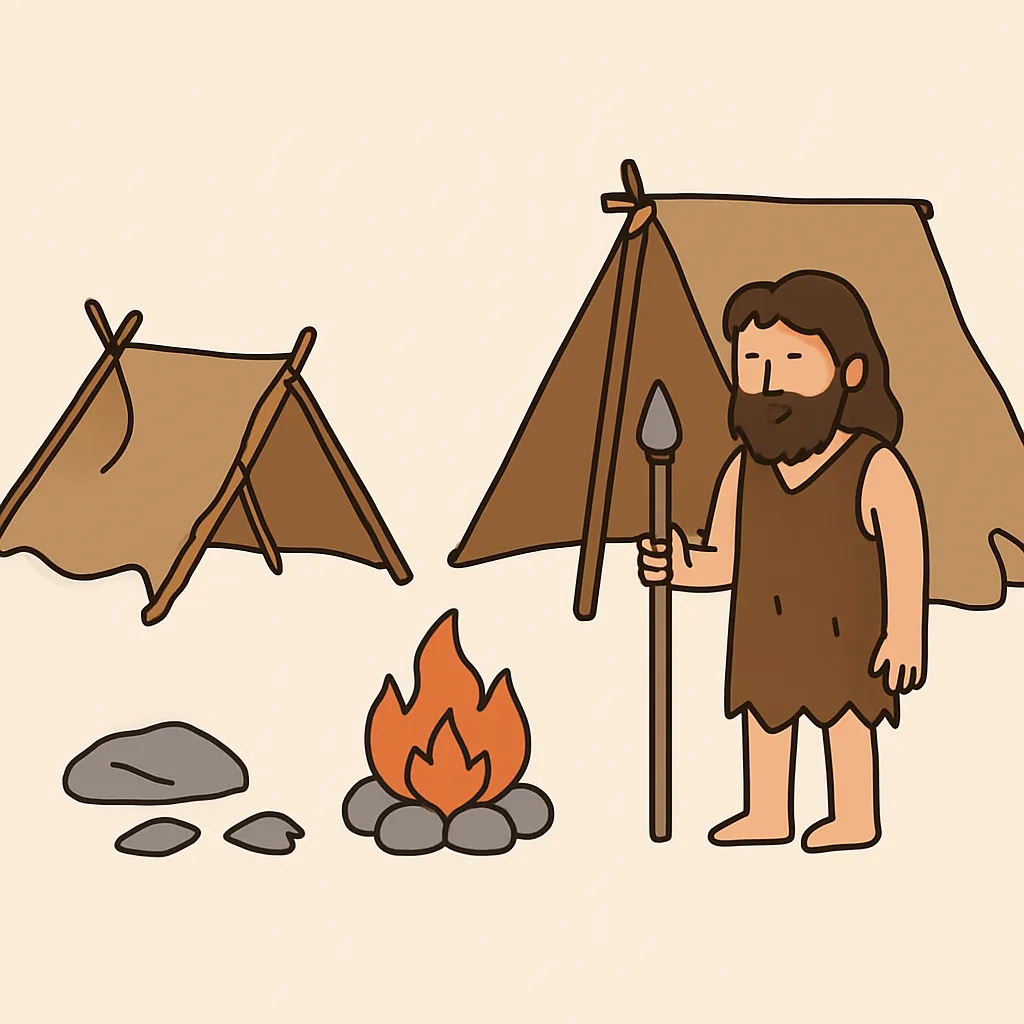
Archaeological evidence indicates that one animal was domesticated by Paleolithic hunter-gatherers before any crops were planted. Which animal was it?
Each harvest, early farmers saved seeds from the plants with the largest grain and planted those seeds the next season. What happened to the crop over many generations?
Early farmers in the Fertile Crescent domesticated a pair of herd animals that supplied meat, milk, and wool. Which pair was it?
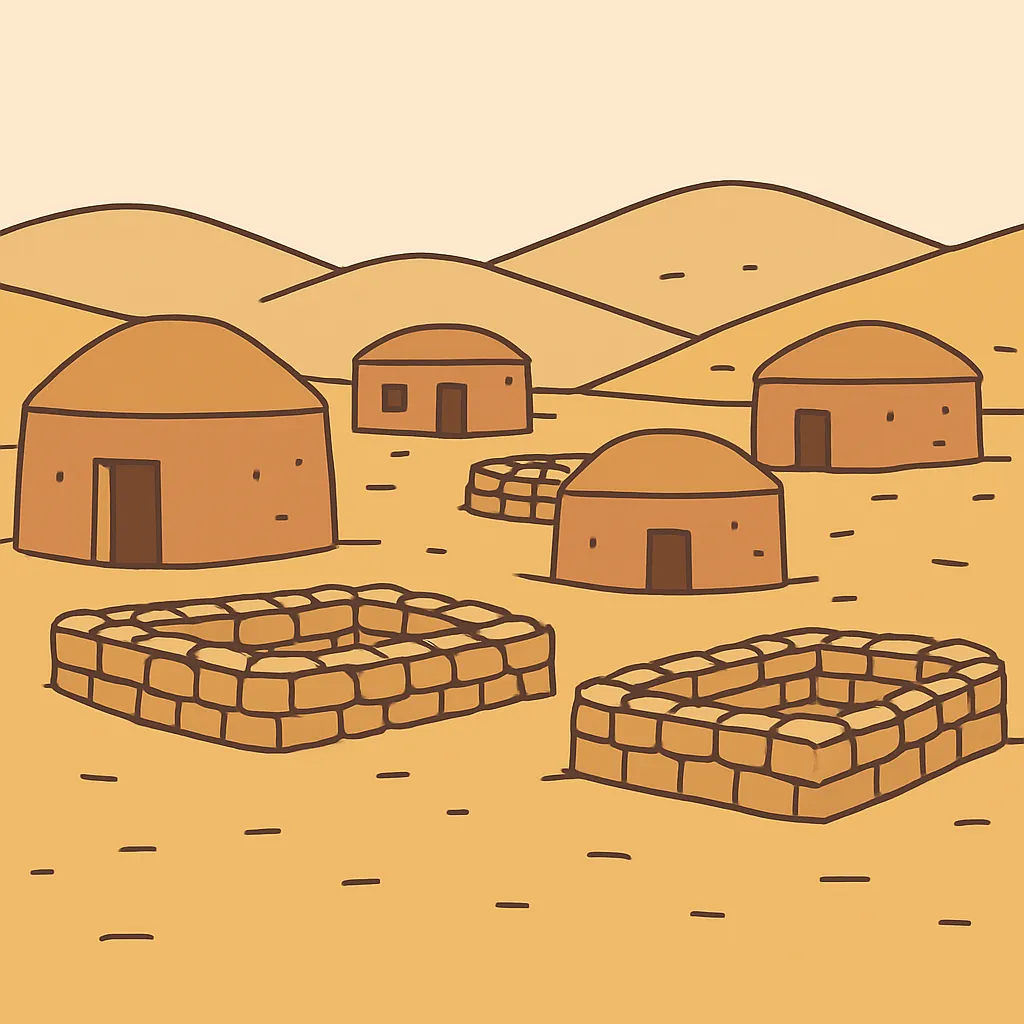
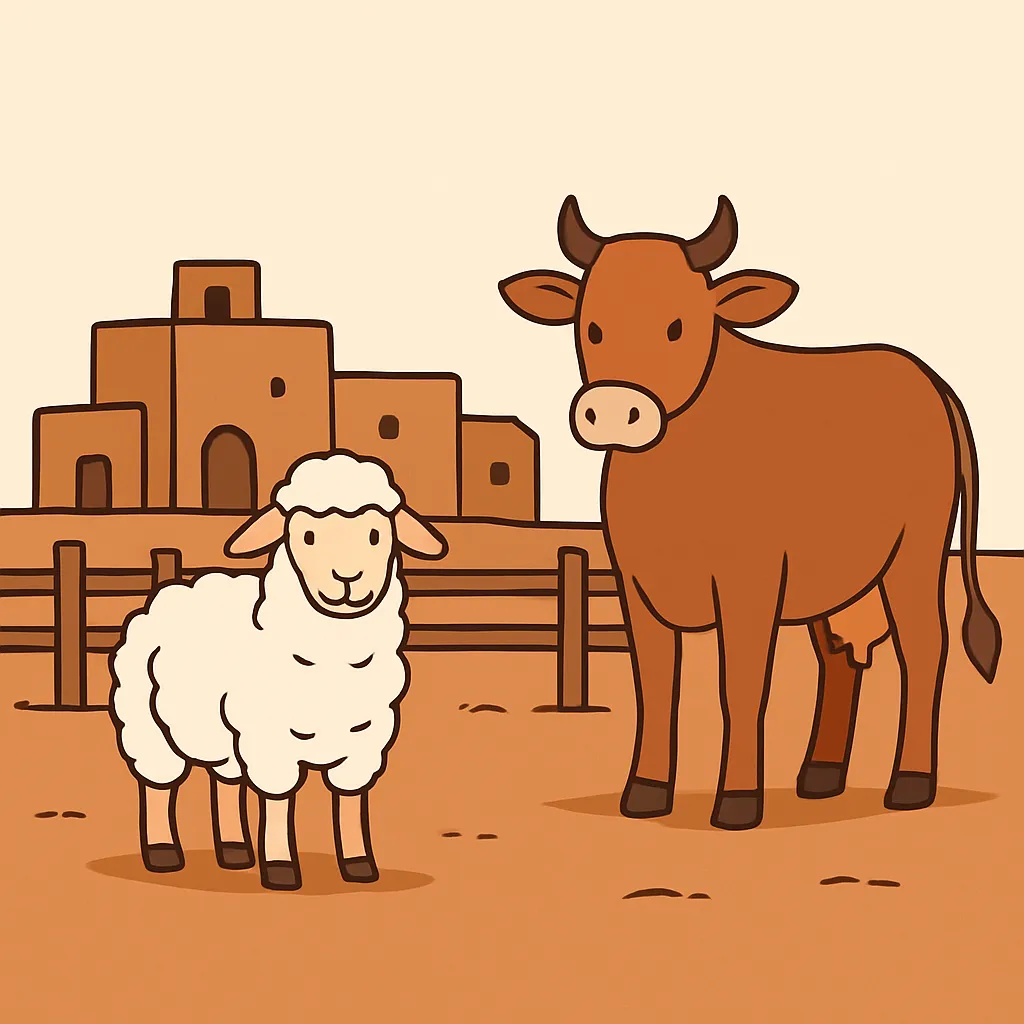
At one village site, sheep bones in older layers come from adults of both sexes, while bones in later layers are mostly from young males. What does the later pattern suggest?
In some parts of the world, people continued to hunt and gather for thousands of years after farming had begun in other regions.
Paleolithic hunter-gatherers moved from place to place to follow wild food. Once a family depended on domesticated crops and herds, what mainly decided where that family lived?
Besides meat, what did herders in early farming villages obtain from their domesticated sheep and cattle?
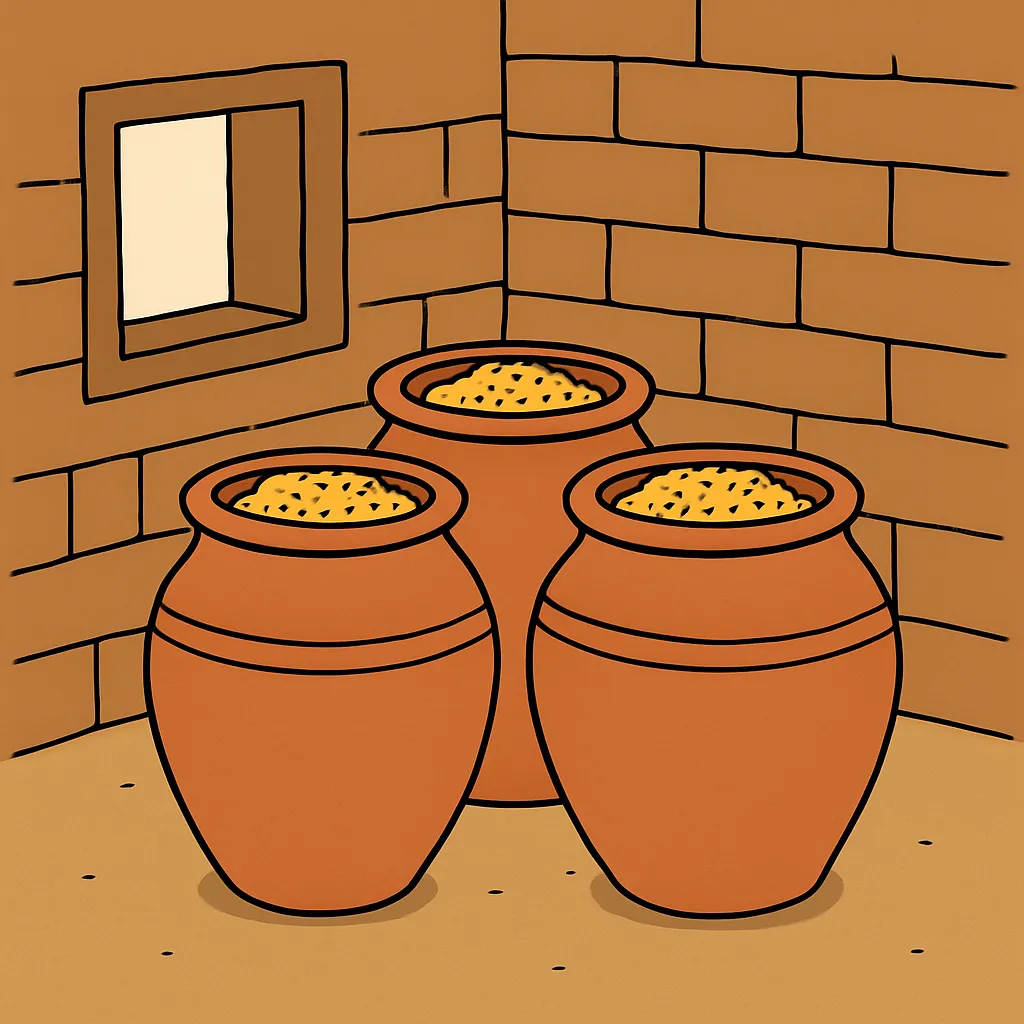
A farming village stores far more grain than its families will eat in a year. What does this surplus make possible?
Permanent villages appeared in Southwest Asia after the agricultural revolution began. What made those permanent settlements possible?
Early farmers set rows of sharp stone blades into a curved wooden handle. What did they use this tool to do?

Farmers in dry river valleys dug channels that carried river water out to fields set back from the bank. What is this practice called?
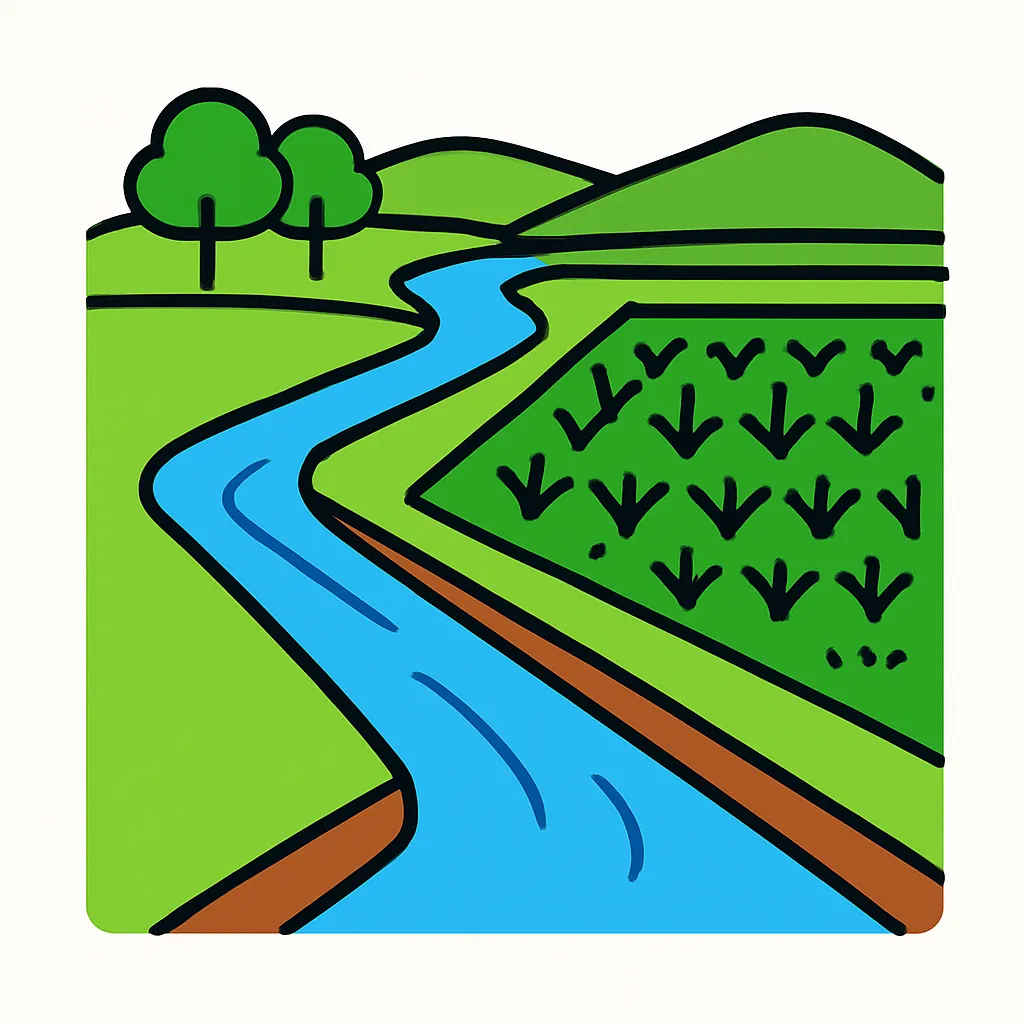
A wild grass scatters its seeds onto the ground on its own, but an ear of maize holds its kernels tightly until a person strips them off. What does this difference show about maize?
Farming reached Europe thousands of years after it began in Southwest Asia. What best explains how it spread that far?
How did a steady supply of domesticated grain change the number of people a single place could support?
Farmers in the Andes of South America domesticated a root crop that became one of their main foods. Which crop was it?
Hunters killed wild deer wherever they found them. What was different about a herder who kept domesticated goats?
Crack the passcode before the zombies get in.

Pick a tile, answer, hit bonuses and steals.

Hammurabi's Code
20 questions