Loading
by BlastRoom
Active and passive immunity, how a vaccine works, and what happens when immunity misfires.
#us_hs_anatomy_physiology

20 questions
One question set, multiple game modes. Tap any game to see it in action. Not sure which to pick?
Answer to place stones and capture territory.
Outrun the snow together.
Earn blasts, then hunt the other team.
Answer to earn energy, then climb.

The class blasts through walls together.
Bid on mystery lots. Most money wins.
Sell tours. Nice, standard, or a total scam.

Answer, restock, and serve the rush.
More correct answers pulls the rope your way.
Answer, then shoot down the alien wave.
Answer, then tap to leap the frozen ridge.
A newborn receives antibodies across the placenta and later in breast milk, so protection lasts only a few months. What kind of immunity is this?
After recovering from influenza, a person's own lymphocytes form memory cells that respond faster to the same strain later. What kind of immunity is this?
An HPV vaccine contains viral antigens that make the body form memory B cells before exposure to the live virus. What kind of immunity is this?
After a possible rabies exposure, a patient receives ready-made rabies antibodies for immediate short-term protection. What kind of immunity is this?
A child catches chickenpox and later resists the same virus because the child's own memory cells react quickly. What kind of immunity is this?
An infant receives a monoclonal antibody injection against RSV and gains immediate protection without making memory cells. What kind of immunity is this?
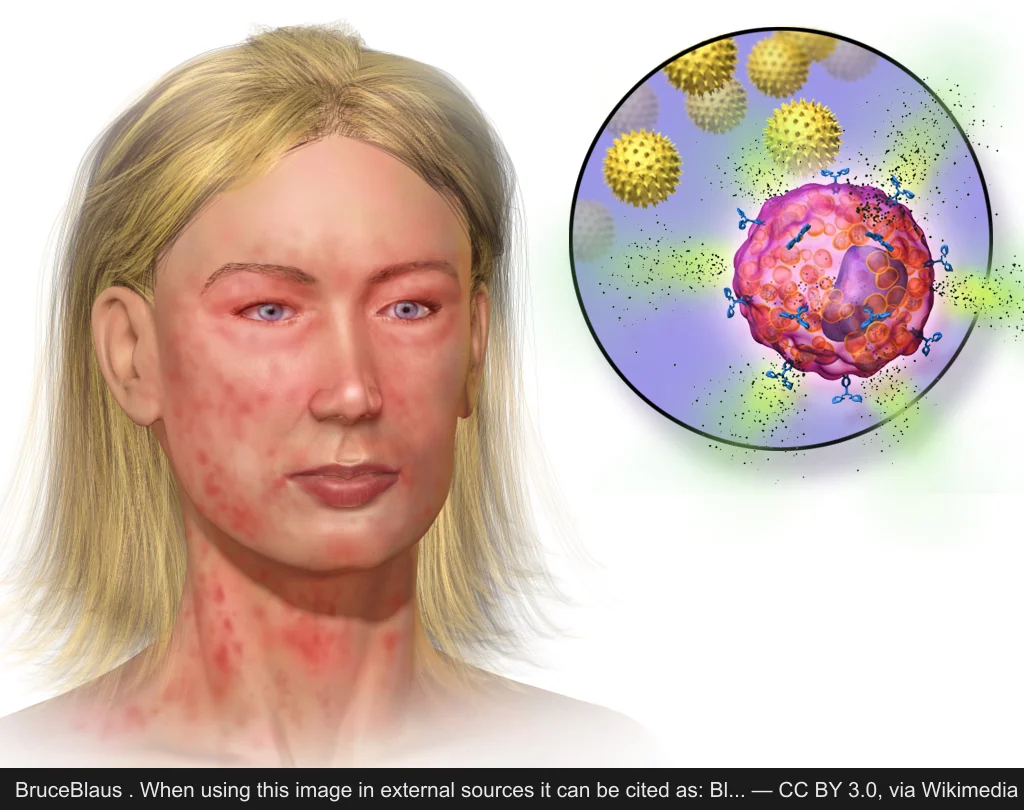
Peanut proteins trigger IgE on mast cells, and histamine release causes hives and airway swelling. Which kind of immune problem is this?
A patient's antibodies attack the thyroid gland, and the gland is slowly destroyed. Which kind of immune problem is this?
A child is born with very few functional B cells and T cells and develops repeated severe infections. Which kind of immune problem is this?
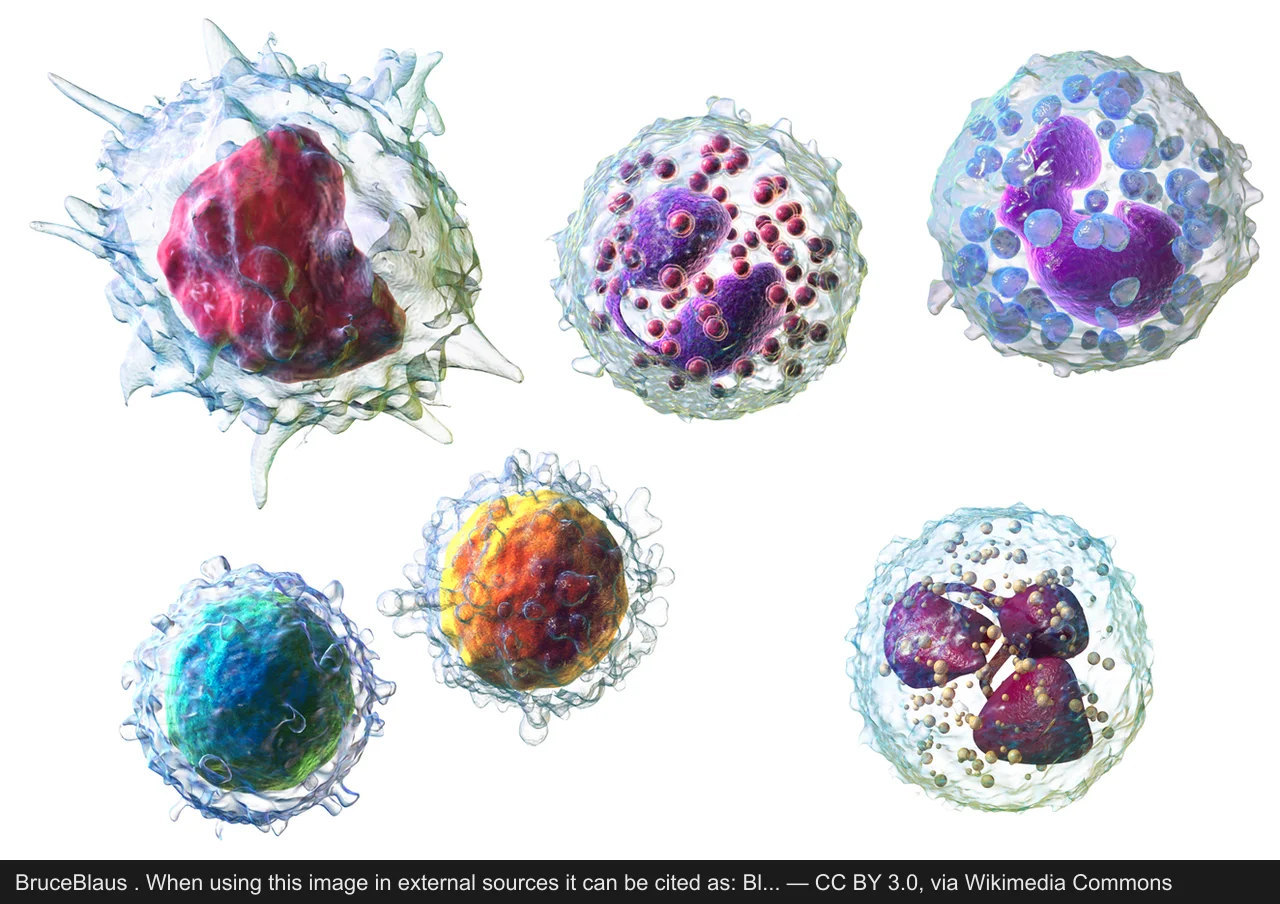
After poison ivy oil touches the skin, sensitized T cells cause an itchy, blistering rash. Which kind of immune problem is this?
A patient's antibodies bind to platelets, so the spleen removes them faster than the bone marrow can replace them. Which kind of immune problem is this?
Chemotherapy leaves a patient's neutrophil count extremely low, and ordinary microbes cause dangerous infections. Which kind of immune problem is this?
In HIV infection, the virus enters and destroys the lymphocyte population that coordinates antibody and cell-mediated responses. Which cells are lost?
In type 1 diabetes, autoimmunity destroys the islet cells that release insulin. What cells are damaged?
Multiple sclerosis strips the insulating covering from axons in the brain and spinal cord. What tissue is damaged?
In celiac disease, gluten exposure flattens the absorptive projections lining the small intestine. What structures are damaged?
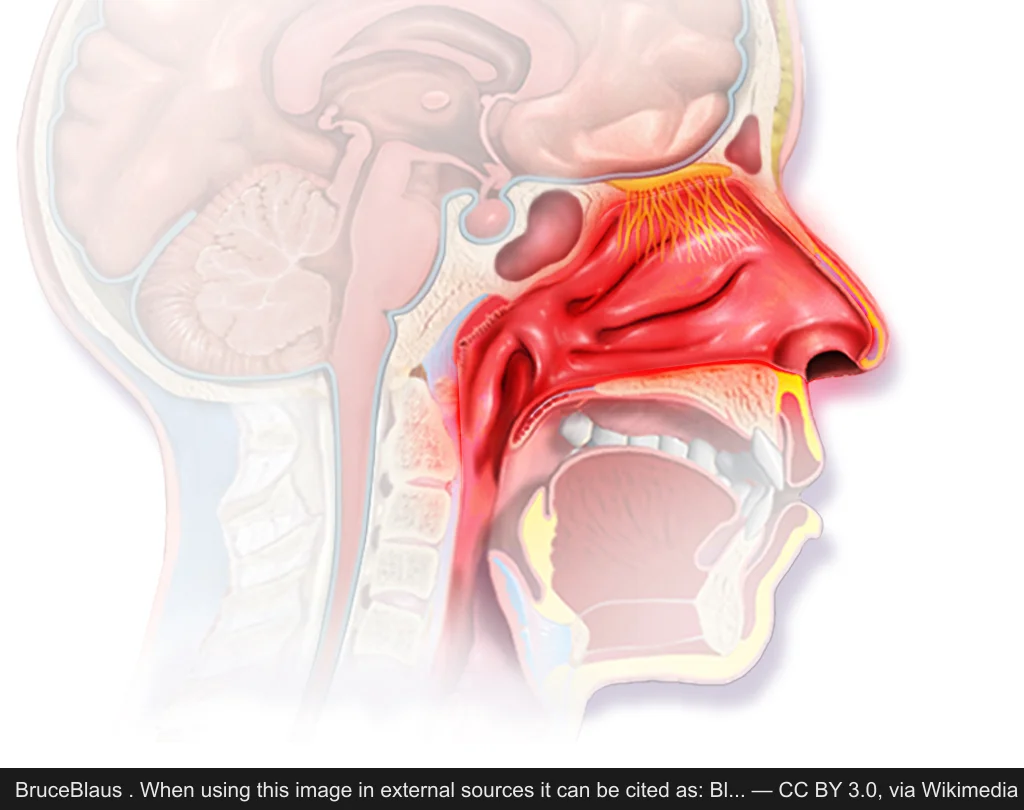
Pollen lands on the nasal lining of a sensitized patient, and local mast cells release histamine. Which symptom follows in the nose?
A patient cannot make enough immunoglobulins. Which problem is this patient most likely to have?
When insulin-producing islet cells are destroyed, glucose remains high in the blood instead of entering many body cells. What would the patient notice?
In rheumatoid arthritis, the immune system attacks the body's own tissue. Which tissue is its main target?
Crack the passcode before the zombies get in.
Answer, then swat bugs for bonus points.
Race through questions at your own speed.
Same question on every screen. Fastest wins.

Pick a tile, answer, hit bonuses and steals.

Breathing Mechanics and Lung Volumes
25 questions