Loading
by BlastRoom
The cardiovascular disorders this course covers, and what each one does to blood flow.
#us_hs_anatomy_physiology
25 questions
One question set, multiple game modes. Tap any game to see it in action. Not sure which to pick?
Answer to place stones and capture territory.
Outrun the snow together.
Earn blasts, then hunt the other team.
Answer to earn energy, then climb.

The class blasts through walls together.
Bid on mystery lots. Most money wins.
Sell tours. Nice, standard, or a total scam.

Answer, restock, and serve the rush.
More correct answers pulls the rope your way.
Answer, then shoot down the alien wave.
Answer, then tap to leap the frozen ridge.
A patient has crushing chest pain spreading to the left arm and jaw, sweating, and nausea for 25 minutes at rest. What is happening?
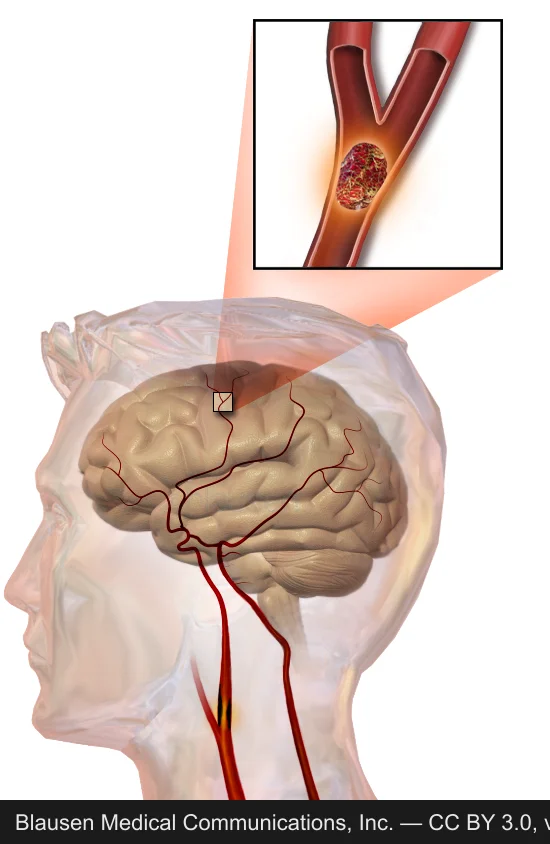
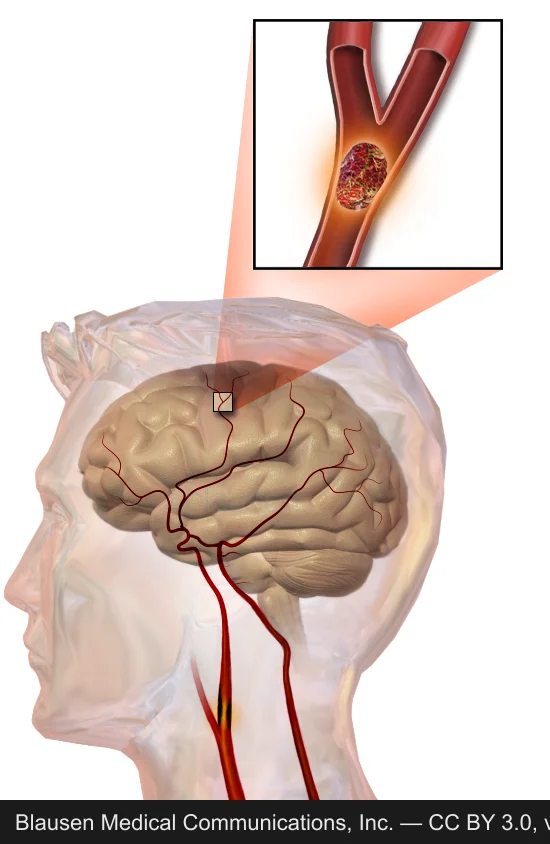
A patient suddenly has a drooping face, right arm weakness, and slurred speech after feeling normal that morning. What is happening?
An adult has repeated resting readings around 154/96 mmHg over several weeks. What disorder does this show?
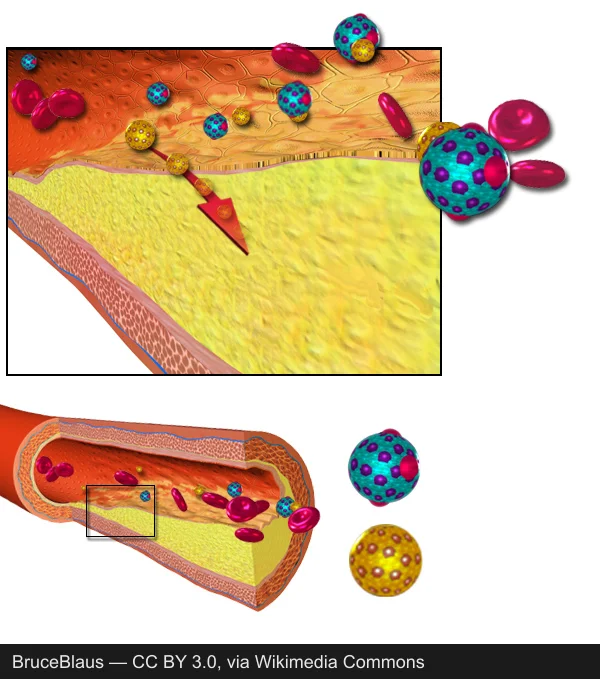
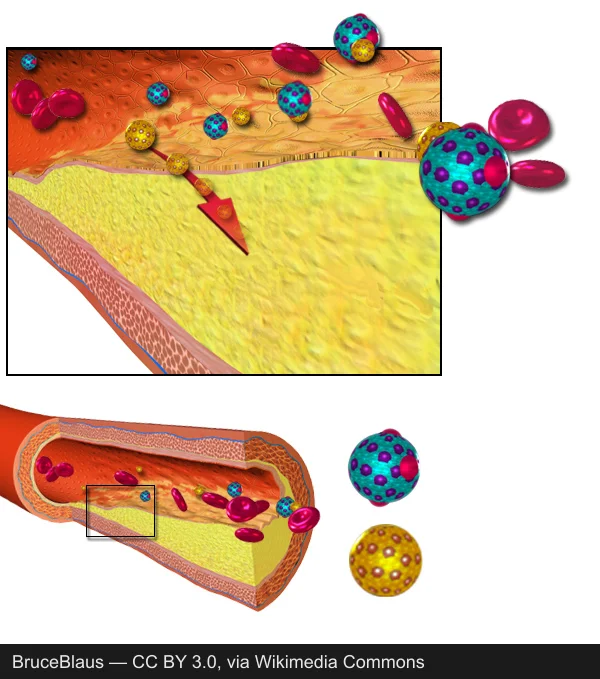
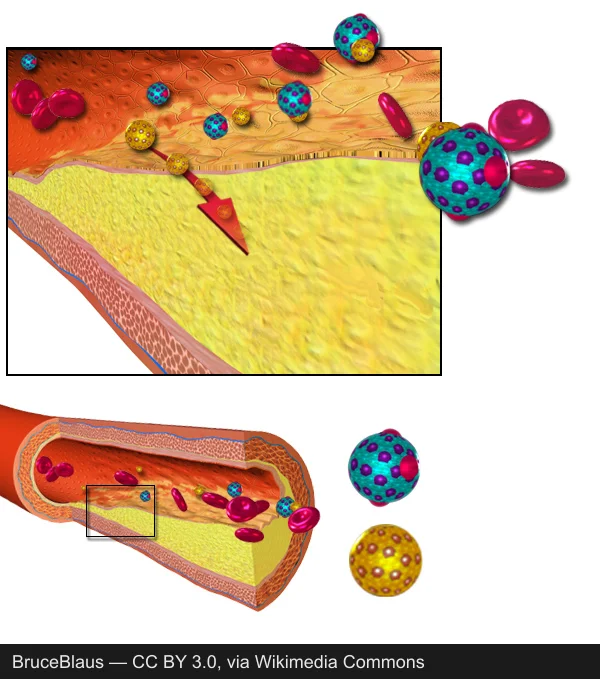
A vessel wall has fatty streaks and raised plaques that narrow the lumen. What is happening?
A patient suddenly has right arm numbness and trouble finding words after an artery to the left cerebrum is blocked. What is happening?
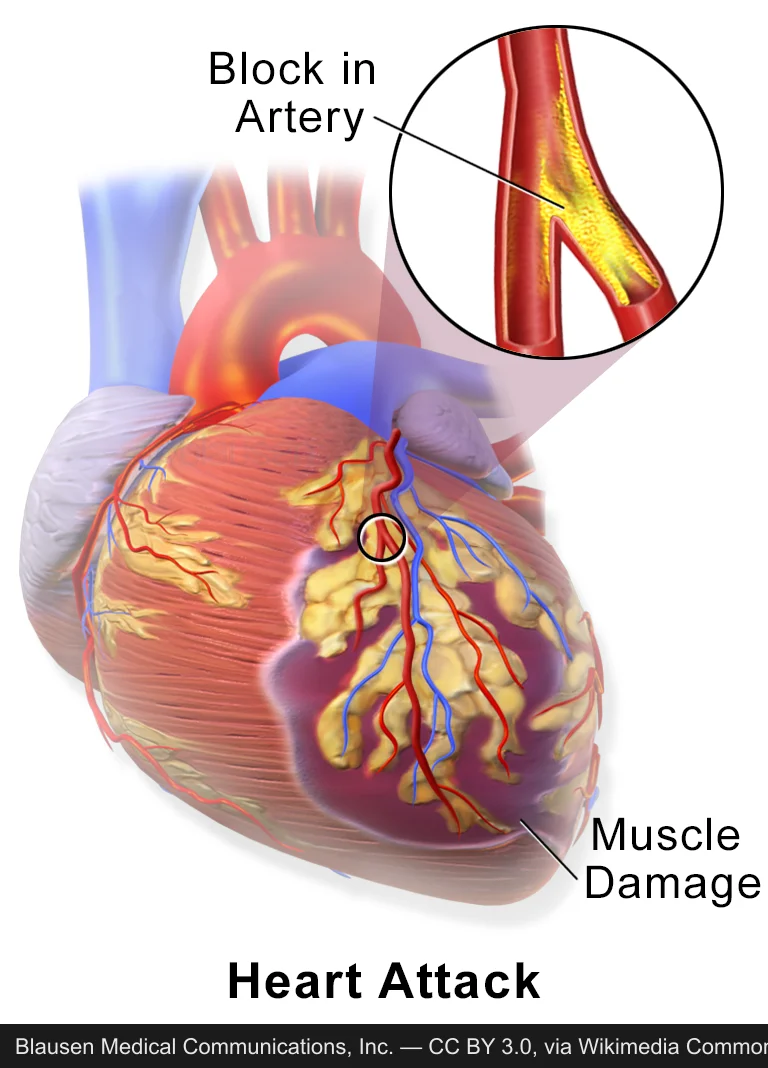
A clot lodges in a coronary artery, and nearby muscle cells become oxygen-starved and begin to die. What disorder is occurring?
An adult has repeated arterial readings near 160/100 mmHg and an enlarged left ventricle from years of pumping against resistance. What disorder is present?
A leg artery develops plaque, and calf pain appears during walking because the muscle cannot get enough blood. What process is causing the narrowing?
A plaque narrows an artery's lumen. What happens to blood movement through that narrowed spot and to pressure before it?
Systemic arteries stay under abnormally high pressure between beats. What load does the left ventricle face during ejection?
A clot suddenly blocks a coronary artery. What happens downstream in the tissue it supplies?
A narrowed artery supplying the brain lets less blood pass each minute. What follows in the region beyond the narrowing?
A person has hypertension for years. What effect does constant high arterial pressure have on vessel walls?
A patient has anemia because hemoglobin concentration is low. What happens to oxygen delivery at the same blood flow?
After a coronary branch is blocked for too long, the pumping wall supplied by that branch stops contracting normally. Which tissue is damaged?
A clot blocks an artery to the left cerebrum, followed by right-sided weakness and speech difficulty. Which tissue is injured?
Years of high arterial pressure create small tears where blood rubs the vessel surface. Which structure is first injured?
Fatty deposits form under the inner lining of a large artery and bulge into the lumen. Which vessel layer is primarily involved?
In severe anemia, the oxygen-carrying formed element is deficient or abnormal. Which cell type is affected?
A blocked vessel deprives the brainstem area that helps regulate breathing and heart rate. Which tissue is damaged?
A teenager is pale and tired; CBC results show erythrocytes and hemoglobin below the reference range. What problem explains the signs?
A count shows a normal number of erythrocytes, but most are small and pale with low hemoglobin. What is the problem?
After heavy bleeding, a patient's hematocrit is far below normal. What consequence follows?
The heart pumps normally and the arteries are open, but tissues still get too little oxygen because the blood itself carries less. Which disorder fits?
A blood report lists erythrocytes at 3.2 million/µL, below the lab's reference range, with fatigue and shortness of breath. What is the main problem?
Crack the passcode before the zombies get in.
Answer, then swat bugs for bonus points.
Race through questions at your own speed.
Same question on every screen. Fastest wins.

Pick a tile, answer, hit bonuses and steals.
Innate Defenses and Inflammation
20 questions