Loading
by BlastRoom
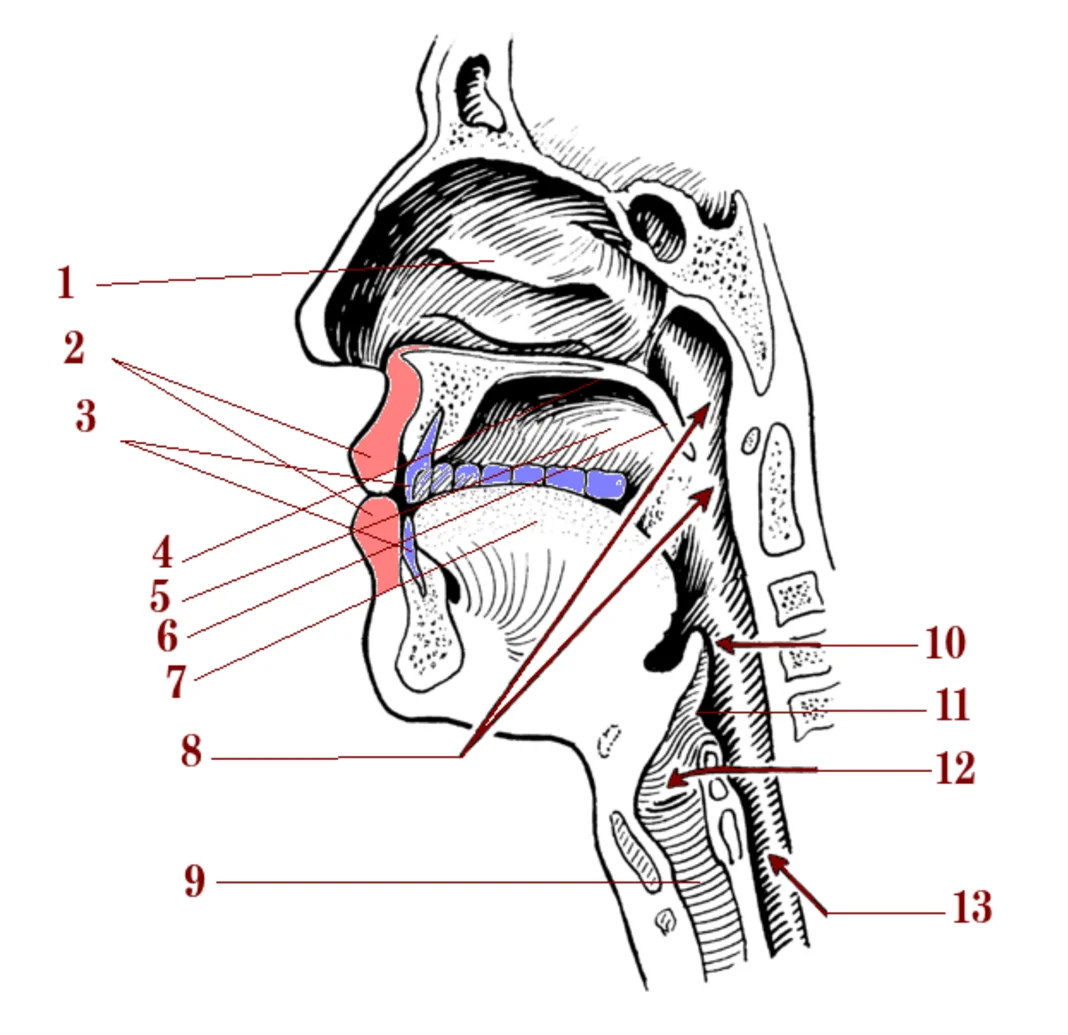
Every structure air passes through, in order, from nostril to alveolus.
#us_hs_anatomy_physiology
40 questions
One question set, multiple game modes. Tap any game to see it in action. Not sure which to pick?
Answer to place stones and capture territory.
Outrun the snow together.
Earn blasts, then hunt the other team.
Answer to earn energy, then climb.

The class blasts through walls together.
Bid on mystery lots. Most money wins.
Sell tours. Nice, standard, or a total scam.

Answer, restock, and serve the rush.
More correct answers pulls the rope your way.
Answer, then shoot down the alien wave.
Answer, then tap to leap the frozen ridge.
Paired openings on the face admit outside air into the nose at the start of inhalation. Which structures are these openings?
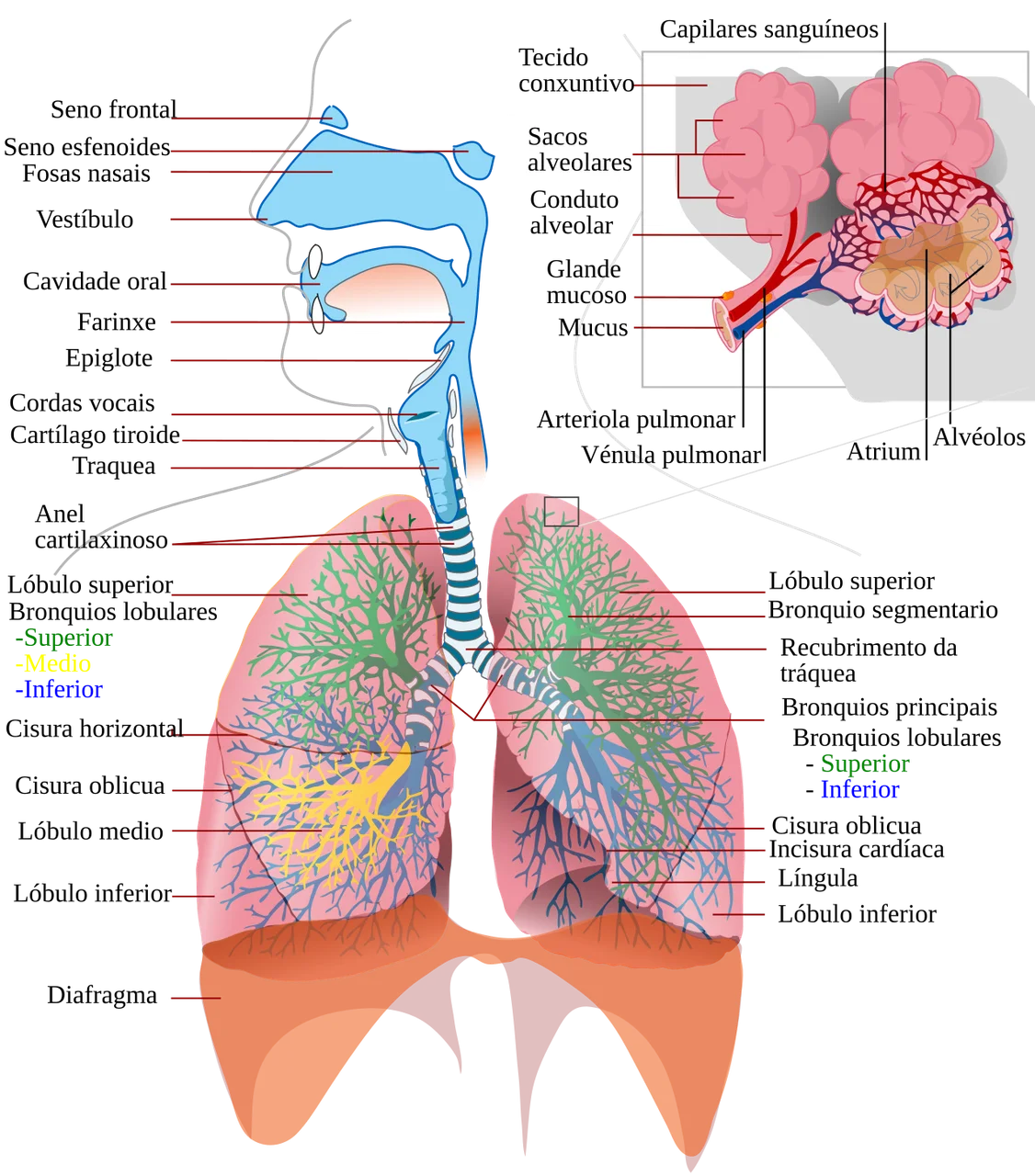
After air enters the nose, it passes into a chamber that warms, humidifies, and filters it before the throat. Which structure is this chamber?
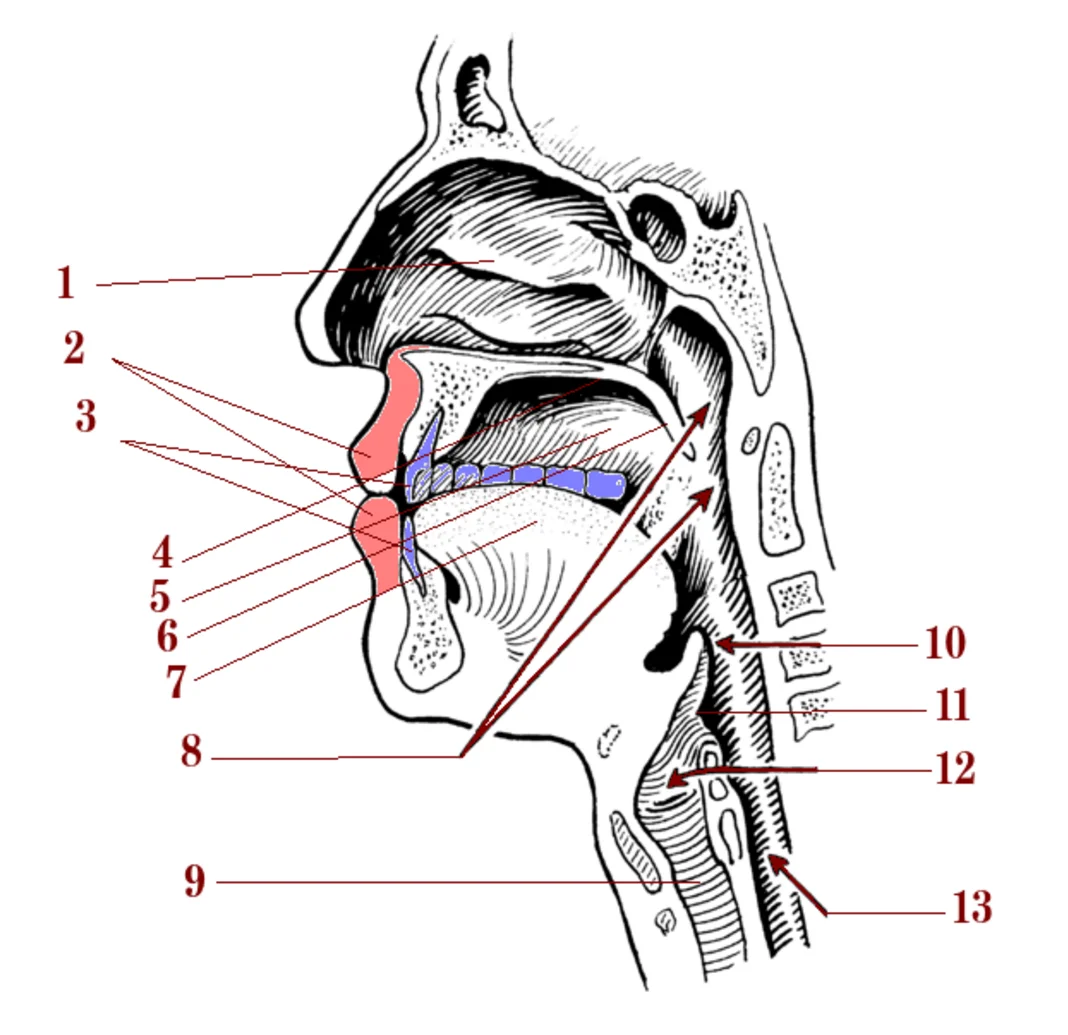
A flap of elastic cartilage folds over the airway opening during swallowing so food is directed toward the esophagus. Which structure is that flap?
The boxlike airway between the lower throat and windpipe contains the vocal folds and helps keep the airway open. Which structure is it?
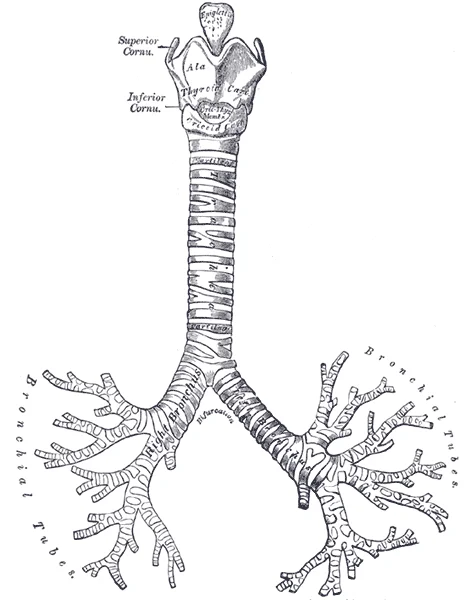
The slitlike opening between the vocal folds is the passage air crosses on its way from the voice box into the windpipe. Which structure is it?
A flexible tube in front of the esophagus is held open by C-shaped cartilage rings as it carries air toward the chest. Which structure is it?
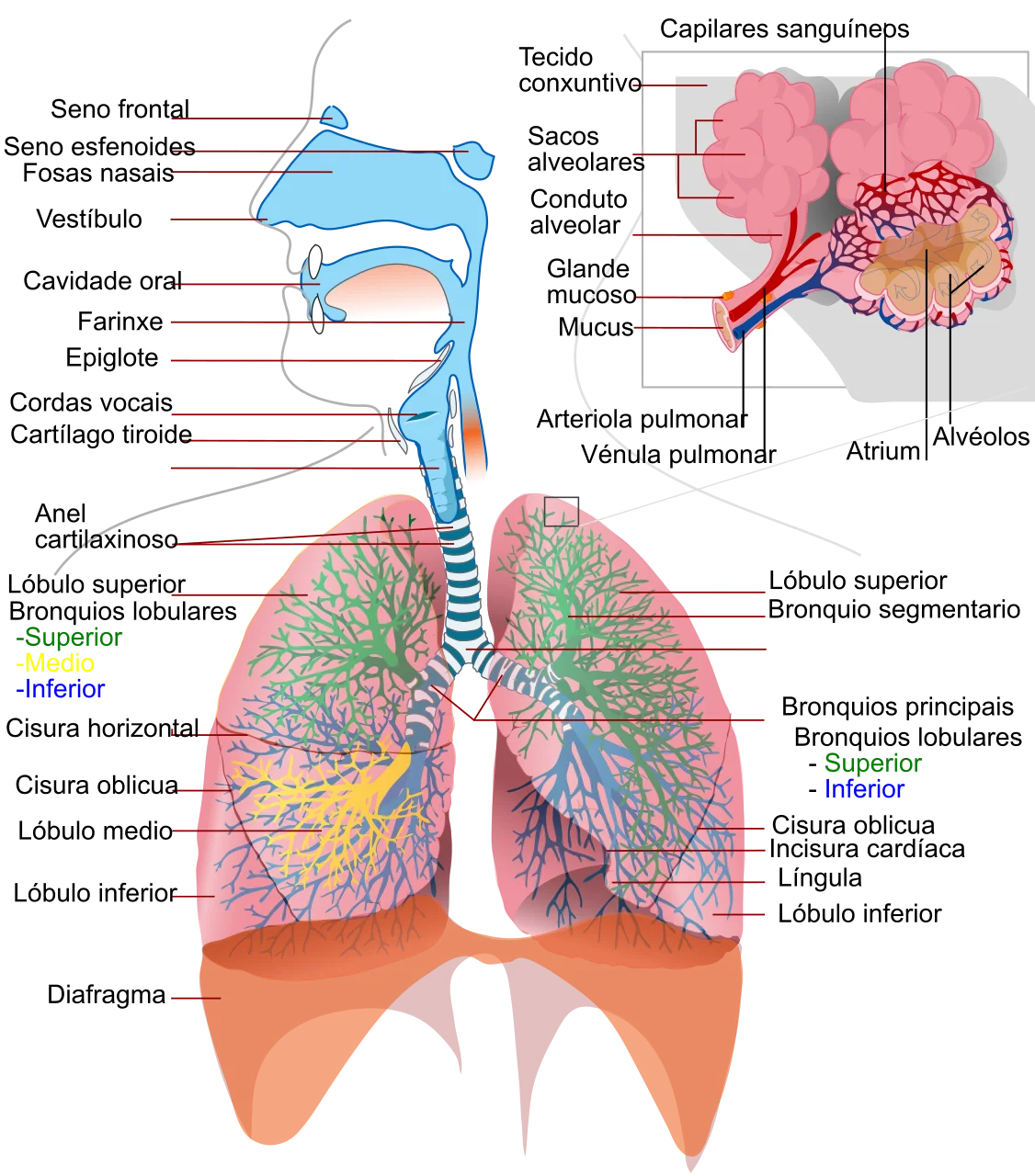
At the lower end of the windpipe, the first large airway entering each lung carries air into that lung. Which structure is it?
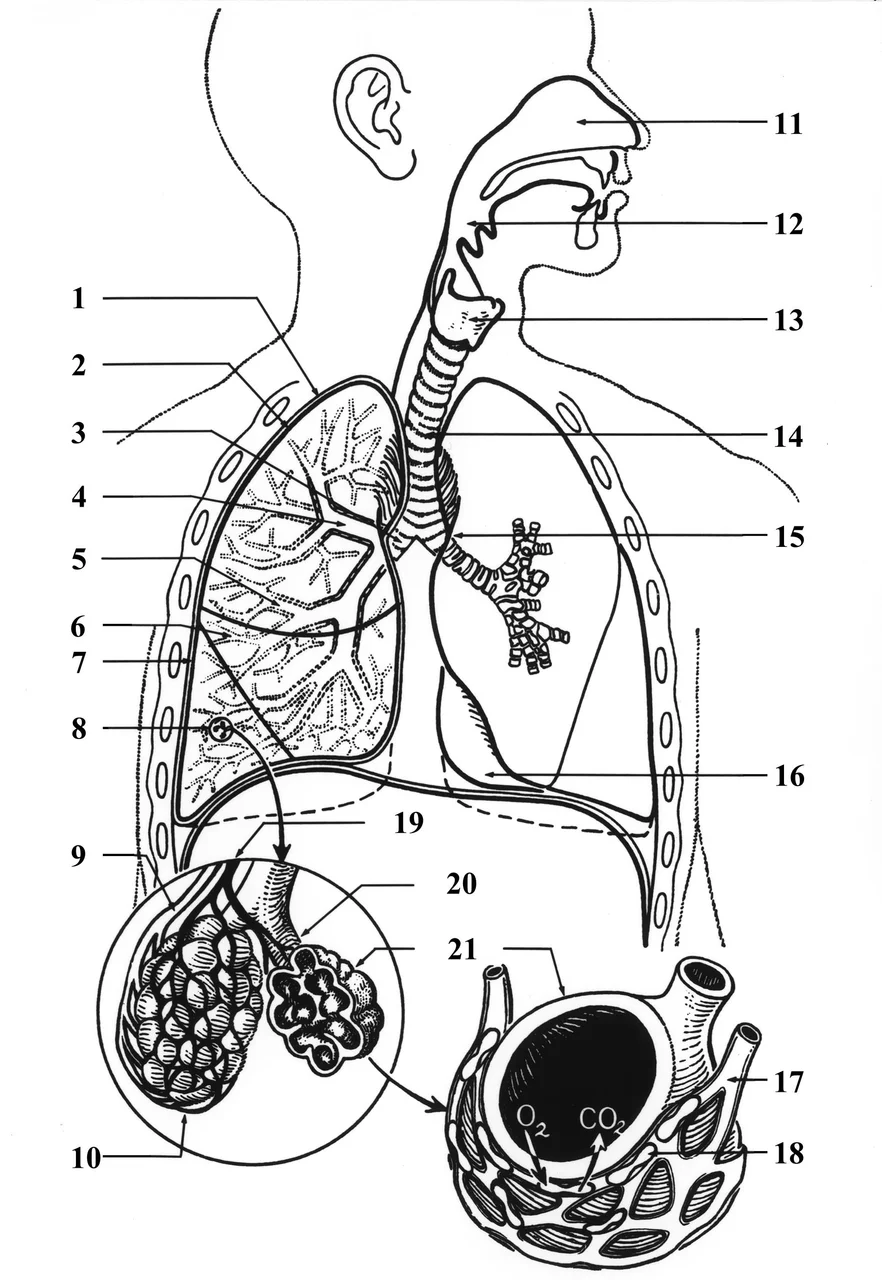
A small airway inside the lung lacks cartilage plates and leads toward the gas-exchange sacs. Which structure is it?
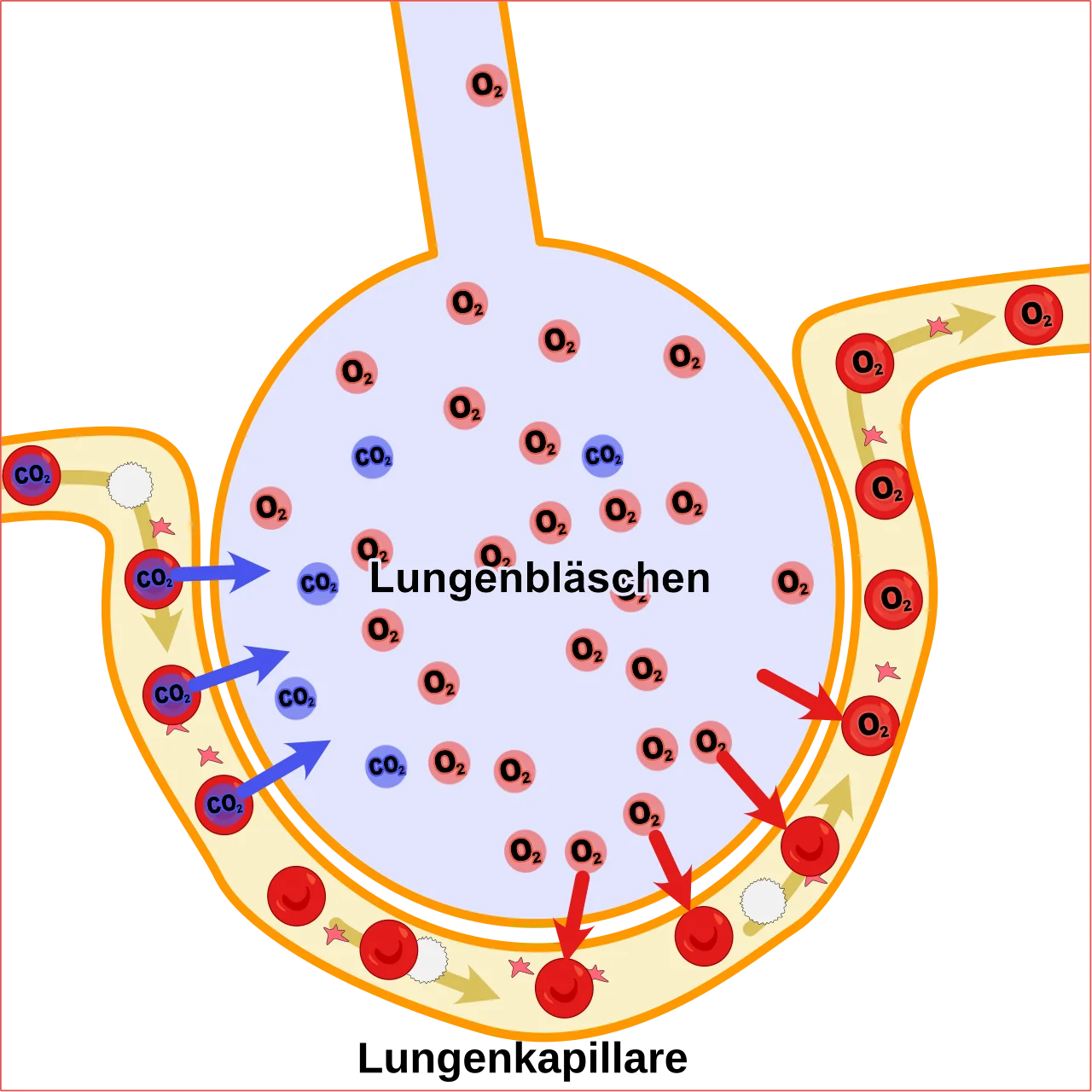
A tiny air sac wrapped in capillaries is the final air space where oxygen and carbon dioxide diffuse. Which structure is it?
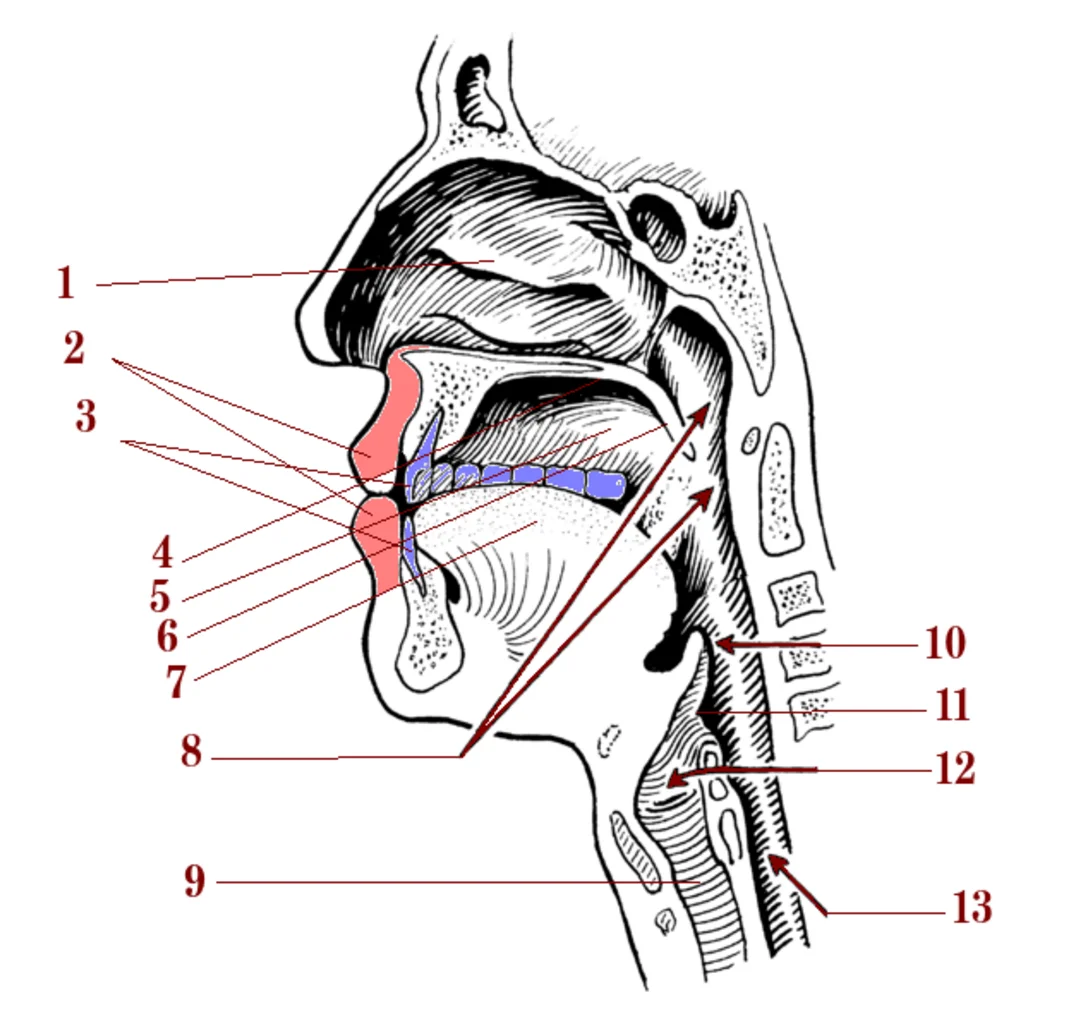
The shared throat passage behind the nose and mouth carries air toward the voice box and food toward the esophagus. Which structure is it?
The upper throat region behind the nose and above the soft palate receives air from the nasal cavity. Which region is it?
The middle throat region behind the mouth carries air from mouth breathing and also carries swallowed food. Which region is it?
Air that has just entered through a nostril moves into which chamber next?
Air leaving the chamber inside the nose enters the uppermost part of the throat. Which region comes next?
Air descending from the nasopharynx reaches which throat region next?
Air moving downward through the oropharynx enters which lowest throat region before the voice box?
After air passes the laryngopharynx, it enters the organ that contains the vocal folds. Which structure is next?
Air passing through the opening between the vocal folds enters which tube next?
At the carina, air leaving the windpipe enters the first major airway to one lung. Which passage is next?
Within a lung, air leaving a primary bronchus enters the branch serving one lobe. Which passage is next?
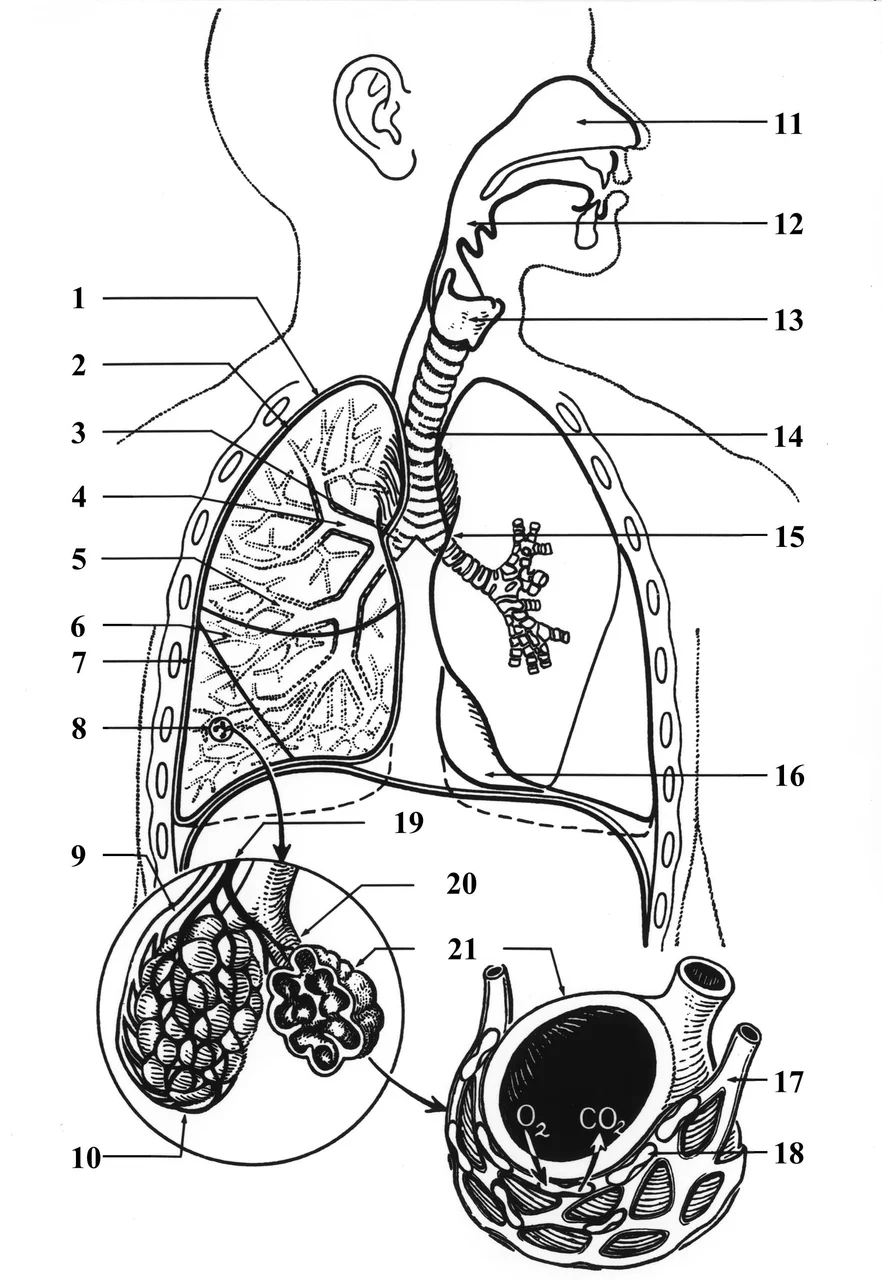
Air leaving a lobar bronchus enters branches that supply bronchopulmonary segments. What type of passage is that?
After segmental bronchi branch repeatedly, air enters tiny tubes without cartilage. Which passages come next?
In the simplified classroom pathway, air leaves a bronchiole and reaches what gas-exchange structure next?
The paired openings of the auditory tubes, which connect the middle ears to the throat, are found in which throat region?
Palatine tonsils sit in the side walls of which throat region, where swallowed food crosses the path of inhaled air?
Which throat region continues posteriorly into the esophagus and anteriorly into the voice box?
At its lower end, this airway splits at a ridge called the carina into two branches, one for each lung. Which region has this feature?
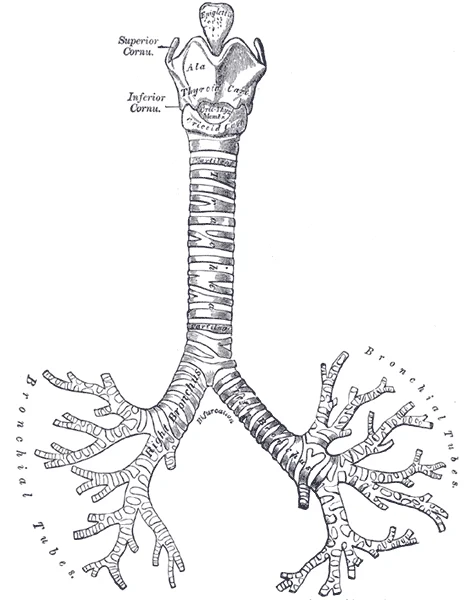
Irregular cartilage plates support the larger airways inside the lungs before the passages become much smaller. Which region has this feature?
Smooth muscle without cartilage can narrow these small airways and strongly change airflow resistance. Which region has this feature?
Thin sacs lined by simple squamous epithelium sit next to capillaries for rapid gas exchange. Which region has this feature?
A ciliated, mucus-lined mucosa over folded conchae conditions incoming air near the start of the tract. Which region has this feature?
Both nostrils are completely obstructed, but the mouth remains open. Which change follows during quiet breathing?
Swollen tissue fills the nasal cavity during an infection while the lower airway stays open. Which change follows for air entering through the nose?
If the epiglottis is stuck down over the airway opening during an attempted inhalation, which consequence follows?
During a severe spasm, the glottis closes completely. Which consequence follows immediately?
A foreign object blocks the trachea above the point where it divides. Which consequence follows?
A peanut lodges in the right primary bronchus and blocks it completely. Which change follows in the right lung?
During an asthma attack, smooth muscle narrows many bronchioles. Which consequence follows?
Fluid fills many alveoli during pneumonia. Which consequence follows at those sites?
A mucus plug blocks a secondary bronchus leading to the left upper lobe. Which consequence follows?
Crack the passcode before the zombies get in.
Answer, then swat bugs for bonus points.
Race through questions at your own speed.
Same question on every screen. Fastest wins.

Pick a tile, answer, hit bonuses and steals.

Gas Exchange and How Blood Carries Oxygen
20 questions