Loading
by BlastRoom
The tube from mouth to anus in order, its regions, its sphincters and the four layers of its wall.
#us_hs_anatomy_physiology
40 questions
One question set, multiple game modes. Tap any game to see it in action. Not sure which to pick?
Answer to place stones and capture territory.
Outrun the snow together.
Earn blasts, then hunt the other team.
Answer to earn energy, then climb.

The class blasts through walls together.
Bid on mystery lots. Most money wins.
Sell tours. Nice, standard, or a total scam.

Answer, restock, and serve the rush.
More correct answers pulls the rope your way.
Answer, then shoot down the alien wave.
Answer, then tap to leap the frozen ridge.
A ring of muscle at the lower end of the swallowing tube stays closed between swallows so the sac below does not reflux upward. What structure is it?
A muscular ring controls how quickly churned chyme leaves the stomach for the first small-intestine region. What structure performs this job?
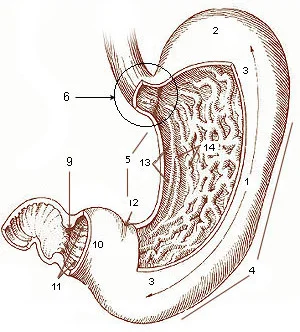
At the junction where the final small-intestine segment opens into the first pouch of the large intestine, which structure controls one-way flow?
Rings of muscle around the terminal opening relax during defecation and close afterward. What structures are being described?
Which situation shows that esophageal peristalsis moves a bolus by muscle contraction, not by gravity?
Which organ is the expandable muscular sac that churns food with acid and enzymes to form chyme?
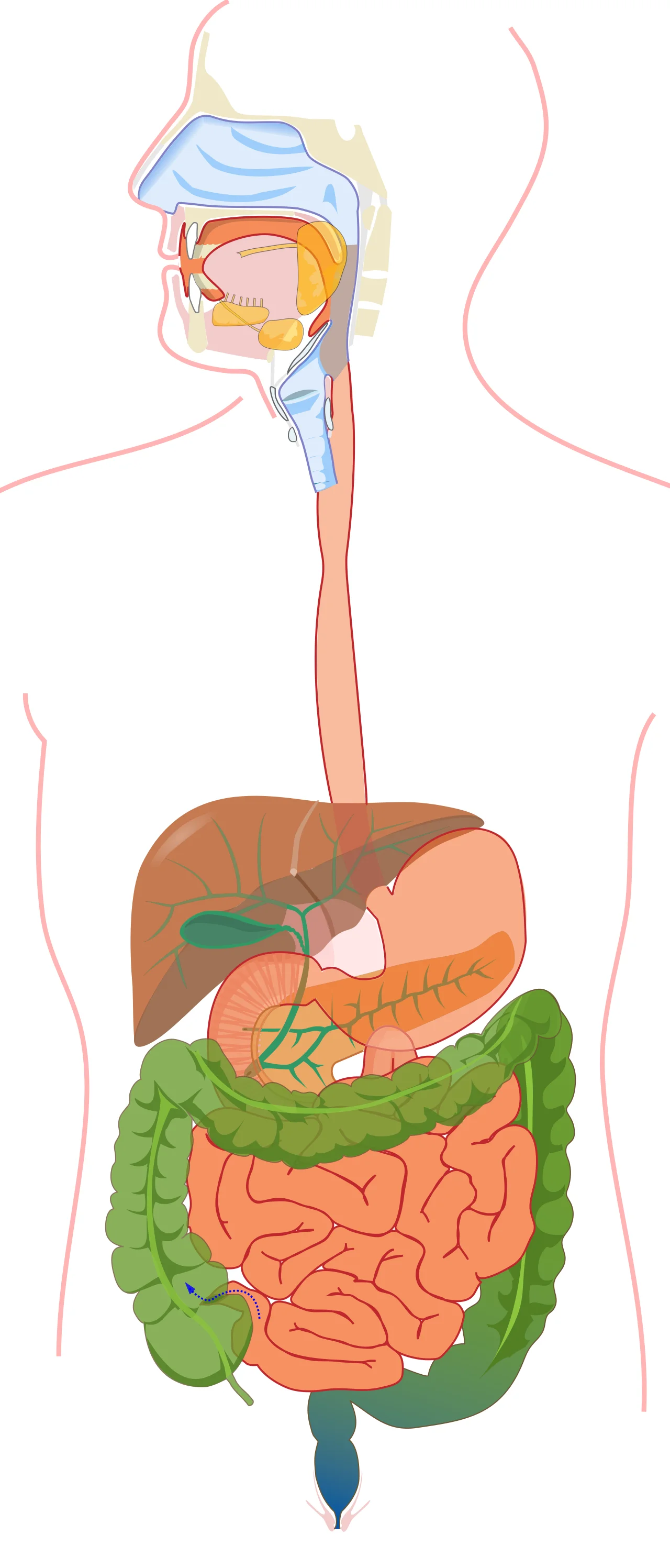
Ducts from the liver and pancreas deliver bile and digestive enzymes into which region of the small intestine?
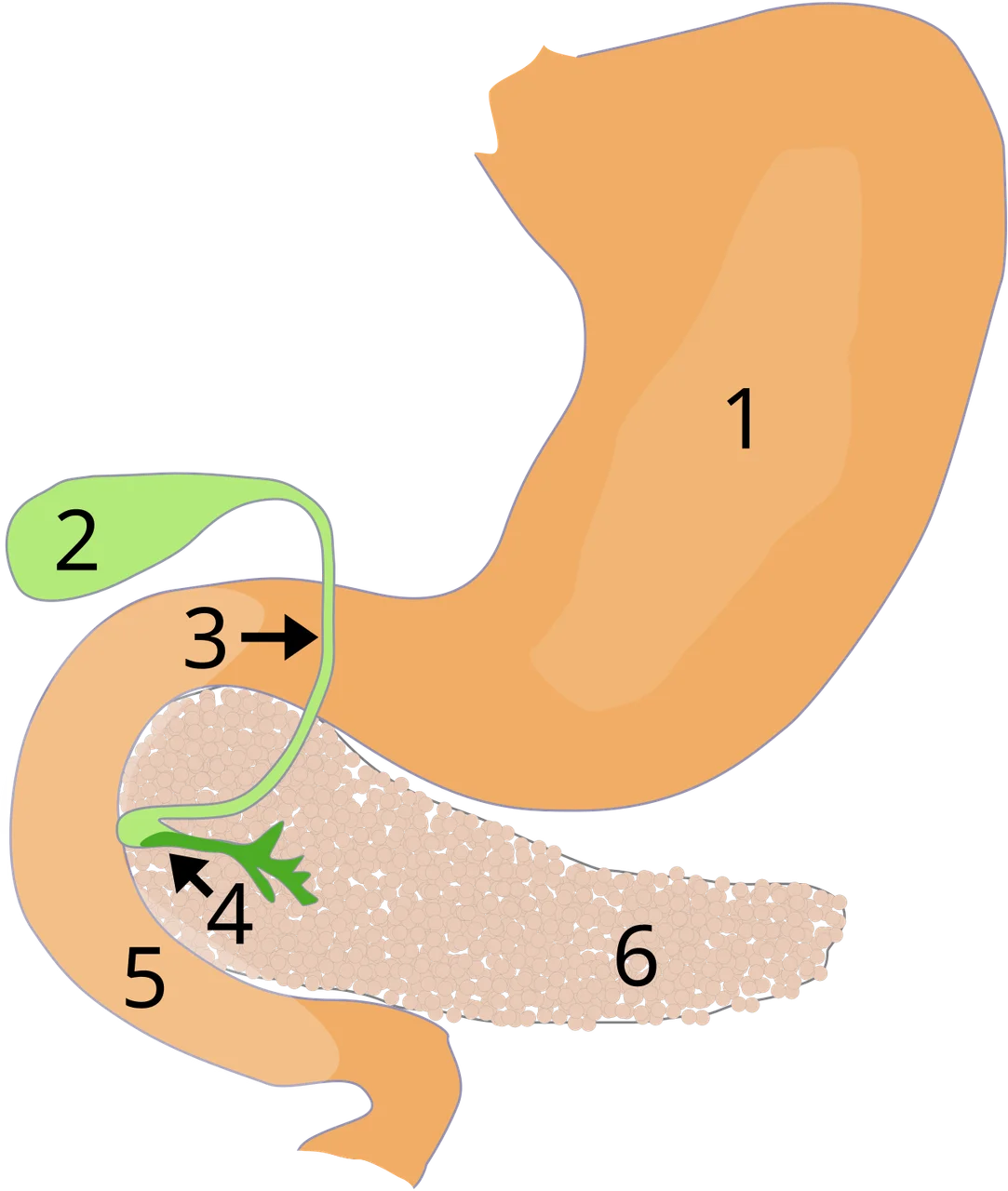
Most chemical digestion has started, and the chyme reaches the middle region of the small intestine where much nutrient absorption occurs. What region is it?
The last region of the small intestine empties into the beginning of the large intestine. What region is it?
The appendix hangs from which blind pouch of the large intestine?
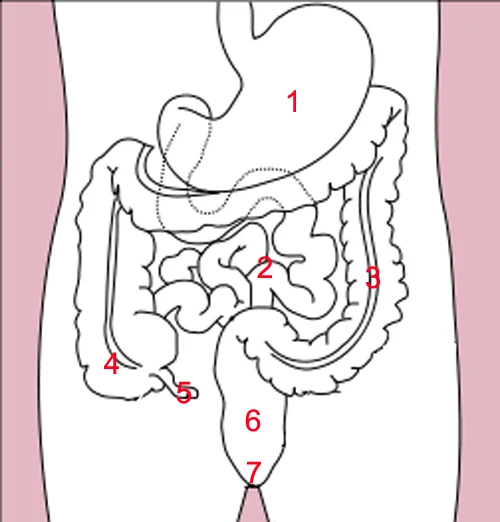
As feces fill it, stretch receptors in the wall of which organ signal the urge to defecate?
Food enters the alimentary canal where teeth mechanically break it apart and saliva begins digestion. Which organ is this?
A swallowed bolus leaves the oral cavity. What canal region does it enter next?
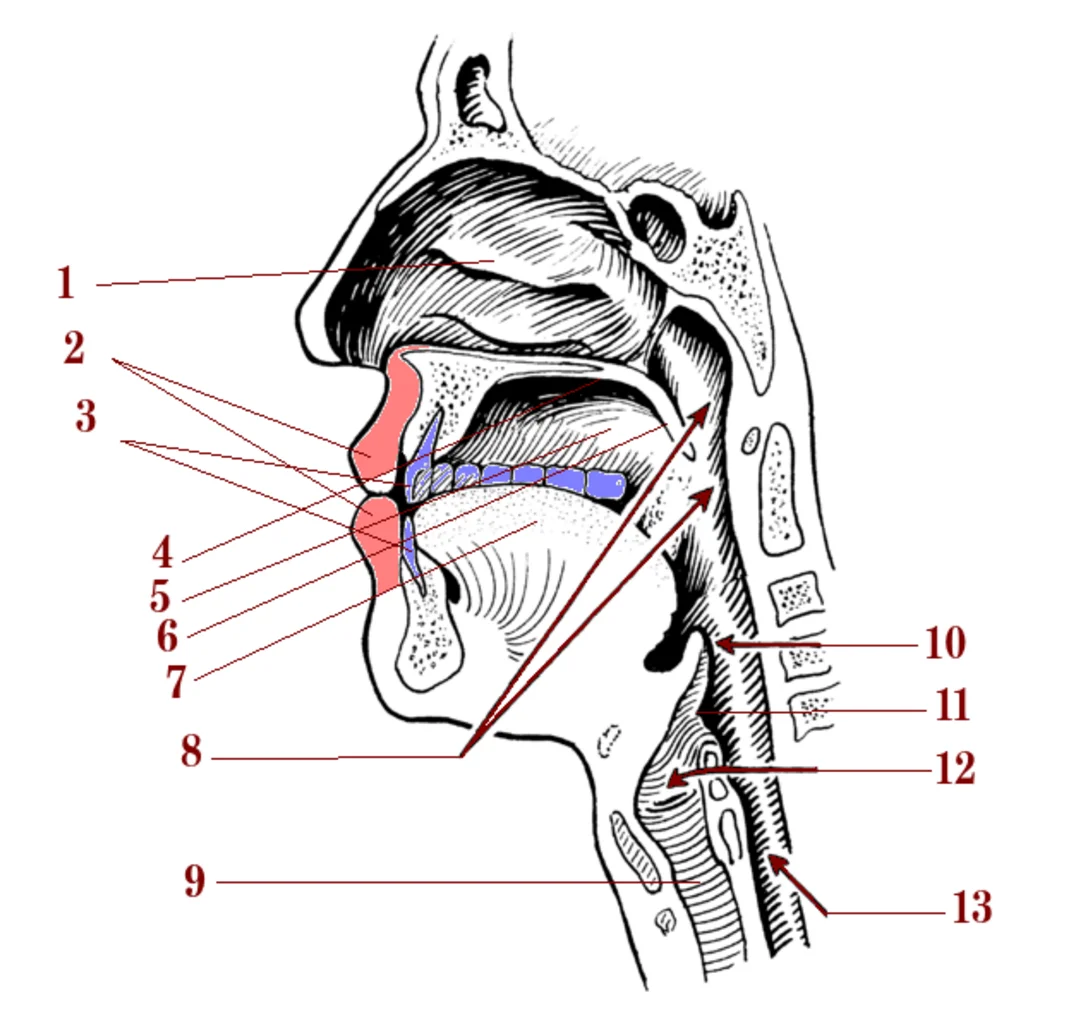
After the throat directs a bolus into the digestive tube, what organ receives it next?
A bolus has traveled down the esophagus. Which organ does it reach immediately afterward?
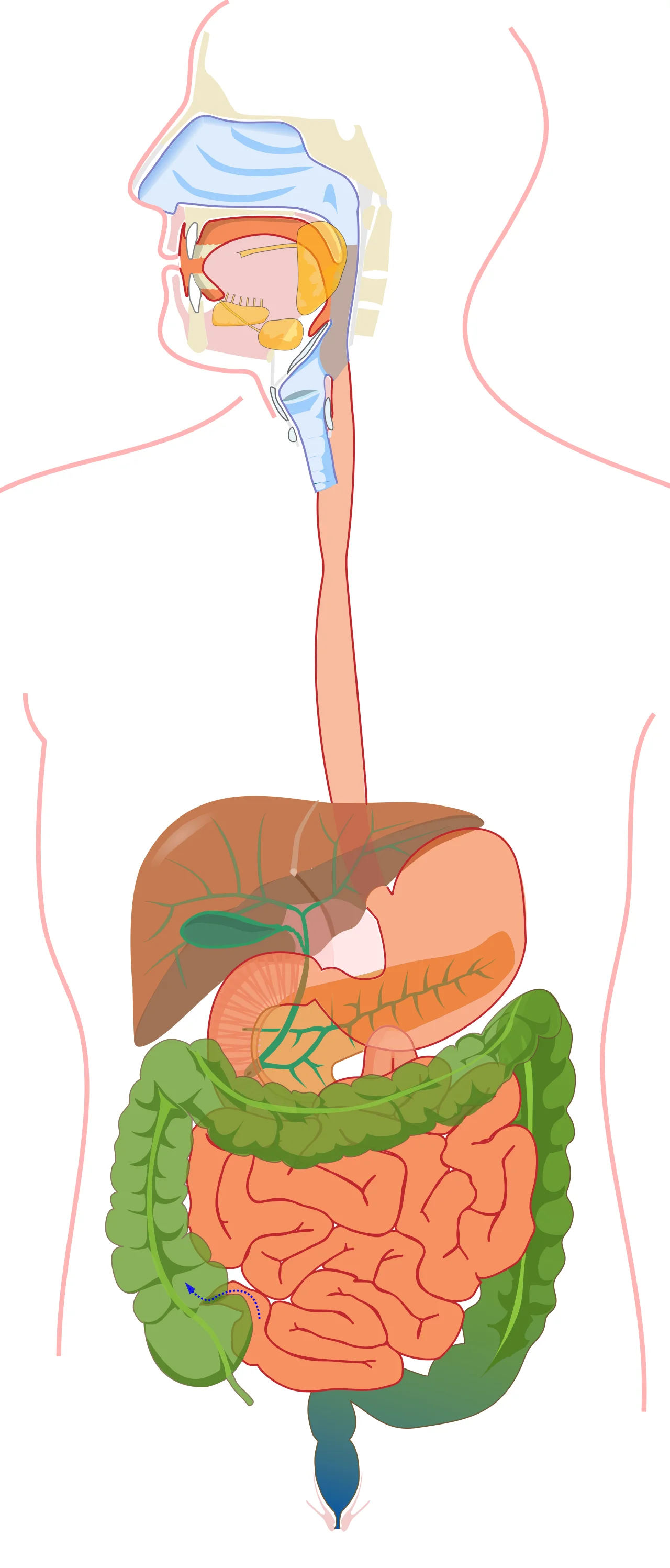
Chyme leaves the stomach through its distal muscular ring. Which small-intestine region does it enter first?
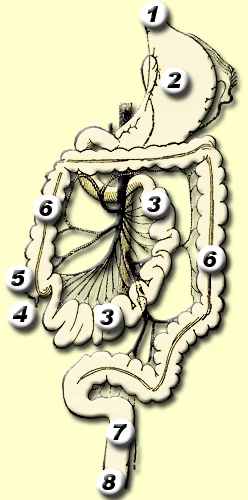
Material has just passed through the duodenum. What region of the small intestine comes next?
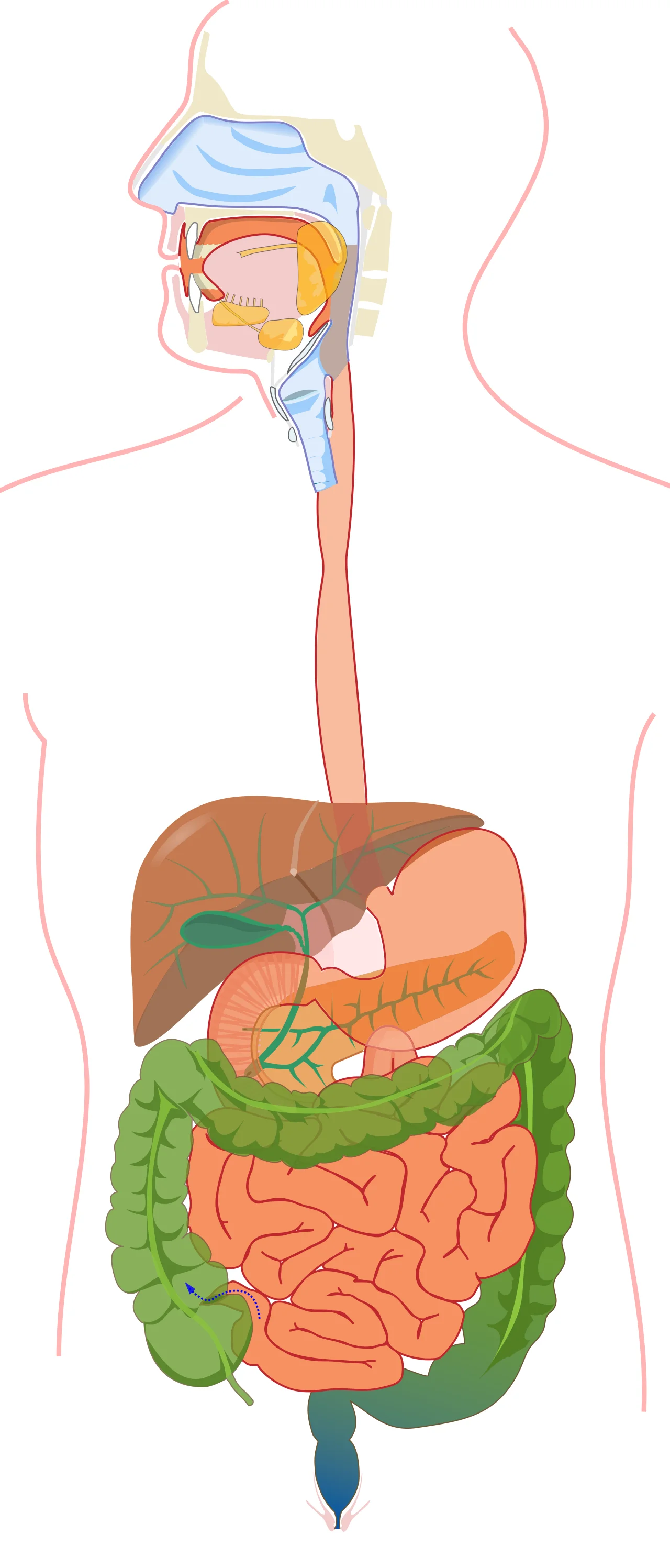
After nutrients move through the jejunum, which small-intestine region is next in the canal?
Material leaving the ileum enters the large intestine at what first region?
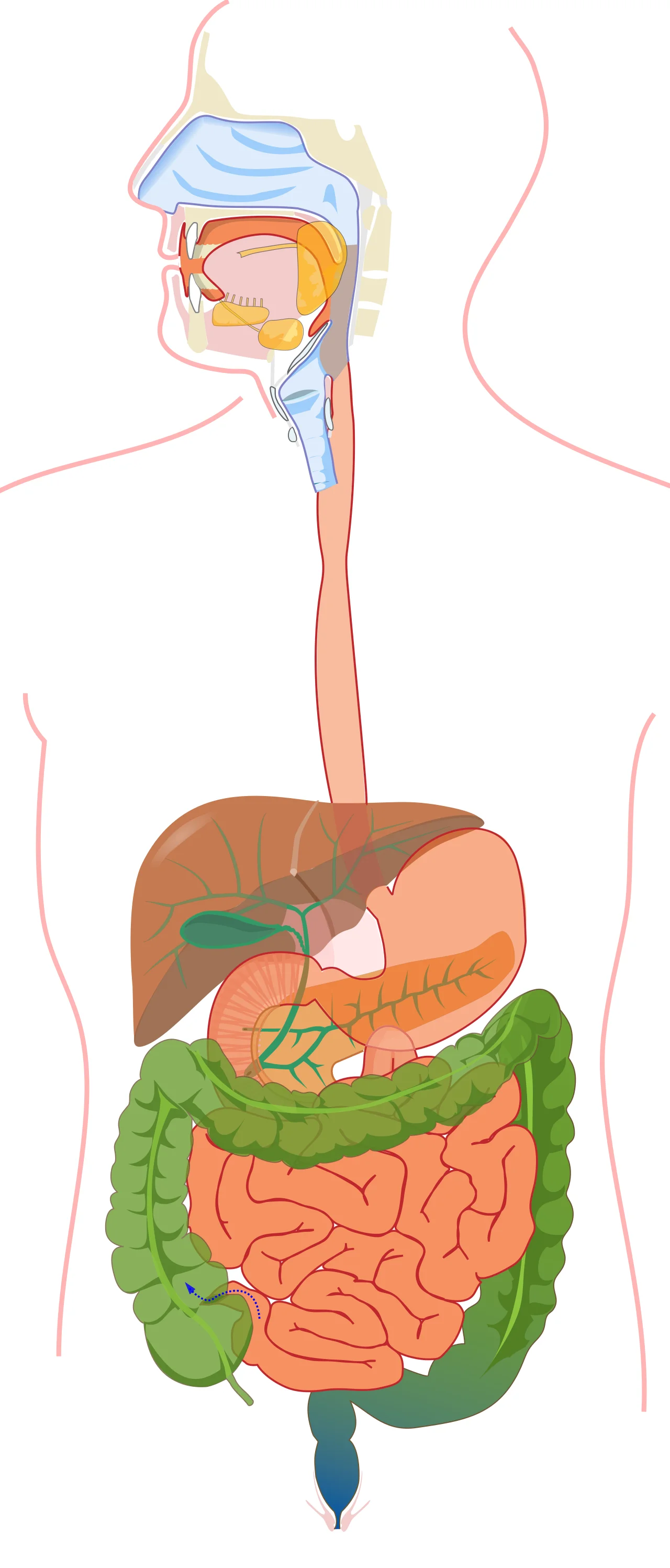
Material leaves the first pouch of the large intestine and moves into the longer section that absorbs water and forms feces. What section is next?
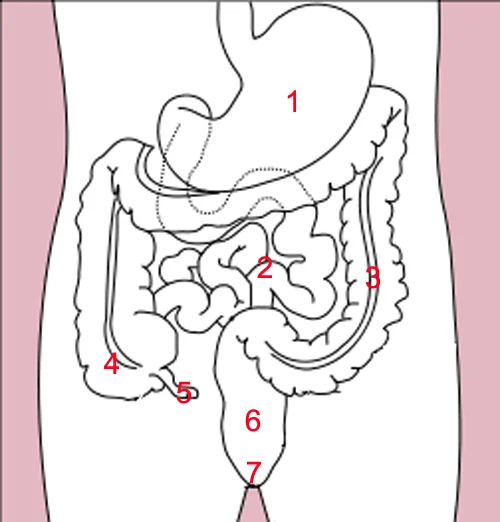
After passing through the colon, feces enter which storage region before elimination?
Feces leave the storage chamber at the end of the large intestine. What terminal opening do they pass through?
Which wall layer produces the wave-like contractions that push contents along the canal?
The epithelium lining the lumen secretes mucus and absorbs digested molecules. Which wall layer performs these jobs?
Blood vessels, lymphatic vessels, and nerves run in the connective tissue just deep to the inner lining. Which wall layer is this?
A slippery outer covering reduces friction as abdominal digestive organs move against nearby organs. Which wall layer does this?
Villi and microvilli increase the surface area of the lining that faces chyme. Which wall layer contains these projections?
A network of neurons called the myenteric plexus is sandwiched between two smooth muscle sheets it helps coordinate. Which wall layer contains this plexus?
Meissner's plexus regulates local blood flow and glandular secretion for the lining above it. Which wall layer holds this nerve network?
The layer in direct contact with the lumen must protect underlying tissue from acid, enzymes, and abrasion. Which layer is it?
The stomach and much of the small intestine are wrapped in visceral peritoneum, but the esophagus is not and has tough adventitia instead. What is the peritoneal wrapping layer called?
Many sphincters are formed by thickened circular smooth muscle. Which wall layer supplies that muscle?
If the lower ring between the esophagus and stomach fails to close tightly, what consequence is most likely?
A blockage at the stomach outlet prevents chyme from moving through the pyloric sphincter. What follows?
If the valve between the ileum and cecum no longer works, what problem can occur?
A patient has most of the large intestine removed. What change would be expected in material reaching the rectum?
A complete esophageal blockage forms below the throat. What happens to a swallowed bolus?
A blockage closes the duodenum just beyond the stomach. What immediate effect does this have on canal movement?
If much of the jejunum is removed, which digestive consequence is most likely?
A tumor blocks the rectum before feces can reach the terminal opening. What consequence follows?
Crack the passcode before the zombies get in.
Answer, then swat bugs for bonus points.
Race through questions at your own speed.
Same question on every screen. Fastest wins.

Pick a tile, answer, hit bonuses and steals.
Mouth, Teeth and Swallowing
30 questions