Loading
by BlastRoom
The respiratory disorders this course covers, and what each does to airflow.
#us_hs_anatomy_physiology
20 questions
One question set, multiple game modes. Tap any game to see it in action. Not sure which to pick?
Answer to place stones and capture territory.
Outrun the snow together.
Earn blasts, then hunt the other team.
Answer to earn energy, then climb.

The class blasts through walls together.
Bid on mystery lots. Most money wins.
Sell tours. Nice, standard, or a total scam.

Answer, restock, and serve the rush.
More correct answers pulls the rope your way.
Answer, then shoot down the alien wave.
Answer, then tap to leap the frozen ridge.
A student has repeated episodes of wheezing, chest tightness, and trouble exhaling after exercise, then returns to normal between episodes. Which disorder fits best?
A long-term smoker becomes short of breath because tiny air sacs lose elastic recoil and their walls break down. Which disorder fits best?
Fever, cough, and fluid-filled air sacs in one lung lobe make oxygen transfer poor. Which disorder is most likely?
A patient has a chronic productive cough, narrowed airways, and progressive difficulty moving air out after years of smoking. Which broad disorder category fits?
Coughing blood-tinged sputum, weight loss, night sweats, and lung infection that can form cavities point to which disorder?
A young child develops a barking cough and harsh sound during inhalation because swelling narrows the upper airway below the vocal folds. Which disorder fits?
In emphysema, which lung structures are destroyed so the surface area for external respiration decreases?
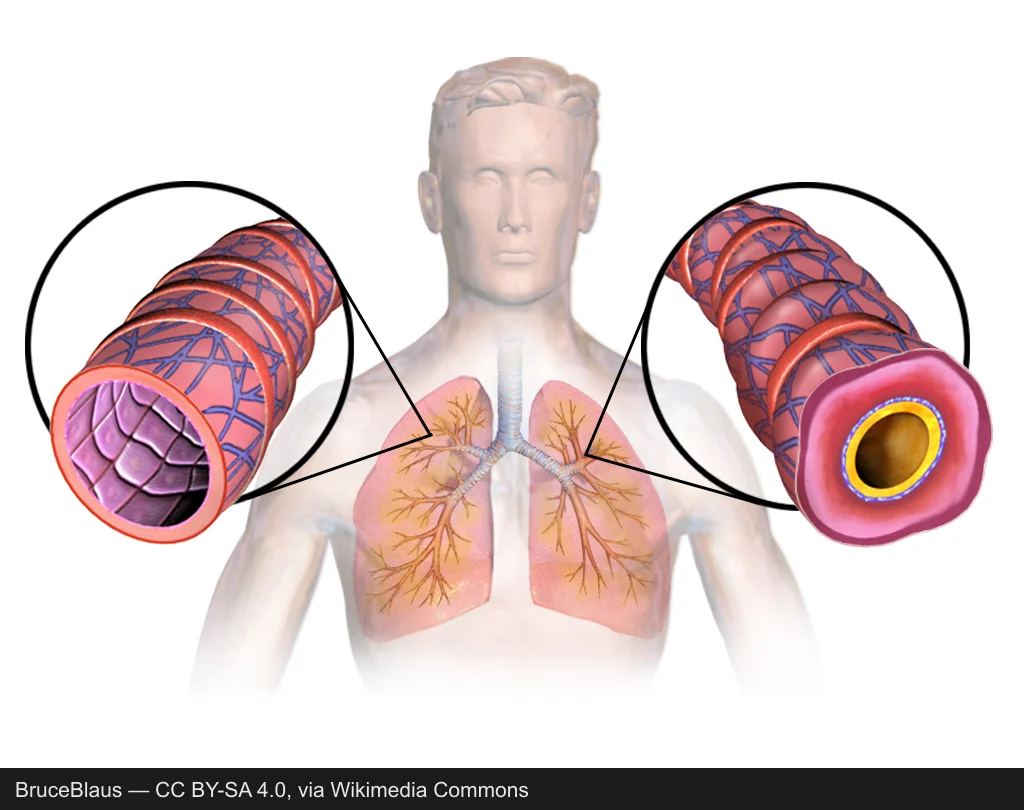
During an asthma attack, which structures narrow when smooth muscle contracts and the lining swells?
In pneumonia, fluid and inflammatory cells collect in the main gas-exchange spaces. Which structures are directly filled?
Chronic bronchitis damages the ciliated lining of the conducting airways. Which tissue is most directly affected?
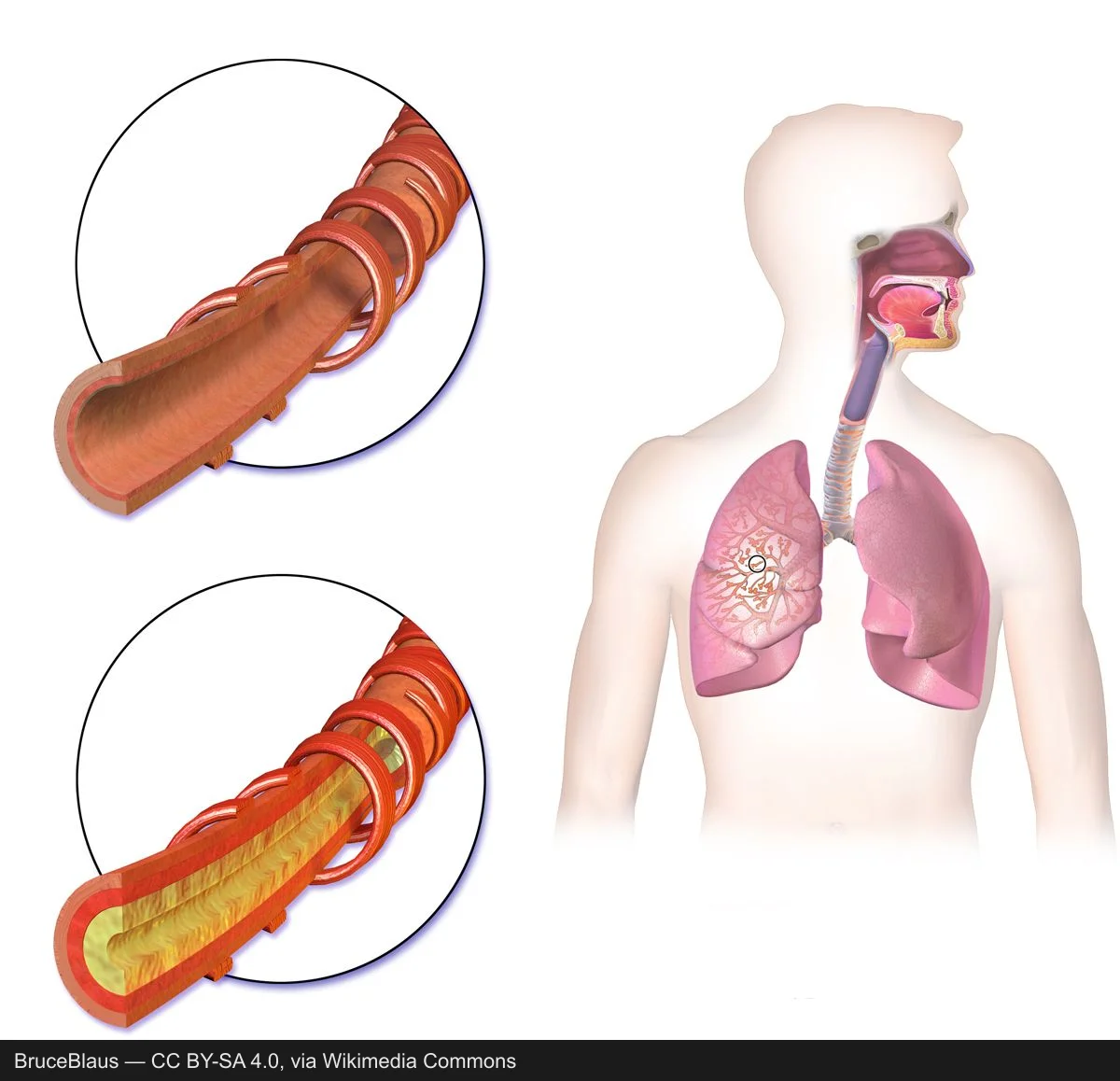
Tuberculosis bacteria can damage lung regions where air and blood normally meet across a thin barrier. Which structure can be scarred by the infection?
A viral illness causes swelling around the voice box and upper windpipe, producing a barking cough. Which structures are inflamed?
When small airways constrict during an asthma attack, what happens to airflow?
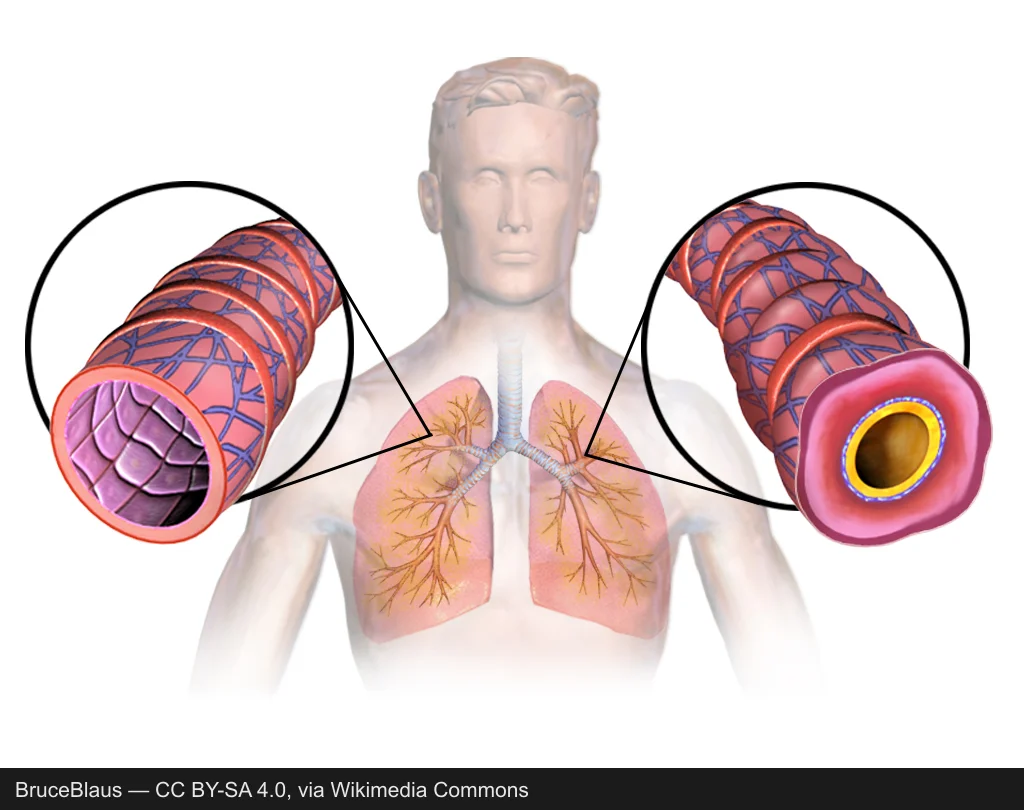
If emphysema destroys many air-sac walls, what happens to oxygen uptake?
Fluid fills air sacs during pneumonia. What is the direct effect on gas exchange in the affected region?
In COPD, the airway lumen is chronically narrowed and lung recoil is reduced. What breathing problem follows?
Tuberculosis leaves scarred lung tissue after infection. What follows for external respiration in those damaged areas?
Years of cigarette smoke paralyze and destroy airway cilia. Which result follows?
A person with allergic asthma inhales pollen, and within minutes mast cells in the airway walls release histamine. Which airway change occurs?
Long-term exposure to coal dust scars lung tissue and stiffens the respiratory membrane. What change does that exposure produce?
Crack the passcode before the zombies get in.
Answer, then swat bugs for bonus points.
Race through questions at your own speed.
Same question on every screen. Fastest wins.

Pick a tile, answer, hit bonuses and steals.
Liver, Gallbladder and Pancreas
25 questions