Loading
by BlastRoom
What each row actually rewards, taught by judging sample responses rather than by reciting the rubric.
#rubric#ap_english_literature
25 questions
One question set, multiple game modes. Tap any game to see it in action. Not sure which to pick?
Answer to place stones and capture territory.
Outrun the snow together.
Earn blasts, then hunt the other team.
Answer to earn energy, then climb.

The class blasts through walls together.
Bid on mystery lots. Most money wins.
Sell tours. Nice, standard, or a total scam.

Answer, restock, and serve the rush.
More correct answers pulls the rope your way.
Answer, then shoot down the alien wave.
Answer, then tap to leap the frozen ridge.
Scoring the thesis row: “The poet uses imagery, diction, and structure to show meaning.” Does it earn the point?
Scoring the thesis row: “The speaker’s repeated commands turn grief into a demand for public witness.” Does it earn the point?
Scoring the thesis row: “The passage shows how the narrator’s carefully polite diction exposes resentment beneath the social performance.” Does it earn the point?
Scoring the thesis row: “In the following paragraphs, I will discuss the poem’s tone.” Does it earn the point?
Scoring the thesis row: “The prompt asks how setting reveals conflict in the excerpt.” Does it earn the point?
Scoring the thesis row: “By filtering events through free indirect discourse, the novel makes the heroine’s certainty seem both comic and fragile.” Does it earn the point?
A paragraph quotes two phrases from a poem, then says each is “powerful” without explaining how either supports the claim. Where does it sit on evidence and commentary?
A prose analysis paragraph mostly retells the scene, with one accurate reference to the narrator’s description but no clear link to an argument. What score band fits best?
A paragraph claims a sonnet’s final couplet revises the speaker’s confidence, quotes the couplet, and explains the reversal but leaves earlier claims thin. Which band is most likely?
A literary argument names a novel from the works bank, cites precise events from across it, and explains how each event develops the same claim. Where should it land?
A poetry response gives a defensible thesis, then offers only general statements such as “the imagery is vivid” and “the tone is emotional.” What is the best rubric judgment?
A prose paragraph tracks a shift from comic understatement to menace and explains how three quoted details change the reader’s view of the narrator. Which score band fits?
A response analyzes the poem closely, but its only claim is a plain fact: “The poem is a sonnet.” Which row does that weakness cost?
An essay quotes relevant lines but treats each quotation as self-explanatory. Which rubric row is most directly weakened?
A literary argument makes a plausible claim and supports it, but it never accounts for the novel’s competing values or tensions. Which possible point is most likely withheld?
A response has no overarching defensible claim, though one body paragraph contains a useful observation about imagery. Which row is the first problem?
A prose analysis relies on vague references like “the character changes a lot” and “many things happen,” with almost no textual detail. Which row suffers most?
A response identifies the poem’s volta and quotes it accurately, then moves straight on. What would most improve its evidence and commentary score?
A literary argument names three events from a novel but only summarizes them. What addition would move it upward on evidence and commentary?
A prose response calls a first-person narrator unreliable and quotes a contradiction in her account. What should it add next?
A paragraph asserts that a symbol matters, identifies it correctly, and stops. Which revision best raises the score?
A poetry essay has apt evidence in each paragraph, but the claims feel like separate observations. What would most improve the evidence-and-commentary row?
The sophistication row is best described as rewarding a response that does what across the essay?
Which move is most likely to support the sophistication point in a prose fiction analysis?
A polished essay uses metonymy, chiasmus, and anagnorisis correctly but makes a simple, unqualified argument. How should the sophistication row be judged?
Crack the passcode before the zombies get in.
Answer, then swat bugs for bonus points.
Race through questions at your own speed.
Same question on every screen. Fastest wins.

Pick a tile, answer, hit bonuses and steals.
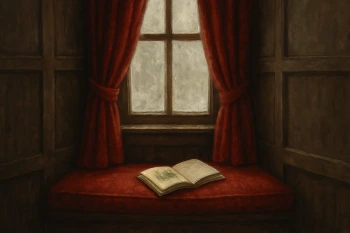
Jane Eyre: Gateshead and Lowood
25 questions