Loading
by BlastRoom
Jane’s childhood at Gateshead and her schooling at Lowood, chapters 1 to 10.
#ap_english_literature
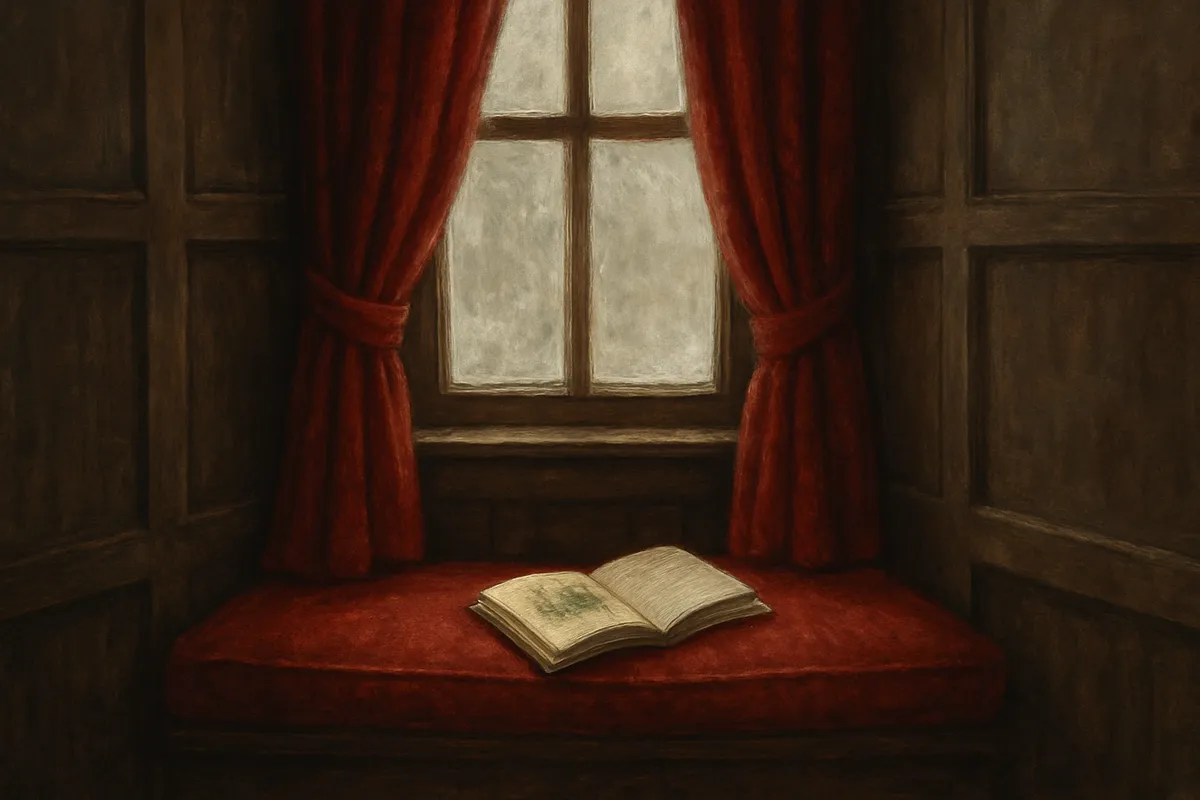
25 questions
One question set, multiple game modes. Tap any game to see it in action. Not sure which to pick?

Pick a tile, answer, hit bonuses and steals.

Battleship. Sink every enemy ship to win.
Pass the potato before the fuse runs out.
Buy low, sell high, before the news breaks.
Take the wages, or take the whole vault.
Answer, then shoot for the top corner
The novel opens, "There was no possibility of taking a walk that day." What does that blocked walk help establish before John Reed appears?
When John Reed finds Jane behind the curtain with Bewick's book, why is the episode structurally important?
The red-room is "a square chamber, very seldom slept in," where Mr. Reed died. What does shutting Jane there accomplish?
Jane's fit in the red-room brings a visitor to Gateshead the next day. Who is called, and what consequence follows?
Mrs. Reed tells Brocklehurst that Jane is deceitful. How does that private accusation affect Jane at Lowood?
Asked how she will avoid hell, Jane answers, "I must keep in good health, and not die." What does the reply reveal?
Jane tells Mrs. Reed, "I am not deceitful: if I were, I should say I loved you; but I declare I do not love you." What does the novel show the outburst costing her?
When Jane calls John Reed "like a slave-driver," what does the comparison do?
Why is Miss Temple's room crucial after Brocklehurst's accusation?
At Lowood, bells, long rooms, and communal meals do more than locate the action. What pressure do they create?
The first Lowood breakfast is inedible, and Miss Temple orders bread and cheese. What contrast does the event establish?
Miss Scatcherd punishes Helen for disorder while Helen answers lessons well. What does that juxtaposition emphasize?
Helen says it is better to endure a private smart patiently. Against what in Jane does the novel set this creed?
Helen tells Jane, "If all the world hated you," an approving conscience would still give friendship. What does the line offer Jane?
Brocklehurst says his "mission is to mortify in these girls the lusts of the flesh." What does the novel place beside that claim?
When Brocklehurst orders Julia Severn's curls cut, the text also stresses his family's curls and finery. What does that pairing expose?
After Brocklehurst places Jane on a stool as a liar, what counterforce does the narrative set beside the spectacle?
During the typhus summer, the healthy girls wander outdoors while Lowood is emptied by disease. What does the altered setting reveal?
Why is the typhus outbreak significant in the sequence of chapters 1 to 10?
After Miss Temple marries and leaves Lowood, what does her departure set in motion for Jane?
Jane says, "I desired liberty; for liberty I gasped." How does the chapter qualify that desire?
Helen tells Jane she is "going to God" as she dies. How is Helen's composure set against Jane's need?
Helen tells Jane, "You think too much of the love of human beings." Which assumption in Jane does this challenge?
When Miss Temple hears Jane's history and writes to Mr. Lloyd, what changes in Jane's position at Lowood?
Helen's "Love your enemies" ethic most sharply contrasts with which feature of Jane's temper?

The Prose Fiction Analysis Essay (Q2)
25 questions

The Literary Argument, Q3 Open Question
25 questions

Reading the Rubric
25 questions

Building Your Works Bank for Q3
25 questions

Jane Eyre: Thornfield
30 questions

Jane Eyre: Moor House and Ferndean
25 questions
Jane Eyre: Full Novel Review
50 questions

Jane Eyre: Narration, Voice and the Reader
25 questions
What Is Rhetoric: Speaker, Audience, Purpose
25 questions

Close Reading and Annotation
20 questions
Keep the tile or give it to a rival team.
Answer correctly to move your piece.
Texas Hold'em. Answer to draw better cards.
Pick a chest. Big bonus, or lose it all.
Catapult a rival castle or repair your own.
Climb the mountain, or push a rival off it.




